
Painted Lady US Distribution: Your Powerful Guide

Have you ever seen a butterfly? They are so pretty and flutter around. One butterfly is the painted lady. It is orange, brown, and white. These butterflies live in many places. This article is about the painted lady us distribution. We will learn where they live in the United States.
Painted ladies are not just pretty. They are also travelers. They move around a lot. They can fly very far. Let’s find out where you can see them. It is fun to learn about these amazing insects. They are an important part of nature.
Have you ever wondered how butterflies find their way? The painted lady us distribution changes. This depends on the time of year. It also depends on the weather. Keep reading to learn more about them. You might even see one soon.
Key Takeaways
- The painted lady us distribution covers almost all of the United States.
- These butterflies migrate long distances, seeking food and good weather.
- Painted ladies lay their eggs on plants like thistles and mallows.
- You can attract them to your garden with nectar-rich flowers.
- Their populations can vary greatly from year to year.
Understanding Painted Lady US Distribution

The painted lady us distribution is quite impressive. These butterflies can be found almost everywhere in the United States. They are very adaptable. This means they can live in many different environments. From sunny fields to city gardens, they can survive. Understanding their distribution helps us learn about their lives. It also helps us protect them. They are important pollinators. They help flowers and plants grow. Without them, our world would be very different. The painted lady is a common sight. But, its journey is anything but ordinary. They fly thousands of miles each year. They are searching for the best places to lay their eggs. They also look for food for their caterpillars. The painted lady us distribution map is always changing. This makes them a fascinating butterfly to study. You can often spot them in open areas. They love places with lots of sunshine and flowers.
- Painted ladies live in many different habitats.
- They are found in almost every US state.
- They migrate long distances each year.
- Their populations can change a lot.
- Weather affects their distribution patterns.
Painted lady butterflies are truly amazing creatures. Their ability to thrive in diverse environments is remarkable. They contribute to our ecosystems. They help pollinate plants. This helps the plants produce seeds and fruits. The painted lady us distribution shows how resilient they are. Despite challenges like habitat loss, they continue to adapt. Learning about their needs helps us protect them. We can plant the right flowers. We can avoid using harmful pesticides. Every little bit helps them. They are important indicators of environmental health. They show us how healthy our environment is. The more we learn, the better we can protect them. They bring joy and beauty wherever they go. Seeing a painted lady butterfly is always a special treat. They remind us of the wonders of nature. We must do our part to ensure they continue to thrive.
Fun Fact or Stat: Painted lady butterflies can fly up to 100 miles in a single day during their migration!
What Factors Influence Their Spread?
Have you ever wondered why some animals live in certain places and not others? For painted lady butterflies, several things affect where they go. Weather plays a big part. They like warm, sunny places. Food is also important. Caterpillars need plants to eat. Adult butterflies need nectar from flowers. If there is not enough food, they will move. Migration patterns also affect their spread. Painted ladies fly long distances. They are looking for better places to live. Human activities can also have an impact. Things like farming and building can change their habitats. This can make it harder for them to survive. Understanding these factors helps us understand the painted lady us distribution. It also helps us protect them. We can make sure they have the food and habitat they need.
How Does Climate Change Affect Them?
Imagine if your home suddenly got too hot or too cold. This is what climate change can do to butterflies. As the climate changes, the painted lady us distribution may shift. Warmer temperatures can change where plants grow. This can affect the food supply for caterpillars. Extreme weather events can also harm them. Things like droughts and floods can destroy their habitats. Changes in rainfall can also affect plants. This impacts the butterflies that depend on those plants. Climate change is a big challenge. We need to work together to protect these butterflies. We can reduce our carbon footprint. We can also create more butterfly-friendly habitats. This will help them adapt to the changing climate. Small actions can make a big difference. We can help ensure they continue to thrive.
Are They Native to All US States?
Is the painted lady butterfly originally from everywhere in the US? The answer is a bit complicated. They are found in almost every state. But, they are not always there year-round. Many painted ladies migrate from other areas. They move into the US during certain times of the year. Some populations may stay in certain areas longer than others. This depends on the weather and food availability. Some states may have resident populations. Other states may only see them during migration. The painted lady us distribution is constantly changing. This makes it hard to say exactly where they are “native.” What is clear is that they are widespread. They are an important part of many ecosystems. They contribute to the beauty of our natural world. They are a welcome sight wherever they appear.
Painted Lady Butterfly Life Cycle and Distribution

The painted lady butterfly’s life cycle is fascinating. It starts as a tiny egg, usually laid on a thistle plant. The egg hatches into a caterpillar. The caterpillar eats and grows. It molts its skin several times. Then, it forms a chrysalis. Inside the chrysalis, a big change happens. The caterpillar transforms into a butterfly. Finally, the butterfly emerges. It flies off to find nectar and mate. This life cycle affects the painted lady us distribution. Butterflies need certain plants to lay their eggs. They also need flowers for nectar. The availability of these resources determines where they can live. Their migration patterns also influence their distribution. They move to find better conditions. The life cycle and distribution are closely linked. Understanding this helps us protect them.
- Eggs are laid on host plants like thistles.
- Caterpillars eat and grow rapidly.
- They form a chrysalis to transform.
- Adults emerge and seek nectar.
- The life cycle takes about a month.
- Migration affects their distribution.
The painted lady butterfly’s life cycle is a wonder of nature. Each stage is important. The eggs need the right plants. The caterpillars need enough food. The adults need nectar and mates. The painted lady us distribution depends on all these factors. Protecting their habitats is crucial. We can plant host plants for caterpillars. We can also plant nectar-rich flowers for adults. We can also avoid using harmful pesticides. The painted lady is a symbol of transformation. It reminds us of the beauty and resilience of nature. By understanding its life cycle, we can help it thrive. We can ensure future generations can enjoy this beautiful butterfly. They are an important part of our world. We must do our part to protect them.
Fun Fact or Stat: A painted lady caterpillar can eat twice its weight in food each day!
What Plants Do They Depend On?
Imagine you are a caterpillar. You need to eat to grow big and strong. What would you eat? Painted lady caterpillars have favorite foods. They love thistle plants. They also eat mallows and other plants. Adult butterflies drink nectar from flowers. They like asters, sunflowers, and zinnias. The painted lady us distribution depends on these plants. If there are not enough of these plants, they cannot survive. Planting these plants in your garden can help them. You can create a butterfly-friendly habitat. This will provide food for both caterpillars and adults. Choose native plants. They are the best for local butterflies. You can make a big difference. You can support the painted lady and other pollinators.
How Long Does It Take to Metamorphose?
Have you ever watched a caterpillar turn into a butterfly? It is a slow process. It takes about a month for a painted lady to complete its life cycle. The egg stage lasts only a few days. The caterpillar stage lasts about two weeks. The chrysalis stage lasts about a week. Then, the butterfly emerges. Weather can affect how long it takes. Warmer temperatures can speed up the process. Colder temperatures can slow it down. The painted lady us distribution is also related to this. Butterflies need enough time to complete their life cycle. They also need to find suitable places to lay their eggs. Understanding this helps us protect them. We can make sure they have the conditions they need to thrive.
What Role Do They Play in the Ecosystem?
Butterflies are more than just pretty. They also have important jobs in nature. They are pollinators. They help plants make seeds and fruits. They fly from flower to flower. They carry pollen with them. This helps plants reproduce. Painted lady butterflies are part of this process. They help pollinate many different plants. They are also food for other animals. Birds and other insects eat them. The painted lady us distribution is important for the ecosystem. They help keep the environment healthy. We need to protect them. We need to protect their habitats. They play a vital role in our world. Without them, our ecosystem would be different.
Painted Lady Migration Patterns Across the US
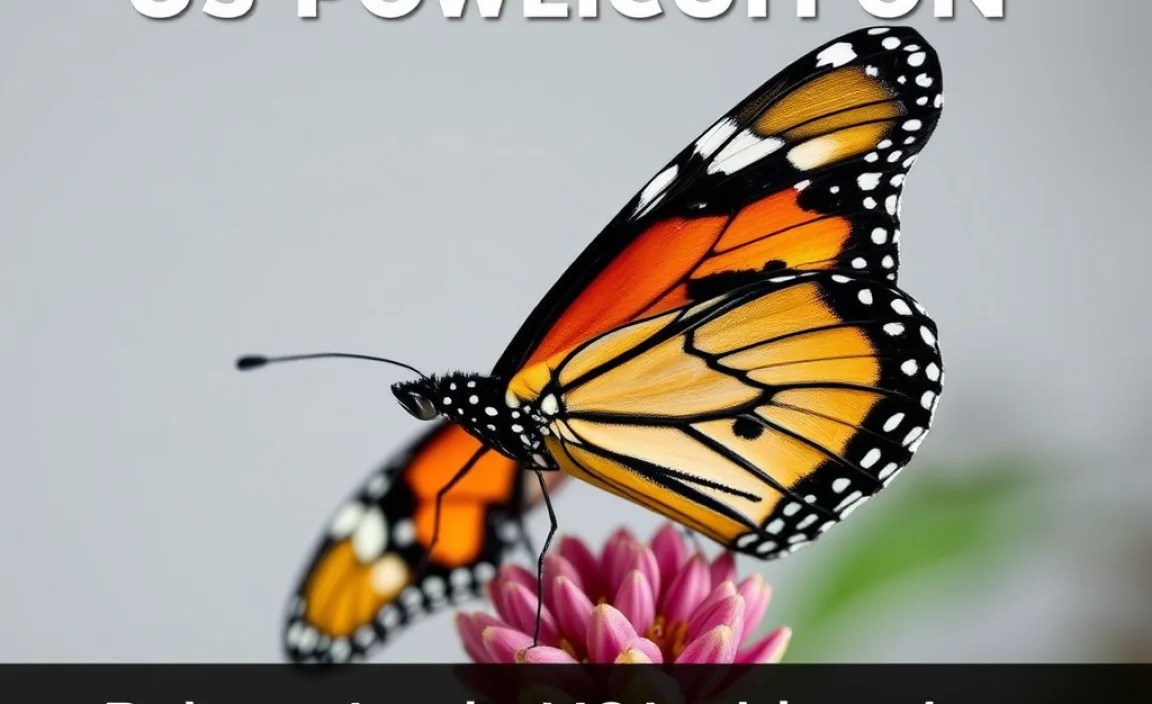
Painted lady butterflies are famous for their long migrations. They travel thousands of miles. They fly from one place to another. This helps them find food and better weather. The migration patterns affect the painted lady us distribution. They often move north in the spring. They follow the growth of plants. They lay their eggs as they go. Then, the next generation continues the journey. In the fall, they may move south again. This helps them avoid the cold winter. Their migration patterns are complex. Scientists are still learning about them. Understanding their migrations helps us protect them. We can make sure they have safe places to stop. We can also protect their breeding grounds. These migrations are a natural wonder. They show the amazing abilities of these butterflies.
- They migrate long distances to find food.
- Spring migration is usually northward.
- They lay eggs during their migration.
- Fall migration may be southward.
- Migration patterns vary each year.
- Scientists study their movements.
The painted lady butterfly’s migration is an incredible journey. They face many challenges. They have to fly long distances. They have to avoid predators. They also have to find food and water. The painted lady us distribution is shaped by these migrations. They move across the country. They connect different ecosystems. They are an important part of the natural world. Protecting their migration routes is essential. We can create butterfly gardens along the way. We can also reduce the use of pesticides. Every effort helps them survive. They are a symbol of resilience and determination. Their migrations remind us of the power of nature. We must do our part to protect them for future generations. We can make a difference.
Fun Fact or Stat: Painted lady butterflies can travel over 2,500 miles during their migration!
Why Do They Migrate?
Have you ever moved to a new place for a better life? Painted lady butterflies migrate for similar reasons. They are looking for food. They also want to find good places to lay their eggs. They are escaping bad weather. They cannot survive cold winters in some areas. Migration helps them survive. The painted lady us distribution is influenced by these needs. They move to where the resources are best. They follow the seasons. This allows them to thrive. Migration is a risky journey. But, it is necessary for their survival. It is a key part of their life cycle. Understanding why they migrate helps us protect them. We can make sure they have the resources they need along the way.
How Do They Navigate?
Imagine flying thousands of miles. How would you know where to go? Painted lady butterflies have amazing navigation skills. Scientists are still studying how they do it. They may use the sun to guide them. They may also use the Earth’s magnetic field. They may also use landmarks. They can sense the direction of the wind. They are complex behaviors. The painted lady us distribution shows their ability to navigate. They cross mountains and deserts. They find their way to their destinations. These skills are essential for their survival. They allow them to find food and breeding grounds. Understanding their navigation helps us protect them. We can reduce light pollution. We can also preserve natural habitats. This will help them find their way.
What Challenges Do They Face During Migration?
Migration is a difficult journey for painted lady butterflies. They face many dangers along the way. Predators like birds and spiders can eat them. Weather can be harsh. Strong winds and storms can blow them off course. Lack of food can also be a problem. They need nectar to fuel their flight. Habitat loss reduces their food sources. Pesticides can poison them. The painted lady us distribution is affected by these challenges. Fewer butterflies survive when conditions are tough. We can help them by creating safe habitats. We can plant nectar-rich flowers. We can reduce pesticide use. This will make their journey easier. It will also help them thrive. They are resilient creatures. But, they need our help to overcome these challenges.
Threats to Painted Lady Populations and Their Distribution

Like many insects, painted lady butterflies face threats. These threats can affect their populations. They also affect their painted lady us distribution. Habitat loss is a big problem. As we build more homes and roads, they lose places to live. Pesticide use is another threat. These chemicals can harm or kill butterflies. Climate change can also disrupt their life cycle. Extreme weather events can destroy their habitats. Pollution can affect their food sources. These threats are serious. We need to take action to protect them. We can create butterfly gardens. We can reduce pesticide use. We can support conservation efforts. We can also educate others about these threats. Every little bit helps. Together, we can make a difference for these beautiful butterflies.
| Threat | Description | Impact on Painted Ladies |
|---|---|---|
| Habitat Loss | Destruction of natural areas for development. | Reduces breeding and feeding grounds. |
| Pesticide Use | Chemicals used to kill insects on crops. | Poisons butterflies and caterpillars. |
| Climate Change | Changes in temperature and weather patterns. | Disrupts migration and food availability. |
| Pollution | Harmful substances in the air and water. | Affects plant health and butterfly survival. |
- Habitat loss reduces their breeding grounds.
- Pesticides can poison them and their food.
- Climate change disrupts their life cycle.
- Pollution affects their food sources.
- Disease can also impact populations.
Protecting painted lady butterflies requires effort. We need to understand the threats they face. We need to take action to reduce those threats. The painted lady us distribution is a reflection of their survival. If we protect their habitats, they can thrive. If we reduce pesticide use, they will be healthier. If we address climate change, they will have a better future. Conservation efforts are essential. We can support organizations that protect butterfly habitats. We can also participate in citizen science projects. We can track butterfly populations. Every action counts. We can create a brighter future for these beautiful creatures. They are an important part of our ecosystem. We must do our part to protect them for future generations. We can make a positive impact.
Fun Fact or Stat: Up to 50% of painted lady butterfly habitats have been lost due to human development!
How Does Habitat Loss Affect Them?
Imagine if your home was suddenly gone. Where would you go? Habitat loss is a big problem for painted lady butterflies. When we destroy natural areas, they lose their homes. They lose places to lay their eggs. They also lose food sources for caterpillars. The painted lady us distribution is directly affected. They cannot live where there is no habitat. Protecting their habitats is crucial. We can create butterfly gardens in our yards. We can also support conservation efforts. We can preserve natural areas. Every little bit helps. We can make sure they have the places they need to survive. They are an important part of our world. We must do our part to protect them.
What Role Do Pesticides Play?
Pesticides are chemicals that kill insects. Farmers use them to protect their crops. But, pesticides can also harm painted lady butterflies. They can poison caterpillars and adults. They can also kill the plants that caterpillars eat. The painted lady us distribution is threatened by pesticide use. Butterflies cannot survive in areas with high pesticide levels. Reducing pesticide use is important. We can buy organic food. We can also use natural pest control methods. We can protect butterflies and other beneficial insects. They are important for our environment. We must do our part to protect them from harm.
Can Climate Change Impact Them?
Imagine if the weather suddenly changed a lot. It got too hot or too cold. This is what climate change can do to butterflies. Climate change can disrupt the painted lady butterfly’s life cycle. It can change when plants bloom. This can affect the food supply for caterpillars. Extreme weather events can also destroy their habitats. The painted lady us distribution may shift as the climate changes. They may have to move to find suitable conditions. We can help them by reducing our carbon footprint. We can also create butterfly-friendly habitats. This will help them adapt to the changing climate. Small actions can make a big difference. We can help ensure they continue to thrive.
How to Help Painted Lady Butterflies in Your Area

You can help painted lady butterflies in your area. There are many things you can do. Plant a butterfly garden. This provides food and shelter for them. Avoid using pesticides in your yard. These chemicals can harm them. Support local conservation efforts. These organizations protect butterfly habitats. Educate others about the importance of butterflies. The painted lady us distribution depends on our actions. Every little bit helps. Together, we can make a difference. We can create a brighter future for these beautiful creatures. They are an important part of our ecosystem. We must do our part to protect them. We can make a positive impact.
- Plant nectar-rich flowers in your garden.
- Avoid using pesticides in your yard.
- Provide a water source for them.
- Support local conservation organizations.
- Educate others about butterfly conservation.
- Create a butterfly-friendly habitat.
Helping painted lady butterflies is easy and fun. Planting a butterfly garden is a great way to start. Choose native plants. They are the best for local butterflies. Provide a water source. A shallow dish with pebbles works well. Avoid using pesticides. They can harm butterflies and other beneficial insects. The painted lady us distribution will benefit from your efforts. You can create a haven for them in your yard. You can also support conservation efforts. Donate to organizations that protect butterfly habitats. Educate your friends and family. Tell them about the importance of butterflies. Together, we can make a big difference. We can help these beautiful creatures thrive. They are an important part of our world. We must do our part to protect them.
Fun Fact or Stat: Butterfly gardens can increase local butterfly populations by up to 30%!
Create a Butterfly Garden
Imagine having a beautiful garden filled with butterflies. You can create one in your own yard. Choose a sunny spot. Plant nectar-rich flowers. Include host plants for caterpillars. Provide a water source. Avoid using pesticides. The painted lady us distribution will benefit from your garden. Butterflies will come to feed and lay their eggs. You will enjoy watching them flutter around. A butterfly garden is a great way to help these creatures. It is also a beautiful addition to your home. You can make a difference. You can support butterflies and other pollinators.
Avoid Using Pesticides
Pesticides can harm butterflies and other beneficial insects. They can poison them directly. They can also kill the plants that caterpillars eat. Avoiding pesticides is important for butterfly conservation. There are many natural ways to control pests. You can use beneficial insects. You can also use organic gardening methods. The painted lady us distribution will benefit from your efforts. Butterflies will be healthier. They will have more food to eat. You can create a safe haven for them in your yard. You can also protect the environment. Choosing natural methods is better for everyone.
Educate Others About Butterfly Conservation
Spreading the word about butterfly conservation is important. Many people do not realize the threats that butterflies face. You can educate your friends and family. Tell them about the importance of butterflies. Share information about butterfly gardens. Encourage them to avoid using pesticides. Support local conservation efforts. The painted lady us distribution will benefit from your efforts. The more people who care, the better. Together, we can make a big difference. We can create a brighter future for these beautiful creatures. They are an important part of our world. We must do our part to protect them.
Future Research on Painted Lady US Distribution
Scientists are still learning about painted lady butterflies. There is much we do not know. Future research can help us understand them better. Studies on their migration patterns are important. We need to know how they navigate. We also need to know what challenges they face. Research on their genetics can help us understand their evolution. Studies on their interactions with other species can help us understand their role in the ecosystem. The painted lady us distribution is a complex topic. Future research will help us protect them. We can learn how to create better habitats. We can also learn how to reduce threats. Research is essential for their survival. It will help us understand these amazing creatures.
- Study their migration patterns in detail.
- Investigate their genetic diversity.
- Analyze the impact of climate change.
- Monitor their population trends over time.
- Explore their interactions with other species.
Future research is critical for painted lady butterfly conservation. We need to understand their needs better. We need to know how to protect them from threats. The painted lady us distribution is a dynamic process. It changes over time. Research can help us track these changes. It can also help us predict future trends. We can use this information to make better conservation decisions. We can create more effective strategies. We can also educate the public about the importance of butterflies. Research is an investment in the future. It will help us protect these beautiful creatures for generations to come. They are an important part of our world. We must do our part to protect them.
Fun Fact or Stat: Scientists are using GPS trackers to study painted lady migration patterns in real-time!
Investigating Migration Routes
Imagine following a butterfly for thousands of miles. This is what scientists do to study migration routes. They use GPS trackers to track their movements. They also use radar to monitor large groups. They analyze weather patterns. They study the plants along the way. The painted lady us distribution is revealed through this research. We learn where they go and why. We can use this information to protect their migration routes. We can create safe habitats along the way. We can also reduce threats like pesticide use. Understanding their migration routes is essential for their survival.
Analyzing Genetic Diversity
Imagine if everyone looked exactly the same. It would be boring. It would also be dangerous. Genetic diversity is important for survival. It allows populations to adapt to changing conditions. Scientists study the genes of painted lady butterflies. They want to know how diverse they are. They analyze their DNA. They look for differences between individuals. The painted lady us distribution is related to their genetic diversity. Populations with more diversity are more likely to survive. They can adapt to new environments. They can resist diseases. Protecting their genetic diversity is important for their future.
Monitoring Population Trends
Imagine keeping track of how many butterflies there are each year. This is what scientists do to monitor population trends. They count butterflies in different areas. They use special methods to estimate their numbers. They analyze the data. They look for changes over time. The painted lady us distribution is reflected in these trends. We can see if populations are increasing or decreasing. We can identify areas where they are struggling. We can use this information to take action. We can protect their habitats. We can reduce threats. Monitoring population trends is essential for their conservation.
Summary
The painted lady butterfly is a common sight in the United States. They are found in almost every state. These butterflies are known for their long migrations. They travel thousands of miles to find food and better weather. The painted lady us distribution is influenced by many factors. These factors include weather, food availability, and habitat. They face threats like habitat loss, pesticide use, and climate change. We can help them by planting butterfly gardens. We can also reduce pesticide use and support conservation efforts. Future research can help us understand them better. We can protect these beautiful creatures for future generations.
Conclusion
The painted lady butterfly is an amazing insect. They migrate long distances across the country. They face many challenges along the way. Protecting them is important. We can all do our part to help. Planting butterfly gardens is a great start. Avoiding pesticides is also crucial. Supporting conservation efforts makes a difference. The painted lady us distribution depends on our actions. Together, we can ensure they thrive. They are an important part of our world. We must protect them for future generations. They bring beauty and joy to our lives.
Frequently Asked Questions
Question No 1: Where are painted lady butterflies commonly found in the US?
Answer: Painted lady butterflies are very widespread. You can find them in almost every state in the United States. They are adaptable insects. They can live in many different environments. This includes gardens, fields, and even urban areas. Their painted lady us distribution is quite broad. This is because they are strong fliers. They can migrate long distances. They are most common in open areas. They are also common in areas with lots of flowers. These flowers provide nectar for the adult butterflies. Their caterpillars also need specific plants to eat. They are truly a coast-to-coast butterfly.
Question No 2: What do painted lady caterpillars eat?
Answer: Painted lady caterpillars are picky eaters. They prefer certain plants. Their favorite food is thistle. They also eat mallows and other plants in the same family. These plants provide the nutrients they need to grow. They eat a lot. They grow quickly. The availability of these plants affects the painted lady us distribution. Butterflies need to lay their eggs on these plants. This ensures the caterpillars have food. If you want to attract them, plant thistles and mallows. Be sure to check local regulations about planting thistles, as some varieties are considered invasive. Always choose native plants whenever possible.
Question No 3: How far can painted lady butterflies migrate?
Answer: Painted lady butterflies are amazing travelers. They can migrate thousands of miles. Some studies show they can travel over 2,500 miles. They fly long distances to find food. They also look for better weather. This migration affects the painted lady us distribution. They move across the country. They connect different ecosystems. Their migrations are an incredible feat of nature. They are one of the longest butterfly migrations in the world. They demonstrate the incredible resilience of these insects. They navigate using the sun and the Earth’s magnetic field.
Question No 4: How can I attract painted lady butterflies to my garden?
Answer: Attracting painted lady butterflies is easy. Plant nectar-rich flowers in your garden. They love asters, sunflowers, and zinnias. Also, plant host plants for their caterpillars. Thistles and mallows are great choices. Avoid using pesticides. They can harm butterflies. Provide a water source. A shallow dish with pebbles works well. The painted lady us distribution can benefit from your efforts. You can create a haven for them in your yard. You can also support their conservation. Every little bit helps. Choose plants that are native to your area. This ensures they are well-suited to the local climate and ecosystem.
Question No 5: Are painted lady butterflies endangered?
Answer: Painted lady butterflies are not currently endangered. However, they face threats. Habitat loss, pesticide use, and climate change can impact them. These threats can affect their populations. They can also change the painted lady us distribution. Protecting them is important. We can all do our part to help. Planting butterfly gardens is a great start. Avoiding pesticides is also crucial. Supporting conservation efforts makes a difference. Monitoring their populations is also important. This helps us track their status. We can take action if needed. While not endangered now, vigilance is key.
Question No 6: What time of year are painted lady butterflies most active?
Answer: Painted lady butterflies are most active during the warmer months. You will see them more often in spring and summer. This is when they are migrating. It is also when they are breeding. Their caterpillars are also feeding during this time. The painted lady us distribution changes with the seasons. They move to find the best conditions. They are less active in the winter. Some may migrate south. Others may overwinter in warmer areas. You can enjoy their beauty during the spring and summer months. Look for them in fields and gardens. They are a welcome sign of warmer weather.


