
Climate Adaptation Strategies Butterflies: Ultimate Guide

Butterflies are struggling with climate change. To help them, create butterfly-friendly gardens with diverse nectar sources, provide shelter from extreme weather, and support habitat conservation. You can also participate in citizen science projects to track butterfly populations and contribute to climate research.
Butterflies, those beautiful jewels of our gardens, are facing tough times. Climate change is making their lives harder. Shifting temperatures, altered rainfall patterns, and more frequent extreme weather events threaten their habitats and food sources. It can feel overwhelming, but the good news is there are simple, effective ways we can help these delicate creatures adapt and thrive.
This guide will walk you through practical steps you can take in your own backyard and beyond. We’ll explore how to create butterfly-friendly habitats, support conservation efforts, and even contribute to scientific research. Get ready to roll up your sleeves and make a real difference for butterflies!
Understanding the Impact of Climate Change on Butterflies

Climate change is affecting butterflies in several key ways. Understanding these impacts is the first step in developing effective adaptation strategies.
Changes in Habitat
As temperatures rise and rainfall patterns shift, butterfly habitats are changing. Some areas are becoming too hot or too dry for certain butterfly species, forcing them to move to new locations. This can lead to habitat loss and fragmentation, making it harder for butterflies to find food and mates.
Disrupted Life Cycles
Butterflies rely on specific environmental cues, like temperature and day length, to time their life cycles. Climate change can disrupt these cues, causing butterflies to emerge too early or too late in the season. This can lead to a mismatch between the availability of nectar sources and the butterflies’ need for food, impacting their survival and reproduction. According to a study by the US Forest Service, altered climate conditions can affect butterfly development, behavior, and distribution.
Increased Extreme Weather Events
More frequent and intense heatwaves, droughts, and storms can directly harm butterflies. Heatwaves can cause butterflies to overheat and die, while droughts can reduce the availability of nectar sources. Storms can damage butterfly habitats and disrupt their flight patterns, making it harder for them to find food and shelter.
Creating Butterfly-Friendly Habitats
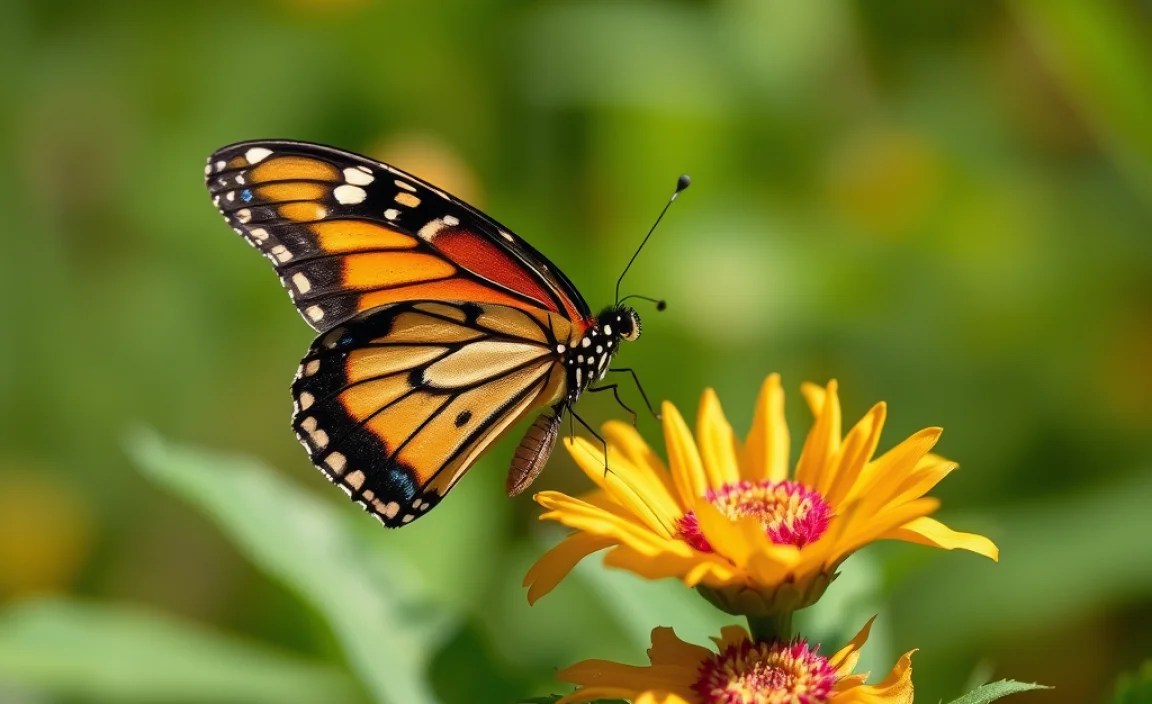
One of the most effective ways to help butterflies adapt to climate change is to create butterfly-friendly habitats in your own backyard or community.
Planting Native Nectar Sources
Butterflies need nectar for energy, so planting a variety of native nectar-rich plants is essential. Choose plants that bloom at different times of the year to provide a continuous supply of nectar throughout the butterfly season. Some excellent nectar sources include:
- Butterfly Bush (Buddleja davidii): A classic choice that attracts many butterfly species.
- Coneflowers (Echinacea): Drought-tolerant and provide nectar for a long period.
- Milkweed (Asclepias): Essential for monarch butterflies, as it’s the only plant their caterpillars eat.
- Asters (Symphyotrichum): Late-blooming flowers that provide nectar in the fall.
- Black-Eyed Susans (Rudbeckia hirta): Cheerful and easy to grow, attracting a variety of butterflies.
Providing Host Plants for Caterpillars
Butterflies lay their eggs on specific host plants, which their caterpillars then eat. Planting these host plants is crucial for supporting butterfly populations. Some popular host plants include:
- Milkweed (Asclepias): Host plant for monarch caterpillars.
- Dill, Fennel, Parsley (Anethum graveolens, Foeniculum vulgare, Petroselinum crispum): Host plants for swallowtail caterpillars.
- Oak Trees (Quercus): Host plant for many different butterfly species.
- Violets (Viola): Host plant for fritillary caterpillars.
- Spicebush (Lindera benzoin): Host plant for spicebush swallowtail caterpillars.
Offering Shelter and Water
Butterflies need shelter from extreme weather and a source of water. You can provide shelter by planting trees, shrubs, and tall grasses. You can also create a butterfly puddle by filling a shallow dish with water and adding some pebbles or sand for the butterflies to land on. The Xerces Society provides detailed instructions on how to build a butterfly puddle.
Avoiding Pesticides
Pesticides can be harmful to butterflies and other beneficial insects. Avoid using pesticides in your garden, or choose organic and natural alternatives. Consider using integrated pest management (IPM) techniques to control pests in a way that minimizes harm to the environment.
Managing Your Garden for Climate Resilience
Beyond simply creating a butterfly-friendly habitat, you can manage your garden in ways that make it more resilient to climate change.
Water Conservation Techniques
Conserving water is essential, especially in areas that are prone to drought. Use drought-tolerant plants, water deeply but infrequently, and consider installing a rain barrel to collect rainwater for irrigation. Mulching around plants can also help to retain moisture in the soil.
Soil Health Improvement
Healthy soil is better able to absorb and retain water, making plants more resilient to drought. Improve your soil by adding compost, manure, or other organic matter. Avoid tilling the soil, as this can disrupt the soil structure and release carbon into the atmosphere.
Creating Microclimates
Creating microclimates in your garden can provide butterflies with refuge from extreme weather. Plant trees and shrubs to create shade, and use rocks or other materials to create sheltered areas. You can also create a small pond or water feature to increase humidity in your garden.
Supporting Conservation Efforts
In addition to creating butterfly-friendly habitats in your own backyard, you can support conservation efforts on a larger scale.
Supporting Butterfly Conservation Organizations
Many organizations are working to protect butterflies and their habitats. Support these organizations by donating your time or money. Some reputable butterfly conservation organizations include:
- The Xerces Society: Focuses on invertebrate conservation, including butterflies.
- The North American Butterfly Association (NABA): Promotes butterfly conservation through education and research.
- Monarch Watch: Dedicated to monarch butterfly conservation.
Advocating for Climate Action
Climate change is a major threat to butterflies, so advocating for climate action is essential. Contact your elected officials and urge them to support policies that reduce greenhouse gas emissions and protect natural habitats. You can also support organizations that are working to combat climate change.
Participating in Citizen Science Projects
Citizen science projects allow you to contribute to scientific research by collecting data on butterfly populations. This data can help scientists track the impacts of climate change on butterflies and develop effective conservation strategies. Some popular citizen science projects include:
- The North American Butterfly Count: An annual count of butterflies conducted by volunteers across North America.
- Journey North: Tracks the migration of monarch butterflies.
- eButterfly: An online platform for reporting butterfly sightings.
Specific Strategies for Different Butterfly Species

While the general strategies outlined above are helpful for many butterfly species, some species may require specific adaptations to thrive in a changing climate.
Monarch Butterflies
Monarch butterflies are particularly vulnerable to climate change because they rely on milkweed as their sole host plant. To help monarch butterflies, plant milkweed in your garden and support efforts to protect milkweed habitats. You can also participate in monarch tagging programs to track their migration patterns. The Monarch Watch website provides information on how to participate in monarch tagging.
Swallowtail Butterflies
Swallowtail butterflies are relatively adaptable, but they can still be affected by climate change. To help swallowtail butterflies, plant their host plants, such as dill, fennel, and parsley. You can also provide them with a source of water and shelter from extreme weather.
Fritillary Butterflies
Fritillary butterflies are often found in grasslands and meadows. To help fritillary butterflies, protect and restore grassland habitats. You can also plant their host plants, such as violets, and provide them with a source of nectar.
Long-Term Planning for Butterfly Conservation
Conserving butterflies in the face of climate change requires a long-term perspective. Here are some strategies to consider for the future:
Habitat Connectivity
Creating corridors of habitat that connect fragmented patches of land can help butterflies move to new areas as their habitats change. This can be achieved by planting trees and shrubs along roadsides, creating green roofs, and restoring natural areas.
Genetic Diversity
Maintaining genetic diversity within butterfly populations can help them adapt to changing environmental conditions. This can be achieved by protecting large, healthy populations and by avoiding inbreeding.
Research and Monitoring
Continued research and monitoring are essential for understanding the impacts of climate change on butterflies and for developing effective conservation strategies. Support scientific research and participate in citizen science projects to contribute to our understanding of these fascinating creatures.
Table: Butterfly Adaptation Strategies
| Strategy | Description | Benefits |
|---|---|---|
| Planting Native Nectar Sources | Providing a variety of native plants that produce nectar. | Provides food for adult butterflies, supports local ecosystems. |
| Providing Host Plants | Planting specific plants that butterfly caterpillars eat. | Ensures caterpillars have a food source to grow and develop. |
| Offering Shelter and Water | Creating sheltered areas and providing a water source. | Protects butterflies from extreme weather, provides hydration. |
| Avoiding Pesticides | Using organic methods to control pests. | Protects butterflies and other beneficial insects from harm. |
| Supporting Conservation Organizations | Donating to organizations dedicated to butterfly conservation. | Helps fund research, habitat restoration, and education programs. |
| Participating in Citizen Science | Collecting data on butterfly populations to aid scientific research. | Provides valuable data for tracking butterfly populations and climate change impacts. |
Table: Host Plants for Common Butterfly Species
| Butterfly Species | Host Plant |
|---|---|
| Monarch | Milkweed (Asclepias) |
| Black Swallowtail | Dill, Fennel, Parsley (Anethum graveolens, Foeniculum vulgare, Petroselinum crispum) |
| Spicebush Swallowtail | Spicebush (Lindera benzoin) |
| Pipevine Swallowtail | Pipevine (Aristolochia) |
| Great Spangled Fritillary | Violets (Viola) |
Frequently Asked Questions
What is climate adaptation for butterflies?
Climate adaptation for butterflies means helping them adjust to the changing conditions caused by climate change. This includes providing them with the resources they need to survive and thrive, such as suitable habitats, food sources, and shelter.
Why are butterflies important?
Butterflies are important pollinators, helping to spread pollen from flower to flower, which is essential for plant reproduction. They are also an important part of the food chain, serving as a food source for birds, reptiles, and other animals. Plus, they’re beautiful and bring joy to our lives!
How can I attract more butterflies to my garden?
To attract more butterflies to your garden, plant a variety of native nectar sources and host plants. Provide a source of water, such as a butterfly puddle, and avoid using pesticides. Make sure your garden gets plenty of sunlight and has sheltered areas where butterflies can rest.
What is a butterfly puddle?
A butterfly puddle is a shallow dish filled with water and some pebbles or sand. Butterflies land on the pebbles to drink the water and absorb minerals from the soil. It’s a simple way to provide butterflies with a source of hydration and essential nutrients.
What are the best plants for attracting monarch butterflies?
The best plants for attracting monarch butterflies are milkweed species (Asclepias). Milkweed is the only plant that monarch caterpillars eat, so it’s essential for their survival. Plant different types of milkweed to provide a continuous food source throughout the growing season.
How can I help butterflies during extreme weather events?
During extreme weather events, such as heatwaves or storms, provide butterflies with shelter by planting trees and shrubs. You can also create temporary shelters using cardboard boxes or other materials. Make sure butterflies have access to water and nectar during these times.
What is citizen science and how can I participate?
Citizen science is when everyday people help scientists collect data. You can participate by reporting butterfly sightings to online platforms like eButterfly, joining the North American Butterfly Count, or tracking monarch migrations with Journey North. It’s a fun way to contribute to scientific research and conservation efforts.
Conclusion
Helping butterflies adapt to climate change is a rewarding and essential task. By creating butterfly-friendly habitats, supporting conservation efforts, and participating in citizen science projects, you can make a real difference in the lives of these beautiful creatures. Every small action counts, and together, we can create a world where butterflies thrive for generations to come. So, let’s get planting, advocating, and observing, and show our butterfly friends that we care!


