
Painted Lady Butterfly Facts Printable: FREE Fun!

Have you ever seen a butterfly? These pretty insects flutter all around us. One kind is the painted lady butterfly. They are orange, brown, and white. Learning about them can be fun. You can even find painted lady butterfly facts printable sheets online!
These sheets help you learn cool facts. They teach you about where they live. The sheets also show what they eat. Would you like to know more about these butterflies? Keep reading to learn amazing things!
Key Takeaways
- Painted lady butterflies travel very far during their migrations.
- You can find painted lady butterfly facts printable online easily.
- These butterflies love to eat nectar from flowers.
- Painted ladies have orange, brown, and white wings.
- They go through four stages of life.
Amazing Painted Lady Butterfly Facts Printable

Do you want to learn about the painted lady butterfly? It is a fascinating insect. These butterflies are known for their long journeys. They migrate thousands of miles. This is like traveling across many states! They fly from warm places to find food. They also look for places to lay their eggs. Learning about their travels is very interesting. Painted lady butterflies are not just pretty. They are also very strong travelers. You can discover more with a painted lady butterfly facts printable sheet. It will show you where they go. It will also explain how they fly so far.
- Painted ladies migrate long distances.
- They travel to find food and lay eggs.
- Their wings help them fly far.
- They can fly thousands of miles.
- Migration helps them survive.
The painted lady butterfly is a common sight. You can find them in many places. They live in gardens, fields, and even cities. They like sunny areas with lots of flowers. These flowers give them nectar to eat. They are found on almost every continent! That means you might see one near your home. These butterflies adapt to different environments. They can live in warm and cold places. This makes them very special. Using a painted lady butterfly facts printable can help you find them. It tells you where to look for them in your area. Have you ever spotted one?
Where Do Painted Ladies Live?
Have you ever wondered where painted lady butterflies make their homes? These butterflies are found all over the world. They live on almost every continent. You can see them in North America, Europe, and Asia. They even live in Africa! They prefer open areas with lots of flowers. Gardens, meadows, and fields are perfect for them. They need sunshine and food to survive. So, they choose places that are warm and sunny. They also need plants where they can lay their eggs. Understanding where they live helps us protect them. We can keep their habitats safe and healthy.
What Kind of Habitats Do They Prefer?
What makes a good home for a painted lady butterfly? They like places with lots of flowers. These flowers give them the nectar they need to eat. They also need plants for their caterpillars to eat. Thistle plants are a favorite food for the caterpillars. The butterflies need sunny spots to warm their wings. Open fields and meadows are perfect. They also need shelter from the wind and rain. Bushes and trees can provide this shelter. So, a good habitat has food, sunshine, and shelter. This helps the painted lady butterflies thrive. We can create these habitats in our own gardens!
How Do They Adapt to Different Environments?
How do painted lady butterflies live in so many different places? They are very good at adapting. This means they can change to live in different environments. They can survive in warm and cold climates. They can also find food in many different places. Their migration helps them find better conditions. They fly to warmer areas when it gets cold. They also lay their eggs on different kinds of plants. This helps their caterpillars find food. Their ability to adapt makes them very successful. It allows them to live in many parts of the world. Painted lady butterflies are truly amazing survivors!
Fun Fact or Stat: Painted lady butterflies are one of the most widespread butterfly species in the world!
Painted Lady Butterfly Life Cycle Facts Printable

Did you know that painted lady butterflies change a lot during their lives? They go through four stages. These stages are egg, larva (caterpillar), pupa (chrysalis), and adult. This change is called metamorphosis. First, the butterfly lays an egg on a plant. Then, the egg hatches into a caterpillar. The caterpillar eats a lot and grows bigger. Next, it turns into a pupa inside a chrysalis. Finally, the pupa changes into a butterfly. The butterfly flies away to find food and lay eggs. You can learn more about this with a painted lady butterfly facts printable. It shows each stage of the butterfly’s life.
- The life cycle has four stages.
- Eggs hatch into caterpillars.
- Caterpillars eat and grow.
- Pupa changes into a butterfly.
- Butterflies lay eggs to start again.
Each stage of the painted lady butterfly’s life is important. The egg is tiny and laid on a leaf. The caterpillar eats and grows quickly. It molts its skin several times as it grows. The pupa is a resting stage inside a chrysalis. Inside, the butterfly is changing. The adult butterfly emerges from the chrysalis. It has wings that are wet and crumpled. It pumps fluid into its wings to make them strong. Then, it flies off to find food and a mate. Learning about these stages can be fun. You can use a painted lady butterfly facts printable to teach your friends. What stage do you find the most interesting?
What Does a Painted Lady Caterpillar Eat?
What is the favorite food of a painted lady caterpillar? These caterpillars love to eat plants. Their favorite food is thistle. They also eat mallow and other leafy plants. They munch on these plants to grow big and strong. Caterpillars eat a lot because they need energy. This energy helps them change into butterflies. They can eat so much that they double in size quickly. Gardeners sometimes don’t like caterpillars. But they are an important part of the ecosystem. They provide food for birds and other animals. Plus, they turn into beautiful butterflies!
How Long Does Each Stage Last?
How long does it take for a painted lady butterfly to grow? Each stage of its life cycle has a different length. The egg stage lasts about 3-5 days. The caterpillar stage lasts about 2-4 weeks. The pupa stage lasts about 7-10 days. The adult butterfly lives for about 2-4 weeks. The whole life cycle takes about one to two months. This can change depending on the weather. Warmer weather can make the stages go faster. Colder weather can make them go slower. It’s amazing how quickly these butterflies grow!
How Does a Caterpillar Change into a Butterfly?
Have you ever wondered how a caterpillar turns into a butterfly? This change is called metamorphosis. The caterpillar eats a lot and grows bigger. Then, it forms a chrysalis around itself. Inside the chrysalis, the caterpillar changes. It breaks down its body and rebuilds it. It grows wings, legs, and other butterfly parts. This process takes about a week or two. When it’s done, the butterfly emerges from the chrysalis. It’s a brand new creature! This is one of the most amazing changes in nature.
Fun Fact or Stat: The painted lady caterpillar molts its skin 5 times before becoming a pupa!
Diet and Feeding Habits: Painted Lady Butterfly Facts Printable

What do painted lady butterflies eat? They mostly drink nectar from flowers. Nectar is a sweet liquid that flowers make. Butterflies use their long, straw-like tongue to drink it. This tongue is called a proboscis. They unroll it to drink and roll it up when they are done. They also eat other things. They can drink water from puddles. They sometimes eat sap from trees. They need food to fly and lay eggs. You can learn more about their diet with a painted lady butterfly facts printable. It shows which flowers they like best. It also explains how they find their food.
- Butterflies drink nectar from flowers.
- They use a proboscis to drink.
- They also drink water from puddles.
- They eat sap from trees sometimes.
- Food gives them energy to fly.
The painted lady butterfly is a picky eater. They like certain kinds of flowers. They prefer flowers that are bright and colorful. These flowers usually have lots of nectar. Some of their favorite flowers are thistles and sunflowers. They also like zinnias and butterfly bushes. They use their eyes to find flowers. They can see colors that humans cannot. This helps them find the best flowers for nectar. You can plant these flowers in your garden. This will attract painted lady butterflies. Do you know what other flowers they like?
What Kind of Flowers Do They Prefer?
What makes a flower attractive to a painted lady butterfly? They love flowers with bright colors. Red, yellow, and purple flowers are their favorites. These flowers have lots of nectar. They also have a good shape for butterflies to land on. Flat or clustered flowers are easier to feed from. Some popular flowers include zinnias, butterfly bushes, and coneflowers. These flowers provide plenty of food for the butterflies. Planting these in your garden will help them thrive. It’s a great way to support these beautiful insects.
How Do They Find Their Food?
How do painted lady butterflies find their next meal? They use their eyes to spot colorful flowers. They can see colors that we can’t. This helps them find flowers with lots of nectar. They also use their sense of smell. They can smell the sweet scent of flowers from far away. Once they find a flower, they land on it. Then, they unroll their proboscis and drink the nectar. It’s like having a built-in straw! They are very efficient at finding food. This helps them get the energy they need to fly and lay eggs.
Do They Eat Anything Besides Nectar?
Besides nectar, what else do painted lady butterflies eat? While nectar is their main food, they sometimes eat other things. They can drink water from puddles. This helps them stay hydrated. They also eat sap from trees and rotting fruit. These provide extra nutrients. Sometimes, they even eat pollen. This gives them protein. However, nectar is their most important food source. It gives them the energy they need to fly. So, planting lots of flowers is the best way to feed them.
Fun Fact or Stat: A painted lady butterfly can travel up to 100 miles in a single day while searching for food!
Migration Patterns: Painted Lady Butterfly Facts Printable
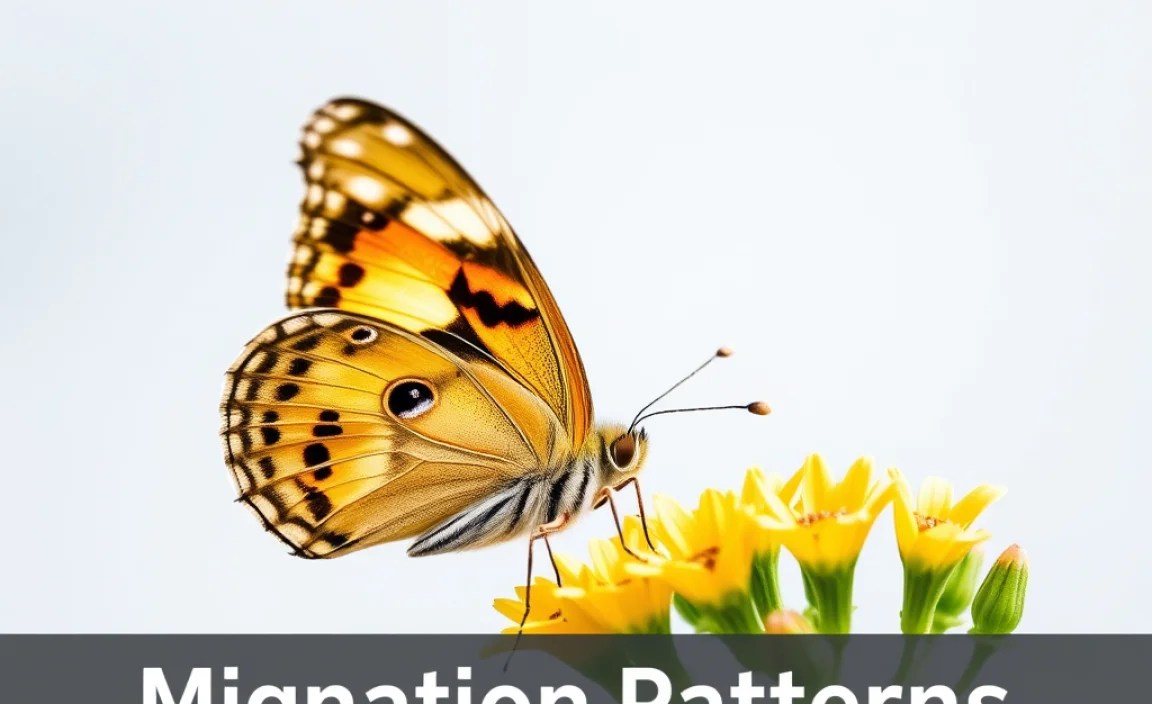
Did you know painted lady butterflies are travelers? They migrate long distances every year. They fly from one place to another to find food and warmer weather. These butterflies can travel thousands of miles. They fly across countries and even continents. Their migration is one of the longest of any butterfly. Scientists study their migration to learn more. You can find a painted lady butterfly facts printable that shows their routes. It will teach you where they go and why. It’s amazing how far these little butterflies can fly!
- Painted ladies migrate long distances.
- They fly to find food and warmth.
- They travel thousands of miles.
- Their migration is very long.
- Scientists study their routes.
The painted lady butterfly’s migration is different every year. It depends on the weather and food supply. Some years, they fly north from Africa to Europe. Other years, they fly from the southern US to Canada. They follow the blooming flowers. The flowers give them nectar to eat. They lay their eggs along the way. The caterpillars eat the plants. Then, the new butterflies continue the journey. This cycle repeats every year. You can track their migration online. This will help you see where they are flying. Isn’t it cool to follow their journey?
Why Do Painted Lady Butterflies Migrate?
Why do painted lady butterflies travel so far? They migrate to find better conditions. They need warm weather to survive. They also need food for their caterpillars. When it gets cold, they fly to warmer places. They also look for plants where they can lay their eggs. These plants provide food for their young. Migration helps them survive the winter. It also helps them find new places to live. It’s a way for them to spread out and find resources. Migration is a key part of their life cycle.
How Far Can They Travel in a Year?
How far can a painted lady butterfly fly in one year? They can travel thousands of miles! Some butterflies fly over 2,500 miles in a single migration. This is like flying from New York to California. They don’t fly the whole way at once. They stop to rest and feed along the way. They also lay eggs and raise their young. The next generation continues the journey. So, it’s a team effort! It’s amazing how far these small creatures can travel.
What Challenges Do They Face During Migration?
What makes migration hard for painted lady butterflies? They face many challenges along the way. Weather can be a big problem. Strong winds can blow them off course. Rain and cold can make it hard to fly. They also have to find food and water. There are predators that want to eat them. Birds, spiders, and other insects are dangers. They also have to avoid cars and other dangers from humans. Despite these challenges, they keep flying. They are strong and determined travelers.
Fun Fact or Stat: Painted lady butterflies migrate in groups, sometimes forming large swarms of millions of butterflies!
How to Attract Painted Lady Butterflies: Facts Printable

Do you want to see painted lady butterflies in your yard? You can attract them by planting the right flowers. They love flowers with lots of nectar. They also need plants for their caterpillars to eat. You can create a butterfly garden with these plants. Make sure there is sunshine and water. Avoid using pesticides, which can hurt them. You can find a painted lady butterfly facts printable that lists the best plants. It will help you create a perfect butterfly habitat. This will bring these beautiful butterflies to your garden!
- Plant flowers with lots of nectar.
- Provide plants for caterpillars.
- Create a sunny butterfly garden.
- Avoid using pesticides.
- Provide water for them to drink.
Creating a butterfly garden is easy and fun. Choose a sunny spot in your yard. Plant flowers that bloom at different times. This will provide nectar all season long. Add plants like thistles and mallows for caterpillars. Provide a shallow dish of water with pebbles. The butterflies can land on the pebbles to drink. Don’t use pesticides. These can harm the butterflies and other insects. Watch your garden and enjoy the butterflies. You will see them flying around and feeding on the flowers. It’s a great way to help these important pollinators.
What Plants Attract Painted Lady Butterflies?
What plants should you grow to attract painted lady butterflies? They love flowers with bright colors and lots of nectar. Some of their favorites include zinnias, butterfly bushes, and coneflowers. They also like sunflowers, asters, and cosmos. Don’t forget the plants for their caterpillars. Thistles, mallows, and hollyhocks are great choices. Plant a variety of these plants in your garden. This will provide food for all stages of the butterfly’s life. You’ll have a beautiful butterfly garden in no time!
How Can You Create a Butterfly-Friendly Garden?
How can you make your garden a perfect home for painted lady butterflies? First, choose a sunny spot. Butterflies need sunshine to warm their wings. Then, plant lots of nectar-rich flowers. Group the same kinds of flowers together. This makes it easier for butterflies to find them. Provide plants for caterpillars to eat. Add a shallow dish of water with pebbles. Avoid using pesticides. These can kill butterflies and other beneficial insects. Provide shelter from the wind. Bushes and trees can help with this. Enjoy watching the butterflies in your garden!
Why Is It Important to Avoid Pesticides?
Why should you never use pesticides in your butterfly garden? Pesticides are chemicals that kill insects. They can harm or kill painted lady butterflies. They can also hurt other beneficial insects, like bees. Pesticides can also pollute the environment. They can get into the soil and water. This can harm plants and animals. There are many ways to control pests without using pesticides. You can use natural methods, like hand-picking pests. You can also use beneficial insects, like ladybugs. Protecting butterflies is important. They are important pollinators. They help plants grow and produce food.
Fun Fact or Stat: Painted lady butterflies are important pollinators, helping to spread pollen from flower to flower!
Threats and Conservation: Painted Lady Butterfly Facts Printable
Painted lady butterflies face many threats. Their habitats are being destroyed. Climate change is also affecting them. Pesticides can harm them. We can help protect these butterflies. We can plant butterfly gardens. We can reduce pesticide use. We can support conservation efforts. You can learn more about these threats with a painted lady butterfly facts printable. It will teach you how to help these beautiful insects. Together, we can make a difference for them.
- Habitat loss is a big threat.
- Climate change affects them.
- Pesticides can harm them.
- We can plant butterfly gardens.
- We can reduce pesticide use.
Protecting painted lady butterflies is important. They are part of our ecosystem. They help pollinate plants. They also provide food for other animals. When their populations decline, it affects everything. We need to protect their habitats. We also need to reduce pollution. We can all do our part to help. Even small actions can make a big difference. You can share what you learn with others. You can teach them about these amazing butterflies. Together, we can ensure they thrive for years to come.
What Are the Biggest Threats to Painted Lady Butterflies?
What dangers do painted lady butterflies face? One of the biggest threats is habitat loss. As humans build more homes and roads, butterflies lose their homes. Climate change is also a problem. Changes in temperature and rainfall can affect their food supply. Pesticides are another threat. These chemicals can kill butterflies and their caterpillars. Pollution can also harm them. We need to protect their habitats and reduce these threats. This will help them survive.
What Can We Do to Help Protect Them?
How can you help painted lady butterflies? There are many things you can do. You can plant a butterfly garden. This will provide food and shelter. You can avoid using pesticides in your yard. You can support conservation organizations. These groups work to protect butterfly habitats. You can also educate others about butterflies. Tell your friends and family about their importance. Every little bit helps. Together, we can make a big difference.
Are There Any Conservation Efforts in Place?
Are people working to protect painted lady butterflies? Yes, there are many conservation efforts. Some organizations are working to restore butterfly habitats. They plant native plants and remove invasive species. Other groups are educating the public about butterflies. They teach people how to create butterfly gardens. Scientists are also studying butterfly populations. They are trying to understand how climate change affects them. These efforts are helping to protect butterflies and their habitats.
Fun Fact or Stat: Some organizations track painted lady butterfly populations to monitor their health and migration patterns!
Comparing Painted Lady to Monarch: Butterfly Facts Printable
The painted lady and monarch are butterflies. Many people admire them. They both migrate. But they have differences too. Monarchs are orange and black. Painted ladies are orange, brown, and white. Monarchs migrate to specific places. Painted ladies migrate more widely. Monarch caterpillars eat milkweed. Painted lady caterpillars eat thistles. You can compare facts with a painted lady butterfly facts printable. It helps to see their similarities and differences. This makes learning fun and interesting!
| Feature | Painted Lady Butterfly | Monarch Butterfly |
|---|---|---|
| Color | Orange, brown, and white | Orange and black |
| Migration | Wide range, less specific | Specific overwintering sites |
| Caterpillar Food | Thistles, mallows | Milkweed |
| Size | Medium | Larger |
| Habitat | Various, widespread | Specific to milkweed areas |
Both butterflies face threats. Habitat loss is a big problem. Climate change affects them too. Pesticides harm both. We can help both by planting gardens. We can reduce pesticide use. We can support conservation efforts. Learning about these butterflies is important. It helps us understand the world. It also teaches us how to protect nature. Do you think you can tell them apart now?
What Are the Main Differences in Appearance?
Can you tell a painted lady from a monarch just by looking? Their colors are different. Monarchs have bright orange wings with black lines. They also have white spots along the edges. Painted ladies have a mix of orange, brown, and white on their wings. They have black spots and patterns. Their sizes are also different. Monarchs are larger than painted ladies. Look closely at their wings. You can see the differences in their patterns. These differences help them blend in with their surroundings.
How Do Their Migration Patterns Differ?
How do the migration routes of painted ladies and monarchs compare? Monarchs have a very specific migration pattern. They fly to the same overwintering sites every year. These sites are in Mexico and California. Painted ladies have a less specific migration pattern. They fly in different directions depending on the weather. They don’t have a specific overwintering site. Their migration is more about finding food and warmth. This makes their migration more flexible.
Why Is Milkweed Important for Monarchs But Not Painted Ladies?
Why do monarch caterpillars need milkweed, but painted lady caterpillars don’t? Milkweed is the only food that monarch caterpillars eat. Monarch butterflies lay their eggs on milkweed plants. When the caterpillars hatch, they eat the leaves. Milkweed contains toxins that protect the caterpillars. These toxins make them taste bad to predators. Painted lady caterpillars eat different plants. They prefer thistles, mallows, and other leafy plants. Each butterfly species has its own special food.
Fun Fact or Stat: Monarch butterflies can travel up to 3,000 miles during their migration, while painted ladies have more variable distances!
Summary
The painted lady butterfly is a fascinating insect. They migrate long distances. They go through four stages of life. They eat nectar from flowers. They face threats like habitat loss. We can help them by planting gardens. You can find more information using a painted lady butterfly facts printable. These sheets give you all the details about their lives. They show you where they live. They also explain what they eat. Learning about these butterflies is fun and important. It helps us protect our environment.
Conclusion
Painted lady butterflies are beautiful and important. They travel far and wide. They need our help to survive. Plant flowers in your garden. Avoid using pesticides. Share what you have learned with others. Every small action can make a big difference. Use a painted lady butterfly facts printable to keep learning. Let’s work together to protect these amazing creatures. They bring joy and beauty to our world.
Frequently Asked Questions
Question No 1: Where do painted lady butterflies live?
Answer: Painted lady butterflies live on almost every continent. You can find them in North America, Europe, Asia, and Africa. They like open areas with lots of flowers. Gardens, fields, and meadows are perfect places for them. They need sunshine and food to survive. They adapt to different climates and environments. This makes them one of the most widespread butterfly species. So, keep an eye out for them in your local parks and gardens!
Question No 2: What do painted lady caterpillars eat?
Answer: Painted lady caterpillars are big eaters! They love to munch on various plants. Their favorite food is thistle. They also enjoy mallow, sunflower, and other leafy greens. Caterpillars eat a lot to grow big and strong. They need the energy to transform into butterflies. Gardeners may not always like them. But they play a key role in the ecosystem. They provide food for birds and turn into pretty butterflies. So, try to be patient with them!
Question No 3: How far can painted lady butterflies migrate?
Answer: Painted lady butterflies are amazing travelers! They can migrate thousands of miles. Some fly over 2,500 miles in a single migration. This is like flying across the United States! They don’t fly the whole way at once. They stop to rest and feed along the way. They also lay eggs, and the next generation continues the journey. It’s a team effort that spans many generations. Their migration helps them find food and warmth.
Question No 4: How can I attract painted lady butterflies to my garden?
Answer: You can attract painted lady butterflies by planting the right flowers. They love flowers with lots of nectar. Zinnias, butterfly bushes, and coneflowers are great choices. Also, plant food for their caterpillars. Thistles and mallows are good options. Make sure your garden gets plenty of sunshine. Provide a shallow dish of water with pebbles. Avoid using pesticides, which can harm them. These simple steps will make your garden a butterfly haven. You can find a painted lady butterfly facts printable to help you choose the best plants.
Question No 5: What are some threats to painted lady butterflies?
Answer: Painted lady butterflies face several threats. One of the biggest is habitat loss. As humans build more homes, butterflies lose their homes. Climate change is another threat. Changes in temperature and rainfall can affect their food supply. Pesticides can also harm them. These chemicals can kill butterflies and their caterpillars. Pollution is another concern. We need to protect their habitats and reduce these threats. Learning about these issues from a painted lady butterfly facts printable helps us take action.
Question No 6: How long do painted lady butterflies live?
Answer: The lifespan of a painted lady butterfly depends on the stage of its life. As eggs, they hatch in about 3-5 days. Caterpillars live for about 2-4 weeks. The pupa stage lasts about 7-10 days. Adult butterflies live for about 2-4 weeks. So, the entire life cycle takes about one to two months. This can vary depending on the weather. Warmer weather speeds up the process. Colder weather slows it down. These amazing creatures live short but busy lives!


