
Painted Lady Migration Tracking 2025: Secret Revealed!

Have you ever seen a butterfly fluttering by? Did you know some butterflies travel far? They move from one place to another. One such butterfly is the painted lady. Scientists are very interested in these butterflies. They want to know where they go. They use painted lady migration tracking 2025 to study them. This helps us learn about nature.
Butterflies are important. They help flowers make seeds. This is called pollination. When butterflies move, they affect plants. It also affects other animals. Learning about their travels is very useful. It helps us protect them and their homes.
Key Takeaways
- Painted lady migration tracking 2025 helps scientists study butterfly movements.
- Painted lady butterflies travel long distances across countries and continents.
- Scientists use tags and technology to follow butterfly migration patterns.
- Understanding migration helps protect butterflies and their habitats.
- Everyone can help by planting butterfly-friendly flowers in their gardens.
Tracking Painted Lady Migration in 2025
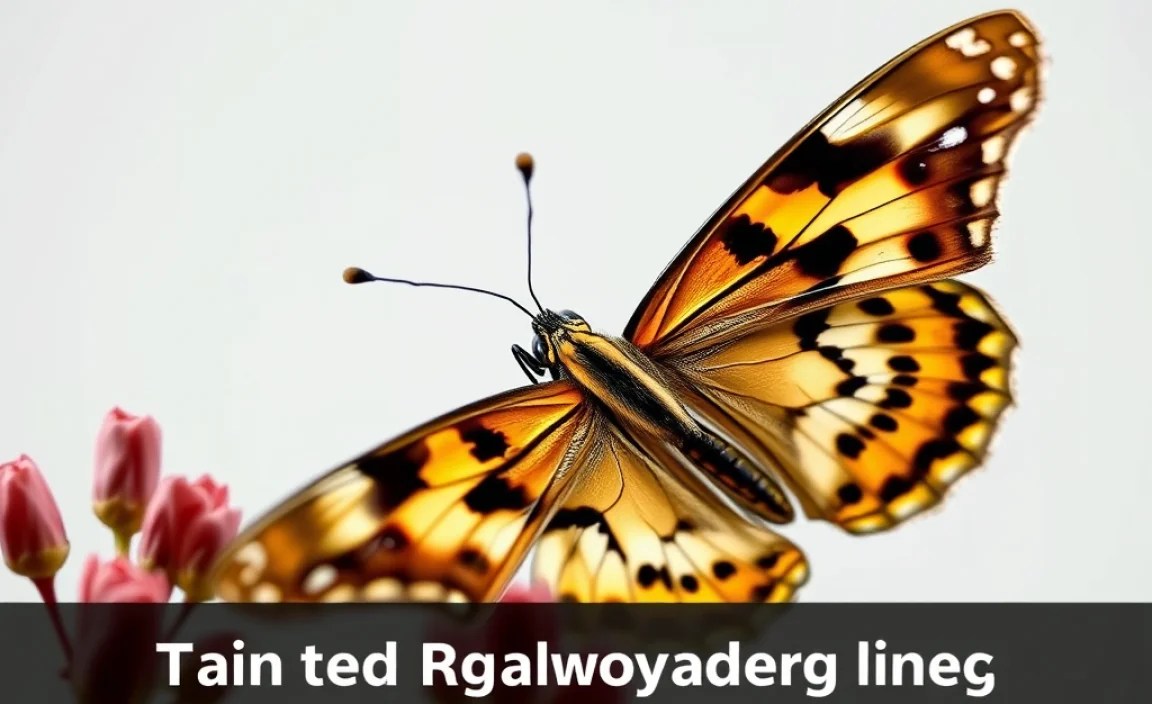
Imagine you are a tiny butterfly. You have to fly very far. Where would you go? Scientists want to know this too! They use painted lady migration tracking 2025. This helps them learn about the butterflies’ journeys. They put tiny tags on the butterflies. These tags help track where the butterflies go. Scientists also use special tools. These tools can see where the butterflies are. It is like a big puzzle. Each butterfly’s journey is a piece. When we put all the pieces together, we learn a lot. We learn about where they go to find food. We also learn where they go to have babies. This is very important for protecting them.
- Scientists use small tags to track butterflies.
- Tags help find out where butterflies migrate.
- Technology helps see butterfly movements.
- Tracking reveals where they find food.
- It also shows where they lay eggs.
Painted lady butterflies migrate for survival. They cannot live in very cold places. So, they fly to warmer areas. They look for food and places to lay eggs. Their journey can be very long. Some fly thousands of miles! Scientists are learning more about this. They study the paths the butterflies take. They also study the challenges they face. This information is very helpful. It helps people protect the butterflies. People can make sure the butterflies have safe places to rest. They can also make sure they have enough food. It is important to work together to help these amazing insects.
Fun Fact or Stat: Painted lady butterflies can fly up to 100 miles in a single day during their migration!
Why Do Butterflies Migrate?
Have you ever wondered why birds fly south for the winter? Butterflies do something similar! They migrate to find better places to live. They want to find food. They also need places where their babies can grow. Painted lady butterflies cannot survive in very cold weather. When winter comes, they must fly to warmer places. They might go to the southern United States or Mexico. This journey is very long and hard. Many butterflies do not make it. But the ones that do help to keep the species alive. That is why migration is so important for them. It is a way to survive and keep their families going. Scientists are studying this to learn more about how to help them.
How Are Butterflies Tracked?
Imagine you want to find your lost toy. You might ask your friends for help. Scientists use tools to find butterflies! They use tiny, lightweight tags. These tags are like little backpacks for the butterflies. The tags send signals to satellites. Satellites are like eyes in the sky. They can see where the butterflies are. Scientists also use radar. Radar can track many butterflies at once. It is like a big net that catches all their movements. People also help by reporting where they see butterflies. This is called citizen science. Everyone can be a scientist and help track these amazing insects.
What Challenges Do Butterflies Face?
Imagine trying to run a very long race. It would be tiring and hard! Butterflies face many challenges when they migrate. The weather can be bad. Storms and strong winds can blow them off course. They might not find enough food along the way. They also face dangers from cars and buildings. Sometimes, their habitats are destroyed. This means they have nowhere to rest or lay eggs. Scientists are working to help them overcome these challenges. They are planting more flowers for them to eat. They are also protecting their habitats. By helping butterflies, we are helping the whole environment.
Methods Used in Painted Lady Tracking 2025

How do scientists know where butterflies go? They use different methods for painted lady migration tracking 2025. Some methods are simple. Others are very high-tech. One method is to put tiny tags on the butterflies. These tags have numbers. When someone sees a butterfly with a tag, they report it. This helps scientists track where the butterfly has been. Another method uses radar. Radar can detect large groups of butterflies. It shows which direction they are flying. Scientists also use computer models. These models predict where butterflies might go. They use weather and other information to make these predictions. All these methods help us understand butterfly migration better.
- Tagging butterflies helps track their movements.
- Radar detects groups of migrating butterflies.
- Computer models predict migration paths.
- Citizen scientists report tagged butterflies.
- Combining methods gives a clearer picture.
- Studying weather patterns aids tracking efforts.
Scientists use different tools to study butterfly migration. They use nets to catch butterflies carefully. Then they put small tags on their wings. These tags do not hurt the butterflies. The tags have a special number. If someone sees a tagged butterfly, they can report it. This helps scientists track where the butterflies go. Scientists also use radar. Radar is like a special kind of radio. It can see things that are far away. Scientists point the radar at the sky. When butterflies fly by, the radar can detect them. This helps scientists see where the butterflies are migrating. They also use computers to make models. These models help them guess where the butterflies will go next. All these tools help scientists learn more about butterfly migration.
Fun Fact or Stat: The smallest butterfly tag weighs less than a grain of rice!
What is Butterfly Tagging?
Have you ever seen a bird with a ring on its leg? Scientists use rings to track birds. They do something similar with butterflies! They use small, light tags. These tags are like tiny stickers. Scientists carefully put them on the butterfly’s wing. The tag has a number on it. If someone sees the butterfly, they can report the number. This helps scientists know where the butterfly has been. The tags do not hurt the butterfly. They are very light so the butterfly can still fly easily. Tagging is a simple but effective way to track butterflies. It helps us learn about their amazing journeys.
How Does Radar Work?
Imagine you are trying to find a friend in a dark room. You might use a flashlight! Radar is like a flashlight for scientists. But instead of light, it uses radio waves. Scientists send out radio waves into the sky. When the waves hit something, like a butterfly, they bounce back. The radar can detect these bounced waves. This tells scientists where the butterfly is. Radar can track many butterflies at once. It is very useful for seeing large migrations. Radar helps us understand how butterflies move across the country.
Why Are Computer Models Important?
Have you ever used a map to plan a trip? Computer models are like maps for scientists. They help them plan and understand butterfly migrations. Scientists put information into the computer. This information includes weather patterns, food sources, and past migrations. The computer uses this information to guess where butterflies might go. These guesses are called predictions. Computer models are not always perfect. But they help scientists make better decisions. They can help them know where to look for butterflies. They can also help them protect butterfly habitats.
| Tracking Method | Pros | Cons | Best Use |
|---|---|---|---|
| Tagging | Provides individual tracking data. | Requires recapture or sighting. | Studying individual butterfly movements. |
| Radar | Tracks large groups quickly. | Cannot identify individual butterflies. | Monitoring large-scale migration patterns. |
| Computer Models | Predicts migration routes. | Relies on accurate data input. | Planning conservation efforts. |
| Citizen Science | Engages the public, wide data collection. | Data quality varies. | Supplementing professional research. |
The Importance of Understanding Butterfly Migration

Why should we care about where butterflies go? Understanding painted lady migration tracking 2025 is very important. Butterflies are part of our ecosystem. They help pollinate flowers. This means they help plants make seeds. When butterflies migrate, they affect plants in different areas. If we know where butterflies are going, we can protect those areas. We can make sure they have enough food and safe places to rest. Also, butterflies are food for other animals. Birds and other insects eat butterflies. Understanding butterfly migration helps us protect the whole food chain. It is like a puzzle. Each piece is important. Butterflies are a very important piece.
- Butterflies help pollinate flowers.
- Migration affects plant life.
- Butterflies are food for other animals.
- Protecting migration routes helps ecosystems.
- Understanding migration aids conservation efforts.
- Studying butterflies reveals environmental changes.
Butterfly migration is like a big adventure. Butterflies travel long distances. They face many dangers. But their journey is important for the environment. When we understand their migration, we can help them. We can plant flowers that they like to eat. We can protect the places where they lay their eggs. We can also tell others about the importance of butterflies. By working together, we can make sure that butterflies continue to thrive. They bring beauty and life to our world. It is our job to protect them.
Fun Fact or Stat: Butterflies pollinate about one-third of the world’s food crops!
How Do Butterflies Help the Environment?
Have you ever seen a butterfly landing on a flower? It is not just looking pretty! The butterfly is helping the flower make seeds. This is called pollination. When a butterfly lands on a flower, pollen sticks to its body. Then, when it flies to another flower, it carries the pollen with it. This helps the second flower make seeds. Many plants need butterflies to help them. Without butterflies, we would not have as many fruits, vegetables, and flowers. Butterflies are very important for a healthy environment. They help keep our world beautiful and full of life.
What Happens if Butterflies Disappear?
Imagine a world without butterflies. It would be a sad and quiet place. Many flowers would not get pollinated. This means we would have fewer fruits and vegetables. Birds and other animals that eat butterflies would also suffer. The whole ecosystem would be affected. Butterflies are like a keystone in an arch. If you remove the keystone, the whole arch falls apart. Butterflies are a keystone species. They play a very important role in the environment. We need to protect them to keep our world healthy.
How Can We Protect Butterflies?
Imagine you want to help your friend. You would do things to make them happy and safe. We can do the same for butterflies! We can plant flowers that they like to eat. These flowers are called nectar plants. We can also avoid using pesticides. Pesticides can harm butterflies and other insects. We can protect their habitats. This means making sure they have places to lay their eggs and rest. We can also tell others about the importance of butterflies. By working together, we can make a big difference. We can help butterflies thrive in our world.
Technology Used in Painted Lady Migration Tracking 2025
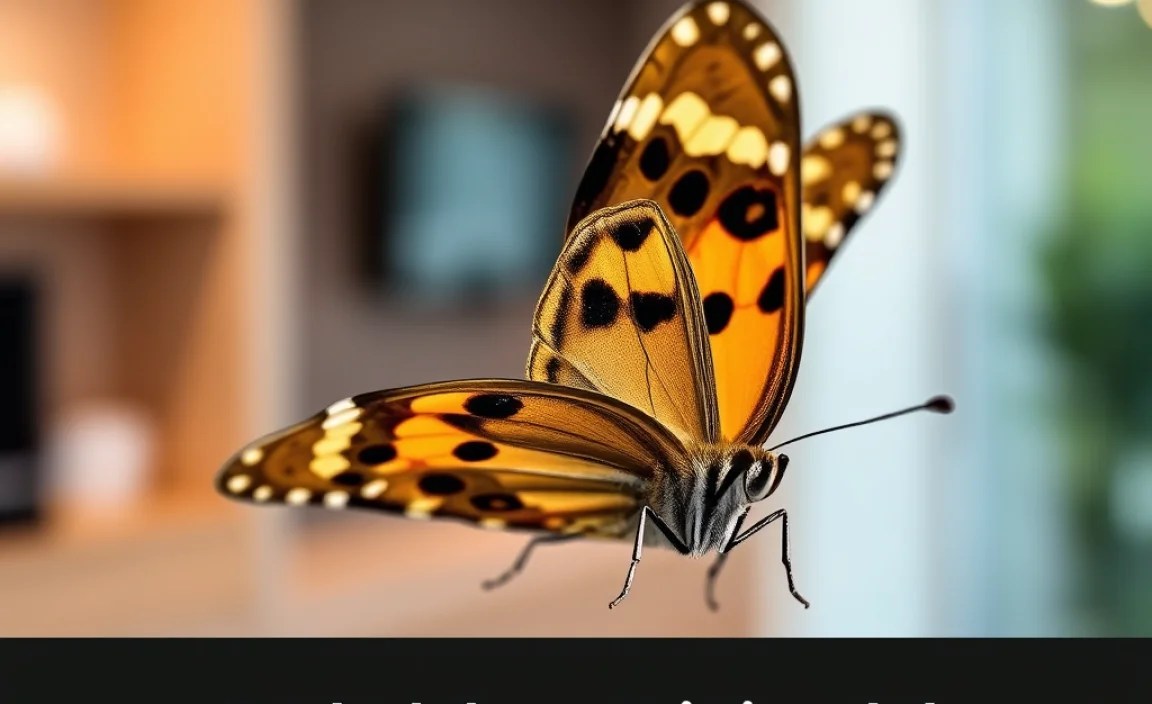
Scientists use cool tools for painted lady migration tracking 2025. They don’t just follow butterflies with nets! They use tiny GPS trackers. These are like mini smartphones for butterflies. The trackers send signals to satellites. Scientists can see where the butterflies are in real time. They also use weather data. Wind and temperature affect where butterflies fly. Scientists use computer models to predict migration patterns. These models use lots of information. This helps them understand where the butterflies will go. It’s like being a detective, but for butterflies!
- GPS trackers show real-time locations.
- Satellites receive signals from trackers.
- Weather data predicts flight paths.
- Computer models analyze migration patterns.
- Drones capture aerial views of migrations.
- Radar systems detect butterfly swarms.
New technology helps scientists track butterflies better. Drones can fly over fields and forests. They take pictures of butterfly habitats. This helps scientists see where butterflies are laying eggs. Special cameras can detect butterfly colors. This helps identify different types of butterflies. Scientists also use DNA analysis. This helps them understand where butterflies come from. They can trace their ancestry. All this technology makes tracking butterflies more accurate. It also helps us learn more about their lives. This knowledge is important for protecting them.
Fun Fact or Stat: Some GPS trackers weigh only 0.2 grams, less than a paperclip!
What Are GPS Trackers?
Have you ever used a map app on your phone? GPS trackers do something similar. But they are much smaller! Scientists attach these tiny devices to butterflies. The GPS tracker uses satellites to find its location. It then sends this information back to the scientists. This allows them to see exactly where the butterfly is. They can track its movements over time. GPS trackers are a great way to study migration. They provide accurate and detailed information. This helps us understand butterfly behavior.
How Does Weather Data Help?
Imagine you are planning a picnic. You would check the weather forecast first! Scientists do the same when tracking butterflies. Weather affects where butterflies can fly. Strong winds can blow them off course. Cold temperatures can slow them down. Scientists use weather data to understand these effects. They look at wind speed, temperature, and rainfall. This helps them predict where butterflies will migrate. It also helps them understand why they choose certain routes. Weather data is a key piece of the puzzle.
What is DNA Analysis?
Have you ever wondered where your family comes from? DNA analysis can help you find out! Scientists use DNA analysis to study butterflies too. They take a small sample from a butterfly. Then they analyze its DNA. This tells them about the butterfly’s ancestry. They can see where its parents and grandparents came from. This helps them understand migration patterns. They can see if butterflies from different areas are related. DNA analysis provides valuable information about butterfly populations.
Citizen Science and Painted Lady Migration Tracking 2025

You can help with painted lady migration tracking 2025! It’s called citizen science. Anyone can join. You just need to watch for butterflies. If you see a painted lady, take a picture. Note the date and location. Then, share your sighting with scientists. There are websites and apps for this. Your observations help scientists track migration. They learn where butterflies are and when. This helps protect butterflies. It’s a fun way to learn about nature. You can make a real difference!
- Anyone can participate in citizen science.
- Report painted lady sightings online.
- Include date, location, and photo.
- Your data helps track migration patterns.
- Citizen science increases data collection.
- It also raises awareness about butterflies.
Citizen science is very helpful for tracking butterflies. Scientists can’t be everywhere at once. But with the help of everyday people, they can get more data. When many people report sightings, it creates a bigger picture. It shows where butterflies are moving. It also shows how many there are. This information is very useful for conservation. Scientists can use it to make better decisions about protecting butterflies. So, next time you see a painted lady, remember to report it! You’ll be helping science and the butterflies.
Fun Fact or Stat: Citizen scientists contribute millions of hours to research each year!
How to Identify a Painted Lady Butterfly?
Have you ever tried to tell one butterfly from another? It can be tricky! Painted ladies have unique markings. Look for orange and brown wings. They have black spots on the edges. The undersides of their wings have a marbled pattern. They are medium-sized butterflies. They are common in many areas. If you see a butterfly with these features, it’s likely a painted lady! Knowing how to identify them is the first step. Then you can report your sighting.
Where to Report Butterfly Sightings?
So, you’ve seen a painted lady! Now what? There are many places to report your sighting. Online platforms like iNaturalist are great. They allow you to upload photos and location data. Websites like Journey North also collect butterfly data. Many local nature centers also accept reports. Choose a platform that you like. Make sure to include all the important information. This includes the date, time, and location of your sighting. Your report will help scientists track migration.
Why is Citizen Science Important?
Imagine trying to count all the stars in the sky. It would be impossible for one person! That’s why scientists need help. Citizen science allows many people to contribute. Together, they can collect more data. This data helps scientists understand complex patterns. They can track migration routes. They can also monitor butterfly populations. Citizen science is a powerful tool for research. It also educates the public about nature. It’s a win-win for everyone!
Conservation Efforts Based on Migration Tracking
What happens after we track butterflies? The information from painted lady migration tracking 2025 is used to protect them. Conservation groups use the data. They identify important habitats. These are places where butterflies feed and breed. They work to protect these areas. They might plant butterfly-friendly flowers. They might also restore natural habitats. They also work with farmers. They encourage them to use fewer pesticides. All these efforts help butterflies survive. Migration tracking is the first step. Then, conservation actions make a real difference.
- Tracking data identifies key habitats.
- Conservation groups protect these areas.
- They plant butterfly-friendly flowers.
- They restore natural habitats.
- They work with farmers to reduce pesticides.
- Education raises awareness about conservation.
Protecting butterflies requires many different actions. It’s not just about tracking them. It’s about creating a safe environment for them. This means providing food and shelter. It also means reducing threats. Pollution and habitat loss are major problems. Conservation efforts address these issues. They clean up polluted areas. They create new habitats. They also educate people about the importance of butterflies. By working together, we can ensure that butterflies thrive. They are a vital part of our ecosystem. We must protect them for future generations.
Fun Fact or Stat: Protected areas can increase butterfly populations by up to 50%!
How Are Butterfly Habitats Protected?
Have you ever built a fort to protect yourself? Conservationists do something similar for butterflies! They protect and restore their habitats. This means creating safe places for them to live. They might plant native flowers that butterflies like to eat. They might also remove invasive plants that take over habitats. They work with landowners to protect natural areas. They might also create butterfly gardens in parks and schools. All these actions help butterflies thrive.
What is Habitat Restoration?
Imagine a forest that has been damaged by a fire. It might look barren and lifeless. But over time, it can recover. This is called natural restoration. Habitat restoration is when people help this process along. They might plant trees and other plants. They might remove obstacles that prevent growth. They might also control erosion. This helps the forest recover faster. Habitat restoration is important for butterflies. It provides them with food and shelter.
Why is Education Important?
Have you ever learned something new that changed your perspective? Education can do that! When people learn about butterflies, they are more likely to care about them. They might start planting butterfly gardens. They might also support conservation efforts. Education raises awareness about the importance of butterflies. It also inspires people to take action. Schools, nature centers, and community groups can all play a role. By educating others, we can create a more butterfly-friendly world.
Future of Painted Lady Migration Tracking 2025
What’s next for painted lady migration tracking 2025? Scientists are always improving their methods. They’re developing smaller, more efficient trackers. These will be easier for butterflies to carry. They’re also using artificial intelligence. AI can analyze large amounts of data. This helps predict migration patterns. Scientists are also working on better computer models. These models will be more accurate. They’ll take into account more factors. The future of butterfly tracking is exciting. It will help us protect these amazing insects even better.
- Smaller trackers improve data collection.
- AI analyzes migration patterns.
- Better computer models increase accuracy.
- International collaboration enhances research.
- Public awareness supports conservation efforts.
- Advanced technology aids long-term monitoring.
The future of butterfly tracking is bright. As technology advances, we will learn even more about these insects. We will be able to track them more accurately. We will also be able to understand their behavior better. This knowledge will be crucial for conservation. Climate change and habitat loss are major threats. By understanding butterfly migration, we can help them adapt. We can also protect their habitats. We can ensure that they continue to thrive for generations to come.
Fun Fact or Stat: The use of AI in wildlife tracking is expected to increase by 50% in the next five years!
How Will Trackers Improve?
Imagine a world where trackers are so small, you can barely see them! That’s the goal for future trackers. Scientists are working on making them smaller and lighter. They also want them to last longer. This means they need better batteries. They also want them to be more accurate. They need to send data more reliably. These improvements will allow scientists to track butterflies for longer periods. They will also get more detailed information.
What is Artificial Intelligence?
Have you ever played a game against a computer? Some computers are very good at games! This is because they use artificial intelligence. AI is when computers can do things that normally require human intelligence. This includes learning, problem-solving, and decision-making. Scientists use AI to analyze butterfly data. AI can find patterns that humans might miss. This helps them predict migration routes. AI is a powerful tool for understanding butterfly behavior.
How Will Models Become More Accurate?
Imagine you are trying to predict the weather. You would use lots of information. You would look at temperature, wind speed, and humidity. Scientists do the same when building computer models. They include as much data as possible. They consider weather patterns, food sources, and habitat availability. They also use data from past migrations. The more information they include, the more accurate the model will be. Accurate models are essential for conservation planning.
Summary
Painted lady butterflies are amazing travelers. They fly long distances to find food and places to lay eggs. Scientists are very interested in their journeys. They use painted lady migration tracking 2025 to study them. This involves using tiny tags and radar. It also involves computer models and citizen science. All these methods help us understand where butterflies go. This knowledge is very important. It helps us protect butterflies and their habitats. By understanding their migration, we can help them survive.
Tracking migration helps us understand our world better. Butterflies are part of a larger ecosystem. They affect plants and other animals. When we protect butterflies, we protect the whole ecosystem. Everyone can help. You can plant butterfly-friendly flowers in your garden. You can also report butterfly sightings. Together, we can make a difference. We can ensure that butterflies continue to thrive.
Conclusion
Painted lady butterflies are important insects. They travel far and wide. Painted lady migration tracking 2025 helps us learn about them. Scientists use many tools to follow their journeys. This information helps protect butterflies and their homes. We can all help by planting flowers and reporting sightings. By working together, we can make sure these beautiful creatures thrive. Let’s continue to support butterfly conservation.
Frequently Asked Questions
Question No 1: What is painted lady migration?
Answer: Painted lady migration is when painted lady butterflies move from one place to another. They do this to find food and places to lay their eggs. These butterflies cannot survive in very cold weather, so they fly to warmer areas. Their journey can be very long, sometimes thousands of miles. Scientists study this migration to understand how butterflies live and how to protect them. This helps us learn more about nature and the amazing travels of these butterflies.
Question No 2: Why is painted lady migration tracking 2025 important?
Answer: Painted lady migration tracking 2025 is important because it helps scientists learn about butterfly movements. This knowledge is used to protect butterflies and their habitats. Butterflies are important because they help pollinate flowers. This means they help plants make seeds. If we know where butterflies are going, we can protect those areas and make sure they have enough food and safe places to rest. Tracking helps us understand how to keep these important insects alive and thriving.
Question No 3: How do scientists track painted lady butterflies?
Answer: Scientists use different tools to track painted lady butterflies. One way is to put tiny tags on their wings. These tags have a special number. If someone sees a butterfly with a tag, they can report it, and scientists can track where the butterfly has been. Scientists also use radar, which can detect large groups of butterflies. Additionally, they use computer models to guess where butterflies might go next. All these tools help scientists learn more about butterfly migration and their amazing journeys.
Question No 4: What is citizen science, and how can I participate?
Answer: Citizen science is when everyday people help scientists with their research. You can participate by watching for painted lady butterflies. If you see one, take a picture and note the date and location. Then, share your sighting with scientists through websites or apps. Your observations help scientists track migration patterns and learn where butterflies are. This helps protect butterflies and is a fun way to learn about nature and make a real difference in scientific research. So, keep an eye out for these beautiful insects!
Question No 5: What are some challenges that painted lady butterflies face during migration?
Answer: Painted lady butterflies face many challenges during migration. The weather can be bad, with storms and strong winds blowing them off course. They might not find enough food along the way. They also face dangers from cars and buildings. Sometimes their homes are destroyed, meaning they have nowhere to rest or lay eggs. Scientists are working to help them overcome these challenges by planting more flowers for them to eat and protecting their habitats.
Question No 6: How can I help protect painted lady butterflies in my own backyard?
Answer: You can help protect painted lady butterflies in your backyard by planting flowers that they like to eat. These flowers are called nectar plants. You can also avoid using pesticides, which can harm butterflies and other insects. Make sure they have a safe place to rest and lay their eggs. Tell others about the importance of butterflies and encourage them to help too. By working together, we can make sure that butterflies continue to thrive in our world. Supporting painted lady migration tracking 2025 helps guide these efforts.


