Painted Lady Butterfly Identification Tips: Easy Guide

Have you ever seen a butterfly with pretty colors? It might have been a painted lady butterfly! These butterflies are found all over the world. They are known for their orange, brown, and white wings. Knowing painted lady butterfly identification tips can help you spot them.
Have you ever wondered how to tell them apart from other butterflies? It’s easier than you think! We will show you how to identify these amazing insects. Get ready to learn some cool painted lady butterfly identification tips! Soon, you’ll be a butterfly expert.
Key Takeaways
- Painted lady butterflies have orange, brown, and white patterns on their wings.
- You can use painted lady butterfly identification tips to tell them apart.
- Look for small black spots on their hindwings to identify them.
- These butterflies are common and can be found in many places.
- Their caterpillars eat thistles and other leafy plants.
Easy Painted Lady Butterfly Identification Tips
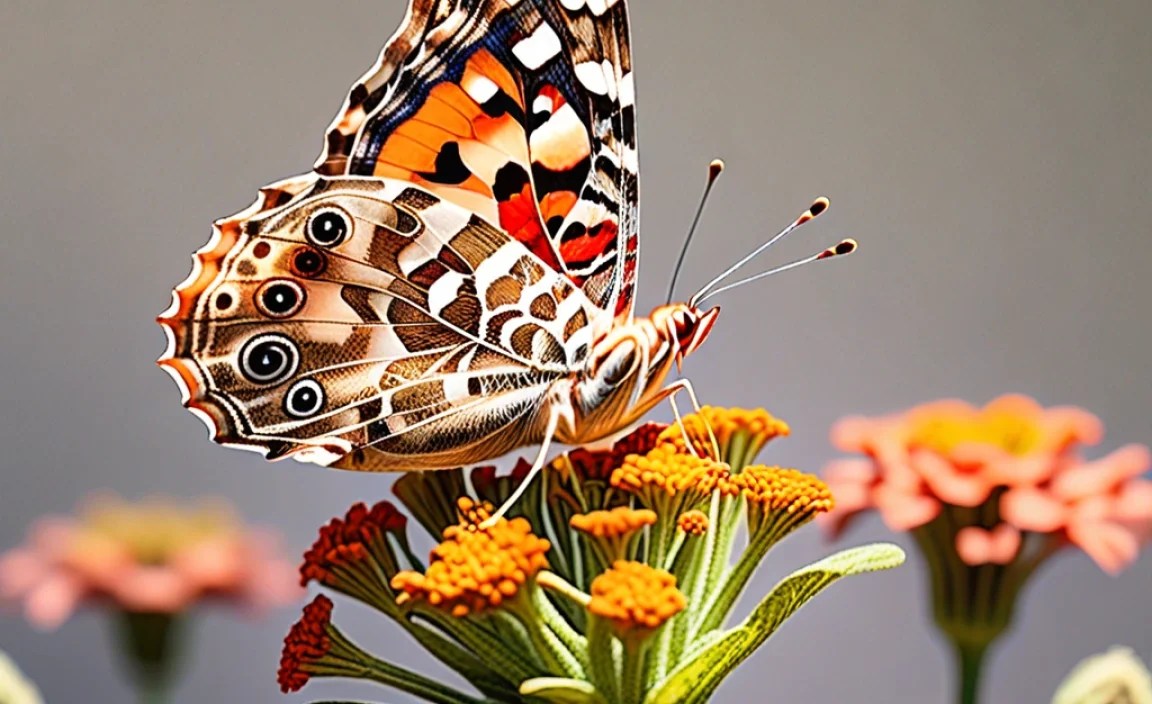
Identifying painted lady butterflies is fun. These butterflies have unique wing patterns. Their wings are mostly orange and brown. They also have white and black spots. These spots help them hide from predators. The size of these butterflies is about two inches across. This makes them easy to spot in gardens. They fly quickly, so you need to be observant. Looking closely at their wings is the best way to identify them. You can find them in fields, gardens, and parks. Remember to bring a notebook to write down what you see. This will help you remember painted lady butterfly identification tips. Enjoy your butterfly spotting adventure!
- Look for orange and brown wings.
- Notice the white and black spots.
- Check the size of the butterfly.
- Observe their flight pattern.
- Find them in open areas.
Painted lady butterflies are not just pretty; they are also important. They help pollinate flowers. This means they help plants make seeds. They travel long distances during their migrations. Some fly thousands of miles each year. Scientists study them to learn about butterfly migration. These butterflies face challenges like habitat loss. We can help them by planting butterfly-friendly gardens. This gives them a place to feed and lay eggs. Even small actions can make a big difference. Remember to share your painted lady butterfly identification tips with friends. Together, we can protect these beautiful insects. They are a vital part of our ecosystem. Learning about them helps us appreciate nature.
What Are the Key Wing Patterns?
Have you ever noticed how each butterfly has unique wing patterns? Painted lady butterflies are no exception. Their wings have a mix of orange, brown, and white colors. The top side of their wings is mostly orange. You will see dark brown markings along the edges. Look for small white spots near the tips of their forewings. These spots are a key feature. The underside of their wings is more complex. It has a marbled pattern of brown, gray, and white. This pattern helps them blend in with their surroundings. The hindwings have a row of small black spots. These spots are another important clue for identification. Each butterfly’s pattern is slightly different. This makes each one special. Learning these patterns is essential for painted lady butterfly identification tips.
How Big Are Painted Lady Butterflies?
Imagine holding a ruler in your hand. How long do you think a painted lady butterfly is? These butterflies are medium-sized. They usually have a wingspan of about two inches. This means the distance from one wingtip to the other is around two inches. This size makes them easy to spot but not too big to be scary. Their size helps them fly efficiently. They can cover long distances during migration. Compared to other butterflies, they are not the largest. Monarch butterflies are bigger, for example. But painted lady butterflies are still impressive. Their size is just right for fluttering around gardens. It’s also perfect for sipping nectar from flowers. Knowing their size is one of the useful painted lady butterfly identification tips.
Where Do They Usually Live?
Where do painted lady butterflies call home? These butterflies are found all over the world. They live on every continent except Antarctica. This makes them one of the most widespread butterfly species. You can find them in many different habitats. They like open areas such as fields and meadows. They also live in gardens and parks. They are attracted to places with lots of flowers. They need nectar for food. They also need host plants for their caterpillars. Thistles and other leafy plants are favorites. They can adapt to different climates. This is why they are so widespread. Look for them in sunny spots. They love to bask in the sun. Knowing their habitat is crucial for painted lady butterfly identification tips.
Fun Fact or Stat: Painted lady butterflies can fly up to 100 miles in a single day during migration!
Recognizing Painted Lady Butterfly Markings
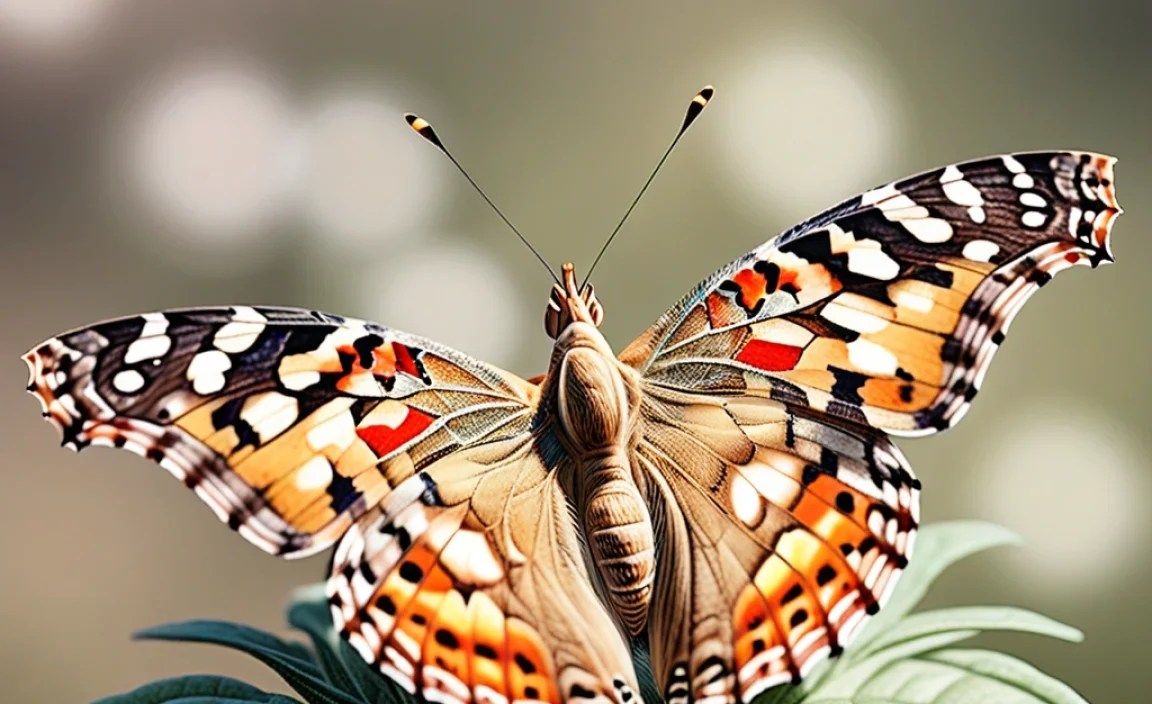
Do you know what to look for on a painted lady butterfly? Their markings are very distinctive. The upper side of their wings has a mix of orange, brown, and black. The forewings have white spots near the tips. This is a key feature for identification. The hindwings have a row of small black spots. These spots are often surrounded by blue. The underside of their wings is more complex. It has a marbled pattern of brown, gray, and white. This pattern helps them camouflage. The markings can vary slightly from butterfly to butterfly. But the basic pattern remains the same. Pay close attention to the details. This will help you identify them correctly. Using these painted lady butterfly identification tips will make you an expert.
- Check for white spots on the forewings.
- Look for black spots on the hindwings.
- Observe the marbled pattern underneath.
- Notice the orange and brown colors.
- Pay attention to small details.
- Compare with pictures in a guidebook.
The markings on a painted lady butterfly are not just for show. They serve important purposes. The bright colors can warn predators that they are not tasty. The marbled pattern helps them blend in with their surroundings. This camouflage protects them from being eaten. The markings also help them recognize each other. This is important for mating and other social behaviors. Scientists study these markings to learn about butterfly evolution. They can track changes in wing patterns over time. This helps them understand how butterflies adapt to their environment. By learning these painted lady butterfly identification tips, you can also contribute to science. Every observation helps us understand these creatures better. Keep exploring and learning!
What Do the Spots on the Wings Mean?
Have you ever wondered why painted lady butterflies have spots on their wings? These spots are not just decorations. They serve several important purposes. The white spots on the forewings can help them startle predators. When a bird or other animal gets close, the sudden flash of white can scare it away. The black spots on the hindwings might also confuse predators. They can make the butterfly look like it has eyes on its tail. This can distract the predator and give the butterfly a chance to escape. The spots also help butterflies recognize each other. They can identify members of their own species by the patterns on their wings. These spots are crucial for survival. Learning about them is part of understanding painted lady butterfly identification tips.
Why Is the Underside Pattern Marbled?
Why is the underside of a painted lady butterfly’s wing marbled? The marbled pattern is a type of camouflage. It helps the butterfly blend in with its surroundings. When the butterfly rests with its wings closed, the marbled pattern makes it harder to see. It looks like a piece of bark or a dead leaf. This protects the butterfly from predators. Birds and other animals have a harder time spotting it. The marbled pattern is especially effective in areas with lots of vegetation. The complex mix of colors and shapes helps the butterfly disappear. This is an important survival strategy. Camouflage is a key part of painted lady butterfly identification tips. It helps you understand how these butterflies live in their environment.
How Do Markings Vary Between Individuals?
Are all painted lady butterflies exactly the same? No, they are not! While they share a common pattern, there can be slight variations in their markings. The size and shape of the spots can differ. The intensity of the colors can also vary. Some butterflies might have brighter orange wings. Others might have more brown. These differences can be caused by genetics. They can also be influenced by the environment. Butterflies that grow up in different areas might have different markings. These variations make each butterfly unique. They also make identification more challenging. Pay close attention to the details. This will help you spot the differences. Recognizing these variations is an advanced painted lady butterfly identification tips skill.
Fun Fact or Stat: The scientific name for the painted lady butterfly is Vanessa cardui.
Distinguishing Painted Ladies From Similar Butterflies

Sometimes, painted lady butterflies can look like other butterflies. It is important to know the differences. This helps you identify them correctly. The American lady butterfly is one similar species. It has two large eyespots on its hindwings. Painted ladies have smaller spots. The red admiral butterfly is another one. It has red bands on its wings. Painted ladies have orange and brown colors. The viceroy butterfly mimics the monarch. But it has a black line across its hindwings. Painted ladies do not have this line. Pay attention to these key differences. This will help you avoid confusion. These painted lady butterfly identification tips will make you a better observer.
- Look for large eyespots on American ladies.
- Check for red bands on red admirals.
- Notice the black line on viceroys.
- Compare the size and shape of the spots.
- Observe the overall color pattern.
- Use a butterfly field guide.
Distinguishing between butterflies can be tricky. But it becomes easier with practice. The more you observe, the better you will get. Start by focusing on the key features. Look at the wing patterns, colors, and sizes. Pay attention to the habitat where you find them. Some butterflies prefer certain types of plants. Others live in specific regions. Use a butterfly field guide to help you. These guides have pictures and descriptions of different species. They can help you confirm your identification. Remember that even experts can make mistakes. The important thing is to keep learning and exploring. By using these painted lady butterfly identification tips, you will improve your skills. Enjoy the process of discovery!
How to Spot the American Lady Butterfly?
Do you want to learn how to spot the American lady butterfly? These butterflies are often confused with painted ladies. But there are some key differences to look for. The most important difference is the eyespots on the hindwings. American ladies have two large, distinct eyespots. Painted ladies have smaller, less noticeable spots. The American lady also has a small white dot in the orange cell of the forewing. This dot is usually absent in painted ladies. The overall color pattern is similar. But the details can help you tell them apart. Pay close attention to these features. This will help you improve your painted lady butterfly identification tips. Remember to use a field guide for reference.
What About the Red Admiral Butterfly?
The red admiral butterfly is another species that can be confused with the painted lady. But it has very different markings. Red admirals have bold red bands on their wings. These bands are very noticeable. Painted ladies have orange and brown colors. They do not have any red bands. Red admirals also have white spots on their forewings. These spots are arranged differently than the spots on painted ladies. Red admirals are often found in wooded areas. Painted ladies prefer open fields and gardens. By paying attention to these differences, you can easily tell them apart. This is a helpful addition to your painted lady butterfly identification tips.
Viceroy Butterfly vs. Painted Lady
Have you ever heard of the viceroy butterfly? It looks a lot like the monarch butterfly. But it can also be confused with a painted lady. The viceroy has a black line across its hindwings. This line is the easiest way to tell it apart from a monarch. Painted ladies do not have this black line. The viceroy also has a more reddish-orange color than the painted lady. The shape of their wings is also slightly different. Viceroys have more angular wings. Painted ladies have rounder wings. Remember to look for the black line. This is the key to distinguishing the viceroy. Knowing this helps with painted lady butterfly identification tips.
| Butterfly | Key Features | Color |
|---|---|---|
| Painted Lady | Small black spots on hindwings | Orange and brown |
| American Lady | Two large eyespots on hindwings | Orange and brown |
| Red Admiral | Red bands on wings | Black and red |
| Viceroy | Black line across hindwings | Orange and black |
Fun Fact or Stat: Painted lady butterflies are one of the most widespread butterfly species in the world, found on almost every continent!
Understanding Painted Lady Butterfly Habitat

Where do painted lady butterflies like to live? These butterflies are found in many different habitats. They prefer open areas with lots of flowers. You can find them in fields, meadows, and gardens. They also live in parks and along roadsides. They are attracted to plants that provide nectar. Thistles, asters, and sunflowers are some of their favorites. They also need host plants for their caterpillars. Thistles and mallows are common choices. Painted ladies are adaptable. They can live in both warm and cool climates. They are often seen migrating long distances. This allows them to find new habitats. Understanding their habitat is part of painted lady butterfly identification tips. It helps you know where to look for them.
- Look for them in open fields.
- Find them in gardens with flowers.
- Check along roadsides and parks.
- Observe them near thistles and asters.
- Notice their presence during migration.
- Consider the climate of the area.
The habitat of a painted lady butterfly plays a crucial role in its life cycle. The availability of food and host plants is essential. Without these resources, they cannot survive. Habitat loss is a major threat to these butterflies. As more land is developed, they lose their homes. We can help by planting butterfly-friendly gardens. This provides them with food and shelter. We can also protect natural habitats. This ensures that they have places to live and breed. By understanding their habitat needs, we can help conserve these beautiful insects. Remember to share your painted lady butterfly identification tips and conservation ideas with others. Together, we can make a difference. Protecting their habitat is a key part of saving them.
What Types of Plants Attract Them?
Do you want to attract painted lady butterflies to your garden? Planting the right types of plants is the key. These butterflies are attracted to plants that provide nectar. Nectar is a sugary liquid that they feed on. Thistles are a favorite nectar source. Asters, sunflowers, and zinnias are also popular. They also need host plants for their caterpillars. Thistles and mallows are common choices. Milkweed is another good option. Even though it is more known for Monarch butterflies. Plant a variety of flowers that bloom at different times. This will provide a continuous source of nectar. Avoid using pesticides. These chemicals can harm butterflies and other insects. Creating a butterfly-friendly garden is a great way to help them. This is an important part of painted lady butterfly identification tips and conservation.
How Does Climate Affect Their Distribution?
How does climate affect where painted lady butterflies live? These butterflies are very adaptable. They can survive in a wide range of climates. They are found in both warm and cool regions. However, extreme temperatures can be a challenge. Very cold winters can kill their eggs and larvae. Very hot summers can dry out their food plants. Climate change is also affecting their distribution. As temperatures rise, they may move to new areas. They may also experience changes in their migration patterns. Scientists are studying these changes to understand how butterflies are responding to climate change. Understanding the effects of climate is important for painted lady butterfly identification tips and conservation efforts.
What Role Does Migration Play?
Why do painted lady butterflies migrate? Migration is an important part of their life cycle. They migrate to find new food sources and breeding grounds. They can travel long distances, sometimes thousands of miles. Migration allows them to escape harsh weather conditions. They move to warmer areas during the winter. They return to cooler areas in the summer. Their migration patterns can vary from year to year. This depends on the weather and the availability of food. Scientists track their migrations to learn about their behavior. They use tagging and other methods to follow their movements. Migration is a fascinating aspect of their lives. Knowing about it is a key part of understanding painted lady butterfly identification tips.
Fun Fact or Stat: Painted lady butterflies undertake one of the longest insect migrations, sometimes covering over 7,500 miles!
Life Cycle Stages and Identification Clues

The life cycle of a painted lady butterfly has four stages. These stages are egg, larva (caterpillar), pupa (chrysalis), and adult. Each stage looks very different. Knowing these stages helps with identification. The eggs are small and green. They are laid on host plants like thistles. The caterpillars are spiky and colorful. They eat a lot of leaves. The pupa is a hard shell. It hangs from a plant. The adult butterfly emerges from the pupa. It has bright orange and brown wings. Understanding these stages provides more painted lady butterfly identification tips. It is fun to watch them grow and change.
- The egg is small and green.
- The caterpillar is spiky and colorful.
- The pupa is a hard shell.
- The adult has bright wings.
- Each stage has different needs.
- Observe them in your garden.
Each stage of the painted lady butterfly’s life cycle is important. The eggs need to be laid on the right host plants. The caterpillars need plenty of food to grow. The pupa needs a safe place to develop. The adult butterfly needs nectar to survive. Habitat loss can affect all of these stages. If there are no host plants, the caterpillars will starve. If there are no flowers, the adults will not have food. We can help by providing the resources they need. Plant host plants and nectar-rich flowers in your garden. Protect their habitat from pollution and development. By understanding their life cycle, we can better protect them. These painted lady butterfly identification tips can also help with conservation efforts. Every little bit helps!
What Do the Eggs Look Like?
Have you ever seen a painted lady butterfly egg? These eggs are tiny and easy to miss. They are usually green or yellowish-white in color. They are laid singly on the leaves of host plants. Thistles are a common choice. The eggs are very small, about the size of a pinhead. They have a ribbed texture. This helps them stay attached to the leaf. The eggs hatch in about a week. The tiny caterpillars emerge and begin to feed. Finding the eggs can be a challenge. But it is a rewarding experience. Knowing what the eggs look like is a useful part of painted lady butterfly identification tips.
How to Identify the Caterpillar?
How can you identify a painted lady butterfly caterpillar? These caterpillars are quite distinctive. They are spiky and colorful. They have a dark body with yellow or orange stripes. They also have branched spines all over their body. These spines help protect them from predators. The caterpillars eat a lot of leaves. They grow quickly. They shed their skin several times as they grow. They can be found on thistles, mallows, and other host plants. Look for them in your garden or in open fields. Identifying the caterpillar is an important part of understanding their life cycle. It also helps with painted lady butterfly identification tips.
What Happens in the Chrysalis Stage?
What happens inside a painted lady butterfly chrysalis? The chrysalis is the pupa stage of the butterfly. It is a hard shell that protects the developing butterfly. Inside the chrysalis, a remarkable transformation takes place. The caterpillar’s body breaks down. It reorganizes into the body of a butterfly. This process is called metamorphosis. It takes about two weeks for the butterfly to develop. The chrysalis can be green, brown, or gray. It often has gold or silver markings. The chrysalis hangs upside down from a plant. When the butterfly is ready, the chrysalis splits open. The adult butterfly emerges. Watching this process is amazing. Understanding the chrysalis stage is essential for painted lady butterfly identification tips.
Fun Fact or Stat: The painted lady butterfly caterpillar can eat twice its weight in food each day!
Conservation Efforts for Painted Lady Butterflies
How can we help painted lady butterflies? These butterflies face many threats. Habitat loss is a major problem. Pesticide use can also harm them. Climate change is affecting their migration patterns. We can take action to protect them. Plant butterfly-friendly gardens. Avoid using pesticides. Support organizations that conserve natural habitats. Educate others about the importance of butterflies. Even small actions can make a big difference. By working together, we can ensure that these beautiful insects thrive. These painted lady butterfly identification tips can also inspire conservation efforts. Every effort counts!
- Plant butterfly-friendly gardens.
- Avoid using pesticides.
- Support conservation organizations.
- Educate others about butterflies.
- Protect natural habitats.
- Reduce your carbon footprint.
Conserving painted lady butterflies is not just about protecting a single species. It is about protecting the entire ecosystem. Butterflies play an important role in pollination. They help plants reproduce. They are also a food source for other animals. By protecting butterflies, we are also protecting the plants and animals that depend on them. We can all do our part to help. Even small actions, like planting a butterfly garden, can make a big difference. Educate your friends and family about the importance of butterflies. Encourage them to take action as well. Together, we can create a world where butterflies thrive. These painted lady butterfly identification tips are just the beginning. Let’s work together to protect these amazing creatures.
How to Create a Butterfly-Friendly Garden?
Do you want to create a butterfly-friendly garden? It is easier than you think! Start by planting nectar-rich flowers. Asters, zinnias, and sunflowers are good choices. Also, plant host plants for caterpillars. Thistles and milkweed are favorites. Provide a source of water. A shallow dish with pebbles works well. Avoid using pesticides. These chemicals can harm butterflies. Provide shelter from the wind. Plant shrubs and trees. Make sure your garden gets plenty of sunlight. Butterflies need sunlight to warm their bodies. Creating a butterfly-friendly garden is a rewarding experience. It also helps conserve these beautiful insects. Remember these painted lady butterfly identification tips when planning your garden.
What Is the Impact of Pesticides?
How do pesticides affect painted lady butterflies? Pesticides are chemicals that are used to kill insects. Unfortunately, they can also harm butterflies. Pesticides can kill butterflies directly. They can also poison their food sources. Even small amounts of pesticides can be harmful. They can disrupt the butterfly’s nervous system. This can affect their ability to fly, feed, and reproduce. Avoid using pesticides in your garden. Choose organic gardening methods instead. These methods are safer for butterflies and other beneficial insects. Protecting butterflies from pesticides is an important part of conservation. This helps with painted lady butterfly identification tips and protecting the environment.
Why Is Habitat Conservation Important?
Why is habitat conservation important for painted lady butterflies? These butterflies need specific habitats to survive. They need open areas with plenty of flowers. They also need host plants for their caterpillars. Habitat loss is a major threat to these butterflies. As more land is developed, they lose their homes. We can protect them by conserving natural habitats. This includes protecting forests, meadows, and wetlands. We can also restore degraded habitats. This involves planting native plants and removing invasive species. Habitat conservation is essential for the survival of painted lady butterflies. These efforts support painted lady butterfly identification tips and environmental protection.
Fun Fact or Stat: Some painted lady butterfly populations have declined by as much as 50% in recent years due to habitat loss and climate change.
Summary
Painted lady butterflies are beautiful insects with unique markings. They have orange, brown, and white wings. They are found all over the world. You can identify them by looking for small black spots on their hindwings. They live in open areas, like gardens and fields. Their caterpillars eat thistles and other leafy plants. They go through four life cycle stages: egg, larva, pupa, and adult. Understanding these stages helps with painted lady butterfly identification tips. They face threats like habitat loss and pesticide use. We can help by planting butterfly-friendly gardens and avoiding pesticides. These butterflies migrate long distances to find food and breeding grounds.
Distinguishing painted ladies from similar butterflies requires careful observation. Look for key differences in wing patterns and colors. American ladies have larger eyespots on their hindwings. Red admirals have red bands on their wings. Viceroys have a black line across their hindwings. By learning these painted lady butterfly identification tips, you can become a butterfly expert. Remember to share your knowledge with others. Together, we can protect these amazing creatures.
Conclusion
Learning about painted lady butterflies is fun and important. These butterflies are beautiful and play a vital role in our ecosystem. By following these painted lady butterfly identification tips, you can easily recognize them. Protecting their habitat is crucial for their survival. Plant butterfly-friendly gardens, avoid pesticides, and support conservation efforts. Every small action helps ensure that future generations can enjoy these amazing insects. Let’s all do our part to protect painted lady butterflies and their environment.
Frequently Asked Questions
Question No 1: What is the easiest way to identify a painted lady butterfly?
Answer: The easiest way to identify a painted lady butterfly is by looking at its wings. They have a mix of orange, brown, and white colors. The upper side of the wings is mostly orange with dark brown markings. Look for small white spots near the tips of their forewings. The underside has a marbled pattern of brown, gray, and white. Also, check for a row of small black spots on their hindwings. These spots are a key feature for identification. Knowing these characteristics makes painted lady butterfly identification tips easier.
Question No 2: Where can I typically find painted lady butterflies?
Answer: Painted lady butterflies are found all over the world. They live on every continent except Antarctica. You can find them in many different habitats. They like open areas such as fields and meadows. They also live in gardens and parks. Look for them in places with lots of flowers. They need nectar for food. They also need host plants for their caterpillars. Thistles and other leafy plants are favorites. They can adapt to different climates. This is why they are so widespread. Remember, using painted lady butterfly identification tips becomes easier with practice in their natural habitats.
Question No 3: What do painted lady butterfly caterpillars eat?
Answer: Painted lady butterfly caterpillars are not picky eaters, but they do have some favorite foods. Their primary food source is thistles. They also eat other leafy plants like mallows and nettles. These plants provide the nutrients they need to grow. The caterpillars eat a lot of leaves. They grow quickly. They shed their skin several times as they grow. You can often find them on these host plants. Knowing their diet is helpful for painted lady butterfly identification tips and understanding their life cycle.
Question No 4: How can I attract painted lady butterflies to my garden?
Answer: Attracting painted lady butterflies to your garden is easy. Plant flowers that provide nectar. Asters, zinnias, and sunflowers are good choices. Also, plant host plants for their caterpillars. Thistles and mallows are favorites. Provide a source of water. A shallow dish with pebbles works well. Avoid using pesticides. These chemicals can harm butterflies. Make sure your garden gets plenty of sunlight. These steps will help you create a butterfly-friendly garden. It will give you many opportunities to use your painted lady butterfly identification tips.
Question No 5: Are painted lady butterflies migratory?
Answer: Yes, painted lady butterflies are migratory. They undertake long journeys to find new food sources and breeding grounds. They can travel thousands of miles each year. Their migration patterns depend on the weather and the availability of food. They move to warmer areas during the winter. They return to cooler areas in the summer. Scientists track their migrations to learn about their behavior. This makes them one of the most fascinating butterfly species. Observing their migration patterns can enhance your painted lady butterfly identification tips knowledge.
Question No 6: How long do painted lady butterflies live?
Answer: The lifespan of a painted lady butterfly is relatively short. They typically live for about two to four weeks as adults. Their main goal is to reproduce. They spend their time feeding on nectar and laying eggs. The caterpillars and pupae also have short lifespans. The entire life cycle from egg to adult takes about a month. Despite their short lives, they make a big impact. They help pollinate flowers and provide food for other animals. Understanding their life cycle is important for painted lady butterfly identification tips and conservation.