
How Long to Keep Painted Lady Chrysalis Before Release?

Have you ever watched a caterpillar change? It’s like magic! They turn into a beautiful butterfly. But how long to keep painted lady chrysalis before release is a big question. Releasing them too soon could hurt them. Waiting too long might not be good either. Let’s learn the best time to let your butterfly fly!
Butterflies need special care. They are delicate creatures. We want them to be safe and happy. This guide will help you know when to set them free. Get ready to become a butterfly expert!
Key Takeaways
- Release painted lady butterflies within one week of emerging from their chrysalis.
- Painted lady butterflies need time to dry their wings after emerging.
- Provide butterflies with sugar water to give them energy.
- Keep the chrysalis in a safe place away from direct sunlight.
- Knowing how long to keep painted lady chrysalis before release ensures their survival.
Understanding the Painted Lady Life Cycle

The painted lady butterfly goes through big changes. It starts as a tiny egg. Then it becomes a caterpillar. The caterpillar eats and grows. Next, it forms a chrysalis. This is like a sleeping bag. Inside, the caterpillar turns into a butterfly. Finally, the butterfly comes out. It is ready to fly. Each stage is important. Understanding this cycle helps us care for them. Knowing when to release them is part of that care. We need to watch them closely. We want to make sure they are strong enough. Then they can start their new life. They will fly around and make the world beautiful. The whole process takes about a month. It’s a very exciting thing to watch. Be patient and enjoy the miracle of nature. You will learn so much by watching these creatures grow and change. It’s a great way to connect with nature.
- Eggs are laid on plants.
- Caterpillars eat leaves and grow quickly.
- The chrysalis is a hard shell.
- Butterflies emerge with wet wings.
- They need to dry their wings before flying.
The painted lady’s life cycle is truly amazing. From a tiny egg to a flying butterfly, it’s nature at its finest. When the butterfly first emerges, its wings are soft and crumpled. They need time to fill with fluid and harden. This process can take several hours. During this time, the butterfly is very vulnerable. It cannot fly away from danger. That’s why it’s important to keep it safe. Once the wings are dry and strong, the butterfly is ready for its first flight. It will then search for food and a mate. The cycle will start all over again. By understanding this cycle, we can better appreciate and protect these beautiful creatures. It’s a wonderful thing to witness the transformation from caterpillar to butterfly. It teaches us about nature’s incredible power and beauty. We must respect and care for these delicate creatures.
Fun Fact or Stat: Painted lady butterflies can fly up to 100 miles in a single day during migration!
What Does the Chrysalis Look Like?
Have you ever seen a chrysalis? It’s like a little green or brown jewel. It hangs upside down. It might be on a leaf or a branch. Inside, the magic is happening. The caterpillar is changing. It’s turning into a butterfly. The chrysalis is its safe home. It protects it from the outside world. It’s important not to touch the chrysalis. It’s very delicate. You could hurt the butterfly inside. Just watch it carefully. You will see changes over time. It might get darker. You might even see the butterfly’s colors through the shell. This means it’s almost ready to come out. Be patient and keep watching. You won’t want to miss the big moment. It’s one of nature’s most amazing transformations.
How Long Does the Chrysalis Stage Last?
The chrysalis stage doesn’t last forever. Usually, it takes about one to two weeks. During this time, the butterfly is growing. It’s changing inside the shell. The weather can affect how long it takes. Warmer weather can make it faster. Cooler weather can make it slower. Keep an eye on your chrysalis. You’ll see when it’s almost time. The shell will become clear. You’ll see the butterfly inside. Then you’ll know it’s almost ready to emerge. It’s like waiting for a present. You know something amazing is inside. You just have to be patient. Soon, the butterfly will come out and surprise you. It will be a beautiful sight to see. This is a truly amazing time.
What Happens Inside the Chrysalis?
Inside the chrysalis, big changes happen. The caterpillar turns into goo. Then, it rebuilds itself. It becomes a butterfly. This is called metamorphosis. It’s one of nature’s coolest tricks. The caterpillar’s body breaks down. Then it uses special cells. These cells build the butterfly. It’s like taking apart a toy and building a new one. The butterfly gets wings and antennae. It gets new legs and a new body. It’s a complete makeover. All of this happens inside the chrysalis. It’s a safe place for the butterfly to grow. When it’s ready, it will break out. It will fly away as a beautiful butterfly. This process is really fascinating to observe. It’s one of nature’s most incredible feats.
Fun Fact or Stat: The process of metamorphosis inside the chrysalis takes about 7-14 days for a painted lady butterfly!
When to Expect the Butterfly to Emerge

Knowing when to expect the butterfly is exciting. Usually, it takes about 7 to 14 days after the chrysalis forms. But, timing can change. It depends on the temperature. Warmer temperatures speed things up. Cooler temperatures slow them down. Watch the chrysalis closely. It will start to change color. It will become clear. You’ll see the butterfly inside. This means it’s almost time. Be patient and keep watching. The butterfly will emerge soon. It’s a magical moment to witness. Make sure you are ready to care for it. Have a safe place for it to dry its wings. Then you can watch it fly away. This is a truly special experience. Prepare yourself to enjoy it.
- Watch for changes in the chrysalis color.
- Look for the butterfly’s shape inside.
- Warmer temperatures can speed up emergence.
- Cooler temperatures may slow it down.
- Be patient and observe the changes daily.
As the days pass, the chrysalis will transform. It will go from opaque to almost see-through. This is a sign that the butterfly is nearly ready to emerge. You might even see the colors of the butterfly’s wings. This is a very exciting time. Make sure you have everything ready for the butterfly’s arrival. A safe enclosure with food and water is essential. Once the butterfly emerges, it will need time to dry its wings. This can take several hours. Do not disturb it during this time. After its wings are dry, it will be ready to fly. It’s a good idea to release it in a safe outdoor area with flowers. This will provide it with nectar for food. Watching a butterfly emerge is a truly unforgettable experience.
Fun Fact or Stat: Butterflies usually emerge in the morning, allowing them the whole day to dry their wings.
What if the Chrysalis Falls?
Sometimes, the chrysalis can fall. This can be scary. But don’t worry. You can help. Gently pick up the chrysalis. Use a soft cloth. Be very careful. Don’t squeeze it. Find a safe place to hang it. You can use tape or glue. Make sure it’s not too sticky. Hang it upside down. This is how it would hang naturally. Watch it closely. If it doesn’t hatch, it might be okay. Sometimes, they don’t make it. But you tried your best. That’s what matters. It’s important to remember that nature is unpredictable. Sometimes things don’t go as planned. But you can still learn from the experience. And you can still enjoy the beauty of butterflies.
Can I Touch the Chrysalis?
It’s best not to touch the chrysalis. It’s very delicate. You could hurt the butterfly inside. If you have to move it, be very gentle. Wash your hands first. Use a soft cloth. Don’t squeeze it. Just pick it up carefully. Put it in a safe place. Then leave it alone. Let nature take its course. The butterfly will emerge when it’s ready. Touching it too much can be harmful. So, it’s better to watch from a distance. Enjoy the process without interfering. This will give the butterfly the best chance to survive. Remember, these creatures are fragile. They need our respect and care.
How to Tell if the Butterfly is Ready?
Knowing when the butterfly is ready is important. The chrysalis will become clear. You’ll see the butterfly inside. You’ll see its wings and colors. This means it’s almost time. Watch closely. The chrysalis will split open. The butterfly will come out. It will be wet and crumpled. It needs time to dry its wings. Don’t touch it. Just let it be. After a few hours, it will be ready to fly. It will be a beautiful sight. Be prepared to release it into the wild. It’s an exciting moment when you see the butterfly emerge. You’ll feel a sense of accomplishment. You’ve helped a creature complete its amazing transformation.
Fun Fact or Stat: You can often see the orange and black patterns of the painted lady’s wings through the clear chrysalis just before it emerges!
Caring for the Newly Emerged Butterfly

Taking care of a new butterfly is important. When it first comes out, its wings are wet. They are also crumpled. It needs time to dry them. This can take a few hours. Don’t touch its wings. They are very delicate. You could hurt them. Keep it in a safe place. A butterfly house is good. You can also use a mesh cage. Give it some food. Butterflies like sugar water. Mix sugar with water. Put it in a shallow dish. You can also put in some flowers. They will drink the nectar. Watch it carefully. When its wings are dry, it will be ready to fly. Then you can set it free. It will be a happy butterfly.
- Provide a safe enclosure.
- Offer sugar water for food.
- Keep the enclosure clean.
- Protect it from predators.
- Watch for signs of illness.
After the butterfly emerges, it’s like having a newborn baby. It needs constant care and attention. Make sure its enclosure is clean and free from any hazards. Offer it fresh sugar water daily. You can also provide it with fresh flowers. These will give it the nutrients it needs to thrive. Keep the enclosure in a well-lit area. But avoid direct sunlight. This can overheat the butterfly. Watch for any signs of illness or distress. If you notice anything unusual, consult a butterfly expert. With proper care, your butterfly will live a happy and healthy life. Releasing it back into the wild is a rewarding experience. You’ve helped it complete its life cycle. This is a truly special and meaningful thing to do.
Fun Fact or Stat: Newly emerged butterflies cannot fly immediately and need about 2-3 hours to dry and strengthen their wings!
How to Make Sugar Water for Butterflies?
Making sugar water is easy. You only need two things. Sugar and water. Mix them together. Use one part sugar. Use four parts water. Stir it well. Make sure the sugar dissolves. Then, put it in a shallow dish. You can use a bottle cap. Or a small saucer. Place it in the butterfly’s enclosure. They will drink it. It gives them energy. It helps them fly. Change the sugar water every day. This keeps it fresh. It also prevents bacteria from growing. Your butterflies will love it. It’s like giving them a special treat. They’ll be happy and healthy. And you’ll be a great butterfly caretaker.
What Kind of Enclosure is Best?
A butterfly house is a good choice. It’s a mesh cage. It lets air flow through. It also keeps the butterflies safe. You can buy one at a store. Or you can make your own. Use a laundry basket. Cover it with mesh. Make sure the mesh is small. It should keep the butterflies in. It should also keep predators out. Place some plants inside. This makes it feel like home. Add some sugar water. This gives them food. Keep the enclosure clean. Remove any dead leaves. Change the water every day. This will keep your butterflies happy. They will thrive in their new home. They will be safe and comfortable.
How to Handle a Butterfly Carefully?
Handling a butterfly needs care. Don’t grab it. It’s very delicate. If you need to move it, be gentle. Wash your hands first. This removes oils and dirt. Use a soft net. Gently scoop it up. Don’t squeeze it. Move it to its new location. Then release it carefully. If it lands on your finger, that’s okay. Let it stay there. Don’t try to force it off. It will fly away when it’s ready. Remember, butterflies are fragile. They need our respect. Handle them with kindness. This will keep them safe. It will also make them feel comfortable. You’ll be a responsible butterfly caretaker.
Fun Fact or Stat: A butterfly’s wings are covered in tiny scales that are easily damaged, so gentle handling is key!
Ideal Timing: When to Release Your Butterfly
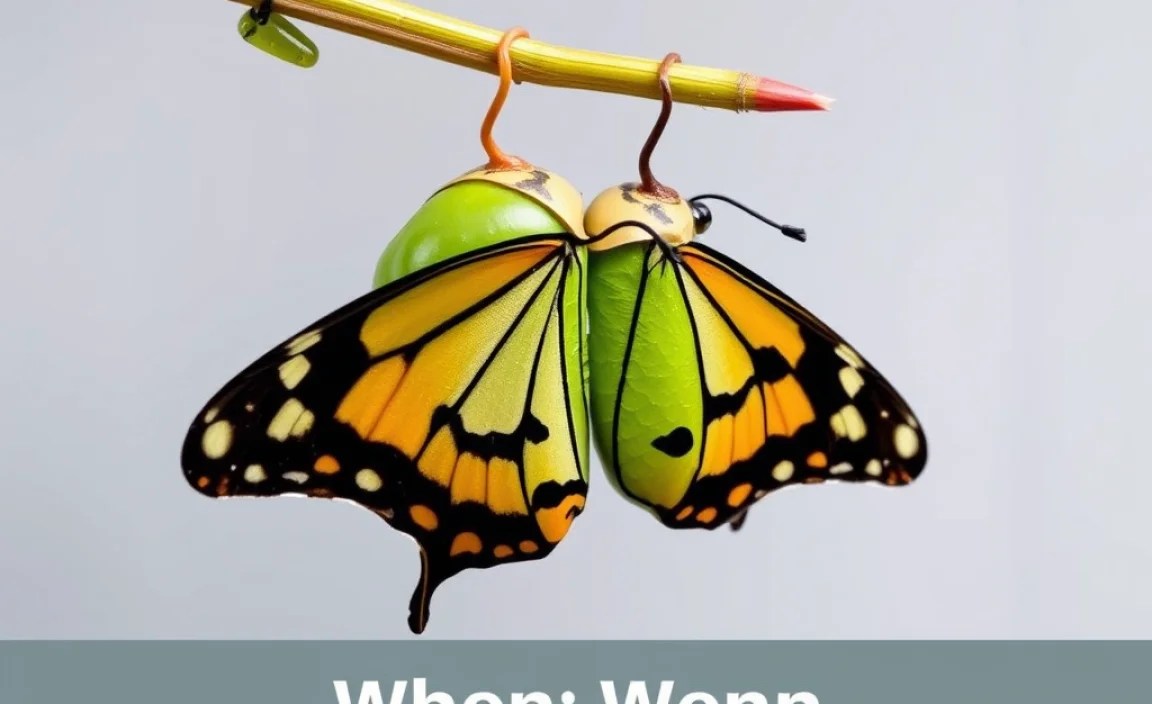
Knowing the ideal time is important. How long to keep painted lady chrysalis before release? Release them soon after their wings dry. Usually, this is within a few hours. Make sure they can fly well. Watch them closely. If they can fly strongly, they are ready. Choose a sunny day. Avoid windy or rainy days. Find a place with flowers. This gives them food. Gently take them outside. Let them fly away. It’s a beautiful moment. You’ve helped them start their new life. They will fly around and pollinate flowers. They will make the world a better place. It’s a rewarding experience to see them go.
- Release them on a sunny day.
- Make sure their wings are dry.
- Choose a place with flowers.
- Avoid windy or rainy days.
- Watch them fly strongly.
The best time to release your butterfly is when it’s ready. After its wings have dried and it has had a chance to feed, it’s time to let it go. Choose a warm, sunny day. This will give it the best chance to thrive. Avoid releasing it in the evening. This will leave it vulnerable to predators overnight. Find a spot with plenty of flowers. This will provide it with a source of nectar. Gently take the butterfly outside in its enclosure. Open the enclosure and let it fly away on its own. Don’t force it. It will fly when it’s ready. Watch it as it flutters away. You’ll feel a sense of joy knowing you helped it on its journey. Releasing a butterfly is a truly magical experience.
Fun Fact or Stat: Releasing butterflies in the morning gives them the whole day to find food and shelter!
Why is Timing Important for Release?
Timing matters a lot. If you release them too soon, they can’t fly. They can’t find food. They can’t escape danger. If you wait too long, they might get weak. They might not be able to survive in the wild. So, you need to find the right time. When their wings are dry, they are ready. When they can fly well, they are ready. When the weather is good, they are ready. Pay attention to these things. You’ll know when it’s time. You’ll give them the best chance to live a good life. It’s all about finding the perfect moment to set them free.
What Weather Conditions are Best?
Good weather is key. Sunny days are best. Butterflies need warmth. They need sunlight. This helps them fly. Avoid windy days. The wind can blow them away. It can make it hard to fly. Avoid rainy days. Rain can damage their wings. It can make them cold. Choose a day with calm weather. Choose a day with sunshine. This is the best time to release them. They will be able to fly easily. They will be able to find food. They will be able to enjoy their new life. Good weather makes all the difference.
How to Prepare the Release Site?
Prepare the release site carefully. Choose a place with flowers. Butterflies need nectar. This is their food. Make sure there are no dangers. No pesticides. No busy roads. No predators. Find a safe spot. A garden is good. A park is good. A field is good. Make sure it’s a sunny spot. Butterflies like warmth. It helps them fly. When you release them, they will be happy. They will have food. They will be safe. They will enjoy their new home. This is the best way to give them a good start. They will thrive in their new environment.
Fun Fact or Stat: Butterflies are more likely to thrive if released near their host plants, which provide food for their caterpillars!
Troubleshooting: Potential Problems and Solutions
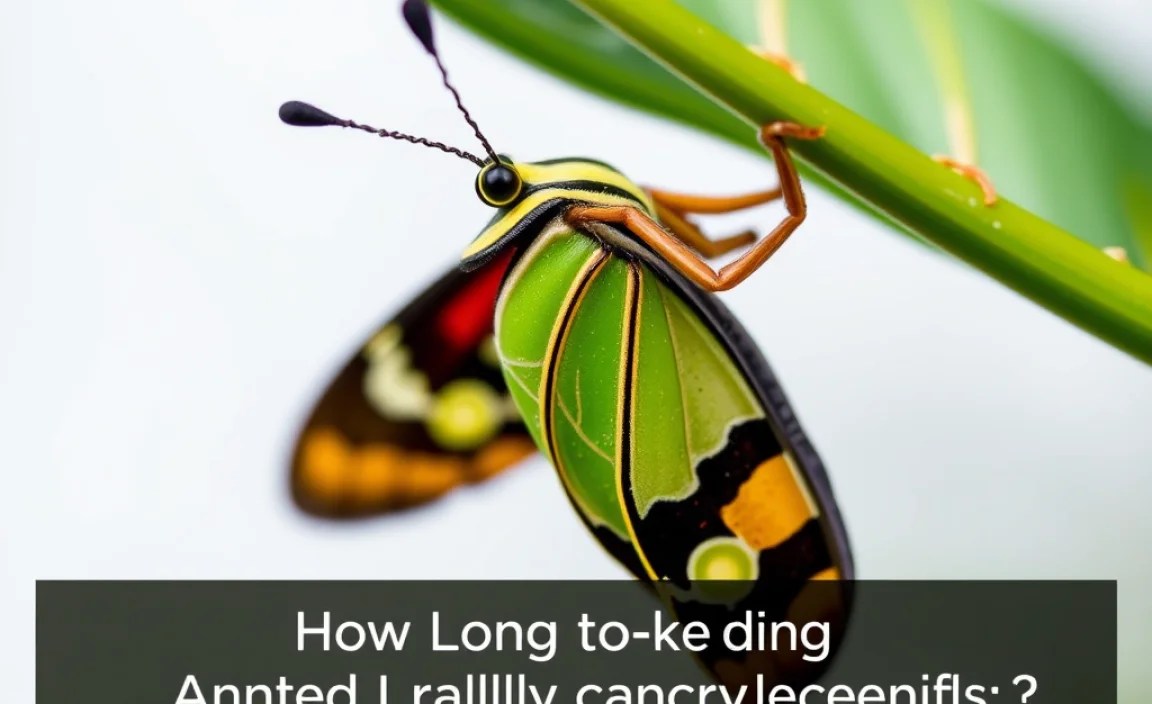
Sometimes, problems happen. The butterfly might not come out. The butterfly might have damaged wings. The butterfly might be weak. Don’t worry. You can help. If it doesn’t come out, be patient. Sometimes, it takes longer. If its wings are damaged, keep it safe. Give it food and water. It might still be able to fly. If it’s weak, give it sugar water. This gives it energy. Watch it closely. If it doesn’t get better, ask for help. A butterfly expert can give advice. Remember, not all butterflies survive. But you can do your best to help them. This is what matters most. You’ve shown them kindness and care.
- Weak butterflies need sugar water.
- Damaged wings require a safe space.
- Delayed emergence needs patience.
- Seek expert advice if needed.
- Not all butterflies survive.
Even with the best care, things can sometimes go wrong. A butterfly might emerge with deformed wings. This can be due to a variety of factors. These factors include temperature fluctuations or diseases. In this case, the butterfly may not be able to fly. It’s important to provide it with a safe and comfortable environment. Offer it food and water. Protect it from predators. While it may not have a long life, you can still make it comfortable. Another common problem is a butterfly that won’t emerge from its chrysalis. This could be due to a lack of humidity. Gently mist the chrysalis with water. This might help soften the shell. It’s important to remember that not all butterflies will survive. But by providing them with the best possible care, you can increase their chances of success.
| Problem | Solution |
|---|---|
| Butterfly won’t emerge | Gently mist the chrysalis with water |
| Damaged wings | Provide a safe enclosure and food |
| Weak butterfly | Offer sugar water for energy |
| Chrysalis falls | Reattach it carefully with glue |
Fun Fact or Stat: Sometimes, gently tapping the chrysalis can stimulate the butterfly to emerge if it’s having trouble!
What if the Butterfly Has Trouble Emerging?
Sometimes, they need help. But be careful. Don’t pull it out. This can hurt it. Gently mist the chrysalis with water. This can soften the shell. Wait a little while. See if it can come out on its own. If it still can’t, ask an expert. They can give you advice. They might be able to help. But sometimes, it’s best to let nature take its course. The butterfly might not survive. But you tried your best. That’s what matters. You showed it kindness. You gave it a chance. That’s all you can do. It’s important to be patient and gentle.
How to Help a Butterfly with Damaged Wings?
Damaged wings are sad. But you can still help. Keep it in a safe place. Protect it from predators. Give it food and water. It might not be able to fly well. But it can still live. It can still enjoy its life. You can make it comfortable. You can give it a good home. This is what matters most. Even if it can’t fly, it can still be happy. It can still be loved. You can make a difference in its life. It’s important to remember that every creature deserves kindness.
What if the Butterfly is Not Eating?
If it’s not eating, try sugar water. Mix sugar with water. Put it in a shallow dish. Dip a cotton ball in the water. Hold it near the butterfly’s mouth. It might drink from it. If it still doesn’t eat, try different flowers. Some butterflies like certain flowers. Try different kinds. Make sure the flowers are fresh. If it still doesn’t eat, ask an expert. They might have advice. They might know what to do. It’s important to make sure it gets food. It needs energy to fly. It needs energy to live. You can help it by providing food. You can help it by being patient.
Fun Fact or Stat: Butterflies taste with their feet, so placing them on a sugar water-soaked cotton ball can encourage them to feed!
Documenting the Butterfly Release
It’s fun to remember the release. Take pictures. Write down the date. Write down the time. Write down the weather. Write down how you felt. Keep a journal. Write about your butterflies. Write about their lives. Write about their release. This will be a special memory. You can look back on it later. You can share it with others. You can show them how you helped butterflies. You can inspire them to do the same. Documenting the release makes it even more special. It’s a wonderful way to celebrate nature.
- Take photos or videos.
- Write down the date and time.
- Describe the weather conditions.
- Note your feelings and observations.
- Share your story with others.
Documenting the butterfly release is a great way to remember the experience. It’s also a way to share your knowledge with others. Take photos and videos of the entire process. From the chrysalis to the release, capture every moment. Write down your observations in a journal. Note the date, time, and weather conditions. Describe the butterfly’s behavior. How did it react to its new environment? What flowers did it visit? Sharing your story with others can inspire them to raise butterflies too. It can also help them learn about the importance of conservation. By documenting the release, you’re creating a lasting record of your contribution to the natural world. This is a meaningful way to celebrate your experience.
Fun Fact or Stat: Sharing your butterfly release story can inspire others to participate in citizen science projects and contribute to butterfly conservation!
Why Keep a Butterfly Journal?
A journal is a great idea. It helps you remember. It helps you learn. You can write down everything. What you did. What you saw. What you felt. You can write about the butterflies. Their colors. Their behavior. Their release. You can write about your feelings. Your joy. Your excitement. Your sadness. A journal is a special place. It’s just for you. You can write anything you want. It’s a way to connect with nature. It’s a way to learn about yourself. It’s a wonderful way to reflect on your experiences.
How to Take Good Butterfly Photos?
Taking good photos takes practice. Get close to the butterfly. But not too close. Use a zoom lens. This helps you get details. Focus carefully. Make sure the butterfly is sharp. Use good lighting. Natural light is best. Avoid direct sunlight. It can be too harsh. Take lots of pictures. Some will be blurry. Some will be perfect. Be patient. Butterflies move quickly. It takes time to get a good shot. But it’s worth it. You’ll have beautiful pictures. You can share them with others. You can show them your butterflies.
Sharing Your Experience with Others
Sharing your story is fun. It can inspire others. Tell your friends. Tell your family. Post on social media. Show your pictures. Tell your stories. Explain what you learned. Explain how you felt. You can teach others about butterflies. You can teach them about nature. You can teach them about conservation. You can inspire them to help. You can make a difference. Sharing your experience is a gift. It’s a gift to others. It’s a gift to the world. It’s a wonderful way to connect with others and share your passion.
Fun Fact or Stat: Sharing your butterfly release experience online can contribute to citizen science and help track butterfly populations!
Summary
Raising painted lady butterflies is a fun and educational experience. It teaches us about nature. It teaches us about life cycles. It teaches us about caring for creatures. Knowing how long to keep painted lady chrysalis before release is very important. You want to release them at the right time. This gives them the best chance to survive. Release them after their wings are dry. Release them on a sunny day. Release them near flowers. Then you can watch them fly away. It’s a rewarding experience. You’ve helped a butterfly start its new life. You’ve made the world a little more beautiful. This is a special and meaningful thing to do. It brings joy and wonder.
Conclusion
Releasing a painted lady butterfly is a special event. It marks the end of your care. It marks the start of its new life. Pay attention to timing. Make sure its wings are dry. Release it on a good day. This gives it the best chance. Knowing how long to keep painted lady chrysalis before release helps the butterfly. You can feel good about helping nature. Enjoy the moment as it flies away. You made a difference. You helped a butterfly. That’s a wonderful thing.
Frequently Asked Questions
Question No 1: How long does it take for a painted lady butterfly to emerge from its chrysalis?
Answer: The time it takes for a painted lady butterfly to emerge from its chrysalis can vary. Usually, it takes about 7 to 14 days. This depends on the temperature and humidity. Warmer temperatures can speed up the process. Cooler temperatures can slow it down. Watch the chrysalis closely. You’ll see changes. It will become clear. You’ll see the butterfly inside. This means it’s almost time. Be patient and keep watching. The butterfly will emerge soon. Knowing how long to keep painted lady chrysalis before release ensures it is ready for its new life.
Question No 2: What should I do if the chrysalis falls off its attachment point?
Answer: If the chrysalis falls, don’t worry. You can fix it. Gently pick up the chrysalis. Be very careful. Use a soft cloth. Find a safe place to reattach it. You can use glue or tape. Make sure it’s not too sticky. Hang it upside down. This is how it would hang naturally. Watch it closely. If it doesn’t hatch, it might be okay. Sometimes, they don’t make it. But you tried your best. That’s what matters. Remember to be gentle. The chrysalis is delicate. Handle it with care. Knowing how long to keep painted lady chrysalis before release helps ensure the butterfly’s safety.
Question No 3: How can I tell if a painted lady butterfly is ready to be released?
Answer: Knowing when the butterfly is ready is key. First, make sure its wings are dry. They should be fully open. The butterfly should be able to fly. Watch it closely. If it can fly strongly, it’s ready. Choose a sunny day. Avoid windy or rainy days. Find a place with flowers. This gives it food. Gently take it outside. Let it fly away. It’s a beautiful moment. You’ve helped it start its new life. This is an important part of understanding how long to keep painted lady chrysalis before release.
Question No 4: What is the best time of day to release a painted lady butterfly?
Answer: The best time to release a painted lady butterfly is in the morning. This gives it the whole day to find food and shelter. Butterflies need warmth. They need sunlight. This helps them fly. Avoid releasing it in the evening. This will leave it vulnerable to predators overnight. Find a spot with plenty of flowers. This will provide it with a source of nectar. Gently take the butterfly outside in its enclosure. Open the enclosure and let it fly away on its own. Knowing how long to keep painted lady chrysalis before release helps ensure it thrives.
Question No 5: What should I feed a painted lady butterfly after it emerges from its chrysalis?
Answer: After a painted lady butterfly emerges, it needs energy. You can feed it sugar water. Mix sugar with water. Use one part sugar. Use four parts water. Stir it well. Make sure the sugar dissolves. Then, put it in a shallow dish. You can use a bottle cap. Or a small saucer. Place it in the butterfly’s enclosure. They will drink it. It gives them energy. It helps them fly. Change the sugar water every day. This keeps it fresh. It also prevents bacteria from growing. Knowing how long to keep painted lady chrysalis before release includes preparing for its needs.
Question No 6: Is it okay to handle a painted lady butterfly after it emerges from its chrysalis?
Answer: It’s best to avoid handling butterflies. Their wings are very delicate. You could damage them. If you need to move it, be very gentle. Wash your hands first. This removes oils and dirt. Use a soft net. Gently scoop it up. Don’t squeeze it. Move it to its new location. Then release it carefully. If it lands on your finger, that’s okay. Let it stay there. Don’t try to force it off. Knowing how long to keep painted lady chrysalis before release also means respecting their fragility. Handle them with kindness. This will keep them safe.


