
How to Care for Painted Lady Chrysalis: Easy Guide

Have you ever seen a butterfly flutter by? Did you know they start as tiny eggs? These eggs hatch into caterpillars. The caterpillars eat and grow. Then, they turn into a chrysalis. Learning how to care for painted lady chrysalis is fun. It lets you watch a butterfly grow!
Imagine you find a green chrysalis. What do you do? You need to keep it safe. You need to keep it humid. You need to be patient. Soon, a butterfly will emerge. It’s a magical transformation. Watching this happen is very special.
Painted lady butterflies are common. They are orange and brown. They fly all over the world. Raising them is a great project. It teaches you about nature. Knowing how to care for painted lady chrysalis helps them thrive. You can help these beautiful creatures.
Key Takeaways
- Proper humidity is key when thinking about how to care for painted lady chrysalis.
- Avoid direct sunlight to prevent the chrysalis from overheating.
- Keep the chrysalis in a safe place away from pets and small children.
- Gently mist the chrysalis with water to maintain moisture levels.
- Be patient and avoid touching the chrysalis during transformation.
How to Support Chrysalis Development
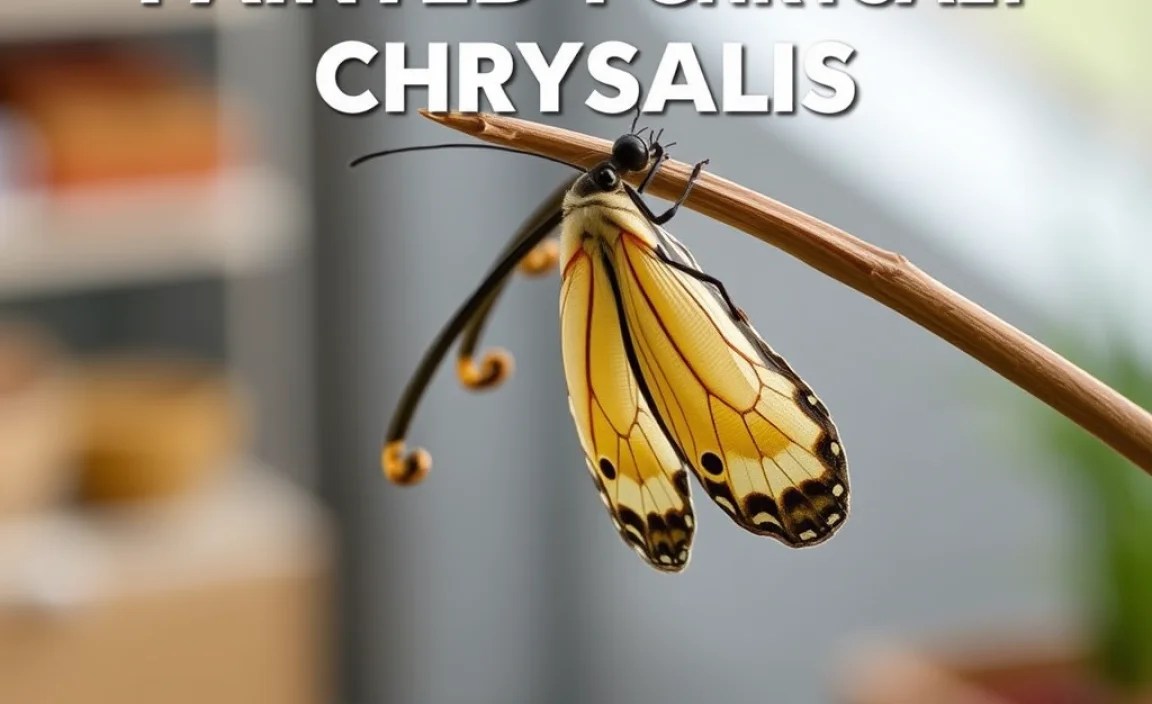
The chrysalis stage is important for butterflies. It is when the caterpillar changes. It becomes a beautiful butterfly. How to care for painted lady chrysalis during this time matters. You must create the right environment. The chrysalis needs to be safe. It needs the right humidity. This helps the butterfly grow strong. A healthy chrysalis means a healthy butterfly. Make sure nothing disturbs it. Keep it away from bright lights. Do not let it get too hot or too cold. Watch carefully. You will see changes. These changes show the butterfly is growing. Be patient. The butterfly will emerge soon. It will be a wonderful sight. You helped it get there.
- Maintain proper humidity.
- Avoid direct sunlight.
- Keep the chrysalis safe.
- Mist with water gently.
- Be patient and observant.
Caring for a painted lady chrysalis is rewarding. It teaches you about life cycles. You see how nature works. It is a fun and educational experience. You can share it with friends and family. They will be amazed too. Remember to be gentle. Be patient. The butterfly will thank you. It will fly free because of your care. Enjoy the process. It is a gift to witness this transformation. Make sure to release the butterfly when it is ready. This gives it the best chance to thrive in nature. Always handle with care!
Why is Humidity Important?
Have you ever felt dry skin in the winter? The chrysalis needs moisture too. Humidity helps keep it from drying out. If it gets too dry, the butterfly might not hatch. It can get stuck inside. Too much humidity can also be bad. It can cause mold to grow. Mold can hurt the butterfly. You want to keep the humidity just right. A little misting can help. Use a spray bottle. Spray a little water near the chrysalis. Do not spray it directly. You can also put a damp paper towel nearby. This will add moisture to the air. Check the humidity often. Make sure it is not too high or too low. Proper humidity is key for a healthy butterfly.
What Happens Inside the Chrysalis?
Imagine you are building a house. Inside the chrysalis, something similar happens. The caterpillar’s body breaks down. It then rebuilds into a butterfly. This is called metamorphosis. It is a big change! The caterpillar’s cells change. They become butterfly cells. Wings start to form. Legs and antennae grow. The butterfly’s body takes shape. This process takes time. It can take several days or weeks. During this time, the chrysalis might change color. It might become clear. You can see the butterfly inside. This is a sign it is almost ready to emerge. Be patient. The transformation is amazing.
How Long Does the Chrysalis Stage Last?
Have you ever waited for a special day? The chrysalis waits too. The length of time depends. It can take about 7 to 14 days. Sometimes it takes a little longer. It depends on the temperature. Warmer temperatures can speed things up. Cooler temperatures can slow them down. Watch the chrysalis closely. Look for changes. It will darken. It might become transparent. You will see the butterfly’s wings inside. This means it is almost time. Be ready for the butterfly to emerge. It will be a beautiful moment. Remember to be patient. The butterfly will come out when it is ready.
Fun Fact or Stat: Painted lady butterflies can fly up to 100 miles in a single day during migration!
Maintaining a Safe Environment for Chrysalis
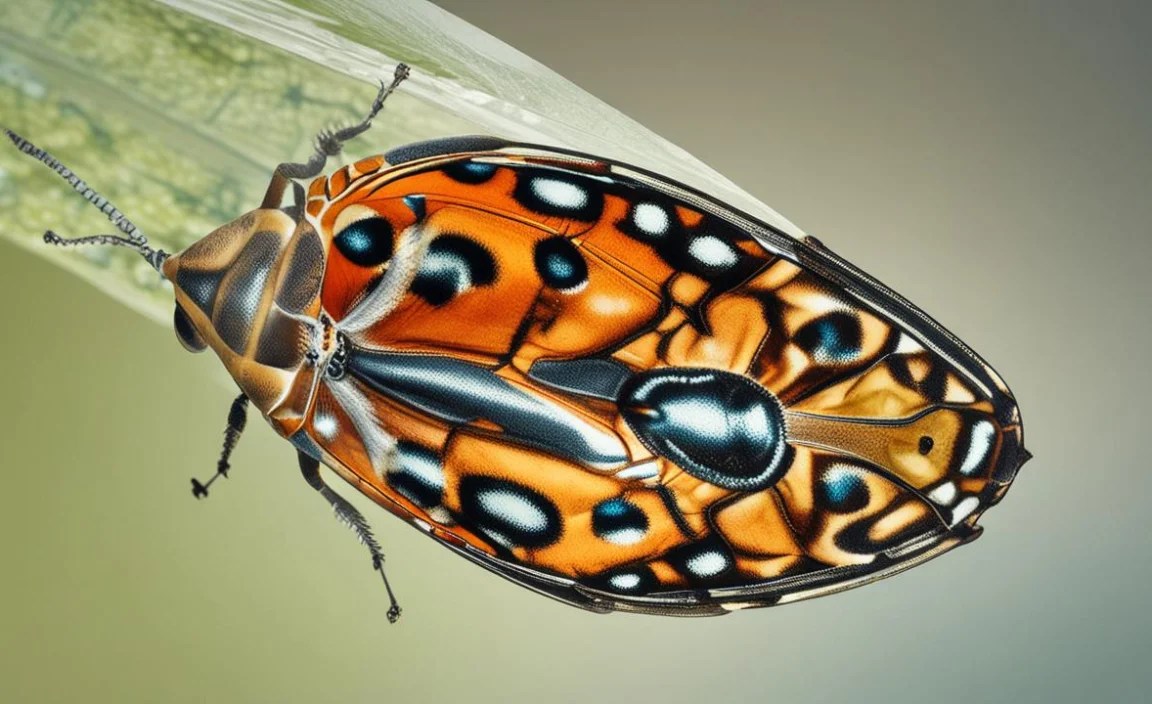
A safe place is important for how to care for painted lady chrysalis. Think about where you put it. Keep it away from pets. Cats and dogs might be curious. They could knock it over. Keep it away from kids too. Little hands might want to touch it. This could hurt the chrysalis. Find a quiet spot. Put it on a shelf. Use a butterfly habitat. This will protect it. Make sure the area is clean. Keep it away from strong smells. Perfumes and cleaners can be harmful. A safe environment helps the butterfly grow. It will emerge healthy and strong. This is important for its survival. You want to give it the best start possible. A safe place is a good start.
- Keep away from pets.
- Protect from children.
- Choose a quiet spot.
- Use a butterfly habitat.
- Ensure a clean area.
Think of the chrysalis as a tiny baby. It needs protection. A safe environment is like a cozy crib. It keeps it warm and secure. You are the caretaker. You need to make sure it is safe. Check on it often. Look for any problems. Are there ants nearby? Are there spiders? Remove them carefully. Make sure the habitat is stable. It should not wobble. This could stress the chrysalis. A stable environment helps it develop. It will feel secure. It will grow into a beautiful butterfly. Remember, safety first. This is key to successful butterfly raising.
How to Protect from Predators?
Imagine you are a tiny chrysalis. Big creatures look scary! You need to protect it from predators. Ants are a common problem. They can crawl into the habitat. They can harm the chrysalis. Use Vaseline around the base. This will stop the ants. Spiders can also be a threat. They can build webs. They can trap the chrysalis. Check for webs often. Remove them carefully. Keep the area clean. This will discourage spiders. Other insects can also be harmful. Keep the habitat covered. Use a mesh lid. This will keep insects out. Protecting from predators is important. It helps the chrysalis survive. It will grow into a healthy butterfly.
What Type of Habitat is Best?
Have you ever built a fort? The chrysalis needs a good home too. A butterfly habitat is a great choice. It provides a safe space. It has good ventilation. This is important for air flow. You can also use a mesh cage. This works well too. Make sure it is tall enough. The butterfly needs room to spread its wings. Avoid using glass containers. They can trap heat. This can be harmful. The habitat should be easy to clean. You want to keep it tidy. A clean habitat prevents disease. Choose a habitat that is right for you. Make sure it meets the needs of the chrysalis. It will thrive in a good home.
How to Handle the Chrysalis Carefully?
Imagine you are holding a fragile egg. The chrysalis is delicate too. Handle it with care. Avoid touching it directly. Use a soft brush to move it. If you need to move it, be gentle. Do not squeeze it. This can damage it. Support it from underneath. This will prevent it from breaking. Always wash your hands first. This will prevent germs from spreading. Be mindful of your movements. Move slowly and deliberately. Avoid sudden jerks. Handling the chrysalis carefully is important. It protects it from harm. It allows it to develop properly. Treat it with respect. It will reward you with a beautiful butterfly.
Fun Fact or Stat: Some species of butterflies can taste with their feet!
Understanding Temperature Needs for Chrysalis
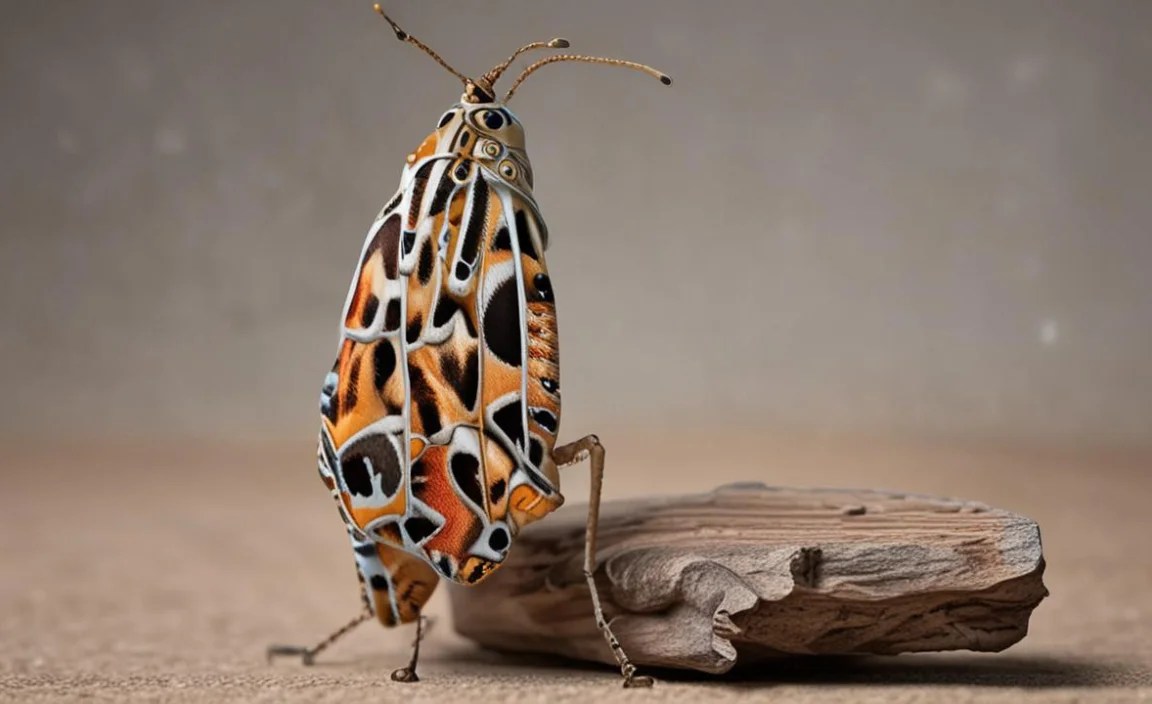
Temperature is very important for how to care for painted lady chrysalis. The chrysalis needs a stable temperature. It should not be too hot or too cold. The ideal temperature is between 70-75°F (21-24°C). This is like a comfortable room temperature for you. Avoid placing the chrysalis in direct sunlight. This can overheat it. It can also dry it out. Keep it away from drafts. Drafts can make it too cold. Use a thermometer to check the temperature. Place it near the habitat. This will help you monitor the temperature. Adjust the temperature as needed. You can use a small heater or cooler. Keep the temperature consistent. This will help the butterfly develop properly. A stable temperature is key to a healthy butterfly.
- Maintain 70-75°F (21-24°C).
- Avoid direct sunlight.
- Keep away from drafts.
- Use a thermometer.
- Adjust temperature as needed.
Think of the chrysalis as a tiny incubator. It needs the right temperature to hatch. Too cold and it will take longer. Too hot and it could get sick. You are the thermostat. You need to control the temperature. Check it regularly. Make adjustments as needed. A stable temperature is like a steady heartbeat. It keeps everything running smoothly. This helps the butterfly grow strong. It will emerge healthy and ready to fly. Remember, temperature matters. It is a key factor in successful butterfly raising. Always keep an eye on it. Your butterfly will thank you.
How to Avoid Overheating?
Imagine you are sitting in the sun too long. You start to feel hot. The chrysalis can overheat too. Avoid placing it near windows. Direct sunlight can cause overheating. Use a shade or curtain. This will block the sun. Place the habitat in a cool room. This will help regulate the temperature. Monitor the temperature closely. Use a thermometer. If it gets too hot, move the habitat. Place it in a cooler location. Avoid using heat lamps. They can overheat the chrysalis quickly. Overheating can be harmful. It can damage the developing butterfly. Take steps to prevent it. A cool and stable environment is best.
What Happens if It Gets Too Cold?
Have you ever felt too cold outside? The chrysalis can feel that way too. If it gets too cold, development slows down. It might take longer to hatch. In extreme cases, it can be fatal. Keep the habitat in a warm room. Avoid placing it near drafts. Use a small space heater. This will help maintain the temperature. Monitor the temperature closely. Use a thermometer. If it gets too cold, move the habitat. Place it in a warmer location. Do not place it directly on a heat source. This can overheat it. A consistent temperature is important. It helps the butterfly develop properly. Keep it warm but not too hot.
Best Ways to Maintain Consistent Temperature
Imagine you are baking a cake. You need to keep the oven temperature steady. The chrysalis needs a steady temperature too. Use a reliable thermometer. This will help you monitor the temperature. Place the habitat in a stable location. Avoid areas with fluctuating temperatures. Use a thermostat-controlled heater. This will maintain a consistent temperature. Check the temperature regularly. Make adjustments as needed. Keep a log of the temperature. This will help you track changes. Consistency is key. A stable temperature helps the butterfly thrive. It will grow into a healthy adult.
| Temperature | Effect on Chrysalis |
|---|---|
| Below 65°F (18°C) | Slows down development |
| 70-75°F (21-24°C) | Ideal for development |
| Above 80°F (27°C) | Can cause overheating |
| Extreme Heat | Can be fatal |
Fun Fact or Stat: Butterflies use their antennae to smell and find food!
Humidity Control for Healthy Chrysalis
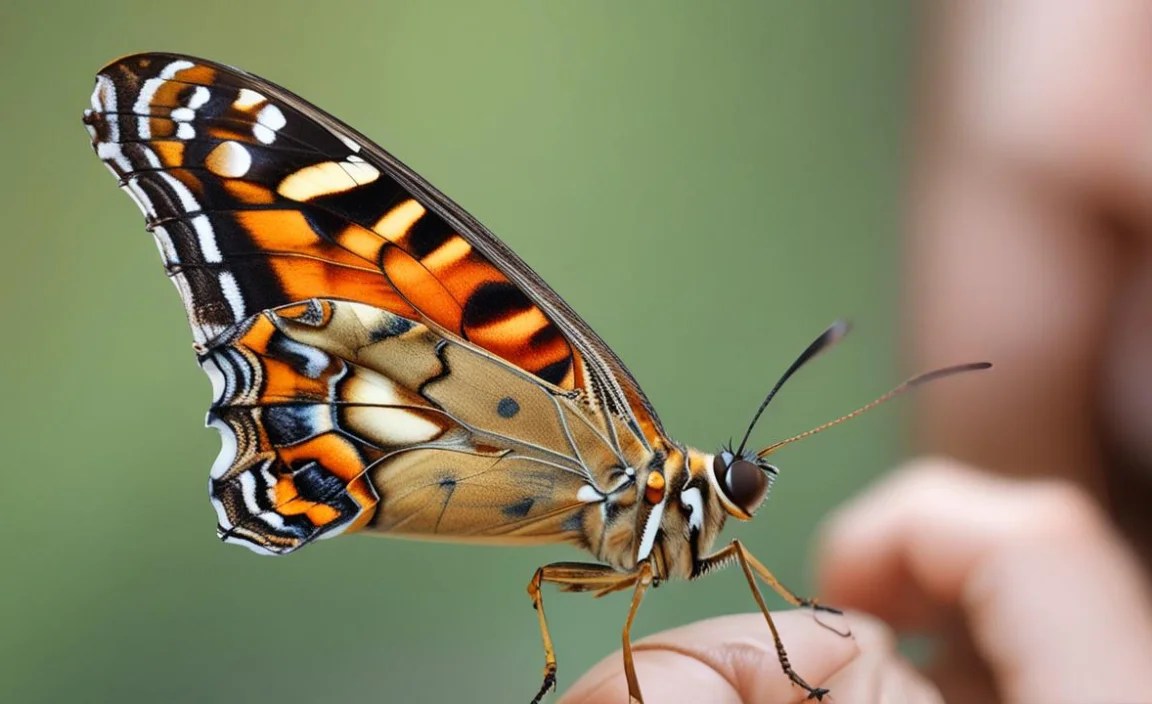
Humidity is key to how to care for painted lady chrysalis. The chrysalis needs moisture. This prevents it from drying out. Low humidity can cause problems. The butterfly might not hatch. High humidity can also be bad. It can cause mold. The ideal humidity is around 50-70%. Use a hygrometer to check the humidity. Place it near the habitat. This will help you monitor it. Mist the chrysalis lightly with water. Use a spray bottle. Do not soak it. You can also place a damp paper towel nearby. This will add moisture to the air. Adjust the humidity as needed. Keep it consistent. This will help the butterfly develop properly. A healthy chrysalis needs the right humidity.
- Aim for 50-70% humidity.
- Use a hygrometer.
- Mist lightly with water.
- Place a damp paper towel nearby.
- Adjust humidity as needed.
Think of the chrysalis as a delicate flower. It needs the right amount of water. Not too much, not too little. You are the gardener. You need to control the humidity. Check it regularly. Make adjustments as needed. Proper humidity is like a gentle rain. It keeps everything fresh and healthy. This helps the butterfly grow strong. It will emerge beautiful and vibrant. Remember, humidity matters. It is a key factor in successful butterfly raising. Always keep an eye on it. Your butterfly will thank you.
Why is Humidity Important for Hatching?
Have you ever tried to open a dry door? It can be hard. The butterfly needs humidity to hatch. It helps soften the shell. This makes it easier to break open. Low humidity can make the shell brittle. The butterfly might get stuck. It might not be able to emerge. Proper humidity keeps the shell flexible. This allows the butterfly to push through. It will emerge healthy and strong. Humidity is essential for a successful hatch. Make sure to maintain the right levels. Your butterfly will thank you for it.
How to Increase Humidity Safely?
Imagine you need to water a plant. You want to do it gently. You can increase humidity safely. Use a spray bottle. Mist the air around the chrysalis. Do not spray it directly. Place a damp sponge nearby. This will add moisture to the air. Use a humidifier. This is a good option for larger habitats. Monitor the humidity levels. Use a hygrometer. Avoid over-misting. This can cause mold. Increase humidity gradually. This will prevent shocks to the chrysalis. Safety is important. Protect your butterfly from harm.
Signs of Incorrect Humidity Levels
Have you ever seen a plant that is too dry or too wet? The chrysalis can show signs too. If it is too dry, it might shrivel. It might crack. The color might look dull. If it is too wet, mold might grow. The chrysalis might look slimy. The air might smell musty. Check the humidity levels. Use a hygrometer. Adjust as needed. Look for these signs. They can help you identify problems early. Correct the humidity quickly. This will help the butterfly thrive. Watch for changes. Be a good caretaker.
Fun Fact or Stat: Butterflies have four wings that work together to help them fly!
Observing Changes in the Chrysalis
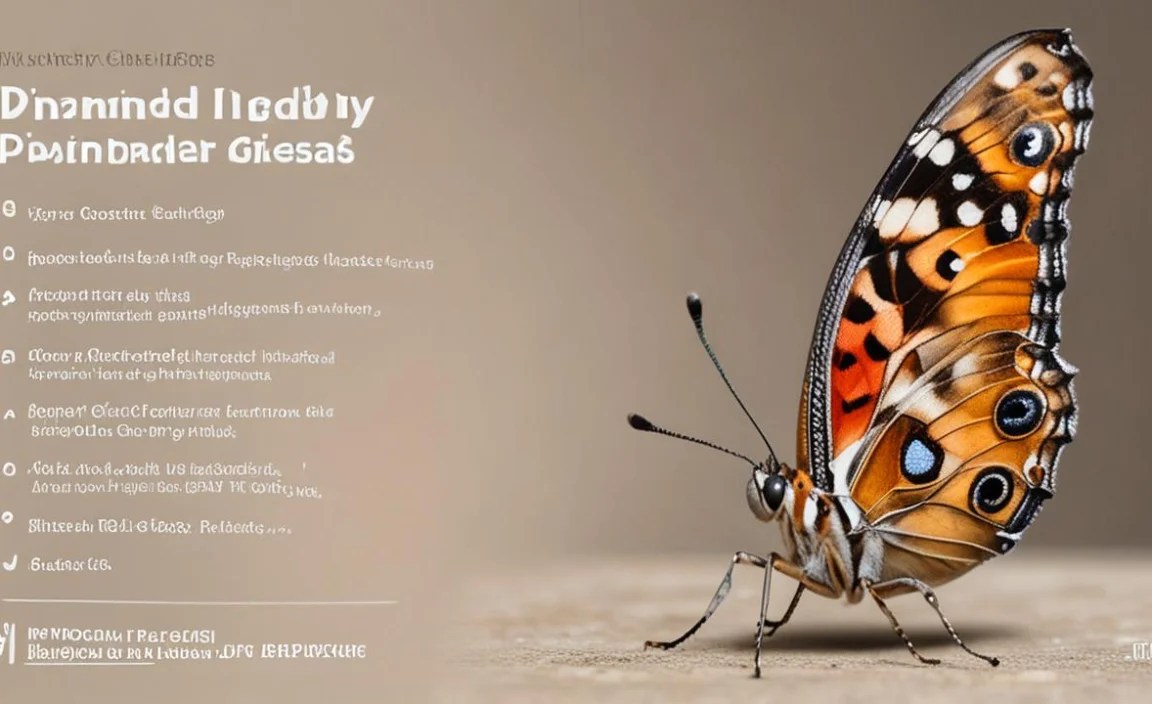
Watching the chrysalis change is exciting. How to care for painted lady chrysalis involves observation. The chrysalis might change color. It might become darker. It might become transparent. You might see the butterfly’s wings inside. These are signs that it is almost ready to emerge. Do not touch the chrysalis. Just watch it. Take notes. Record the changes. This will help you learn. Be patient. The transformation takes time. It is a miracle of nature. Enjoy the process. It is a privilege to witness this. Remember to be observant. This will help you provide the best care. A healthy chrysalis will become a beautiful butterfly.
- Note color changes.
- Watch for transparency.
- Observe wing development.
- Avoid touching the chrysalis.
- Record changes.
Think of the chrysalis as a mystery box. You do not know exactly what is happening inside. But you can watch for clues. The changes in appearance tell a story. They show the butterfly is growing. You are the detective. You need to observe carefully. Look for any signs of trouble. Is there mold? Is it drying out? Take action if needed. A keen observer is a good caretaker. You will be able to provide the best support. This will help the butterfly emerge healthy and strong. Remember, observation is key. It is a vital part of butterfly raising.
What Do Color Changes Indicate?
Have you ever seen a chameleon change color? The chrysalis changes color too. Green is common at first. It might turn brown or black later. This is normal. It shows the butterfly is developing. If it turns very dark quickly, it could be a problem. This might mean it is dying. If it stays green for a long time, it might be too cold. Color changes are clues. They tell you what is happening. Watch carefully. Learn what the colors mean. This will help you provide the best care. Be a good observer. Pay attention to the signs.
When to Expect Transparency?
Imagine you are looking through a window. You can see what is inside. The chrysalis can become transparent too. This happens near the end. You can see the butterfly’s wings. They might be orange and black. This means it is almost ready to emerge. Be patient. It will not be long now. Do not touch it. Just watch. Transparency is a sign of progress. It shows the butterfly is almost ready to fly. Get ready for a beautiful sight. The butterfly will emerge soon.
What to Do if No Changes Are Observed?
Have you ever waited for something that never happens? Sometimes the chrysalis does not change. This can be worrying. Check the temperature. Make sure it is warm enough. Check the humidity. Make sure it is not too dry. Be patient. Sometimes it takes longer. If it has been a long time and there are no changes, it might be dead. It is sad, but it happens. Learn from the experience. Try again. Not all chrysalises survive. But you can still learn and grow. Keep trying. You will succeed eventually.
Fun Fact or Stat: Painted lady butterflies are one of the most widespread butterfly species in the world!
Preparing for Butterfly Emergence
Getting ready is important for how to care for painted lady chrysalis. The butterfly is about to emerge. You need to be prepared. Have a butterfly habitat ready. Make sure it is clean. Provide food for the butterfly. Sugar water is a good choice. Place it in a shallow dish. Add some flowers. This will attract the butterfly. Make sure there is something for it to climb on. This will help it spread its wings. Be patient. The emergence can take time. Do not rush it. Watch carefully. It is a beautiful moment. You helped make it happen. A well-prepared environment helps the butterfly thrive.
- Prepare a clean habitat.
- Provide sugar water.
- Add flowers.
- Offer climbing support.
- Be patient.
Think of the butterfly as a new baby. It needs a safe and comfortable home. You are the caregiver. You need to provide everything it needs. A well-prepared habitat is like a welcoming nursery. It provides food, shelter, and support. This helps the butterfly adjust to its new life. It will be able to spread its wings and fly. It will thrive in its new environment. Remember, preparation is key. It is a vital part of successful butterfly raising. Always be ready. Your butterfly will thank you.
What Supplies Are Needed?
Imagine you are packing for a trip. You need to bring the right things. The butterfly needs supplies too. You need a butterfly habitat. This provides a safe space. You need sugar water. This provides food. You need flowers. These attract the butterfly. You need something for it to climb on. This helps it spread its wings. You need a spray bottle. This helps maintain humidity. You need a hygrometer. This helps monitor humidity. Gather these supplies. Be prepared. Your butterfly will thank you.
How to Set Up the Habitat?
Have you ever decorated a room? The butterfly needs a nice home too. Place the habitat in a safe location. Avoid direct sunlight. Provide good ventilation. Add flowers. These provide nectar. Place a shallow dish of sugar water. This provides food. Add a twig or branch. This provides climbing support. Mist the habitat lightly. This maintains humidity. Keep the habitat clean. This prevents disease. Set up the habitat carefully. Your butterfly will thrive.
What to Expect During Emergence?
Imagine you are watching a flower bloom. It is a beautiful sight. The butterfly’s emergence is similar. It will take time. The butterfly will push its way out of the chrysalis. It will be wet and crumpled. It will hang upside down. It will pump fluid into its wings. This will help them expand. Do not touch it. Let it do its thing. It will take a few hours. The wings will dry and harden. Then it will be ready to fly. Be patient. It is a magical process. Enjoy the moment.
Fun Fact or Stat: Butterflies can see a wide range of colors, including ultraviolet, which is invisible to humans!
Releasing Your Painted Lady Butterfly
Releasing the butterfly is the final step. It is a rewarding experience. Make sure the weather is good. It should be warm and sunny. Avoid releasing it in the rain. Choose a safe location. Away from roads and traffic. Offer it some sugar water before releasing it. This will give it energy. Gently take it outside. Place it on a flower. Let it fly away on its own. Watch it go. It is a bittersweet moment. You cared for it. Now it is free. Releasing the butterfly is a celebration of life. You helped make it possible.
- Choose a warm, sunny day.
- Select a safe location.
- Offer sugar water.
- Place it on a flower.
- Let it fly on its own.
Think of the butterfly as a tiny bird. It is ready to leave the nest. You are the parent. You have prepared it for the world. Now it is time to let it go. A safe release is like a graduation ceremony. It marks the end of one chapter and the beginning of another. The butterfly will fly off to find food and mates. It will contribute to the ecosystem. You played a part in this. You helped it get there. Remember, releasing the butterfly is a gift. It is a celebration of life.
Best Time of Day to Release?
Have you ever noticed when butterflies are most active? They like the sunshine. The best time to release is mid-morning. The sun has warmed the air. The butterflies are flying around. Avoid releasing it in the evening. It will be harder for it to find food. The temperature will drop. Mid-morning is ideal. The butterfly will be ready to fly. It will have a good start to the day. Release it in the morning. Give it the best chance.
How to Ensure a Safe Release?
Imagine you are helping a bird leave its cage. You want to make sure it is safe. Check the weather. Avoid releasing it in the rain or wind. Choose a safe location. Away from predators and traffic. Offer it some sugar water. This will give it energy. Handle it gently. Do not squeeze it. Place it on a flower. Let it fly on its own. Watch it go. Make sure it flies away safely. A safe release is important. It gives the butterfly the best chance to survive.
What to Do if the Butterfly Doesn’t Fly?
Have you ever tried to fly a kite that wouldn’t go up? Sometimes the butterfly does not fly. This can be frustrating. Be patient. It might need more time to adjust. Check its wings. Make sure they are not damaged. Offer it some sugar water. It might need energy. Place it in a sunny spot. It might need warmth. If it still does not fly, something might be wrong. It might be injured. It might be sick. Contact a butterfly expert. They might be able to help. Do not give up. Try your best.
Fun Fact or Stat: Butterflies contribute to pollination, helping plants reproduce!
Summary
Raising painted lady butterflies is a fun and educational project. It teaches you about the life cycle of insects. You learn about metamorphosis. You get to witness a beautiful transformation. It starts with a tiny egg. The egg hatches into a caterpillar. The caterpillar eats and grows. Then it forms a chrysalis. How to care for painted lady chrysalis is important. You need to provide the right environment. This includes temperature and humidity. You need to protect it from predators. Watch for changes. The chrysalis will change color. It will become transparent. This means the butterfly is almost ready to emerge. Prepare a habitat. Provide food and water. Be patient. The butterfly will emerge. It will be a beautiful sight. Release it into the wild. Let it fly free.
Remember to handle the chrysalis gently. Avoid touching it directly. Use a soft brush to move it. Keep the habitat clean. Prevent disease. Be observant. Look for signs of trouble. Adjust the environment as needed. Follow these tips. You will be successful. You will raise healthy butterflies. Enjoy the experience. It is a gift to witness this transformation. Share it with others. Inspire them to learn about nature. Butterfly raising is a rewarding hobby.
Conclusion
Raising painted lady butterflies is an amazing experience. You learn about nature. You see how a caterpillar transforms. It becomes a beautiful butterfly. It takes patience and care. You need to provide the right environment. Temperature and humidity are important. Protecting it from harm is key. Watching it emerge is magical. Releasing it is rewarding. It flies off to live its life. You helped make it happen. Now you know how to care for painted lady chrysalis. You can do it again and again. Share your knowledge. Inspire others to raise butterflies. It is a gift to give back to nature.
Frequently Asked Questions
Question No 1: How long does it take for a painted lady butterfly to emerge from its chrysalis?
Answer: It typically takes about 7 to 14 days for a painted lady butterfly to emerge from its chrysalis. The exact time depends on the temperature and humidity of its environment. Warmer temperatures can speed up the process, while cooler temperatures can slow it down. Watch the chrysalis closely for changes in color and transparency. These are signs that the butterfly is getting ready to emerge. Be patient and avoid disturbing the chrysalis. The butterfly will emerge when it is ready. Knowing how to care for painted lady chrysalis helps ensure it develops properly. This will give you the best chance of seeing it transform into a beautiful butterfly.
Question No 2: What should I do if my painted lady chrysalis falls off the container?
Answer: If your painted lady chrysalis falls off the container, don’t panic! You can reattach it. Use a small piece of cotton thread or dental floss. Tie it gently around the cremaster. The cremaster is the tiny hook at the top of the chrysalis. Then, tape the thread to the side of the container. Make sure the chrysalis is hanging upside down. This is the natural position. Be very careful not to damage the chrysalis. Handle it gently. Provide support from underneath. Monitor it closely. Check that it is still developing. With a little care, it should be fine. Remember that knowing how to care for painted lady chrysalis means handling it carefully.
Question No 3: How often should I mist the painted lady chrysalis with water?
Answer: You should mist the painted lady chrysalis with water every day or every other day. The goal is to maintain a humidity level of around 50-70%. Use a spray bottle to mist the air around the chrysalis. Do not spray it directly. This can cause it to get too wet. A light misting is enough. You can also place a damp paper towel nearby. This will help increase the humidity. Monitor the humidity levels. Use a hygrometer. Adjust the misting frequency as needed. Proper humidity is essential for a healthy chrysalis. It prevents it from drying out. Understanding how to care for painted lady chrysalis helps you create the perfect environment.
Question No 4: What do I feed a painted lady butterfly after it emerges from the chrysalis?
Answer: After a painted lady butterfly emerges, you can feed it sugar water. Mix one part sugar with four parts water. Place the sugar water in a shallow dish. You can also soak a cotton ball in the sugar water. Place it near the butterfly. They sip the liquid through their proboscis. You can also provide fresh flowers. These provide nectar. Butterflies love flowers like zinnias and petunias. Make sure the flowers are pesticide-free. Offer a variety of food sources. This will ensure the butterfly gets the nutrients it needs. A well-fed butterfly is a healthy butterfly. Knowing how to care for painted lady chrysalis extends to caring for the adult butterfly as well.
Question No 5: What are the signs that my painted lady chrysalis is not healthy?
Answer: There are several signs that a painted lady chrysalis is not healthy. These include a dark or black color, a shriveled appearance, or the presence of mold. If the chrysalis falls off the container and does not reattach, it may also be unhealthy. A healthy chrysalis should be green or brown. It should be firm to the touch. It should show signs of development. These signs include color changes and transparency. If you notice any of these signs, it is important to take action. Adjust the temperature and humidity. Remove any mold. Provide a safe and stable environment. Early intervention can help save the chrysalis. Learning how to care for painted lady chrysalis helps prevent these problems.
Question No 6: Can I touch the painted lady chrysalis?
Answer: It is best to avoid touching the painted lady chrysalis. The chrysalis is delicate. Touching it can damage it. This can harm the developing butterfly. If you need to move it, be very careful. Use a soft brush or a piece of paper. Gently lift it from underneath. Avoid squeezing it. Always wash your hands before handling it. This will prevent the spread of germs. Observe the chrysalis from a distance. Watch for changes in color and transparency. These are signs of development. How to care for painted lady chrysalis includes respecting its delicate nature. Always handle it with care and avoid unnecessary contact.


