Butterfly Species Threatened with Extinction: Act Now!

Several butterfly species are threatened with extinction due to habitat loss, climate change, and pesticide use. Conservation efforts, such as habitat restoration and reducing pesticide use, are crucial to protect these beautiful and important pollinators. Supporting organizations dedicated to butterfly conservation can also make a significant difference.
Butterflies are more than just beautiful insects fluttering through our gardens. They’re vital pollinators, indicators of environmental health, and a source of joy and wonder for people of all ages. Unfortunately, many butterfly species are facing increasing threats that push them closer to extinction. It can feel overwhelming to think about, but understanding the challenges these delicate creatures face is the first step in helping them.
This article will guide you through the primary threats to butterflies, highlight some of the most endangered species, and, most importantly, show you how you can make a real difference in protecting these incredible insects. We’ll explore practical steps you can take in your own backyard and beyond to support butterfly conservation. Together, we can help ensure that future generations can enjoy the beauty and ecological benefits of butterflies.
Why Are Butterflies Important?
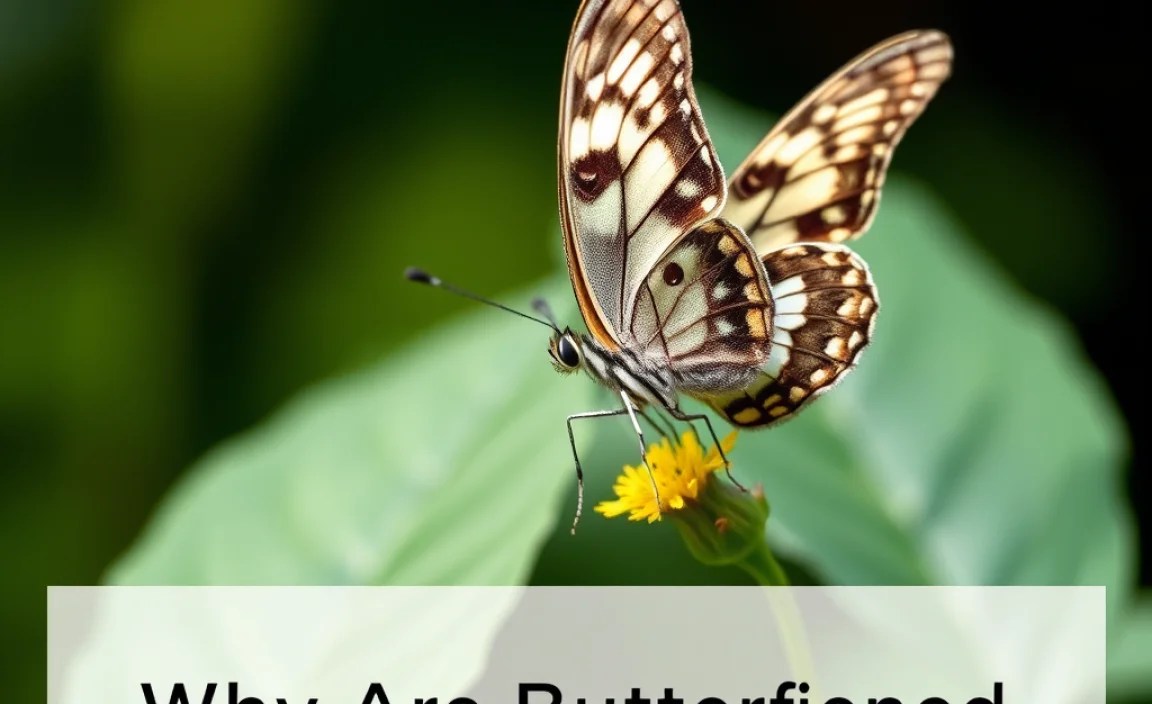
Before diving into the threats and solutions, let’s take a moment to appreciate why butterflies are so important.
- Pollinators: Butterflies play a crucial role in pollinating plants, including many food crops. As they move from flower to flower, they transfer pollen, which is essential for plant reproduction.
- Indicators of Environmental Health: Butterflies are sensitive to changes in their environment. Their presence or absence can indicate the health of an ecosystem. A decline in butterfly populations can signal broader environmental problems.
- Part of the Food Chain: Butterflies and their caterpillars are an important food source for birds, bats, and other animals.
- Aesthetic and Cultural Value: Butterflies bring beauty and joy to our lives. They have also been featured in art, literature, and mythology for centuries.
Major Threats to Butterfly Species

Several factors contribute to the decline of butterfly populations worldwide. Understanding these threats is essential for developing effective conservation strategies.
Habitat Loss and Fragmentation
One of the most significant threats to butterflies is the loss and fragmentation of their natural habitats. This can occur due to:
- Urban Development: As cities and towns expand, natural habitats are replaced with buildings, roads, and other infrastructure.
- Agriculture: The conversion of forests and grasslands into farmland destroys butterfly habitats and reduces the availability of host plants for caterpillars.
- Deforestation: Logging and other forms of deforestation eliminate butterfly habitats and disrupt ecosystems.
Habitat fragmentation occurs when large, continuous habitats are broken up into smaller, isolated patches. This can make it difficult for butterflies to find food, mates, and suitable breeding sites. It also reduces genetic diversity and increases the risk of local extinctions.
Climate Change
Climate change is another major threat to butterflies. Changes in temperature, precipitation, and extreme weather events can disrupt butterfly life cycles, alter their distribution, and reduce the availability of host plants. Some specific impacts of climate change on butterflies include:
- Changes in Phenology: Butterflies may emerge earlier in the spring or shift their migration patterns in response to changing temperatures. This can lead to mismatches between butterfly life cycles and the availability of food resources.
- Range Shifts: As temperatures rise, some butterfly species may shift their ranges northward or to higher elevations in search of suitable habitats. However, they may not be able to adapt quickly enough to keep pace with climate change.
- Extreme Weather Events: Droughts, floods, and heatwaves can kill butterflies and their host plants.
Pesticide Use
Pesticides, especially insecticides, can be highly toxic to butterflies and other beneficial insects. Pesticides can kill butterflies directly or indirectly by contaminating their food sources. Some specific impacts of pesticide use on butterflies include:
- Direct Toxicity: Many insecticides are designed to kill insects, including butterflies. Even low doses of pesticides can be lethal.
- Indirect Effects: Pesticides can kill butterfly host plants or reduce the availability of nectar sources, which can lead to starvation.
- Sublethal Effects: Exposure to pesticides can weaken butterflies, making them more susceptible to disease and predation.
Other Threats
In addition to habitat loss, climate change, and pesticide use, several other factors can threaten butterfly populations.
- Invasive Species: Invasive plants can outcompete native host plants, reducing the availability of food for caterpillars.
- Disease: Butterflies can be susceptible to various diseases, which can spread rapidly in crowded populations.
- Over-Collection: Although less common today, over-collection of butterflies for scientific or recreational purposes can threaten some species.
Butterfly Species at Risk: A Closer Look

Let’s examine some specific butterfly species that are currently threatened with extinction.
Monarch Butterfly (Danaus plexippus)
The monarch butterfly is famous for its incredible multi-generational migration across North America. However, monarch populations have declined dramatically in recent decades due to habitat loss, climate change, and pesticide use.
- Habitat Loss: The loss of milkweed, the monarch caterpillar’s only food source, is a major threat. Milkweed habitats have been destroyed by agriculture, development, and herbicide use.
- Climate Change: Extreme weather events, such as droughts and freezes, can kill monarchs and their milkweed host plants.
- Pesticide Use: Neonicotinoid insecticides can be toxic to monarch caterpillars and adults.
Conservation Status: Listed as Endangered by the International Union for Conservation of Nature (IUCN). IUCN Website
Miami Blue Butterfly (Cyclargus thomasi bethunei)
The Miami blue butterfly is a small, brightly colored butterfly that is native to South Florida. It was once common throughout the region, but it is now one of the rarest butterflies in the world.
- Habitat Loss: The Miami blue butterfly’s habitat has been destroyed by coastal development and agriculture.
- Pesticide Use: Mosquito spraying and other forms of pesticide use have contributed to the decline of the Miami blue butterfly.
Conservation Status: Listed as Endangered by the U.S. Fish and Wildlife Service.
Palos Verdes Blue Butterfly (Glaucopsyche lygdamus palosverdesensis)
The Palos Verdes blue butterfly is a small butterfly that is found only on the Palos Verdes Peninsula in Southern California. It was thought to be extinct in the 1980s, but a small population was rediscovered in 1994.
- Habitat Loss: The Palos Verdes blue butterfly’s habitat has been destroyed by development, grazing, and invasive plants.
Conservation Status: Listed as Endangered by the U.S. Fish and Wildlife Service.
Oregon Silverspot Butterfly (Speyeria zerene hippolyta)
The Oregon silverspot butterfly is a beautiful butterfly that is found in coastal meadows in Oregon and Washington. It is threatened by habitat loss, invasive plants, and climate change.
- Habitat Loss: The Oregon silverspot butterfly’s habitat has been destroyed by development, agriculture, and invasive plants.
- Invasive Plants: Invasive plants, such as Scotch broom, can outcompete native host plants, reducing the availability of food for caterpillars.
- Climate Change: Rising sea levels and increased storm intensity can destroy coastal meadows.
Conservation Status: Listed as Threatened by the U.S. Fish and Wildlife Service.
Bay Checkerspot Butterfly (Euphydryas editha bayensis)
The Bay checkerspot butterfly is found in serpentine grasslands in the San Francisco Bay Area. It is threatened by habitat loss, climate change, and nitrogen deposition.
- Habitat Loss: The Bay checkerspot butterfly’s habitat has been destroyed by development, grazing, and invasive plants.
- Climate Change: Changes in rainfall patterns can affect the availability of host plants.
- Nitrogen Deposition: Air pollution can deposit nitrogen into the soil, which can favor the growth of invasive grasses that outcompete native host plants.
Conservation Status: Listed as Threatened by the U.S. Fish and Wildlife Service.
What Can You Do to Help Butterflies?
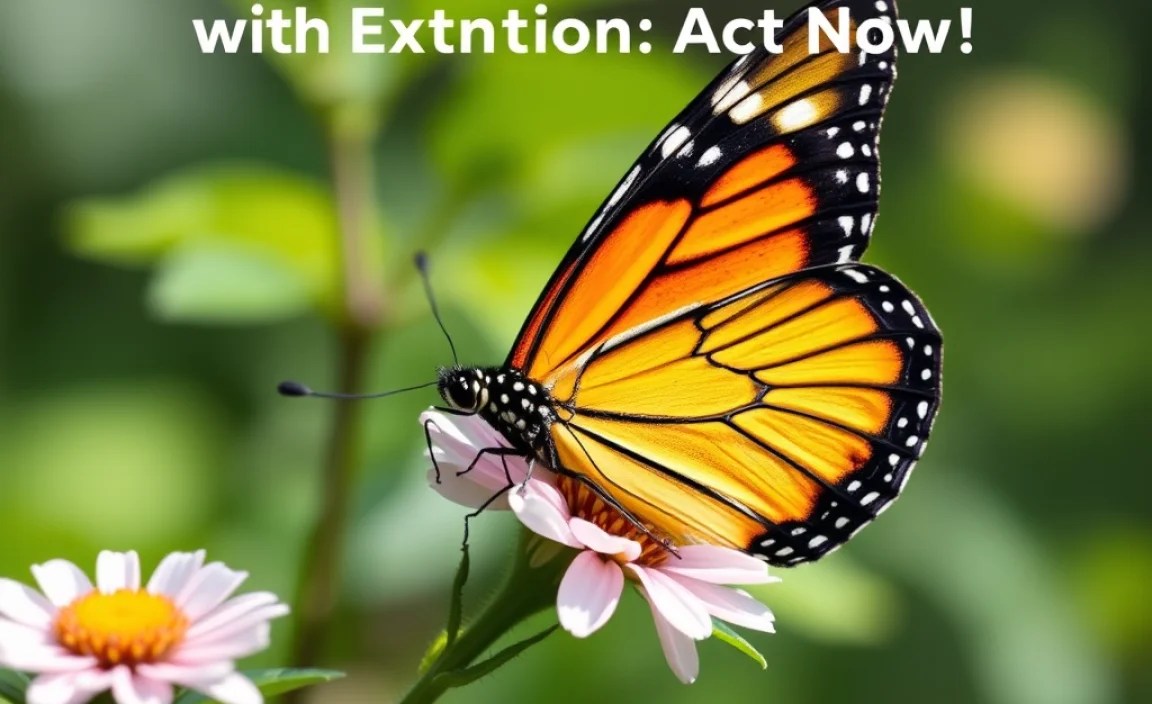
While the challenges facing butterflies may seem daunting, there are many things you can do to help. Here are some practical steps you can take to support butterfly conservation:
Create a Butterfly-Friendly Garden
One of the best ways to help butterflies is to create a butterfly-friendly garden in your own backyard. Here’s how:
- Plant Host Plants: Host plants are the plants that butterfly caterpillars feed on. Planting host plants will provide food for caterpillars and encourage butterflies to lay their eggs in your garden. Some popular host plants include milkweed for monarch butterflies, dill and parsley for swallowtail butterflies, and oak trees for many different species.
- Plant Nectar Plants: Nectar plants provide food for adult butterflies. Choose a variety of nectar plants that bloom at different times of the year to provide a continuous source of food. Some popular nectar plants include butterfly bush, zinnias, and coneflowers.
- Avoid Pesticides: Pesticides can be harmful to butterflies and other beneficial insects. Avoid using pesticides in your garden, or choose organic or natural alternatives.
- Provide Water: Butterflies need water to drink. Provide a shallow dish of water with pebbles or stones for butterflies to land on.
- Provide Shelter: Butterflies need shelter from the wind and sun. Plant trees and shrubs to provide shelter.
Support Butterfly Conservation Organizations
Many organizations are working to protect butterflies and their habitats. Supporting these organizations can help them continue their important work.
- The Xerces Society: The Xerces Society is a non-profit organization that protects wildlife through the conservation of invertebrates and their habitats. They offer a wealth of information on butterfly conservation and provide resources for creating butterfly-friendly habitats. Visit Xerces Society
- The North American Butterfly Association (NABA): NABA is a non-profit organization that promotes butterfly conservation through education, research, and advocacy.
- Monarch Watch: Monarch Watch is a research and education program that focuses on monarch butterfly conservation.
Advocate for Butterfly Conservation
You can also advocate for butterfly conservation by contacting your elected officials and urging them to support policies that protect butterflies and their habitats. Some specific actions you can take include:
- Support Legislation: Support legislation that protects butterfly habitats and reduces pesticide use.
- Contact Your Elected Officials: Contact your elected officials and urge them to support butterfly conservation.
- Educate Others: Educate others about the importance of butterfly conservation.
Reduce Your Impact
Finally, you can reduce your impact on the environment by making sustainable choices in your everyday life. Some specific actions you can take include:
- Reduce Your Carbon Footprint: Reduce your carbon footprint by driving less, using public transportation, and conserving energy.
- Buy Local and Organic: Buy local and organic food to support sustainable agriculture.
- Reduce, Reuse, and Recycle: Reduce, reuse, and recycle to reduce waste.
Butterfly Conservation Projects: Success Stories
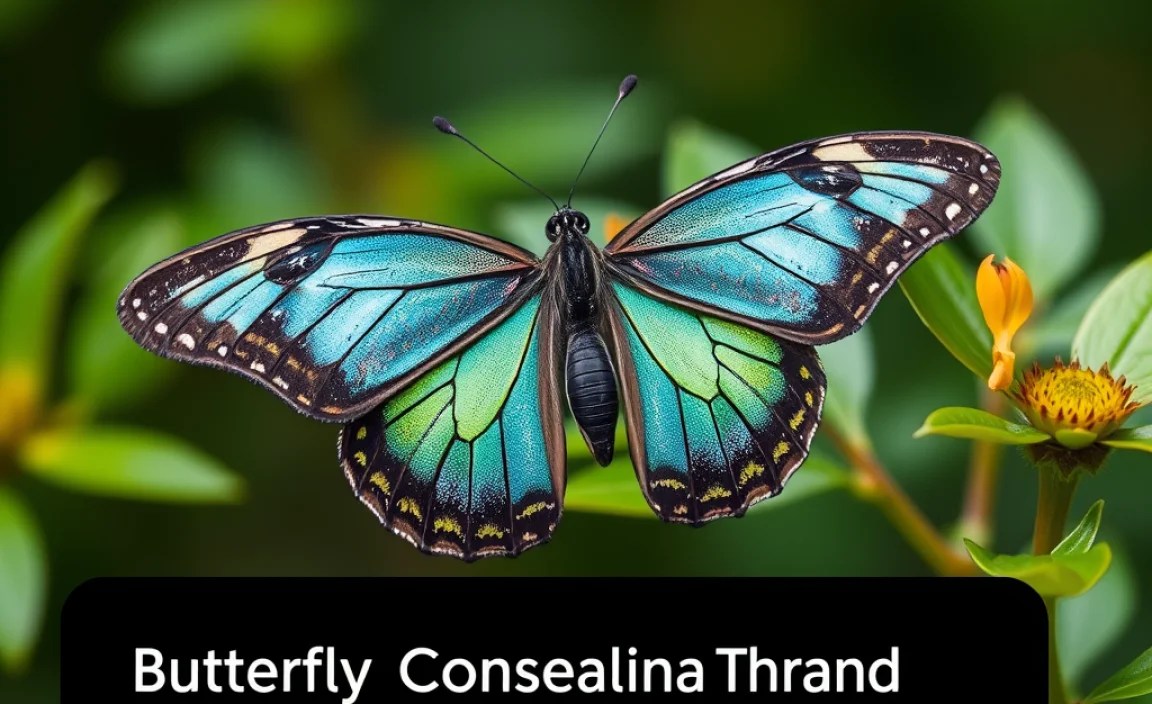
Despite the many challenges facing butterflies, there have been some notable successes in butterfly conservation. These success stories demonstrate that it is possible to protect and restore butterfly populations.
The Reintroduction of the Miami Blue Butterfly
The Miami blue butterfly was once thought to be extinct, but a small population was rediscovered in 1999. Since then, conservationists have worked to reintroduce the butterfly to its former range. These efforts have been successful in establishing new populations of the Miami blue butterfly in several locations.
Habitat Restoration for the Palos Verdes Blue Butterfly
The Palos Verdes blue butterfly is another species that has benefited from habitat restoration efforts. Conservationists have worked to remove invasive plants and restore native vegetation in the Palos Verdes blue butterfly’s habitat. These efforts have helped to increase the butterfly’s population.
The Recovery of the El Segundo Blue Butterfly
The El Segundo blue butterfly, found near Los Angeles International Airport, faced severe habitat loss due to development. Through dedicated conservation efforts, including habitat restoration and careful management, the butterfly has made a remarkable recovery, proving that even in urban environments, conservation can succeed.
Frequently Asked Questions (FAQ)
What is causing butterflies to become endangered?
Habitat loss, climate change, and pesticide use are the main reasons why many butterfly species are now endangered.
How does habitat loss affect butterflies?
Habitat loss removes the places where butterflies live and breed, and it also reduces the amount of food available for caterpillars and adult butterflies.
Can climate change really hurt butterfly populations?
Yes, climate change can alter butterfly migration patterns, disrupt their life cycles, and reduce the availability of the plants they need to survive.
Are pesticides a major threat to butterflies?
Yes, pesticides can directly kill butterflies or indirectly harm them by poisoning their food sources, making it harder for them to survive.
What can I plant in my garden to help butterflies?
Planting milkweed (for monarchs) and nectar-rich flowers like zinnias and coneflowers will provide food and habitat for butterflies.
How can I help protect butterflies without a garden?
You can support conservation organizations, advocate for policies that protect butterfly habitats, and reduce your use of pesticides and herbicides.
What is a host plant for butterflies?
A host plant is a specific type of plant that a butterfly caterpillar needs to eat in order to grow and develop into an adult butterfly.
Butterfly Conservation: A Shared Responsibility
The decline of butterfly populations is a serious issue, but it is not too late to take action. By understanding the threats facing butterflies and taking steps to protect them, we can help ensure that these beautiful and important insects thrive for generations to come.
Creating butterfly-friendly gardens, supporting conservation organizations, advocating for butterfly conservation, and making sustainable choices in our everyday lives are all important steps we can take. Every action, no matter how small, can make a difference.
Let’s all do our part to protect these delicate creatures and ensure that future generations can enjoy the beauty and ecological benefits of butterflies.