
Genetic Differentiation Glasswing: The Powerful Secret

Quick Summary
Genetic differentiation in glasswing butterflies refers to the unique genetic variations that distinguish different populations of these fascinating insects. These variations can arise due to geographic isolation, natural selection, and genetic drift, leading to differences in appearance, behavior, and adaptation to local environments. Studying genetic differentiation helps us understand how glasswing butterflies evolve and adapt, which is crucial for their conservation.
Have you ever wondered why butterflies in one area look slightly different from those in another? For glasswing butterflies, these subtle differences can be traced back to their genes! Understanding how these differences arise and what they mean is key to protecting these fragile creatures. In this article, we’ll explore the world of genetic differentiation in glasswing butterflies. We will explore the factors that cause genetic variation, how these variations impact their survival, and what we can do to help conserve them. Ready to dive in?
What is Genetic Differentiation?
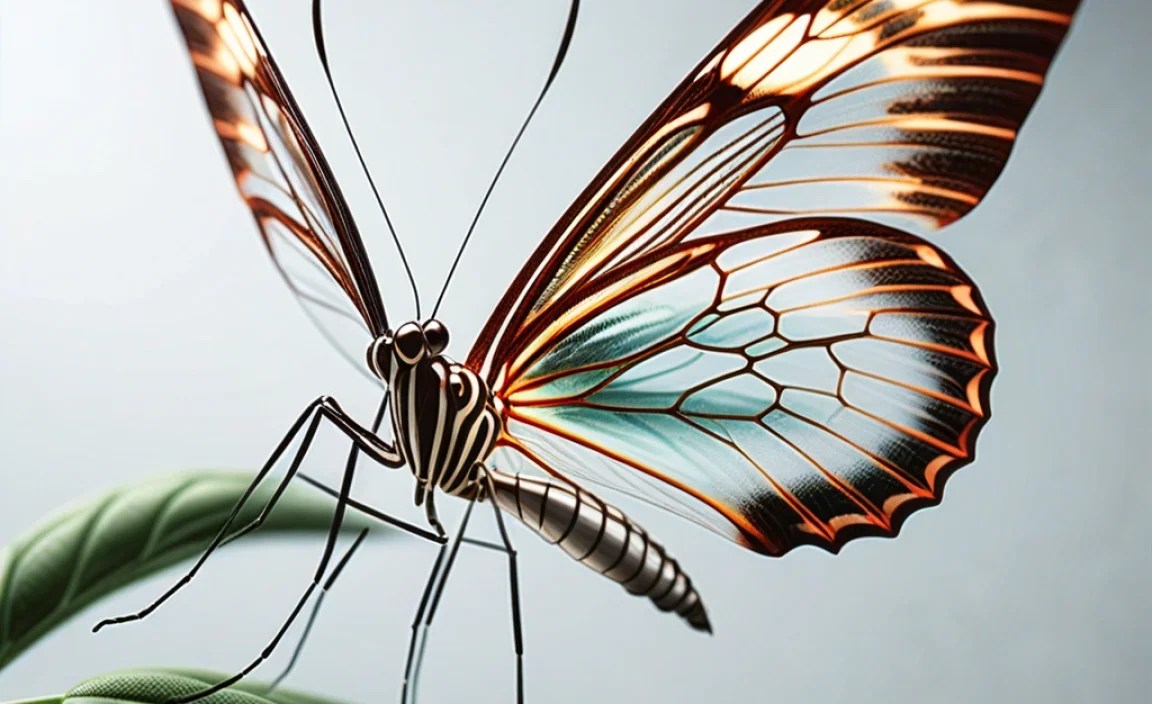
Genetic differentiation is the process by which populations of a species become genetically distinct from one another. This happens when different groups within a species evolve independently due to various factors. This can include geographic separation, different environmental pressures, and random genetic changes.
Key Factors Influencing Genetic Differentiation
- Geographic Isolation: When populations are separated by physical barriers like mountains or bodies of water, they can’t interbreed.
- Natural Selection: Different environments favor different traits, leading to genetic changes over time.
- Genetic Drift: Random events can alter the genetic makeup of small populations.
Glasswing Butterflies: A Perfect Example

Glasswing butterflies, known for their transparent wings, are a fantastic example of how genetic differentiation works in nature. These butterflies are found in Central and South America. They exhibit a variety of forms and adaptations across different regions. Let’s explore how genetic differentiation plays out in their lives.
Why Study Genetic Differentiation in Glasswing Butterflies?
- Understanding Adaptation: It helps us see how butterflies adapt to different habitats.
- Conservation Efforts: It informs strategies to protect different populations.
- Evolutionary Insights: It provides clues about the evolutionary history of the species.
Step-by-Step Guide to Understanding Genetic Differentiation in Glasswing Butterflies

Let’s break down the key steps in understanding genetic differentiation in glasswing butterflies. This will help you grasp the main concepts and appreciate the complexity of their evolution.
Step 1: Understanding the Basics of Glasswing Butterfly Biology
Before diving into genetics, it’s essential to know a bit about glasswing butterflies themselves.
- Appearance: Glasswing butterflies (Greta oto) have transparent wings, with a colored border.
- Habitat: They live in rainforests, from Mexico to Argentina.
- Diet: They feed on nectar from various flowering plants.
- Behavior: They are known for their slow, deliberate flight.
Knowing these basics provides a foundation for understanding how different environments might affect their genetic makeup.
Step 2: Identifying Different Populations
The first step in studying genetic differentiation is recognizing distinct populations. This can be done through:
- Geographic Location: Butterflies from different regions are considered separate populations.
- Physical Traits: Variations in wing patterns, size, and color can indicate different populations.
- Habitat Preferences: Populations in different habitats might have unique adaptations.
Step 3: Collecting Genetic Data
Scientists collect genetic data to compare different populations. This involves:
- Sampling: Collecting tissue samples (usually a small piece of a wing) from butterflies in different locations.
- DNA Extraction: Isolating DNA from the tissue samples.
- DNA Sequencing: Determining the sequence of DNA bases (A, T, C, G) in specific genes.
- Data Analysis: Comparing the DNA sequences to identify genetic differences between populations.
This step requires specialized equipment and expertise in molecular biology.
Step 4: Analyzing Genetic Variation
Once the genetic data is collected, it needs to be analyzed to understand the extent of genetic differentiation. Common methods include:
- Measuring Genetic Distance: Calculating how genetically similar or different populations are.
- Identifying Unique Alleles: Looking for gene variants (alleles) that are present in one population but absent in others.
- Phylogenetic Analysis: Constructing evolutionary trees to show the relationships between populations.
Step 5: Determining the Causes of Differentiation
After identifying genetic differences, the next step is to figure out why these differences exist. This involves considering:
- Geographic Isolation: Are populations separated by physical barriers?
- Environmental Factors: Do different environments favor different traits?
- Gene Flow: Is there limited movement of individuals between populations?
- Natural Selection: Are certain genes under selection pressure in different environments?
Step 6: Assessing the Impact of Differentiation
Understanding the consequences of genetic differentiation is crucial for conservation. This involves:
- Adaptive Significance: Do the genetic differences lead to differences in survival or reproduction?
- Conservation Status: Are some populations more vulnerable due to limited genetic diversity?
- Management Strategies: How can we protect the unique genetic heritage of different populations?
Tools and Techniques for Studying Genetic Differentiation
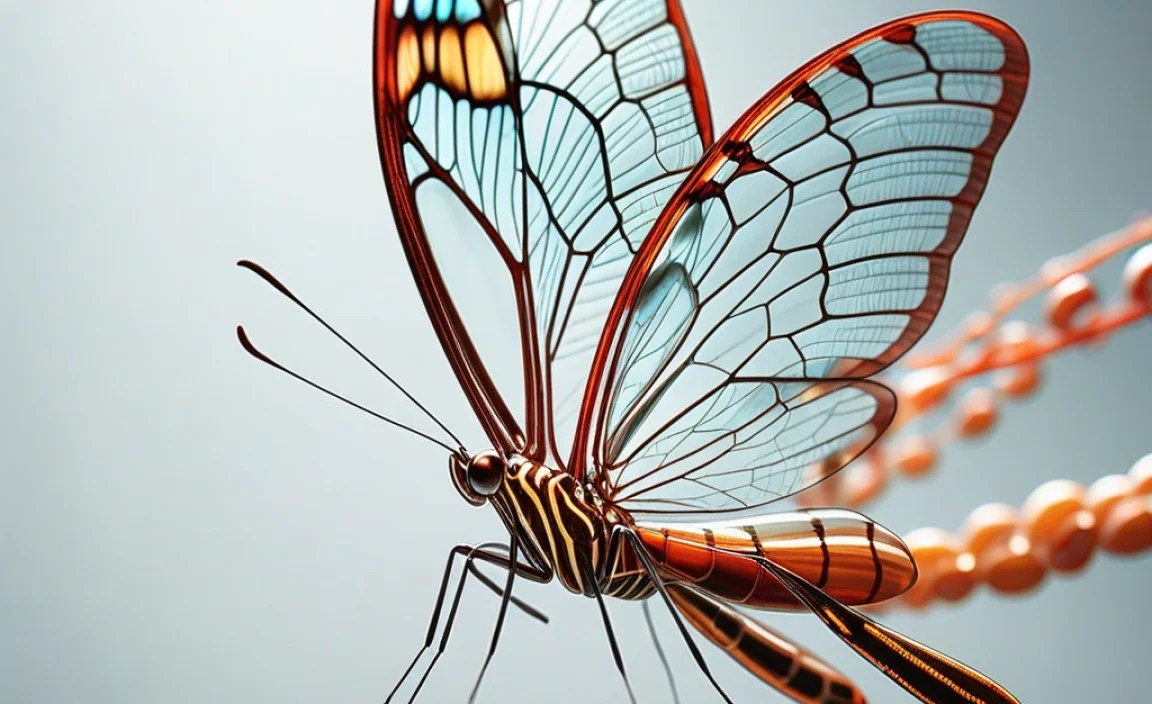
Scientists use a variety of tools and techniques to study genetic differentiation. Here are some of the most important ones.
Molecular Markers
Molecular markers are specific DNA sequences that vary between individuals and populations. They are used to track genetic differences.
- Microsatellites: Short, repetitive DNA sequences that are highly variable.
- Single Nucleotide Polymorphisms (SNPs): Variations in a single DNA base.
- Mitochondrial DNA: DNA found in the mitochondria, which is useful for tracing maternal lineages.
DNA Sequencing Technologies
DNA sequencing technologies have advanced rapidly in recent years, making it easier and cheaper to analyze genetic data.
- Sanger Sequencing: A traditional method for sequencing DNA fragments.
- Next-Generation Sequencing (NGS): High-throughput methods that can sequence millions of DNA fragments at once.
Statistical Software
Statistical software is used to analyze genetic data and draw conclusions about genetic differentiation.
- R: A powerful programming language and environment for statistical computing.
- Structure: A program for identifying population structure based on genetic data.
- Arlequin: A software package for population genetics analysis.
Examples of Genetic Differentiation in Glasswing Butterflies

Let’s look at some specific examples of how genetic differentiation manifests in glasswing butterflies.
Variation in Wing Patterns
Different populations of glasswing butterflies exhibit variations in their wing patterns. Some have broader colored borders, while others have more transparent wings. These differences may be adaptations to local environments.
Differences in Host Plant Preferences
Glasswing butterflies lay their eggs on specific host plants. Different populations may have evolved preferences for different host plants, depending on what is available in their habitat. This can lead to genetic differentiation.
Adaptations to Different Altitudes
Glasswing butterflies are found at a range of altitudes, from sea level to mountain regions. Populations at higher altitudes may have evolved adaptations to cope with colder temperatures and lower oxygen levels. These adaptations can be reflected in their genes.
Table: Factors Contributing to Genetic Differentiation in Glasswing Butterflies
| Factor | Description | Example in Glasswing Butterflies |
|---|---|---|
| Geographic Isolation | Physical barriers prevent gene flow between populations. | Populations separated by mountain ranges or large rivers. |
| Natural Selection | Different environments favor different traits. | Variations in wing patterns for camouflage in different habitats. |
| Genetic Drift | Random changes in gene frequencies, especially in small populations. | Loss of genetic diversity in isolated populations due to chance events. |
| Mutation | Introduction of new genetic variants. | New mutations that affect wing color or shape. |
| Gene Flow | Movement of genes between populations. | Limited migration between isolated populations. |
The Role of Environment
The environment plays a crucial role in shaping genetic differentiation. Different environmental pressures can lead to different adaptations, which are reflected in the genes of glasswing butterflies.
Climate
Climate factors such as temperature, rainfall, and humidity can influence the survival and reproduction of glasswing butterflies. Populations in different climates may have evolved different physiological adaptations.
Habitat
The type of habitat, such as rainforest, cloud forest, or dry forest, can also drive genetic differentiation. Different habitats offer different resources and challenges, leading to different adaptations.
Predation
Predation pressure can also play a role. Populations facing different predators may have evolved different camouflage strategies or defense mechanisms.
Conservation Implications
Understanding genetic differentiation is essential for effective conservation of glasswing butterflies. By recognizing and protecting distinct populations, we can help maintain the overall genetic diversity of the species.
Identifying Conservation Units
Genetic data can help identify distinct conservation units, which are populations that should be managed separately to preserve their unique genetic heritage.
Prioritizing Conservation Efforts
Populations with high genetic diversity or unique adaptations may be given higher priority for conservation efforts.
Managing Gene Flow
Maintaining gene flow between populations can help prevent inbreeding and loss of genetic diversity. However, it’s also important to avoid introducing genes that are not adapted to the local environment.
How Can You Help?
Even if you’re not a scientist, there are many ways you can help protect glasswing butterflies and their habitats.
Support Conservation Organizations
Many organizations are working to protect rainforests and other habitats where glasswing butterflies live. Consider donating to or volunteering with these groups. Some reputable organizations include:
- The Nature Conservancy (nature.org)
- Rainforest Alliance (rainforest-alliance.org)
- World Wildlife Fund (worldwildlife.org)
Promote Sustainable Practices
Support businesses that use sustainable practices and avoid products that contribute to deforestation or habitat destruction.
Educate Others
Share your knowledge about glasswing butterflies and the importance of conservation with your friends, family, and community.
FAQ About Genetic Differentiation in Glasswing Butterflies
What does genetic differentiation mean?
Genetic differentiation refers to the process where different groups within a species become genetically distinct over time. This happens because of factors like geographic isolation and natural selection.
Why is it important to study genetic differentiation in glasswing butterflies?
Studying genetic differentiation helps us understand how glasswing butterflies adapt to different environments, which is crucial for conservation efforts and gaining insights into their evolutionary history.
What are the main causes of genetic differentiation?
The main causes include geographic isolation (physical separation), natural selection (adaptation to different environments), genetic drift (random genetic changes), and varying mutation rates.
How do scientists study genetic differentiation in butterflies?
Scientists collect tissue samples from different butterfly populations, extract DNA, sequence it, and then analyze the genetic data to identify differences and relationships between the groups.
What role does the environment play in genetic differentiation?
The environment exerts different pressures on butterfly populations, leading to different adaptations. For example, variations in wing patterns for camouflage in different habitats are a result of environmental influence.
How can understanding genetic differentiation help with conservation?
Understanding genetic differentiation helps identify unique populations that need specific protection. It allows conservationists to prioritize efforts and manage gene flow to maintain genetic diversity.
What can I do to help protect glasswing butterflies?
You can support conservation organizations, promote sustainable practices, educate others about the importance of conservation, and avoid products that contribute to habitat destruction.
Conclusion
Genetic differentiation in glasswing butterflies is a fascinating field of study that provides valuable insights into evolution, adaptation, and conservation. By understanding the factors that drive genetic differences between populations, we can better protect these beautiful creatures and their habitats. Every action, no matter how small, contributes to the preservation of biodiversity and the health of our planet. So, let’s continue to learn, share, and act to ensure that future generations can marvel at the beauty and complexity of glasswing butterflies.


