
Species Identification Quiz: Test Your Knowledge!

Do you know what animal made that track? Is that plant safe to touch? A species identification quiz can help you learn. It can teach you about the world around you. These quizzes are fun and useful. They help us know more about nature.
Have you ever wondered what kind of bird is singing? Or what type of tree you are sitting under? These questions can be answered. A species identification quiz can guide you. It makes learning about nature easy. Let’s explore how these quizzes work.
These quizzes test your knowledge. They help you identify plants and animals. It’s like a fun game that teaches you. You can use them online or in books. Are you ready to become a nature expert?
Key Takeaways
- A species identification quiz helps you learn about plants and animals.
- You can use quizzes online or in books to test your knowledge.
- Learning to identify species helps you appreciate nature more.
- Quizzes are a fun way to learn about different living things.
- Understanding species helps protect our environment.
What Is A Species Identification Quiz?

A species identification quiz is a fun way to test your knowledge. It helps you learn about different plants and animals. These quizzes often use pictures. They might also use descriptions of the living thing. You have to choose the correct answer. It’s like a game that teaches you about nature. Some quizzes focus on birds. Others might focus on trees or insects. These quizzes can be found in books. You can also find them online. Many apps have quizzes too. They are a great way to learn and have fun. You can take a quiz by yourself. Or you can take it with friends. This is a good way to learn together. Are you ready to start your first quiz?
- Quizzes use pictures and descriptions.
- They help you identify plants and animals.
- You can find them in books and online.
- Quizzes are a fun way to learn.
- They can be taken alone or with friends.
These quizzes are more than just games. They help you understand the world. Knowing the names of plants and animals is important. It helps us protect them. When we know what something is, we care more about it. This can lead to better conservation efforts. Imagine you learn to identify a rare bird. You might want to help protect its habitat. Quizzes can spark this interest. They can turn you into a nature lover. So, next time you see a quiz, give it a try. You might be surprised at what you learn.
Fun Fact or Stat: The first known species identification guide was created in the 1700s. It helped people identify plants for medicinal purposes.
Why Take a Species Quiz?
Why should you take a species identification quiz? There are many good reasons! First, it’s fun. Learning about nature can be very interesting. It’s like solving a puzzle. You get to figure out what something is. Second, it helps you appreciate nature more. When you know the names of plants and animals, you see them differently. You notice more details. Third, it can help you protect the environment. Knowing about different species can inspire you to care for them. You might even want to get involved in conservation efforts. So, taking a quiz is not just about learning. It’s about connecting with nature and making a difference.
What Can You Learn?
What exactly can you learn from a species quiz? You can learn the names of plants and animals. You can learn about their habitats. You can also learn about their behaviors. For example, you might learn what a certain bird eats. Or you might learn where a certain tree grows. Quizzes can also teach you about endangered species. This helps you understand the importance of conservation. Some quizzes even include fun facts. Did you know that some plants can move? Or that some animals can change color? Quizzes can open your eyes to the wonders of nature. They make learning exciting and memorable.
Where To Find Quizzes?
Where can you find a good species identification quiz? There are many places to look! Your local library is a great place to start. They often have books about plants and animals. These books might include quizzes. The internet is another great resource. Many websites offer free quizzes. Some museums and nature centers have quizzes too. You can also find apps that offer quizzes. These apps are often interactive and fun. Just search for “species identification quiz” in your app store. Remember to choose quizzes that are appropriate for your age. Have fun exploring the world of nature!
Benefits of Species Identification Quizzes

There are many benefits to taking species identification quizzes. One big benefit is that they improve your knowledge. You learn about different plants and animals. You also learn about their characteristics. This can help you in school. It can also help you in your everyday life. Another benefit is that they sharpen your observation skills. You have to look closely at pictures or descriptions. This helps you notice details. Quizzes also encourage curiosity. They make you want to learn more about nature. They can even inspire you to become a scientist. So, taking quizzes is a great way to boost your brainpower and connect with the world around you.
- Improve your knowledge of plants and animals.
- Sharpen your observation skills.
- Encourage curiosity about nature.
- Help you in school and everyday life.
- Inspire you to become a scientist.
- Help you appreciate the beauty of nature.
These quizzes also foster a deeper appreciation for the environment. When you can name a plant or animal, you feel more connected to it. This connection can lead to a greater sense of responsibility. You might start to care more about protecting their habitats. You might even start to notice changes in the environment. For example, you might notice if a certain type of bird is becoming less common. This awareness can help you make better choices. You might choose to recycle more. Or you might choose to support conservation organizations. So, taking quizzes is not just about learning facts. It’s about developing a sense of stewardship for the planet.
Fun Fact or Stat: Knowing the scientific names of species helps scientists around the world communicate clearly about them.
Enhanced Learning Experience
How do quizzes make learning better? They make it more interactive. Instead of just reading, you’re actively involved. You’re trying to solve a puzzle. This keeps you engaged. Quizzes also provide immediate feedback. You know right away if you got the answer correct. This helps you learn from your mistakes. Many quizzes also offer explanations. They tell you why the answer is correct. This deepens your understanding. Quizzes can also be tailored to your level. You can find quizzes for beginners and experts. This ensures that you’re always challenged. So, quizzes are a great way to make learning more fun and effective.
Improved Observation Skills
Why do quizzes help you see more? Quizzes make you pay close attention. You need to see small differences. Is the leaf round or pointy? What color is the bird’s beak? These details matter. Quizzes train your eyes to notice them. This skill is useful in many areas of life. You might notice things that others miss. You might become better at art. Or you might become a better detective. Observation is a valuable skill. Quizzes are a fun way to practice it. So, keep your eyes open and see what you can discover!
Increased Environmental Awareness
Can a quiz really make you care more about the planet? Yes, it can! When you learn about different species, you start to see them as more than just names. You learn about their lives. You learn about their struggles. You might learn that a certain animal is endangered. This can make you feel sad. It can also make you want to help. Quizzes can spark a sense of empathy. They can motivate you to take action. You might start recycling. You might plant trees. You might even join a conservation group. Every little bit helps. So, take a quiz and become an environmental hero!
Types of Species Identification Quizzes

There are many different types of species identification quizzes. Some quizzes focus on specific groups of animals. For example, there are bird quizzes. There are also insect quizzes. Other quizzes focus on plants. These might include tree quizzes or flower quizzes. Some quizzes are very general. They cover a wide range of species. The type of quiz you choose depends on your interests. If you love birds, start with a bird quiz. If you’re interested in trees, try a tree quiz. You can also find quizzes that focus on a specific region. These quizzes help you learn about the plants and animals in your area. No matter what you choose, have fun learning!
- Bird quizzes for bird lovers.
- Insect quizzes for bug enthusiasts.
- Tree quizzes to learn about trees.
- Flower quizzes for flower fans.
- General quizzes covering many species.
- Regional quizzes for local plants and animals.
Online quizzes often include interactive elements. They might have sound clips of bird songs. They might have 3D models of plants. These elements can make the quiz more engaging. They can also help you learn more effectively. Some quizzes even use artificial intelligence. They can identify species from a picture you upload. This is a great way to learn on the go. You can take a picture of a plant or animal. Then, the quiz will tell you what it is. This technology is making species identification easier than ever before. So, explore the different types of quizzes and find one that you enjoy.
Fun Fact or Stat: There are over 1.5 million known species of animals on Earth, but scientists estimate there could be as many as 8.7 million.
Online Quizzes
What makes online quizzes so great? They are easy to access. You can take them anywhere with an internet connection. They are often free. Many websites offer a wide variety of quizzes. You can choose quizzes based on your interests. Online quizzes are also interactive. They might include pictures, videos, and sound clips. This makes learning more engaging. Some online quizzes even track your progress. They show you how you’re improving over time. This can motivate you to keep learning. So, grab your computer or tablet and start exploring the world of online quizzes!
Printable Quizzes
Why choose a printable quiz? They are great for offline learning. You can take them anywhere, even without internet. They are often simple and straightforward. Printable quizzes are perfect for classrooms. Teachers can use them to test students’ knowledge. You can also use them at home. They are a fun way to learn with your family. Printable quizzes are easy to find. Many websites offer free printable quizzes. Just print them out and start learning! They are a classic way to test yourself.
Mobile App Quizzes
Do you have a smartphone or tablet? Then you can take quizzes on the go! Mobile app quizzes are convenient. You can learn anytime, anywhere. They are often interactive and fun. Many apps use game-like elements. This makes learning more engaging. Some apps also use augmented reality. You can point your phone at a plant or animal. The app will identify it for you. This is a great way to learn in the field. Mobile app quizzes are a great way to learn on the go. So, download an app and start exploring!
How to Prepare for a Species Quiz
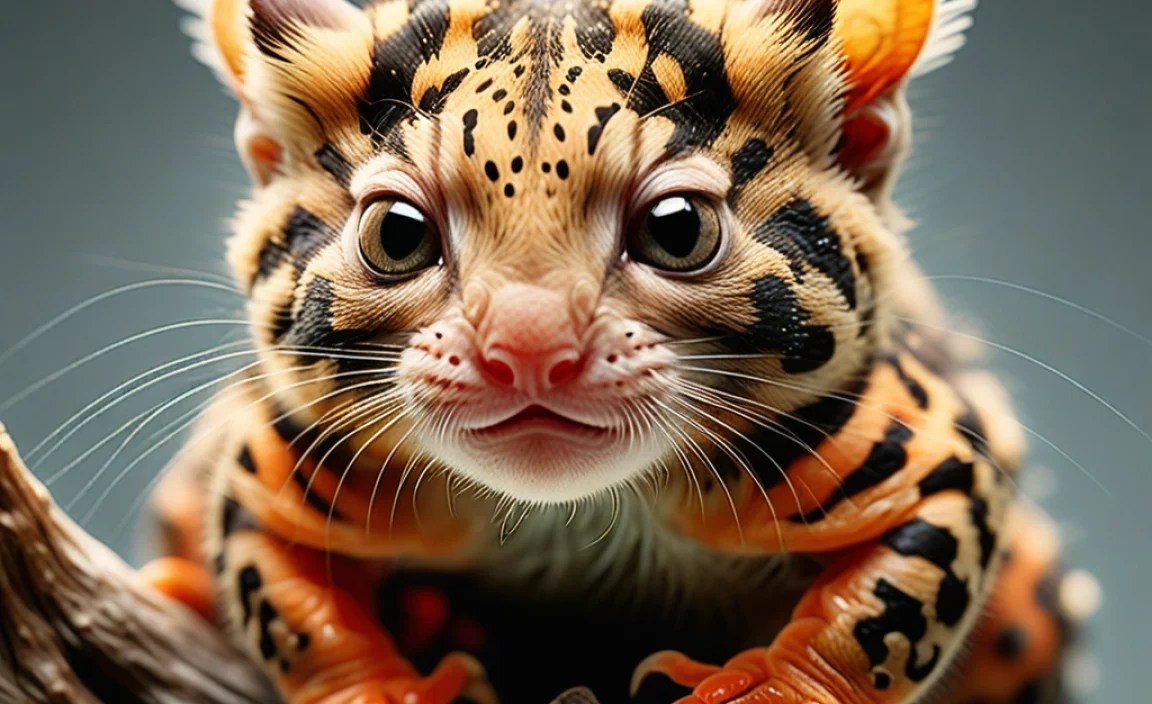
Preparing for a species identification quiz can be fun! Start by exploring nature. Go for walks in the park. Visit a local nature center. Observe the plants and animals around you. Take notes and draw pictures. Read books about different species. Watch nature documentaries. Use online resources to learn more. Focus on the types of species that will be on the quiz. If it’s a bird quiz, learn about different bird species. If it’s a tree quiz, learn about different tree species. Practice using field guides. These guides help you identify species in the field. The more you learn, the more confident you’ll feel. Good luck!
- Explore nature and observe plants and animals.
- Read books and watch documentaries about species.
- Use online resources to learn more.
- Focus on the species that will be on the quiz.
- Practice using field guides for identification.
- Take practice quizzes to test your knowledge.
Another great way to prepare is to create flashcards. Write the name of a species on one side of the card. On the other side, write some key facts about that species. Include a picture if possible. You can use these flashcards to quiz yourself. You can also use them to quiz your friends and family. This is a fun way to learn together. You can also join a local nature club. These clubs often organize field trips. This is a great way to learn from experts. You can also meet other people who are interested in nature. Learning with others can make the process more enjoyable. So, get out there and start exploring!
Fun Fact or Stat: Scientists often use DNA barcoding to identify species quickly and accurately.
Study Key Characteristics
What should you focus on when studying? Pay attention to key characteristics. For plants, look at the leaves. Are they simple or compound? What shape are they? What is the arrangement of the leaves on the stem? For animals, look at the size and shape. What color is it? What does it eat? What kind of habitat does it live in? These are all important clues. Learn to recognize these characteristics. This will help you identify species more easily. Use pictures and diagrams to help you. Practice identifying species using field guides. The more you practice, the better you’ll become.
Use Field Guides
What is a field guide and why is it useful? A field guide is a book that helps you identify plants and animals. It includes pictures and descriptions. It also includes information about their habitats and behaviors. Field guides are organized by group. For example, there is a field guide for birds. There is also a field guide for trees. Learn how to use a field guide effectively. Start by finding the right section. Then, look at the pictures and read the descriptions. Compare the pictures to what you see in nature. Pay attention to the key characteristics. With practice, you’ll become a field guide expert!
Take Practice Quizzes
How can practice quizzes help you? They test your knowledge. They show you what you know and what you don’t know. They also help you get used to the quiz format. This can reduce your anxiety on the day of the quiz. Take as many practice quizzes as you can. Focus on the areas where you struggle. Review the material and then take another quiz. Keep practicing until you feel confident. Practice quizzes are a great way to prepare. They help you learn and improve. So, get started today and ace that quiz!
Tips for Taking a Species Identification Quiz
Taking a species identification quiz can be nerve-wracking. But don’t worry! Here are some tips to help you succeed. First, read the questions carefully. Make sure you understand what they are asking. Second, look at the pictures or descriptions closely. Pay attention to the details. Third, eliminate the answers you know are wrong. This will narrow down your choices. Fourth, trust your instincts. If you have a feeling about an answer, go with it. Fifth, don’t spend too much time on any one question. If you’re stuck, move on and come back to it later. Finally, relax and have fun! Quizzes are a great way to learn. Enjoy the process!
- Read questions carefully to understand what they ask.
- Look closely at pictures and descriptions.
- Eliminate wrong answers to narrow choices.
- Trust your instincts when unsure.
- Don’t spend too long on one question.
- Relax and enjoy the learning process.
It’s also important to manage your time wisely. Look at the clock. How much time do you have for each question? If you have a lot of questions, you need to move quickly. If you have fewer questions, you can take your time. Don’t rush, but don’t dawdle either. Pace yourself. If you finish early, review your answers. Make sure you didn’t make any mistakes. It’s always better to be safe than sorry. And remember, even if you don’t know all the answers, you can still learn something. Every quiz is a learning opportunity. So, make the most of it!
Fun Fact or Stat: Citizen science projects rely on volunteers to identify species, contributing valuable data to research.
Read Questions Carefully
Why is reading carefully so important? It helps you understand the question. Sometimes questions can be tricky. They might use words you don’t know. They might ask about something specific. If you don’t read carefully, you might miss the point. You might choose the wrong answer. Take your time and read each question closely. If you’re not sure what it means, read it again. Ask for help if you need it. Understanding the question is the first step to getting the right answer. So, read carefully and succeed!
Observe Details
What kind of details should you look for? For plants, look at the leaves, flowers, and stems. What shape are they? What color are they? How are they arranged? For animals, look at the size, shape, and color. What kind of markings does it have? What does it eat? Where does it live? These details are clues that can help you identify the species. Pay attention to these details. They can make all the difference. Train yourself to see more. You’ll be surprised at what you discover.
Eliminate Options
How can eliminating options help you? It makes the question easier. If you can eliminate one or two wrong answers, you have a better chance of guessing correctly. Think about what you know about the species. Which answers don’t make sense? Which answers are obviously wrong? Cross them out. This will leave you with fewer choices. You can then focus on the remaining options. This strategy can improve your chances of getting the right answer. So, eliminate those options and boost your score!
Using a Species Identification Quiz for Education
A species identification quiz is a fantastic tool for education. Teachers can use them in the classroom. They can help students learn about different plants and animals. Quizzes can also be used at home. Parents can use them to teach their children about nature. They can be adapted for different age groups. Younger children can focus on basic identification. Older children can learn more advanced concepts. Quizzes can be used in different subjects. They can be used in science class. They can also be used in geography class. They can even be used in art class. The possibilities are endless. So, embrace the power of quizzes and make learning fun!
- Teachers use quizzes in classrooms to teach about nature.
- Parents use quizzes at home for family learning.
- Quizzes adapt to different age groups and learning levels.
- They can be used across different subjects like science and art.
- Quizzes make learning interactive and engaging.
Quizzes can also be incorporated into field trips. Before the trip, students can take a quiz to learn about the species they might see. During the trip, they can use their knowledge to identify plants and animals. After the trip, they can take another quiz to review what they learned. This helps reinforce the learning experience. Quizzes can also be used to assess student understanding. Teachers can use the results to see what students have learned. They can then adjust their teaching accordingly. This helps ensure that all students are learning effectively. So, use quizzes to enhance your educational programs.
Fun Fact or Stat: Many schools use nature walks and species identification activities to promote outdoor education.
Classroom Activities
What are some fun classroom activities? You can create a class field guide. Each student can research a different species. They can then write a description and draw a picture. You can then compile these into a class field guide. You can also play species identification games. Divide the class into teams. Show them a picture or description of a species. The first team to identify it correctly wins a point. You can also organize a nature scavenger hunt. Give students a list of species to find. The first team to find all the species wins. These activities make learning fun and engaging.
Home Learning
How can you use quizzes at home? You can create a family nature journal. Each family member can record their observations of nature. You can then use quizzes to test your knowledge. You can also go on nature walks together. Use a field guide to identify plants and animals. You can then take a quiz to review what you learned. You can also watch nature documentaries together. Discuss what you learned and then take a quiz. These activities make learning a family affair. So, get your family involved and start exploring nature!
Field Trip Integration
How can you make field trips more educational? Before the trip, give students a quiz. This will prepare them for what they will see. During the trip, encourage them to identify species. Use a field guide or a mobile app. After the trip, give them another quiz. This will review what they learned. You can also have them write a report about their experiences. This will help them reflect on what they learned. Field trips are a great way to learn about nature. Make them even better with quizzes!
The Future of Species Identification Quizzes
The future of species identification quizzes is bright! Technology is making them more interactive. Artificial intelligence is making them more accurate. Virtual reality is making them more immersive. Imagine taking a quiz in a virtual rainforest. You can walk around and identify plants and animals. This is the future of learning. Quizzes will also become more personalized. They will adapt to your learning style. They will focus on the species you are interested in. They will also track your progress. This will help you learn more effectively. So, get ready for the future of species identification!
- Technology is making quizzes more interactive and engaging.
- AI improves accuracy in species identification.
- VR offers immersive learning experiences.
- Quizzes will become personalized to fit learning styles.
- Progress tracking will enhance learning effectiveness.
Citizen science is also playing a big role. People around the world are using their smartphones to identify species. They are uploading their observations to online databases. This data is helping scientists track changes in the environment. Quizzes can be used to train citizen scientists. They can help them learn how to identify species accurately. This is empowering people to make a difference. The future of species identification is in our hands. Let’s use technology to learn more about the world around us. Let’s work together to protect our planet.
Fun Fact or Stat: The use of AI in species identification has increased accuracy by up to 95% in some studies.
AI and Machine Learning
How is AI changing species identification? AI can analyze images and sounds. It can identify species quickly and accurately. This is especially useful for identifying rare or endangered species. AI can also be used to create personalized quizzes. These quizzes adapt to your learning style. They focus on the species you are interested in. AI is making species identification easier than ever before. So, embrace the power of AI and start learning!
Virtual Reality Integration
What if you could take a quiz in a virtual rainforest? You could walk around and identify plants and animals. This is the power of virtual reality. VR can create immersive learning experiences. It can transport you to different environments. You can learn about species in their natural habitats. VR can also make learning more fun and engaging. So, get ready for the future of species identification. It’s going to be amazing!
Citizen Science Initiatives
How can you get involved in citizen science? You can use your smartphone to identify species. Upload your observations to online databases. This data helps scientists track changes in the environment. You can also participate in local conservation projects. Help plant trees or clean up habitats. Every little bit helps. Citizen science is empowering people to make a difference. So, join the movement and become a citizen scientist!
Summary
A species identification quiz is a fun and effective way to learn about plants and animals. These quizzes can be found in books, online, and in mobile apps. They can be used by teachers in the classroom or by families at home. There are many different types of quizzes. Some focus on specific groups of species. Others cover a wide range of species. To prepare for a quiz, study key characteristics. Use field guides and take practice quizzes. When taking a quiz, read the questions carefully. Observe the details and eliminate options.
The future of species identification quizzes is bright. Technology is making them more interactive and accurate. Artificial intelligence and virtual reality are transforming the learning experience. Citizen science is empowering people to make a difference. So, embrace the power of quizzes and start exploring the world around you. You might be surprised at what you discover.
Conclusion
Learning about nature is important. A species identification quiz can help. These quizzes are fun and educational. They teach you about plants and animals. You can find quizzes online or in books. They help you learn and appreciate nature. Take a quiz today and expand your knowledge. You will be amazed at what you discover. Learning about nature is a rewarding experience. Have fun exploring the world around you.
Frequently Asked Questions
Question No 1: What is a species identification quiz?
Answer: A species identification quiz is a tool used to test your knowledge about different types of plants and animals. These quizzes often include pictures or descriptions, and you have to choose the correct name of the species from a list of options. They can be a fun and engaging way to learn about the natural world. You can find a species identification quiz in books, online, or in mobile apps. These quizzes are designed to help you improve your understanding of biodiversity. They also help you appreciate the variety of life around us. Taking these quizzes is a great way to expand your knowledge of the world.
Question No 2: Why should I take a species identification quiz?
Answer: Taking a species identification quiz can be beneficial for several reasons. First, it’s a fun way to learn about different plants and animals. Second, it helps improve your observation skills as you learn to notice key features that distinguish one species from another. Third, it increases your awareness and appreciation of the natural world. This can lead to a greater desire to protect the environment. Using a species identification quiz can also help you in school. It can improve your science grades, and helps you discover new interests and hobbies. Start taking quizzes today!
Question No 3: Where can I find a good species identification quiz?
Answer: There are many places to find a species identification quiz. You can check online resources like websites and educational platforms. Many of these sites offer free quizzes on various topics, including plants, animals, and insects. You can also look for mobile apps that specialize in species identification. These apps often have interactive quizzes and games to make learning more fun. Libraries and bookstores are also great places to find books with quizzes and activities. A species identification quiz can be found everywhere, so keep exploring. You can ask your teacher for good resources for species identification.
Question No 4: How can I prepare for a species identification quiz?
Answer: Preparing for a species identification quiz involves a combination of studying and observation. Start by reading books and articles about different plants and animals. Pay attention to their key characteristics, such as size, shape, color, and habitat. Use field guides to help you identify species in your local area. Go for walks in nature and practice identifying plants and animals you see. You can also take practice quizzes online to test your knowledge. Remember, the more you learn and observe, the better prepared you’ll be for the quiz. A species identification quiz is a great way to test yourself, so practice often.
Question No 5: What are some tips for taking a species identification quiz?
Answer: When taking a species identification quiz, there are several strategies you can use to improve your score. First, read each question carefully and make sure you understand what it’s asking. Second, look closely at the pictures or descriptions provided and pay attention to key details. Third, eliminate any answers you know are incorrect. This will narrow down your options and increase your chances of guessing correctly. Fourth, trust your instincts. If you have a strong feeling about an answer, go with it. Finally, don’t get discouraged if you don’t know all the answers. Use the quiz as a learning opportunity and focus on improving your knowledge for next time. Taking a species identification quiz can be fun and rewarding.
Question No 6: Can a species identification quiz help me with my schoolwork?
Answer: Yes, a species identification quiz can definitely help you with your schoolwork, especially in science and biology classes. These quizzes can reinforce what you’re learning in the classroom and help you better understand the natural world. They can also improve your observation and critical thinking skills, which are valuable in all subjects. Quizzes can help you prepare for tests and exams. They are a fun and engaging way to learn and remember information. So, if you’re looking for a way to boost your grades in science, consider incorporating a species identification quiz into your study routine. Good luck with your schoolwork!


