
Common Butterflies of Europe Names: Ultimate Guide

Quick Summary: Identifying common European butterflies is easier than you think! This guide introduces you to some of the most frequently seen species, like the vibrant Small Tortoiseshell, the striking Peacock butterfly, and the cheerful Meadow Brown. Learn about their unique markings, habitats, and behaviors to confidently name these beautiful creatures in your garden or local park.
Have you ever been captivated by a butterfly flitting through your garden, wondering what its name might be? Europe is home to a stunning variety of butterflies, but figuring out which is which can feel overwhelming. Don’t worry! This guide will help you become a butterfly identifier in no time. We’ll explore some of the most common and easily recognizable butterflies found across Europe, providing you with the knowledge to appreciate these delicate creatures even more. Get ready to discover the fascinating world of European butterflies!
Frequently Asked Questions About European Butterflies
Here are some common questions people have about European butterflies:
- What is the most common butterfly in Europe?The Meadow Brown (Maniola jurtina) is one of the most widespread and frequently seen butterflies across Europe.
- How can I attract butterflies to my garden?Planting nectar-rich flowers like buddlejas, lavender, andVerbena, as well as providing host plants for caterpillars, will attract butterflies.
- Are butterflies endangered in Europe?Yes, many butterfly species are facing threats due to habitat loss, climate change, and pesticide use. Conservation efforts are crucial to protect them. The European Red List of Butterflies offers detailed information on threatened species.
- What is the lifespan of a typical butterfly?The lifespan varies greatly depending on the species. Some butterflies live only a few weeks, while others can live for several months.
- Do butterflies migrate in Europe?Yes, some European butterflies, like the Painted Lady, undertake long migrations, similar to birds.
- What do butterfly caterpillars eat?Caterpillars are very specific about their food. Most eat leaves of specific plants. For example, Monarch butterfly caterpillars eat milkweed.
- When is the best time to see butterflies?The peak butterfly season in Europe is generally from late spring to late summer, when temperatures are warmer and flowers are in bloom.
Identifying Common Butterflies of Europe

Europe boasts a rich diversity of butterfly species, each with its own unique beauty and ecological role. While the sheer number of species might seem daunting, learning to identify some of the more common ones is a rewarding experience. Let’s take a closer look at some butterflies you’re likely to encounter in gardens, meadows, and woodlands across Europe.
1. The Small Tortoiseshell (Aglais urticae)
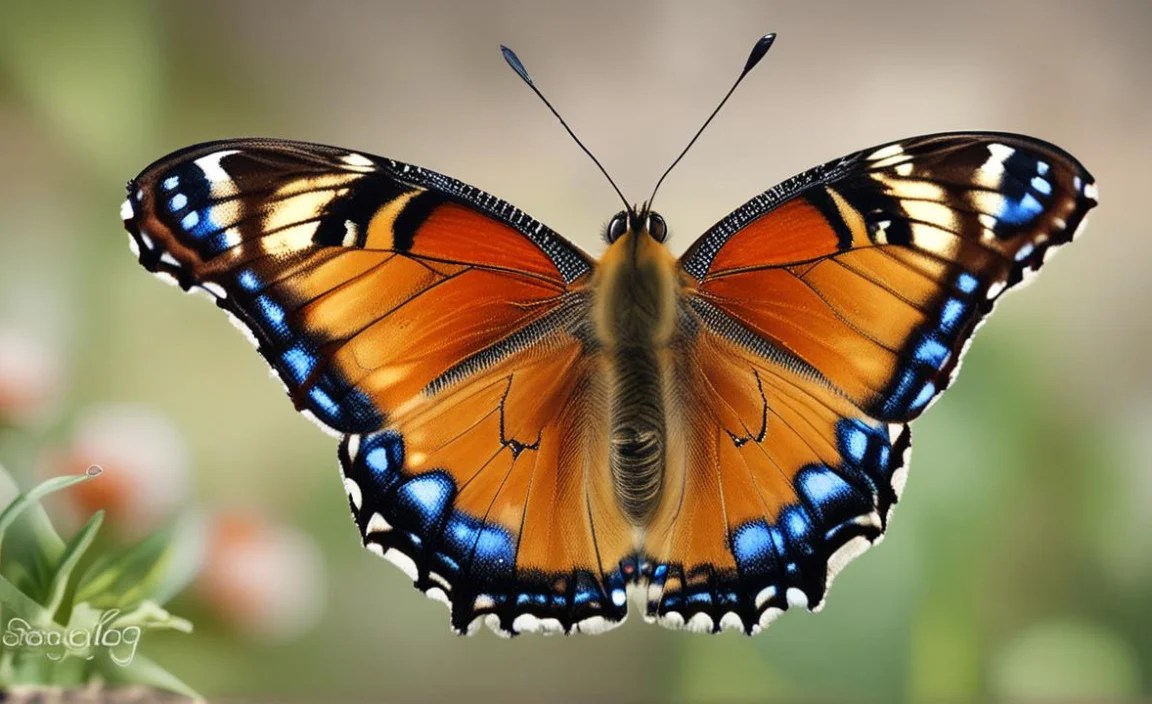
The Small Tortoiseshell is a familiar sight in gardens and parks throughout Europe. Its bright orange wings, adorned with black spots and blue crescents along the edges, make it easily recognizable. These butterflies are often seen basking in the sun or feeding on nectar-rich flowers.
Key Identification Features:
- Bright orange wings with black spots
- Blue crescents along the wing edges
- A row of yellow spots along the forewing costa (leading edge)
- Relatively small size, with a wingspan of about 4.5-5.6 cm
Habitat and Distribution: The Small Tortoiseshell is widespread across Europe and can be found in a variety of habitats, including gardens, meadows, and woodlands. They are commonly seen in both urban and rural areas.
Caterpillar Host Plant: The caterpillars of the Small Tortoiseshell primarily feed on nettles (Urtica dioica).
2. The Peacock Butterfly (Aglais io)
The Peacock butterfly is named for the striking eyespots on its wings, which resemble the patterns on a peacock’s tail feathers. These eyespots serve as a defense mechanism, startling potential predators and giving the butterfly a chance to escape. The Peacock butterfly is a welcome visitor to any garden.
Key Identification Features:
- Large, prominent eyespots on both the forewings and hindwings
- Dark reddish-brown wings with a mottled pattern
- A wingspan of about 5-5.5 cm
Habitat and Distribution: The Peacock butterfly is found throughout Europe in gardens, woodlands, and along hedgerows. They are particularly fond of sunny areas with plenty of nectar sources.
Caterpillar Host Plant: Peacock butterfly caterpillars also feed primarily on nettles.
3. The Meadow Brown (Maniola jurtina)
The Meadow Brown is one of the most common and widespread butterflies in Europe. As its name suggests, it is typically found in meadows, grasslands, and other grassy habitats. The males and females have slightly different wing patterns.
Key Identification Features:
- Brown wings, with the males generally having a small black spot on the forewing
- Females have a more prominent orange patch with a black spot on the forewing
- Underside of the hindwing is mottled brown and grey
- Wingspan of about 4-5 cm
Habitat and Distribution: The Meadow Brown is found in a wide range of grassy habitats throughout Europe, from coastal areas to upland meadows.
Caterpillar Host Plants: The caterpillars feed on various grasses.
4. The Large White (Pieris brassicae)
The Large White, also known as the Cabbage White, is a common sight in gardens and agricultural areas. While its pure white wings might seem innocent, its caterpillars can be a nuisance to gardeners as they feed on cabbage and other brassica crops. The Natural History Museum provides more information on this species.
Key Identification Features:
- White wings with black tips on the forewings
- Females have two black spots on each forewing
- Wingspan of about 5-6.5 cm
Habitat and Distribution: The Large White is found throughout Europe in gardens, fields, and agricultural areas.
Caterpillar Host Plants: The caterpillars feed on cabbage, broccoli, and other brassica crops.
5. The Small White (Pieris rapae)
Similar to the Large White, the Small White is another common white butterfly found in Europe. It is smaller in size and has less extensive black markings on its wings. Like its larger cousin, the Small White’s caterpillars can also feed on cultivated brassicas.
Key Identification Features:
- White wings with grey or black tips on the forewings
- One or two black spots on the forewings
- Smaller than the Large White, with a wingspan of about 4-5 cm
Habitat and Distribution: The Small White is found throughout Europe in gardens, fields, and urban areas.
Caterpillar Host Plants: The caterpillars feed on cabbage, nasturtiums, and other brassica crops.
6. The Brimstone (Gonepteryx rhamni)
The Brimstone is a long-lived butterfly known for its distinctive leaf-like shape and bright yellow color (in males). It is often one of the first butterflies to emerge in the spring, signaling the start of the butterfly season.
Key Identification Features:
- Distinctive leaf-like shape when wings are closed
- Bright yellow wings in males; pale greenish-white in females
- A small orange spot on each wing
- Wingspan of about 6-7 cm
Habitat and Distribution: The Brimstone is found throughout Europe in woodlands, hedgerows, and scrubby areas.
Caterpillar Host Plant: The caterpillars feed on buckthorn (Rhamnus cathartica) and alder buckthorn (Frangula alnus).
7. The Red Admiral (Vanessa atalanta)
The Red Admiral is a striking butterfly with black wings adorned with bright red bands and white spots. It is a migratory species, with individuals arriving in Europe from North Africa and other warmer regions each spring. Learn more about butterfly migration from resources like the Butterfly Conservation Trust.
Key Identification Features:
- Black wings with a broad red band across the forewings and hindwings
- White spots near the tips of the forewings
- Wingspan of about 5-6.5 cm
Habitat and Distribution: The Red Admiral is found throughout Europe in gardens, parks, and woodlands. They are often seen feeding on nectar from flowers or sap from trees.
Caterpillar Host Plants: The caterpillars feed on nettles.
8. The Comma (Polygonia c-album)
The Comma butterfly is named for the small white comma-shaped mark on the underside of its hindwing. Its wings have a distinctive jagged outline, providing excellent camouflage when it rests among foliage. The Woodland Trust offers helpful information about woodland butterflies.
Key Identification Features:
- Jagged wing edges
- Orange-brown wings with dark brown markings
- A small white comma-shaped mark on the underside of the hindwing
- Wingspan of about 4-5 cm
Habitat and Distribution: The Comma is found throughout Europe in woodlands, hedgerows, and gardens.
Caterpillar Host Plants: The caterpillars feed on nettles, hops, and elms.
Butterfly Identification Table
Here’s a table summarizing the key identification features of these common European butterflies:
| Butterfly Species | Key Identification Features | Habitat | Caterpillar Host Plant(s) |
|---|---|---|---|
| Small Tortoiseshell (Aglais urticae) | Orange wings with black spots and blue crescents | Gardens, meadows, woodlands | Nettles |
| Peacock Butterfly (Aglais io) | Large eyespots on wings | Gardens, woodlands, hedgerows | Nettles |
| Meadow Brown (Maniola jurtina) | Brown wings; orange patch with black spot on female forewing | Meadows, grasslands | Grasses |
| Large White (Pieris brassicae) | White wings with black tips; black spots on female forewings | Gardens, fields, agricultural areas | Cabbage, broccoli, brassicas |
| Small White (Pieris rapae) | White wings with grey/black tips; black spots on forewings | Gardens, fields, urban areas | Cabbage, nasturtiums, brassicas |
| Brimstone (Gonepteryx rhamni) | Leaf-like shape; yellow (male) or greenish-white (female) wings | Woodlands, hedgerows, scrubby areas | Buckthorn, alder buckthorn |
| Red Admiral (Vanessa atalanta) | Black wings with red bands and white spots | Gardens, parks, woodlands | Nettles |
| Comma (Polygonia c-album) | Jagged wing edges; comma-shaped mark on hindwing underside | Woodlands, hedgerows, gardens | Nettles, hops, elms |
Tips for Butterfly Identification
Identifying butterflies can be a fun and rewarding hobby. Here are some tips to help you on your butterfly-spotting adventures:
- Observe carefully: Pay attention to the butterfly’s size, shape, color, and markings. Note any distinctive features, such as eyespots, wing patterns, or jagged edges.
- Consider the habitat: Where did you see the butterfly? Different species are found in different habitats, so knowing the location can narrow down the possibilities.
- Use a field guide: A good field guide is an invaluable tool for butterfly identification. Look for one that includes detailed descriptions and illustrations of European butterflies.
- Take photos: If possible, take photos of the butterfly from different angles. This will allow you to study the details more closely later on.
- Join a butterfly group: Connecting with other butterfly enthusiasts can be a great way to learn more and share your observations. Many local and national butterfly conservation organizations offer guided walks and workshops.
- Use online resources: Websites like Butterfly Conservation Europe and iNaturalist can help you identify butterflies based on photos or descriptions.
Attracting Butterflies to Your Garden

One of the best ways to see more butterflies is to create a butterfly-friendly garden. Here are some tips to attract these beautiful creatures to your outdoor space:
- Plant nectar-rich flowers: Butterflies need nectar as a source of energy. Choose a variety of flowers that bloom at different times of the year to provide a continuous supply of nectar. Some popular choices include buddlejas (butterfly bushes), lavender,Verbena, and sedum.
- Provide host plants for caterpillars: Butterflies lay their eggs on specific host plants, which the caterpillars then feed on. Including these plants in your garden will encourage butterflies to breed. Examples include nettles for Small Tortoiseshells and Peacock butterflies, and brassicas for Large and Small Whites.
- Offer a water source: Butterflies need water to stay hydrated. Provide a shallow dish of water with pebbles or marbles for them to land on.
- Provide shelter: Butterflies need shelter from wind and rain. Plant shrubs and trees to provide them with a safe haven.
- Avoid pesticides: Pesticides can harm or kill butterflies and other beneficial insects. Choose organic gardening methods to protect the wildlife in your garden.
- Provide a sunny spot: Butterflies are cold-blooded and need sunlight to warm up. Make sure your garden has a sunny area where they can bask.
The Importance of Butterfly Conservation

Butterflies are not only beautiful to look at, but they also play an important role in the ecosystem. They are pollinators, helping to fertilize plants and ensure the production of fruits and seeds. They also serve as a food source for birds, bats, and other animals. Unfortunately, many butterfly species are facing threats due to habitat loss, climate change, and pesticide use. Supporting butterfly conservation efforts is crucial to protect these delicate creatures and the vital role they play in our environment. Consider donating to organizations like Butterfly Conservation or participating in citizen science projects to help monitor butterfly populations.
Conclusion
Learning to identify the common butterflies of Europe opens a window into the natural world, allowing you to appreciate the beauty and complexity of these delicate creatures. By understanding their unique markings, habitats, and behaviors, you can confidently name the butterflies you encounter in your garden or local park. Moreover, creating butterfly-friendly habitats and supporting conservation efforts can help ensure that these beautiful insects continue to thrive for generations to come. So, grab your field guide, head outdoors, and start exploring the fascinating world of European butterflies!


