Blue Morpho Care Guidelines: Easy, Proven Secrets

Do you know about the Blue Morpho butterfly? It is a beautiful, bright blue insect. People love to watch them flutter around. But how do you care for one? Blue Morpho care guidelines are important. These butterflies need special attention.
Taking care of Blue Morphos can be fun. It is also a big job. You need to know what they eat. You must keep their home clean. Let’s learn more about Blue Morpho care guidelines. This way, you can help these amazing creatures thrive.
Key Takeaways
- Blue Morpho care guidelines include providing a warm and humid environment.
- Feed them a diet of sweet fruits and nectar solutions daily.
- Keep their enclosure clean to prevent diseases and pests.
- Maintain a temperature between 80-85°F (27-29°C) for best results.
- Regularly mist the enclosure to keep humidity levels high.
Understanding Blue Morpho Habitats

Blue Morpho butterflies are amazing. They live in rainforests. These forests are in Central and South America. The butterflies love warm and wet places. They need lots of trees and plants. These plants give them food and shelter. Understanding their natural home helps with Blue Morpho care guidelines. If you want to care for a Blue Morpho, think about its habitat. You need to make a similar home. This means keeping it warm and humid. You also need to give them the right food. By knowing where they come from, you can give them the best life. It is fun to learn about these beautiful creatures and how they live. You can help them stay healthy and happy.
- Rainforests are their natural home.
- They need warm, humid places.
- Trees and plants give them food.
- Shelter helps them stay safe.
- A good habitat is key.
Imagine you are a Blue Morpho. You live in a big, green rainforest. The air is warm and wet. You fly from flower to flower, drinking nectar. You hide under leaves when it rains. Now, think about living in a cold, dry place. You would not be very happy! That is why understanding their habitat is so important. By creating a rainforest-like home, you make them happy. This helps them live a good life. Always remember where they come from. It is the best way to care for them. Learning about their home is the first step in Blue Morpho care guidelines. It makes all the difference for these special butterflies.
What Kind of Enclosure Is Best?
Choosing the right home is important. Blue Morphos need space to fly. A large enclosure is best. It should be at least 2x2x2 feet. This gives them room to move. The enclosure should have mesh sides. Mesh lets air flow through. Good airflow keeps them healthy. The bottom should be easy to clean. This helps prevent disease. Add plants to the enclosure. Live plants make it feel like home. Make sure the plants are safe for butterflies. Check that they are not poisonous. A good enclosure is a key part of Blue Morpho care guidelines. It keeps them safe and happy.
Why Is Humidity So Important?
Humidity is like the air’s moisture. Blue Morphos need a lot of it. High humidity keeps them hydrated. It helps them fly and stay healthy. Aim for 70-80% humidity. You can use a humidifier to help. Mist the enclosure with water. Do this a few times a day. A hygrometer measures humidity. Use one to check the levels. If it is too low, add more moisture. If it is too high, improve airflow. Right humidity is a must. It is a vital part of Blue Morpho care guidelines. Without it, they can get sick.
How Do You Recreate a Rainforest?
Imagine you’re making a tiny rainforest. Start with a warm temperature. Keep it between 80-85°F (27-29°C). Use a heat lamp to keep it warm. Next, add lots of plants. Choose plants like orchids and bromeliads. These plants love humidity. They also give butterflies places to rest. Put a shallow dish of water in the enclosure. This helps increase humidity. Add some rocks and branches. These make the enclosure more interesting. Keep the enclosure clean. Remove any dead leaves or uneaten food. Creating a rainforest is fun. It is also a great way to care for Blue Morphos. It follows Blue Morpho care guidelines closely.
Fun Fact or Stat: Blue Morpho butterflies can only see red, green, and yellow!
Providing the Right Diet for Morphos
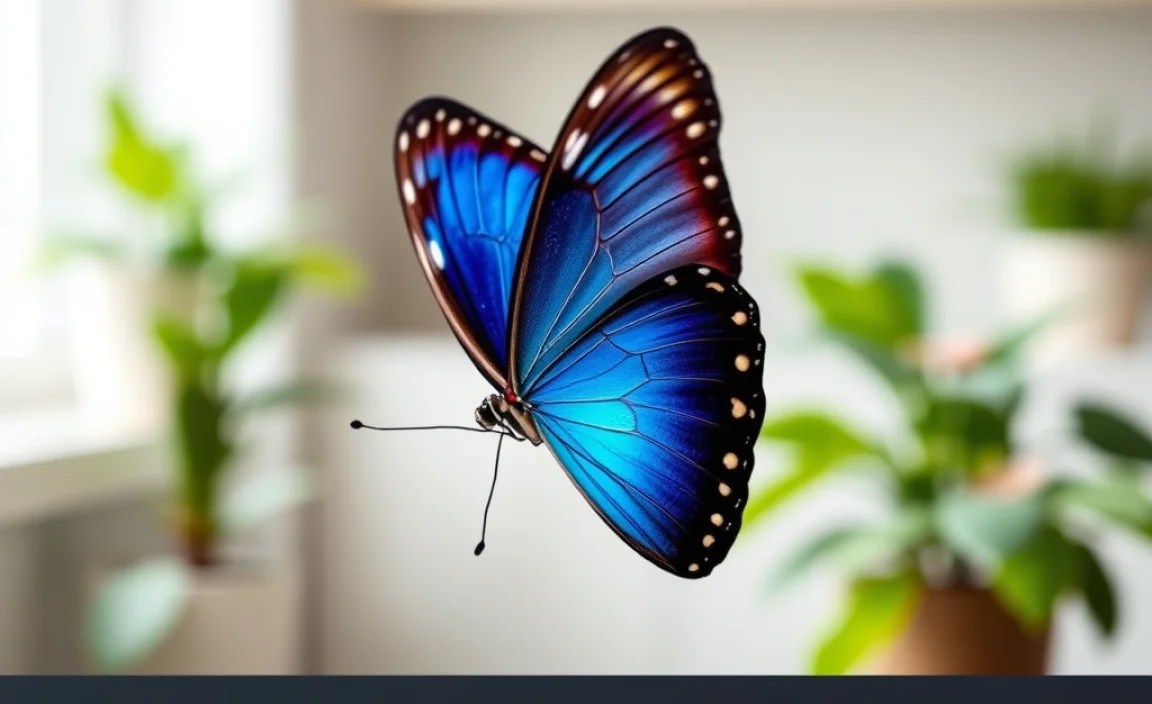
Feeding Blue Morphos is fun. They love sweet things. Their main food is nectar. You can buy nectar solutions. You can also make your own. Mix water with honey or sugar. Put the nectar in shallow dishes. Place the dishes near flowers. They also eat fruit. Offer them slices of banana or mango. Make sure the fruit is ripe. Cut the fruit into small pieces. This makes it easier to eat. Replace the fruit every day. This keeps it fresh. A good diet is vital. It is a key part of Blue Morpho care guidelines. Without the right food, they will not thrive. So, make sure they have plenty of sweet treats.
- Nectar is their main food.
- They love sweet fruits.
- Offer bananas and mangoes.
- Replace food every day.
- Fresh food is important.
- Nectar can be bought or made.
Think of Blue Morphos as tiny athletes. They need good food for energy. Nectar is like their sports drink. It gives them a quick boost. Fruit is like their healthy snack. It provides vitamins and minerals. Without these foods, they would be tired. They would not be able to fly. So, feeding them well is important. It is like giving them the fuel they need. Always make sure they have fresh food. This keeps them strong and healthy. This is a big part of Blue Morpho care guidelines. It ensures they live a long and happy life.
What Fruits Do Morphos Prefer?
Blue Morphos love sweet, soft fruits. Bananas are a favorite. They are easy to eat and digest. Mangoes are another good choice. They are juicy and full of flavor. Peaches and nectarines are also popular. Cut the fruit into small pieces. This makes it easier for them to eat. Avoid citrus fruits. They can be too acidic. Always offer a variety of fruits. This ensures they get all the nutrients they need. Fresh fruit is a must. It is an important part of Blue Morpho care guidelines. Make sure they always have something yummy to eat.
How Often Should You Feed Them?
Blue Morphos need to eat every day. They need constant energy. Check their food dishes daily. Replace any old fruit or nectar. Offer fresh food in the morning. This gives them energy for the day. You can also offer a small snack in the afternoon. Watch how much they eat. Adjust the amount as needed. Regular feeding is key. It is a vital part of Blue Morpho care guidelines. If they do not eat, they can get weak. So, make sure they always have food available.
Can You Make Your Own Nectar?
Yes, you can make your own nectar. It is easy and fun. Mix one part honey with four parts water. You can also use sugar instead of honey. Boil the water first. This helps dissolve the honey or sugar. Let the mixture cool completely. Then, pour it into shallow dishes. Add a few drops of vitamin solution. This gives them extra nutrients. Homemade nectar is a great option. It is a cost-effective part of Blue Morpho care guidelines. Plus, you know exactly what they are eating. Always make sure it is fresh and clean.
Fun Fact or Stat: Blue Morpho butterflies use their antennae to smell their food!
Maintaining a Clean Enclosure

Keeping the enclosure clean is very important. It helps prevent disease. It also keeps the butterflies healthy. Clean the enclosure every day. Remove any dead leaves or uneaten food. Wipe down the sides with a damp cloth. Change the substrate regularly. Substrate is the material on the bottom of the enclosure. Use a butterfly-safe cleaner. Avoid harsh chemicals. These can harm the butterflies. A clean enclosure is a happy enclosure. This is a key part of Blue Morpho care guidelines. It ensures they live a long and healthy life.
- Clean daily to prevent disease.
- Remove dead leaves and old food.
- Wipe down the sides regularly.
- Change the substrate often.
- Use butterfly-safe cleaners.
- Avoid harsh chemicals.
Imagine living in a messy room. It would not be very nice, would it? The same is true for Blue Morphos. They need a clean home to stay healthy. A dirty enclosure can attract pests. Pests can make them sick. So, cleaning is not just about looks. It is about their health. Think of it as giving them a fresh start every day. By keeping their home clean, you are showing them you care. This is a vital part of Blue Morpho care guidelines. It helps them thrive and stay beautiful.
How Often Should You Change the Substrate?
The substrate needs regular changing. Change it every one to two weeks. This depends on the type of substrate. Paper towels need changing more often. Coconut fiber can last longer. Check the substrate daily. If it is wet or dirty, change it right away. A clean substrate prevents mold. It also reduces bacteria. Always use a butterfly-safe substrate. Regular changes are key. They are an important part of Blue Morpho care guidelines. This keeps their home healthy and clean.
What Cleaning Products Are Safe to Use?
Choosing the right cleaner is important. Avoid harsh chemicals. These can harm the butterflies. Use a mild soap and water solution. White vinegar is also a good option. It is a natural cleaner. Make sure to rinse well after cleaning. Remove all traces of soap or vinegar. Butterfly-safe cleaners are available. These are designed for butterfly enclosures. Always read the label. Follow the instructions carefully. Safe cleaning is a must. It is a critical part of Blue Morpho care guidelines. It protects them from harmful chemicals.
How Do You Prevent Mold Growth?
Mold can be a problem in humid environments. To prevent mold, improve airflow. Make sure the enclosure is well-ventilated. Remove any dead leaves or uneaten food. These can cause mold to grow. Use a substrate that resists mold. Coconut fiber is a good choice. Keep the humidity at the right level. Too much humidity can encourage mold. Clean the enclosure regularly. This removes mold spores before they grow. Preventing mold is key. It is an essential part of Blue Morpho care guidelines. It keeps their home healthy and safe.
Fun Fact or Stat: Blue Morpho wings have tiny scales that reflect light, creating their beautiful blue color!
Maintaining Proper Temperature and Humidity
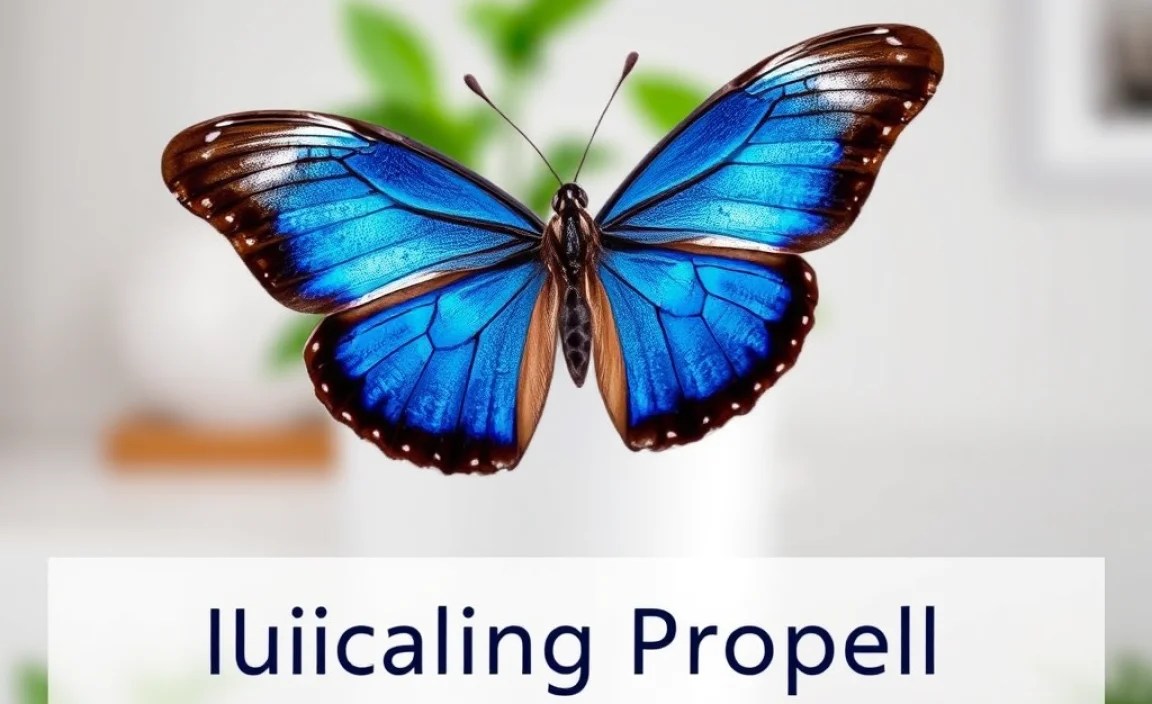
Temperature and humidity are key. Blue Morphos need a warm and humid environment. Keep the temperature between 80-85°F (27-29°C). Use a heat lamp to maintain the temperature. Humidity should be between 70-80%. Mist the enclosure with water. Do this several times a day. Use a hygrometer to measure humidity. Use a thermometer to check the temperature. Adjust as needed to keep levels right. Right temperature and humidity are vital. They are a critical part of Blue Morpho care guidelines. Without them, the butterflies will not thrive.
- Temperature: 80-85°F (27-29°C).
- Humidity: 70-80%.
- Use a heat lamp for warmth.
- Mist the enclosure for humidity.
- Check levels regularly.
- Adjust as needed.
Imagine you are in a room that is too hot or too cold. You would not feel very comfortable, right? The same is true for Blue Morphos. They need the right temperature and humidity to feel good. If it is too cold, they can get sick. If it is too dry, they can get dehydrated. By keeping the temperature and humidity right, you are making them comfortable. This helps them stay healthy and active. It is a vital part of Blue Morpho care guidelines. It shows you care about their well-being and want them to thrive.
How Do You Control Temperature?
Controlling temperature is important. Use a heat lamp to warm the enclosure. Place the lamp above the enclosure. Make sure it is not too close to the butterflies. Use a thermometer to monitor the temperature. Adjust the lamp as needed. A thermostat can help regulate the temperature. It turns the lamp on and off automatically. Keep the enclosure away from drafts. Drafts can make the temperature unstable. Stable temperature is key. It is an essential part of Blue Morpho care guidelines. It keeps them warm and healthy.
How Do You Control Humidity?
Controlling humidity is vital. Mist the enclosure with water regularly. Use a spray bottle to mist the plants and air. A humidifier can help increase humidity. Place a shallow dish of water in the enclosure. The water will evaporate and increase humidity. Use a hygrometer to monitor the humidity. Adjust the misting as needed. Good humidity is key. It is a crucial part of Blue Morpho care guidelines. It keeps them hydrated and healthy.
What Happens If Temperature or Humidity Is Wrong?
If the temperature is too low, they become inactive. They may not eat or fly. If the temperature is too high, they can overheat. This can be dangerous. If the humidity is too low, they can dehydrate. Their wings can become dry and brittle. If the humidity is too high, mold can grow. This can make them sick. So, maintaining the right levels is vital. It is a critical part of Blue Morpho care guidelines. It keeps them healthy and prevents problems.
Fun Fact or Stat: Blue Morpho caterpillars are cannibalistic, sometimes eating each other!
Recognizing Signs of Illness
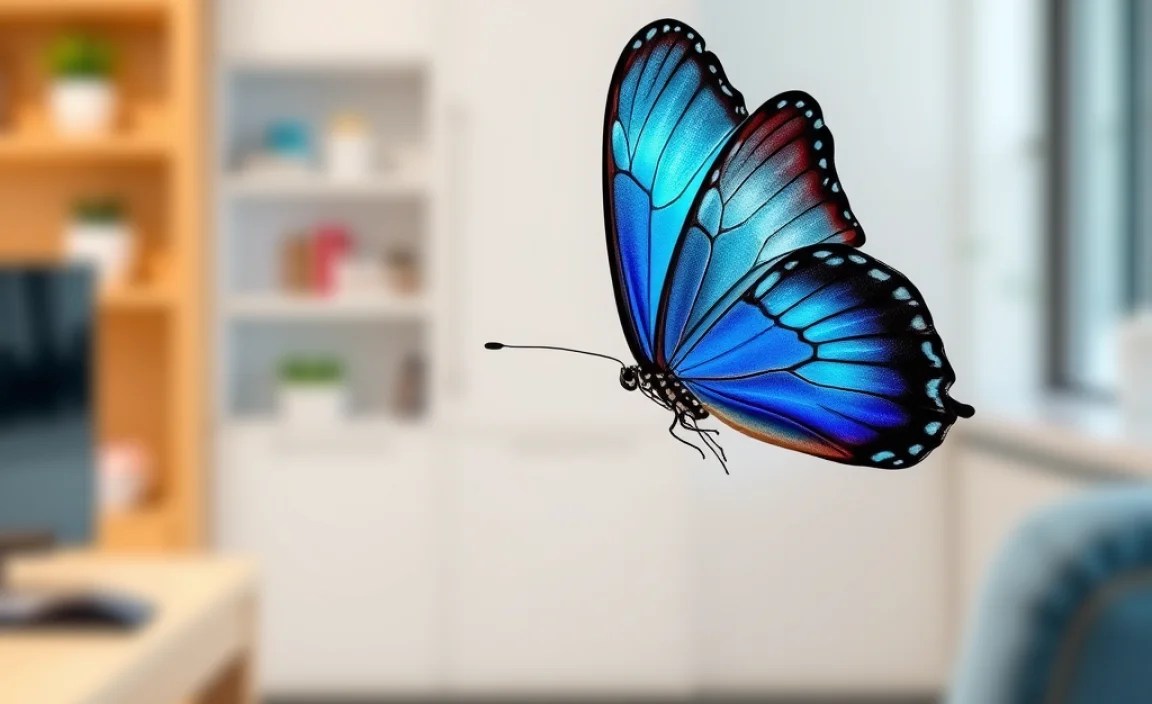
Knowing when a Blue Morpho is sick is important. Watch for changes in behavior. Look for signs like inactivity. If they are not flying, something might be wrong. Check their wings. Look for tears or damage. See if they are eating. If they are not eating, they may be ill. Look for unusual spots or discoloration. These can be signs of disease. Early detection is key. It is a vital part of Blue Morpho care guidelines. If you see something wrong, act quickly. Consult a butterfly expert for help.
- Inactivity is a sign of illness.
- Check for wing damage.
- See if they are eating.
- Look for unusual spots.
- Early detection is key.
- Consult an expert if needed.
Imagine your pet dog is not eating. You would be worried, right? The same is true for Blue Morphos. They cannot tell you when they feel sick. So, you need to be observant. Watch them closely every day. Look for any changes in their behavior. If you notice something unusual, do not ignore it. It could be a sign of a serious problem. By being vigilant, you can catch problems early. This gives them a better chance of recovery. It is a crucial part of Blue Morpho care guidelines. It shows you are a responsible caregiver.
What Are Common Butterfly Diseases?
Several diseases can affect butterflies. One common disease is bacterial infection. This can cause spots on the wings. Fungal infections are also common. These can cause mold-like growth. Viral infections can cause deformities. Parasites can weaken butterflies. These include mites and flies. Prevention is the best approach. Keep the enclosure clean. Provide a healthy diet. Monitor the butterflies regularly. Knowing the diseases is key. It is an important part of Blue Morpho care guidelines. It helps you protect them from harm.
What Should You Do If a Butterfly Is Sick?
If you think a butterfly is sick, act fast. Isolate the sick butterfly. Move it to a separate enclosure. This prevents the spread of disease. Contact a butterfly expert or veterinarian. They can diagnose the problem. They can also recommend treatment. Follow their instructions carefully. Keep the sick butterfly comfortable. Provide fresh food and water. Monitor the butterfly closely. Early treatment is key. It is a vital part of Blue Morpho care guidelines. It gives them the best chance of recovery.
How Can You Prevent Diseases?
Prevention is better than cure. Keep the enclosure clean. Remove dead leaves and uneaten food. Use butterfly-safe cleaners. Provide a healthy diet. Offer fresh food and water daily. Maintain proper temperature and humidity. Avoid overcrowding the enclosure. Quarantine new butterflies before introducing them. Regular monitoring is key. It is a crucial part of Blue Morpho care guidelines. It helps you keep them healthy and happy.
Fun Fact or Stat: Blue Morpho butterflies taste with their feet!
Breeding Blue Morphos (Optional)
Breeding Blue Morphos can be rewarding. It requires patience and care. First, you need a male and female butterfly. Provide host plants for the caterpillars. These plants are their food source. The female will lay eggs on the host plants. Keep the eggs in a humid environment. Once the caterpillars hatch, feed them fresh leaves. Keep the enclosure clean. After several molts, they will form a chrysalis. Do not disturb the chrysalis. After a few weeks, the butterfly will emerge. Breeding is advanced care. It is an optional part of Blue Morpho care guidelines. It can be a great learning experience.
| Stage | Description | Care | Duration |
|---|---|---|---|
| Egg | Small, green or white eggs laid on host plants. | Maintain high humidity. | 3-7 days |
| Caterpillar | Larva that eats leaves and grows rapidly. | Provide fresh host plant leaves daily. Keep enclosure clean. | 4-6 weeks |
| Chrysalis | Pupa that hangs upside down and transforms. | Maintain humidity. Do not disturb. | 2-3 weeks |
| Butterfly | Adult butterfly emerges from chrysalis. | Provide nectar and fruit. Maintain proper temperature and humidity. | 2-4 weeks |
- Need a male and female.
- Provide host plants.
- Keep the eggs humid.
- Feed caterpillars fresh leaves.
- Do not disturb the chrysalis.
- Be patient and careful.
Imagine you are a butterfly farmer. You want to help Blue Morphos thrive. Breeding them is a great way to do this. It helps increase their numbers. It also helps you learn more about them. But it is not easy. It takes time and effort. You need to create the perfect environment. You need to provide the right food. You need to protect them from disease. But if you succeed, it is very rewarding. You get to see new butterflies emerge. It is a beautiful and amazing experience. This is an advanced part of Blue Morpho care guidelines.
What Host Plants Do Blue Morphos Need?
Blue Morpho caterpillars eat specific plants. These are called host plants. Some common host plants include peas. They also eat legumes and other plants. Research which plants are best in your area. Provide a variety of host plants. This ensures the caterpillars get all the nutrients they need. Fresh leaves are essential. Replace them daily. Host plants are vital for breeding. They are an important part of Blue Morpho care guidelines. They provide food for the caterpillars.
How Do You Encourage Mating?
Encouraging mating requires a good environment. Maintain proper temperature and humidity. Provide plenty of space for flying. Offer fresh food and water. Introduce a male and female butterfly. Make sure they are healthy. Observe their behavior. If they are compatible, they will mate. Mating can take time. Be patient. Do not disturb them. A good environment is key. It is an important part of Blue Morpho care guidelines. It helps them reproduce successfully.
What Do You Do with the Eggs?
Once the female lays eggs, handle them carefully. Gently remove the eggs from the host plant. Place them in a separate container. Keep the container humid. You can use a damp paper towel. Check the eggs daily. Once the caterpillars hatch, move them to a new enclosure. Provide fresh host plant leaves. Continue to care for them. Proper egg care is essential. It is a vital part of Blue Morpho care guidelines. It ensures the caterpillars hatch successfully.
Fun Fact or Stat: The Blue Morpho’s bright blue color is not from pigment, but from the structure of its wing scales!
Summary
Caring for Blue Morpho butterflies is a rewarding experience. It requires attention to detail and a commitment to providing the right environment. Key aspects of Blue Morpho care guidelines include maintaining proper temperature and humidity levels, usually between 80-85°F and 70-80% humidity, respectively. A clean enclosure is essential for preventing diseases and pests, and a diet of fresh fruits and nectar ensures they receive the necessary nutrients. Regular monitoring for signs of illness and prompt action are also crucial for their well-being. Whether you choose to simply admire these beautiful creatures or delve into the complexities of breeding them, understanding their specific needs is paramount for their health and happiness.
Conclusion
Blue Morpho butterflies are truly amazing creatures. They bring beauty and wonder to our world. Caring for them requires dedication and knowledge. By following Blue Morpho care guidelines, you can provide them with a healthy and happy life. Remember the importance of temperature, humidity, cleanliness, and diet. Your efforts will be rewarded with the joy of watching these magnificent butterflies thrive. Take the time to learn and care for these special insects. You will make a difference in their lives.
Frequently Asked Questions
Question No 1: What is the ideal temperature for Blue Morpho butterflies?
Answer: Blue Morpho butterflies need a warm environment. The ideal temperature is between 80-85°F (27-29°C). Use a heat lamp to maintain this temperature. Monitor the temperature regularly with a thermometer. Make sure the heat lamp is not too close to the butterflies. If the temperature is too low, they will become inactive. If the temperature is too high, they can overheat. Maintaining the right temperature is an important part of Blue Morpho care guidelines. It keeps them healthy and active.
Question No 2: How do I maintain the correct humidity levels?
Answer: Humidity is vital for Blue Morphos. They need a humid environment to thrive. The ideal humidity is between 70-80%. You can maintain humidity by misting the enclosure with water. Do this several times a day. Use a spray bottle to mist the plants and air. A humidifier can also help. Place a shallow dish of water in the enclosure. The water will evaporate and increase humidity. Use a hygrometer to monitor humidity levels. Adjust as needed. This is a key part of Blue Morpho care guidelines.
Question No 3: What do Blue Morpho butterflies eat?
Answer: Blue Morpho butterflies have a sweet tooth. They love nectar and sweet fruits. You can offer them nectar solutions. You can buy these at a pet store. You can also make your own by mixing honey and water. Offer them slices of banana, mango, and other soft fruits. Cut the fruit into small pieces. This makes it easier for them to eat. Replace the food every day. This ensures it stays fresh. A good diet is essential. It is a key part of Blue Morpho care guidelines. It keeps them healthy and strong.
Question No 4: How often should I clean the butterfly enclosure?
Answer: A clean enclosure is a healthy enclosure. Clean the butterfly enclosure every day. Remove any dead leaves or uneaten food. Wipe down the sides with a damp cloth. Change the substrate regularly. This helps prevent mold and bacteria. Use butterfly-safe cleaners. Avoid harsh chemicals. These can harm the butterflies. Regular cleaning is vital. It is an important part of Blue Morpho care guidelines. It keeps them safe from disease and pests. A clean home is a happy home.
Question No 5: How can I tell if a Blue Morpho butterfly is sick?
Answer: Watch for signs of illness. Look for changes in behavior. If they are not flying or eating, something might be wrong. Check their wings. Look for tears or damage. See if they have unusual spots or discoloration. These can be signs of disease. Early detection is key. If you see something wrong, act quickly. Consult a butterfly expert or veterinarian. They can help diagnose and treat the problem. This is a crucial part of Blue Morpho care guidelines. It ensures they get the care they need.
Question No 6: Are Blue Morpho butterflies hard to care for?
Answer: Caring for Blue Morpho butterflies requires effort. They need specific conditions to thrive. You must maintain proper temperature and humidity. You must provide the right food. You must keep their enclosure clean. It is not as simple as caring for a pet fish. But it is not impossible. With research and dedication, you can succeed. Understanding and following Blue Morpho care guidelines will make it easier. The reward of seeing these beautiful creatures thrive is worth the effort.