
Swallowtail Butterfly Color Morphs: Ultimate Guide!

Swallowtail butterflies display fascinating color morphs, variations in appearance within the same species. These morphs arise due to genetics, environmental factors, and mimicry. Understanding these variations helps in identifying different swallowtail species and appreciating the remarkable diversity found in nature. Some morphs help them mimic toxic butterflies, providing protection from predators.
Have you ever marveled at a butterfly and wondered if it’s a different species, only to learn it’s a color variation of a familiar swallowtail? It’s a common question! Swallowtail butterflies are masters of disguise, showcasing a range of colors and patterns. This variation, called color morphs, can make identifying these beautiful creatures a bit tricky, but also incredibly fascinating.
In this guide, we’ll explore the world of swallowtail butterfly color morphs, unraveling the mysteries behind their diverse appearances. Get ready to discover how genetics, environment, and mimicry play key roles in creating these stunning variations. By the end, you’ll be able to confidently identify different swallowtail morphs and appreciate the incredible adaptability of these butterflies.
Understanding Swallowtail Butterfly Color Morphs
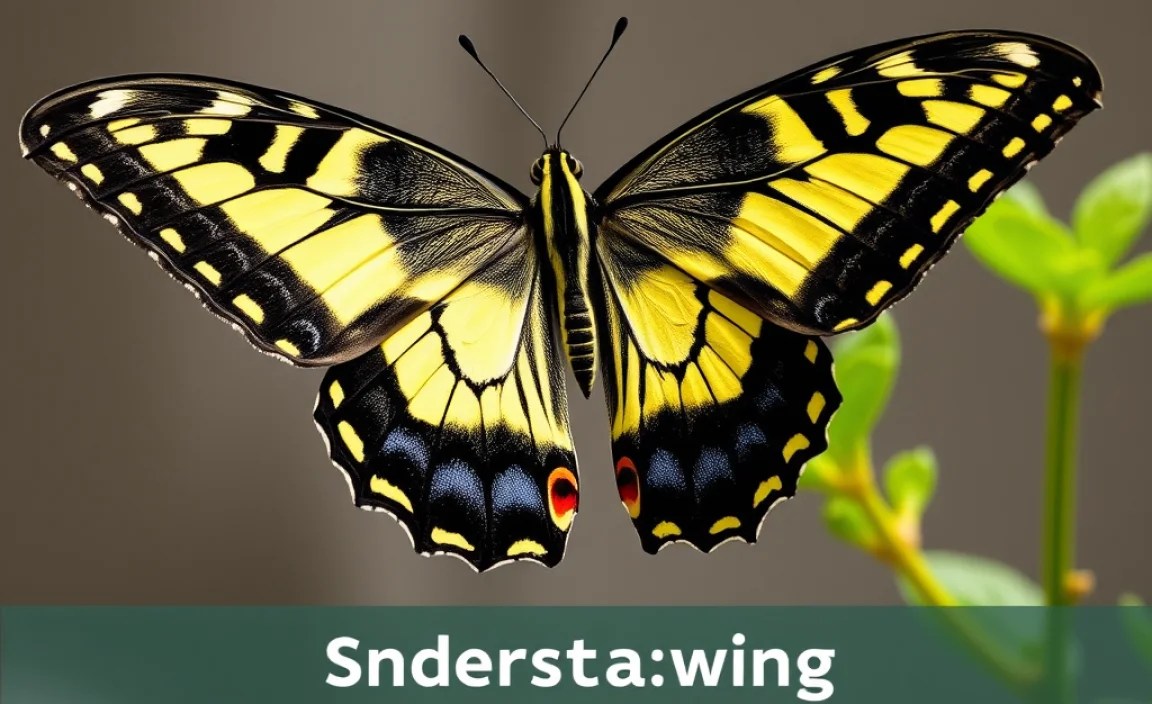
Color morphs in swallowtail butterflies refer to distinct variations in color and pattern within the same species. These differences are not merely random; they often serve specific purposes, such as camouflage, mimicry, or thermoregulation. Recognizing these morphs is essential for accurate butterfly identification and understanding their ecological roles.
Genetic Basis of Color Morphs
The primary driver behind color morphs is genetics. Swallowtail butterflies possess genes that dictate the production and distribution of pigments in their wings. Small variations in these genes can lead to significant differences in appearance.
- Single Gene Control: In some cases, a single gene can control the presence or absence of a particular color or pattern.
- Polygenic Inheritance: More complex traits, such as the intensity of color, may be influenced by multiple genes interacting together.
- Mutation: Spontaneous mutations can introduce new color morphs into a population, which may become more common if they provide a survival advantage.
Environmental Influences on Color Morphs
While genetics provide the blueprint, environmental factors can also play a role in shaping color morphs. Temperature, humidity, and sunlight exposure during the larval and pupal stages can affect pigment production and wing patterns.
- Temperature-Dependent Pigmentation: Some studies have shown that lower temperatures during development can result in darker pigmentation, while higher temperatures lead to lighter colors.
- Dietary Influences: The availability of certain nutrients in the larval diet can also affect the intensity and vibrancy of colors.
Mimicry: A Key Driver of Color Morphs
Mimicry is a particularly fascinating aspect of color morphs in swallowtail butterflies. Many swallowtails have evolved to resemble other butterfly species that are toxic or unpalatable to predators. This mimicry provides protection, as predators learn to avoid butterflies with similar appearances.
- Batesian Mimicry: This type of mimicry involves a palatable species (the mimic) resembling an unpalatable species (the model). Predators avoid the mimic because it looks like the unpalatable model.
- Müllerian Mimicry: In this case, multiple unpalatable species resemble each other. This mutual mimicry reinforces the warning signal to predators, increasing the survival rate for all species involved.
Examples of Swallowtail Butterfly Color Morphs

Let’s explore some specific examples of swallowtail butterflies that exhibit striking color morphs.
Eastern Tiger Swallowtail (Papilio glaucus)
The Eastern Tiger Swallowtail is a classic example of color polymorphism, especially in females. There are two primary female morphs:
- Yellow Morph: This morph closely resembles the male, with black stripes on a yellow background.
- Black Morph: This morph is dark gray to black, mimicking the unpalatable Pipevine Swallowtail (Battus philenor). This is an example of Batesian mimicry.
The black morph is more common in regions where the Pipevine Swallowtail is abundant, providing greater protection from predators. The yellow morph is more prevalent in areas where the Pipevine Swallowtail is less common.
Spicebush Swallowtail (Papilio troilus)
The Spicebush Swallowtail also exhibits some variation in color, although less dramatic than the Eastern Tiger Swallowtail. The key color morph differences involve:
- Iridescent Blue/Green: The hindwings of the Spicebush Swallowtail display iridescent blue or green scales. The intensity and distribution of these scales can vary among individuals.
- Spot Patterns: The orange spots on the hindwings can also vary in size and shape.
These variations are influenced by both genetics and environmental factors.
Pipevine Swallowtail (Battus philenor)
While primarily known for being the model in mimicry, the Pipevine Swallowtail itself shows some interesting color variations. These include:
- Iridescence: The degree of blue iridescence on the wings can vary, with some individuals displaying a more vibrant sheen than others.
- Hindwing Tails: The length and shape of the tails on the hindwings can also differ slightly.
Black Swallowtail (Papilio polyxenes)
Similar to the Eastern Tiger Swallowtail, the Black Swallowtail exhibits sexual dimorphism and some color variations, especially in females:
- Female Coloration: Females often have more prominent iridescent blue scales on their hindwings compared to males.
- Spot Patterns: The yellow or orange spots on the wings can vary in size and intensity.
Identifying Swallowtail Butterfly Color Morphs
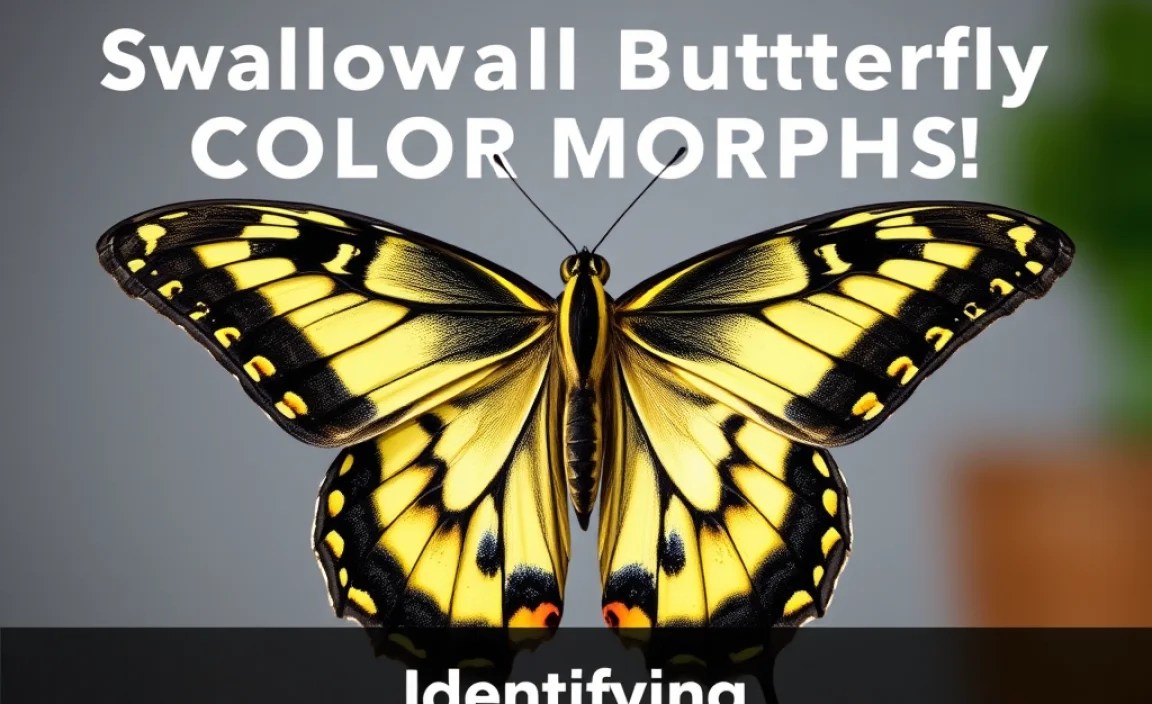
Identifying swallowtail butterfly color morphs can be challenging but also rewarding. Here are some tips to help you distinguish between different morphs:
- Observe Key Features: Pay close attention to the color and pattern of the wings, including the presence or absence of stripes, spots, and iridescent scales.
- Consider Geographic Location: The prevalence of certain morphs can vary depending on the geographic location and the presence of mimicry models.
- Note Size and Shape: While color is the primary focus, also consider the size and shape of the butterfly, as well as the length and shape of the tails on the hindwings.
- Use Field Guides: Consult reliable field guides and online resources to compare your observations with known descriptions and images of different morphs.
- Photograph and Compare: Take photographs of the butterflies you observe and compare them with images online or in field guides. This can help you identify subtle differences in color and pattern.
The Evolutionary Significance of Color Morphs

Color morphs play a crucial role in the evolution and adaptation of swallowtail butterflies. They provide several advantages:
- Enhanced Survival: Mimicry helps protect palatable swallowtails from predators, increasing their survival rate.
- Adaptation to Local Environments: Color morphs can be better suited to specific environmental conditions, such as temperature and humidity.
- Increased Genetic Diversity: The presence of multiple color morphs within a population increases genetic diversity, making the species more resilient to environmental changes and disease.
Conservation Implications
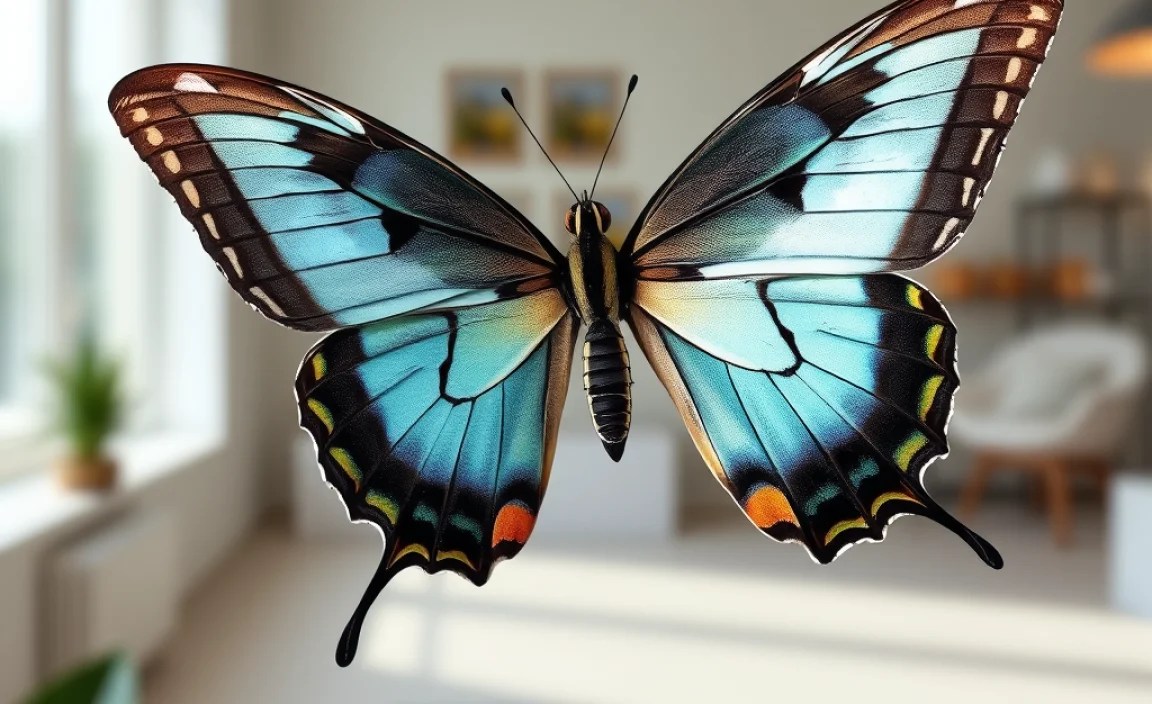
Understanding and conserving swallowtail butterfly color morphs is essential for maintaining biodiversity and ecosystem health. Here are some ways you can help:
- Protect Butterfly Habitats: Preserve natural habitats, such as forests, meadows, and wetlands, that provide food and shelter for swallowtail butterflies.
- Plant Host Plants: Plant host plants that caterpillars need to feed on, such as milkweed for Monarchs and spicebush for Spicebush Swallowtails.
- Avoid Pesticides: Avoid using pesticides that can harm butterflies and other beneficial insects.
- Support Conservation Organizations: Support organizations that work to protect butterflies and their habitats. The Xerces Society is a great resource for information and conservation efforts.
- Educate Others: Share your knowledge and passion for butterflies with others, encouraging them to appreciate and protect these beautiful creatures.
Creating a Butterfly-Friendly Garden
One of the best ways to support swallowtail butterflies and appreciate their color morphs is to create a butterfly-friendly garden. Here are some tips:
- Plant a Variety of Flowers: Choose a variety of flowers that bloom at different times of the year to provide a continuous source of nectar for adult butterflies.
- Include Host Plants: Plant host plants that caterpillars need to feed on. Research which swallowtail species are common in your area and plant their preferred host plants.
- Provide a Water Source: Butterflies need water, so provide a shallow dish of water with pebbles or stones for them to land on.
- Offer Shelter: Provide shelter from wind and rain by planting shrubs and trees.
- Avoid Pesticides: As mentioned earlier, avoid using pesticides that can harm butterflies and other beneficial insects.
Swallowtail Butterfly Color Morphs: A Detailed Look
To further illustrate the fascinating world of swallowtail butterfly color morphs, let’s delve into a more detailed examination of specific species and their variations.
Eastern Tiger Swallowtail (Papilio glaucus) – Female Morphs in Depth
As previously mentioned, the Eastern Tiger Swallowtail showcases a striking example of female-limited polymorphism. The two primary female morphs, yellow and black, are a testament to the power of natural selection and mimicry.
Yellow Morph
The yellow morph closely resembles the male Eastern Tiger Swallowtail, displaying the characteristic black stripes against a yellow background. This morph is generally more common in areas where the Pipevine Swallowtail (Battus philenor), the mimicry model for the black morph, is less prevalent. The yellow morph’s survival strategy relies more on camouflage and general avoidance of predators.
Black Morph
The black morph, in contrast, is a darker, almost entirely black or dark gray variation. This morph is a classic example of Batesian mimicry, where a palatable species (the black morph female Eastern Tiger Swallowtail) evolves to resemble an unpalatable or toxic species (the Pipevine Swallowtail). Predators that have learned to avoid the Pipevine Swallowtail due to its toxicity will also avoid the black morph Eastern Tiger Swallowtail, thus increasing its chances of survival. The prevalence of the black morph is positively correlated with the abundance of the Pipevine Swallowtail in a given region. This is because the mimicry is more effective when the model (Pipevine Swallowtail) is common, reinforcing the predator’s avoidance behavior.
The genetic basis for the female-limited polymorphism in the Eastern Tiger Swallowtail is complex and involves sex-linked genes. The gene responsible for the black morph is dominant, but its expression is limited to females. This ensures that the males retain the yellow coloration, which is important for mate attraction and other aspects of their life cycle.
Spicebush Swallowtail (Papilio troilus) – Subtle Variations with Ecological Significance
While the Spicebush Swallowtail does not exhibit the same dramatic polymorphism as the Eastern Tiger Swallowtail, it does display subtle yet ecologically significant color variations.
Iridescent Blue/Green Coloration
The hindwings of the Spicebush Swallowtail are adorned with iridescent blue or green scales. The intensity and distribution of these scales can vary among individuals. These variations may be influenced by both genetic factors and environmental conditions during development. For example, larvae that develop in warmer temperatures may exhibit more vibrant iridescent coloration compared to those that develop in cooler temperatures.
Spot Patterns
The orange spots on the hindwings of the Spicebush Swallowtail also exhibit some degree of variation in size, shape, and intensity. These spots serve as a visual cue for predators, potentially deflecting attacks away from the butterfly’s body and towards the less vulnerable wing margins. Variations in spot patterns may influence the effectiveness of this defensive strategy.
Black Swallowtail (Papilio polyxenes) – Sexual Dimorphism and Regional Variations
The Black Swallowtail, also known as the American Swallowtail or Parsley Swallowtail, exhibits sexual dimorphism in coloration, with females generally displaying more prominent iridescent blue scales on their hindwings compared to males. Additionally, there can be regional variations in color patterns, possibly influenced by local environmental conditions and the presence of other butterfly species.
Female Coloration
Female Black Swallowtails typically have more extensive and vibrant blue scaling on their hindwings compared to males. This difference in coloration may play a role in mate recognition and courtship behavior. The brighter blue coloration of females may serve as a signal of their quality and reproductive potential.
Regional Variations
In some regions, Black Swallowtails may exhibit variations in the size and intensity of the yellow or orange spots on their wings. These variations may be influenced by factors such as temperature, humidity, and the availability of specific nutrients in the larval diet. Further research is needed to fully understand the genetic and environmental factors that contribute to these regional variations.
Swallowtail Butterfly Color Morphs: Table of Key Features
Here’s a table summarizing the key features of the swallowtail butterfly color morphs discussed:
| Species | Morph/Variation | Description | Significance |
|---|---|---|---|
| Eastern Tiger Swallowtail (Papilio glaucus) | Yellow Female | Black stripes on yellow background | Resembles male, camouflage |
| Eastern Tiger Swallowtail (Papilio glaucus) | Black Female | Dark gray to black | Batesian mimicry of Pipevine Swallowtail |
| Spicebush Swallowtail (Papilio troilus) | Iridescent Blue/Green | Varying intensity of blue/green scales on hindwings | Possible influence of temperature and genetics |
| Spicebush Swallowtail (Papilio troilus) | Spot Patterns | Variations in size and shape of orange spots on hindwings | Possible predator deflection strategy |
| Black Swallowtail (Papilio polyxenes) | Female Coloration | More prominent blue scales on hindwings compared to males | Possible role in mate recognition |
| Black Swallowtail (Papilio polyxenes) | Regional Variations | Variations in size and intensity of yellow/orange spots | Possible influence of local environmental conditions |
FAQ: Swallowtail Butterfly Color Morphs
Here are some frequently asked questions about swallowtail butterfly color morphs:
- What exactly are color morphs in butterflies?
- Color morphs are different color variations within the same species of butterfly. These variations are due to genetics, environment, or mimicry.
- Why do swallowtail butterflies have different color morphs?
- Swallowtail butterflies develop different color morphs for various reasons, including camouflage, mimicry (to avoid predators), and adaptation to different environments.
- How does mimicry work in swallowtail butterflies?
- Mimicry involves a palatable (edible) butterfly resembling an unpalatable or toxic one. Predators avoid the mimic because it looks like the toxic model, increasing the mimic’s survival.
- What is the difference between Batesian and Müllerian mimicry?
- Batesian mimicry is when a harmless species mimics a harmful one. Müllerian mimicry is when multiple harmful species mimic each other, reinforcing the warning signal to predators.
- Can environmental factors affect butterfly color?
- Yes, environmental factors like temperature, humidity, and diet during the larval stage can influence the color and pattern of the adult butterfly.
- How can I attract swallowtail butterflies to my garden?
- Plant host plants (for caterpillars) and nectar-rich flowers (for adults), provide a water source, and avoid using pesticides.
- Are color morphs permanent, or can a butterfly change its color?
- Color morphs are determined during the butterfly’s development and are permanent for that individual. A butterfly cannot change its color after it emerges from the pupa.
Conclusion
Swallowtail butterfly color morphs are a testament to the incredible diversity and adaptability of nature. From the striking mimicry of the Eastern Tiger Swallowtail to the subtle variations of the Spicebush Swallowtail, these color morphs play crucial roles in the survival and evolution of these beautiful creatures. By understanding the genetic, environmental, and ecological factors that shape color morphs, we can better appreciate the complexity and beauty of the natural world.
As butterfly enthusiasts, gardeners, and conservationists, we have a responsibility to protect swallowtail butterflies and their habitats. By creating butterfly-friendly gardens, supporting conservation organizations, and educating others about the importance of these creatures, we can help ensure that future generations will continue to marvel at the stunning color morphs of swallowtail butterflies. So, get outside, observe these incredible insects, and share your newfound knowledge with the world. Together, we can make a difference!


