
Painted Lady Butterfly & Pollination: Secret Power!

Have you ever seen a butterfly flutter by? Did you know they help plants make seeds? The painted lady butterfly is one such helper. These butterflies play a big role in pollination.
Imagine a garden full of colorful flowers. Bees buzz around, and so do butterflies. The painted lady butterfly and pollination go hand in hand. They help flowers grow into fruits and vegetables.
Butterflies are more than just pretty insects. They are important for our world. They help plants make new plants. Without them, our gardens would look very different. Let’s find out more about these amazing creatures.
Key Takeaways
- Painted lady butterflies are important pollinators, helping plants reproduce by transferring pollen.
- These butterflies travel long distances, pollinating plants across different regions.
- Pollination by painted lady butterflies helps create fruits, vegetables, and seeds for new plants.
- Protecting butterfly habitats is key to supporting painted lady butterfly and pollination efforts.
- You can attract these butterflies to your garden with colorful flowers they love.
The Painted Lady Butterfly’s Role In Pollination

The painted lady butterfly is a busy insect. It flies from flower to flower, drinking nectar. As it does, pollen sticks to its body. When the butterfly visits another flower, some of the pollen rubs off. This helps the plant make seeds. This process is called pollination. The painted lady butterfly and pollination are connected. Without butterflies, many plants would not be able to make new plants. This butterfly is a vital part of our ecosystem. They move from plant to plant, eating and spreading pollen, which makes more plants and food for animals and people. They are an important part of nature, and we need to take care of them and their homes.
- Butterflies visit flowers for nectar.
- Pollen sticks to their bodies.
- They transfer pollen to other flowers.
- This helps plants make seeds.
- Pollination is important for plant growth.
Think about a world without flowers. It would be a very dull place. Butterflies help keep our world colorful. They visit many different types of flowers. They like bright colors and sweet smells. When they land on a flower, their legs and bodies brush against the pollen. The pollen sticks to them like tiny yellow dust. When they fly to another flower, some of this pollen falls off. This is how plants get pollinated. The painted lady butterfly and pollination are very important for our world. They help plants grow and make seeds. This is how we get many of the fruits and vegetables we eat. So, the next time you see a butterfly, remember how important it is.
Fun Fact or Stat: A single painted lady butterfly can visit hundreds of flowers in one day!
How Butterflies Find Flowers
Have you ever wondered how butterflies find flowers? They use their eyes to see bright colors. They also use their antennae to smell sweet scents. Butterflies are attracted to flowers that have lots of nectar. Nectar is a sweet liquid that butterflies drink for energy. The painted lady butterfly is very good at finding flowers. They can fly long distances to find the best nectar. They often visit red, yellow, and orange flowers. These colors are easy for them to see. The flowers also have special patterns that guide them to the nectar. It’s like a secret map only the butterflies can read. The way that the painted lady butterfly and pollination work together is quite amazing.
The Importance of Nectar
Nectar is like a sugary drink for butterflies. It gives them the energy they need to fly and pollinate. Without nectar, butterflies would not be able to survive. The painted lady butterfly needs nectar to fly long distances. They migrate, or travel, from one place to another. They fly thousands of miles to find food and places to lay their eggs. Nectar is also important for the flowers. When butterflies drink nectar, they help the flowers make seeds. This is a win-win situation. The butterflies get food, and the flowers get pollinated. The painted lady butterfly and pollination is a partnership that helps both the butterflies and the flowers.
Butterfly Gardens
Want to help butterflies? You can plant a butterfly garden. Choose flowers that are bright and colorful. Make sure they have lots of nectar. Butterflies love flowers like zinnias, marigolds, and butterfly bushes. Plant them in a sunny spot. Provide a shallow dish of water for the butterflies to drink. Avoid using pesticides, which can harm butterflies. A butterfly garden is a great way to help the painted lady butterfly. It also helps with pollination. When you plant a butterfly garden, you are helping the environment. You are also creating a beautiful space for butterflies to live. The connection between the painted lady butterfly and pollination is very strong, and with your help, it can be even stronger.
Painted Lady Butterfly And Plant Reproduction

Plants need help to make seeds. They can’t move around to find other plants. That’s where pollination comes in. Pollen needs to move from one flower to another. Wind can help, but insects are even better. The painted lady butterfly is a great helper. It carries pollen from flower to flower. This helps plants reproduce, or make new plants. Without pollination, many plants would disappear. The painted lady butterfly and pollination go hand in hand. They depend on each other. The butterfly gets food, and the plant gets to make new plants. This is a perfect example of how nature works together. They are both important for a healthy environment. The plants need the butterflies to survive, and the butterflies need the plants to survive as well.
- Plants need pollen to make seeds.
- Pollination moves pollen between flowers.
- Butterflies carry pollen on their bodies.
- This helps plants reproduce.
- Plant reproduction is important for new growth.
- The painted lady butterfly is a great helper.
Imagine a field of wildflowers. Bees, butterflies, and other insects are buzzing around. They are all helping to pollinate the flowers. Each insect plays a part in this process. The painted lady butterfly is especially important. It can fly long distances and visit many different types of flowers. This helps to spread pollen far and wide. The painted lady butterfly and pollination are essential for a healthy ecosystem. Without them, our fields and gardens would be less colorful. The flowers would not produce as many seeds. This could affect the animals that depend on those seeds for food. So, the next time you see a painted lady butterfly, remember how important it is for our world.
Fun Fact or Stat: Butterflies can taste with their feet!
Pollen and Seeds
Pollen is like the plant’s version of sperm. It needs to reach the plant’s egg to make a seed. Seeds are how plants make new plants. The painted lady butterfly helps this process. It carries pollen from one flower to another. When the pollen reaches the egg, a seed is formed. The seed can then grow into a new plant. The painted lady butterfly and pollination work together to create new life. Without butterflies, many plants would not be able to make seeds. This would have a big impact on our world. The plants give us food, oxygen, and shelter. So, we need to protect the butterflies that help them reproduce.
Different Types of Pollination
There are different ways that plants can get pollinated. Some plants rely on the wind to carry pollen. Others rely on water. But many plants rely on animals, like butterflies. Animal pollination is very important. It is often more efficient than wind or water pollination. Animals can target specific flowers. They can also carry pollen over long distances. The painted lady butterfly and pollination are a great example of this. Butterflies are very good at finding flowers and carrying pollen. They are an essential part of many ecosystems. They are truly remarkable creatures that we need to learn to protect.
Protecting Pollinators
We need to protect pollinators like the painted lady butterfly. They are facing many threats. Habitat loss is a big problem. When we destroy natural areas, butterflies lose their homes and food sources. Pesticides can also harm butterflies. These chemicals can kill butterflies and other beneficial insects. We can help by planting butterfly gardens. We can also avoid using pesticides. The connection between the painted lady butterfly and pollination is very important. We need to take care of our butterflies so they can continue to help our plants grow. It is up to us to protect them and make sure that they continue to thrive.
How Painted Lady Butterflies Find Pollen

Painted lady butterflies are experts at finding pollen. They have special adaptations that help them. Their eyes can see bright colors. They are attracted to flowers that are red, orange, and yellow. They also have long tongues called proboscis. They use these to drink nectar from flowers. As they drink, pollen sticks to their bodies. The painted lady butterfly and pollination go hand in hand. The butterflies need the nectar for food. The flowers need the butterflies to carry their pollen. This is a perfect example of how nature works together. The butterflies help the plants, and the plants help the butterflies. They all depend on each other to live and thrive.
- Butterflies see bright colors.
- They have long tongues for nectar.
- Pollen sticks to their bodies.
- They carry pollen to other flowers.
- This helps plants get pollinated.
Imagine you are a painted lady butterfly. You are flying over a field of flowers. You see a bright red flower. You land on it and start to drink the nectar. As you drink, pollen sticks to your legs and body. You fly to another flower, this one is yellow. As you land, some of the pollen from the red flower falls off onto the yellow flower. You have just helped the yellow flower get pollinated. The painted lady butterfly and pollination is a crucial connection for plant reproduction. This is how butterflies help plants make new plants. It’s a very important job. Without butterflies, many plants would not be able to survive. So, the next time you see a butterfly, remember how important it is.
Fun Fact or Stat: Butterflies have taste receptors on their feet, so they can taste the flower before they even land!
Butterfly Vision
Butterflies see the world differently than we do. They can see ultraviolet light. This helps them find flowers that are rich in nectar. Some flowers have patterns that are only visible in ultraviolet light. These patterns guide butterflies to the nectar. The painted lady butterfly uses its special vision to find the best flowers. It can fly long distances and still find the perfect flower. The painted lady butterfly and pollination are linked by this special ability. Their vision helps them find the flowers that need their help. The way that they work together is an essential part of the environment.
The Proboscis
The proboscis is a long, straw-like tongue. Butterflies use it to drink nectar. When they are not using it, they keep it curled up. The painted lady butterfly has a very long proboscis. This allows it to reach the nectar in deep flowers. As the butterfly drinks, pollen sticks to its proboscis. When it flies to another flower, some of the pollen rubs off. The painted lady butterfly and pollination are made possible by this special tongue. It is a perfect tool for getting nectar and carrying pollen. The butterflies need nectar to live, and the plants need pollen to grow.
The Role of Antennae
Butterflies use their antennae to smell and sense their environment. They can detect the scent of flowers from far away. They can also use their antennae to find mates. The painted lady butterfly has very sensitive antennae. This helps it find the best flowers for pollination. The antennae help them to find the perfect flower to land on. The connection between the painted lady butterfly and pollination is due to their advanced sensory abilities. They can sense the flowers that need their help and fly directly to them. They are truly remarkable creatures.
Painted Lady Migration And Pollination
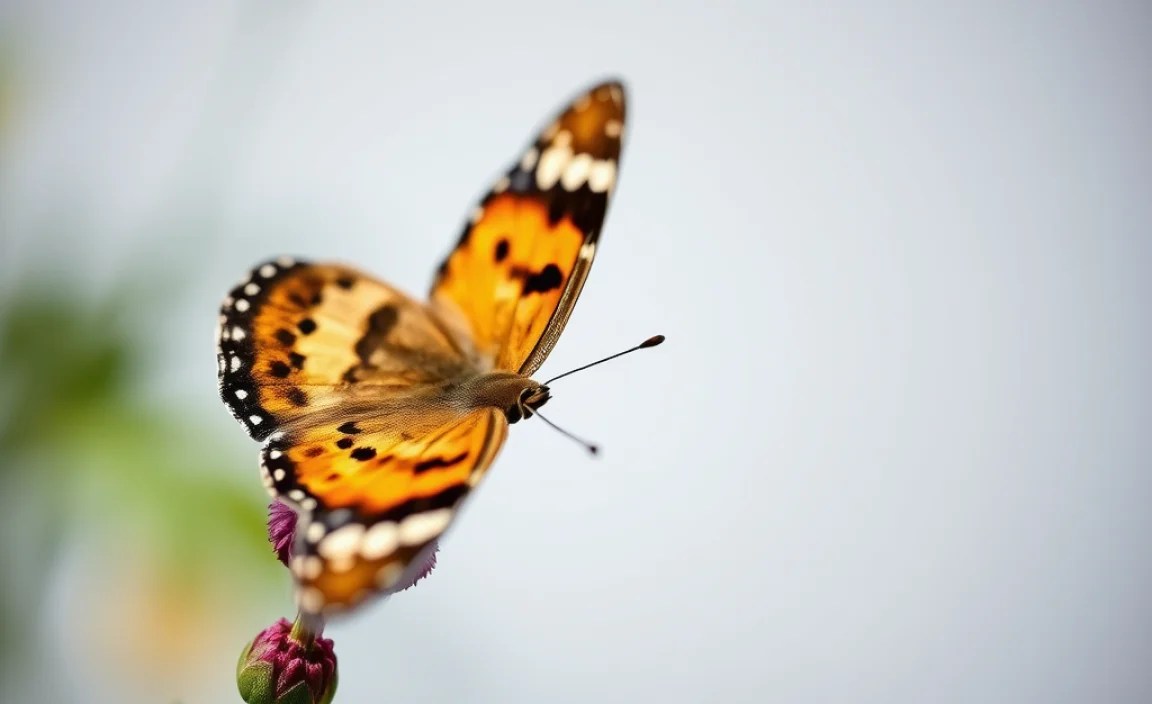
Painted lady butterflies are famous for their long migrations. They travel thousands of miles to find food and breeding grounds. As they migrate, they pollinate plants along the way. The painted lady butterfly and pollination are connected by their travels. They help plants reproduce in many different regions. This is important for maintaining healthy ecosystems. These butterflies move from place to place, bringing pollen with them. They are an important part of the environment, and their migrations help plants to grow and thrive. They are truly amazing creatures that we need to learn to protect.
- Butterflies migrate long distances.
- They pollinate plants along the way.
- This helps plants reproduce in different regions.
- Migration is important for plant health.
- Painted lady butterflies are great travelers.
Imagine a painted lady butterfly starting its journey. It flies from one flower to another, drinking nectar and collecting pollen. It travels hundreds of miles, crossing mountains and deserts. As it flies, it leaves a trail of pollen behind it. This pollen helps plants in different areas to reproduce. The painted lady butterfly and pollination are a vital part of this process. The butterflies travel to new places, and they help plants grow wherever they go. They are like flying gardeners, spreading life and beauty across the land. They are an important part of the environment, and we need to protect them and their homes.
Fun Fact or Stat: Painted lady butterflies can fly up to 100 miles in a single day during their migration!
Why Butterflies Migrate
Butterflies migrate for many reasons. They may be looking for warmer weather or more food. They may also be searching for places to lay their eggs. The painted lady butterfly migrates to find the best conditions for survival. They fly long distances to find the resources they need. The painted lady butterfly and pollination are connected by this search for resources. As they fly, they help plants reproduce. They are an essential part of the environment, and their migrations help plants to grow and thrive.
The Impact of Migration on Plant Life
Migration has a big impact on plant life. When butterflies migrate, they carry pollen to new areas. This helps plants in those areas reproduce. The painted lady butterfly is especially important because it migrates long distances. It can carry pollen across entire continents. The painted lady butterfly and pollination are essential for maintaining plant diversity. By spreading pollen far and wide, they help plants adapt to different environments. It is important to protect these creatures so that they can continue to help plants thrive.
Challenges of Migration
Migration is not easy. Butterflies face many challenges along the way. They have to deal with bad weather, lack of food, and predators. The painted lady butterfly is a strong and resilient insect. It can overcome these challenges and complete its migration. The painted lady butterfly and pollination both rely on the butterfly’s ability to survive. Without the butterfly’s migration, many plants would not be able to reproduce. It is important to protect these creatures so that they can continue to help plants thrive.
Attracting Painted Lady Butterflies For Pollination

Want to attract painted lady butterflies to your garden? Plant flowers that they love. They like bright colors and sweet smells. Some good choices include zinnias, butterfly bushes, and milkweed. Make sure to provide a water source, like a shallow dish of water. Avoid using pesticides, which can harm butterflies. By creating a butterfly-friendly garden, you can help with pollination. The painted lady butterfly and pollination go hand in hand. The more butterflies you attract, the more your plants will get pollinated. This is a great way to help the environment and enjoy beautiful butterflies at the same time. They are important for plant life, and attracting them to your garden is a great way to help.
- Plant colorful flowers.
- Provide a water source.
- Avoid using pesticides.
- Create a butterfly-friendly habitat.
- Attract more butterflies for pollination.
Imagine your garden filled with painted lady butterflies. They flutter from flower to flower, drinking nectar and spreading pollen. Your plants are thriving because of their help. You feel good knowing that you are helping the environment. The painted lady butterfly and pollination are working together in your garden. By creating a welcoming space for butterflies, you are making a difference. They are important for plant life, and by attracting them to your garden, you are helping to make sure that your plants grow and thrive. It is a rewarding experience to see the butterflies in your garden, and it is good for the environment as well.
Fun Fact or Stat: Butterflies are attracted to the color yellow more than any other color!
Choosing the Right Flowers
When choosing flowers for your butterfly garden, think about what butterflies like. They prefer flowers that are bright and colorful. They also like flowers that have a lot of nectar. Some good choices include zinnias, marigolds, and butterfly bushes. The painted lady butterfly is especially fond of these flowers. The painted lady butterfly and pollination are supported by these flower choices. Make sure that your garden has a variety of flowers. This will attract different types of butterflies and other pollinators. It is important to choose the right plants for your garden so that the butterflies will be attracted to it.
Providing Water
Butterflies need water just like we do. They drink water to stay hydrated. You can provide water for butterflies in your garden. Simply fill a shallow dish with water. Add some pebbles or stones so the butterflies can land without drowning. The painted lady butterfly will appreciate this water source. The painted lady butterfly and pollination are both supported by providing water. Butterflies need water to fly and pollinate. Make sure that there is always water available for them. This will help them to stay healthy and active in your garden.
Avoiding Pesticides
Pesticides can harm butterflies and other pollinators. Avoid using pesticides in your garden. If you have to use them, choose organic options. Be careful not to spray the flowers that butterflies visit. The painted lady butterfly is very sensitive to pesticides. The painted lady butterfly and pollination are both threatened by these chemicals. Protect the butterflies by avoiding pesticides in your garden. This will help them to stay healthy and active, and they will be able to continue to pollinate your plants. It is important to protect the butterflies from harmful chemicals.
Threats To Painted Lady Butterfly Pollination

Painted lady butterflies face many threats. Habitat loss is a big problem. When forests and fields are destroyed, butterflies lose their homes and food sources. Climate change is also a threat. Changes in temperature and rainfall can affect butterfly populations. Pesticides can harm butterflies. These chemicals can kill butterflies and other beneficial insects. The painted lady butterfly and pollination are both at risk. We need to take action to protect these important insects. They are important for plant life, and it is important to make sure that they can continue to pollinate plants.
- Habitat loss is a major threat.
- Climate change affects butterfly populations.
- Pesticides can harm butterflies.
- Pollution can harm butterflies.
- These threats affect pollination.
Imagine a world without butterflies. It would be a much less colorful place. Many plants would struggle to reproduce. The painted lady butterfly and pollination would be greatly affected. We need to protect butterflies from the threats they face. We can do this by preserving habitats, reducing pollution, and avoiding pesticides. By taking these actions, we can help butterflies thrive. They are important for plant life, and it is important to make sure that they can continue to pollinate plants. We must protect these amazing creatures and make sure they can continue to thrive.
Fun Fact or Stat: Butterfly populations have declined by as much as 90% in some areas due to habitat loss and pesticide use!
Habitat Loss
Habitat loss is a major threat to butterflies. When forests and fields are destroyed, butterflies lose their homes and food sources. This can lead to a decline in butterfly populations. The painted lady butterfly is particularly vulnerable to habitat loss. The painted lady butterfly and pollination are both affected when butterflies lose their habitats. We need to protect natural areas to provide butterflies with the resources they need to survive. It is important to protect their homes so that they can continue to pollinate plants.
Climate Change
Climate change can affect butterfly populations in many ways. Changes in temperature and rainfall can disrupt butterfly life cycles. Extreme weather events, like droughts and floods, can also harm butterflies. The painted lady butterfly is adapted to specific climate conditions. The painted lady butterfly and pollination are both threatened by climate change. We need to take action to reduce greenhouse gas emissions and protect butterflies from the impacts of climate change. We need to protect them so they can continue to pollinate plants.
Pesticide Use
Pesticides can harm butterflies and other beneficial insects. These chemicals can kill butterflies directly, or they can contaminate their food sources. The painted lady butterfly is very sensitive to pesticides. The painted lady butterfly and pollination are both threatened by pesticide use. We need to reduce our reliance on pesticides and find alternative ways to control pests. We need to protect them so they can continue to pollinate plants. It is important to be mindful of the chemicals that we are using in our gardens and farms.
Conserving Painted Lady Butterfly Habitats

Conserving painted lady butterfly habitats is important. It helps protect these amazing insects. It also helps protect the pollination they provide. You can help by planting native flowers. You can also create butterfly gardens. Avoid using pesticides. Support organizations that protect butterfly habitats. The painted lady butterfly and pollination both benefit from these efforts. By working together, we can help ensure that these butterflies thrive for many years to come. We must protect their homes so they can continue to pollinate the plants that we need to survive.
- Plant native flowers.
- Create butterfly gardens.
- Avoid using pesticides.
- Support conservation organizations.
- Protect butterfly habitats.
Imagine a world where painted lady butterflies are abundant. They flutter through fields of wildflowers, pollinating plants as they go. This is the world we can create by conserving butterfly habitats. The painted lady butterfly and pollination are essential for a healthy ecosystem. By protecting butterfly habitats, we are protecting the environment for future generations. We must protect their homes so they can continue to pollinate the plants that we need to survive. It is our responsibility to make sure that these amazing creatures can continue to thrive in our world.
Fun Fact or Stat: Butterfly habitats are disappearing at a rate of 6,000 acres per day due to development and agriculture!
Creating Butterfly Gardens
Creating butterfly gardens is a great way to help painted lady butterflies. Choose a sunny spot in your yard. Plant flowers that are native to your area. Provide a water source, such as a shallow dish of water. Avoid using pesticides. The painted lady butterfly and pollination both benefit from butterfly gardens. By creating a welcoming space for butterflies, you are helping to protect them. It is important to provide them with food, water, and shelter so that they can thrive. We must protect their homes so they can continue to pollinate the plants that we need to survive.
Supporting Conservation Organizations
Many organizations are working to protect butterfly habitats. You can support these organizations by donating your time or money. You can also spread awareness about the importance of butterfly conservation. The painted lady butterfly and pollination both benefit from these efforts. By supporting conservation organizations, you are helping to protect the environment for future generations. It is important to get involved and make a difference in the world. We must protect their homes so they can continue to pollinate the plants that we need to survive.
Avoiding Pesticides
Pesticides can harm butterflies and other beneficial insects. Avoid using pesticides in your yard. If you must use them, choose organic options. Be careful not to spray the flowers that butterflies visit. The painted lady butterfly and pollination both suffer from pesticide use. By avoiding pesticides, you are helping to protect butterflies and other pollinators. It is important to be mindful of the chemicals that we are using in our gardens and farms. We must protect them so they can continue to pollinate the plants that we need to survive.
| Conservation Action | Benefits |
|---|---|
| Planting native flowers | Provides food and habitat for butterflies |
| Creating butterfly gardens | Offers a safe space for butterflies to thrive |
| Avoiding pesticides | Protects butterflies from harmful chemicals |
| Supporting conservation orgs | Helps fund research and habitat protection |
Summary
The painted lady butterfly is a vital pollinator. It helps plants reproduce by carrying pollen from flower to flower. This process is essential for creating fruits, vegetables, and seeds. These butterflies migrate long distances, spreading pollen across different regions. Their role in pollination is crucial for maintaining healthy ecosystems. They help with the growth of plants and flowers that are essential for animals and people. The painted lady butterfly and pollination are linked, and it is important to protect these creatures and their homes.
Protecting butterfly habitats is key to supporting painted lady butterfly and pollination efforts. You can attract these butterflies to your garden by planting colorful flowers they love. Avoiding pesticides is also important. By taking these steps, you can help ensure that painted lady butterflies continue to thrive and pollinate our plants. The painted lady butterfly and pollination are essential for a healthy environment, and we must do everything we can to protect them.
Conclusion
Painted lady butterflies are important pollinators. They help plants make new seeds. These butterflies travel far. They carry pollen to many places. Protecting their homes is very important. We must plant flowers they like. We should avoid using pesticides. The painted lady butterfly and pollination are connected. Let’s help these butterflies thrive. They are a vital part of our world.
Frequently Asked Questions
Question No 1: What is pollination and why is it important?
Answer: Pollination is when pollen moves from one flower to another. This helps plants make seeds and reproduce. It is very important because many of the fruits and vegetables we eat depend on pollination. Without pollinators like the painted lady butterfly, many plants would not be able to make new plants. It is something that we must protect so that our world can continue to thrive. The process of pollination is essential for maintaining plant diversity and supporting ecosystems.
Question No 2: How does the painted lady butterfly help with pollination?
Answer: The painted lady butterfly flies from flower to flower, drinking nectar. As it does, pollen sticks to its body. When the butterfly visits another flower, some of the pollen rubs off. This helps the plant make seeds. The painted lady butterfly and pollination are connected because the butterfly carries the pollen to different flowers. This process helps the plants reproduce and grow. The butterflies get nectar for energy, and the plants get to reproduce.
Question No 3: What kinds of flowers attract painted lady butterflies?
Answer: Painted lady butterflies like bright, colorful flowers. They are attracted to red, orange, and yellow flowers. Some good choices for your garden include zinnias, marigolds, and butterfly bushes. These flowers have lots of nectar, which the butterflies need for energy. The painted lady butterfly and pollination are helped by planting these flowers. The flowers provide food for the butterflies, and the butterflies help pollinate the flowers.
Question No 4: What are some threats to painted lady butterflies?
Answer: Painted lady butterflies face many threats. Habitat loss is a big problem. When forests and fields are destroyed, butterflies lose their homes and food sources. Pesticides can also harm butterflies. These chemicals can kill butterflies and other beneficial insects. Climate change also harms butterflies. The painted lady butterfly and pollination are both at risk from these threats. It is important to protect these creatures so they can continue to help our plants grow.
Question No 5: How can I help protect painted lady butterflies?
Answer: There are many things you can do to help protect painted lady butterflies. You can plant native flowers in your garden. You can also create a butterfly garden. Avoid using pesticides in your yard. Support organizations that protect butterfly habitats. The painted lady butterfly and pollination both benefit from these actions. By working together, we can help ensure that these butterflies thrive for many years to come. It is important to protect these creatures so they can continue to help our plants grow.
Question No 6: Why is it important to conserve painted lady butterfly habitats?
Answer: Conserving painted lady butterfly habitats is important for several reasons. First, it helps protect these amazing insects from extinction. Second, it helps protect the pollination they provide. Pollination is essential for the reproduction of many plants, including crops that we rely on for food. The painted lady butterfly and pollination are essential for maintaining healthy ecosystems. We must protect their homes so they can continue to pollinate the plants that we need to survive.


