
Painted Lady Butterfly Scientific Classification: Ultimate Guide

Have you ever seen a butterfly with orange, black, and white wings? It might have been a painted lady butterfly! Butterflies are beautiful and interesting. Scientists give each butterfly a special name. This helps them learn about all the different kinds of butterflies. Understanding the painted lady butterfly scientific classification helps us know where it fits in the world of living things.
Did you know that the painted lady butterfly can travel very far? These butterflies migrate, or move from one place to another. They do this to find food and good weather. Learning about the painted lady butterfly scientific classification can help us understand more about these amazing journeys. Let’s explore the world of this butterfly!
Key Takeaways
- The painted lady butterfly is a common butterfly found all over the world.
- Painted lady butterflies are known for their long migrations.
- The painted lady butterfly scientific classification places it within the animal kingdom.
- These butterflies are important pollinators, helping plants make new seeds.
- You can attract painted lady butterflies to your garden with nectar-rich flowers.
Understanding Painted Lady Scientific Classification

Have you ever wondered how scientists organize all living things? They use a system called scientific classification. This system helps them understand how different plants and animals are related. The painted lady butterfly scientific classification tells us exactly where this butterfly belongs in that system. It starts with the broadest group, the kingdom, and gets more specific. The painted lady belongs to the animal kingdom. Then it goes into the phylum, class, order, family, genus, and species. Each level helps scientists understand the butterfly better. Knowing the scientific classification helps us learn about the butterfly’s characteristics. It also helps us see how it is related to other butterflies and insects. It is like giving each living thing its own special address. This helps us understand the great variety of life on our planet.
- Kingdom: Animalia (animals)
- Phylum: Arthropoda (insects, spiders, crustaceans)
- Class: Insecta (insects)
- Order: Lepidoptera (butterflies and moths)
- Family: Nymphalidae (brush-footed butterflies)
- Genus: Vanessa
- Species: Vanessa cardui
The painted lady is a member of the Vanessa genus. This genus includes other similar butterflies. The species name, cardui, is unique to the painted lady. This detailed scientific classification is important. It helps scientists all over the world communicate about the same butterfly. Imagine if everyone used different names for the same animal! It would be very confusing. The scientific classification makes sure everyone is talking about the same thing. This is very important for research and conservation efforts. When we understand the painted lady butterfly scientific classification, we can better appreciate its place in the natural world. We can also help protect it and its habitat.
Fun Fact or Stat: The painted lady butterfly can fly up to 100 miles in a single day during its migration!
What is the Kingdom of a Painted Lady Butterfly?
Have you ever thought about what makes an animal an animal? Animals are living things that eat other living things to survive. They can move around on their own. The painted lady butterfly belongs to the animal kingdom. This means it shares some basic characteristics with all other animals. Animals are different from plants, which make their own food. They are also different from fungi and bacteria. Being in the animal kingdom tells us a lot about the butterfly. It tells us how it gets its food, how it grows, and how it interacts with the world around it. Understanding that the painted lady is an animal is the first step in understanding its scientific classification.
What is the Phylum of a Painted Lady Butterfly?
The phylum Arthropoda is a big group of animals. These animals have a hard outer shell called an exoskeleton. They also have bodies divided into segments. Insects, spiders, and crustaceans all belong to this phylum. The painted lady butterfly is an arthropod because it has an exoskeleton and a segmented body. These features help protect the butterfly. They also help it move and interact with its environment. Being in the Arthropoda phylum tells us more about the butterfly’s physical characteristics. It helps us understand how it is similar to other insects and spiders. This is an important part of the painted lady butterfly scientific classification.
What is the Class of a Painted Lady Butterfly?
Insects are a very diverse group of animals. They have three body parts: a head, a thorax, and an abdomen. They also have six legs. The painted lady butterfly is an insect. It has all of these characteristics. Insects are the most common type of animal on Earth. They live in almost every habitat. Being in the class Insecta tells us even more about the butterfly. It helps us understand its body structure and how it functions. This is a key part of understanding the painted lady butterfly scientific classification. Insects play important roles in our ecosystems. They are pollinators, decomposers, and food for other animals.
Painted Lady Butterfly Order and Family

Butterflies and moths belong to the order Lepidoptera. These insects have wings covered in tiny scales. These scales give butterflies and moths their beautiful colors and patterns. The painted lady butterfly is a lepidopteran. Its wings are covered in scales. It has the typical features of a butterfly. Butterflies and moths go through a complete metamorphosis. This means they change a lot during their life cycle. They start as eggs, then become caterpillars. Then they turn into pupae, and finally emerge as adults. The painted lady butterfly goes through this amazing transformation. Understanding its order helps us understand its life cycle. It also helps us see how it is related to other butterflies and moths. It is an important step in understanding the painted lady butterfly scientific classification.
- Butterflies have colorful wings.
- Moths are often active at night.
- Lepidoptera means “scaly wings.”
- Caterpillars eat a lot of leaves.
- Butterflies drink nectar from flowers.
The family Nymphalidae includes brush-footed butterflies. These butterflies have small front legs that they use for tasting. The painted lady butterfly is a brush-footed butterfly. It uses its front legs to taste the flowers it lands on. This family is very diverse. It includes many different types of butterflies with different colors and patterns. The Nymphalidae family is one of the largest butterfly families. These butterflies are found all over the world. Understanding the family of the painted lady butterfly helps us see its unique characteristics. It also helps us understand its place in the butterfly world. This is a key part of the painted lady butterfly scientific classification. It is important to protect these butterflies and their habitats.
Fun Fact or Stat: A butterfly’s wings are so delicate that they are covered in thousands of tiny scales, each about the size of a grain of dust!
What Does Lepidoptera Mean?
Have you ever wondered where the name Lepidoptera comes from? It comes from Greek words. “Lepido” means scale, and “ptera” means wings. So, Lepidoptera means “scaly wings.” This is a perfect name for butterflies and moths. Their wings are covered in tiny scales that overlap like shingles on a roof. These scales give the wings their color and patterns. They also help protect the wings from damage. Looking closely at a butterfly’s wing, you can see the individual scales. They are what make butterflies so beautiful and unique. Understanding the name Lepidoptera helps us appreciate these amazing insects. It also helps us understand the painted lady butterfly scientific classification.
What is Metamorphosis?
Metamorphosis is a big change. Some insects go through this change during their life cycle. Butterflies are a great example. They start as eggs, which hatch into caterpillars. Caterpillars eat a lot and grow quickly. Then, they turn into a pupa, or chrysalis. Inside the pupa, the caterpillar changes into a butterfly. This is an amazing transformation. When the butterfly is ready, it emerges from the pupa. It has wings and can fly. The painted lady butterfly goes through this complete metamorphosis. It is one of the most fascinating things about these insects. Understanding metamorphosis helps us appreciate the life cycle of the painted lady. It also helps us understand its scientific classification.
Why are Brush-Footed Butterflies Unique?
Brush-footed butterflies are special. They have small front legs that look like brushes. They do not use these legs for walking. Instead, they use them for tasting. They have taste sensors on their feet. This helps them find food. When they land on a flower, they taste it with their feet. This tells them if the flower has nectar. If it does, they will use their long proboscis to drink the nectar. The painted lady butterfly is a brush-footed butterfly. It uses its front legs to taste flowers. This is one of the things that makes it unique. Understanding this characteristic helps us understand its scientific classification.
Genus Vanessa and Painted Lady Species
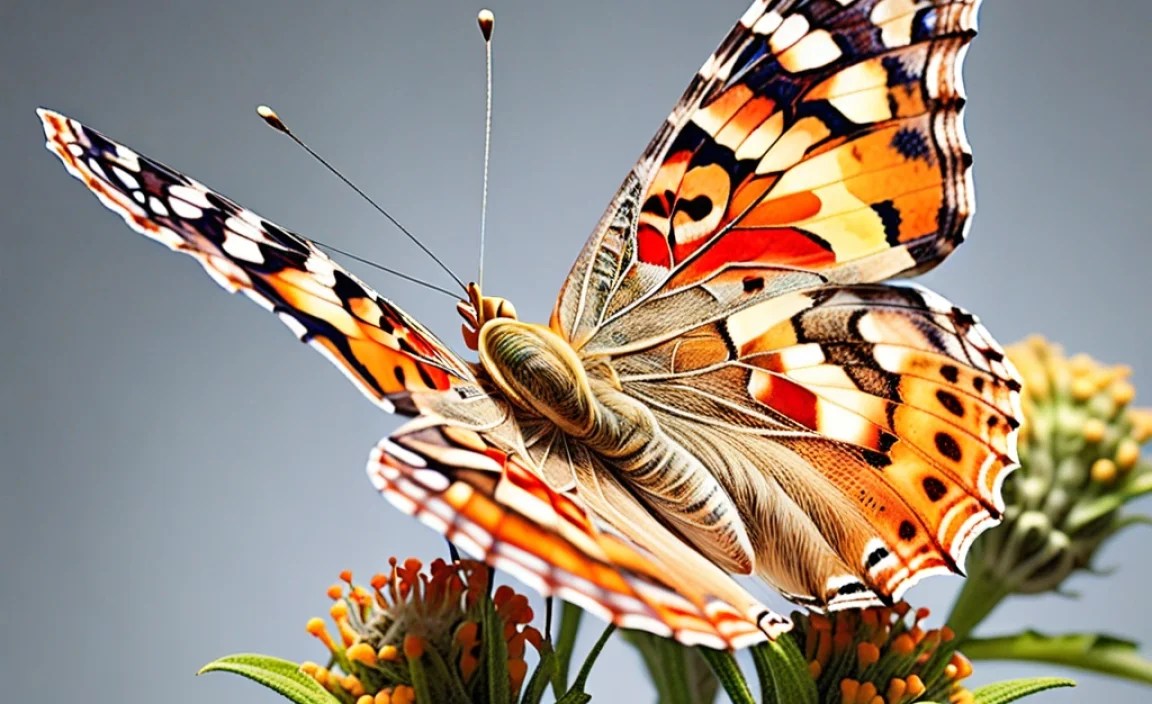
The genus Vanessa includes several species of butterflies. These butterflies share similar characteristics. They often have bright colors and patterns on their wings. They are also known for their migratory behavior. The painted lady butterfly is a member of the Vanessa genus. Other butterflies in this genus include the red admiral and the American painted lady. These butterflies are all related to each other. They share a common ancestor. Studying the Vanessa genus helps scientists understand the relationships between different butterfly species. It also helps them understand the evolution of butterflies. This is an important part of understanding the painted lady butterfly scientific classification.
| Butterfly | Genus | Species | Wing Color |
|---|---|---|---|
| Painted Lady | Vanessa | cardui | Orange, Brown, White |
| Red Admiral | Vanessa | atalanta | Black, Red, White |
| American Painted Lady | Vanessa | virginiensis | Orange, Brown, White |
| West Coast Lady | Vanessa | annabella | Orange, Brown, White |
The species name for the painted lady butterfly is cardui. This name is unique to this butterfly. It distinguishes it from other butterflies in the Vanessa genus. The name cardui comes from the Latin word for thistle. Painted lady butterflies often lay their eggs on thistle plants. The caterpillars eat the thistle leaves. The species name helps scientists around the world know exactly which butterfly they are talking about. This is very important for research and conservation efforts. Understanding the species name is the final step in understanding the painted lady butterfly scientific classification. It helps us appreciate the unique identity of this beautiful butterfly.
Fun Fact or Stat: The species name “cardui” comes from the Latin word for thistle, which is a favorite food of painted lady caterpillars!
What Other Butterflies are in the Vanessa Genus?
The Vanessa genus has some other beautiful butterflies. The red admiral is one of them. It has black wings with red stripes. The American painted lady is another one. It looks similar to the painted lady. The West Coast lady is also in this genus. These butterflies share similar characteristics. They are all related to each other. Scientists study these butterflies to learn more about the Vanessa genus. Understanding the relationships between these butterflies helps us understand the painted lady butterfly scientific classification. It also helps us learn about the evolution of butterflies.
Why is the Species Name Important?
The species name is very important in scientific classification. It is the most specific level of classification. It identifies one particular type of organism. Each species has a unique name. This name is used by scientists all over the world. This helps avoid confusion. The species name for the painted lady butterfly is cardui. This name tells us exactly which butterfly we are talking about. Without the species name, it would be hard to know for sure. Understanding the species name is key to understanding the painted lady butterfly scientific classification. It helps us communicate clearly about this butterfly.
What Does the Name Cardui Mean?
Have you ever wondered what the name cardui means? It comes from the Latin word for thistle. Thistles are plants with prickly leaves and colorful flowers. Painted lady butterflies often lay their eggs on thistle plants. The caterpillars eat the thistle leaves. This is why the butterfly was given the name cardui. The name tells us something about the butterfly’s life and habits. It connects the butterfly to the thistle plant. Understanding the meaning of the name cardui helps us appreciate the painted lady butterfly even more. It also helps us understand its scientific classification.
Painted Lady Butterfly Habitats and Range
Painted lady butterflies live in many different places around the world. You can find them on almost every continent. They live in fields, gardens, and meadows. They also live in deserts and mountains. These butterflies are very adaptable. They can survive in different climates and habitats. This is one reason why they are so common. Painted lady butterflies migrate long distances. They move from one place to another to find food and good weather. Some populations migrate thousands of miles each year. Understanding the habitats and range of the painted lady butterfly helps us understand its ecology. It also helps us understand its behavior and how it interacts with the environment. This is important for conservation efforts. We need to protect the habitats where these butterflies live.
- They live on almost every continent.
- They prefer open areas with flowers.
- They can survive in different climates.
- They migrate long distances each year.
- They lay their eggs on thistle plants.
The migration of the painted lady butterfly is one of the most impressive migrations in the insect world. These butterflies travel thousands of miles. They fly from North Africa to Europe in the spring. They also migrate across North America. They move north in the spring and south in the fall. The butterflies travel in large groups. They can cover hundreds of miles in a single day. Scientists are still studying how these butterflies navigate. They want to understand how they know where to go. The migration of the painted lady butterfly is a fascinating phenomenon. It shows how adaptable and resilient these butterflies are. Understanding their migration patterns is important for their conservation. We need to protect the routes they use to travel. It is important to know their painted lady butterfly scientific classification to learn more about them.
Fun Fact or Stat: Painted lady butterflies are one of the most widespread butterfly species, found on every continent except Antarctica and Australia!
Where Do Painted Lady Butterflies Live?
Painted lady butterflies can live in many places. They are found on almost every continent. They live in North America, Europe, Asia, and Africa. They can live in different types of habitats. They like fields, gardens, and meadows. They can also live in deserts and mountains. These butterflies are very adaptable. They can survive in different climates. This is why they are so common. They can find food and shelter in many different places. Understanding where painted lady butterflies live helps us understand their ecology. It also helps us protect their habitats. Knowing where they live helps us conserve them.
Why Do Painted Lady Butterflies Migrate?
Migration is when animals move from one place to another. Painted lady butterflies migrate to find food and good weather. They cannot survive in cold climates. They move to warmer areas in the winter. They also move to areas where there are more flowers. The caterpillars need food to grow. The butterflies need nectar to drink. They migrate to find these resources. The migration of the painted lady butterfly is a long journey. They can travel thousands of miles. It is an amazing feat of nature. Understanding why they migrate helps us protect them. We need to protect their migration routes.
How Do Scientists Track Painted Lady Butterflies?
Scientists use different methods to track painted lady butterflies. One method is to tag the butterflies. They put a small sticker on the butterfly’s wing. The sticker has a number on it. When someone sees the butterfly, they can report the number. This helps scientists track the butterfly’s movements. Another method is to use radar. Radar can detect large groups of butterflies. This helps scientists see where they are flying. Scientists also use citizen science. They ask people to report sightings of painted lady butterflies. This helps them gather more data. Tracking these butterflies helps scientists understand their migration patterns. This is important for their conservation.
Painted Lady Butterfly Life Cycle
The painted lady butterfly goes through a complete metamorphosis. This means it changes a lot during its life cycle. The life cycle has four stages: egg, larva (caterpillar), pupa (chrysalis), and adult. The female butterfly lays her eggs on plants. The eggs hatch into caterpillars. The caterpillars eat a lot and grow quickly. They shed their skin several times as they grow. Then, the caterpillar turns into a pupa. The pupa is protected by a hard shell called a chrysalis. Inside the chrysalis, the caterpillar changes into a butterfly. When the butterfly is ready, it emerges from the chrysalis. It has wings and can fly. The adult butterfly drinks nectar from flowers. It also mates and lays eggs. The life cycle starts all over again. Understanding the life cycle of the painted lady butterfly is important for understanding its biology. It also helps us appreciate the amazing transformation it goes through.
- Egg: Laid on a host plant.
- Larva: Caterpillar eats and grows.
- Pupa: Caterpillar changes into a butterfly.
- Adult: Butterfly flies and reproduces.
- The cycle repeats.
The caterpillar stage is very important for the painted lady butterfly. The caterpillar eats a lot of leaves. It needs to store energy for the pupa stage. The caterpillar also sheds its skin several times. This is called molting. Each time it molts, it grows bigger. The caterpillar has special mouthparts for chewing leaves. It also has prolegs that help it hold onto plants. The caterpillar stage lasts for several weeks. During this time, the caterpillar can eat a lot of leaves. The caterpillar is a very important part of the painted lady butterfly life cycle. It is the stage where the butterfly grows and develops. Painted lady butterfly scientific classification helps us understand each of these stages in detail.
Fun Fact or Stat: A painted lady caterpillar can eat twice its weight in food each day!
What Do Painted Lady Caterpillars Eat?
Painted lady caterpillars eat the leaves of different plants. They especially like thistle plants. They also eat mallow, sunflower, and other plants. The caterpillars have strong mouthparts for chewing leaves. They eat a lot of leaves to grow quickly. They need the energy to change into a butterfly. The type of plant the caterpillar eats can affect its growth. Some plants are better for them than others. Understanding what painted lady caterpillars eat helps us protect them. We need to make sure they have enough food to survive. Planting these plants in your garden can help them.
How Long Does the Pupa Stage Last?
The pupa stage of the painted lady butterfly lasts for about one to two weeks. During this time, the caterpillar changes into a butterfly. The pupa is protected by a hard shell called a chrysalis. The chrysalis can be different colors. It can be green, brown, or gray. Inside the chrysalis, the caterpillar’s body breaks down. New structures form to create the butterfly. This is an amazing transformation. When the butterfly is ready, it emerges from the chrysalis. The pupa stage is a critical part of the painted lady butterfly life cycle. It is when the butterfly develops its wings and other adult features.
What Do Adult Painted Lady Butterflies Eat?
Adult painted lady butterflies drink nectar from flowers. They use a long, straw-like tongue called a proboscis to drink the nectar. They also drink water and other liquids. They need the nectar for energy. They use the energy to fly and reproduce. The butterflies visit different types of flowers. They like flowers with bright colors and sweet scents. They are important pollinators. They help plants make new seeds. Understanding what adult painted lady butterflies eat helps us protect them. We need to make sure they have enough flowers to feed on. Planting these flowers in your garden can help them.
Attracting Painted Lady Butterflies
Do you want to see painted lady butterflies in your garden? You can attract them by planting the right flowers. Painted lady butterflies like flowers with bright colors and sweet scents. They are especially attracted to nectar-rich flowers. Some good choices include butterfly bush, zinnias, and coneflowers. You can also plant host plants for the caterpillars. Painted lady caterpillars like thistle, mallow, and sunflower plants. By planting these plants, you can provide food for both the butterflies and the caterpillars. You can also provide water for the butterflies. Put a shallow dish of water in your garden. Add some stones so the butterflies can land and drink. Attracting painted lady butterflies to your garden is a great way to enjoy these beautiful insects. It also helps support their populations. Understanding the painted lady butterfly scientific classification can help you better understand what they need to survive.
- Plant nectar-rich flowers.
- Plant host plants for caterpillars.
- Provide a shallow dish of water.
- Avoid using pesticides.
- Create a sunny and sheltered spot.
- Enjoy watching the butterflies!
Avoiding pesticides is very important for attracting painted lady butterflies. Pesticides can harm or kill butterflies and caterpillars. They can also harm other beneficial insects. If you need to use pesticides, choose them carefully. Use them sparingly and only when necessary. You can also use natural methods to control pests. For example, you can use ladybugs to eat aphids. You can also use insecticidal soap to control other pests. By avoiding pesticides, you can create a safe and healthy habitat for painted lady butterflies. You can also protect other wildlife in your garden. Painted lady butterfly scientific classification helps understand their place in the food chain and ecosystems.
Fun Fact or Stat: Butterflies taste with their feet, so make sure your flowers are pesticide-free to keep them happy and healthy!
What Flowers Attract Painted Lady Butterflies?
Painted lady butterflies love flowers with bright colors and sweet scents. Some of their favorite flowers are butterfly bushes, zinnias, and coneflowers. They also like asters, cosmos, and sunflowers. These flowers provide nectar for the butterflies. The butterflies use their long proboscis to drink the nectar. Planting these flowers in your garden will attract painted lady butterflies. You will enjoy watching them flutter around your garden. You will also be helping to support their populations. Remember to choose a variety of flowers that bloom at different times. This will provide a continuous source of nectar for the butterflies.
Why are Host Plants Important?
Host plants are very important for painted lady butterflies. These are the plants that the caterpillars eat. Without host plants, the caterpillars cannot survive. Painted lady caterpillars like thistle, mallow, and sunflower plants. These plants provide the caterpillars with the nutrients they need to grow. Planting host plants in your garden will help attract painted lady butterflies. It will also provide food for the caterpillars. This is a great way to support their populations. Make sure to choose host plants that are native to your area. This will help ensure that they are well-suited to your climate.
How Can You Protect Painted Lady Butterflies?
There are many things you can do to protect painted lady butterflies. One of the most important things is to protect their habitats. This means protecting the fields, gardens, and meadows where they live. You can also plant flowers and host plants in your garden. This will provide food for the butterflies and caterpillars. Avoid using pesticides in your garden. Pesticides can harm or kill butterflies. You can also support organizations that are working to protect butterflies. By taking these steps, you can help ensure that painted lady butterflies continue to thrive. It is important to understand their scientific classification in order to protect them.
Summary
The painted lady butterfly is a fascinating insect. It is found all over the world. It is known for its long migrations and its beautiful wings. Scientists use a system called scientific classification to organize living things. The painted lady butterfly scientific classification helps us understand where it belongs in the natural world. It is in the animal kingdom, the arthropod phylum, and the insect class. It is in the Lepidoptera order and the Nymphalidae family. Its genus is Vanessa, and its species is cardui. Understanding this classification helps us learn about the butterfly’s characteristics and its relationships to other organisms.
The painted lady butterfly goes through a complete metamorphosis. It has four life stages: egg, larva, pupa, and adult. The caterpillars eat the leaves of different plants, especially thistle. The adult butterflies drink nectar from flowers. You can attract painted lady butterflies to your garden by planting nectar-rich flowers and host plants. You can also protect them by avoiding pesticides and providing water. Learning about the painted lady butterfly scientific classification helps us appreciate this beautiful insect and its role in the ecosystem.
Conclusion
The painted lady butterfly is a common and widespread butterfly. It is known for its long migrations and its beautiful colors. Understanding its scientific classification helps us understand its place in the world. It also helps us learn about its life cycle, its habitats, and its behavior. We can help protect these butterflies by providing them with food and shelter. We can also avoid using pesticides that can harm them. By learning about the painted lady butterfly scientific classification we can appreciate these amazing insects even more. We can help ensure that they continue to thrive in our world.
Frequently Asked Questions
Question No 1: What does the scientific name Vanessa cardui mean?
Answer: The painted lady butterfly scientific classification gives it the name Vanessa cardui. Vanessa is the genus name, grouping it with similar butterflies. The species name cardui comes from the Latin word for thistle. Thistle is a common food plant for the painted lady caterpillars. So, the name Vanessa cardui tells us something about the butterfly’s food and its relationship to other butterflies in the Vanessa genus. It’s like a special code that scientists use to identify this particular butterfly.
Question No 2: How does knowing the painted lady butterfly scientific classification help us protect them?
Answer: Knowing the painted lady butterfly scientific classification helps us understand its place in the ecosystem. It also helps us understand its needs. We can learn about their habitats, food sources, and migration patterns. With this knowledge, we can take steps to protect them. We can protect their habitats from destruction. We can also plant the flowers and host plants that they need to survive. Understanding the scientific classification is like having a roadmap for conservation. It helps us make informed decisions about how to protect these beautiful butterflies. We can make sure they thrive for many years to come.
Question No 3: Are painted lady butterflies endangered?
Answer: No, painted lady butterflies are not currently endangered. They are actually one of the most widespread butterfly species in the world. You can find them on almost every continent. However, like all butterflies, they face threats from habitat loss and pesticide use. It is important to protect their habitats and avoid using pesticides. This will help ensure that their populations remain healthy. Even though they are not endangered now, we need to be careful. Understanding the painted lady butterfly scientific classification can help us understand the threats they face.
Question No 4: What is the difference between a butterfly and a moth?
Answer: Butterflies and moths are both in the order Lepidoptera. But they have some key differences. Butterflies are usually active during the day. Moths are usually active at night. Butterflies have colorful wings. Moths often have duller colors. Butterflies hold their wings upright when they rest. Moths hold their wings flat. Butterflies have thin antennae with clubs on the end. Moths have feathery antennae. These differences help us tell them apart. Even though they are different, they are both important pollinators. The painted lady butterfly scientific classification helps us distinguish it from similar moths.
Question No 5: How can I tell the difference between a male and female painted lady butterfly?
Answer: It can be tricky to tell the difference between male and female painted lady butterflies just by looking at them. The males and females look very similar in terms of color and patterns on their wings. However, sometimes the females are slightly larger than the males. Also, during mating season, you might see males actively pursuing females. But, most of the time, you would need a closer look or expert knowledge to tell them apart. Understanding their scientific classification helps us study them better.
Question No 6: What role do painted lady butterflies play in the ecosystem?
Answer: Painted lady butterflies play an important role as pollinators. When they visit flowers to drink nectar, they carry pollen from one flower to another. This helps the plants reproduce. They also serve as a food source for other animals. Birds, lizards, and other insects eat painted lady butterflies and their caterpillars. So, they are part of the food chain. They contribute to the health and balance of the ecosystem. Understanding the painted lady butterfly scientific classification helps us appreciate their importance. We can help protect them and the ecosystem they live in.


