
Painted Lady vs Painted Ladylarva Differences: Easy ID!

Did you ever see a butterfly and a caterpillar? They look so different! One is a painted lady. The other is its larva. Understanding painted lady vs painted ladylarva differences is super cool.
Butterflies start as tiny eggs. These eggs hatch into larvae. The larva eats and grows. It then changes into a pupa. Finally, a beautiful butterfly emerges. This whole process is called metamorphosis.
What if you only saw a caterpillar? You might not know it will become a butterfly! The changes are amazing. Let’s explore what makes them so different.
Key Takeaways
- Painted lady butterflies are beautiful flying insects with colorful wings.
- Painted lady larvae, or caterpillars, are worm-like and eat a lot.
- The biggest painted lady vs painted ladylarva differences are their appearance and jobs.
- Caterpillars focus on eating and growing to prepare for their transformation.
- Butterflies focus on flying, mating, and laying eggs to start the cycle again.
Appearance: Painted Lady vs Painted Ladylarva

The painted lady butterfly and its larva look very different. It’s hard to believe they are the same creature at different stages. The butterfly has bright orange, brown, and black wings. These wings help it fly and attract mates. The caterpillar, or larva, is long and worm-like. It has different colors and patterns. These colors help it hide from predators. The larva also has tiny legs. It uses these to crawl and eat leaves. Imagine seeing both side by side. You would easily notice the huge painted lady vs painted ladylarva differences.
- Butterflies have colorful wings for flying.
- Caterpillars have simple bodies for eating.
- Butterflies have antennae to sense their surroundings.
- Caterpillars have small legs for crawling.
- Butterflies drink nectar using a proboscis.
Think about a superhero. They have a secret identity. The larva is like the secret identity of the butterfly. It’s the early stage where all the growing happens. The butterfly is like the superhero in full costume. It’s ready to fly and save the day. The larva doesn’t have wings. It crawls around on plants. The butterfly has big, beautiful wings. It flies from flower to flower. The painted lady vs painted ladylarva differences show how much they change. One is for growing, and the other is for flying.
Fun Fact or Stat: A painted lady butterfly can fly up to 100 miles per day during migration!
What Colors Do They Have?
Have you ever wondered why butterflies are so colorful? The colors help them attract mates. They also help them hide from predators. Painted lady butterflies have orange, brown, and black wings. These colors make them easy to spot. But they also blend in with flowers. Caterpillars also have colors. Their colors help them hide on leaves. Some caterpillars are green. Others are brown or black. These colors help them avoid being eaten. So, the painted lady vs painted ladylarva differences extend to their color schemes, each suited for their survival needs.
How Big Are They?
Imagine holding a tiny caterpillar in your hand. It’s small and wiggly. Now, imagine a butterfly landing on your finger. It’s bigger and more delicate. Painted lady larvae are small. They grow as they eat. They can reach about two inches long. Painted lady butterflies are bigger. Their wingspan is about two to three inches. The size difference is another key part of the painted lady vs painted ladylarva differences.
What Shapes Are Their Bodies?
Think of a caterpillar crawling on a leaf. It has a long, round body. This shape helps it move easily. Now, picture a butterfly in flight. It has a slender body and wide wings. This shape helps it fly gracefully. The larva has a simple body shape. It is made for eating and growing. The butterfly has a more complex body shape. It is made for flying and reproducing. The painted lady vs painted ladylarva differences in body shape help them do different things.
Diet: What They Eat and How

The diet of a painted lady and its larva is very different. Larvae eat leaves. They eat a lot of leaves. This helps them grow big and strong. They especially like thistle leaves. They munch and munch all day long. Butterflies drink nectar from flowers. They use a long, straw-like mouthpart called a proboscis. They sip the nectar like juice. This gives them energy to fly. So, the painted lady vs painted ladylarva differences in diet are clear. Caterpillars eat leaves, and butterflies drink nectar.
- Caterpillars eat leaves to grow.
- Butterflies drink nectar for energy.
- Caterpillars have chewing mouthparts.
- Butterflies have a proboscis for sipping.
- Caterpillars eat almost constantly.
- Butterflies eat less frequently.
Imagine being a tiny caterpillar. Your job is to eat, eat, eat! You need to grow big enough to turn into a butterfly. You eat leaves all day long. You don’t even stop to rest. Now, imagine being a butterfly. You fly from flower to flower. You sip nectar to keep your energy up. You need to find a mate and lay eggs. You don’t have much time to eat. The painted lady vs painted ladylarva differences in diet match their different jobs. One grows, and the other flies.
Fun Fact or Stat: A caterpillar can increase its weight by over 1,000 times during its larval stage!
Why Do Caterpillars Eat So Much?
Have you ever seen a caterpillar munching on a leaf? They eat so much because they need energy to grow. They are preparing for a big change. They need to store up enough energy to become a butterfly. The more they eat, the bigger they get. The bigger they get, the better they can transform. Caterpillars are like tiny eating machines. They eat almost non-stop. This constant eating is essential for their future. Without it, they couldn’t become butterflies. That’s a key part of the painted lady vs painted ladylarva differences.
How Do Butterflies Drink Nectar?
Imagine trying to drink juice with a long, bendy straw. That’s how butterflies drink nectar. They have a special mouthpart called a proboscis. It’s like a long, coiled straw. When they want to drink, they uncoil it. They stick it into a flower and sip the nectar. Nectar is sweet and full of energy. It gives butterflies the fuel they need to fly. Butterflies can’t chew. They can only drink. Their proboscis is perfectly suited for this job.
What Kinds of Plants Do They Prefer?
Just like you have favorite foods, painted lady butterflies and caterpillars have favorite plants. Caterpillars love to eat thistle plants. They also eat mallow and other leafy greens. Butterflies prefer flowers with lots of nectar. They like milkweed, asters, and zinnias. Different plants provide different nutrients. Caterpillars need leafy greens to grow. Butterflies need nectar for energy. Choosing the right plants is important for their survival. So, knowing their plant preferences highlights another detail in the painted lady vs painted ladylarva differences.
Movement: Crawling vs. Flying
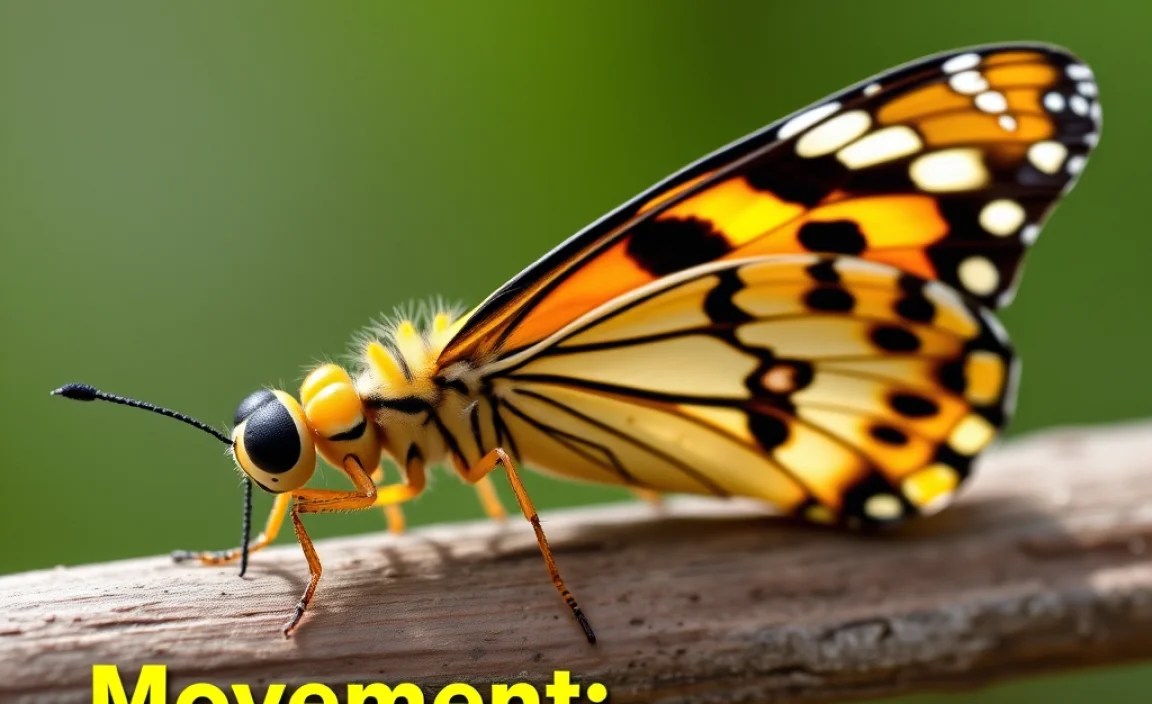
One of the biggest painted lady vs painted ladylarva differences is how they move. Larvae crawl. They have small legs that help them move along leaves. They move slowly and steadily. Butterflies fly. They have wings that help them soar through the air. They move quickly and gracefully. Imagine a caterpillar inching along a branch. Then, picture a butterfly fluttering by. Their ways of moving are completely different. This difference helps them do different things.
- Caterpillars crawl slowly on leaves.
- Butterflies fly quickly through the air.
- Caterpillars use small legs to move.
- Butterflies use wings to fly.
- Caterpillars stay close to their food source.
- Butterflies travel long distances.
Think about a race between a caterpillar and a butterfly. The butterfly would win easily! It can fly high and far. The caterpillar can only crawl slowly. But crawling has its advantages. Caterpillars can easily hide from predators. They can also find food on the ground. Butterflies are more visible. But they can escape danger quickly. The painted lady vs painted ladylarva differences in movement help them survive in different ways.
Fun Fact or Stat: Some painted lady butterflies migrate thousands of miles each year!
How Do Caterpillars Crawl?
Have you ever watched a caterpillar crawl? They move in a wave-like motion. They have tiny legs on their body segments. They grip the surface with these legs. Then, they pull the rest of their body forward. It looks like they are doing a little dance. Crawling is slow, but it’s effective. It allows them to move around and find food. Caterpillars are experts at navigating the plant world. Their crawling helps them survive and grow.
How Do Butterflies Fly?
Imagine a butterfly taking off into the air. It flaps its wings up and down. This creates lift and thrust. The wings are covered in tiny scales. These scales help the butterfly fly efficiently. Butterflies can fly in different directions. They can hover, glide, and even fly backwards. Flying allows them to travel long distances. They can find new food sources and mates. Flying is essential for their survival.
Why Can’t Caterpillars Fly?
Caterpillars don’t have wings. They don’t need them. Their job is to eat and grow. Wings would just get in the way. Caterpillars are designed for crawling. They have strong legs and a flexible body. These features help them move around on plants. Butterflies need wings to fly. They have a lightweight body and large wings. These features help them soar through the air. The painted lady vs painted ladylarva differences in body structure explain why one crawls and the other flies.
Habitat: Where They Live
The painted lady butterfly and its larva live in different places. Larvae live on plants. They stay close to their food source. They can be found on thistles, mallow, and other leafy plants. Butterflies live in gardens, meadows, and fields. They fly from flower to flower. They can be found in many different habitats. The painted lady vs painted ladylarva differences in habitat are important. Caterpillars need plants to eat. Butterflies need flowers for nectar.
- Caterpillars live on plants they eat.
- Butterflies live in gardens and fields.
- Caterpillars stay in one place.
- Butterflies travel to find nectar.
- Caterpillars need leafy plants.
- Butterflies need flowering plants.
Imagine searching for a caterpillar. You would look on the leaves of plants. You might find one hiding under a leaf. Now, imagine searching for a butterfly. You would look in a sunny garden. You might see one flitting among the flowers. The larva is hidden and grounded. The butterfly is visible and free. The painted lady vs painted ladylarva differences in habitat reflect their different lifestyles.
Fun Fact or Stat: Painted lady butterflies can be found on every continent except Antarctica!
What Kind of Plants Do Caterpillars Prefer?
Caterpillars are picky eaters. They prefer certain types of plants. Painted lady caterpillars love thistle plants. They also eat mallow and other leafy greens. These plants provide the nutrients they need to grow. Caterpillars often stay on the same plant for their entire larval stage. They munch and munch until they are ready to pupate. Choosing the right plant is crucial for their survival.
Where Do Butterflies Lay Their Eggs?
Butterflies are careful about where they lay their eggs. They want to make sure the caterpillars have plenty to eat. Painted lady butterflies lay their eggs on thistle plants. They also lay them on mallow and other leafy greens. The eggs are tiny and hard to see. But when they hatch, the caterpillars have a ready-made food source. The butterfly’s choice of plant is vital for the next generation.
How Do Habitats Protect Them?
Different habitats offer different kinds of protection. Caterpillars hide on leaves to avoid predators. Their green color helps them blend in. Butterflies fly high in the air to avoid danger. Their bright colors can also scare away predators. Both caterpillars and butterflies rely on their habitat for survival. The painted lady vs painted ladylarva differences in habitat use reflect their different needs for safety and food.
Life Cycle: From Egg to Butterfly
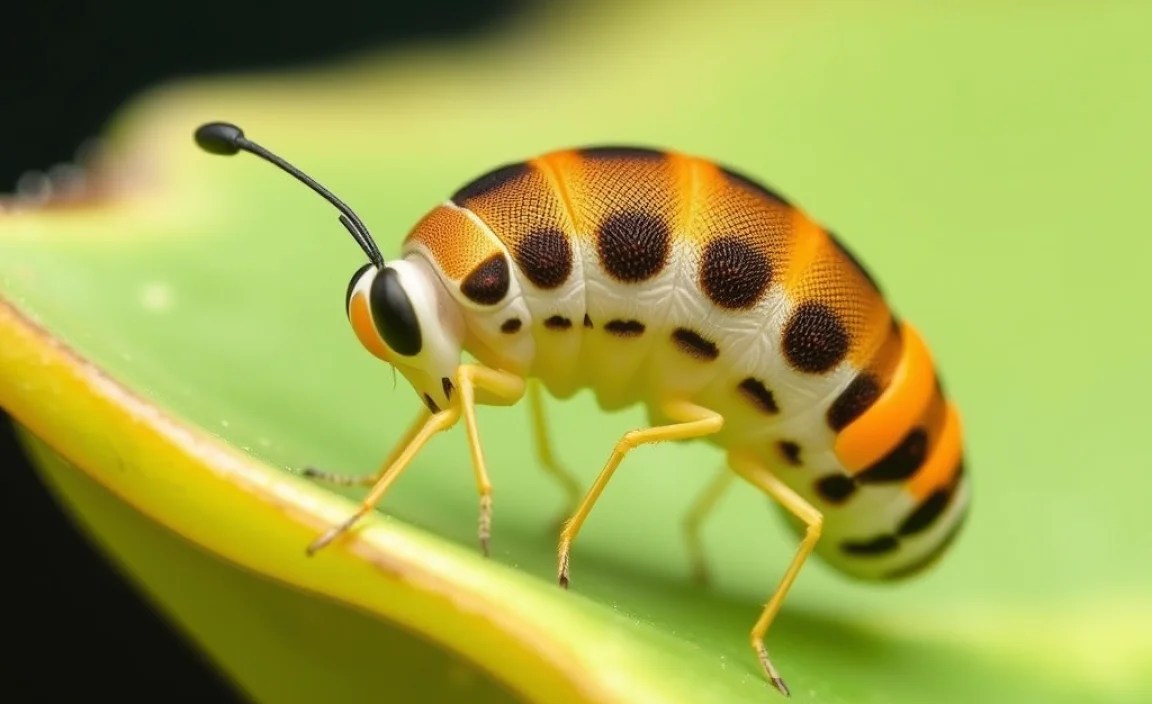
The life cycle of a painted lady is amazing. It starts as a tiny egg. The egg hatches into a larva, or caterpillar. The larva eats and grows. It then changes into a pupa, or chrysalis. Finally, a beautiful butterfly emerges. This process is called metamorphosis. Each stage is very different. The painted lady vs painted ladylarva differences are just part of the story. The whole life cycle is a wonder of nature.
- The life cycle starts with an egg.
- The egg hatches into a caterpillar.
- The caterpillar eats and grows.
- The caterpillar becomes a pupa.
- The pupa transforms into a butterfly.
- The butterfly lays eggs to start again.
Think about a seed turning into a flower. It’s a similar process. The egg is like the seed. It contains everything needed to start a new life. The larva is like the seedling. It grows and develops. The pupa is like the bud. It’s a time of great change. The butterfly is like the flower. It’s the final, beautiful stage. The painted lady vs painted ladylarva differences are just one part of this amazing transformation.
Fun Fact or Stat: The entire life cycle of a painted lady butterfly can take as little as a month!
What Happens Inside the Chrysalis?
The chrysalis is a magical place. Inside, the larva is completely changing. It’s like a tiny factory. The caterpillar’s body breaks down. It then reassembles into a butterfly. Wings, legs, and antennae develop. This process takes several weeks. When it’s done, the butterfly emerges. It’s a brand new creature. The chrysalis is a protected space for this amazing transformation.
How Long Does Each Stage Last?
Each stage of the life cycle has a different length. The egg stage lasts about a week. The larval stage lasts several weeks. The pupa stage lasts about two weeks. The butterfly stage lasts several weeks. The exact length depends on the weather and food supply. But the whole process usually takes a month or two. It’s a relatively quick transformation.
Why Is Metamorphosis Important?
Metamorphosis allows insects to change their form. This allows them to exploit different resources. Caterpillars eat leaves. Butterflies drink nectar. They don’t compete for the same food. Metamorphosis also allows them to live in different habitats. Caterpillars live on plants. Butterflies fly through the air. This reduces competition and increases their chances of survival. The painted lady vs painted ladylarva differences are a result of this important process.
Behavior: Actions and Habits
The behavior of a painted lady butterfly and its larva is very different. Larvae spend most of their time eating. They munch on leaves almost constantly. They are focused on growing. Butterflies spend their time flying. They fly from flower to flower. They are focused on finding nectar and mates. The painted lady vs painted ladylarva differences in behavior reflect their different goals. Caterpillars eat to grow. Butterflies fly to reproduce.
- Caterpillars eat almost constantly.
- Butterflies fly to find nectar.
- Caterpillars stay close to their food.
- Butterflies travel long distances.
- Caterpillars hide from predators.
- Butterflies attract mates.
Imagine watching a caterpillar. It moves slowly and deliberately. It’s focused on finding the best leaves to eat. Now, imagine watching a butterfly. It flits and flutters from flower to flower. It’s searching for nectar and a mate. The larva is grounded and focused. The butterfly is free and playful. The painted lady vs painted ladylarva differences in behavior make them fascinating to watch.
Fun Fact or Stat: Painted lady butterflies are known for their migratory behavior, sometimes traveling thousands of miles!
How Do Caterpillars Protect Themselves?
Caterpillars have several ways to protect themselves. Some caterpillars have camouflage. They blend in with their surroundings. Others have spines or hairs. These make them less appealing to predators. Some caterpillars even release bad-tasting chemicals. These deter predators from eating them. Caterpillars are vulnerable creatures. But they have evolved many ways to survive.
How Do Butterflies Attract Mates?
Butterflies use bright colors and patterns to attract mates. They also release pheromones. These are chemical signals that attract the opposite sex. Male butterflies often perform elaborate courtship dances. They fly around the female and show off their wings. If the female is interested, she will mate with the male. Butterflies are very selective about their mates.
Why Do Butterflies Migrate?
Some butterflies migrate to find better weather and food. Painted lady butterflies are known for their long-distance migrations. They can travel thousands of miles. They fly south in the fall to escape the cold. They fly north in the spring to find new food sources. Migration is a risky behavior. But it allows them to survive in harsh environments.
Table: Painted Lady vs Painted Ladylarva
| Feature | Painted Lady Butterfly | Painted Lady Larva |
|---|---|---|
| Appearance | Colorful wings, slender body | Worm-like body, small legs |
| Diet | Nectar from flowers | Leaves of plants |
| Movement | Flies through the air | Crawls on leaves |
| Habitat | Gardens, meadows, fields | On host plants (e.g., thistles) |
Summary
The painted lady butterfly and its larva are very different. They have different appearances. They eat different foods. They move in different ways. They live in different places. These painted lady vs painted ladylarva differences reflect their different roles in life. The larva eats and grows. The butterfly flies and reproduces. Both stages are important for the survival of the species.
Understanding these differences helps us appreciate the amazing process of metamorphosis. It shows how a simple creature can transform into something beautiful and complex. The journey from egg to butterfly is a wonder of nature. Each stage plays a vital role.
Conclusion
The painted lady butterfly and its larva are fascinating creatures. They show us the power of transformation. The painted lady vs painted ladylarva differences highlight the amazing changes that occur during metamorphosis. By understanding these differences, we can appreciate the beauty and complexity of nature.
Frequently Asked Questions
Question No 1: What is the main difference between a painted lady and its larva?
Answer: The main difference between a painted lady butterfly and its larva, or caterpillar, is their form and function. The caterpillar is a worm-like creature that focuses on eating and growing. It has a simple body with small legs for crawling. The butterfly is a winged insect that focuses on flying and reproducing. It has colorful wings and a slender body. The painted lady vs painted ladylarva differences are easy to spot.
Question No 2: What do painted lady larvae eat?
Answer: Painted lady larvae are big eaters. They primarily feed on the leaves of various plants. Their favorite food is often thistle plants. They also enjoy mallow and other leafy greens. They eat a lot to store energy. This energy helps them transform into butterflies. Their diet is crucial for their growth and development. They munch on leaves almost constantly. This eating habit is a key aspect of their larval stage.
Question No 3: How do painted lady butterflies help the environment?
Answer: Painted lady butterflies are pollinators. They help spread pollen from flower to flower. This helps plants reproduce. They also serve as a food source for birds and other animals. Butterflies are an important part of the food chain. They contribute to the health of ecosystems. While the painted lady vs painted ladylarva differences are stark, both stages play a part in the environment.
Question No 4: How long does it take for a painted lady larva to become a butterfly?
Answer: The time it takes for a painted lady larva to transform into a butterfly varies. It depends on environmental conditions. The whole process from egg to butterfly usually takes about a month or two. The larval stage lasts several weeks. The pupa stage lasts about two weeks. Warm weather and plenty of food can speed up the process. That is an important factor in the painted lady vs painted ladylarva differences.
Question No 5: Are painted lady butterflies and their larvae harmful?
Answer: Painted lady butterflies and their larvae are generally not harmful to humans. Caterpillars eat leaves, but they rarely cause significant damage to plants. Butterflies are harmless. They drink nectar and pollinate flowers. Some people even raise painted lady butterflies as a hobby. The painted lady vs painted ladylarva differences don’t include any harmful aspects to people.
Question No 6: Where can I find painted lady butterflies and their larvae?
Answer: Painted lady butterflies can be found in many places. They live in gardens, meadows, and fields. They are found on almost every continent. Larvae can be found on their host plants. Look for them on thistle plants and other leafy greens. Knowing their habitats can help you spot the painted lady vs painted ladylarva differences in person.


