
Black Swallowtail vs Eastern Swallowtail: Spot the Difference!

Have you ever seen a butterfly and wondered what kind it was? Many butterflies look alike. Two butterflies that people often mix up are the black swallowtail and the eastern swallowtail. What are the differences between black swallowtail vs eastern swallowtail?
Butterflies are beautiful and important. They help plants by moving pollen. Knowing how to tell them apart helps us learn about nature. Let’s explore these two amazing butterflies!
Spotting a butterfly flitting around your garden can be a magical moment. But how do you know if it’s a black swallowtail or an eastern swallowtail? It can be tricky! Both are big and beautiful. They both have black and yellow markings. But if you look closely, you’ll see some key differences. This article will help you become a butterfly expert. You will learn all about black swallowtail vs eastern swallowtail!
Key Takeaways
- Black swallowtail caterpillars love to eat plants like parsley and dill.
- The eastern swallowtail has more yellow and bolder black stripes.
- Black swallowtails have blue spots on their hindwings.
- Both butterflies are important pollinators for flowers and gardens.
- Knowing the difference between black swallowtail vs eastern swallowtail helps us appreciate nature.
Identifying Black Swallowtail vs Eastern Swallowtail
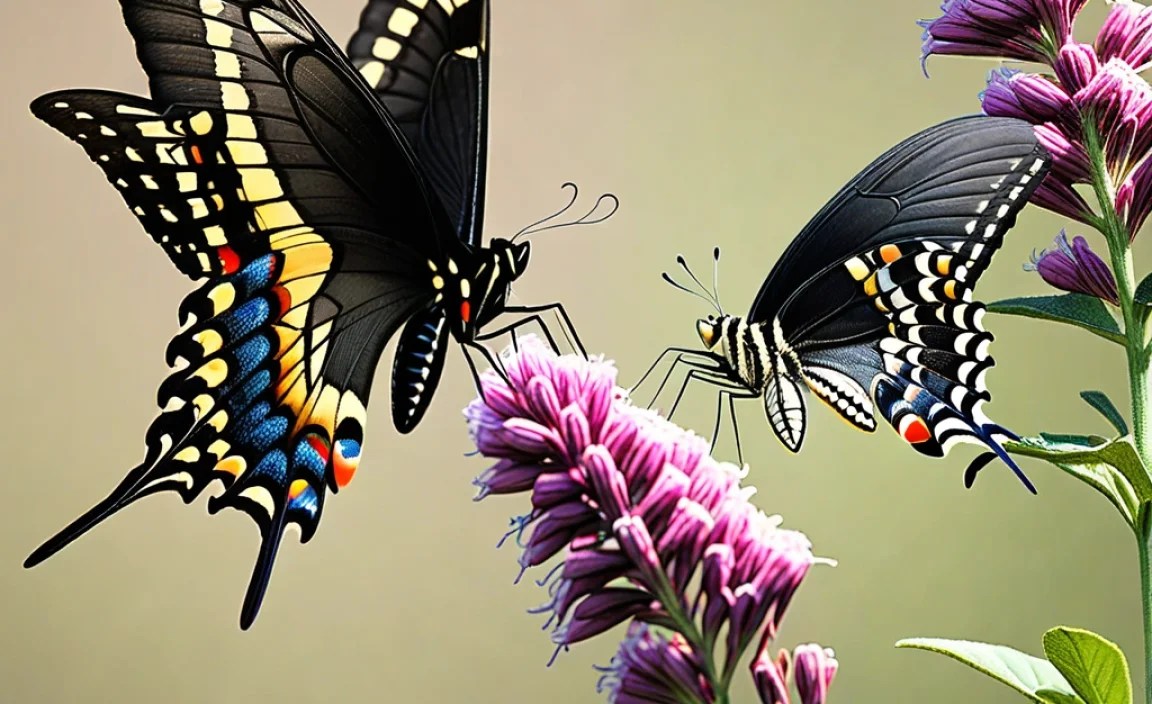
Telling the difference between a black swallowtail and an eastern swallowtail can seem hard. But with a few tips, you can become a butterfly detective! Look at the colors and patterns on their wings. Eastern swallowtails have bright yellow wings with bold black stripes. Black swallowtails are darker. They have more black and less yellow. Female black swallowtails have more blue markings. Pay attention to the size and shape of the wings too. These small details can make a big difference. With practice, you’ll be able to spot the differences easily. You’ll impress your friends with your butterfly knowledge! Always remember to be gentle when observing butterflies. We want to protect these important creatures. They are a vital part of our ecosystem, helping to pollinate flowers and keep our gardens healthy. Enjoy the beauty of nature!
- Eastern swallowtails have more yellow.
- Black swallowtails have more black.
- Females have more blue.
- Wing patterns differ.
- Size can vary slightly.
Another way to tell them apart is by looking at their tails. Both butterflies have tails on their hindwings. But the shape and length can be different. Eastern swallowtails usually have longer tails. Black swallowtails have shorter, rounder tails. Also, consider where you see the butterfly. Eastern swallowtails are more common in open fields and gardens. Black swallowtails are often found near wooded areas. Remember, these are general guidelines. There can be some variation in appearance. But by paying attention to these details, you can increase your chances of correctly identifying the butterfly. Have fun exploring the world of butterflies! Observing these beautiful creatures is a rewarding experience. It connects us to nature and helps us appreciate the small wonders around us. Keep learning and exploring!
Fun Fact or Stat: Butterflies use their feet to taste! They have taste receptors on their feet that help them find food.
What Colors Do They Have?
Black swallowtails and eastern swallowtails both have beautiful colors. But the way these colors are arranged is key to telling them apart. Eastern swallowtails are mostly bright yellow with black stripes. Think of them as sunshine with a little bit of shadow. Black swallowtails are mostly black with some yellow spots. The females have beautiful blue scales on their hindwings. It’s like they’re wearing a sparkly dress! These color differences help them attract mates and hide from predators. Each butterfly has its own unique pattern. No two are exactly alike. So, next time you see a butterfly, take a close look at its colors. You might be surprised at what you discover. The world of butterflies is full of amazing details just waiting to be noticed. Remember to always be respectful of these creatures and their habitat.
How Big Are Their Wings?
The size of a butterfly’s wings can also help you identify it. Eastern swallowtails are usually bigger than black swallowtails. Their wingspan can be up to five inches wide. That’s almost as big as your hand! Black swallowtails are a bit smaller. Their wingspan is usually around three to four inches. While size isn’t the only thing to look at, it can be a helpful clue. Imagine holding a ruler up to a butterfly’s wing. That would be a fun way to measure them! But remember, it’s important to be gentle and not harm the butterfly. You can also estimate their size by comparing them to things you know. Is it about the size of your hand? Or is it smaller, like a playing card? These comparisons can help you get a sense of their size and identify them correctly.
Where Do They Live?
Where you see a butterfly can also give you a clue about what kind it is. Eastern swallowtails are found in many places. They like open fields, gardens, and parks. They are common in the eastern United States. Black swallowtails are also found in the eastern United States. But they often live in meadows, fields, and gardens. They are more likely to be seen near wooded areas. Knowing where each butterfly likes to live can help you narrow down your guess. It’s like being a detective and using clues to solve a mystery. Think about the environment around you. Are you in a wide-open space, or are you surrounded by trees? This information can help you identify the butterfly you’re seeing. The more you observe, the better you’ll become at recognizing different butterflies in their natural habitats.
Distinguishing Features: Eastern vs Black Swallowtail
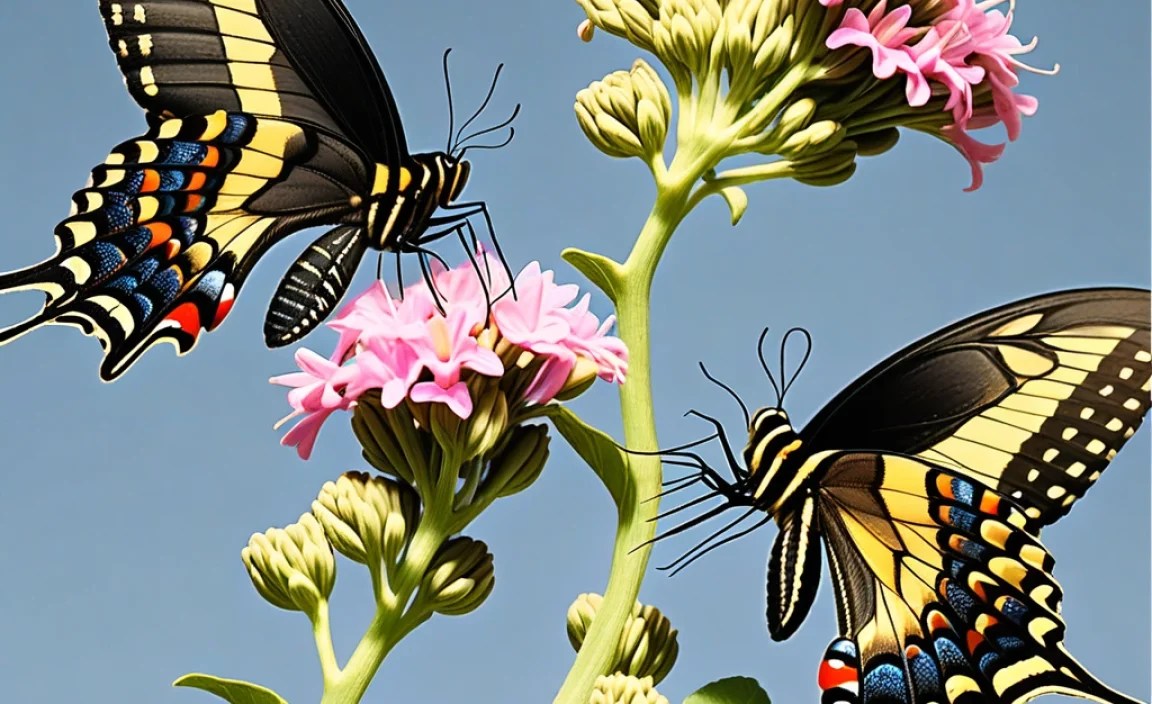
Let’s dive deeper into the specific features. This will make telling the eastern vs black swallowtail apart even easier. Look closely at the hindwings. Eastern swallowtails have a row of yellow spots along the edge. Black swallowtails have blue spots. The shape of the tails is also different. Eastern swallowtails have long, thin tails. Black swallowtails have shorter, wider tails. Pay attention to the black stripes on the wings. Eastern swallowtails have bolder, more defined stripes. Black swallowtails have thinner, less distinct stripes. These small differences can be easy to miss at first. But with practice, you’ll become a pro at spotting them. Remember, the key is to observe carefully and pay attention to the details. The more you look, the more you’ll notice. The world of butterflies is full of fascinating details just waiting to be discovered. So, grab your magnifying glass and get ready to explore!
- Hindwing spots: Yellow (Eastern), Blue (Black).
- Tail shape: Long & thin (Eastern), Short & wide (Black).
- Stripe boldness: Bolder (Eastern), Thinner (Black).
- Overall color: More yellow (Eastern), More black (Black).
- Habitat: Open areas (Eastern), Wooded areas (Black).
Another helpful tip is to look at the underside of the wings. The patterns and colors on the underside can be different from the top. Eastern swallowtails often have a yellow wash on the underside of their hindwings. Black swallowtails have a more mottled pattern. Also, consider the way the butterfly flies. Eastern swallowtails tend to have a more graceful, gliding flight. Black swallowtails have a more erratic, fluttering flight. These subtle differences in behavior can also help you identify them. Remember, there’s no one single feature that will always tell you for sure. It’s best to look at a combination of features to make an accurate identification. The more you practice, the better you’ll become at recognizing these beautiful butterflies. Keep exploring and learning about the amazing world of insects!
Fun Fact or Stat: Butterflies can only see red, green, and yellow colors.
How Are Their Tails Different?
The tails of eastern swallowtails and black swallowtails are noticeably different. Eastern swallowtails have long, elegant tails. These tails are like ribbons trailing behind them as they fly. Black swallowtails have shorter, stubbier tails. They look more like small tabs. The length and shape of the tails are a key feature to look for. Imagine the tails as clues that help you solve the butterfly puzzle. Are the tails long and flowing? Or are they short and rounded? This simple observation can help you quickly identify the butterfly. Remember to be patient and take your time. Observing butterflies is a relaxing and rewarding activity. The more you practice, the better you’ll become at spotting these subtle differences.
What About Their Stripes?
The stripes on a butterfly’s wings are like its own unique signature. Eastern swallowtails have bold, black stripes that stand out against their yellow wings. These stripes are like racing stripes, giving them a sporty look. Black swallowtails have thinner, less defined stripes. Their stripes are more subtle. The stripes on their wings create a more delicate appearance. Pay close attention to the thickness and clarity of the stripes. This can be a quick and easy way to tell the two butterflies apart. Think of the stripes as lines in a coloring book. Are they thick and dark, or thin and light? This simple comparison can help you identify the butterfly correctly. Remember to enjoy the beauty of these creatures and appreciate their unique patterns.
Underside Wing Patterns
Don’t forget to check the underside of the wings! The patterns here can be quite different from the top. Eastern swallowtails often have a soft yellow wash on the underside of their hindwings. It’s like a gentle watercolor painting. Black swallowtails have a more mottled pattern. This means the colors are mixed and blended together. The underside patterns can be a hidden clue that helps you solve the butterfly mystery. Imagine you’re turning the page of a book to reveal a secret message. The underside of the wing is like that secret message. By looking at both sides of the wing, you can get a complete picture of the butterfly’s identity. Remember to be careful when observing butterflies. We want to protect these delicate creatures and their habitats.
Caterpillar Comparison: Black Swallowtail vs Eastern Swallowtail

Did you know that butterflies start as caterpillars? The caterpillars of the black swallowtail vs eastern swallowtail are also different. Black swallowtail caterpillars are green with black stripes and yellow spots. They look like they’re wearing a tiny camouflage outfit. Eastern swallowtail caterpillars are green with black and white stripes. They also have orange spots. These caterpillars are often found on different plants. Black swallowtail caterpillars love to eat plants like parsley, dill, and fennel. Eastern swallowtail caterpillars prefer to eat plants like cherry, birch, and willow. Knowing what the caterpillars look like and what they eat can help you identify them. It’s like being a detective and following the clues to find the culprit. The more you learn about these caterpillars, the more you’ll appreciate the amazing transformation they undergo to become butterflies. Keep exploring and discovering the wonders of nature!
- Black swallowtail caterpillars eat parsley and dill.
- Eastern swallowtail caterpillars eat cherry and birch.
- Black swallowtail caterpillars are green with black and yellow.
- Eastern swallowtail caterpillars are green with black and white.
- Caterpillar food sources are a key differentiator.
The appearance of the caterpillars changes as they grow. Young black swallowtail caterpillars look like bird droppings. This helps them avoid being eaten by predators. As they grow, they turn green with black and yellow markings. Young eastern swallowtail caterpillars are brown and white. They also look like bird droppings. As they grow, they turn green with black and white stripes. The different appearances of the caterpillars help them blend in with their surroundings. This camouflage protects them from predators. It’s amazing how these caterpillars adapt to their environment. They have evolved to survive in a world full of dangers. By observing these caterpillars, we can learn about the incredible adaptations that exist in nature. Keep exploring and discovering the wonders of the natural world!
Fun Fact or Stat: Caterpillars can eat up to 27,000 times their body weight!
What Do They Eat?
What a caterpillar eats is very important. Black swallowtail caterpillars love herbs. They munch on parsley, dill, and fennel. These plants are often found in gardens. Eastern swallowtail caterpillars prefer tree leaves. They eat cherry, birch, and willow. These trees are common in forests and parks. Knowing their favorite foods can help you find them. Imagine you’re a caterpillar chef. You need to know what ingredients to use to attract your customers. The same is true for finding caterpillars in the wild. By knowing their favorite foods, you can increase your chances of spotting them. Remember to be respectful of their habitat. We want to protect these creatures and their food sources.
How Do They Look as Caterpillars?
Caterpillars come in all shapes and sizes. Black swallowtail caterpillars are green with black stripes and yellow dots. They look like tiny, colorful worms. Eastern swallowtail caterpillars are green with black and white stripes. They also have some orange spots. The way they look can help them hide. Imagine you’re a caterpillar artist. You want to create a design that will help you blend in with your surroundings. The same is true for real caterpillars. Their colors and patterns help them avoid being seen by predators. By observing their appearance, we can learn about the amazing adaptations that exist in nature. Remember to be patient and take your time. Observing caterpillars is a rewarding experience.
How Do They Change as They Grow?
Caterpillars change a lot as they grow. Young black swallowtail caterpillars look like bird poop. This helps them avoid predators. As they get older, they turn green and colorful. Young eastern swallowtail caterpillars also look like bird poop. They change to green with stripes as they grow. This change helps them survive. Imagine you’re a caterpillar magician. You can transform your appearance to avoid danger. The same is true for real caterpillars. Their ability to change helps them adapt to their environment. By observing these changes, we can learn about the amazing process of metamorphosis. Remember to appreciate the beauty and complexity of the natural world.
Habitat Preferences: Eastern and Black Swallowtails
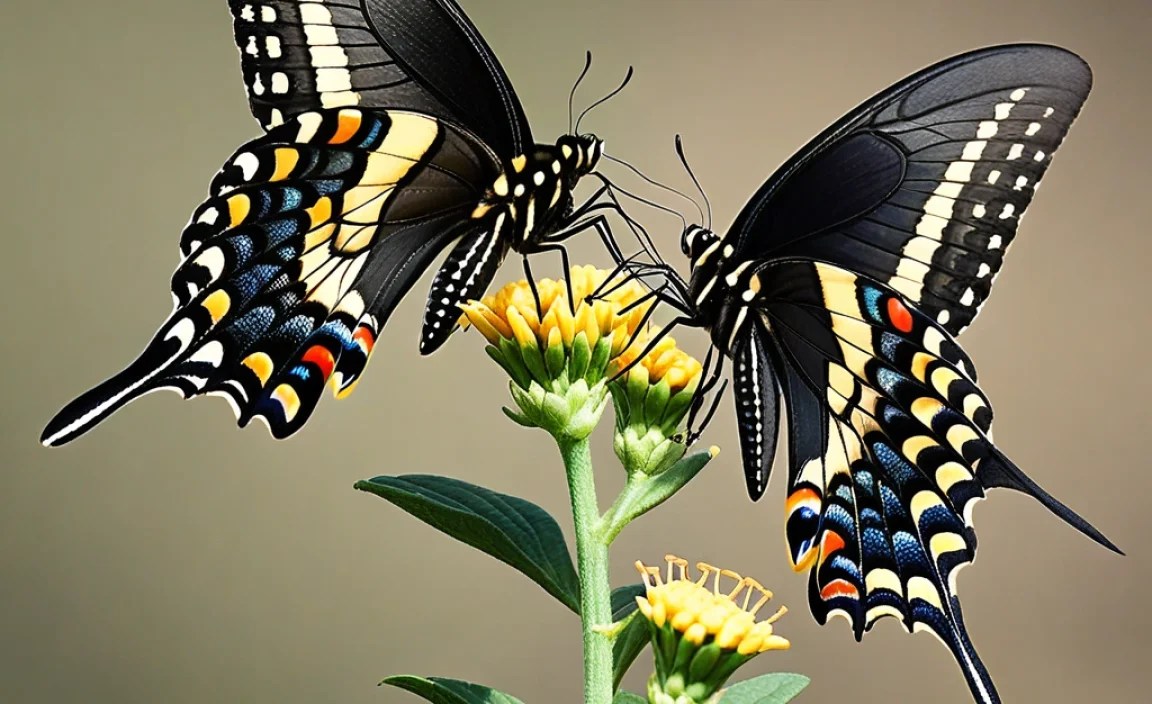
Where do eastern and black swallowtails like to live? Eastern swallowtails prefer open areas. They love fields, gardens, and parks. You can often see them flying around flowers. Black swallowtails also like gardens and fields. But they are more often found near wooded areas. They like places with lots of plants and trees. The type of habitat they prefer can help you identify them. Imagine you’re planning a vacation for a butterfly. You need to choose a location that has the right food, shelter, and climate. The same is true for real butterflies. Their habitat preferences are based on their needs. By observing their habitat, we can learn about the factors that influence their survival. Remember to protect these habitats so that butterflies can continue to thrive.
- Eastern swallowtails like open fields.
- Black swallowtails prefer wooded areas.
- Both like gardens.
- Habitat influences diet.
- Habitat helps them hide.
The climate also affects where they live. Eastern swallowtails are found in the eastern United States. They can tolerate a wide range of temperatures. Black swallowtails are also found in the eastern United States. But they are more common in areas with mild winters. The climate plays a big role in their distribution. Imagine you’re a butterfly explorer. You need to map out the areas where different butterflies can survive. The same is true for scientists who study butterflies. Climate is a key factor in determining where they can live. By understanding the relationship between butterflies and climate, we can better protect them from the effects of climate change. Remember to be mindful of our impact on the environment.
Fun Fact or Stat: Some butterflies migrate thousands of miles each year!
Where Do Eastern Swallowtails Live?
Eastern swallowtails are common in the eastern United States. They like open areas, such as fields and gardens. You can often see them flying around flowers. They are also found in parks and along roadsides. These butterflies are adaptable. They can live in a variety of habitats. Imagine you’re an eastern swallowtail looking for a home. You want a place with plenty of sunshine, flowers, and shelter. The same is true for real eastern swallowtails. They need habitats that provide them with the resources they need to survive. By protecting these habitats, we can help ensure that eastern swallowtails continue to thrive. Remember to be mindful of the impact of human activities on butterfly habitats.
Where Do Black Swallowtails Live?
Black swallowtails also live in the eastern United States. But they are more often found near wooded areas. They like gardens and fields too. But they prefer places with more trees and shrubs. These butterflies are often seen near forests. They need a mix of open areas and wooded areas. Imagine you’re a black swallowtail looking for a home. You want a place with both sunshine and shade. The same is true for real black swallowtails. They need habitats that provide them with the resources they need. By protecting these habitats, we can help ensure that black swallowtails continue to thrive. Remember to be mindful of the impact of human activities on butterfly habitats.
How Does Climate Affect Them?
Climate plays a big role in where butterflies can live. Eastern swallowtails can tolerate a wide range of temperatures. They are found in areas with hot summers and cold winters. Black swallowtails prefer areas with mild winters. They are less common in areas with very cold temperatures. The climate affects their ability to survive and reproduce. Imagine you’re a butterfly scientist studying the effects of climate change. You need to understand how different temperatures and weather patterns affect butterflies. The same is true for real scientists. Climate is a key factor in determining where butterflies can live. By understanding the relationship between butterflies and climate, we can better protect them from the effects of climate change. Remember to be mindful of our impact on the environment.
Diet and Host Plants: Black vs Eastern Swallowtail
What do these butterflies eat? The diet of black vs eastern swallowtail butterflies is different. As caterpillars, they eat different plants. These plants are called host plants. Black swallowtail caterpillars eat plants in the parsley family. This includes parsley, dill, fennel, and carrots. Eastern swallowtail caterpillars eat leaves from trees. This includes cherry, birch, willow, and ash trees. Adult butterflies drink nectar from flowers. They like flowers of different colors and shapes. Knowing their diet and host plants can help you attract them to your garden. Imagine you’re a butterfly gardener. You want to create a garden that will attract all kinds of butterflies. The same is true for real butterfly gardeners. By planting the right host plants and flowers, you can create a butterfly paradise. Remember to use organic gardening practices to protect butterflies from harmful chemicals.
- Black swallowtail caterpillars eat parsley and dill.
- Eastern swallowtail caterpillars eat cherry and birch.
- Adults drink nectar from flowers.
- Host plants attract caterpillars.
- Flowers attract adult butterflies.
The type of flowers that adult butterflies prefer varies. Eastern swallowtails like flowers with long tubes. This includes honeysuckle and butterfly bush. Black swallowtails like flowers with flat surfaces. This includes zinnias and daisies. The shape of the flower affects how easily they can reach the nectar. Imagine you’re a butterfly designer. You need to create flowers that are perfectly suited for different butterflies. The same is true for real flower designers. The shape and color of the flower can attract different pollinators. By understanding the relationship between butterflies and flowers, we can create beautiful and functional gardens. Remember to plant a variety of flowers to attract different types of butterflies.
Fun Fact or Stat: Butterflies have a long, straw-like tongue called a proboscis.
What Nectar Flowers Do They Like?
Adult butterflies drink nectar from flowers. Eastern swallowtails like flowers with long tubes. They can reach the nectar with their long tongues. They enjoy honeysuckle and butterfly bush. Black swallowtails prefer flowers with flat surfaces. They can easily land and drink. They like zinnias and daisies. Knowing their preferences helps you plant a butterfly garden. Imagine you are a butterfly waiter. You need to serve the right drinks to your customers. The same is true for butterfly gardeners. Plant the right flowers to attract them. Remember to use organic gardening practices. This protects butterflies from harm.
Which Plants Support Their Caterpillars?
Caterpillars need specific plants to eat. These are called host plants. Black swallowtail caterpillars eat parsley and dill. They also like fennel and carrots. Plant these in your garden. Eastern swallowtail caterpillars eat leaves from trees. They like cherry, birch, and willow trees. These trees support their growth. Providing host plants helps butterflies thrive. Imagine you are a caterpillar parent. You need to provide the right food for your children. The same is true for butterfly gardeners. Plant host plants to support caterpillars. Remember to protect these plants from pests. This helps the caterpillars survive.
How Does Their Diet Affect Them?
A butterfly’s diet affects its health and survival. Caterpillars need nutritious food to grow. Adult butterflies need nectar for energy. Black swallowtail caterpillars eat parsley and dill. These plants provide them with vitamins and minerals. Eastern swallowtail caterpillars eat tree leaves. These leaves give them the nutrients they need. A good diet helps them become strong butterflies. Imagine you are a butterfly nutritionist. You need to create a balanced diet for these creatures. The same is true for butterfly enthusiasts. Provide the right food to support their health. Remember to avoid pesticides that can harm them. This ensures they have a healthy diet.
Life Cycle Differences: Eastern vs Black Swallowtail
Butterflies go through a process called metamorphosis. This means they change a lot during their life. The life cycle of eastern vs black swallowtail butterflies is similar. But there are some small differences. Both start as eggs. The eggs are laid on host plants. The eggs hatch into caterpillars. The caterpillars eat and grow. They shed their skin several times. This is called molting. The caterpillar turns into a pupa. The pupa is also called a chrysalis. Inside the chrysalis, the butterfly develops. Finally, the butterfly emerges. It flies away to reproduce. The whole process takes several weeks. The timing of each stage can vary. It depends on the temperature and other factors. Knowing the life cycle helps you understand butterflies. Imagine you are a butterfly time traveler. You can witness all the stages of their development. The same is true for butterfly observers. Watch them transform from egg to butterfly. Remember to respect their life cycle. Avoid disturbing them during these stages.
- Both start as eggs.
- Eggs hatch into caterpillars.
- Caterpillars molt and grow.
- They form a pupa (chrysalis).
- Butterflies emerge and reproduce.
- Timing can vary based on temperature.
The appearance of the chrysalis can be different. Black swallowtail chrysalises can be green or brown. The color depends on their surroundings. Eastern swallowtail chrysalises are usually brown. The chrysalis provides protection during development. Imagine you are a butterfly architect. You need to design a safe and comfortable home for the pupa. The same is true for nature. The chrysalis is a perfect shelter. It protects the butterfly as it transforms. By observing the chrysalis, we can learn about the wonders of metamorphosis. Remember to appreciate the beauty of this stage. It is a crucial part of the butterfly’s life cycle.
Fun Fact or Stat: Butterflies can fly up to 30 miles per hour!
How Long Does Each Stage Last?
The length of each stage can vary. It depends on the temperature and food supply. Eggs usually hatch in a few days. Caterpillars grow for several weeks. The pupa stage lasts about two weeks. Adult butterflies live for a few weeks. The whole life cycle takes about a month or two. Knowing the timing helps you observe them. Imagine you are a butterfly scientist. You need to track the progress of their development. The same is true for butterfly enthusiasts. Observe them at different stages. Remember to be patient. Nature takes its time. Enjoy the process.
What Does the Chrysalis Look Like?
The chrysalis is the pupa stage. Black swallowtail chrysalises can be green or brown. They blend in with their surroundings. Eastern swallowtail chrysalises are usually brown. They also blend in with their environment. The chrysalis protects the butterfly. Imagine you are a butterfly artist. You need to create a camouflage design for the chrysalis. The same is true for nature. The chrysalis blends in to avoid predators. Remember to appreciate the beauty of this stage. It is a time of amazing transformation.
How Does Temperature Affect Their Development?
Temperature affects how fast they grow. Warmer temperatures speed up development. Colder temperatures slow it down. Eggs hatch faster in warm weather. Caterpillars grow faster too. The pupa stage is shorter in warm conditions. Temperature is a key factor. Imagine you are a butterfly weather forecaster. You need to predict how the weather will affect them. The same is true for butterfly scientists. They study the impact of temperature. Remember to be mindful of climate change. It can affect butterfly populations.
Conservation Status: Black and Eastern Swallowtails
Are black and eastern swallowtails in danger? Luckily, both are common. They are not currently threatened or endangered. But it is still important to protect them. Habitat loss is a major threat. Pesticides can also harm them. Planting host plants and flowers helps them. Avoiding pesticides protects them. Supporting conservation efforts helps too. We can all play a role in protecting butterflies. Imagine you are a butterfly protector. You need to defend them from threats. The same is true for conservationists. They work to protect butterflies. Remember to be a responsible steward of the environment. This helps all creatures, including butterflies.
| Feature | Black Swallowtail | Eastern Swallowtail |
|---|---|---|
| Wingspan | 3-4 inches | 4-5 inches |
| Hindwing Spots | Blue | Yellow |
| Caterpillar Food | Parsley, Dill | Cherry, Birch |
| Conservation Status | Common | Common |
Supporting local conservation groups helps. They work to protect butterfly habitats. They also educate people about butterflies. We can all make a difference. Even small actions can help. Planting a butterfly garden is a great start. Spreading awareness is also important. Together, we can protect these beautiful creatures. Imagine you are a butterfly advocate. You need to speak up for them. The same is true for concerned citizens. Support conservation efforts. Remember that every action counts. By working together, we can ensure their survival.
Fun Fact or Stat: There are over 20,000 different species of butterflies in the world!
What Threats Do They Face?
Butterflies face several threats. Habitat loss is a big one. As forests and fields disappear, they have less space to live. Pesticides are also harmful. They can poison butterflies. Climate change is another threat. It can disrupt their life cycle. Pollution can also affect them. Protecting their habitats is crucial. Imagine you are a butterfly environmentalist. You need to fight for their survival. The same is true for conservationists. They work to protect their habitats. Remember to support their efforts. Together, we can reduce these threats.
How Can We Help Protect Them?
We can all help protect butterflies. Plant host plants and flowers in your garden. Avoid using pesticides. Support local conservation groups. Educate others about butterflies. Reduce your carbon footprint. These actions make a difference. Imagine you are a butterfly superhero. You have the power to save them. The same is true for each of us. We can all take steps to help. Remember that even small actions count. Together, we can create a better world for butterflies.
What Is Their Current Status?
Both black and eastern swallowtails are common. They are not currently endangered. But their populations can fluctuate. Monitoring their numbers is important. Protecting their habitats is crucial. Continued conservation efforts are needed. We must remain vigilant. Imagine you are a butterfly census taker. You need to track their populations. The same is true for scientists. They monitor butterfly numbers. Remember to support their research. This helps us understand their status. Together, we can ensure their well-being.
Summary
The black swallowtail and the eastern swallowtail are two beautiful butterflies. They are often confused because they look similar. However, there are key differences. Eastern swallowtails are mostly yellow with bold black stripes. Black swallowtails have more black and blue markings. The caterpillars also eat different plants. Black swallowtail caterpillars prefer parsley and dill. Eastern swallowtail caterpillars eat cherry and birch leaves. Both butterflies are important pollinators. They help plants by carrying pollen from flower to flower. Protecting their habitats is important for their survival.
Knowing how to tell these butterflies apart helps us appreciate nature. It also helps us understand their needs. We can plant the right flowers and host plants in our gardens. This will attract them and provide them with food and shelter. By learning about black swallowtail vs eastern swallowtail, we can become better stewards of the environment. We can help ensure that these beautiful creatures continue to thrive for generations to come. So, next time you see a butterfly, take a closer look. You might be surprised at what you discover!
Conclusion
Learning about black swallowtail vs eastern swallowtail butterflies is fun. You can now tell them apart using their colors and patterns. Remember to look at the stripes, spots, and tails. Knowing their favorite plants helps too. Planting these plants in your garden can attract them. Both butterflies are important for our environment. Protecting their habitats is very important. Keep exploring nature and learning about butterflies!
Frequently Asked Questions
Question No 1: What is the easiest way to tell the difference between a black swallowtail and an eastern swallowtail?
Answer: The easiest way to tell them apart is by looking at their color patterns. Eastern swallowtails have much more yellow on their wings. Their black stripes are very bold and clear. Black swallowtails have a lot more black on their wings. Female black swallowtails also have blue spots on their hindwings, which eastern swallowtails do not have. Looking at these colors will quickly help you identify which butterfly you are seeing in your garden or in nature.
Question No 2: What do black swallowtail caterpillars eat, and how is that different from what eastern swallowtail caterpillars eat?
Answer: Black swallowtail caterpillars are big fans of plants in the parsley family. This means they love to munch on things like parsley, dill, fennel, and even carrots. On the other hand, eastern swallowtail caterpillars prefer to eat the leaves of different trees. They enjoy cherry, birch, and willow trees. So, if you see a caterpillar on your parsley, it’s likely a black swallowtail. If it’s munching on a cherry tree, it’s probably an eastern swallowtail caterpillar!
Question No 3: Are black swallowtail or eastern swallowtail butterflies endangered?
Answer: The good news is that neither black swallowtail nor eastern swallowtail butterflies are currently considered endangered. Both types of butterflies are relatively common in their natural habitats. However, it is still important to protect them. Loss of habitat and the use of pesticides can harm these beautiful creatures. By planting host plants and avoiding harmful chemicals, we can help them thrive and ensure they stay common for many years to come.
Question No 4: Do black swallowtail and eastern swallowtail butterflies live in the same places?
Answer: Yes, both black swallowtail and eastern swallowtail butterflies can be found in the eastern parts of the United States. However, they tend to prefer slightly different habitats. Eastern swallowtails are more often seen in open areas like fields, gardens, and parks. Black swallowtails also like gardens, but they are more frequently found near wooded areas or places with a mix of open and forested spaces. So, while their ranges overlap, you might find one more often in a garden and the other closer to the woods.
Question No 5: What kind of flowers do black swallowtail and eastern swallowtail butterflies like to visit for nectar?
Answer: Both black swallowtail and eastern swallowtail butterflies enjoy sipping nectar from flowers. However, they tend to prefer different types of blooms. Eastern swallowtails often visit flowers with long tubes, like honeysuckle and butterfly bushes. This is because they have long tongues that can reach the nectar inside these flowers. Black swallowtails, on the other hand, prefer flowers with flat surfaces, like zinnias and daisies. These flowers make it easier for them to land and access the nectar.
Question No 6: How can I attract both black swallowtail and eastern swallowtail butterflies to my garden?
Answer: To attract both black swallowtail and eastern swallowtail butterflies to your garden, it’s a great idea to plant a variety of flowers and host plants that each type enjoys. For black swallowtails, plant herbs like parsley, dill, and fennel, as well as flowers like zinnias and daisies. For


