
Glasswing Butterfly Molecular Biology: Secrets Revealed

Quick Summary: The glasswing butterfly’s transparency is a marvel of nature, resulting from unique nanostructures on its wings that minimize light reflection. Molecular biology reveals that these structures are composed of chitin and other proteins arranged in a disordered, non-repeating pattern. This irregularity prevents light from reflecting uniformly, making the wings appear almost invisible. Understanding this process could inspire new materials and technologies.
Have you ever wondered how some creatures in nature seem to disappear right before your eyes? The glasswing butterfly, with its see-through wings, is a perfect example. This incredible adaptation isn’t magic; it’s science! Many people are fascinated by how these butterflies achieve their transparency and what makes them so special. This article will break down the molecular biology behind the glasswing butterfly’s unique wings, making it easy to understand and appreciate. We’ll explore the tiny structures that create this amazing effect and how scientists are studying them. Get ready to discover the secrets of the glasswing butterfly!
Unveiling the Mystery of Glasswing Butterfly Transparency

The glasswing butterfly (Greta oto) is renowned for its remarkable transparency. Unlike most butterflies, whose wings are covered in colorful scales that reflect light, the glasswing’s wings are largely see-through. This adaptation serves as a camouflage mechanism, allowing the butterfly to blend seamlessly into its environment and avoid predators. The secret to this transparency lies in the unique nanostructures found on its wings.
The Role of Nanostructures
At the microscopic level, the wings of the glasswing butterfly are covered in tiny pillars called nanopillars. These structures are significantly smaller than the wavelength of visible light. It’s the specific arrangement and composition of these nanopillars that give the glasswing its transparent appearance.
- Disordered Arrangement: Unlike some transparent surfaces that rely on perfectly ordered structures, the nanopillars on the glasswing’s wings are arranged in a somewhat disordered, non-repeating pattern. This irregularity is crucial because it prevents light from reflecting uniformly.
- Chitin Composition: The nanopillars are primarily made of chitin, a tough, transparent polysaccharide that is a common component of insect exoskeletons. The chitin, combined with other proteins, forms the structural basis of these nanopillars.
- Reduced Light Reflection: The size, shape, and arrangement of these nanopillars minimize the reflection of light. Instead of bouncing back, light passes through the wings, making them appear transparent.
Molecular Components and Their Functions
To fully understand the transparency of the glasswing butterfly, it’s essential to delve into the molecular components of its wings.
Chitin: The Primary Building Block
Chitin is a long-chain polymer of N-acetylglucosamine, a derivative of glucose. It’s a versatile material found in the exoskeletons of insects, the cell walls of fungi, and various other biological structures. In the glasswing butterfly, chitin provides the structural framework for the nanopillars.
Chitin’s properties include:
- Strength and Rigidity: Chitin provides the necessary strength and rigidity to maintain the shape of the nanopillars.
- Transparency: In its pure form, chitin is relatively transparent, allowing light to pass through.
- Biocompatibility: Chitin is biocompatible and biodegradable, making it an attractive material for various biomedical applications.
Proteins: Modifying Chitin Structures
While chitin forms the primary structure of the nanopillars, proteins play a crucial role in modifying and fine-tuning their properties. These proteins can affect the arrangement, size, and optical characteristics of the nanopillars.
- Structural Proteins: These proteins help organize and stabilize the chitin matrix, ensuring the nanopillars maintain their shape and arrangement.
- Optical Proteins: Some proteins may interact with light, further reducing reflection and enhancing transparency.
- Enzymes: Enzymes are involved in the synthesis and modification of chitin and other wing components, ensuring the nanopillars are formed correctly.
The Science Behind the Transparency
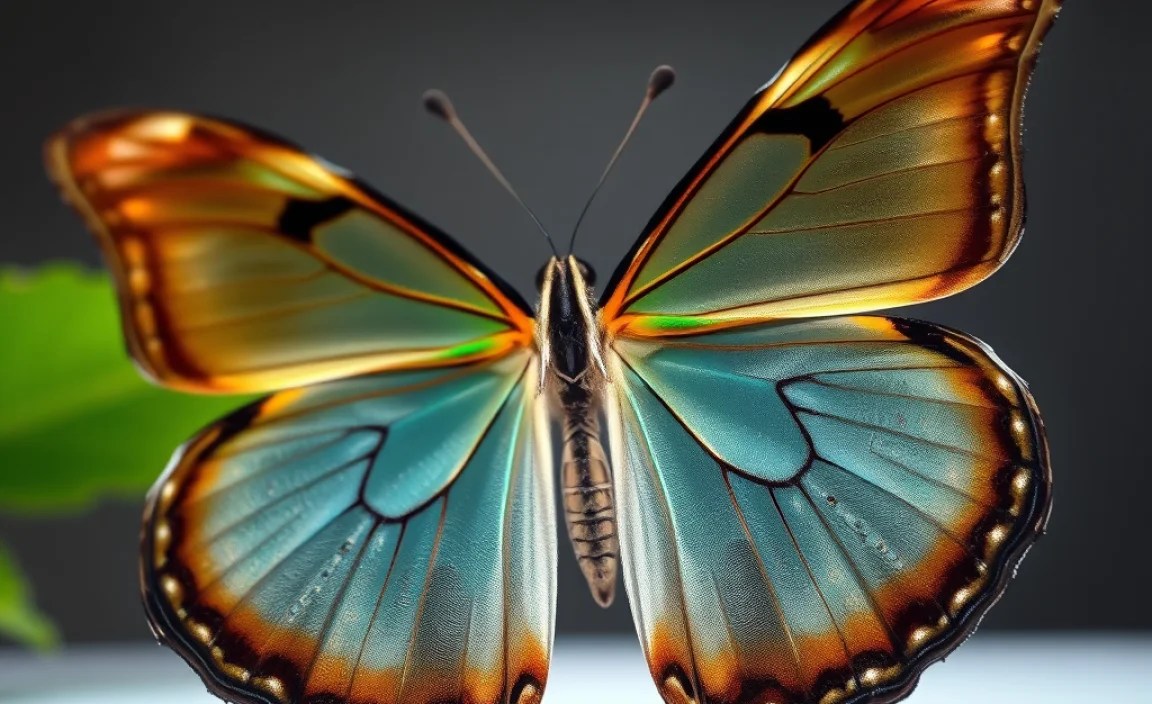
The transparency of the glasswing butterfly’s wings isn’t just about the materials; it’s also about how these materials interact with light.
Light Interaction with Nanopillars
When light encounters the surface of an object, it can be reflected, absorbed, or transmitted. In the case of the glasswing butterfly, the goal is to minimize reflection and maximize transmission. The nanopillars achieve this through several mechanisms:
- Subwavelength Structures: The nanopillars are smaller than the wavelength of visible light. This means that light doesn’t “see” a continuous surface but rather interacts with individual structures.
- Gradual Refractive Index Change: The arrangement of the nanopillars creates a gradual change in the refractive index between the air and the wing material. This gradual transition reduces the amount of light reflected at the interface.
- Light Scattering: While the primary goal is to minimize reflection, some light is scattered by the nanopillars. However, the disordered arrangement ensures that this scattering is diffuse, meaning it spreads out in many directions rather than being reflected back as a distinct beam.
Comparison with Other Transparent Materials
Many materials can be transparent, but the glasswing butterfly’s approach is unique. Let’s compare it to some other examples:
| Material | Transparency Mechanism | Advantages | Disadvantages |
|---|---|---|---|
| Glass | Smooth surface, uniform refractive index | High transparency, durability | Can be reflective at certain angles, brittle |
| Plastic Film | Smooth surface, controlled refractive index | Flexible, lightweight | Can scratch easily, less durable than glass |
| Glasswing Butterfly Wing | Nanopillar structures, disordered arrangement | Anti-reflective, lightweight, self-cleaning | Fragile, complex to manufacture |
As you can see, the glasswing butterfly’s wings offer a unique combination of properties. The disordered nanopillar structure provides excellent anti-reflective properties, making the wings exceptionally transparent. Additionally, the wings have self-cleaning properties due to the nanopillar structure, which helps to keep the surface free of debris.
Research and Discoveries
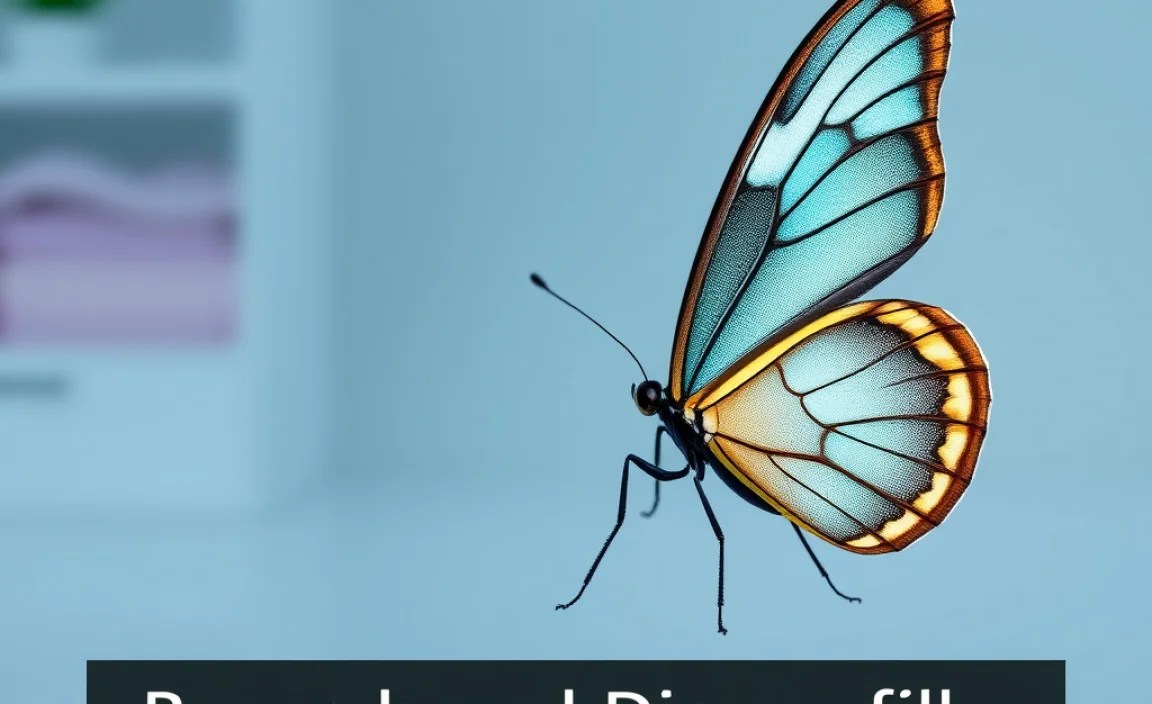
Scientists have been studying the glasswing butterfly’s wings for years, uncovering fascinating details about their structure and function.
Key Research Findings
- Morphological Studies: Early studies focused on the physical structure of the wings, using electron microscopy to visualize the nanopillars. These studies revealed the size, shape, and arrangement of the nanopillars.
- Optical Measurements: Researchers have used spectrophotometry and other optical techniques to measure the transparency and reflectance of the wings. These measurements confirmed that the wings reflect very little light across a wide range of wavelengths.
- Material Analysis: Techniques such as X-ray diffraction and mass spectrometry have been used to identify the materials that make up the wings, including chitin and various proteins.
- Bio-inspired Design: Inspired by the glasswing butterfly, scientists are developing new transparent materials with similar anti-reflective properties. These materials could be used in applications such as solar panels, displays, and optical coatings.
Ongoing Research
Research on the glasswing butterfly is ongoing, with scientists exploring new aspects of its biology and potential applications.
- Genetic Studies: Researchers are investigating the genes that control the development of the nanopillars. Understanding these genes could provide insights into how the butterfly evolved its transparency.
- Protein Identification: Scientists are working to identify all the proteins present in the wings and determine their specific functions. This could lead to a better understanding of how the proteins interact with chitin to create the nanopillar structure.
- Advanced Microscopy: New microscopy techniques are being used to study the wings at even higher resolution. This could reveal new details about the structure and organization of the nanopillars.
Practical Applications and Bio-inspiration
The unique properties of the glasswing butterfly’s wings have inspired a variety of practical applications.
Anti-reflective Coatings
One of the most promising applications is the development of anti-reflective coatings. These coatings could be used to improve the efficiency of solar panels, reduce glare on displays, and enhance the performance of optical instruments.
Key features of bio-inspired anti-reflective coatings:
- Broadband Performance: The disordered nanopillar structure works well across a wide range of wavelengths, making it suitable for various applications.
- Durability: By using robust materials like silica or titania, researchers can create coatings that are both transparent and durable.
- Scalability: Researchers are developing methods to manufacture these coatings on a large scale, making them commercially viable.
Self-Cleaning Surfaces
The nanopillar structure also gives the glasswing butterfly’s wings self-cleaning properties. This is because the tiny pillars reduce the contact area between the wing surface and any dirt or water droplets. Water droplets tend to bead up and roll off the surface, carrying away any dirt or debris.
Potential applications of self-cleaning surfaces include:
- Solar Panels: Keeping solar panels clean is essential for maintaining their efficiency. Self-cleaning coatings could reduce the need for manual cleaning.
- Windows and Displays: Self-cleaning coatings could keep windows and displays free of dirt and smudges, improving visibility.
- Textiles: Self-cleaning textiles could be used in clothing, upholstery, and other applications, reducing the need for frequent washing.
Biomimicry in Material Science
The study of the glasswing butterfly is an excellent example of biomimicry, the practice of learning from nature to solve human problems. By understanding the principles behind the butterfly’s transparency, scientists can develop new materials and technologies with unique properties.
Other examples of biomimicry include:
- Velcro: Inspired by the way burrs stick to clothing, Velcro is a widely used fastening system.
- Bullet Train Design: The shape of the kingfisher’s beak inspired the design of the Shinkansen bullet train, reducing noise and improving efficiency.
- Honeycomb Structures: The hexagonal structure of honeycombs has inspired the design of lightweight, strong materials used in aerospace and construction.
Conservation and the Glasswing Butterfly

Beyond the scientific marvel it represents, the glasswing butterfly also highlights the importance of conservation. Its specialized adaptations make it particularly vulnerable to habitat loss and climate change.
Threats to Glasswing Butterfly Populations
- Deforestation: The primary threat to glasswing butterflies is the destruction of their natural habitats. As forests are cleared for agriculture, logging, and urbanization, the butterflies lose their food sources and breeding grounds.
- Climate Change: Changes in temperature and rainfall patterns can disrupt the butterfly’s life cycle and affect the availability of its host plants.
- Pesticide Use: Pesticides can directly harm butterflies and their larvae, reducing their populations.
- Collection: While not as significant as habitat loss, the collection of glasswing butterflies for display can also impact local populations.
Conservation Efforts
Several organizations and individuals are working to protect glasswing butterflies and their habitats.
- Habitat Preservation: Protecting and restoring forests is crucial for the survival of glasswing butterflies. This can involve establishing protected areas, promoting sustainable forestry practices, and supporting reforestation efforts.
- Sustainable Agriculture: Encouraging farmers to use sustainable agricultural practices can reduce the impact of agriculture on butterfly habitats. This includes reducing pesticide use, planting hedgerows to provide habitat, and promoting crop diversity.
- Education and Outreach: Educating the public about the importance of butterflies and their habitats can help raise awareness and support for conservation efforts.
- Captive Breeding Programs: Some organizations are breeding glasswing butterflies in captivity to help boost wild populations. These butterflies can then be released into suitable habitats.
How You Can Help
There are many ways you can contribute to the conservation of glasswing butterflies and other pollinators.
- Plant a Butterfly Garden: Plant native flowers and host plants that attract butterflies and provide them with food and shelter.
- Avoid Pesticides: Use natural pest control methods in your garden to avoid harming butterflies and other beneficial insects.
- Support Conservation Organizations: Donate to organizations that are working to protect butterfly habitats.
- Educate Others: Share your knowledge about butterflies with friends, family, and community members.
- Advocate for Conservation: Contact your elected officials and let them know you support policies that protect butterfly habitats.
FAQ: Glasswing Butterfly Molecular Biology
Here are some frequently asked questions about the molecular biology of glasswing butterflies:
Q1: What makes the glasswing butterfly’s wings transparent?
A1: The transparency comes from tiny structures called nanopillars on the wings. These nanopillars are made of chitin and arranged in a way that minimizes light reflection.
Q2: What is chitin, and why is it important?
A2: Chitin is a strong, transparent material that forms the main structure of the nanopillars. It provides the necessary support and allows light to pass through.
Q3: How do proteins contribute to the transparency of the wings?
A3: Proteins help organize and stabilize the chitin matrix, ensuring the nanopillars maintain their shape and arrangement. Some proteins also interact with light to reduce reflection further.
Q4: Are the nanopillars perfectly arranged?
A4: No, the nanopillars are arranged in a somewhat disordered pattern. This irregularity is crucial because it prevents light from reflecting uniformly, enhancing transparency.
Q5: Can the glasswing butterfly’s transparency be used in technology?
A5: Yes! Scientists are using the principles behind the butterfly’s transparency to develop anti-reflective coatings for solar panels, displays, and other optical devices.
Q6: What are the main threats to glasswing butterflies?
A6: The main threats include deforestation, climate change, pesticide use, and, to a lesser extent, collection for display.
Q7: How can I help protect glasswing butterflies?
A7: You can plant a butterfly garden, avoid pesticides, support conservation organizations, educate others, and advocate for conservation policies.
Conclusion
The molecular biology of the glasswing butterfly is a testament to the intricate beauty and functionality of nature. Its transparent wings, achieved through a unique combination of chitin, proteins, and nanostructures, offer valuable insights into material science and inspire innovative technologies. More than that, the glasswing butterfly reminds us of the importance of conservation. By understanding the threats these delicate creatures face and supporting conservation efforts, we can help ensure that future generations will continue to marvel at their ethereal beauty. So, next time you see a glasswing butterfly, take a moment to appreciate the incredible science behind its transparency and consider how you can help protect its fragile world. Every small action counts toward preserving these natural wonders.


