
Butterflies of Southern Europe Guide: Spot Them All!

Quick Summary: Exploring the butterflies of Southern Europe is an adventure! This guide helps you identify common species like the Swallowtail, Cleopatra, and Spanish Festoon. Learn about their habitats, host plants, and how to attract them to your garden. Discover tips for butterfly watching and conservation efforts to protect these beautiful creatures.
Have you ever strolled through a sun-drenched meadow in Southern Europe, only to be mesmerized by the flutter of colorful wings? Identifying those delicate creatures can be tricky, but it’s also incredibly rewarding. This guide is your friendly companion, offering simple tips and tricks to recognize the butterflies of Southern Europe. We’ll explore where they live, what they eat, and how you can help them thrive. Get ready to unlock the secrets of these winged jewels!
Frequently Asked Questions (FAQ)
What is the best time of year to see butterflies in Southern Europe?
The peak butterfly season in Southern Europe is generally from late spring to early summer (May to June). However, you can find butterflies from early spring through autumn, depending on the species and location.
Where are the best places to see butterflies in Southern Europe?
Mountainous regions, meadows, and nature reserves are excellent places to spot butterflies. Look for areas with diverse wildflowers and varied habitats. Specific regions known for butterfly diversity include the Pyrenees, the Alps, and parts of Greece and Spain.
How can I attract butterflies to my garden?
Planting nectar-rich flowers and host plants for caterpillars is key. Choose native plants whenever possible. Avoid using pesticides, and provide a shallow dish of water with pebbles for butterflies to drink from.
What are some common threats to butterflies in Southern Europe?
Habitat loss due to agriculture and urbanization, pesticide use, and climate change are major threats. Conservation efforts focus on protecting and restoring habitats, promoting sustainable farming practices, and reducing pesticide use.
How can I identify a butterfly I’ve seen?
Note the butterfly’s size, color, and wing patterns. Observe its behavior and habitat. Use field guides or online resources to compare your observations with known species. Taking a photo can also be helpful for identification.
Are butterflies important for the environment?
Yes, butterflies are important pollinators. They also serve as indicators of environmental health, as their presence and abundance reflect the quality of their habitats.
What can I do to help protect butterflies?
Support conservation organizations, create butterfly-friendly habitats in your garden, reduce your use of pesticides, and educate others about the importance of butterflies and their conservation.
Discovering the Butterflies of Southern Europe

Southern Europe, with its diverse landscapes and sunny climate, is a haven for butterflies. From the Iberian Peninsula to the Balkan region, you’ll find a stunning array of species flitting through meadows, forests, and gardens. Let’s dive into some of the most captivating butterflies you might encounter.
Iconic Species: A Closer Look
Here are some of the must-see butterflies in Southern Europe:
- Swallowtail (Papilio machaon): This large, striking butterfly is easily recognized by its yellow and black wings and distinctive “tails.” It’s a common sight in gardens and open fields.
- Cleopatra (Gonepteryx cleopatra): The male boasts vibrant yellow wings with a bright orange patch on the forewing, while the female is a pale greenish-white. Look for them near their larval host plant, the buckthorn.
- Spanish Festoon (Zerynthia rumina): This beautiful butterfly has a distinctive pattern of red, black, and yellow markings on its wings. It’s often found in rocky, scrubby areas.
- Two-tailed Pasha (Charaxes jasius): A large and impressive butterfly with a strong flight. It is brown with a broad orange band and two distinct tails on each hindwing.
- Adonis Blue (Polyommatus bellargus): The male is a brilliant sky blue, while the female is brown with a blue dusting. They are often found in chalk grasslands.
Butterfly Identification: Key Characteristics
Identifying butterflies can seem daunting, but focusing on a few key characteristics can make the process much easier. Consider these features:
- Size: Is the butterfly small, medium, or large?
- Color: What are the dominant colors on the wings? Are there any distinct patterns or markings?
- Wing Shape: Are the wings rounded or angular? Do they have tails or other unique features?
- Flight Pattern: Does the butterfly fly quickly and erratically, or does it have a more graceful, gliding flight?
- Habitat: Where did you see the butterfly? Was it in a meadow, forest, or garden?
Butterfly Habitats in Southern Europe

Butterflies are closely tied to their habitats, and understanding where they live can greatly aid in identification. Southern Europe offers a variety of habitats, each supporting its own unique butterfly communities.
Mountains and Uplands
The mountainous regions of Southern Europe, such as the Pyrenees, Alps, and Apennines, are home to many specialized butterfly species. These areas often have cooler temperatures and a mix of alpine meadows, forests, and rocky slopes. Look for species like the Apollo (Parnassius apollo) and various blues (Polyommatus spp.).
Mediterranean Coastal Regions
The warm, sunny coastal regions of Southern Europe are characterized by scrubland, olive groves, and pine forests. Here, you might find the Two-tailed Pasha (Charaxes jasius) and the Cleopatra (Gonepteryx cleopatra). These butterflies are adapted to the dry, hot conditions of the Mediterranean climate.
Grasslands and Meadows
Open grasslands and meadows are vital habitats for many butterfly species. These areas provide a rich source of nectar flowers and host plants for caterpillars. Look for species like the Adonis Blue (Polyommatus bellargus) and the Marbled White (Melanargia galathea) in these habitats.
Gardens and Urban Areas
Even in urban areas, you can find butterflies visiting gardens and parks. Planting butterfly-friendly flowers can attract species like the Swallowtail (Papilio machaon) and the Small Tortoiseshell (Aglais urticae). These butterflies are often more tolerant of human disturbance and can thrive in urban environments.
Attracting Butterflies to Your Garden

Creating a butterfly-friendly garden is a rewarding way to support these beautiful creatures and enjoy their presence up close. Here are some tips to get you started:
Planting Nectar-Rich Flowers
Butterflies need nectar for energy, so planting a variety of nectar-rich flowers is essential. Choose flowers that bloom at different times of the year to provide a continuous source of food. Some excellent choices for Southern European gardens include:
- Lavender (Lavandula spp.)
- Buddleja (Buddleja davidii)
- Thyme (Thymus spp.)
- Verbena (Verbena spp.)
- Sedum (Sedum spp.)
Providing Host Plants for Caterpillars
Butterflies lay their eggs on specific host plants, which the caterpillars then feed on. Providing these host plants is crucial for the butterfly life cycle. Some examples include:
- Fennel (Foeniculum vulgare) for Swallowtail butterflies
- Buckthorn (Rhamnus spp.) for Cleopatra butterflies
- Aristolochia (Aristolochia spp.) for Spanish Festoon butterflies
Creating a Butterfly-Friendly Environment
In addition to providing food sources, you can create a more welcoming environment for butterflies by:
- Providing a shallow dish of water with pebbles for butterflies to drink from.
- Avoiding the use of pesticides, which can harm or kill butterflies and caterpillars.
- Providing shelter from wind and sun with shrubs and trees.
- Leaving some areas of your garden undisturbed to provide habitat for caterpillars and pupae.
Butterfly Watching Tips and Techniques
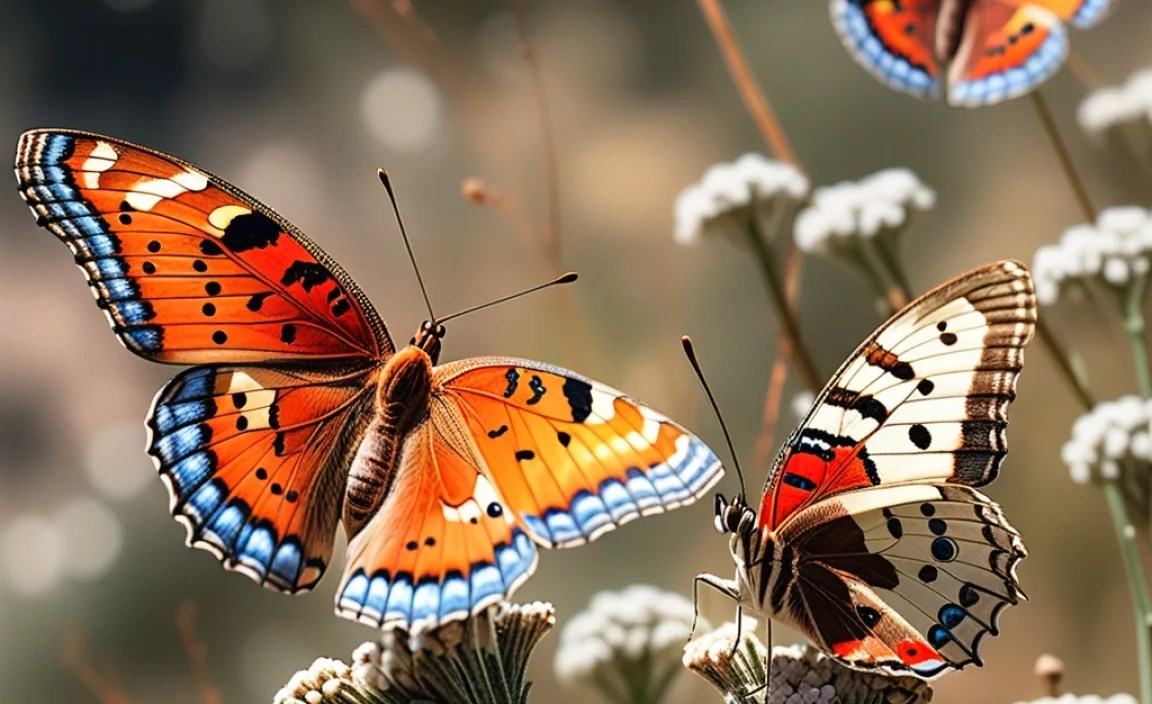
Butterfly watching can be a relaxing and educational hobby. Here are some tips to help you get the most out of your butterfly-watching experience:
Timing is Everything
Butterflies are most active on warm, sunny days. The best time to see them is usually in the late morning or early afternoon when the temperature is highest. Avoid butterfly watching on windy or rainy days, as butterflies will be less active.
Location, Location, Location
Choose locations with a variety of habitats, such as meadows, forests, and gardens. Look for areas with plenty of wildflowers and host plants. Nature reserves and botanical gardens are often excellent places to see butterflies.
Observation Skills
When you spot a butterfly, take your time to observe its behavior. Note its size, color, and wing patterns. Watch how it flies and what flowers it visits. Use binoculars to get a closer look without disturbing the butterfly.
Photography
Taking photos of butterflies can be a great way to document your sightings and aid in identification. Use a camera with a zoom lens or a macro lens to capture close-up images. Be patient and try to approach the butterfly slowly and quietly.
Respect and Conservation
Always respect butterflies and their habitats. Avoid disturbing them or their host plants. Stay on designated trails and avoid trampling vegetation. Support conservation efforts to protect butterflies and their habitats.
Conservation Efforts and Protecting Butterflies

Butterflies face many threats, including habitat loss, pesticide use, and climate change. Conservation efforts are essential to protect these beautiful creatures and ensure their survival for future generations.
Threats to Butterflies in Southern Europe
Several factors contribute to the decline of butterfly populations in Southern Europe:
- Habitat Loss: The conversion of natural habitats to agriculture, urban areas, and infrastructure is a major threat.
- Pesticide Use: Pesticides can directly harm or kill butterflies and caterpillars, as well as reduce the availability of host plants and nectar flowers.
- Climate Change: Changes in temperature and rainfall patterns can disrupt butterfly life cycles and alter their habitats.
- Overgrazing: Excessive grazing by livestock can damage butterfly habitats and reduce the availability of host plants.
Conservation Strategies
Effective conservation strategies are needed to address these threats and protect butterfly populations. Some key approaches include:
- Habitat Protection and Restoration: Protecting and restoring butterfly habitats is crucial. This can involve creating nature reserves, managing grasslands and meadows, and restoring degraded habitats.
- Sustainable Agriculture Practices: Promoting sustainable farming practices that reduce pesticide use and protect butterfly habitats.
- Climate Change Mitigation: Reducing greenhouse gas emissions and adapting to the impacts of climate change.
- Public Awareness and Education: Raising public awareness about the importance of butterflies and their conservation.
How You Can Help
Everyone can play a role in protecting butterflies. Here are some simple things you can do:
- Create a butterfly-friendly garden.
- Avoid using pesticides in your garden and home.
- Support conservation organizations.
- Educate others about the importance of butterflies and their conservation.
- Participate in citizen science projects, such as butterfly monitoring programs.
Butterfly Species Table
Here’s a summary table highlighting some key butterfly species found in Southern Europe:
| Species | Habitat | Host Plant | Key Features |
|---|---|---|---|
| Swallowtail (Papilio machaon) | Gardens, meadows | Fennel, dill | Yellow and black wings with “tails” |
| Cleopatra (Gonepteryx cleopatra) | Scrubland, woodlands | Buckthorn | Male: Bright yellow with orange patch; Female: Pale green |
| Spanish Festoon (Zerynthia rumina) | Rocky, scrubby areas | Aristolochia | Red, black, and yellow markings |
| Two-tailed Pasha (Charaxes jasius) | Mediterranean woodlands | Strawberry Tree (Arbutus unedo) | Large brown butterfly with two tails |
| Adonis Blue (Polyommatus bellargus) | Chalk grasslands | Horseshoe Vetch | Male: Bright blue; Female: Brown with blue dusting |
Butterfly Life Cycle Stages
Understanding the butterfly life cycle is crucial for appreciating these insects. Here is a table outlining the stages:
| Stage | Description | Duration |
|---|---|---|
| Egg | Tiny, often laid on specific host plants. Can vary in color and shape. | Days to weeks |
| Larva (Caterpillar) | The feeding stage. Caterpillars grow and molt their skin several times. | Weeks to months |
| Pupa (Chrysalis) | A transitional stage where the caterpillar transforms into a butterfly. | Weeks |
| Adult Butterfly | The reproductive stage. Butterflies feed on nectar and mate. | Weeks to months |
Conclusion
The butterflies of Southern Europe are a captivating part of the region’s natural heritage. By learning about their habitats, host plants, and conservation needs, you can play a vital role in protecting these delicate creatures. Whether you’re a seasoned naturalist or a beginner, there’s always something new to discover in the world of butterflies. So, grab your binoculars, head out into nature, and prepare to be amazed by the beauty and diversity of these winged jewels. Every small action, from planting a butterfly garden to supporting conservation efforts, can make a difference in ensuring a brighter future for butterflies and the ecosystems they inhabit. Happy butterfly watching!


