
European Butterflies in Spain List: Find Yours!

Spain is a butterfly paradise! Home to a stunning array of European butterflies, identifying them can be a joyful adventure. This guide will introduce you to some common and captivating species, from the vibrant Swallowtail to the elusive Spanish Chalk-hill Blue. We’ll explore their habitats, wing patterns, and fascinating behaviors, helping you discover the beauty of Spain’s butterfly biodiversity.
Spain, with its diverse landscapes, is a haven for butterflies. From the Pyrenees Mountains to the sunny Andalusian plains, these delicate creatures flutter across a variety of habitats. Identifying the different species can seem daunting, but it’s a rewarding experience that connects you with nature. This guide will help you recognize some of the most beautiful and commonly seen European butterflies in Spain.
Ready to explore the colorful world of Spanish butterflies? Let’s begin!
Exploring Spain’s Butterfly Diversity
Spain’s geographical location and varied climate make it a biodiversity hotspot for butterflies. You’ll find species adapted to mountains, forests, grasslands, and even coastal regions. Understanding the types of butterflies you might encounter is the first step in appreciating their beauty and ecological role.
Common Butterfly Families in Spain
Several butterfly families are well-represented in Spain. Here are a few key groups to familiarize yourself with:
- Papilionidae (Swallowtails): Large, striking butterflies with distinctive tails on their hindwings.
- Pieridae (Whites and Yellows): Often white or yellow in color, these butterflies are commonly seen in gardens and meadows.
- Lycaenidae (Blues, Coppers, Hairstreaks): Small, often brightly colored butterflies, many with intricate wing patterns.
- Nymphalidae (Brush-footed Butterflies): A diverse group including fritillaries, admirals, and emperors, characterized by reduced front legs.
Identifying Common European Butterflies in Spain

Let’s delve into some specific butterfly species you’re likely to encounter in Spain.
1. Swallowtail (Papilio machaon)
The Swallowtail is one of Europe’s most recognizable butterflies, and it’s a magnificent sight in Spain. Its large size and vibrant colors make it easy to spot.
- Appearance: Yellow wings with black veins and a black border containing blue spots. It has distinctive “tails” on its hindwings.
- Habitat: Meadows, gardens, and open countryside.
- Flight Period: Spring to autumn.
2. Spanish Festoon (Zerynthia rumina)
A beautiful and distinctive butterfly found in Spain and other parts of Southern Europe, the Spanish Festoon is a treat to behold.
- Appearance: Creamy white wings with bold black markings and striking red spots.
- Habitat: Scrubland, woodland edges, and rocky hillsides.
- Flight Period: Spring.
3. Scarce Swallowtail (Iphiclides podalirius)
Similar to the Swallowtail, but with longer “tails” and a more elegant appearance, the Scarce Swallowtail is another impressive butterfly found in Spain.
- Appearance: Pale yellow wings with black stripes and long “tails.”
- Habitat: Orchards, gardens, and open woodlands.
- Flight Period: Spring to summer.
4. Clouded Yellow (Colias croceus)
A common and widespread butterfly, the Clouded Yellow is often seen flitting through fields and meadows.
- Appearance: Bright yellow wings, sometimes with an orange hue. Some females have pale cream-colored wings.
- Habitat: Grasslands, meadows, and cultivated fields.
- Flight Period: Spring to autumn.
5. Cleopatra (Gonepteryx cleopatra)
The Cleopatra is a beautiful butterfly with a unique characteristic: the male has bright orange patches on its forewings.
- Appearance: Males have yellow wings with orange patches; females are pale green.
- Habitat: Woodlands, scrubland, and gardens.
- Flight Period: Spring to autumn.
6. Brimstone (Gonepteryx rhamni)
The Brimstone is a long-lived butterfly, known for its bright yellow color and distinctive wing shape.
- Appearance: Bright yellow wings with pointed tips. Females are a paler yellow-green.
- Habitat: Woodlands, hedgerows, and gardens.
- Flight Period: Spring to autumn; overwinters as an adult.
7. Red Admiral (Vanessa atalanta)
A striking butterfly with bold red markings, the Red Admiral is a familiar sight in gardens and parks.
- Appearance: Black wings with bright red bands and white spots.
- Habitat: Gardens, parks, woodlands, and open areas.
- Flight Period: Spring to autumn; migrates to Spain.
8. Painted Lady (Vanessa cardui)
One of the most widespread butterflies in the world, the Painted Lady is a frequent visitor to Spain.
- Appearance: Orange-brown wings with black markings and white spots.
- Habitat: A wide range of habitats, including gardens, fields, and open areas.
- Flight Period: Spring to autumn; migrates to Spain.
9. Small Tortoiseshell (Aglais urticae)
A colorful and common butterfly, the Small Tortoiseshell is often seen basking in the sun.
- Appearance: Orange wings with black spots and blue markings along the edges.
- Habitat: Gardens, parks, meadows, and woodlands.
- Flight Period: Spring to autumn; overwinters as an adult.
10. Comma (Polygonia c-album)
The Comma is named for the small white comma-shaped mark on its hindwing. Its jagged wing edges provide excellent camouflage.
- Appearance: Orange-brown wings with dark markings and jagged edges. A small white comma on the hindwing.
- Habitat: Woodlands, hedgerows, and gardens.
- Flight Period: Spring to autumn; overwinters as an adult.
11. Meadow Brown (Maniola jurtina)
A common and widespread butterfly, the Meadow Brown is often seen in grasslands and meadows.
- Appearance: Brown wings with a single black eyespot on the forewing.
- Habitat: Grasslands, meadows, and open areas.
- Flight Period: Summer.
12. Small Heath (Coenonympha pamphilus)
A small and delicate butterfly, the Small Heath is often overlooked, but it’s a charming addition to any butterfly garden.
- Appearance: Orange-brown wings with a small black eyespot on the forewing.
- Habitat: Grasslands, heaths, and open areas.
- Flight Period: Spring to autumn.
13. Adonis Blue (Lysandra bellargus)
The Adonis Blue is a stunning butterfly with vibrant blue wings (in males) and a delicate beauty.
- Appearance: Males have bright blue wings with a white fringe; females are brown with blue scales near the base.
- Habitat: Chalk grasslands and limestone hills.
- Flight Period: Summer.
14. Common Blue (Polyommatus icarus)
The Common Blue is, as its name suggests, one of the most frequently seen blue butterflies in Europe.
- Appearance: Males have blue wings with a brown border; females are brown with varying amounts of blue.
- Habitat: Grasslands, meadows, and open areas.
- Flight Period: Spring to autumn.
15. Spanish Chalk-hill Blue (Lysandra hispana)
A butterfly endemic to Spain, the Spanish Chalk-hill Blue is a beautiful sight, often found in mountainous regions.
- Appearance: Males have pale blue wings with a dark border; females are brown.
- Habitat: Limestone grasslands and rocky hillsides.
- Flight Period: Summer.
Butterfly Identification Table
| Butterfly Name | Appearance | Habitat | Flight Period |
|---|---|---|---|
| Swallowtail (Papilio machaon) | Yellow wings with black veins and tails | Meadows, gardens | Spring to Autumn |
| Spanish Festoon (Zerynthia rumina) | Creamy white with black markings and red spots | Scrubland, rocky hillsides | Spring |
| Scarce Swallowtail (Iphiclides podalirius) | Pale yellow wings with black stripes and long tails | Orchards, open woodlands | Spring to Summer |
| Clouded Yellow (Colias croceus) | Bright yellow wings | Grasslands, cultivated fields | Spring to Autumn |
| Cleopatra (Gonepteryx cleopatra) | Males: Yellow with orange patches; Females: Pale green | Woodlands, gardens | Spring to Autumn |
| Red Admiral (Vanessa atalanta) | Black wings with red bands and white spots | Gardens, woodlands | Spring to Autumn |
| Adonis Blue (Lysandra bellargus) | Males: Bright blue; Females: Brown with blue | Chalk grasslands | Summer |
| Spanish Chalk-hill Blue (Lysandra hispana) | Males: Pale blue; Females: Brown | Limestone grasslands, rocky hillsides | Summer |
Tips for Butterfly Watching in Spain
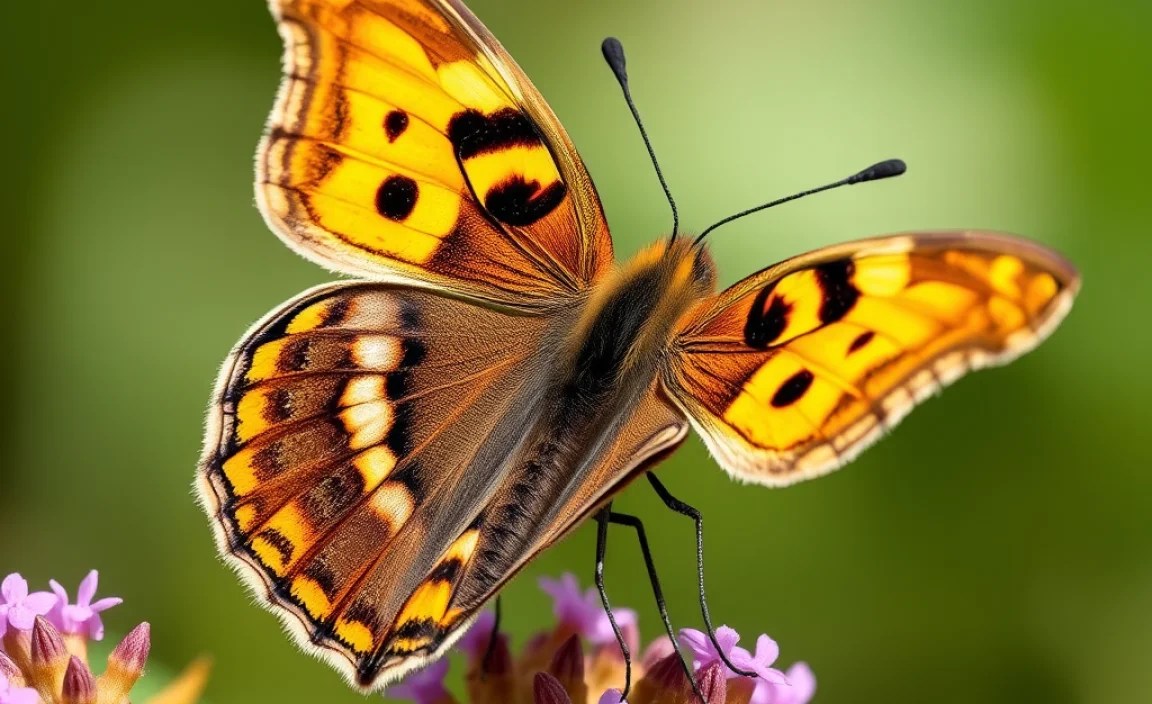
To make the most of your butterfly watching experience in Spain, consider these tips:
- Time of Year: Spring and summer are the best times to see butterflies in Spain.
- Location: Visit areas with diverse habitats, such as mountains, forests, and meadows. National parks and nature reserves are excellent choices.
- Weather: Butterflies are most active on warm, sunny days.
- Equipment: Bring a good pair of binoculars, a butterfly identification guide, and a camera.
- Respect the Environment: Avoid disturbing butterflies or their habitats. Stay on marked trails and do not collect specimens.
Attracting Butterflies to Your Garden

If you want to enjoy butterflies closer to home, consider creating a butterfly-friendly garden. Here’s how:
- Plant Nectar-Rich Flowers: Choose a variety of flowering plants that provide nectar throughout the butterfly season. Good options include lavender, buddleja (butterfly bush), and Verbena.
- Provide Host Plants: Caterpillars need specific plants to feed on. Plant host plants like milkweed for Monarchs or nettles for Small Tortoiseshells.
- Offer a Water Source: Butterflies need water to drink. Provide a shallow dish of water with pebbles or sand for them to land on.
- Avoid Pesticides: Pesticides can harm or kill butterflies and other beneficial insects. Choose organic gardening methods instead.
- Provide Shelter: Butterflies need shelter from wind and rain. Plant shrubs and trees to provide a safe haven.
The Importance of Butterfly Conservation
Butterflies are important pollinators and play a vital role in the ecosystem. Unfortunately, many butterfly species are threatened by habitat loss, climate change, and pesticide use. Supporting butterfly conservation efforts is crucial to protecting these beautiful creatures for future generations. Consider supporting organizations like Butterfly Conservation Europe or local conservation groups in Spain.
According to the IUCN Red List, many butterfly species are threatened or endangered, highlighting the urgency of conservation efforts.
Frequently Asked Questions (FAQs)
1. What is the best time of year to see butterflies in Spain?
Spring and summer (April to August) are generally the best times to see butterflies in Spain. The weather is warmer, and many species are actively flying and breeding.
2. Where are the best places to go butterfly watching in Spain?
Spain’s national parks and nature reserves, such as the Sierra de Guadarrama National Park and the Doñana National Park, are excellent places to see a variety of butterfly species. Mountainous regions and areas with diverse habitats are also good choices.
3. How can I identify a butterfly I saw in Spain?
Use a butterfly identification guide specific to Europe or Spain. Pay attention to the butterfly’s size, wing color, markings, and behavior. Online resources like Butterfly Conservation can also be helpful.
4. What is the difference between a butterfly and a moth?
Butterflies are typically active during the day, have brightly colored wings, and hold their wings upright when at rest. Moths are often active at night, have duller colors, and hold their wings flat when at rest. Butterflies also have club-shaped antennae, while moths have feathery or comb-like antennae.
5. What can I plant in my garden to attract butterflies?
Plant nectar-rich flowers like lavender, buddleja (butterfly bush), Verbena, and Echinacea. Also, include host plants like milkweed (for Monarchs) and nettles (for Small Tortoiseshells) to support caterpillar development.
6. Are there any endangered butterfly species in Spain?
Yes, several butterfly species in Spain are threatened or endangered due to habitat loss and other factors. Conservation efforts are crucial to protect these species and their habitats. The Spanish Chalk-hill Blue is of particular concern due to its limited distribution.
7. How can I contribute to butterfly conservation?
You can support butterfly conservation by planting butterfly-friendly gardens, avoiding pesticides, supporting conservation organizations, and educating others about the importance of butterfly conservation.
Conclusion
Spain’s butterfly diversity is a treasure worth exploring and protecting. By learning to identify these beautiful creatures and understanding their ecological needs, you can play a part in ensuring their survival for generations to come. Whether you’re hiking in the mountains or tending to your garden, take a moment to appreciate the delicate beauty of the butterflies around you. Their presence is a sign of a healthy ecosystem, and their vibrant colors bring joy to the world. Happy butterfly watching!


