
European Butterflies in Germany List: Spot Them All!

Germany is home to a beautiful array of European butterflies! This list highlights some common species, including the vibrant Small Tortoiseshell, the striking Peacock butterfly, and the elusive Swallowtail. Learn about their habitats, identifying marks, and how you can help protect these vital pollinators in your own backyard.
Have you ever strolled through a German meadow and been captivated by the sight of fluttering butterflies? Identifying these delicate creatures can be a joyful experience, but with so many species, it can also feel a bit overwhelming. Don’t worry; you’re not alone! Many nature lovers find themselves wondering about the names and characteristics of the butterflies they encounter. This guide will walk you through some of the most common European butterflies found in Germany, making identification easier and more enjoyable. Get ready to discover the fascinating world of German butterflies!
A Guide to European Butterflies in Germany

Germany’s diverse landscapes provide a home to a wide variety of European butterfly species. From colorful garden visitors to rare woodland inhabitants, each butterfly plays a vital role in the ecosystem. Let’s explore some of the most commonly seen butterflies in Germany.
Common Butterfly Species in Germany

Here’s a look at some of the most frequently observed butterfly species in Germany. Knowing their key characteristics will help you identify them on your next nature walk.
- Small Tortoiseshell (Aglais urticae): A vibrant orange butterfly with black and yellow markings and a row of blue spots along the edge of its wings.
- Peacock Butterfly (Aglais io): Easily recognized by the distinctive eyespots on its wings, which serve as a defense mechanism against predators.
- Red Admiral (Vanessa atalanta): A striking butterfly with black wings adorned with red bands and white spots. Often seen in gardens and parks.
- Comma Butterfly (Polygonia c-album): Named for the small white comma-shaped mark on its underwing. Its jagged wing edges provide excellent camouflage.
- Brimstone Butterfly (Gonepteryx rhamni): A bright yellow butterfly (males are more vibrant than females) that is often one of the first butterflies seen in spring.
- Large White (Pieris brassicae): A common white butterfly, sometimes considered a garden pest as its caterpillars feed on cabbage and other brassica crops.
- Small White (Pieris rapae): Similar to the Large White but smaller, with less prominent black markings on its wings.
Butterfly Habitats in Germany

Different butterfly species thrive in different habitats. Understanding these preferences can help you predict where to find certain butterflies.
- Meadows and grasslands: These areas are home to many butterfly species, including the Meadow Brown, Small Heath, and various blues.
- Woodlands: Woodland edges and clearings provide habitat for butterflies like the Speckled Wood, White Admiral, and Purple Emperor.
- Gardens and parks: Gardens and parks with a variety of flowering plants attract butterflies such as the Small Tortoiseshell, Peacock, Red Admiral, and Comma.
- Heathlands: Heathlands are home to specialized species like the Silver-studded Blue.
- Wetlands: Some butterflies, such as the Large Heath, are adapted to living in damp or boggy areas.
Butterfly Identification Guide
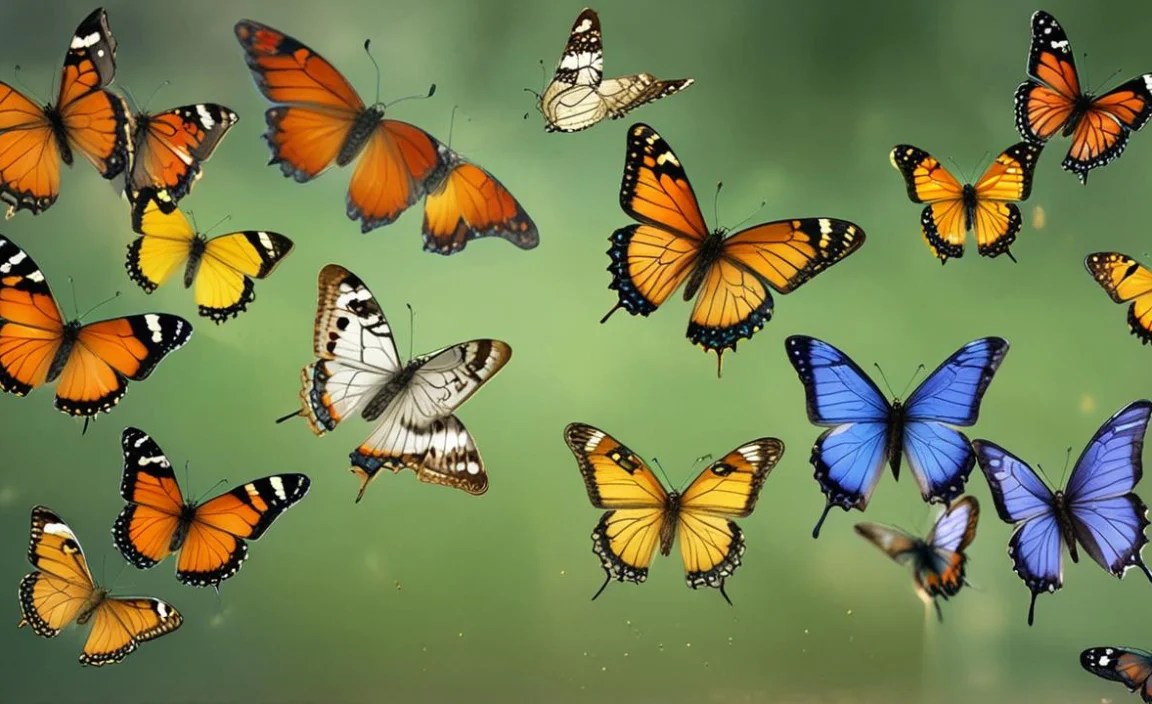
Identifying butterflies can be a rewarding experience. Here’s a more detailed look at some key species found in Germany, with tips on how to distinguish them.
Small Tortoiseshell (Aglais urticae)
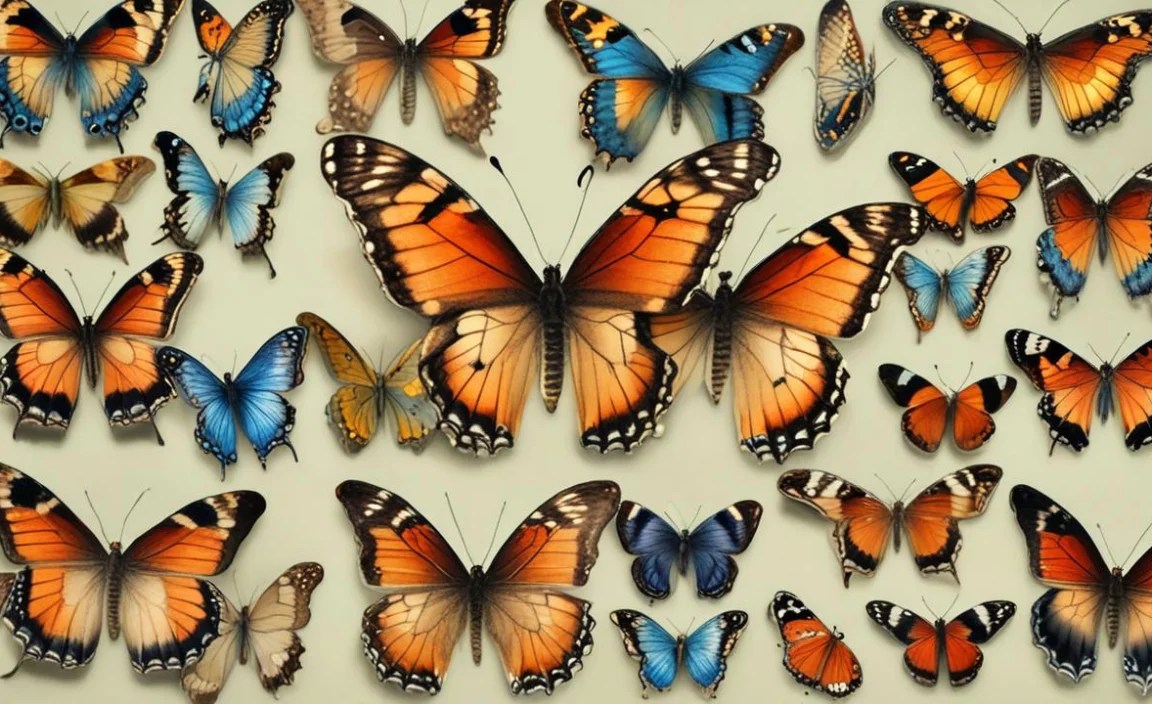
The Small Tortoiseshell is a familiar sight in gardens and meadows across Germany. It’s known for its bright orange wings, decorated with black spots and yellow markings. A distinctive row of blue spots graces the edge of its wings.
- Size: Medium (wingspan 4.5-5.6 cm).
- Color: Bright orange with black and yellow markings, blue spots along the wing edges.
- Habitat: Gardens, meadows, woodland edges.
- Caterpillar Host Plant: Nettles (Urtica species).
Peacock Butterfly (Aglais io)

The Peacock butterfly is one of the most easily recognizable butterflies in Germany, thanks to the prominent eyespots on its wings. These eyespots serve as a defense mechanism, startling potential predators.
- Size: Medium (wingspan 5.0-5.5 cm).
- Color: Dark reddish-brown with large, colorful eyespots on each wing.
- Habitat: Gardens, parks, woodland edges.
- Caterpillar Host Plant: Nettles (Urtica species).
Red Admiral (Vanessa atalanta)
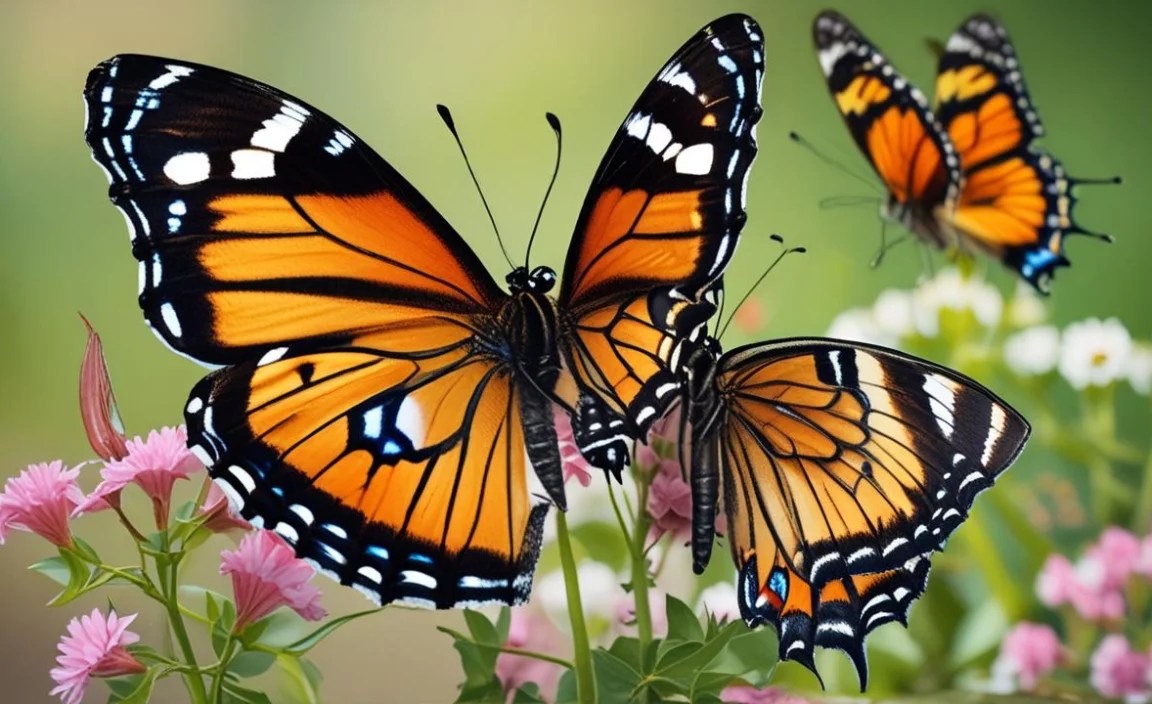
The Red Admiral is a migratory butterfly that can be seen in Germany throughout the summer and autumn. Its black wings are adorned with distinctive red bands and white spots.
- Size: Medium (wingspan 6.4-7.6 cm).
- Color: Black with red bands and white spots on the forewings.
- Habitat: Gardens, parks, woodland edges, open fields.
- Caterpillar Host Plant: Nettles (Urtica species).
Comma Butterfly (Polygonia c-album)

The Comma butterfly is named for the small, white comma-shaped mark on its underwing. Its jagged wing edges provide excellent camouflage, making it difficult to spot when it’s resting.
- Size: Medium (wingspan 4.4-5.2 cm).
- Color: Orange-brown with dark markings on the upperwings; mottled brown with a white comma on the underwings.
- Habitat: Woodland edges, gardens, hedgerows.
- Caterpillar Host Plant: Nettles, elm, hops.
Brimstone Butterfly (Gonepteryx rhamni)

The Brimstone is often one of the first butterflies seen in spring. The males are a vibrant yellow, while the females are a paler, greenish-white.
- Size: Medium (wingspan 5.5-6.8 cm).
- Color: Bright yellow (males), pale greenish-white (females).
- Habitat: Woodland edges, hedgerows, gardens.
- Caterpillar Host Plant: Buckthorn (Rhamnus species).
Swallowtail (Papilio machaon)
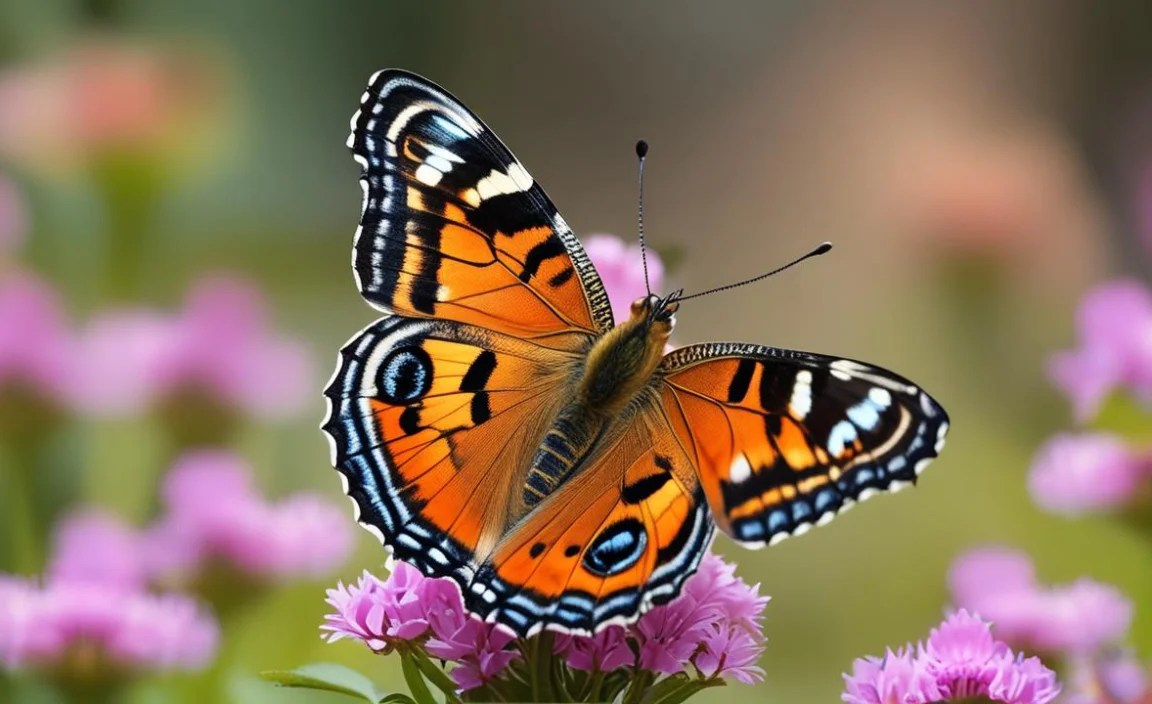
The Swallowtail is one of Europe’s largest and most striking butterflies. It is less common than some of the other species on this list, but a magnificent sight when spotted.
- Size: Large (wingspan 7.2-9.5 cm).
- Color: Yellow with black markings and distinctive “tails” on the hindwings.
- Habitat: Meadows, gardens, open countryside.
- Caterpillar Host Plant: Wild carrot, fennel, rue.
Large White (Pieris brassicae)
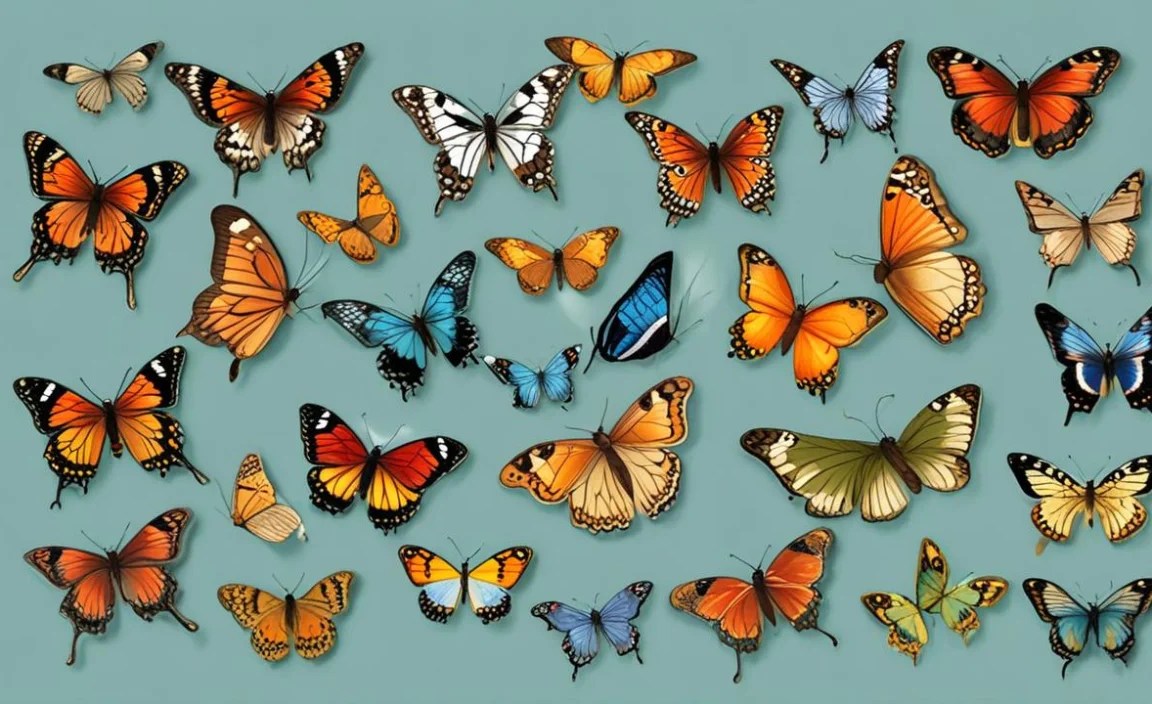
The Large White is a common sight in gardens, but it can be considered a pest as its caterpillars can decimate brassica crops like cabbage and broccoli.
- Size: Medium to Large (wingspan 6.3-7.5 cm).
- Color: White with black tips on the forewings. Females have two black spots on each forewing.
- Habitat: Gardens, fields, open areas.
- Caterpillar Host Plant: Cabbage, broccoli, and other brassicas.
Small White (Pieris rapae)
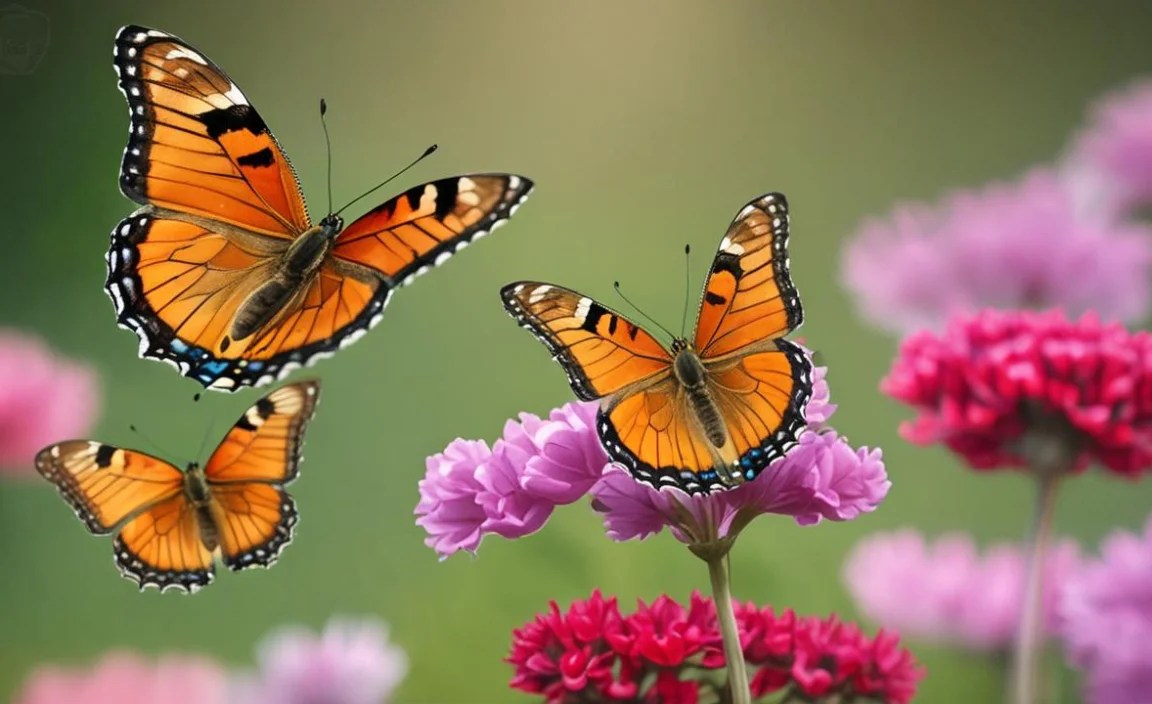
The Small White is similar to the Large White but smaller and with less prominent black markings.
- Size: Small to Medium (wingspan 4.0-5.5 cm).
- Color: White with black tips on the forewings. Females have two black spots on each forewing, while males have one.
- Habitat: Gardens, fields, open areas.
- Caterpillar Host Plant: Cabbage, broccoli, and other brassicas.
Butterfly Identification Table
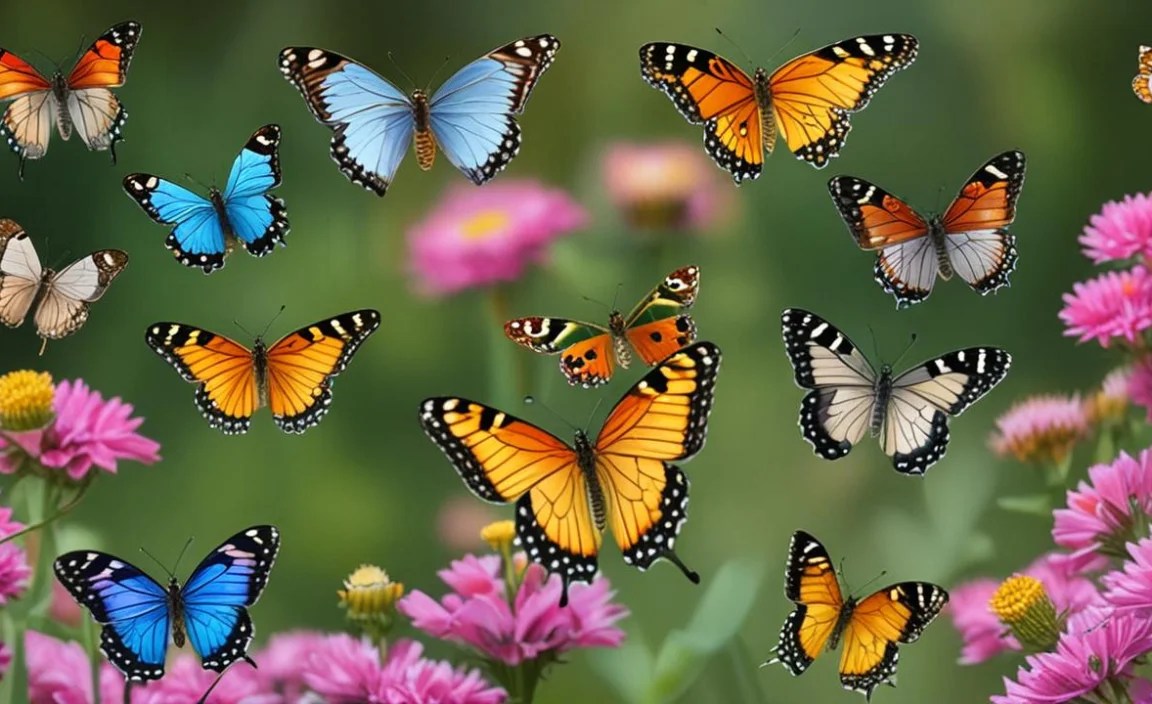
This table summarizes key features to help you identify common German butterflies:
| Butterfly Species | Size | Color | Distinctive Features | Habitat |
|---|---|---|---|---|
| Small Tortoiseshell | Medium | Orange with black and yellow | Blue spots on wing edges | Gardens, meadows |
| Peacock Butterfly | Medium | Dark reddish-brown | Eyespots on wings | Gardens, parks |
| Red Admiral | Medium | Black with red bands | Red bands and white spots | Gardens, woodland edges |
| Comma Butterfly | Medium | Orange-brown | White comma mark on underwing | Woodland edges, gardens |
| Brimstone Butterfly | Medium | Yellow (male), greenish-white (female) | Bright yellow color (male) | Woodland edges, hedgerows |
| Swallowtail | Large | Yellow with black | “Tails” on hindwings | Meadows, gardens |
| Large White | Medium to Large | White with black tips | Larger size, more prominent black markings | Gardens, fields |
| Small White | Small to Medium | White with black tips | Smaller size, less black markings | Gardens, fields |
How to Attract Butterflies to Your Garden

You can create a butterfly-friendly garden by providing the right food sources and habitats. Here’s how:
- Plant nectar-rich flowers: Choose a variety of flowers that bloom at different times of the year to provide a continuous food source for adult butterflies. Good choices include buddleja (butterfly bush), lavender, salvia, andVerbena.
- Provide caterpillar host plants: Plant the specific plants that butterfly caterpillars need to feed on. For example, nettles for Small Tortoiseshell and Peacock caterpillars, and brassicas for Large White and Small White caterpillars.
- Offer a water source: Butterflies need water, especially during hot weather. Provide a shallow dish of water with pebbles or stones for them to land on.
- Avoid pesticides: Pesticides can harm or kill butterflies and other beneficial insects. Use organic gardening methods to control pests.
- Provide shelter: Plant shrubs and trees to provide shelter from wind and rain.
- Leave some areas wild: Allow some areas of your garden to grow wild to provide habitat for caterpillars and other wildlife.
Butterfly Conservation in Germany
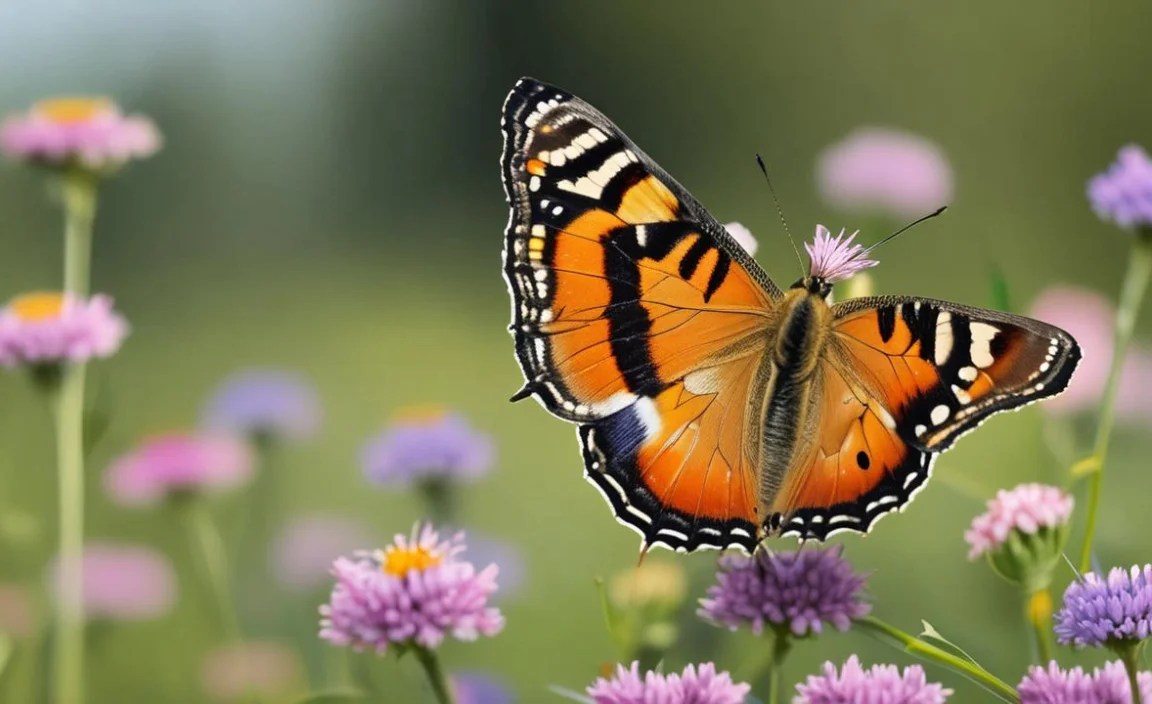
Many butterfly species are facing threats due to habitat loss, climate change, and pesticide use. Here are some ways you can help protect butterflies:
- Support conservation organizations: Donate to or volunteer with organizations that work to protect butterfly habitats. The NABU (Naturschutzbund Deutschland) is a leading conservation organization in Germany.
- Create butterfly-friendly habitats: Plant nectar-rich flowers and caterpillar host plants in your garden or local community.
- Reduce pesticide use: Avoid using pesticides in your garden and support farmers who use sustainable agricultural practices.
- Raise awareness: Educate your friends and family about the importance of butterflies and the threats they face.
- Participate in citizen science projects: Contribute to butterfly monitoring programs to help scientists track butterfly populations and identify conservation needs.
Resources for Further Learning
Here are some resources to help you learn more about European butterflies in Germany:
- Books:
- “Butterflies of Britain and Europe” by Tom Tolman and Richard Lewington
- “Field Guide to Butterflies of Britain and Europe” by H. Bellmann
- Websites:
- Euro Butterflies: A comprehensive website with information and photos of European butterflies.
- Lepidoptera and their ecology: Offers detailed information on European Lepidoptera, including butterflies.
- Apps:
- iNaturalist: A citizen science app that can help you identify butterflies and other wildlife.
Frequently Asked Questions (FAQ)
Here are some frequently asked questions about butterflies in Germany:
What is the most common butterfly in Germany?

The Small Tortoiseshell (Aglais urticae) is one of the most commonly seen butterflies in Germany, often found in gardens, meadows, and woodland edges.
Are there any poisonous butterflies in Germany?

No, there are no poisonous butterflies in Germany in the sense that they are dangerous to touch. However, some caterpillars can cause skin irritation if handled.
What do German butterflies eat?
Adult butterflies primarily feed on nectar from flowers. Caterpillars feed on the leaves of specific host plants, such as nettles, brassicas, or buckthorn, depending on the species.
How can I attract more butterflies to my garden?

Plant nectar-rich flowers, provide caterpillar host plants, offer a shallow water source, avoid pesticides, and provide shelter with shrubs and trees.
When is the best time to see butterflies in Germany?

The best time to see butterflies in Germany is during the spring and summer months (April to September) when they are most active.
Are butterflies in Germany protected?
Yes, many butterfly species in Germany are protected under national and European legislation. It is illegal to intentionally harm or collect them.
What should I do if I find an injured butterfly?

If you find an injured butterfly, you can try to gently move it to a safe location, such as a sheltered spot with nectar-rich flowers. You can also offer it a sugar-water solution (one part sugar to four parts water) on a cotton swab.
Conclusion
Exploring the world of European butterflies in Germany is a rewarding journey, connecting us to the beauty and complexity of nature. By learning to identify these delicate creatures, creating butterfly-friendly habitats, and supporting conservation efforts, we can all play a part in ensuring their survival for generations to come. So, grab your field guide, head outside, and immerse yourself in the enchanting world of German butterflies!


