
How to Attract European Butterflies: Easy Guide

Want to see more beautiful butterflies fluttering around your garden? It’s easier than you think! By planting the right flowers, providing water, and avoiding pesticides, you can create a butterfly haven right in your backyard. This guide will show you simple steps to attract these colourful creatures and help them thrive.
Butterflies are more than just pretty insects; they’re vital pollinators that play a crucial role in our ecosystem. Sadly, many butterfly populations are declining due to habitat loss and pesticide use. But there’s good news! You can make a real difference by creating a butterfly-friendly garden. Ready to transform your garden into a butterfly paradise? Let’s get started!
Understanding European Butterflies

Before diving into how to attract European butterflies, it’s important to understand their specific needs and preferences. Europe is home to a diverse range of butterfly species, each with unique host plants and nectar sources. Understanding these specifics is key to creating an inviting habitat.
Common European Butterfly Species
Europe boasts a wide array of butterfly species, each with its own unique beauty and ecological role. Here are a few of the most common and beloved butterflies you might find gracing your garden:
- Peacock Butterfly (Aglais io): Recognizable by its striking eyespots, the Peacock butterfly is a frequent visitor to gardens and woodlands.
- Small Tortoiseshell (Aglais urticae): This vibrant orange and black butterfly is a common sight and is known for its preference for nettles as a host plant.
- Red Admiral (Vanessa atalanta): A strong flier, the Red Admiral is often seen in gardens, parks, and woodlands, enjoying nectar from various flowers.
- Common Blue (Polyommatus icarus): As the name suggests, the Common Blue is widespread across Europe, with males displaying bright blue wings.
- Brimstone (Gonepteryx rhamni): One of the longest-lived butterflies, the Brimstone is a cheerful yellow and is often one of the first butterflies seen in spring.
Butterfly Life Cycle and Needs
Butterflies undergo a fascinating transformation known as metamorphosis. Understanding their life cycle is crucial for providing the right resources at each stage.
- Egg: Butterflies lay their eggs on specific host plants, which will serve as food for the caterpillars.
- Larva (Caterpillar): Caterpillars are voracious eaters, growing rapidly as they consume the host plant.
- Pupa (Chrysalis): The caterpillar transforms into a pupa, forming a protective chrysalis where the magic of metamorphosis happens.
- Adult Butterfly: The adult butterfly emerges from the chrysalis, ready to reproduce and continue the cycle.
Each stage requires different resources. Caterpillars need specific host plants, while adult butterflies need nectar-rich flowers for energy.
Step-by-Step Guide: How to Attract European Butterflies

Ready to transform your garden into a butterfly haven? Follow these simple steps to attract these beautiful creatures:
Step 1: Plant Host Plants
Host plants are essential for butterfly reproduction. These are the plants on which butterflies lay their eggs and that caterpillars feed on. Without the right host plants, butterflies can’t complete their life cycle in your garden.
- Nettles (Urtica dioica): A favorite of the Small Tortoiseshell and Peacock butterflies.
- Thistles (Cirsium and Carduus): Attract Painted Lady butterflies.
- Bird’s-foot Trefoil (Lotus corniculatus): A host plant for the Common Blue butterfly.
- Buckthorn (Rhamnus cathartica): The primary host plant for the Brimstone butterfly.
- Various grasses: Serve as host plants for many skipper butterflies.
Consider planting a variety of host plants to support different butterfly species. Don’t be afraid to let nettles grow in a corner of your garden – they are a butterfly magnet!
Step 2: Provide Nectar-Rich Flowers
Adult butterflies feed on nectar, which provides them with the energy they need to fly, reproduce, and survive. Planting a variety of nectar-rich flowers will keep butterflies coming back to your garden.
- Buddlejas (Butterfly Bush): A classic butterfly magnet, available in various colours.
- Lavender (Lavandula): Attracts many butterfly species with its fragrant blooms.
- Sedum (Stonecrop): Provides late-season nectar when other flowers are fading.
- Verbena: A long-blooming plant that butterflies love.
- Echinacea (Coneflower): Offers nectar and seeds for birds in the fall.
Choose a mix of flower shapes and colours to cater to different butterfly preferences. Plant flowers in clusters to make them more visible and attractive to butterflies.
Step 3: Create a Butterfly Feeding Station
In addition to flowers, you can provide a butterfly feeding station to supplement their diet, especially during dry spells or when flowers are scarce.
- Overripe Fruit: Place slices of overripe fruit, such as bananas, oranges, or watermelon, on a plate or tray.
- Sugar Water Solution: Mix sugar and water (1 part sugar to 4 parts water) and soak a sponge or cloth in the solution. Place it on a shallow dish.
- Butterfly Puddler: Fill a shallow dish with sand or gravel and keep it moist. Butterflies will gather to drink and extract minerals from the damp soil.
Place the feeding station in a sunny spot, away from predators. Clean the station regularly to prevent mould or bacteria growth.
Step 4: Offer a Water Source
Butterflies need water to stay hydrated, but they can’t drink from deep puddles or bird baths. Provide a shallow water source where they can safely drink.
- Shallow Dish: Fill a shallow dish with water and add pebbles or marbles for butterflies to land on.
- Damp Sand: Create a patch of damp sand in a sunny spot.
- Butterfly Puddler: As mentioned earlier, a butterfly puddler serves as both a water source and a mineral source.
Keep the water source clean and replenish it regularly, especially during hot weather.
Step 5: Provide Shelter and Sunning Spots
Butterflies need shelter from wind and rain, as well as sunny spots to bask and warm their bodies.
- Shrubs and Trees: Plant shrubs and trees to provide shelter from the elements.
- Rocks and Stones: Place large rocks or stones in sunny areas for butterflies to bask on.
- Tall Grasses: Allow some areas of your garden to grow wild with tall grasses, providing shelter and potential host plants.
Ensure that the basking spots are in a sunny location, as butterflies need warmth to be active.
Step 6: Avoid Pesticides
Pesticides are harmful to butterflies and other beneficial insects. Avoid using pesticides in your garden, or choose organic alternatives that are less harmful.
- Handpicking: Remove pests by hand whenever possible.
- Beneficial Insects: Introduce beneficial insects, such as ladybugs and lacewings, to control pests naturally.
- Organic Sprays: Use organic sprays, such as neem oil or insecticidal soap, as a last resort.
Be especially careful when spraying near host plants, as caterpillars are particularly vulnerable to pesticides.
Step 7: Consider a Butterfly House
While the effectiveness of butterfly houses is debated, they can provide a sheltered spot for butterflies to rest, especially during bad weather.
- Choose the Right Design: Look for a butterfly house with narrow vertical slits, which are more attractive to butterflies.
- Placement: Place the butterfly house in a sheltered spot, away from wind and direct sunlight.
- Maintenance: Clean the butterfly house regularly to prevent mould or bacteria growth.
Some gardeners have success with butterfly houses, while others find that butterflies prefer natural shelters. Experiment to see what works best in your garden.
Step 8: Create a Butterfly Garden Design
Planning your garden layout can greatly enhance its appeal to butterflies. Here are some design tips:
- Sunny Location: Butterflies prefer sunny locations, so choose a spot that receives at least six hours of sunlight per day.
- Sheltered Area: Provide a sheltered area with shrubs and trees to protect butterflies from wind and rain.
- Grouping Plants: Plant flowers in clusters of the same species to make them more visible and attractive to butterflies.
- Succession Planting: Choose plants that bloom at different times of the year to provide a continuous source of nectar.
- Paths and Seating: Create paths and seating areas where you can observe and enjoy the butterflies in your garden.
A well-designed butterfly garden is not only attractive to butterflies but also a beautiful and relaxing space for you to enjoy.
Specific Plants for European Butterflies

Choosing the right plants is crucial for attracting European butterflies. Here’s a more detailed look at some of the best options:
Host Plants
Host plants are essential for caterpillars. Without these plants, butterflies cannot reproduce in your garden.
| Butterfly Species | Host Plant | Notes |
|---|---|---|
| Small Tortoiseshell | Nettles (Urtica dioica) | Plant in a sunny spot, but be mindful of spreading. |
| Peacock Butterfly | Nettles (Urtica dioica) | Similar to the Small Tortoiseshell, nettles are vital. |
| Red Admiral | Nettles (Urtica dioica) | Also uses Pellitory-of-the-wall (Parietaria judaica). |
| Common Blue | Bird’s-foot Trefoil (Lotus corniculatus) | A low-growing plant, ideal for meadows and borders. |
| Brimstone | Buckthorn (Rhamnus cathartica) | Can be a shrub or small tree; provides shelter too. |
| Swallowtail | Fennel (Foeniculum vulgare) | A tall, aromatic herb that attracts other beneficial insects. |
Nectar Plants
Nectar plants provide food for adult butterflies, giving them the energy they need to fly and reproduce.
| Plant | Bloom Time | Notes |
|---|---|---|
| Buddleja (Butterfly Bush) | Summer | Available in various colours; attracts many species. |
| Lavender (Lavandula) | Summer | Fragrant and attractive to butterflies and bees. |
| Sedum (Stonecrop) | Late Summer/Autumn | Provides late-season nectar when other flowers are fading. |
| Verbena | Summer/Autumn | Long-blooming and loved by butterflies. |
| Echinacea (Coneflower) | Summer | Offers nectar and seeds for birds in the fall. |
| Thistles (Cirsium and Carduus) | Summer | Native thistles are excellent nectar sources. |
Maintaining Your Butterfly Garden
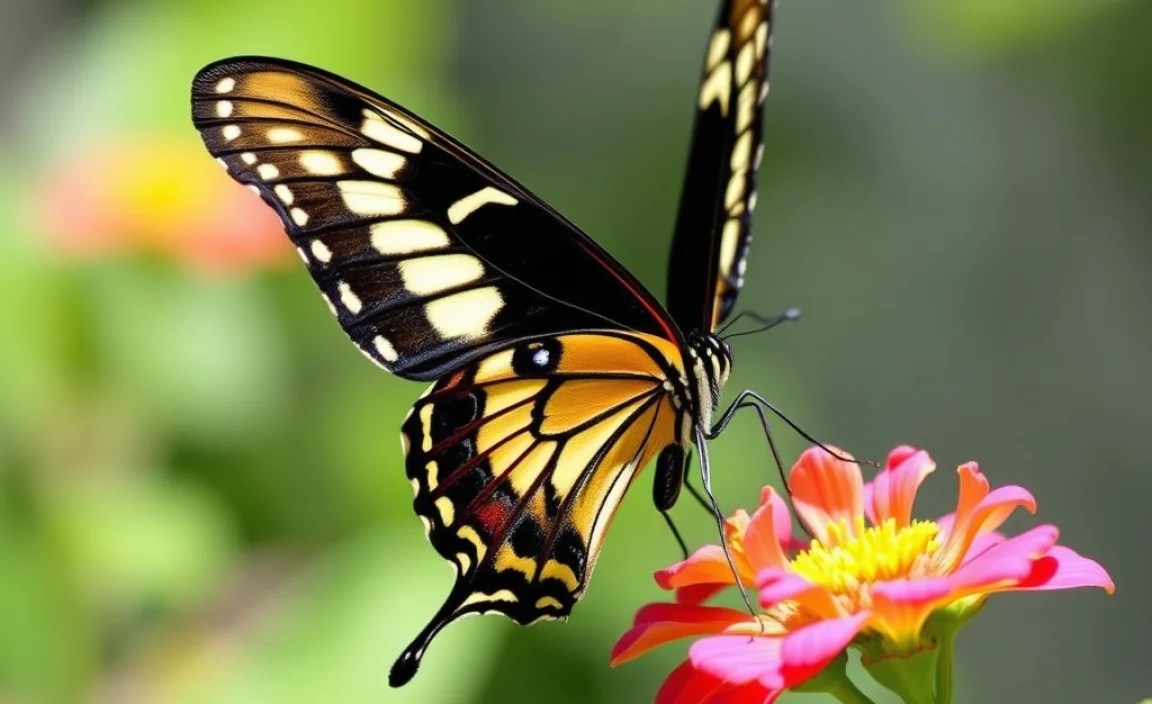
Creating a butterfly garden is just the first step. Regular maintenance is essential to keep it thriving and attractive to butterflies.
Watering
Water your plants regularly, especially during dry spells. Butterflies need a reliable source of water, so keep your puddlers and shallow dishes filled.
Weeding
Keep your garden free of weeds, which can compete with your butterfly plants for resources. Hand-pull weeds or use organic herbicides as needed.
Deadheading
Remove faded flowers to encourage more blooms. This will prolong the flowering season and provide a continuous source of nectar for butterflies.
Pruning
Prune shrubs and trees as needed to maintain their shape and health. This will also help to create a sheltered environment for butterflies.
Fertilising
Fertilise your plants regularly with organic fertiliser to promote healthy growth and abundant blooms. Avoid using chemical fertilisers, which can harm butterflies and other beneficial insects.
Troubleshooting Common Problems
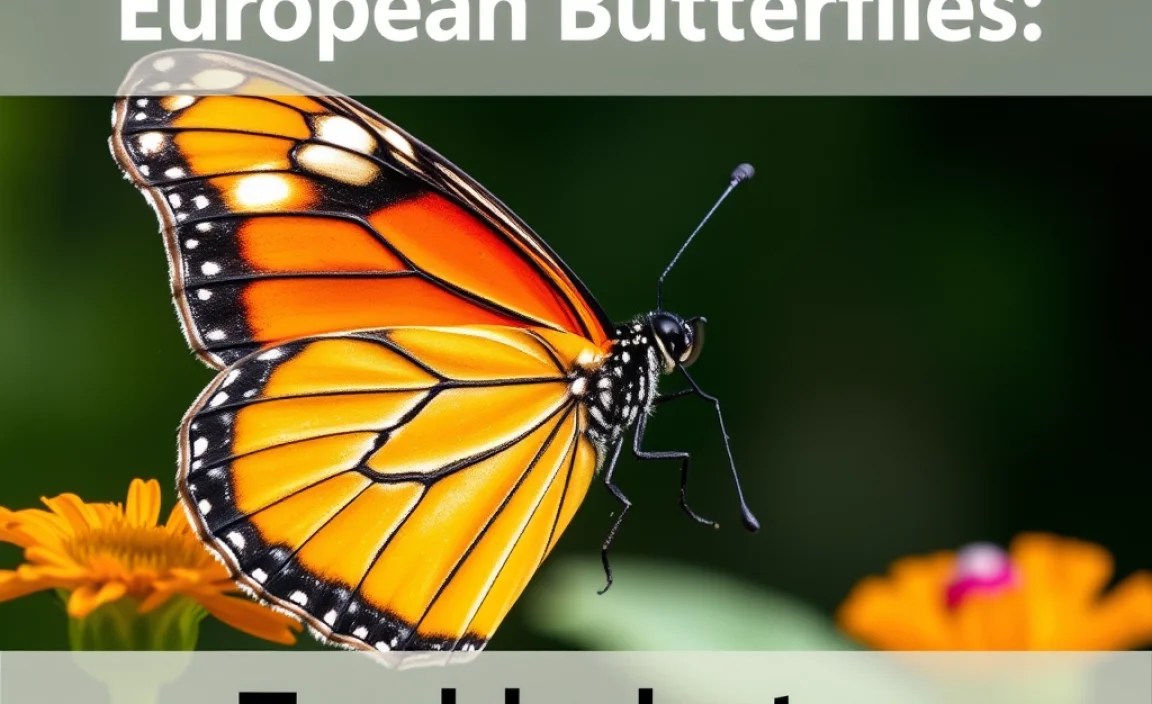
Even with the best planning, you may encounter some challenges in your butterfly garden. Here are some common problems and how to address them:
- Pest Infestations: Control pests with handpicking, beneficial insects, or organic sprays.
- Disease: Choose disease-resistant plant varieties and practice good garden hygiene to prevent disease.
- Lack of Butterflies: If you’re not seeing many butterflies, make sure you have a variety of host plants and nectar plants. Also, check for pesticide use in your area.
- Caterpillar Damage: Some caterpillar damage is normal, but if caterpillars are completely defoliating your plants, consider moving some to a less visible area or providing additional host plants.
Inspiring Conservation Efforts
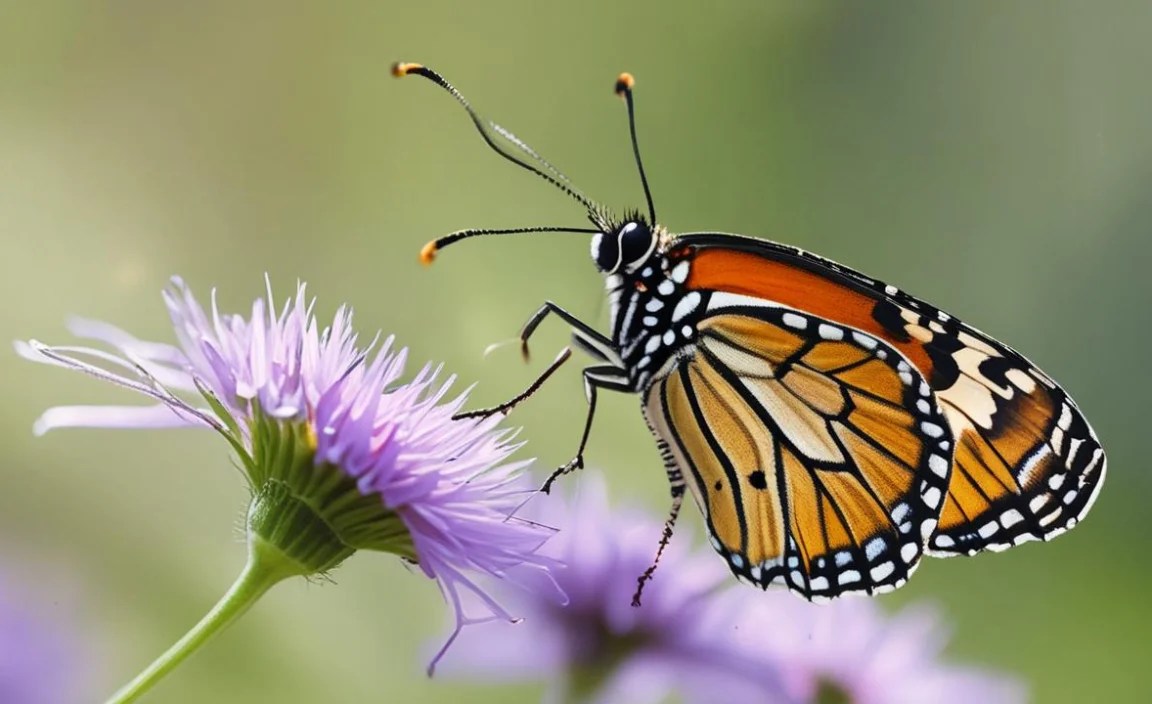
Attracting butterflies to your garden is a wonderful way to support these important pollinators and contribute to conservation efforts. Here are some additional ways to get involved:
- Plant Native Species: Native plants are best adapted to your local climate and provide the most valuable resources for butterflies and other wildlife.
- Reduce Lawn Area: Replace some of your lawn with butterfly-friendly plants. Lawns provide little habitat for wildlife and require significant resources to maintain.
- Support Local Conservation Organisations: Donate to or volunteer with local organisations that are working to protect butterfly habitats.
- Educate Others: Share your knowledge about butterflies and butterfly gardening with friends, family, and neighbours.
- Participate in Citizen Science Projects: Contribute to butterfly monitoring programs by recording your sightings and submitting data to scientific databases.
By taking these steps, you can help to create a more butterfly-friendly world and ensure that these beautiful creatures thrive for generations to come.
Frequently Asked Questions (FAQs)
What are the best plants to attract butterflies in Europe?
The best plants include Buddleja (Butterfly Bush), Lavender, Sedum, Verbena, and Echinacea for nectar. For host plants, consider Nettles, Thistles, and Bird’s-foot Trefoil.
How can I create a butterfly puddler?
Fill a shallow dish with sand or gravel and keep it moist. Butterflies will gather to drink and extract minerals from the damp soil.
Why are butterflies not visiting my garden?
Possible reasons include a lack of host plants and nectar plants, pesticide use, or unfavourable weather conditions. Ensure you have a variety of plants and avoid pesticides.
Do butterfly houses really work?
The effectiveness is debated. Ensure it has narrow vertical slits, is placed in a sheltered spot, and is cleaned regularly.
How can I protect caterpillars from predators?
Provide shelter with dense shrubs and trees. You can also use netting to protect vulnerable plants.
What is the importance of host plants for butterflies?
Host plants are essential for butterfly reproduction. These are the plants on which butterflies lay their eggs and that caterpillars feed on. Without the right host plants, butterflies can’t complete their life cycle in your garden.
How do I avoid using pesticides in my butterfly garden?
Use handpicking, introduce beneficial insects, and use organic sprays as a last resort. Be especially careful near host plants.
Conclusion
Creating a butterfly garden is a rewarding experience that brings beauty and ecological benefits to your backyard. By following these simple steps, you can attract a variety of European butterflies and help to support their populations. From planting host plants and nectar-rich flowers to providing water and shelter, every effort you make will contribute to a more butterfly-friendly world. So, get out there, start planting, and enjoy the magical sight of butterflies fluttering in your garden!


