
Painted Lady Migration Through Texas: The Amazing Secret

Have you ever seen a butterfly fluttering by? What if you saw millions? Every year, an amazing event happens. The painted lady migration through Texas is a sight to behold. These butterflies travel thousands of miles. It is one of nature’s most impressive journeys.
These tiny creatures fly from Mexico and the southwestern U.S. They travel up through Texas and beyond. They are looking for food and places to lay their eggs. The painted lady migration through Texas is a sign of spring. It brings beauty and wonder to our state.
Have you ever wondered why they migrate? Or how they find their way? The story of these butterflies is full of surprises. The painted lady migration through Texas is more than just a journey. It is a story of survival. It is a testament to the power of nature.
Key Takeaways
- The painted lady migration through Texas is an annual natural phenomenon.
- Painted lady butterflies travel thousands of miles from Mexico.
- They migrate to find food and suitable breeding grounds.
- The migration usually occurs in the spring.
- Texas provides important habitats for these migrating butterflies.
Understanding the Painted Lady Migration Through Texas
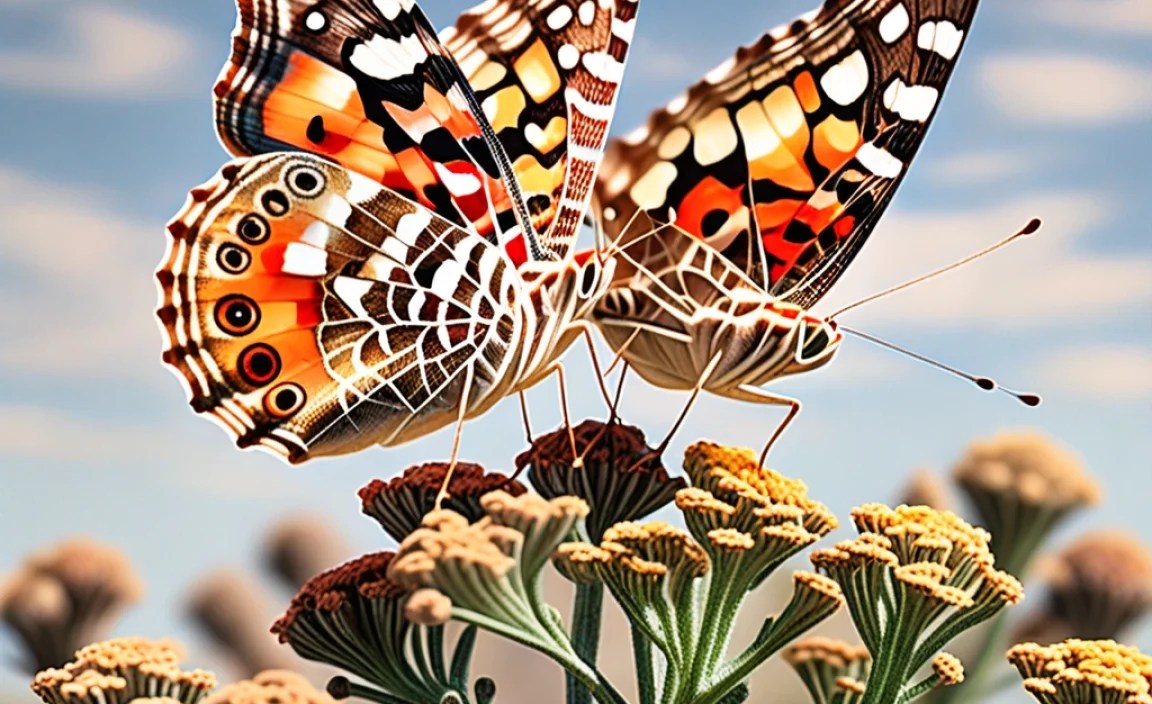
The painted lady migration through Texas is a complex event. Many factors influence it. The butterflies start their journey in Mexico. They move north as temperatures warm. Texas is a crucial stop. The state offers lots of food. It also has places for them to lay eggs. Weather patterns play a big role. Strong winds can help or hinder their journey. The availability of host plants is also key. These plants provide food for the caterpillars. Understanding these factors helps us appreciate this incredible migration. It also helps us protect these beautiful butterflies.
- Painted ladies start in Mexico.
- They move north in the spring.
- Texas has important food and habitat.
- Weather affects their migration path.
- Host plants feed the caterpillars.
Scientists study the painted lady migration through Texas. They use different methods to track the butterflies. These methods include tagging and tracking. Scientists also study weather patterns. They look at plant distribution. This research helps us understand the migration better. It also helps us learn how to protect the butterflies. By understanding their needs, we can help them thrive. Protecting their habitats ensures they continue their amazing journey. The painted lady migration through Texas is a treasure worth preserving.
Fun Fact or Stat: Painted lady butterflies can fly up to 100 miles in a single day during their migration!
Why Do Painted Ladies Migrate?
Have you ever wondered why animals migrate? Migration is often about survival. Animals move to find food or better weather. They also migrate to breed. Painted ladies migrate for similar reasons. They leave areas that are too hot or dry. They search for places with more food for their caterpillars. These caterpillars eat plants like thistles and mallows. By migrating, painted ladies ensure their survival. They find the resources they need to reproduce. Their journey is a testament to their resilience. The painted lady migration through Texas is a vital part of their life cycle.
How Do They Navigate?
Imagine flying thousands of miles without a map. How would you know where to go? Painted ladies have special ways of navigating. They use the sun as a compass. They also sense the Earth’s magnetic field. These abilities help them stay on course. Wind patterns also play a role. They can carry the butterflies long distances. Scientists are still learning about their navigation skills. Each year, they uncover more clues. The painted lady migration through Texas is a marvel of natural navigation.
What Challenges Do They Face?
Migration is not easy. Painted ladies face many dangers along the way. Weather can be unpredictable. Strong storms can blow them off course. Lack of food is another challenge. If host plants are scarce, caterpillars may starve. Predators also pose a threat. Birds and other insects eat the butterflies. Human activities can also harm them. Habitat loss and pesticide use can reduce their numbers. Despite these challenges, they continue their journey. The painted lady migration through Texas demonstrates their incredible resilience.
The Role of Texas in the Migration

Texas plays a vital role in the painted lady migration. The state’s diverse habitats provide essential resources. Painted ladies find food and shelter here. Texas also serves as a breeding ground. Butterflies lay their eggs on host plants. The caterpillars then feed on these plants. Texas’s location is also important. It is a natural corridor for migration. Butterflies pass through Texas on their way north. Protecting Texas’s habitats is crucial. It helps ensure the success of the migration. The painted lady migration through Texas depends on the state’s resources.
- Texas has diverse habitats.
- Butterflies find food and shelter.
- Texas is an important breeding ground.
- The state is a natural migration corridor.
- Protecting habitats is very important.
Different regions of Texas support the migration. South Texas is often the first stop. Butterflies arrive here from Mexico. Central Texas provides more food sources. North Texas is a transition zone. Butterflies continue their journey further north. Each region offers unique benefits. Understanding these regional differences is important. It helps us focus conservation efforts. We can protect the most important habitats. By working together, we can support the painted lady migration through Texas. The state’s diverse landscape is essential for these butterflies.
Fun Fact or Stat: Texas has over 600 species of butterflies, making it one of the most butterfly-rich states in the U.S.!
Which Regions Are Key?
Have you ever explored the different parts of Texas? Each region has its own special features. South Texas is warm and sunny. It is a great place for butterflies to start their journey. Central Texas has many wildflowers. These flowers provide nectar for the butterflies. North Texas is cooler and greener. It is a good place for caterpillars to feed. West Texas is dry and rugged. It offers shelter from the wind. Each region plays a unique role. Together, they support the painted lady migration through Texas. Understanding these regions helps us protect the butterflies.
What Plants Do They Need?
Imagine trying to survive without your favorite food. Painted lady caterpillars need specific plants to eat. These plants are called host plants. Thistles are a favorite food. Mallows are another important plant. These plants provide the nutrients caterpillars need. Without these plants, they cannot grow and become butterflies. Protecting these host plants is crucial. We can plant them in our gardens. We can also support conservation efforts. The painted lady migration through Texas depends on these plants.
How Can We Protect Their Habitat?
We can all help protect butterfly habitats. Simple actions can make a big difference. Plant native wildflowers in your yard. Avoid using pesticides. These chemicals can harm butterflies and caterpillars. Support local conservation groups. They work to protect natural areas. Educate others about the importance of butterflies. By working together, we can create a butterfly-friendly environment. The painted lady migration through Texas will thrive if we protect their homes.
The Timing and Patterns of the Migration
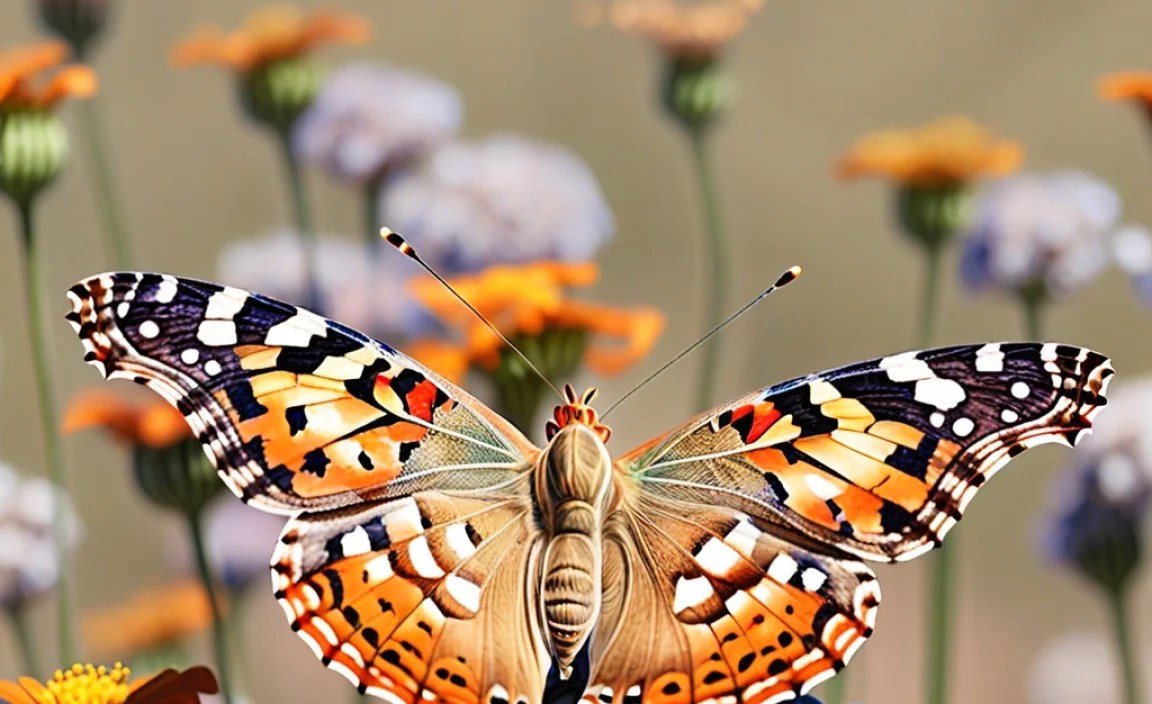
The painted lady migration through Texas follows a pattern. It usually starts in the spring. The exact timing depends on the weather. Warm temperatures trigger the migration. Butterflies move north as the weather warms. The migration can last for several weeks. Sometimes, there are multiple waves of butterflies. Scientists track these patterns closely. They use data to predict future migrations. Understanding the timing helps us prepare. We can protect habitats during critical periods. The painted lady migration through Texas is a seasonal event. Its timing is closely linked to the environment.
- Migration usually starts in spring.
- Warm temperatures trigger the movement.
- The migration lasts several weeks.
- There can be multiple waves.
- Scientists track the patterns.
Weather patterns influence the migration. Warm springs lead to early migrations. Cold springs can delay the journey. Wind also plays a crucial role. Strong winds can help butterflies travel faster. They can also blow them off course. Droughts can reduce food availability. This can impact the success of the migration. Scientists study these factors. They try to understand how they affect the butterflies. The painted lady migration through Texas is sensitive to weather conditions. Monitoring these conditions is essential for conservation.
Fun Fact or Stat: The painted lady butterfly is one of the most widely distributed butterflies in the world, found on every continent except Antarctica!
What Time of Year Is Best?
Imagine planning a trip. You would want to know the best time to go. The best time to see the painted lady migration through Texas is usually in the spring. This is when the butterflies are most active. They are moving north in large numbers. The exact timing can vary. It depends on the weather. Check local butterfly reports for the latest information. You can also visit butterfly gardens. These gardens often have many painted ladies. Spring is the ideal time to witness this amazing event.
How Does Weather Affect It?
Have you ever noticed how the weather affects animals? Butterflies are very sensitive to weather. Warm temperatures encourage them to fly. Cold temperatures can slow them down. Wind can help them travel long distances. Rain can make it difficult to fly. Droughts can reduce the amount of food available. These weather factors can have a big impact on the painted lady migration through Texas. Scientists study weather patterns to understand the migration better.
Are There Peak Migration Times?
Just like there are peak seasons for fruits and vegetables, there are peak times for butterfly migrations. The peak of the painted lady migration through Texas usually occurs in April and May. During this time, you are most likely to see large numbers of butterflies. They will be flying through fields and gardens. They will be stopping to feed on flowers. Keep an eye out for these peak times. You might witness an unforgettable sight.
Identifying Painted Lady Butterflies

It’s important to know how to spot a painted lady. These butterflies have unique markings. They have orange and brown wings. They also have black spots. The undersides of their wings are patterned. They have small eyespots. These help them blend in. Painted ladies are medium-sized butterflies. They are smaller than monarchs. They are larger than some other butterflies. Learning to identify them is fun. You can impress your friends with your knowledge. The painted lady migration through Texas is easier to appreciate when you know what to look for.
- Orange and brown wings
- Black spots on the wings
- Patterned undersides with eyespots
- Medium size, smaller than monarchs
- Found throughout Texas
Comparing painted ladies to other butterflies is helpful. Monarchs are larger and brighter orange. Swallowtails have distinctive tails on their wings. Viceroys mimic monarchs in appearance. Learning these differences can help you identify butterflies. You can use a butterfly guidebook. You can also join a butterfly watching group. The painted lady migration through Texas is a great opportunity to practice your butterfly identification skills. Knowing the different types of butterflies adds to the fun.
Fun Fact or Stat: The scientific name for the painted lady butterfly is Vanessa cardui!
What Do They Look Like?
Imagine you are an artist. You are painting a butterfly. What colors would you use? Painted ladies have a beautiful combination of colors. Their wings are mostly orange and brown. They have black spots and white markings. The undersides of their wings are more muted. They have a mix of browns and grays. These colors help them blend in with their surroundings. This camouflage protects them from predators. The painted lady migration through Texas brings these colorful creatures to our state.
How Big Are They?
Have you ever held a butterfly in your hand? Painted ladies are not very big. They are medium-sized butterflies. Their wingspan is about two inches. This is smaller than a monarch butterfly. It is larger than a skipper butterfly. Their size makes them easy to spot. But they are also delicate. Handle them gently if you ever have the chance. The painted lady migration through Texas features these medium-sized wonders.
Where Can You Spot Them?
Painted ladies can be found in many places. They like fields and gardens. They also live in parks and along roadsides. They are attracted to flowers. These flowers provide nectar. Look for them on thistles and mallows. These are their favorite host plants. You can also find them near water sources. They need water to stay hydrated. The painted lady migration through Texas means you might see them anywhere in the state.
Benefits of Painted Lady Migration Through Texas
The painted lady migration through Texas is more than just a pretty sight. It has ecological benefits. Butterflies pollinate flowers. They help plants reproduce. They also serve as food for other animals. Birds and insects eat butterflies. The migration supports biodiversity. It helps maintain healthy ecosystems. These benefits are important for our environment. Protecting painted ladies helps protect our planet. The painted lady migration through Texas is a valuable natural event.
- Pollinate flowers, helping plants.
- Serve as food for birds and insects.
- Support biodiversity in Texas.
- Help maintain healthy ecosystems.
- Contribute to environmental health.
The migration also has educational value. It teaches us about nature. It shows us how animals adapt. It inspires us to protect the environment. Schools can use the migration to teach science. Families can enjoy butterfly watching together. The painted lady migration through Texas is a learning opportunity. It connects us to the natural world. By understanding it, we can appreciate it more. This appreciation can lead to conservation action. The migration is a gift that keeps on giving.
Fun Fact or Stat: Butterflies pollinate about one-third of the world’s food crops!
How Do They Help Pollinate?
Imagine a world without flowers or fruits. Butterflies play a vital role in pollination. They carry pollen from one flower to another. This helps plants make seeds and fruits. Painted ladies visit many different flowers. They collect nectar for food. As they move from flower to flower, they spread pollen. This pollination helps plants reproduce. It ensures we have food to eat. The painted lady migration through Texas contributes to this important process.
What Is Their Role in the Food Chain?
Every animal is part of a food chain. Butterflies are a food source for many animals. Birds eat butterflies. Insects like praying mantises also eat them. Caterpillars are food for other insects. They are also eaten by birds. Painted ladies help support these food chains. Their presence ensures that other animals have food. The painted lady migration through Texas brings food to many creatures.
Why Is Biodiversity Important?
Biodiversity means having many different types of plants and animals. A healthy ecosystem needs biodiversity. Each plant and animal plays a role. Some plants provide food. Some animals control pests. Some animals pollinate flowers. When we lose biodiversity, ecosystems can become unstable. Protecting biodiversity is important for our planet. The painted lady migration through Texas supports biodiversity. It helps keep our ecosystems healthy.
Threats to Painted Lady Butterflies
Painted lady butterflies face many threats. Habitat loss is a major problem. As we build more roads and buildings, we destroy their homes. Pesticide use is another threat. These chemicals can kill butterflies and caterpillars. Climate change is also a concern. It can alter migration patterns. It can affect food availability. These threats can reduce butterfly populations. We need to take action to protect them. The painted lady migration through Texas is at risk. We must work together to ensure their survival.
| Threat | Description | Impact | Solutions |
|---|---|---|---|
| Habitat Loss | Destruction of natural areas. | Reduces breeding and feeding grounds. | Protect and restore habitats. |
| Pesticide Use | Chemicals that kill insects. | Poisons butterflies and caterpillars. | Reduce pesticide use, promote organic gardening. |
| Climate Change | Changes in weather patterns. | Alters migration, reduces food. | Reduce carbon footprint, support conservation. |
| Predation | Being hunted by birds and other insects. | Reduces butterfly population. | Provide safe habitats, reduce other threats. |
Conservation efforts can help protect painted ladies. We can plant host plants in our gardens. We can avoid using pesticides. We can support conservation organizations. We can educate others about the importance of butterflies. Every action makes a difference. The painted lady migration through Texas can be preserved. It requires our collective effort. By working together, we can ensure these beautiful butterflies thrive.
Fun Fact or Stat: Some butterfly populations have declined by as much as 90% in recent decades due to habitat loss and pesticide use.
What Is Habitat Loss?
Imagine your home being destroyed. Habitat loss is similar for animals. It means their homes are being destroyed. This can happen when forests are cut down. It can also happen when grasslands are turned into farms. When habitats are lost, animals have nowhere to live. They cannot find food or shelter. Habitat loss is a major threat to butterflies. The painted lady migration through Texas depends on healthy habitats.
How Do Pesticides Harm Butterflies?
Pesticides are chemicals used to kill insects. But they can also harm butterflies. Pesticides can poison butterflies directly. They can also kill the plants that caterpillars eat. This means caterpillars cannot grow. Pesticide use can reduce butterfly populations. It is important to use pesticides carefully. The painted lady migration through Texas is threatened by these chemicals.
Can Climate Change Affect Them?
Climate change is affecting the entire planet. It can also affect butterflies. Changes in temperature can alter migration patterns. Droughts can reduce the amount of food available. Extreme weather events can harm butterflies. Climate change is a complex problem. It requires global solutions. The painted lady migration through Texas is vulnerable to these changes.
Summary
The painted lady migration through Texas is an amazing natural event. These butterflies travel thousands of miles. They start in Mexico and move north. Texas provides important habitats for them. They find food and places to lay eggs here. The migration usually happens in the spring. Weather patterns play a big role. Strong winds can help or hinder them. Understanding this migration is crucial. It helps us protect these beautiful butterflies.
Painted ladies face many threats. Habitat loss and pesticide use are major concerns. Climate change also poses a risk. We can all help protect them. Plant native wildflowers in your yard. Avoid using pesticides. Support conservation efforts. The painted lady migration through Texas is a treasure worth preserving. By working together, we can ensure their survival.
Conclusion
The painted lady migration through Texas is a spectacle. It reminds us of the beauty of nature. These butterflies travel far. They face many challenges. Yet, they keep going. Their journey is a testament to resilience. We must protect these butterflies. We can make small changes. We can plant native plants. We can avoid pesticides. These actions help them. They also benefit our planet. The painted lady migration through Texas is worth saving. Let’s work together to ensure it continues.
Frequently Asked Questions
Question No 1: What is the painted lady migration through Texas?
Answer: The painted lady migration through Texas is an annual event. Millions of painted lady butterflies fly through Texas. They are traveling from Mexico and the southwestern United States. They are heading north. This migration is driven by the search for food and breeding grounds. Texas provides crucial habitats for these butterflies. It is a key stopover point during their long journey.
Question No 2: When does the painted lady migration through Texas typically occur?
Answer: The migration usually happens in the spring. The exact timing can vary. It depends on weather conditions. Warmer temperatures trigger the migration. Butterflies start moving north as the weather warms up. The peak migration period is typically in April and May. However, you might see them earlier or later. Keep an eye on local butterfly reports. These reports will give you the most up-to-date information.
Question No 3: Why do painted lady butterflies migrate through Texas?
Answer: Painted lady butterflies migrate to find food and breeding grounds. They leave areas that are too hot or dry. They search for places with more resources. Texas offers abundant food sources. It has many host plants for their caterpillars. It also has suitable conditions for laying eggs. The painted lady migration through Texas is essential for their survival. It allows them to reproduce and continue their life cycle.
Question No 4: How can I identify a painted lady butterfly?
Answer: Painted lady butterflies have orange and brown wings. They have black spots. They have white markings. The undersides of their wings are patterned. They have small eyespots. They are medium-sized butterflies. They are smaller than monarch butterflies. They are larger than some other species. Look for them in fields and gardens. They are attracted to flowers. You can also use a butterfly guidebook. This can help you confirm their identity during the painted lady migration through Texas.
Question No 5: What are the threats to painted lady butterflies during their migration through Texas?
Answer: Painted lady butterflies face several threats. Habitat loss is a major concern. Pesticide use can also harm them. Climate change can disrupt their migration patterns. Lack of food sources is another challenge. These threats can reduce their populations. Protecting their habitats is crucial. Reducing pesticide use is also important. Supporting conservation efforts can help. The painted lady migration through Texas depends on our actions.
Question No 6: How can I help protect painted lady butterflies during their migration through Texas?
Answer: You can help in many ways. Plant native wildflowers in your yard. Avoid using pesticides. Support local conservation groups. Educate others about the importance of butterflies. Create a butterfly-friendly environment. Provide water sources for them. The painted lady migration through Texas will benefit from your efforts. Every action makes a difference. By working together, we can ensure their survival.


