
Asian Butterfly Naming Conventions: The Ultimate Guide

Have you ever seen a butterfly with a beautiful name? Butterflies have many names around the world. These names often tell us something special. What do you know about Asian butterfly naming conventions?
Butterflies are important. They help flowers grow. People love to watch them flutter around. Asian cultures have given them special names for a long time.
The way people name butterflies can be different. Some names describe the colors. Other names talk about where they live. Learning about Asian butterfly naming conventions is fun. It helps us understand more about nature.
Key Takeaways
- Asian butterfly naming conventions often reflect local languages and traditions.
- Butterfly names can describe colors, patterns, or habitats where they live.
- Some names honor important people or tell stories about the butterfly.
- Understanding these names helps us learn about Asian cultures and nature.
- Scientists also use special names to classify different kinds of butterflies.
Understanding Asian Butterfly Names
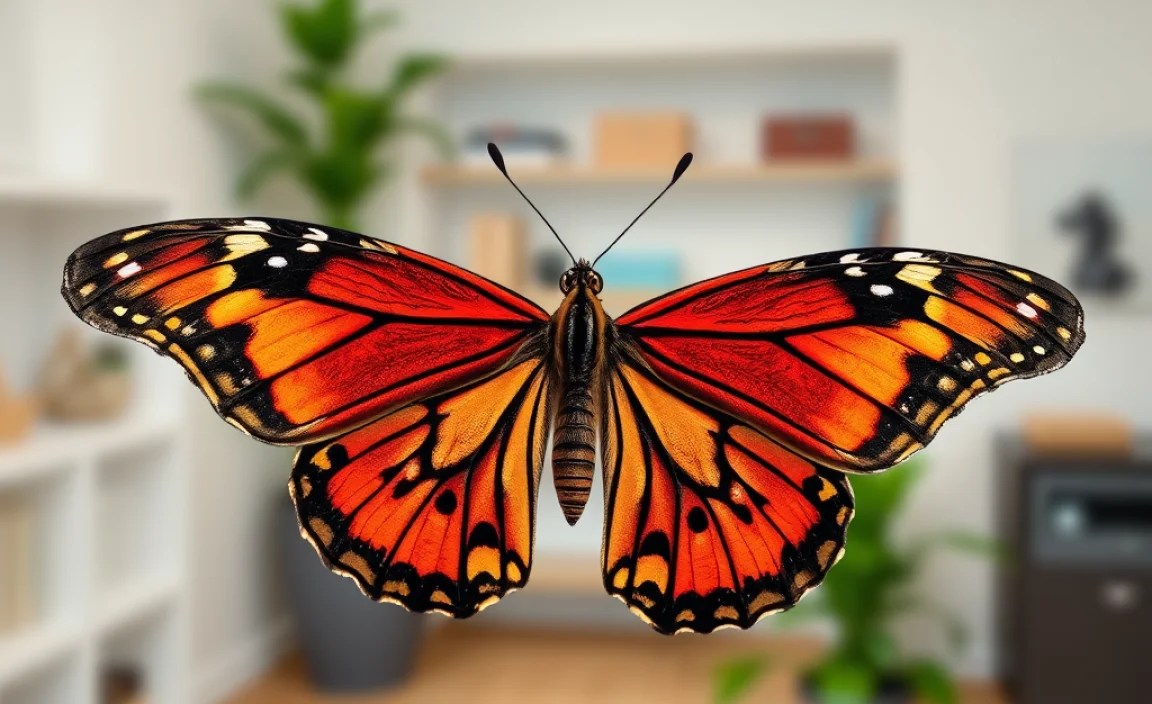
Naming butterflies is a special job. People in Asia have been doing it for a long time. The names they choose often tell a story. These stories can be about the butterfly’s color. They might be about where it lives. Sometimes, the names even honor someone important. Understanding Asian butterfly naming conventions means learning about these stories. The names reflect the culture and language of the region. It’s like each butterfly has its own little history book attached to it. These names help us appreciate the beauty and importance of these amazing insects. Learning about these traditions can make us feel more connected to nature.
- Names often describe colors.
- Some names tell where they live.
- Names can honor people.
- Stories are part of the names.
- Culture affects the names.
The process of naming butterflies is fascinating. It combines science and culture. Scientists give butterflies official names. These names are used all over the world. But local people often have their own names too. These local names can be very different. They show how people see and understand the butterflies around them. Asian butterfly naming conventions are a mix of science and tradition. This mix makes them very interesting to study. By learning about these names, we can learn about the people and places that the butterflies call home. The names connect us to the natural world.
Why are butterflies important?
Butterflies are important for many reasons. They help flowers make seeds. This helps plants grow. Butterflies also bring beauty to our world. Many people love to watch them fly around. Butterflies are also food for other animals. Birds and lizards eat them. If there were no butterflies, these animals would have less to eat. Butterflies are part of a big food chain. They help keep the environment healthy. Protecting butterflies is important. We need to make sure they have places to live and food to eat. When we protect butterflies, we protect the whole environment.
Who decides on the names?
Deciding on a name for a butterfly can involve different people. Scientists give butterflies official names. These names are used by scientists all over the world. Local people often have their own names for butterflies. These names come from their culture and traditions. Sometimes, a group of experts decides on a name. They might look at the butterfly’s colors and patterns. They might also listen to what local people call it. The process of naming a butterfly can be different in different places. It often involves both scientists and local communities working together. This helps make sure the name is both accurate and meaningful.
What makes a good butterfly name?
A good butterfly name is one that is easy to remember. It should also tell you something about the butterfly. The name might describe its color. It might tell you where it lives. A good name should also be unique. This means that no other butterfly has the same name. Scientists try to give butterflies names that are clear and accurate. Local people often choose names that are beautiful and meaningful. A good butterfly name is one that helps us understand and appreciate these amazing insects. It should also respect the culture and traditions of the people who live near them.
Fun Fact or Stat: There are over 20,000 different kinds of butterflies in the world!
Colors and Patterns in Butterfly Names

Butterflies come in many colors and patterns. These colors and patterns often show up in their names. In Asian butterfly naming conventions, you might find names that describe bright colors. For example, a butterfly with blue wings might have “blue” in its name. A butterfly with spots might be called “spotted.” The patterns on their wings are also important. Some butterflies have stripes. Others have circles. Their names might reflect these patterns. Using colors and patterns in names helps people remember the butterflies. It also helps people identify them. The names become a way to describe the beauty of these insects. It also helps us appreciate the diversity of butterflies.
- “Blue” might mean blue wings.
- “Spotted” can mean spots on the wings.
- Stripes can be part of the name.
- Circles might be used too.
- Colors help people remember.
- Patterns help identify them.
The way colors and patterns are used in butterfly names can be different. It depends on the language and culture. In some languages, there are many words for different shades of colors. These languages might have very specific names for butterflies. In other cultures, the names might be more general. They might just use a basic color name. Even the order of the words in the name can be different. Learning about these differences helps us understand Asian butterfly naming conventions better. It shows us how language and culture can affect the way we see the world. It also shows us how we describe the things around us.
How do butterflies get their colors?
Butterflies get their colors from tiny scales on their wings. These scales are like tiny tiles. They reflect light in different ways. Some scales have pigments. Pigments are like paints that give the scales color. Other scales have special structures. These structures bend the light. This creates shimmering or iridescent colors. The colors of a butterfly can also change. This can depend on the angle you look at it. Some butterflies even have colors that we cannot see. These colors are called ultraviolet colors. They can only be seen by other insects. The way butterflies get their colors is a complex and amazing process.
Why do butterflies have patterns?
Butterflies have patterns for different reasons. Some patterns help them hide from predators. This is called camouflage. The patterns make them look like leaves or bark. Other patterns warn predators that they are poisonous. These patterns are often bright and colorful. Some patterns help butterflies attract mates. The patterns can be different for males and females. The patterns can also help butterflies control their temperature. Dark colors absorb heat. Light colors reflect heat. The patterns on a butterfly’s wings are important for its survival. They help it stay safe, find a mate, and control its body temperature.
Are butterfly colors always the same?
Butterfly colors are not always the same. Some butterflies can change their colors slightly. This can depend on the temperature or the amount of light. The colors can also fade over time. This is because the pigments in the scales break down. Sometimes, a butterfly might have different colors on the top and bottom of its wings. This can help it hide or attract a mate. A butterfly’s colors can also be affected by what it eats as a caterpillar. Some caterpillars eat plants that contain certain pigments. These pigments can then show up in the butterfly’s wings. Butterfly colors are complex and can change over time.
Fun Fact or Stat: Some butterfly wings are so colorful because of tiny structures that bend light!
Habitat and Location in Butterfly Names

Where a butterfly lives is also important. Asian butterfly naming conventions sometimes use the habitat in the name. For example, a butterfly that lives in the forest might have “forest” in its name. A butterfly that lives near a river might be called “river butterfly.” The location of the butterfly can also be used. If a butterfly is only found in one place, the name might include that place. This helps people know where to find the butterfly. It also tells us something about where it lives. The habitat and location are important parts of a butterfly’s identity. Including them in the name makes the butterfly more special.
- “Forest” can mean it lives in the forest.
- “River” might mean it lives near a river.
- Location tells where to find it.
- Habitat is part of its identity.
- Names connect butterflies to places.
Using habitat and location in butterfly names can be very helpful. It helps scientists and nature lovers keep track of different butterflies. It also helps us understand how butterflies are connected to their environment. If a butterfly’s habitat is destroyed, the butterfly might disappear. By including the habitat in the name, we can remember the importance of protecting these places. Asian butterfly naming conventions show us how closely butterflies are linked to their homes. These names remind us to take care of the environment. This helps butterflies and other animals survive.
Why do butterflies live in different places?
Butterflies live in different places because they need different things to survive. Some butterflies need warm weather. They live in tropical forests. Other butterflies can live in cold places. They live in mountains. Butterflies also need specific plants to eat. Their caterpillars eat the leaves of these plants. If the plants are not there, the butterflies cannot live there. Different butterflies have different needs. This is why they live in different habitats. Some butterflies can live in many different places. Others can only live in one specific place. The habitat is very important for a butterfly’s survival.
How do butterflies find their habitat?
Butterflies find their habitat in different ways. Some butterflies are born in a specific place. They stay in that place for their whole lives. Other butterflies can fly long distances. They search for the best place to live. Butterflies use their senses to find their habitat. They can see colors and patterns. They can smell plants and flowers. They can also feel the temperature. Some butterflies follow other butterflies to find new places. The way butterflies find their habitat is a complex process. It involves using their senses and instincts.
What happens if a butterfly loses its habitat?
If a butterfly loses its habitat, it can be very bad for the butterfly. The butterfly might not be able to find food. It might not be able to find a place to lay its eggs. The butterfly might die. If many butterflies lose their habitat, the whole population can disappear. This can have a big impact on the environment. Butterflies help pollinate plants. If there are no butterflies, the plants might not be able to grow. Protecting butterfly habitats is very important. We need to make sure butterflies have places to live.
Fun Fact or Stat: Some butterflies migrate thousands of miles to find the right habitat!
Cultural Significance in Butterfly Names

Butterflies often have special meanings in different cultures. These meanings can show up in their names. In Asian butterfly naming conventions, a butterfly might be named after a god or goddess. It might be named after a famous person. The name might tell a story about the butterfly. It might be a symbol of something important. For example, a butterfly might represent love, peace, or happiness. These names show how people see butterflies. They show how butterflies are connected to their beliefs and traditions. The cultural significance of butterflies makes their names even more special.
- Names can honor gods or goddesses.
- Names can honor famous people.
- Names can tell a story.
- Butterflies can symbolize love.
- They can symbolize peace.
- They can symbolize happiness.
Understanding the cultural significance of butterfly names helps us learn about different cultures. It also helps us appreciate the beauty of these insects. The names are more than just labels. They are a way to connect with the history and beliefs of a community. Asian butterfly naming conventions are a window into the rich cultures of Asia. By learning about these names, we can learn about the values and traditions of the people who live there. It also helps us respect the different ways that people see and understand the world around them.
What do butterflies symbolize in different cultures?
Butterflies symbolize different things in different cultures. In some cultures, they represent transformation and change. This is because butterflies start as caterpillars and then change into beautiful butterflies. In other cultures, butterflies represent the soul or spirit. They are seen as a connection to the afterlife. In some cultures, butterflies are symbols of good luck or happiness. The meaning of a butterfly can depend on its color and pattern. Different cultures have different beliefs about butterflies. These beliefs are often reflected in their stories and art.
How do butterflies appear in Asian art and stories?
Butterflies appear in Asian art and stories in many ways. They are often used as symbols of beauty and grace. They can also represent love and romance. In some stories, butterflies are messengers between the human world and the spirit world. Butterflies are often depicted in paintings, poems, and songs. They are also used in traditional crafts, such as embroidery and paper cutting. The way butterflies are portrayed in Asian art and stories shows their importance in these cultures. They are seen as more than just insects. They are symbols of hope, transformation, and beauty.
Can butterfly names tell us about cultural beliefs?
Yes, butterfly names can tell us about cultural beliefs. The names often reflect the values and traditions of the people who named them. If a butterfly is named after a god or goddess, it shows that the culture values religion. If a butterfly is named after a famous person, it shows that the culture values leadership or achievement. The names can also tell us about the history of a place. They can tell us about the plants and animals that are important to the culture. Butterfly names are a valuable source of information about cultural beliefs and traditions.
Fun Fact or Stat: In some Asian cultures, butterflies are symbols of long life and marital bliss!
Scientific Classification of Butterflies

Scientists also have a way of naming butterflies. This is called scientific classification. They give each butterfly a special name. This name is used by scientists all over the world. It helps them keep track of different kinds of butterflies. The scientific name has two parts. The first part is the genus. The second part is the species. The genus is like the butterfly’s last name. The species is like its first name. Asian butterfly naming conventions also include these scientific names. This helps scientists communicate with each other about butterflies. It also helps them study and protect these amazing insects.
- Scientists use special names.
- The name has two parts.
- Genus is like the last name.
- Species is like the first name.
- Names help scientists communicate.
The scientific classification of butterflies is based on their physical characteristics. Scientists look at the shape of their wings. They look at the patterns on their wings. They also look at their body structure. They use these characteristics to group butterflies into different categories. This helps them understand how different butterflies are related to each other. Asian butterfly naming conventions are often combined with scientific names. This helps scientists and local people work together to study and protect butterflies. It also helps us learn more about the amazing diversity of life on Earth.
Why do scientists use scientific names?
Scientists use scientific names because they are precise and universal. Common names for butterflies can vary from place to place. The same butterfly might have different names in different countries. Scientific names are the same all over the world. This makes it easier for scientists to communicate with each other. Scientific names also tell us something about the butterfly’s relationships to other butterflies. They are based on a system of classification that reflects the evolutionary history of these insects. Using scientific names helps scientists avoid confusion and communicate clearly.
How are butterflies classified scientifically?
Butterflies are classified scientifically based on their physical characteristics. Scientists look at their wings, bodies, and other features. They use these characteristics to group butterflies into different categories. The main categories are: Kingdom, Phylum, Class, Order, Family, Genus, and Species. Each category is more specific than the one before it. For example, all butterflies belong to the same Kingdom (Animalia) and Phylum (Arthropoda). But they belong to different Families, Genera, and Species. This system of classification helps scientists understand the relationships between different butterflies.
Can scientific names change?
Yes, scientific names can change. This can happen when scientists learn new information about a butterfly. For example, they might discover that a butterfly is more closely related to another butterfly than they thought. In this case, they might change the butterfly’s genus or species name. Scientific names can also change if there is a mistake in the original naming. The rules for naming animals are complex. Sometimes, a name might not follow these rules. In this case, the name might be changed to correct the mistake. Scientific names are constantly being reviewed and updated as scientists learn more.
Fun Fact or Stat: The scientific study of butterflies is called lepidopterology!
Comparing Butterfly Names Across Asia
Butterfly names are not the same everywhere in Asia. Different countries and regions have their own languages and cultures. This means that Asian butterfly naming conventions can be very different. A butterfly might have one name in China. It might have a completely different name in Japan. Even within the same country, different communities might use different names. Comparing butterfly names across Asia can be fascinating. It shows us the rich diversity of languages and cultures in this part of the world. It also helps us understand how people see and understand butterflies in different ways.
| Butterfly | English Name | Chinese Name | Japanese Name | Korean Name |
|---|---|---|---|---|
| Monarch Butterfly | Monarch Butterfly | 帝王蝶 (Dìwáng dié) | オオカバマダラ (Ōkabamadar) | 제왕나비 (Jewangnabi) |
| Swallowtail Butterfly | Swallowtail Butterfly | 燕尾蝶 (Yànwěi dié) | アゲハチョウ (Agehachō) | 제비나비 (Jebinabi) |
| Blue Morpho Butterfly | Blue Morpho Butterfly | 蓝闪蝶 (Lán shǎn dié) | モルフォチョウ (Morufōchō) | 푸른모르포나비 (Pureunmoreuponabi) |
| Cabbage White Butterfly | Cabbage White Butterfly | 菜粉蝶 (Cài fěn dié) | モンシロチョウ (Monshirochō) | 배추흰나비 (Baechuhuinnabi) |
- Names differ by country.
- Languages affect the names.
- Cultures shape the names.
- Communities might have local names.
- Diversity is seen in the names.
When comparing butterfly names, it’s important to consider the meaning of the words. Some names might describe the butterfly’s appearance. Other names might tell a story about the butterfly. The way people name butterflies can tell us a lot about their culture. In some cultures, butterflies are seen as symbols of good luck. In other cultures, they are seen as symbols of transformation. Asian butterfly naming conventions are a reflection of these different beliefs and traditions. By studying these names, we can gain a deeper understanding of the people and cultures of Asia.
Why are names different in different languages?
Names are different in different languages because languages have different words and sounds. Each language has its own way of describing things. The way people see and understand the world can also affect the names they use. Languages evolve over time. They borrow words from other languages. They also create new words. This means that the names for butterflies can change over time too. The diversity of languages is one of the things that makes the world so interesting.
Do some cultures share butterfly names?
Yes, some cultures share butterfly names. This can happen when cultures are close to each other. It can also happen when people move from one place to another. When cultures share names, the names might be pronounced differently. They might also have slightly different meanings. Sometimes, a name might be borrowed from one language and adapted to another language. Sharing names is a sign of cultural exchange and influence.
How can we learn more about Asian butterfly names?
We can learn more about Asian butterfly names in different ways. We can read books about butterflies. We can also search for information online. We can talk to people who live in Asia. They can tell us about the names they use for butterflies. We can also visit museums and gardens. They often have exhibits about butterflies. Learning about Asian butterfly naming conventions is a great way to learn about different cultures. It also helps us appreciate the beauty and diversity of the natural world.
Fun Fact or Stat: Some butterfly names are derived from ancient myths and legends!
Protecting Butterflies and Their Names
Protecting butterflies is very important. Many butterflies are in danger. Their habitats are being destroyed. They are also affected by pollution and climate change. When butterflies disappear, their names disappear too. Asian butterfly naming conventions are a valuable part of our cultural heritage. We need to protect butterflies and their habitats. This will help us preserve these names for future generations. We can all do our part to protect butterflies. We can plant flowers that butterflies like. We can avoid using pesticides. We can also support organizations that are working to protect butterfly habitats.
- Butterflies are in danger.
- Habitats are being destroyed.
- Pollution affects them.
- Climate change harms them.
- Names disappear with butterflies.
- We must protect them.
Protecting butterflies is not just about saving the insects themselves. It’s also about protecting the environment. Butterflies are an important part of the ecosystem. They help pollinate plants. They are also food for other animals. When we protect butterflies, we protect the whole ecosystem. Asian butterfly naming conventions remind us of the importance of these insects. They also remind us of the connection between culture and nature. By protecting butterflies, we are protecting our planet.
What are the biggest threats to butterflies?
The biggest threats to butterflies are habitat loss, pollution, and climate change. Habitat loss happens when forests and meadows are destroyed to make way for farms, cities, and roads. Pollution can poison butterflies and their food sources. Climate change can change the weather patterns. This makes it harder for butterflies to survive. These threats are all caused by human activities. We need to take action to reduce these threats. This will help protect butterflies and other wildlife.
How can we help protect butterflies?
We can help protect butterflies in many ways. We can plant flowers that butterflies like. We can avoid using pesticides in our gardens. We can support organizations that are working to protect butterfly habitats. We can also educate others about the importance of butterflies. Even small actions can make a big difference. By working together, we can help ensure that butterflies continue to thrive for generations to come.
Why is it important to protect butterfly names?
It is important to protect butterfly names because they are part of our cultural heritage. The names tell us about the history and traditions of different cultures. They also tell us about the relationship between people and nature. When butterflies disappear, their names disappear too. This is a loss for everyone. By protecting butterflies, we can also protect their names. This will help us preserve our cultural heritage for future generations. Asian butterfly naming conventions are a valuable part of this heritage.
Fun Fact or Stat: Some butterfly species are so rare, they are protected by law!
Summary
Butterflies are beautiful insects. They have special names in different cultures. Asian butterfly naming conventions reflect the language, culture, and environment. The names often describe the butterfly’s colors, patterns, or habitat. They can also honor gods, goddesses, or famous people. Understanding these names helps us learn about different cultures and traditions. It also helps us appreciate the beauty and diversity of the natural world. Scientists also use special names to classify butterflies. These names are used all over the world. Protecting butterflies and their habitats is very important. This helps us preserve these names for future generations.
By learning about Asian butterfly naming conventions, we can connect to nature. We can also appreciate the rich cultures of Asia. Butterflies symbolize transformation, beauty, and hope. Their names are a reflection of these symbols. We must protect butterflies and their names. This will help us preserve our cultural heritage. It will also help us protect our planet.
Conclusion
Butterflies are amazing creatures. They bring beauty and joy to our world. Their names tell us stories about their colors, habitats, and cultural significance. Asian butterfly naming conventions are a window into the rich cultures of Asia. Protecting butterflies and their habitats is crucial. We must ensure these beautiful insects and their names survive. Future generations can enjoy and learn from them. Let’s all do our part to protect butterflies.
Frequently Asked Questions
Question No 1: Why do butterflies have different names in different countries?
Answer: Butterflies have different names in different countries because of language and culture. Each language has its own words and sounds. The way people see and understand the world can also affect the names they use. Asian butterfly naming conventions vary because of the many different languages and cultural beliefs across the continent. Some names describe colors. Other names tell stories. These names reflect the unique traditions of each region.
Question No 2: How do scientists decide on the scientific names for butterflies?
Answer: Scientists decide on the scientific names for butterflies based on their physical characteristics. They look at the shape of their wings, bodies, and other features. They use these characteristics to group butterflies into different categories. The scientific name has two parts: the genus and the species. This system of classification helps scientists understand the relationships between different butterflies. It also helps them communicate clearly about these insects. The scientific names are the same all over the world.
Question No 3: What can butterfly names tell us about a culture?
Answer: Butterfly names can tell us a lot about a culture. They can reflect the values, beliefs, and traditions of the people who named them. For example, if a butterfly is named after a god or goddess, it shows that the culture values religion. If a butterfly is named after a famous person, it shows that the culture values leadership or achievement. Asian butterfly naming conventions offer insight into cultural priorities. The names often connect butterflies to local stories and beliefs. They can also reveal the importance of nature in the culture.
Question No 4: How can I help protect butterflies in my own backyard?
Answer: You can help protect butterflies in your own backyard by planting flowers that butterflies like. Butterflies need nectar from flowers to feed on. You can also avoid using pesticides in your garden. Pesticides can poison butterflies and other beneficial insects. Providing a source of water, like a shallow dish with pebbles, can also help butterflies. Creating a butterfly-friendly habitat in your backyard can make a big difference. This will help support butterfly populations.
Question No 5: Are there any endangered butterfly species in Asia?
Answer: Yes, there are many endangered butterfly species in Asia. Habitat loss, pollution, and climate change are all threats to butterflies. Some butterfly species are only found in very small areas. This makes them particularly vulnerable to extinction. Conservation efforts are underway to protect these endangered butterflies. These efforts include protecting their habitats and educating people about their importance. Asian butterfly naming conventions remind us of the beauty we risk losing. Protecting these species is essential for preserving biodiversity.
Question No 6: Where can I find more information about Asian butterflies?
Answer: You can find more information about Asian butterflies in books, online, and at museums. Many websites and organizations are dedicated to studying and protecting butterflies. You can also visit local gardens and nature centers. They often have exhibits about butterflies. Learning about Asian butterfly naming conventions enhances appreciation. It also emphasizes the need for conservation efforts. Exploring these resources will deepen your knowledge and passion for these insects.


![Smart Asian Butterfly AI Identification: [Free] Guide](https://i2.wp.com/butterflyask.com/wp-content/uploads/2026/02/smart-asian-butterfly-ai-identification-free-guide-768x469.webp)