
Asian Butterfly Metamorphosis Stages: Ultimate Guide

Have you ever seen a butterfly flutter by? They are so pretty. Did you know they start as tiny eggs? Then they change into caterpillars. After that, they become a pupa. Finally, they turn into beautiful butterflies. This amazing change is called metamorphosis. Today, we will learn about Asian butterfly metamorphosis stages.
Key Takeaways
- Asian butterfly metamorphosis stages involve egg, larva, pupa, and adult butterfly.
- The larva, or caterpillar, eats a lot to grow big and strong.
- Inside the pupa, the caterpillar changes into a butterfly.
- Butterflies start as tiny eggs laid on leaves or stems.
- Adult butterflies fly around and lay eggs to start the cycle again.
Understanding Asian Butterfly Metamorphosis Stages

Metamorphosis is a big word. It means changing from one form to another. Asian butterflies go through this amazing process. It has four main stages. These stages are the egg, larva (caterpillar), pupa (chrysalis), and adult butterfly. Each stage is very important. The butterfly must go through each one to survive. The egg is tiny and often laid on a leaf. The larva eats and grows. The pupa is a resting stage. The adult butterfly flies and reproduces. This whole process is a wonder of nature. Scientists and kids both love to study it. It shows how life can change and grow. Understanding each stage helps us appreciate these beautiful creatures even more.
- The egg is the first stage of life.
- Larva is another name for a caterpillar.
- The pupa is also called a chrysalis.
- Adult butterflies can fly and lay eggs.
- Each stage is important for survival.
Butterflies are very important. They help pollinate flowers. This means they carry pollen from one flower to another. Pollen helps plants make seeds. Without butterflies, many plants would not be able to grow. Butterflies also provide food for birds and other animals. They are part of the food chain. Some people also think butterflies are beautiful and bring joy. They can make gardens and parks look more colorful. So, butterflies are good for the environment and for people too. It is important to protect butterflies and their habitats. We can plant flowers that butterflies like. We can also avoid using pesticides that can harm them.
Fun Fact or Stat: Some butterfly species migrate thousands of miles, just like birds!
What is the Butterfly Egg Stage?
Have you ever wondered where butterflies come from? It all starts with a tiny egg. The mother butterfly lays her eggs on a plant. She picks the right plant for her babies to eat. The egg is very small. It can be round or oval. Some eggs are smooth, and some have ridges. The color can be white, yellow, green, or even brown. The egg has a hard shell to protect the baby butterfly inside. Inside the egg, a tiny caterpillar is growing. It takes a few days or weeks for the caterpillar to be ready to hatch. The egg stage is the beginning of the butterfly’s life. It’s a very important stage for the butterfly to survive.
How Does a Caterpillar Hatch?
Imagine being stuck inside a tiny egg. How would you get out? A caterpillar has a special trick. It uses its tiny jaws to chew a hole in the eggshell. Then, it wiggles its way out. The first thing the caterpillar does is eat its own eggshell. This gives it energy to start growing. The caterpillar is very small when it hatches. It is usually only a few millimeters long. But it has a big job to do. It needs to eat a lot to grow big and strong. The caterpillar will spend the next few weeks eating and growing. It will shed its skin several times as it gets bigger. This is because its skin does not grow with it.
What Do Butterfly Eggs Look Like?
Butterfly eggs come in many shapes and sizes. They can be round, oval, or even shaped like tiny barrels. Some are smooth, while others have ridges or bumps. The color of the egg depends on the type of butterfly. Some are white or yellow, while others are green or brown. Some eggs even change color as the caterpillar grows inside. Butterfly eggs are usually laid on the leaves or stems of plants. The mother butterfly chooses plants that her caterpillars will like to eat. Some butterflies lay their eggs in groups, while others lay them one at a time.
Fun Fact or Stat: A female butterfly can lay hundreds of eggs in her lifetime!
The Caterpillar Stage: Eating and Growing

The caterpillar stage is all about eating. Caterpillars have one job: to eat and grow. They eat leaves, flowers, and other plant parts. They have strong jaws to chew through the plants. Caterpillars eat almost all the time. They grow very quickly. As they grow, they shed their skin. This is called molting. They can molt several times during this stage. Each time they molt, they get bigger. The caterpillar stage can last for several weeks. During this time, the caterpillar stores up energy. It will need this energy for the next stage. The caterpillar also changes its appearance. It might get brighter colors or patterns. This can help it hide from predators or attract mates.
- Caterpillars eat a lot of leaves.
- They grow very quickly during this stage.
- Caterpillars shed their skin as they grow.
- This is called molting.
- Caterpillars store energy for the next stage.
Caterpillars can be very different. Some are smooth and green. Others are hairy and colorful. Some caterpillars have patterns that look like eyes. This can scare away predators. Some caterpillars are poisonous. They eat poisonous plants and store the poison in their bodies. This makes them taste bad to predators. Caterpillars also have different behaviors. Some caterpillars live in groups. Others live alone. Some caterpillars hide during the day and come out to eat at night. They are very important. Birds and other animals eat them.
Fun Fact or Stat: Some caterpillars can eat up to 27,000 times their own weight in food!
What is Caterpillar Molting?
Imagine your clothes getting too small. You would need to get new ones, right? Caterpillars have the same problem. Their skin does not grow with them. So, they have to shed their skin. This is called molting. Before a caterpillar molts, it stops eating. It finds a safe place to rest. Then, its skin splits open. The caterpillar wiggles out of its old skin. Underneath, there is a new, bigger skin. The caterpillar will eat its old skin. This gives it extra nutrients. Molting can happen several times during the caterpillar stage. Each time, the caterpillar gets bigger and bigger.
Why Do Caterpillars Eat So Much?
Have you ever seen a caterpillar eating? They eat almost non-stop! Why do they eat so much? They need a lot of energy to grow. They also need energy to change into a butterfly. The caterpillar stage is like a preparation stage. They store up all the energy they need for the next stage. They also need to build up their body. They need to grow bigger and stronger. All this requires a lot of food. So, caterpillars are eating machines. They are constantly munching on leaves and other plant parts.
How Do Caterpillars Protect Themselves?
Being a caterpillar can be dangerous. Many animals want to eat them. So, caterpillars have developed ways to protect themselves. Some caterpillars have bright colors. These colors warn predators that they are poisonous. Other caterpillars have camouflage. They blend in with the leaves and stems of plants. This makes it hard for predators to see them. Some caterpillars have hairs or spines. These can irritate the skin of predators. Some caterpillars even make noises. They can squeak or click to scare away predators.
Fun Fact or Stat: Some caterpillars can mimic the appearance of bird droppings to avoid being eaten!
Pupa Stage: Transformation Time for Asian Butterflies

The pupa stage is a time of great change. The caterpillar turns into a pupa. The pupa is also called a chrysalis. It is like a sleeping bag for the butterfly. Inside the pupa, the caterpillar’s body is changing. It is breaking down and rebuilding itself. This is a very complex process. The pupa may look still, but a lot is happening inside. The pupa can be green, brown, or other colors. Some pupae have shiny spots or patterns. The pupa stage can last for a few weeks or months. It depends on the type of butterfly and the weather.
- The pupa is also called a chrysalis.
- The caterpillar changes inside the pupa.
- The pupa can be green, brown, or other colors.
- This stage can last for weeks or months.
- A lot happens inside the pupa.
The pupa stage is a time of waiting. The butterfly is developing inside. It is growing its wings, legs, and other body parts. When the butterfly is ready, it will break out of the pupa. It will emerge as a beautiful, winged creature. Butterflies are very important. They help pollinate flowers. This means they carry pollen from one flower to another. Pollen helps plants make seeds. Without butterflies, many plants would not be able to grow. Butterflies also provide food for birds and other animals.
Fun Fact or Stat: The word “chrysalis” comes from the Greek word for “gold,” because some pupae have a golden color!
What Happens Inside the Chrysalis?
Imagine being in a sleeping bag for weeks. That’s kind of like what it’s like to be a pupa. But inside the pupa, something amazing is happening. The caterpillar’s body is breaking down. It is being rebuilt into a butterfly. Special cells called imaginal discs are responsible for this change. These cells were present in the caterpillar. But they were not active. Now, they are activated. They start to build the butterfly’s wings, legs, and other body parts. This is a very complex process. Scientists are still learning about it.
How Does the Butterfly Emerge?
After weeks or months inside the pupa, the butterfly is ready to emerge. It is a tight fit inside the pupa. The butterfly has to work hard to break free. It uses its legs and body to push against the pupa’s shell. The shell splits open. The butterfly slowly crawls out. Its wings are crumpled and wet. The butterfly needs to pump fluid into its wings. This will make them expand and dry. It takes a few hours for the butterfly’s wings to be ready for flight.
Why Is the Pupa Stage Important?
The pupa stage is a very important part of the butterfly’s life cycle. It is the time when the caterpillar transforms into a butterfly. Without this stage, the butterfly would not be able to develop its wings, legs, and other body parts. The pupa stage is also a time of protection. The pupa’s shell protects the developing butterfly from predators and the environment. The pupa stage allows the caterpillar to change into a completely different form.
Fun Fact or Stat: Some pupae can wiggle or make sounds to scare away predators!
Adult Butterfly: Flying and Reproduction

The adult butterfly stage is the final stage. The butterfly emerges from the pupa. It is now a beautiful, winged creature. The butterfly’s main job is to reproduce. It needs to find a mate and lay eggs. The butterfly also needs to feed. It drinks nectar from flowers. Nectar gives the butterfly energy. The adult butterfly stage can last for a few weeks or months. Some butterflies migrate long distances. They fly to warmer climates for the winter. Butterflies are very important. They help pollinate flowers. They also provide food for birds and other animals.
- The adult butterfly emerges from the pupa.
- It needs to find a mate and lay eggs.
- Butterflies drink nectar from flowers.
- Some butterflies migrate long distances.
- Butterflies help pollinate flowers.
Butterflies are very colorful. Their wings have patterns and designs. These patterns can help them attract mates. They can also help them camouflage. Some butterflies have patterns that look like eyes. This can scare away predators. Butterflies are also very delicate. Their wings are covered in tiny scales. These scales can be damaged easily. So, it is important to be careful when handling butterflies. Butterflies are very important to the environment. They help pollinate flowers. They also provide food for other animals. It is important to protect butterflies and their habitats.
Fun Fact or Stat: Butterflies taste with their feet!
How Do Butterflies Find Mates?
Finding a mate is very important for butterflies. They need to reproduce to keep their species going. Butterflies use different ways to find mates. Some butterflies use bright colors and patterns to attract mates. They will flutter around and show off their wings. Other butterflies use pheromones. These are chemicals that they release into the air. The pheromones attract mates from long distances. Some butterflies have elaborate courtship rituals. They will dance or fly in special patterns to impress their mates.
What Do Butterflies Eat?
Butterflies need to eat to get energy. They use this energy to fly, reproduce, and survive. Most butterflies eat nectar from flowers. Nectar is a sweet liquid that flowers produce. Butterflies have a long, straw-like tongue called a proboscis. They use this to suck up the nectar. Some butterflies also eat pollen, tree sap, or rotting fruit. Some butterflies even drink from puddles of water. This helps them get minerals and salts.
How Long Do Butterflies Live?
The lifespan of a butterfly depends on the type of butterfly. Some butterflies only live for a few days or weeks. Others can live for several months. The Monarch butterfly is one of the longest-lived butterflies. It can live for up to nine months. Butterflies that migrate usually live longer. They need to have enough energy to fly long distances. The adult butterfly stage is usually the shortest stage in the butterfly’s life cycle. Most of the butterfly’s life is spent as an egg, larva, or pupa.
Fun Fact or Stat: Some butterflies can fly up to 30 miles per hour!
Comparing Different Asian Butterfly Species
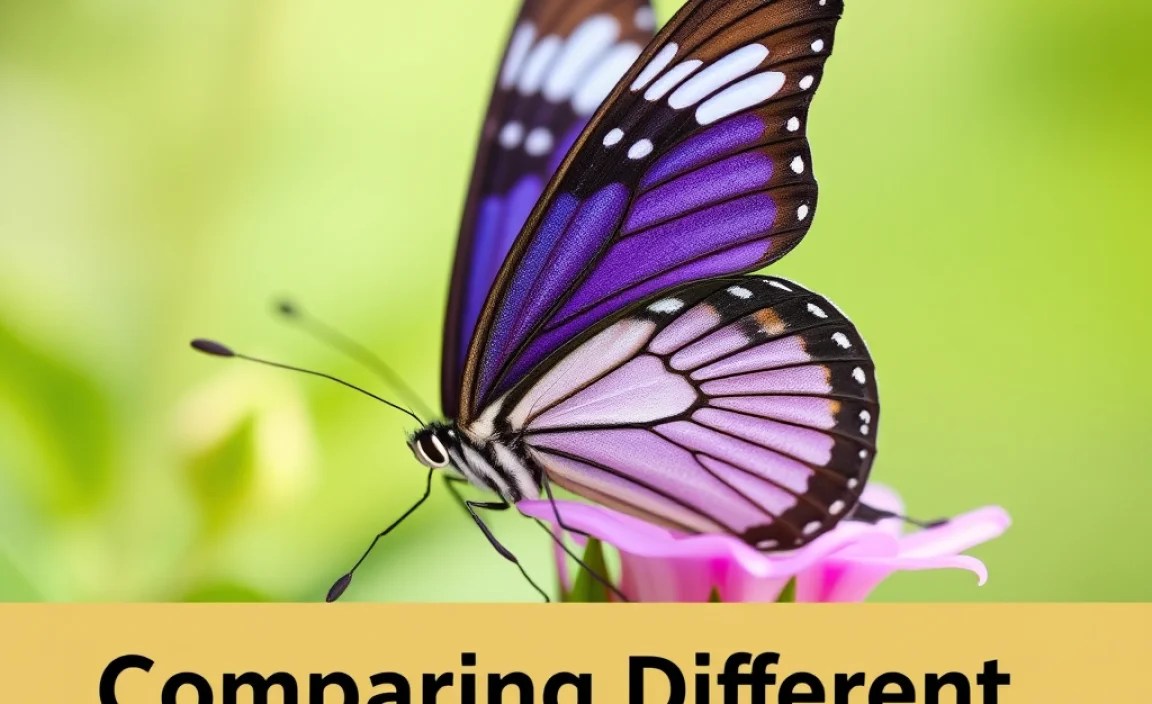
Asian butterflies are very diverse. There are many different species. They come in all shapes, sizes, and colors. Some are small and delicate. Others are large and colorful. Each species has its own unique characteristics. They live in different habitats. They eat different foods. They have different life cycles. Some butterflies are common. Others are rare. It is important to learn about the different species. This helps us protect them. Butterflies are very important. They help pollinate flowers. They also provide food for birds and other animals.
- Asian butterflies are very diverse.
- They come in many shapes, sizes, and colors.
- Each species has unique characteristics.
- They live in different habitats.
- Some butterflies are common, others are rare.
Studying the different butterfly species can be fun. You can learn about their life cycles. You can learn about their habitats. You can learn about their behaviors. You can also help protect them. You can plant flowers that butterflies like. You can avoid using pesticides. You can support organizations that protect butterfly habitats. Butterflies are very important. They help pollinate flowers. They also provide food for other animals. It is important to protect butterflies and their habitats.
| Butterfly Species | Size | Color | Habitat | Lifespan |
|---|---|---|---|---|
| Common Bluebottle | Medium | Blue and Black | Forests, Gardens | 2-3 weeks |
| Great Mormon | Large | Black and White | Forests, Woodlands | 1-2 months |
| Common Rose | Medium | Black and Red | Gardens, Parks | 3-4 weeks |
| Lime Butterfly | Small | Green and Brown | Gardens, Citrus Groves | 2-3 weeks |
Fun Fact or Stat: Asia is home to some of the world’s largest and most colorful butterfly species!
What Are Some Common Asian Butterflies?
Asia is home to many beautiful butterflies. Some common species include the Common Bluebottle, Great Mormon, and Common Rose. The Common Bluebottle is known for its vibrant blue and black wings. It is often seen in forests and gardens. The Great Mormon is a large butterfly with black and white patterns. It is found in forests and woodlands. The Common Rose is a medium-sized butterfly with black and red markings. It is a frequent visitor to gardens and parks. These are just a few of the many amazing butterflies that can be found in Asia.
How Do Butterfly Habitats Differ?
Butterflies live in different habitats. Some butterflies prefer forests. Others prefer grasslands. Some butterflies live in gardens. The habitat depends on the butterfly’s needs. They need food. They need shelter. They need a place to lay their eggs. Some butterflies are very specific about their habitat. They can only live in one type of place. Other butterflies are more adaptable. They can live in many different places. Protecting butterfly habitats is very important. We need to make sure that butterflies have places to live.
Why Are Some Butterflies Rare?
Some butterflies are rare. This means there are not many of them. There are many reasons why a butterfly might be rare. They might have lost their habitat. Their habitat might have been destroyed by humans. They might be affected by pollution. They might be hunted by collectors. They might be sensitive to climate change. Protecting rare butterflies is very important. We need to make sure that they do not disappear forever. We can protect their habitats. We can reduce pollution. We can stop hunting them.
Fun Fact or Stat: Some butterfly species are endangered due to habitat loss and climate change!
How to Help Asian Butterflies
Asian butterflies need our help. They are facing many threats. Habitat loss is a big problem. Climate change is also a threat. Pollution can harm butterflies. We can do many things to help. We can plant flowers that butterflies like. We can avoid using pesticides. We can protect butterfly habitats. We can support organizations that help butterflies. We can educate others about butterflies. Every little bit helps. Together, we can make a difference.
- Plant flowers that butterflies like.
- Avoid using pesticides in your garden.
- Protect butterfly habitats from destruction.
- Support organizations that help butterflies.
- Educate others about the importance of butterflies.
Butterflies are very important. They help pollinate flowers. They also provide food for other animals. They are beautiful and bring joy to people. We need to protect them for future generations. We can start by learning more about butterflies. We can learn about their life cycles. We can learn about their habitats. We can learn about the threats they face. Then, we can take action to help them. Even small actions can make a big difference.
Fun Fact or Stat: Creating a butterfly garden is a great way to support local butterfly populations!
What Flowers Do Butterflies Like?
Butterflies love flowers. They need nectar to get energy. Some flowers are better for butterflies than others. Butterflies like flowers that are bright and colorful. They also like flowers that have a lot of nectar. Some good flowers for butterflies include milkweed, butterfly bush, and zinnias. You can plant these flowers in your garden. This will attract butterflies to your yard. You can also leave out a dish of sugar water. This will provide butterflies with extra energy.
Why Are Pesticides Harmful to Butterflies?
Pesticides are chemicals that kill insects. They are used to protect crops and gardens. But pesticides can also harm butterflies. They can kill butterflies directly. They can also kill the plants that butterflies need to survive. Pesticides can also contaminate the soil and water. This can harm other animals and plants. It is important to avoid using pesticides. There are other ways to control pests. You can use natural methods. You can handpick pests off of plants.
How Can We Protect Butterfly Habitats?
Butterfly habitats are being destroyed. This is due to development, agriculture, and other human activities. We can protect butterfly habitats by preserving natural areas. We can also create new habitats. We can plant trees and flowers that butterflies like. We can avoid using pesticides and other harmful chemicals. We can also support organizations that protect butterfly habitats. Together, we can make a difference.
Fun Fact or Stat: Butterflies are important indicators of a healthy environment!
Summary
Asian butterfly metamorphosis stages are amazing. Butterflies start as eggs. Then, they become caterpillars. Next, they turn into pupae. Finally, they emerge as adult butterflies. Each stage is important for the butterfly’s survival. Caterpillars eat a lot to grow big and strong. Pupae transform into butterflies. Adult butterflies fly and lay eggs. We can help butterflies by planting flowers. We can also avoid using pesticides. Protecting their habitats is important. Butterflies help pollinate flowers. They also provide food for animals.
Learning about Asian butterfly metamorphosis stages is fun. We can all do our part to protect these beautiful creatures. Even small actions can make a big difference. Plant a flower, avoid pesticides, and spread the word. Together, we can ensure that butterflies continue to flutter for years to come.
Conclusion
Asian butterfly metamorphosis stages are a wonder of nature. From tiny eggs to colorful butterflies, each stage is important. Caterpillars eat and grow. Pupae transform. Adult butterflies fly and reproduce. We can help butterflies by planting flowers and protecting their homes. Let’s all do our part to keep these amazing creatures around.
Frequently Asked Questions
Question No 1: What are the four stages of Asian butterfly metamorphosis?
Answer: The four stages are egg, larva (caterpillar), pupa (chrysalis), and adult butterfly. Each stage has a special job. The egg starts the cycle. The larva eats and grows. The pupa changes. The adult butterfly reproduces. Understanding these stages helps us appreciate butterflies. The Asian butterfly metamorphosis stages are a fascinating process.
Question No 2: How long does it take for a butterfly to go through metamorphosis?
Answer: The time it takes for a butterfly to change depends on the species. It also depends on the weather. Some butterflies can complete metamorphosis in a few weeks. Others take several months. The pupa stage is the most variable. It can last from a few days to several months. The important thing is that each stage is completed. The butterfly needs each stage to survive.
Question No 3: What do caterpillars eat?
Answer: Caterpillars eat a lot! They eat leaves, flowers, and other plant parts. Each type of caterpillar has its favorite food. Some caterpillars only eat one type of plant. Others eat many different plants. Caterpillars have strong jaws. This helps them chew through tough leaves. They eat almost constantly. This helps them grow quickly. The Asian butterfly metamorphosis stages depend on the caterpillar eating enough.
Question No 4: How do butterflies help the environment?
Answer: Butterflies are important pollinators. They carry pollen from one flower to another. Pollen helps plants make seeds. Without butterflies, many plants would not be able to grow. Butterflies also provide food for birds and other animals. They are part of the food chain. Butterflies are also beautiful and bring joy to people. Protecting butterflies helps the environment. It also makes the world a more beautiful place.
Question No 5: What can I do to help butterflies in my yard?
Answer: You can do many things to help butterflies. Plant flowers that butterflies like. Avoid using pesticides in your garden. Provide a water source for butterflies. Protect butterfly habitats. Educate others about butterflies. Even small actions can make a big difference. By helping butterflies, you are helping the environment. You are also making your yard more beautiful. Remember that the Asian butterfly metamorphosis stages need a healthy environment.
Question No 6: Are all caterpillars green?
Answer: No, not all caterpillars are green! Caterpillars come in many different colors. Some are green, brown, or black. Others are brightly colored with patterns. The color of the caterpillar helps it camouflage. It can also warn predators that it is poisonous. The colors of caterpillars can be very beautiful. They are just as diverse as the butterflies they become. The Asian butterfly metamorphosis stages can involve caterpillars of many colors.


