
Swallowtail Butterfly of North America: Ultimate Guide

Quick Summary: Swallowtail butterflies are some of the largest and most beautiful butterflies in North America. They’re known for their vibrant colors and distinctive “tails” on their hindwings. This guide will help you identify different species, understand their life cycle, attract them to your garden, and learn about their importance to our ecosystem. Let’s explore the fascinating world of these amazing creatures!
Have you ever been captivated by a large, brightly colored butterfly gracefully fluttering through your garden? Chances are, it was a swallowtail! These stunning insects are a joy to watch, but identifying the different species and understanding their needs can feel a bit overwhelming. Don’t worry! This guide will walk you through everything you need to know about North American swallowtail butterflies, from identification tips to creating a butterfly-friendly habitat. Get ready to discover the wonders of these incredible pollinators!
Identifying Swallowtail Butterflies of North America

North America is home to a diverse range of swallowtail butterflies, each with unique markings and characteristics. Learning to identify them is the first step in appreciating their beauty and understanding their role in the environment. Let’s explore some of the most common and fascinating species.
Eastern Tiger Swallowtail (Papilio glaucus)
The Eastern Tiger Swallowtail is one of the most recognizable swallowtails in North America. Males are typically bright yellow with black stripes, resembling a tiger’s pattern. Females can be either yellow like the males or a dark, blackish form. This difference in appearance is called polymorphism.
- Size: Wingspan of 3 to 5.5 inches.
- Color: Yellow with black stripes (males); yellow or black (females).
- Habitat: Deciduous woodlands, fields, and gardens.
- Host Plants: Wild cherry, tulip tree, and sweetbay magnolia.
Black Swallowtail (Papilio polyxenes)
The Black Swallowtail is a striking butterfly with black wings and rows of yellow spots. Females have more blue scaling on their hindwings than males. This butterfly is often seen in gardens and open fields.
- Size: Wingspan of 2.5 to 4 inches.
- Color: Black with yellow spots and blue scaling (females).
- Habitat: Open areas, gardens, and fields.
- Host Plants: Parsley, dill, fennel, and other members of the parsley family.
Giant Swallowtail (Papilio cresphontes)
As the name suggests, the Giant Swallowtail is the largest swallowtail in North America. Its wings are dark brown with a diagonal yellow band. The underside of the wings has bright yellow and orange markings.
- Size: Wingspan of 4 to 7 inches.
- Color: Dark brown with a yellow band.
- Habitat: Open woodlands, citrus groves, and gardens.
- Host Plants: Citrus trees, prickly ash, and hop tree.
Spicebush Swallowtail (Papilio troilus)
The Spicebush Swallowtail is a beautiful butterfly with dark wings and pale green or blue markings. It is commonly found in woodlands where its host plant, the spicebush, grows.
- Size: Wingspan of 3 to 4.5 inches.
- Color: Black with green or blue markings.
- Habitat: Woodlands and forests.
- Host Plants: Spicebush and sassafras.
Pipevine Swallowtail (Battus philenor)
The Pipevine Swallowtail is a dark butterfly with iridescent blue or green hindwings. It is named for its host plant, the pipevine. This butterfly is often seen near wooded areas and gardens.
- Size: Wingspan of 2.5 to 5 inches.
- Color: Black with iridescent blue or green hindwings.
- Habitat: Woodlands and gardens.
- Host Plants: Pipevine.
Two-tailed Swallowtail (Papilio multicaudata)
The Two-tailed Swallowtail is a striking butterfly found in the western United States. It is similar to the Eastern Tiger Swallowtail but has two “tails” on each hindwing.
- Size: Wingspan of 3 to 5.5 inches.
- Color: Yellow with black stripes and two tails on each hindwing.
- Habitat: Canyons, streamsides, and open woodlands.
- Host Plants: Chokecherry, ash, and cottonwood.
Western Tiger Swallowtail (Papilio rutulus)
The Western Tiger Swallowtail is another western species, closely resembling the Eastern Tiger Swallowtail. It is bright yellow with black stripes and is commonly found in riparian areas and open woodlands.
- Size: Wingspan of 3 to 4 inches.
- Color: Yellow with black stripes.
- Habitat: Riparian areas and open woodlands.
- Host Plants: Willow, aspen, and alder.
The Life Cycle of Swallowtail Butterflies

Understanding the life cycle of swallowtail butterflies is crucial for appreciating their beauty and supporting their conservation. Like all butterflies, swallowtails undergo complete metamorphosis, which includes four distinct stages: egg, larva (caterpillar), pupa (chrysalis), and adult.
Egg Stage
The life cycle begins when a female swallowtail lays her eggs on or near the host plant. Swallowtail eggs are typically small and round, and their color can vary depending on the species. For example, Black Swallowtail eggs are often yellowish, while Spicebush Swallowtail eggs are greenish.
Larva (Caterpillar) Stage
Once the egg hatches, the larva, or caterpillar, emerges. This is the feeding and growing stage. Swallowtail caterpillars are often brightly colored and patterned, which can serve as camouflage or a warning to predators. They feed voraciously on the leaves of their host plants, molting several times as they grow. Some swallowtail caterpillars have fascinating defense mechanisms, such as the osmeterium, a forked, orange-colored gland that they can evert from their head to scare away predators. According to the University of Florida Entomology Department, the Giant Swallowtail caterpillar resembles bird droppings, providing excellent camouflage against predators.
Pupa (Chrysalis) Stage
When the caterpillar reaches its full size, it enters the pupa stage, also known as the chrysalis. The caterpillar transforms into a pupa, which is often green or brown and blends in with its surroundings. Inside the chrysalis, the caterpillar undergoes a remarkable transformation, reorganizing its tissues to form the adult butterfly. This stage can last from a few weeks to several months, depending on the species and environmental conditions.
Adult Stage
Finally, the adult butterfly emerges from the chrysalis. The newly emerged butterfly’s wings are crumpled and wet. It pumps hemolymph (insect blood) into its wings to expand them. Once the wings are dry and firm, the butterfly is ready to fly and reproduce. Adult swallowtails feed on nectar from flowers, playing an important role in pollination.
| Life Cycle Stage | Description | Duration |
|---|---|---|
| Egg | Small, round eggs laid on host plants. | 3-7 days |
| Larva (Caterpillar) | Feeding and growing stage; molts several times. | 2-4 weeks |
| Pupa (Chrysalis) | Transformation stage inside a protective shell. | 2 weeks to several months |
| Adult | Reproduction and nectar-feeding stage. | 2 weeks to several months |
Attracting Swallowtail Butterflies to Your Garden

Creating a butterfly-friendly garden is a rewarding way to support swallowtail butterflies and enjoy their beauty up close. Here are some tips to attract these magnificent creatures to your yard.
Plant Host Plants
Host plants are essential for swallowtail butterflies because they provide food for the caterpillars. Different swallowtail species have different host plant preferences. Some popular host plants include:
- Black Swallowtail: Parsley, dill, fennel, carrot tops
- Eastern Tiger Swallowtail: Wild cherry, tulip tree, sweetbay magnolia
- Spicebush Swallowtail: Spicebush, sassafras
- Pipevine Swallowtail: Pipevine
- Giant Swallowtail: Citrus trees, prickly ash, hop tree
Provide Nectar Sources
Adult swallowtail butterflies need nectar for energy. Planting a variety of nectar-rich flowers will attract them to your garden. Some good nectar sources include:
- Butterfly bush (Buddleja davidii)
- Zinnia (Zinnia elegans)
- Cosmos (Cosmos bipinnatus)
- Lantana (Lantana camara)
- Milkweed (Asclepias spp.)
Offer a Water Source
Butterflies need water to stay hydrated. Provide a shallow dish of water with pebbles or marbles for them to land on. This will prevent them from drowning.
Provide Shelter
Butterflies need shelter from wind and predators. Plant shrubs and trees to provide them with a safe place to rest.
Avoid Pesticides
Pesticides can be harmful to butterflies and other beneficial insects. Avoid using pesticides in your garden. If you must use them, choose organic options and apply them carefully.
Sunlight
Butterflies are cold-blooded and need sunlight to warm up. Make sure your garden has plenty of sunny spots where they can bask.
Swallowtail Butterfly Conservation
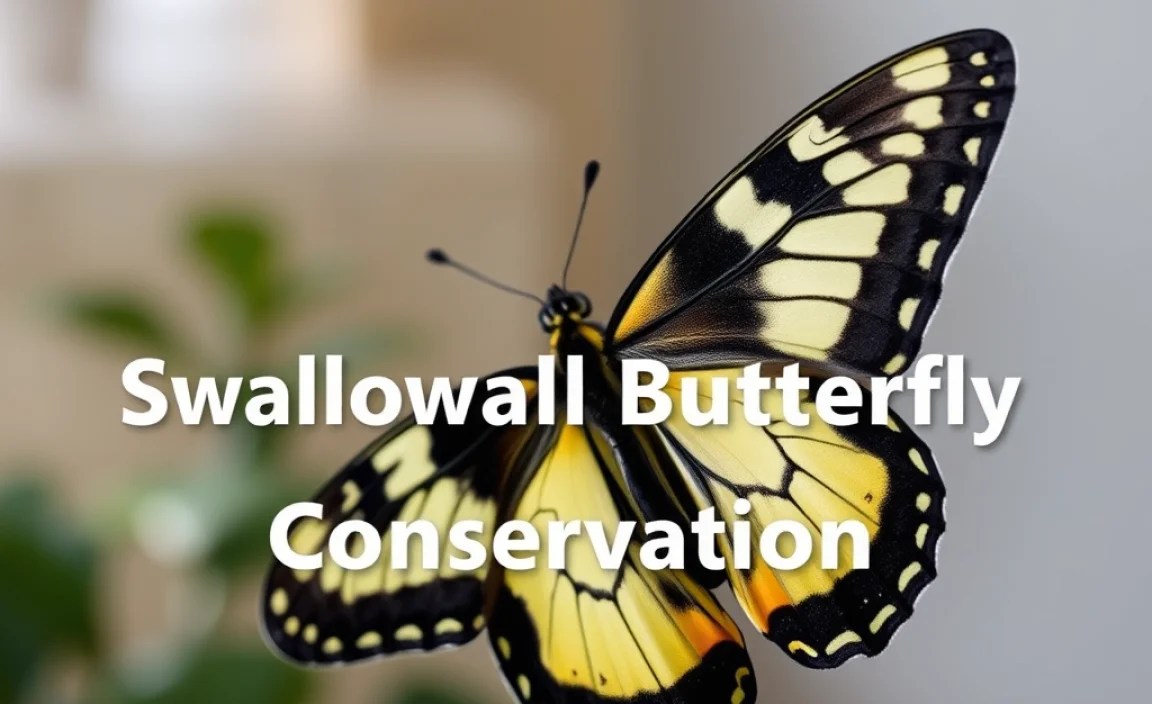
Swallowtail butterflies, like many other insects, face numerous threats, including habitat loss, pesticide use, and climate change. Supporting their conservation is crucial for maintaining biodiversity and the health of our ecosystems. Here are some ways you can help protect swallowtail butterflies:
- Create Butterfly-Friendly Habitats: Plant host plants and nectar sources in your garden or community spaces.
- Avoid Pesticides: Use organic gardening practices to protect butterflies and other beneficial insects.
- Support Conservation Organizations: Donate to or volunteer with organizations that work to protect butterfly habitats. The Xerces Society is a great resource for information on insect conservation.
- Educate Others: Share your knowledge and passion for butterflies with friends, family, and your community.
- Advocate for Change: Support policies and initiatives that protect natural habitats and reduce pesticide use.
Swallowtail Butterfly Symbolism and Cultural Significance

Butterflies, including swallowtails, have held symbolic meaning in various cultures throughout history. They often represent transformation, hope, and new beginnings. In some cultures, butterflies are seen as messengers from the spirit world or symbols of the soul.
In many Native American traditions, butterflies are associated with healing, joy, and lightness of being. Some tribes believe that butterflies carry prayers to the Great Spirit. In Chinese culture, butterflies symbolize love, joy, and immortality. The butterfly is also a popular motif in art, literature, and mythology around the world.
Frequently Asked Questions (FAQ)
1. What is the difference between a butterfly and a moth?
Butterflies and moths both belong to the order Lepidoptera, but they have several key differences. Butterflies are typically active during the day (diurnal), while moths are often active at night (nocturnal). Butterflies have slender, club-tipped antennae, while moths have feathery or comb-like antennae. Butterflies usually fold their wings vertically over their backs when at rest, while moths typically hold their wings flat.
2. How long do swallowtail butterflies live?
The lifespan of a swallowtail butterfly varies depending on the species and environmental conditions. Generally, adult swallowtails live for about two weeks to several months. The entire life cycle, from egg to adult, can take anywhere from one month to a year, depending on the species and climate.
3. Are swallowtail butterflies poisonous?
Some swallowtail butterflies, like the Pipevine Swallowtail, are toxic to predators because their caterpillars feed on poisonous plants. The toxins from the plants are stored in the butterfly’s body, making it unpalatable to birds and other predators. Other swallowtail species mimic the appearance of these toxic butterflies to deter predators.
4. What do swallowtail caterpillars eat?
Swallowtail caterpillars are very particular about what they eat. They feed on specific host plants, which vary depending on the species. For example, Black Swallowtail caterpillars eat plants in the parsley family, while Eastern Tiger Swallowtail caterpillars eat wild cherry and tulip tree leaves.
5. How can I tell if a swallowtail butterfly is male or female?
In some swallowtail species, males and females have different color patterns or markings. For example, female Eastern Tiger Swallowtails can be either yellow or black, while males are always yellow. In other species, males and females look similar, but the females may have larger abdomens or different wing shapes.
6. What should I do if I find an injured swallowtail butterfly?
If you find an injured swallowtail butterfly, you can try to help it by providing it with a safe place to rest and a source of nectar. Gently place the butterfly in a sheltered area, such as a bush or tree. You can also offer it a sugar-water solution (one part sugar to four parts water) on a cotton ball or sponge. If the butterfly’s wing is damaged, it may not be able to fly, but you can still provide it with food and water to help it survive.
7. Are swallowtail butterflies endangered?
While not all swallowtail butterfly species are endangered, some are facing population declines due to habitat loss, pesticide use, and climate change. The Karner Blue butterfly, for instance, is listed as endangered. Protecting butterfly habitats and promoting sustainable gardening practices are essential for ensuring the survival of these beautiful creatures. You can also support organizations like the Xerces Society that focus on invertebrate conservation.
Conclusion
Swallowtail butterflies are truly remarkable creatures that add beauty and wonder to our natural world. By learning to identify these butterflies, understanding their life cycle, and creating butterfly-friendly habitats, you can play a vital role in their conservation. Whether you’re a seasoned naturalist or a beginner butterfly enthusiast, there’s always something new to discover about these magnificent insects. So, get outside, explore your surroundings, and appreciate the beauty of swallowtail butterflies!


