
Swallowtail Butterfly in Tropical Regions: Ultimate Guide

Swallowtail butterflies in tropical regions are some of the largest and most beautiful butterflies in the world. They are known for their vibrant colors, distinctive “tails” on their hindwings, and graceful flight. To attract these beauties, plant their favorite host and nectar plants and create a butterfly-friendly garden. With a little effort, you can enjoy the splendor of swallowtails in your own backyard!
Have you ever gazed in wonder at a large, brightly colored butterfly fluttering through a tropical garden? Chances are, you were admiring a swallowtail! These magnificent insects are a joy to behold, but understanding where they live and how to attract them can feel a bit mysterious. Don’t worry, it’s easier than you think! This guide will walk you through everything you need to know about swallowtail butterflies in tropical regions.
We’ll explore the different types of swallowtails you might find, their favorite plants, and how to create a welcoming habitat for them. Get ready to discover the captivating world of tropical swallowtails!
Understanding Swallowtail Butterflies in Tropical Regions

Swallowtail butterflies belong to the family Papilionidae, and they are found all over the world, including many tropical areas. Their name comes from the elongated extensions on their hindwings that resemble the tails of swallows. These butterflies are not only beautiful, but they also play an important role in their ecosystems as pollinators.
What Makes Tropical Regions Ideal for Swallowtails?
Tropical regions offer several key advantages for swallowtail butterflies:
- Warm Climate: Swallowtails thrive in warm temperatures, which allow them to be active year-round in many tropical areas.
- Abundant Food Sources: The tropics are home to a wide variety of plants that serve as both host plants for caterpillars and nectar sources for adult butterflies.
- Diverse Habitats: From rainforests to coastal areas, tropical regions provide a range of habitats that support different species of swallowtails.
Common Swallowtail Species in Tropical Regions
Many different swallowtail species can be found in tropical areas around the globe. Here are a few notable examples:
- Orchard Swallowtail (Papilio aegeus): Found in Australia and Papua New Guinea, this butterfly is known for its striking black and white patterns.
- Spicebush Swallowtail (Papilio troilus): While also found in North America, this swallowtail extends into tropical regions and is recognized by its dark wings with pale green or blue markings.
- Giant Swallowtail (Papilio cresphontes): Found in North America and parts of the Caribbean, this is one of the largest swallowtails, with a wingspan that can reach up to 7 inches.
- Emerald Swallowtail (Papilio palinurus): Native to Southeast Asia, the Emerald Swallowtail is noted for its brilliant green metallic bands on its wings.
Identifying Swallowtail Butterflies
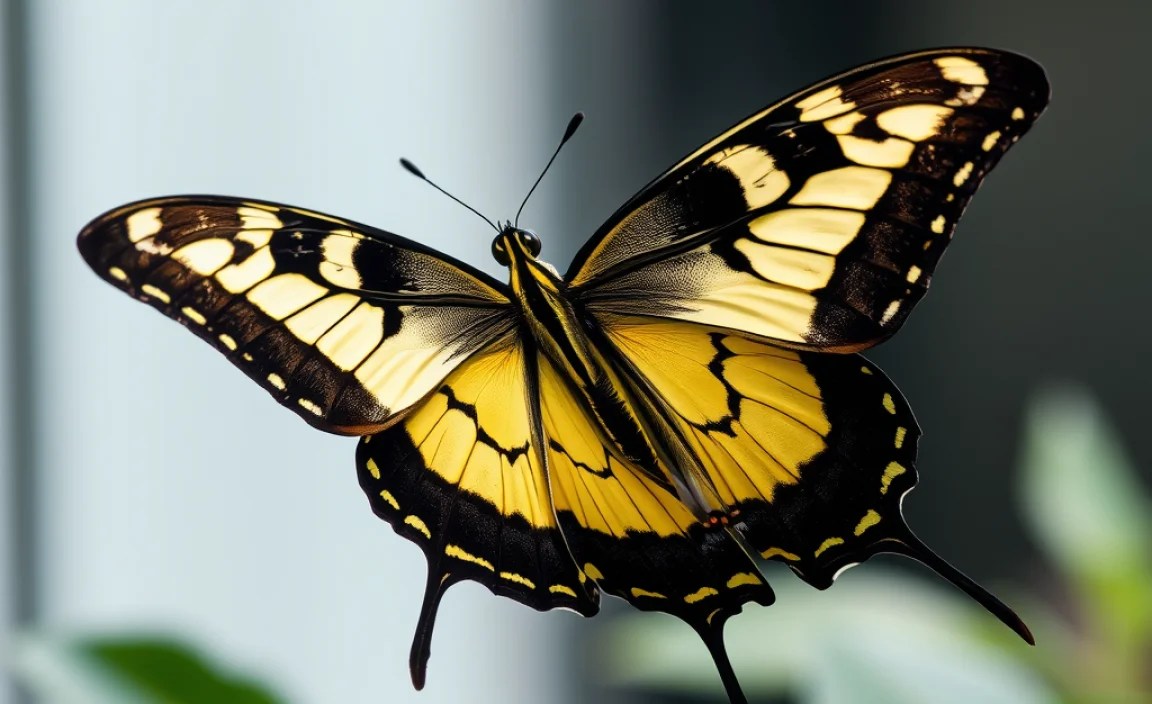
Identifying swallowtail butterflies can be an exciting challenge. Here are some key features to look for:
- Size: Swallowtails are generally large butterflies, with wingspans ranging from 3 to 7 inches.
- Wing Shape: Look for the characteristic “tails” on the hindwings.
- Color and Pattern: Swallowtails come in a wide variety of colors and patterns, from bright yellows and oranges to deep blacks and blues.
- Habitat: Knowing the typical habitat of different species can help you narrow down your identification.
Using a Butterfly Identification Guide
A good butterfly identification guide is an invaluable tool for identifying swallowtails. These guides typically include:
- Detailed descriptions of each species
- Photographs or illustrations
- Information on habitat and range
- Tips for distinguishing similar species
Some excellent resources include field guides from organizations like the Audubon Society and the Peterson Field Guide series. Online resources like the Butterflies and Moths of North America website (BAMONA) and the Xerces Society are also very helpful.
Distinguishing Swallowtails from Other Butterflies
Here’s a simple table to help you differentiate swallowtails from other common butterflies:
| Feature | Swallowtail Butterflies | Other Butterflies (e.g., Monarchs, Skippers) |
|---|---|---|
| Size | Large (3-7 inches wingspan) | Smaller (usually less than 4 inches wingspan) |
| Wing Shape | Distinctive “tails” on hindwings | Rounded or triangular wings, no tails |
| Color | Wide variety of colors and patterns | More limited color range (e.g., orange and black for Monarchs) |
| Flight | Strong, gliding flight | Often more erratic or fluttering flight |
Attracting Swallowtail Butterflies to Your Garden

Creating a butterfly-friendly garden is a rewarding way to attract swallowtail butterflies. Here’s how to do it:
Choosing the Right Host Plants
Host plants are essential for swallowtails because they are the food source for their caterpillars. Different swallowtail species have different host plant preferences. Here are some popular choices:
- Citrus Trees: Giant Swallowtails love citrus trees like orange, lemon, and lime.
- Spicebush and Sassafras: Spicebush Swallowtails rely on these plants.
- Pipevine: Pipevine Swallowtails are named for their dependence on this plant.
- Dill, Fennel, and Parsley: These herbs are favorites of Black Swallowtail caterpillars.
Selecting Nectar-Rich Plants
Adult swallowtails need nectar for energy. Choose plants that provide a continuous supply of nectar throughout the butterfly season.
- Lantana: A colorful and popular choice.
- Butterfly Bush (Buddleja): As the name suggests, butterflies adore this plant.
- Zinnia: Easy to grow and available in many colors.
- Salvia: Provides long-lasting blooms.
- Pentas: A tropical favorite that blooms profusely.
Creating a Butterfly-Friendly Habitat
In addition to host and nectar plants, consider these factors to create an inviting habitat:
- Sunlight: Butterflies need sunlight to warm their bodies. Ensure your garden has plenty of sunny spots.
- Shelter: Provide shrubs or trees where butterflies can take refuge from wind and rain.
- Water Source: A shallow dish of water with pebbles can provide a place for butterflies to drink.
- Avoid Pesticides: Pesticides can harm or kill butterflies and caterpillars. Opt for organic gardening methods.
Step-by-Step Guide to Planting a Butterfly Garden
- Plan Your Garden: Choose a sunny location and decide which host and nectar plants you want to include.
- Prepare the Soil: Amend the soil with compost or other organic matter to improve drainage and fertility.
- Plant Your Plants: Follow the planting instructions for each plant, and space them appropriately.
- Water Regularly: Keep the soil moist, especially during dry periods.
- Monitor for Pests: Check your plants regularly for pests, and use organic methods to control them.
- Enjoy Your Butterflies: Sit back and watch as swallowtails and other butterflies flock to your garden!
Caring for Swallowtail Butterflies
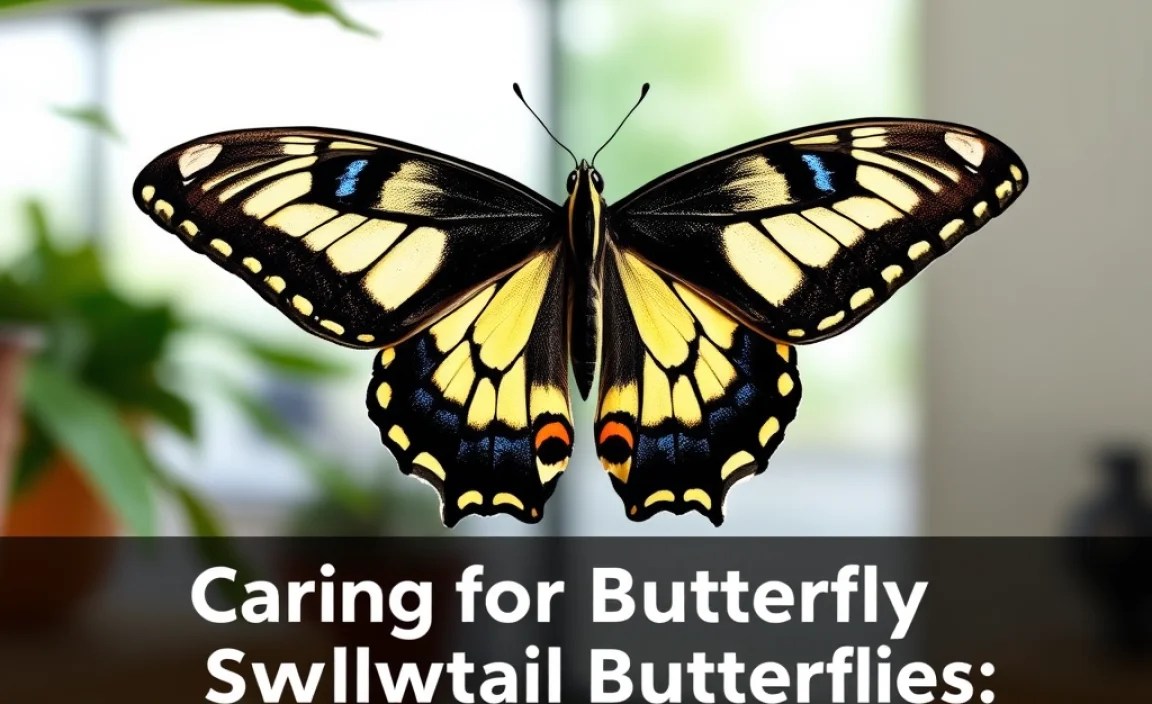
Once you’ve attracted swallowtails to your garden, it’s important to provide ongoing care to ensure their well-being.
Protecting Caterpillars from Predators
Caterpillars are vulnerable to predators such as birds, wasps, and spiders. Here are some ways to protect them:
- Provide Shelter: Plant host plants in sheltered locations or use netting to protect caterpillars.
- Handpick Pests: Remove caterpillars of unwanted insects by hand.
- Encourage Natural Predators: Attract beneficial insects like ladybugs and lacewings, which prey on caterpillar pests.
Providing Water and Minerals
Butterflies need water and minerals to stay healthy. You can provide these by:
- Creating a Puddling Area: Fill a shallow dish with sand or gravel and keep it moist. Butterflies will gather to drink and absorb minerals from the soil.
- Offering Overripe Fruit: Place overripe fruit in your garden to provide a source of nutrients.
Monitoring for Diseases
Butterflies can be susceptible to diseases such as viruses and fungal infections. If you notice signs of illness, such as sluggishness or unusual behavior, consult with a local butterfly expert or extension agent.
Sustainable Gardening Practices
Sustainable gardening practices are essential for the long-term health of your butterfly garden. These include:
- Conserving Water: Use drought-tolerant plants and water-saving irrigation methods.
- Reducing Waste: Compost yard waste and use it to enrich your soil.
- Protecting Soil: Use mulch to suppress weeds and retain moisture.
- Supporting Pollinators: Plant a variety of nectar-rich flowers to attract bees, butterflies, and other pollinators.
The Life Cycle of a Swallowtail Butterfly

Understanding the life cycle of a swallowtail butterfly can deepen your appreciation for these amazing creatures.
Egg Stage
The life cycle begins when a female butterfly lays her eggs on or near a host plant. Swallowtail eggs are typically small and round, and they may be white, yellow, or green.
Larva (Caterpillar) Stage
When the egg hatches, a caterpillar emerges. The caterpillar’s primary job is to eat and grow. As it grows, it molts its skin several times. Swallowtail caterpillars often have distinctive markings, such as eye spots or bright colors, which help to deter predators.
Pupa (Chrysalis) Stage
When the caterpillar is fully grown, it enters the pupa stage. The pupa, also known as a chrysalis, is a protective shell in which the caterpillar transforms into a butterfly. The chrysalis may be green or brown, and it often blends in with its surroundings.
Adult Stage
After a period of days or weeks, the adult butterfly emerges from the chrysalis. The butterfly’s wings are initially crumpled, but they soon expand and harden. The adult butterfly’s main goals are to reproduce and continue the cycle.
Here’s a table summarizing the life cycle stages:
| Stage | Description | Duration |
|---|---|---|
| Egg | Small, round eggs laid on host plants | 3-7 days |
| Larva (Caterpillar) | Eats and grows, molting several times | 2-4 weeks |
| Pupa (Chrysalis) | Protective shell where transformation occurs | 1-2 weeks |
| Adult | Reproduces and continues the cycle | 2-4 weeks |
Conservation Efforts for Swallowtail Butterflies
Many swallowtail butterfly species are threatened by habitat loss, climate change, and pesticide use. Conservation efforts are essential to protect these beautiful insects for future generations.
Habitat Preservation
Protecting and restoring butterfly habitats is crucial. This can involve:
- Creating Butterfly Sanctuaries: Establishing protected areas where butterflies can thrive.
- Restoring Degraded Habitats: Planting native plants and removing invasive species.
- Supporting Sustainable Agriculture: Encouraging farming practices that minimize pesticide use and protect butterfly habitats.
Citizen Science Projects
Citizen science projects engage volunteers in collecting data on butterfly populations and habitats. This information can be used to inform conservation efforts.
- Butterfly Counts: Participating in butterfly counts to monitor population trends.
- Habitat Monitoring: Assessing the quality of butterfly habitats and identifying threats.
- Data Collection: Submitting observations to online databases like iNaturalist to help researchers track butterfly distributions.
Supporting Conservation Organizations
Many organizations are working to protect swallowtail butterflies and their habitats. Here are a few examples:
- The Xerces Society: Focuses on invertebrate conservation, including butterflies.
- The National Wildlife Federation: Works to protect wildlife habitats and promote conservation.
- Local Butterfly Clubs: Offer opportunities to learn about butterflies and participate in conservation activities.
Swallowtail Butterflies in Culture and Symbolism
Swallowtail butterflies have long been admired for their beauty and grace. They often appear in art, literature, and mythology, and they are frequently associated with positive symbolism.
Symbolism of Transformation and Rebirth
The butterfly’s life cycle, with its dramatic transformation from caterpillar to butterfly, has made it a symbol of transformation and rebirth in many cultures. It represents the potential for change and growth, and it reminds us that even the most humble creatures can achieve great beauty and freedom.
Cultural Significance
In some cultures, butterflies are seen as messengers from the spirit world. They may represent the souls of loved ones who have passed away, or they may bring messages of hope and guidance.
In others, butterflies are symbols of good luck and prosperity. They may be associated with fertility, abundance, and happiness.
Butterflies in Art and Literature
Butterflies have been a popular subject in art and literature for centuries. They appear in paintings, sculptures, poems, and stories, often as symbols of beauty, freedom, and transformation.
From ancient Chinese paintings to modern-day novels, butterflies continue to inspire artists and writers around the world.
FAQ About Swallowtail Butterflies in Tropical Regions
Here are some frequently asked questions about swallowtail butterflies:
What do swallowtail caterpillars eat?
Swallowtail caterpillars eat the leaves of specific host plants. The type of plant varies depending on the swallowtail species. Examples include citrus leaves for Giant Swallowtails and spicebush for Spicebush Swallowtails.
How can I tell if a butterfly is a swallowtail?
Look for the distinctive “tails” on their hindwings. They are also generally large butterflies with vibrant colors and patterns.
Are swallowtail butterflies endangered?
Some swallowtail species are threatened or endangered due to habitat loss, pesticide use, and climate change. Conservation efforts are essential to protect them.
How long do swallowtail butterflies live?
Adult swallowtail butterflies typically live for about two to four weeks, depending on the species and environmental conditions.
What is the best time of year to see swallowtail butterflies?
In tropical regions, swallowtail butterflies can often be seen year-round due to the warm climate. However, their abundance may vary depending on the availability of host and nectar plants.
Can I raise swallowtail butterflies at home?
Yes, you can raise swallowtail butterflies at home by providing them with their host plants and a safe environment. Be sure to research the specific needs of the species you want to raise.
What can I do to help protect swallowtail butterflies?
You can help protect swallowtail butterflies by planting host and nectar plants, avoiding pesticide use, supporting conservation organizations, and participating in citizen science projects.
Conclusion
Swallowtail butterflies are among the most stunning and fascinating insects in the tropical world. By understanding their needs and creating butterfly-friendly habitats, you can play a vital role in supporting these beautiful creatures. Whether you’re a seasoned gardener or just starting, there’s something magical about watching a swallowtail butterfly gracefully flutter through your garden. So, get planting, get involved, and enjoy the wonders of these incredible insects!


