
Painted Lady Butterfly Life Expectancy: Quick Facts

Have you ever seen a butterfly flutter by? Their wings are so colorful. They float in the air. But how long do these pretty insects live? The painted lady butterfly is a common type. What is the painted lady butterfly life expectancy? Let’s find out about their short but busy lives.
Butterflies go through amazing changes. They start as tiny eggs. Then they become caterpillars. Next, they form a chrysalis. Finally, they emerge as beautiful butterflies. This whole process is called metamorphosis. It’s like magic! Knowing more about their lifespan helps us appreciate them.
Did you know that some butterflies migrate? They travel long distances. Painted ladies are one kind that migrates. They fly to find food and good weather. Their journey is hard. It affects how long they live. So, let’s learn more about the painted lady butterfly life expectancy.
Key Takeaways
- The painted lady butterfly life expectancy is typically two to four weeks as adults.
- Environmental factors like weather and food affect how long they live.
- Painted lady butterflies go through complete metamorphosis.
- These butterflies are known for their long migrations across continents.
- Understanding their life cycle helps with conservation efforts.
Understanding the Painted Lady Life Cycle
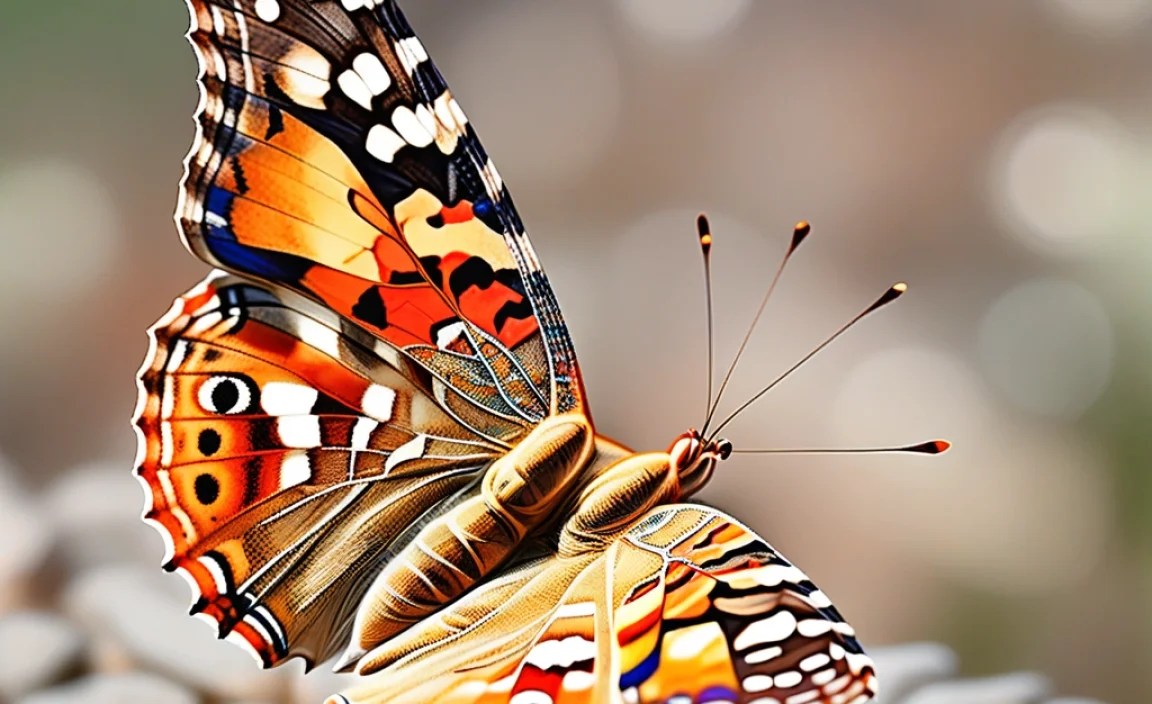
The painted lady butterfly life expectancy is just one part of their amazing journey. They start as tiny eggs. These eggs are laid on plants. The eggs hatch into caterpillars. Caterpillars eat a lot! They grow quickly. After growing, the caterpillar forms a chrysalis. Inside, it changes into a butterfly. This change is called metamorphosis. When the butterfly is ready, it comes out. It flies off to find food and a mate. The whole process is fascinating. The painted lady’s short adult life is full of activity. They must reproduce and continue their species. Their life cycle is a wonder of nature.
- Eggs are laid on host plants.
- Caterpillars eat and grow rapidly.
- The chrysalis is where transformation happens.
- Adult butterflies emerge and reproduce.
- Migration is a key part of their life cycle.
The painted lady life cycle is a race against time. As caterpillars, they are vulnerable to predators. Birds and other insects eat them. They must eat enough to grow quickly. The chrysalis stage is also risky. If the weather is bad, the butterfly might not survive. As adults, they face new dangers. They must avoid cars and find food. They need nectar from flowers. They also need to find a mate. All these challenges affect the painted lady butterfly life expectancy. Despite these challenges, they manage to thrive. Their resilience is truly remarkable.
What Do Painted Lady Caterpillars Eat?
Have you ever wondered what caterpillars eat? Painted lady caterpillars are picky eaters. They love plants like thistle and mallow. These plants give them the nutrients they need to grow. A caterpillar’s job is to eat, eat, eat! They munch on leaves all day long. They grow bigger and bigger. Some caterpillars can eat twice their weight in one day! This helps them prepare for the next stage. The chrysalis stage needs a lot of energy. So, eating a lot as a caterpillar is important. Without enough food, they might not survive. The right food is key for a healthy butterfly.
How Long Does the Chrysalis Stage Last?
The chrysalis stage is a time of big change. It usually lasts one to two weeks. Inside the chrysalis, the caterpillar changes. It turns into a butterfly. This process is amazing to watch. The chrysalis might look still. But inside, a lot is happening. The caterpillar’s body breaks down. Then, it rebuilds into a butterfly. The length of this stage can depend on the weather. Warmer weather can make it shorter. Colder weather can make it longer. When the butterfly is ready, the chrysalis opens. The butterfly comes out and flies away.
What Happens After They Emerge?
Emerging from the chrysalis is just the beginning. The butterfly’s wings are wet and crumpled. It needs to pump fluid into its wings. This makes them strong and ready for flight. The butterfly rests for a while. Then, it takes its first flight. It flies off to find food and a mate. Adult butterflies drink nectar. They use their long tongues like straws. Finding a mate is also important. They need to lay eggs and start the cycle again. The painted lady butterfly life expectancy starts ticking. They have a lot to do in a short time.
Fun Fact or Stat: A painted lady caterpillar can eat up to 20 times its own weight in a single day!
Factors Affecting Painted Lady Butterfly Life Expectancy

Many things affect the painted lady butterfly life expectancy. Weather plays a big role. Warm, sunny weather is good for butterflies. It helps them fly and find food. Cold weather can be dangerous. It can slow them down and make them weak. Food is also important. Butterflies need nectar from flowers. If there are not enough flowers, they might not survive. Predators are another threat. Birds, spiders, and other insects eat butterflies. Disease can also affect them. A sick butterfly might not live long. Humans can also impact their lives. Using pesticides can harm butterflies. Protecting their habitat is important. This helps them live longer, healthier lives.
- Weather conditions impact survival rates.
- Availability of nectar sources is crucial.
- Predators pose a constant threat.
- Diseases can shorten their lifespan.
- Habitat loss affects their populations.
The painted lady butterfly life expectancy can vary. Some butterflies might live only a few weeks. Others might live a little longer. It all depends on the conditions. If they have good weather, plenty of food, and no predators, they can thrive. But even under the best conditions, their lives are short. This is why it’s important to protect them. We can plant flowers that provide nectar. We can avoid using pesticides. We can also create butterfly gardens. These actions can help them live longer and healthier lives. Every little bit helps these beautiful creatures.
How Does Weather Impact Butterflies?
Imagine trying to fly in a storm! Weather can make a big difference for butterflies. Sunny days are perfect for them. They can warm up their bodies. This helps them fly and find food. Cold or rainy weather is hard. They can’t fly easily. They might get too cold and weak. Strong winds can also blow them off course. Extreme weather can even kill them. Butterflies need warm weather to survive. They are cold-blooded animals. This means they can’t control their body temperature. So, they depend on the sun to stay warm and active.
Why Is Nectar So Important?
Nectar is like juice for butterflies. It gives them energy to fly and reproduce. Butterflies drink nectar from flowers. They use their long, straw-like tongues. Without nectar, they can’t survive. Nectar provides sugar and other nutrients. These nutrients help them stay strong. Some butterflies migrate long distances. They need a lot of energy for their journey. Nectar is their fuel. Planting flowers that provide nectar is important. It helps butterflies thrive. Different flowers bloom at different times. So, planting a variety of flowers is best.
What Predators Eat Painted Lady Butterflies?
Life as a butterfly is not always easy. Many predators want to eat them. Birds are a big threat. They swoop down and catch butterflies in the air. Spiders also catch butterflies in their webs. Other insects, like praying mantises, eat butterflies too. Even some small mammals might eat them. Butterflies use different ways to protect themselves. Some have bright colors to warn predators. Others have patterns that help them blend in. But even with these defenses, they are still at risk. Staying safe from predators is a daily challenge.
Fun Fact or Stat: Butterflies taste with their feet!
The Role of Migration in Butterfly Lifespan

Painted lady butterflies are famous for their long migrations. They travel thousands of miles. They fly from one place to another. They do this to find food and good weather. Migration is a hard journey. It takes a lot of energy. It can also be dangerous. Many butterflies do not survive the trip. But migration is important for their species. It allows them to find new habitats. It also helps them avoid harsh conditions. The painted lady butterfly life expectancy can be affected by migration. Butterflies that migrate might have shorter lives. But they also play a vital role in the ecosystem. Their journey is a testament to their resilience.
- Migration helps them find better resources.
- It allows them to escape harsh climates.
- The journey is physically demanding.
- Many do not complete the migration.
- Migration ensures species survival.
Migration is a complex behavior. Scientists are still learning about it. They study how butterflies navigate. They also study how they find their way. Butterflies use the sun and the Earth’s magnetic field. They also use landmarks. Migration is a group effort. Butterflies often fly together in large groups. This helps them stay safe. It also helps them find food. The painted lady butterfly life expectancy is just one part of their story. Their migration is a symbol of their strength and determination. Despite the challenges, they continue to fly.
How Far Do Painted Ladies Migrate?
Imagine flying thousands of miles! Painted lady butterflies can migrate very far. Some travel over 2,500 miles. They fly across continents. They cross mountains and deserts. Their journey is one of the longest migrations for butterflies. They migrate to find warmer weather. They also look for food. This long trip takes a lot of energy. They must fly for days and weeks. They stop to rest and feed. Then, they continue their journey. Their migration is a true feat of nature. It shows how strong and determined they are.
What Challenges Do They Face During Migration?
Migrating is not easy for butterflies. They face many challenges along the way. Weather can be a big problem. Strong winds can blow them off course. Rain and cold can make them weak. Food can also be scarce. They need nectar to keep their energy up. Predators are always a threat. Birds and other animals eat butterflies. Finding a safe place to rest is also hard. They need to avoid cars and other dangers. Despite these challenges, they keep flying. Their determination is inspiring.
How Do They Navigate?
Have you ever wondered how butterflies find their way? They don’t have maps! They use the sun to guide them. They also use the Earth’s magnetic field. Some butterflies also use landmarks. They remember where they have been before. Scientists are still learning about this. It’s amazing how they can travel so far. They fly in the right direction. Their navigation skills are incredible. They show how smart and adaptable they are. Even young butterflies know where to go. It’s like they have a built-in GPS!
Fun Fact or Stat: Some painted lady butterflies travel over 100 miles per day during migration!
Comparing Painted Lady to Other Butterfly Lifespans
The painted lady butterfly life expectancy is shorter than some other butterflies. Some butterflies can live for several months. Monarch butterflies can live up to nine months. Mourning Cloak butterflies can live for about 10-11 months. These butterflies hibernate during the winter. This helps them live longer. Painted ladies do not hibernate. This is one reason why their lifespan is shorter. Different species have different life strategies. Some focus on living long. Others focus on reproducing quickly. The painted lady falls into the second category. Their short life is packed with activity. They make the most of their time.
- Monarchs can live up to nine months.
- Mourning Cloaks can live almost a year.
- Swallowtails live for about a month.
- Most butterflies live only a few weeks.
- Lifespan varies greatly among species.
Comparing butterfly lifespans is interesting. It shows how diverse nature is. Some butterflies have long lives. They have plenty of time to reproduce. Others have short lives. They must reproduce quickly. The painted lady butterfly life expectancy is adapted to their lifestyle. They migrate long distances. They need to reproduce quickly. Their short lifespan allows them to do this. Other butterflies have different needs. They might need to hibernate. This requires a longer lifespan. Each species has evolved to fit its environment.
How Do Monarchs Live So Long?
Monarch butterflies are famous for their long lives. They can live up to nine months. One reason is that they migrate. They fly to warmer climates for the winter. This helps them avoid the cold. They also hibernate. Hibernation slows down their metabolism. This means they don’t need as much food. They also conserve energy. Monarchs also have fewer predators in their winter homes. All these factors help them live longer. Their long lifespan is essential for their migration. It allows them to complete their journey.
Why Are Some Butterfly Lifespans So Short?
Some butterflies live only a few weeks. This might seem short. But it’s enough time for them to reproduce. These butterflies focus on laying eggs quickly. They don’t need to live long. They just need to pass on their genes. Short lifespans can also be an adaptation. It helps them avoid predators. They spend less time exposed to danger. The painted lady is an example of this. They migrate and reproduce quickly. Their short lifespan is perfect for their lifestyle.
What Role Does Hibernation Play?
Hibernation is like a long nap for butterflies. Some butterflies hibernate during the winter. They find a safe place to hide. They might hide under bark or in leaves. Their body temperature drops. Their metabolism slows down. They don’t need to eat or drink. They just wait for warmer weather. Hibernation helps them survive the winter. It also helps them live longer. They conserve energy and avoid predators. When spring comes, they wake up. They are ready to reproduce. Hibernation is a clever way to survive.
Fun Fact or Stat: The Mourning Cloak butterfly can survive the winter as an adult by hibernating!
Protecting Butterfly Habitats to Extend Lifespan
Protecting butterfly habitats is very important. It can help increase the painted lady butterfly life expectancy. Butterflies need places to lay their eggs. They need food for their caterpillars. They also need nectar for the adults. Habitat loss is a big threat. When we destroy forests and fields, we take away their homes. We can help by planting butterfly gardens. These gardens provide food and shelter. We can also avoid using pesticides. Pesticides can harm butterflies and other insects. By protecting their habitats, we can help them thrive. We can also help other animals that depend on butterflies.
- Habitat loss reduces butterfly populations.
- Butterfly gardens provide food and shelter.
- Pesticides harm butterflies and their habitats.
- Conservation efforts are essential.
- Protecting habitats benefits other species.
There are many ways to protect butterfly habitats. We can support conservation organizations. These groups work to protect natural areas. We can also educate others about the importance of butterflies. We can teach our friends and family how to help. Even small actions can make a big difference. Planting a few flowers can provide nectar. Avoiding pesticides can protect them from harm. Every little bit helps. By working together, we can ensure that butterflies thrive. The painted lady butterfly life expectancy depends on it.
What Is Habitat Loss?
Habitat loss is when natural areas are destroyed. This can happen when forests are cut down. It can also happen when fields are paved over. When habitats are lost, animals lose their homes. They also lose their food sources. This can lead to a decline in their populations. Habitat loss is a major threat to butterflies. They need specific plants to lay their eggs. They also need nectar from flowers. When these plants are gone, they can’t survive. Protecting habitats is essential for their survival.
How Do Butterfly Gardens Help?
Butterfly gardens are like little oases for butterflies. They provide food and shelter. They also provide places to lay eggs. Butterfly gardens are easy to create. You just need to plant the right flowers. Choose flowers that provide nectar. Also, plant host plants for caterpillars. A butterfly garden can be any size. Even a small pot on a balcony can help. Butterfly gardens attract butterflies. They also attract other beneficial insects. They are a great way to help the environment.
Why Are Pesticides Harmful?
Pesticides are chemicals that kill insects. They are used to protect crops. But they can also harm beneficial insects. Butterflies are especially vulnerable to pesticides. They can be poisoned when they eat sprayed plants. Pesticides can also kill caterpillars. Even small amounts of pesticides can be harmful. Avoiding pesticides is important. It protects butterflies and other insects. There are other ways to control pests. You can use natural methods. You can also plant resistant varieties.
Fun Fact or Stat: Butterfly gardens can increase local butterfly populations by up to 50%!
How Climate Change Affects Painted Lady Butterflies
Climate change is a big problem for butterflies. It affects the painted lady butterfly life expectancy in many ways. Warmer temperatures can change their migration patterns. It can also affect the availability of food. Extreme weather events, like droughts and floods, can also be harmful. These events can destroy their habitats. They can also kill butterflies directly. Climate change is a global issue. It requires global solutions. We can all do our part to reduce our carbon footprint. We can also support policies that address climate change. Protecting butterflies is one reason to take action.
- Climate change alters migration patterns.
- Food availability is affected by temperature changes.
- Extreme weather events destroy habitats.
- Butterfly populations are declining.
- Reducing carbon footprint is essential.
Climate change is a complex issue. It affects all living things. Butterflies are particularly vulnerable. They are sensitive to changes in temperature and rainfall. The painted lady butterfly life expectancy is a good indicator of environmental health. When butterfly populations decline, it’s a sign that something is wrong. We need to take action to protect our planet. We can start by reducing our energy consumption. We can also support sustainable agriculture. Every action counts. Together, we can make a difference.
How Do Warmer Temperatures Affect Migration?
Warmer temperatures can confuse butterflies. They might start migrating earlier than usual. They might also migrate to different places. This can disrupt their life cycle. They might not find the food they need. They might also arrive too early for breeding season. Warmer temperatures can also affect the plants they depend on. The plants might bloom at different times. This can make it hard for butterflies to find nectar. Climate change is making it harder for butterflies to survive.
What Impact Do Droughts Have?
Droughts are periods of very little rain. They can have a big impact on butterflies. Droughts can kill plants. This means there is less food for caterpillars. There is also less nectar for adult butterflies. Droughts can also dry out habitats. Butterflies need water to survive. They can get dehydrated during droughts. Droughts can also increase the risk of wildfires. Wildfires can destroy butterfly habitats. Protecting water resources is important. It helps butterflies survive droughts.
How Can We Reduce Our Carbon Footprint?
Our carbon footprint is the amount of greenhouse gases we release. These gases contribute to climate change. We can reduce our carbon footprint in many ways. We can use less energy. Turn off lights when you leave a room. Unplug electronics when you’re not using them. We can also drive less. Walk, bike, or take public transportation. We can also eat less meat. Meat production releases a lot of greenhouse gases. Even small changes can make a big difference. Together, we can protect the planet.
| Factor | Impact on Painted Lady Butterfly Life Expectancy |
|---|---|
| Weather | Warm weather increases activity; cold weather decreases lifespan. |
| Food Availability | Abundant nectar sources lead to longer life; scarcity shortens lifespan. |
| Predation | High predation rates reduce survival; fewer predators increase lifespan. |
| Habitat Quality | Healthy habitats support longer lives; degraded habitats shorten lifespan. |
| Migration | Successful migration ensures survival; failed migration reduces lifespan. |
Fun Fact or Stat: Butterflies are more active and live longer in temperatures between 82-100°F!
The Importance of Studying Butterfly Lifespans
Studying butterfly lifespans is important for many reasons. It helps us understand their biology. It also helps us understand their ecology. We can learn about their migration patterns. We can also learn about their food sources. This knowledge is important for conservation. It helps us protect butterflies and their habitats. The painted lady butterfly life expectancy can tell us a lot about the health of the environment. If their lifespan is decreasing, it’s a sign that something is wrong. Studying butterflies helps us monitor the environment. It also helps us make informed decisions.
- Understanding biology and ecology.
- Learning about migration patterns.
- Identifying important food sources.
- Developing conservation strategies.
- Monitoring environmental health.
Studying butterflies is not just for scientists. Anyone can participate. You can observe butterflies in your backyard. You can also report your sightings to scientists. Citizen science projects are a great way to get involved. You can also support butterfly conservation organizations. These groups rely on donations and volunteers. Every little bit helps. By studying and protecting butterflies, we can help ensure their survival. We can also learn more about the world around us. The painted lady butterfly life expectancy is a valuable piece of information.
What Can We Learn from Butterfly Biology?
Butterfly biology is fascinating. We can learn about their anatomy. We can also learn about their physiology. Anatomy is the study of their body parts. Physiology is the study of how their bodies work. We can learn how they fly. We can also learn how they reproduce. Butterfly biology can also teach us about genetics. We can learn how traits are passed down from parents to offspring. Understanding butterfly biology is important for conservation. It helps us understand their needs. It also helps us protect them.
How Does Ecology Help Us?
Ecology is the study of how living things interact. It includes interactions with each other. It also includes interactions with the environment. We can learn how butterflies depend on plants. We can also learn how they depend on other insects. Ecology can also teach us about food webs. Butterflies are part of a complex food web. They eat plants. They are also eaten by other animals. Understanding ecology is important for conservation. It helps us protect entire ecosystems. It also helps us protect butterflies.
What Are Citizen Science Projects?
Citizen science projects are projects that involve the public. Anyone can participate. You don’t need to be a scientist. Citizen science projects help scientists collect data. They can collect data over a large area. They can also collect data over a long period of time. There are many citizen science projects about butterflies. You can report butterfly sightings. You can also monitor butterfly populations. Citizen science projects are a great way to get involved. They help scientists learn more about butterflies. They also help protect them.
Fun Fact or Stat: There are over 20,000 species of butterflies in the world!
Summary
The painted lady butterfly life expectancy is short, typically lasting only two to four weeks as adult butterflies. These butterflies undergo a complete metamorphosis. They transform from eggs to caterpillars, then to chrysalises, and finally emerge as beautiful butterflies. Weather, food availability, and predators all affect their lifespan. Painted ladies are known for their long migrations. They travel great distances to find better conditions. Protecting their habitats and reducing pesticide use is crucial. This helps them thrive. Understanding their life cycle and the challenges they face is essential for conservation.
The study of butterfly lifespans provides important insights. It helps us understand their biology and ecology. Citizen science projects allow everyone to contribute to butterfly research. By working together, we can help these amazing creatures survive. We can also learn more about the health of our environment. The painted lady butterfly life expectancy is a small but important piece of the puzzle.
Conclusion
The painted lady butterfly is a fascinating creature. It lives a short but busy life. The painted lady butterfly life expectancy is only a few weeks. During this time, they migrate, reproduce, and contribute to the ecosystem. By understanding their life cycle and the threats they face, we can take action to protect them. Planting butterfly gardens, reducing pesticide use, and supporting conservation efforts are all important steps. Let’s work together to ensure that these beautiful butterflies continue to grace our world for generations to come.
Frequently Asked Questions
Question No 1: How long do painted lady butterflies live?
Answer: The painted lady butterfly life expectancy is typically short. As adults, they usually live for about two to four weeks. This lifespan can vary depending on environmental factors. These factors include the availability of food, the presence of predators, and the weather conditions. Their lives are short but full of activity, including migration and reproduction. They make the most of their time as adults. During their short time they travel and continue the cycle of life for their species.
Question No 2: What do painted lady caterpillars eat?
Answer: Painted lady caterpillars have a varied diet. They primarily feed on plants like thistle, mallow, and various legumes. These plants provide the necessary nutrients. The nutrients help them grow quickly before they enter the chrysalis stage. Caterpillars are voracious eaters. They consume large amounts of foliage. This helps them accumulate the energy. The energy is needed for their transformation into butterflies. Providing these host plants is crucial for their survival. Without the correct food they cannot grow properly.
Question No 3: Where do painted lady butterflies migrate?
Answer: Painted lady butterflies are known for their extensive migrations. They migrate across continents. These migrations are driven by the need to find suitable breeding grounds. They also need to find food sources and favorable weather conditions. They travel thousands of miles. They move from North Africa to Europe. They also move across North America. Their migration patterns vary. Scientists are still studying the details of their movements. The painted lady butterfly life expectancy is influenced by the stresses of migration.
Question No 4: How can I attract painted lady butterflies to my garden?
Answer: Attracting painted lady butterflies to your garden is easy. You can do so by planting nectar-rich flowers. Some examples are: butterfly bushes, zinnias, and coneflowers. These flowers provide food for adult butterflies. You should also plant host plants for the caterpillars. Thistle and mallow are good choices. Avoid using pesticides. These chemicals can harm butterflies and their caterpillars. Providing a shallow dish of water can also help. Creating a butterfly-friendly habitat will encourage them to visit. A great way to increase the painted lady butterfly life expectancy is to provide safe spaces.
Question No 5: What are the main threats to painted lady butterflies?
Answer: Painted lady butterflies face several threats. Habitat loss is a big problem. As natural areas are destroyed, they lose their homes and food sources. Pesticide use is also harmful. It can poison butterflies and caterpillars. Climate change is another threat. It can alter their migration patterns and food availability. Predators such as birds and spiders also pose a risk. By addressing these threats, we can help ensure their survival. The painted lady butterfly life expectancy depends on a healthy environment.
Question No 6: How does climate change affect the painted lady butterfly life expectancy?
Answer: Climate change has complex effects. It affects painted lady butterflies in different ways. Warmer temperatures can disrupt their migration patterns. It can also affect the timing of plant blooms. This can make it harder for them to find food. Extreme weather events, like droughts and floods, can destroy their habitats. Climate change can also increase the risk of wildfires. These fires can kill butterflies and their caterpillars. Reducing our carbon footprint is essential. It helps protect butterflies from the impacts of climate change. Creating the right environment can increase the painted lady butterfly life expectancy.


