
Easy Painted Lady Butterfly Classroom Projects

Have you ever seen a butterfly flutter by? Butterflies are beautiful and amazing. Did you know you can watch them grow in your classroom? {Painted lady butterfly classroom projects} are a fun way to learn. You can see how a tiny egg becomes a butterfly.
Imagine watching a caterpillar turn into a chrysalis. Then, a beautiful butterfly emerges! It is a magical process. These projects teach you about nature. They also teach you about life cycles. What could be more exciting than that?
Butterflies are important for our world. They help plants make seeds. Learning about them can help us protect them. Let’s explore some cool {painted lady butterfly classroom projects}.
Key Takeaways
- {Painted lady butterfly classroom projects} let you observe metamorphosis up close.
- Caterpillars eat a lot before turning into butterflies.
- You can create a butterfly habitat in your classroom.
- Releasing butterflies helps the environment and is super fun!
- These projects teach science, patience, and responsibility.
Exploring Painted Lady Butterfly Classroom Projects
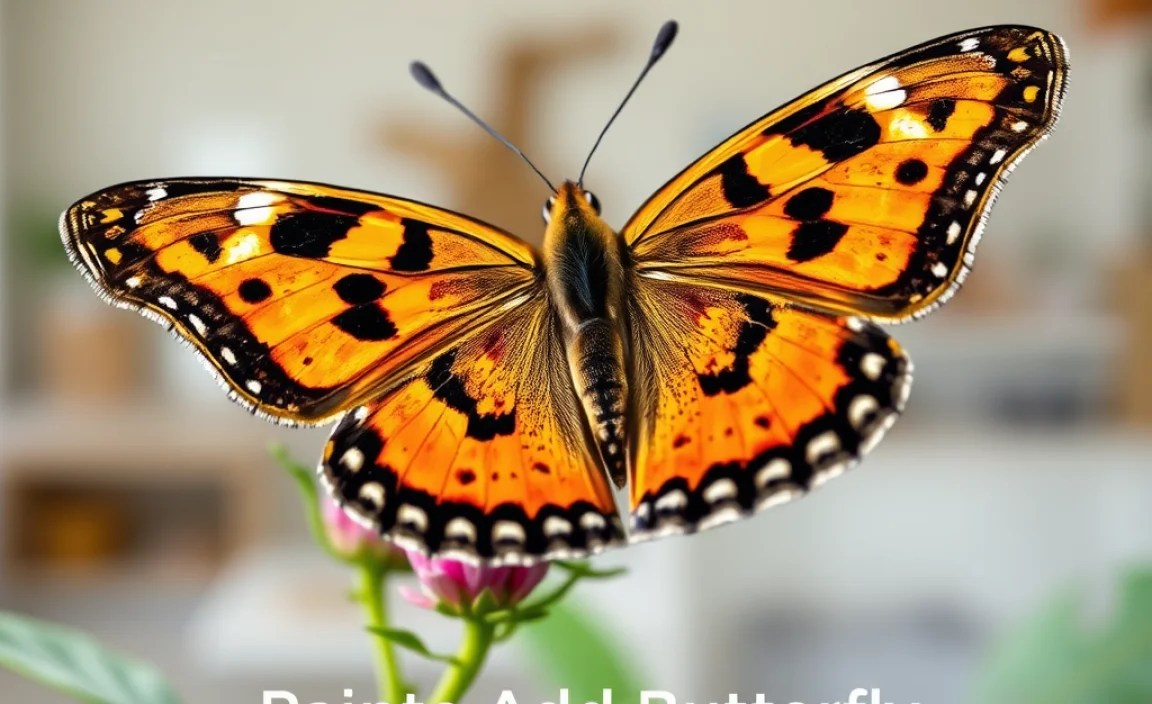
Are you ready to bring nature into your classroom? {Painted lady butterfly classroom projects} are a fantastic way to do it. These projects teach kids about the life cycle of a butterfly. It starts with an egg, then a larva (caterpillar), then a pupa (chrysalis), and finally an adult butterfly. Watching this process is truly amazing. You can buy butterfly kits online or from science stores. These kits usually have everything you need. This includes caterpillars, food, and a habitat. Setting up the habitat is easy. Just follow the instructions that come with the kit. Make sure to keep the habitat in a safe place. You want to avoid direct sunlight. Direct sunlight can make it too hot for the caterpillars. Kids can take turns caring for the caterpillars. They can observe them every day. They can draw pictures of the caterpillars. They can write about what they see. This project combines science, art, and writing. It makes learning fun and engaging.
- Buy a butterfly kit online.
- Set up the habitat carefully.
- Keep the habitat out of direct sunlight.
- Observe the caterpillars daily.
- Draw pictures of the changes.
- Write about what you see happening.
These projects are not just fun. They are also educational. Kids learn about science and nature. They learn about responsibility. They also learn about patience. Watching the caterpillars grow takes time. It teaches kids to be patient. Releasing the butterflies is a special moment. It is a chance to connect with nature. It is also a chance to help the environment. Butterflies help pollinate flowers. This means they help plants make seeds. By releasing butterflies, you are helping to keep the environment healthy. {Painted lady butterfly classroom projects} are a great way to make learning fun and meaningful. What better way to learn than by doing?
Fun Fact or Stat: Did you know that a painted lady butterfly can fly up to 100 miles in a single day?
Why Choose Painted Lady Butterflies?
Why are painted lady butterflies so popular for classroom projects? Well, they are easy to raise. They are also very common. This means you can find kits easily. Painted lady butterflies are also very hardy. They can survive in different conditions. This makes them a good choice for beginners. They also grow quickly. You will see changes in a few weeks. This keeps kids interested and engaged. Plus, painted lady butterflies are beautiful. Their bright colors make them fun to watch. Watching them fly is a joy. They are also native to North America. This means you are helping the local ecosystem when you release them. You don’t have to worry about introducing a new species. Choosing painted lady butterflies is a great choice for any classroom.
Setting Up the Butterfly Habitat
Setting up the butterfly habitat is easy. But there are some things to keep in mind. First, choose a good location. You want a place that is not too hot or too cold. Avoid direct sunlight. A spot near a window is usually good. Next, assemble the habitat. Most kits come with a mesh container. This allows you to see the caterpillars easily. It also lets air in. Make sure the container is secure. You don’t want the caterpillars to escape. Place the food in the container. The kit will usually include a special food for the caterpillars. This food has all the nutrients they need. Keep the habitat clean. Remove any old food or waste. This will help keep the caterpillars healthy. Now, you are ready to add the caterpillars. Watch them closely and enjoy the show!
Observing the Butterfly Life Cycle
Observing the butterfly life cycle is fascinating. The first stage is the egg. The eggs are very small. They are usually laid on leaves. Next comes the larva stage. This is when the caterpillar hatches. The caterpillar eats a lot. It grows very quickly. It sheds its skin several times. This is called molting. Then comes the pupa stage. The caterpillar forms a chrysalis. Inside the chrysalis, something amazing happens. The caterpillar transforms into a butterfly. Finally, the adult butterfly emerges. It breaks out of the chrysalis. It dries its wings. Then, it flies away. Each stage is different and exciting. Take notes and draw pictures. You will learn so much about nature.
Materials Needed for Butterfly Projects

What do you need for successful {painted lady butterfly classroom projects}? First, you need a butterfly kit. As mentioned, you can buy these online or at science stores. The kit should include caterpillars. It should also include food for the caterpillars. A habitat is also essential. The habitat keeps the caterpillars safe. It also makes it easy to observe them. You will also need a spray bottle. Use the spray bottle to mist the habitat. This keeps the air humid. You might want to have some books about butterflies. These books can help you learn more. They can also help you identify different types of butterflies. Finally, you will need a camera. Use the camera to take pictures of the caterpillars. You can document their growth. You can also share the pictures with others.
- Butterfly kit with caterpillars.
- Food for the caterpillars.
- A suitable habitat.
- Spray bottle for misting.
- Books about butterflies.
- Camera for documentation.
Having the right materials is important. But it is also important to know how to use them. Read the instructions that come with the butterfly kit. Follow them carefully. This will help you avoid problems. Make sure the habitat is clean. Clean it regularly. This will prevent the spread of disease. Be gentle with the caterpillars. Handle them carefully. Avoid touching them too much. Remember, these are living creatures. Treat them with respect. With the right materials and the right attitude, you can have a successful and fun butterfly project.
Fun Fact or Stat: Caterpillars can increase their weight by as much as 1,000 times during their larval stage!
Choosing the Right Butterfly Kit
Choosing the right butterfly kit is very important. There are many different kits available. Some are better than others. Look for a kit that includes everything you need. This should include caterpillars, food, and a habitat. Check the reviews before you buy. See what other people say about the kit. Make sure the kit is safe for kids. The materials should be non-toxic. The habitat should be secure. Consider the cost of the kit. Some kits are more expensive than others. Think about your budget. Choose a kit that fits your needs and your budget. A good butterfly kit will make your project more successful.
Setting Up a Feeding Station
Setting up a feeding station for your butterflies is crucial. Once they emerge from their chrysalises, they need food. Butterflies drink nectar from flowers. You can make a nectar substitute. Mix sugar and water. Use about one part sugar to four parts water. Soak a cotton ball in the sugar water. Place the cotton ball in a shallow dish. Put the dish in the butterfly habitat. The butterflies will land on the cotton ball. They will drink the sugar water. You can also offer them pieces of fruit. Orange slices and watermelon are good choices. Place the fruit in the habitat. Make sure to remove any old fruit. This will prevent mold from growing. A good feeding station will keep your butterflies happy and healthy.
Maintaining the Butterfly Habitat
Maintaining the butterfly habitat is essential for the butterflies’ health. Keep the habitat clean. Remove any dead leaves or waste. Mist the habitat regularly. This keeps the air humid. Butterflies need humidity to survive. Check the food supply. Make sure the caterpillars have enough food. Replace the food as needed. Watch for signs of disease. If you see anything unusual, take action. Contact a local butterfly expert. They can give you advice. Keep the habitat in a safe place. Protect it from extreme temperatures. A well-maintained habitat will help your butterflies thrive.
Documenting the Butterfly Life Cycle
One of the best parts of {painted lady butterfly classroom projects} is documenting the journey. This helps students learn and remember what they observe. Encourage them to keep a butterfly journal. They can write down their observations each day. They can also draw pictures of the caterpillars and butterflies. Taking photos is another great way to document the life cycle. You can create a photo album or a slideshow. You can also make a video. Record the caterpillars as they grow. Record the butterflies as they emerge. Share the photos and videos with others. This is a great way to show off your project. It is also a great way to teach others about butterflies. Documenting the butterfly life cycle makes the project even more meaningful.
- Keep a butterfly journal.
- Draw pictures of the butterflies.
- Take photos of the caterpillars.
- Create a photo album or slideshow.
- Make a video of the process.
- Share your photos and videos.
Documenting the butterfly life cycle is not just about recording what you see. It is also about reflecting on what you learn. Ask students to write about their feelings. How do they feel when they see a caterpillar grow? How do they feel when they see a butterfly emerge? Encourage them to ask questions. What do they want to know about butterflies? What do they want to know about nature? By documenting the butterfly life cycle, students can connect with nature in a deeper way. They can also develop important skills. These skills include observation, writing, and critical thinking. These are skills that will help them in all areas of their lives.
Fun Fact or Stat: The painted lady butterfly is one of the most widespread butterflies in the world, found on every continent except Antarctica!
Creating a Butterfly Journal
Creating a butterfly journal is a simple way to engage students. Start with a notebook. It can be plain or decorated. Each day, students should write down what they observe. What are the caterpillars doing? How much have they grown? What changes do they see? Encourage them to be specific. Use descriptive language. They can also draw pictures. Drawings can help them remember details. They can also express their creativity. The journal can include facts about butterflies. Research different types of butterflies. Write down interesting facts. The butterfly journal becomes a record of their learning. It is also a keepsake that they can cherish for years to come.
Taking Photographs of the Process
Taking photographs is a great way to capture the butterfly life cycle. Use a digital camera or a smartphone. Take pictures of the caterpillars every day. This will show how they grow and change. Take pictures of the chrysalis. Capture the moment when the butterfly emerges. Pay attention to the lighting. Good lighting will make your photos look better. Get close to the caterpillars and butterflies. This will show the details. You can also take videos. Videos can capture the movement of the caterpillars and butterflies. Share your photos and videos online. This is a great way to show off your project. It is also a great way to educate others.
Making a Butterfly Life Cycle Display
Making a butterfly life cycle display is educational. It’s also a fun way to showcase your project. Use a poster board or a bulletin board. Divide the board into sections. Each section represents a stage of the butterfly life cycle. Include pictures of each stage. You can use photos or drawings. Write a description of each stage. Explain what happens at each stage. Add facts about butterflies. Include information about their habitat and diet. Decorate the display with butterfly stickers and drawings. The display can be used to teach others. It can also be used to celebrate the success of your project. A butterfly life cycle display is a great way to share your knowledge.
Releasing Your Painted Lady Butterflies

The best part of {painted lady butterfly classroom projects} is releasing the butterflies. This is a special moment. It is a chance to connect with nature. It is also a chance to help the environment. Before you release the butterflies, choose a good location. Find a place with lots of flowers. Butterflies need nectar from flowers. Make sure the weather is good. Butterflies need warm and sunny weather. Avoid releasing them on a cold or rainy day. When you are ready to release the butterflies, open the habitat. Let them fly out on their own. Don’t force them. They will fly away when they are ready. Watch them as they fly away. It is a beautiful sight. Releasing the butterflies is a rewarding experience.
- Choose a location with flowers.
- Make sure the weather is warm.
- Open the habitat and let them fly.
- Watch them fly away.
- Enjoy the moment.
- Talk about the experience.
Releasing butterflies is not just about letting them go. It is also about celebrating their life. It is a chance to reflect on what you have learned. Talk about the butterfly life cycle. Talk about the importance of butterflies. Talk about the importance of protecting the environment. Encourage students to continue learning about nature. Encourage them to take action to protect the environment. Planting flowers is a great way to help butterflies. Reducing pollution is another great way to help. Every little bit helps. Releasing butterflies is a powerful experience. It can inspire students to become environmental stewards.
Fun Fact or Stat: When releasing butterflies, it is best to do so in the morning after they have had a chance to feed.
Preparing for the Release
Preparing for the release is important. A few days before, stop misting the habitat. This will encourage the butterflies to dry out. Make sure they have plenty of food. They will need energy for their first flight. Choose a release location carefully. Avoid areas with pesticides. Pesticides can harm butterflies. Look for a sunny spot with flowers. This will provide food for the butterflies. On the day of the release, check the weather. It should be warm and sunny. If it is too cold or rainy, wait for a better day. Preparing carefully will help ensure a successful release.
Choosing the Right Location
Choosing the right location for the release is key. Butterflies need flowers for nectar. Look for a place with lots of blooming flowers. Avoid areas with busy roads. Butterflies can get hit by cars. Choose a location that is safe and peaceful. A garden or a park is a good choice. Make sure the location is protected from the wind. Butterflies have a hard time flying in strong winds. A sheltered location will give them a better chance. Consider the time of year. Some flowers bloom at different times. Choose a location that has flowers blooming at the time of your release. The right location will help your butterflies thrive.
The Butterfly Release Ceremony
The butterfly release ceremony can be a special event. Gather everyone together. Talk about the butterfly life cycle. Talk about the importance of butterflies. Share what you have learned. Open the habitat carefully. Let the butterflies fly out on their own. Watch them as they fly away. It is a beautiful sight. Take pictures and videos. This will help you remember the event. You can also sing a song or read a poem. This will make the ceremony even more special. The butterfly release ceremony is a celebration of life. It is a chance to connect with nature.
Troubleshooting Common Butterfly Project Problems
Sometimes, {painted lady butterfly classroom projects} can have problems. It is important to know how to solve them. One common problem is that the caterpillars don’t grow. This could be because they don’t have enough food. Make sure they always have fresh food. Another problem is that the caterpillars get sick. This could be because the habitat is not clean. Clean the habitat regularly. Remove any dead leaves or waste. Sometimes, the butterflies don’t emerge from the chrysalis. This could be because the humidity is too low. Mist the habitat regularly. If you have any problems, don’t give up. Ask for help from a teacher or a butterfly expert. With a little effort, you can solve any problem.
- Caterpillars not growing: Provide fresh food.
- Caterpillars getting sick: Clean the habitat.
- Butterflies not emerging: Mist the habitat.
- Ask for help when needed.
- Don’t give up easily.
- Learn from your mistakes.
Even if things don’t go perfectly, remember that you are still learning. {Painted lady butterfly classroom projects} are a great way to teach kids about resilience. Sometimes, things don’t go as planned. That’s okay. It’s important to learn from your mistakes. Ask questions. Do research. Try again. This is how scientists work. It’s also how we learn in life. By troubleshooting problems, you are developing important skills. These skills will help you in all areas of your life. So, don’t be afraid to make mistakes. Embrace the challenges. Learn from the experience. You will be a better scientist and a better person.
Fun Fact or Stat: Some butterfly species can live for only a few weeks, while others can live for up to a year!
What to Do if Caterpillars Aren’t Eating
If your caterpillars are not eating, don’t panic. There could be several reasons. First, check the food supply. Make sure they have fresh food. The food should be moist. If it is dry, add a little water. Second, check the temperature. Caterpillars need warmth to eat. Make sure the habitat is not too cold. Third, check for signs of disease. If the caterpillars look sick, they may not be eating. Contact a butterfly expert for advice. If you have tried everything and the caterpillars are still not eating, they may be getting ready to pupate. This is a normal part of the life cycle. Be patient and wait. They will eventually form a chrysalis.
Dealing with Mold in the Habitat
Mold can be a problem in butterfly habitats. It can harm the caterpillars. To prevent mold, keep the habitat clean. Remove any dead leaves or waste. Don’t over-mist the habitat. Too much moisture can encourage mold growth. If you see mold, remove it immediately. Use a clean cloth to wipe it away. You can also use a mild disinfectant. Make sure to rinse the habitat thoroughly after using disinfectant. Replace the bedding in the habitat. This will help prevent the mold from returning. Good hygiene is the key to preventing mold.
Helping a Butterfly Emerge from Its Chrysalis
Sometimes, butterflies have trouble emerging from their chrysalises. If you see a butterfly struggling, you can help. First, make sure the humidity is high. Mist the habitat regularly. This will soften the chrysalis. Second, check the position of the chrysalis. Make sure it is hanging properly. If it has fallen, gently reattach it. Use a small piece of tape. Be very careful not to damage the chrysalis. Third, be patient. It can take time for a butterfly to emerge. Don’t try to force it. If the butterfly is still struggling after several hours, contact a butterfly expert for advice.
Extending the Learning Beyond the Butterfly Kit
{Painted lady butterfly classroom projects} can be more than just raising butterflies. You can extend the learning in many ways. You can research different types of butterflies. Learn about their habitats and diets. You can study butterfly migration. Learn about how butterflies travel long distances. You can create butterfly art. Draw pictures, paint, or make collages. You can plant a butterfly garden. Grow flowers that attract butterflies. You can write stories about butterflies. Use your imagination and creativity. There are endless possibilities for learning. The butterfly project can be a starting point for a lifelong love of nature.
- Research different types of butterflies.
- Study butterfly migration patterns.
- Create butterfly-themed artwork.
- Plant a butterfly garden.
- Write stories about butterflies.
- Visit a butterfly conservatory.
The most important thing is to make learning fun. Let students explore their interests. Encourage them to ask questions. Provide them with resources. Books, websites, and experts can all help. Connect the butterfly project to other subjects. Math, science, and language arts can all be integrated. For example, you can measure the growth of the caterpillars. You can study the science of metamorphosis. You can write poems about butterflies. By connecting the butterfly project to other subjects, you can make learning more meaningful and engaging. {Painted lady butterfly classroom projects} can be a powerful tool for education.
Fun Fact or Stat: Butterflies taste with their feet! They have taste receptors on their feet that help them find food.
Visiting a Butterfly Conservatory
Visiting a butterfly conservatory is an amazing experience. You can see hundreds of butterflies from all over the world. You can learn about their life cycles and habitats. Many conservatories have educational programs. These programs teach you about butterfly conservation. You can also see other insects. Some conservatories have displays of moths, beetles, and other fascinating creatures. A butterfly conservatory is a great place to connect with nature. It is also a great place to learn about science and conservation. Plan a visit to a conservatory near you.
Creating Butterfly Art Projects
Creating butterfly art projects is a fun and creative way to learn. You can draw pictures of butterflies. Use colored pencils, crayons, or markers. You can paint butterflies. Use watercolors, acrylics, or tempera paints. You can make butterfly collages. Use paper, fabric, and other materials. You can create butterfly sculptures. Use clay, wire, or paper mache. There are endless possibilities for butterfly art. Let your imagination run wild. Use your art to express your love of nature. Share your art with others. This is a great way to educate and inspire.
Planting a Butterfly Garden
Planting a butterfly garden is a great way to help butterflies. Butterflies need nectar from flowers. Choose flowers that are rich in nectar. Some good choices include milkweed, butterfly bush, and zinnias. Butterflies also need host plants for their caterpillars. Host plants are plants that caterpillars eat. Milkweed is a host plant for monarch butterflies. Plant a variety of flowers and host plants. This will attract a variety of butterflies. Provide water for the butterflies. A shallow dish of water with pebbles is a good choice. Avoid using pesticides. Pesticides can harm butterflies. A butterfly garden is a beautiful and beneficial addition to any yard.
| Project Step | Description | Materials Needed | Estimated Time |
|---|---|---|---|
| Ordering Kit | Purchase butterfly raising kit online or in-store. | Computer/Phone, Credit Card | 30 minutes |
| Setting Up Habitat | Assemble mesh habitat and place food inside. | Butterfly kit, water | 15 minutes |
| Observing Caterpillars | Daily observation of caterpillars’ growth. | Notebook, pen, camera (optional) | 10 minutes/day |
| Releasing Butterflies | Release butterflies in a safe, flowered area. | Habitat, sunny day | 30 minutes |
Summary
{Painted lady butterfly classroom projects} are a wonderful way to bring the wonders of nature into the classroom. These projects allow students to witness the complete life cycle of a butterfly, from tiny egg to beautiful flying insect. The projects teach valuable lessons about science, nature, and responsibility. By caring for the caterpillars and observing their transformation, students develop patience, observation skills, and a deeper appreciation for the natural world. These projects also foster a sense of wonder and excitement. Watching a butterfly emerge from its chrysalis is a truly magical experience.
Beyond the scientific benefits, these projects also offer opportunities for creative expression. Students can document the life cycle through drawings, journals, and photographs. They can create butterfly-themed artwork and stories. They can even plant a butterfly garden to support these amazing creatures. These projects are a great way to connect learning to real-world experiences. They provide students with a hands-on opportunity to explore the natural world. They also inspire them to become environmental stewards. So, consider adding a {painted lady butterfly classroom project} to your curriculum. You won’t be disappointed.
Conclusion
{Painted lady butterfly classroom projects} offer a unique and engaging way to learn about science. The entire process is fascinating. Kids learn about life cycles firsthand. They also develop a respect for nature. Watching the butterflies grow is exciting. Releasing them is a rewarding experience. These projects are easy to set up. They are also affordable. Consider adding a butterfly project to your classroom. It is an experience your students will never forget. These projects make learning fun and memorable.
Frequently Asked Questions
Question No 1: How long does it take for a painted lady butterfly to emerge?
Answer: The entire life cycle of a painted lady butterfly, from egg to adult, takes about three to four weeks. The caterpillar stage lasts about one to two weeks. The chrysalis stage lasts about seven to ten days. The exact time can vary depending on the temperature and humidity. Warmer temperatures speed up the process. Cooler temperatures slow it down. It is important to keep the habitat at a stable temperature. This will help the butterflies develop properly. {Painted lady butterfly classroom projects} are a great way to observe this amazing process.
Question No 2: What do painted lady caterpillars eat?
Answer: Painted lady caterpillars are big eaters. They need a lot of food to grow. In the wild, they eat leaves from various plants. These include thistles, mallows, and sunflowers. In a classroom setting, they usually eat a special food. This food is included in the butterfly kit. It is a mixture of nutrients that the caterpillars need. Make sure to provide fresh food every day. Remove any old food that is left over. This will prevent mold from growing. A healthy diet is essential for the caterpillars’ growth and development. {Painted lady butterfly classroom projects} make it easy to provide the right food.
Question No 3: How do I care for my painted lady butterflies after they emerge?
Answer: Once the butterflies emerge, they need food and water. They drink nectar from flowers. You can provide them with a sugar water solution. Mix one part sugar with four parts water. Soak a cotton ball in the sugar water. Place the cotton ball in a shallow dish. Put the dish in the butterfly habitat. The butterflies will land on the cotton ball. They will drink the sugar water. You can also offer them pieces of fruit. Orange slices and watermelon are good choices. Make sure to release the butterflies in a safe place. A place with plenty of flowers is ideal. This will give them a good start in the wild.
Question No 4: Are painted lady butterflies harmful to humans?
Answer: No, painted lady butterflies are not harmful to humans. They are gentle creatures. They do not bite or sting. They are also not poisonous. It is safe to handle them gently. However, it is important to wash your hands after handling them. This will prevent the spread of germs. {Painted lady butterfly classroom projects} are a safe and fun way to learn about nature. Just remember to be gentle and respectful. These beautiful butterflies are a joy to observe.
Question No 5: What do I do if a butterfly’s wing is damaged?
Answer: If a butterfly’s wing is damaged, it can be difficult for it to fly. Sometimes, the damage is minor. The butterfly can still fly. Other times, the damage is more severe. The butterfly may not be able to fly at all. If the damage is minor, you can try to repair the wing. Use a small piece of tape. Be very careful not to damage the wing further. If the damage is severe, the butterfly may not survive. In this case, it is best to let nature take its course. {Painted lady butterfly classroom projects} teach us about the fragility of life.
Question No 6: Where can I get painted lady butterfly caterpillars?
Answer: You can purchase painted lady butterfly caterpillars from several sources. Many online retailers sell butterfly kits. These kits include caterpillars, food, and a habitat. You can also find them at science stores or educational supply stores. Make sure to buy from a reputable source. This will ensure that you receive healthy caterpillars. Check the reviews before you buy. {Painted lady butterfly classroom projects} are a great way to bring nature into your home or classroom. Just make sure to get your caterpillars from a reliable source.


