Painted Lady Conservation Status US: The Powerful Truth

Have you ever seen a butterfly with orange and black wings? It might have been a painted lady! These butterflies are found all over the world. They are known for their long trips. But what about the painted lady conservation status us? Are they in trouble? Let’s find out.
Butterflies are important. They help flowers make seeds. They also make the world more beautiful. We need to take care of them.
These butterflies are strong travelers. They can fly very far. They go where they can find food. Learning about their painted lady conservation status us helps us protect them. We want these pretty butterflies to stay around.
Key Takeaways
- Painted lady butterflies are common in many places around the world.
- Their populations can change a lot from year to year.
- Scientists watch them to understand how they are doing.
- The current painted lady conservation status us is generally stable.
- Protecting their habitats helps them to continue to thrive.
Understanding Painted Lady Conservation Status US
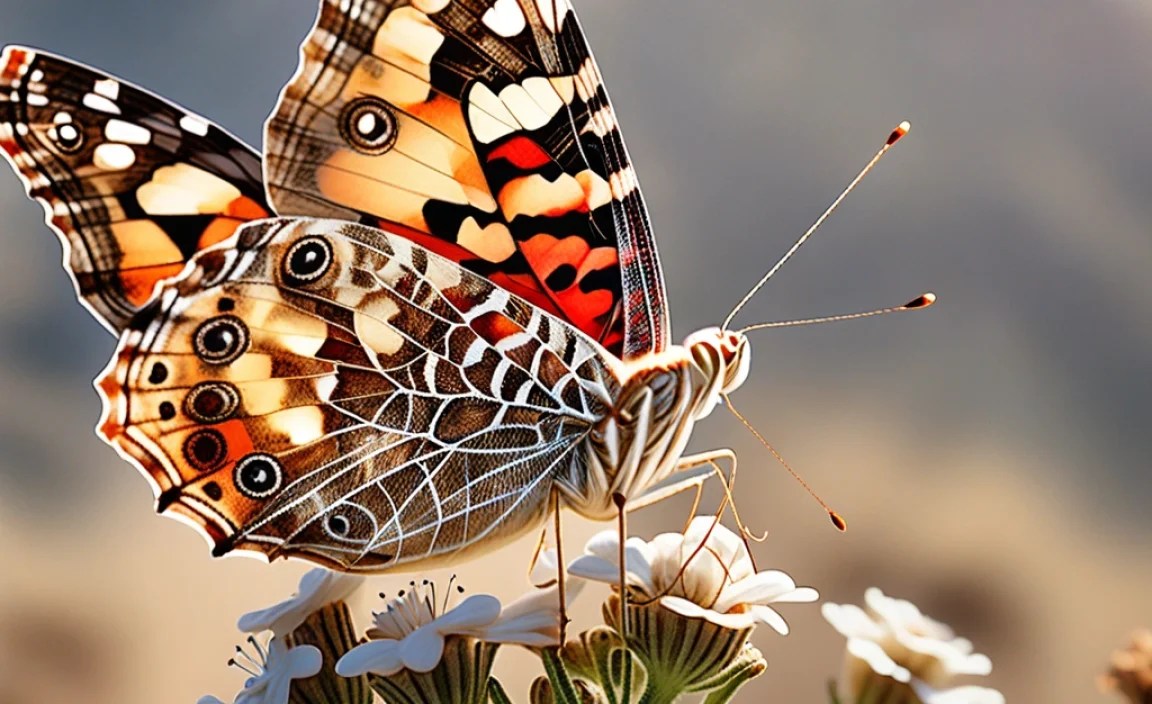
The painted lady butterfly is a very common butterfly. You can find it on almost every continent! This butterfly is known for its amazing trips. It flies thousands of miles to find food and places to lay eggs. Because they move so much, it can be tricky to know exactly how many there are. Scientists look at their numbers each year. This helps them understand the painted lady conservation status us. Right now, they are not considered to be in danger. But it is still important to watch them. Changes in their habitat or food can affect them. By keeping an eye on these butterflies, we can help make sure they stay healthy and happy. That way, everyone can enjoy seeing them flutter by.
- Painted ladies live on many continents.
- They are famous for long trips.
- Scientists count them every year.
- Their conservation status is now okay.
- We should still protect them.
It’s good news that the painted lady isn’t endangered. But we still need to be careful. These butterflies need certain plants to survive. If we lose those plants, the butterflies could struggle. Things like climate change can also affect them. That is why ongoing monitoring is very important. When scientists study painted ladies, they learn about other insects too. Butterflies can tell us a lot about the health of our environment. Knowing the painted lady conservation status us helps everyone understand what these butterflies need to keep flying.
Where Do Painted Ladies Live?
Have you ever wondered where painted ladies make their homes? These butterflies are found almost everywhere. They live in gardens, fields, and even cities. They aren’t picky about where they live, as long as they can find food. Painted ladies like to eat nectar from flowers. They also need plants to lay their eggs on. Thistle plants are a favorite. These plants grow in many different places. That helps the butterflies spread out. Because they can live in so many places, their conservation status is pretty good. But even though they are common, we should still protect their homes.
What Do Painted Ladies Eat?
Imagine you are a painted lady butterfly. What would you eat? These butterflies love sweet nectar from flowers. They use their long tongues to drink it up. Some of their favorite flowers include thistle, aster, and cosmos. The flowers give them energy to fly. They also need certain plants to lay their eggs on. Their babies, called caterpillars, eat the leaves of these plants. If there are no flowers or plants, the painted ladies cannot survive. That is why it is important to plant flowers in your garden. You can help these beautiful butterflies find food. Even small actions can improve their conservation status.
Why Are Painted Ladies Important?
Why should we care about painted ladies? These butterflies do more than just look pretty. They help pollinate flowers. When they fly from flower to flower, they carry pollen. Pollen helps plants make seeds and fruits. This is important for our food supply. Butterflies also play a role in the food chain. Birds and other animals eat them. If we lose painted ladies, it could affect the whole ecosystem. That’s why knowing the painted lady conservation status us is so important. It helps us understand how to protect these helpful insects. By helping butterflies, we help the world.
Fun Fact or Stat: Painted lady butterflies can fly up to 100 miles in a single day during their migrations!
Threats to the Painted Lady Population

Even though painted ladies are common, they still face some problems. One big problem is habitat loss. This means that the places where they live are disappearing. People build houses and roads. This takes away the flowers and plants that butterflies need. Another problem is pesticides. These chemicals can harm or kill butterflies. Climate change can also affect them. Changes in temperature and rainfall can make it hard for them to find food. Knowing about these threats helps us understand the painted lady conservation status us. By protecting their habitat and reducing pesticides, we can help painted ladies thrive. We want to keep these beautiful butterflies around for a long time.
- Habitat loss is a big threat.
- Pesticides can harm them.
- Climate change affects their food.
- Pollution can hurt butterflies.
- Disease can also be a threat.
We can all do things to help painted ladies. Planting flowers in your garden is a great start. Choose flowers that bloom at different times of the year. This gives butterflies a constant source of nectar. Avoid using pesticides in your yard. Support organizations that protect butterfly habitats. Educate your friends and family about the importance of butterflies. Every little bit helps. By working together, we can improve the painted lady conservation status us. Let’s make sure these beautiful butterflies keep flying for generations to come. Protecting them protects our planet.
How Does Habitat Loss Affect Them?
Imagine your home is being torn down. Where would you go? Painted ladies face this problem when their habitats are destroyed. Habitat loss means that the places where they live disappear. People build houses, roads, and farms. This takes away the flowers and plants that butterflies need to survive. Without food and shelter, painted ladies cannot live. This is a big threat to their population. That’s why it’s important to protect their habitats. We can create butterfly gardens and parks. This gives them a safe place to live. By protecting their homes, we improve the painted lady conservation status us.
What Are the Effects of Pesticides?
Pesticides are chemicals used to kill bugs. But they can also harm butterflies. When butterflies eat plants sprayed with pesticides, they can get sick. Sometimes, they even die. Pesticides can also kill the plants that butterflies need to lay their eggs on. This makes it hard for them to reproduce. Using fewer pesticides is better for butterflies. You can try natural ways to control pests in your garden. For example, you can use soapy water to get rid of aphids. By avoiding pesticides, we can help the painted lady conservation status us.
Can Climate Change Hurt Butterflies?
Climate change is changing the world. It can make temperatures rise and rainfall patterns change. This can affect painted ladies in many ways. For example, some plants may bloom earlier or later than usual. This can make it hard for butterflies to find food when they need it. Changes in weather can also make it harder for them to survive. Extreme heat or cold can be dangerous. We can help butterflies by reducing our carbon footprint. This means using less energy and reducing pollution. By fighting climate change, we protect the painted lady conservation status us.
Fun Fact or Stat: Some painted lady populations migrate over 3,000 miles each year!
Painted Lady Life Cycle and Habits

The painted lady butterfly has a very interesting life. It starts as a tiny egg. The egg hatches into a caterpillar. The caterpillar eats and grows. Then, it turns into a pupa, also called a chrysalis. Inside the pupa, the caterpillar changes into a butterfly. Finally, the butterfly emerges. It flies away to find food and lay eggs. This whole process is called metamorphosis. Painted ladies usually live for about two weeks as butterflies. They spend their time flying around and drinking nectar. Understanding their life cycle helps us understand the painted lady conservation status us. By protecting them at every stage, we can help them thrive.
- They start as tiny eggs.
- Eggs hatch into caterpillars.
- Caterpillars become pupae.
- Butterflies emerge from pupae.
- The cycle starts again.
Painted ladies are known for their long migrations. They fly from place to place to find food and lay eggs. Sometimes, they travel thousands of miles. These butterflies are very strong fliers. They can fly in groups or alone. Scientists study their migration patterns to learn more about them. Knowing where they go helps us protect them. We can make sure there are enough flowers and plants along their route. This supports the painted lady conservation status us. By understanding their habits, we can help them survive their long journeys.
What Do Painted Lady Caterpillars Eat?
Imagine you are a painted lady caterpillar. You would be very hungry! These caterpillars eat a lot of leaves. Some of their favorite plants include thistle, mallow, and sunflower. They munch on the leaves to grow big and strong. Caterpillars have special mouthparts for chewing. They can eat a lot in a short amount of time. If there are not enough plants, the caterpillars cannot survive. That’s why it’s important to protect their food sources. We can plant these plants in our gardens and parks. This helps the caterpillars grow into healthy butterflies. Supporting their food supply helps the painted lady conservation status us.
How Do Painted Ladies Migrate?
Have you ever heard of butterflies migrating? Painted ladies are famous for their long trips. They fly thousands of miles to find food and places to lay eggs. These migrations can take many generations. One butterfly might start the journey. Its offspring continue it. Scientists are still learning about how they know where to go. They think they use the sun and the Earth’s magnetic field. Protecting their migration routes is important. We need to make sure they have food and shelter along the way. By understanding their migration, we can help the painted lady conservation status us.
How Long Do Painted Ladies Live?
Painted ladies don’t live very long as butterflies. Most of them only live for about two weeks. During that time, they have to find food, mate, and lay eggs. Their main job is to reproduce. The eggs they lay will become the next generation of butterflies. Even though they don’t live long, they make the most of their time. They fly around, pollinate flowers, and bring beauty to the world. Understanding their lifespan helps us understand the painted lady conservation status us. We need to protect them during their short lives so they can continue to thrive.
Fun Fact or Stat: A painted lady caterpillar can eat up to 200 times its own weight in leaves!
Creating Butterfly Gardens for Conservation
One great way to help painted ladies is to create a butterfly garden. This is a garden that is designed to attract butterflies. It includes plants that provide food and shelter. Choose plants that bloom at different times of the year. This will give butterflies a constant source of nectar. Also, include plants that caterpillars can eat. Avoid using pesticides in your butterfly garden. This will keep the butterflies safe and healthy. A butterfly garden can be a beautiful and helpful addition to any yard or park. Creating these gardens will boost the painted lady conservation status us. It also helps other pollinators, like bees.
- Plant nectar-rich flowers.
- Include host plants for caterpillars.
- Avoid using pesticides.
- Provide a water source.
- Offer shelter from the wind.
- Add rocks for basking.
Butterfly gardens can be any size. Even a small container garden on a balcony can help. The most important thing is to provide the right plants. Some good choices for nectar plants include butterfly bush, zinnia, and salvia. For caterpillar food, try planting thistle, mallow, or milkweed. Remember to provide a water source for the butterflies. A shallow dish of water with some pebbles will work. The pebbles give the butterflies a place to land while they drink. Creating a butterfly garden is a fun and easy way to support the painted lady conservation status us. It also brings beauty and joy to your life.
What Flowers Attract Painted Ladies?
Do you want to attract painted ladies to your garden? Choose flowers that are bright and colorful. Butterflies are attracted to red, orange, yellow, and purple flowers. Plant flowers in clusters so they are easy to find. Some of the best flowers for painted ladies include butterfly bush, zinnia, and aster. These flowers provide lots of nectar. Nectar is the sweet juice that butterflies drink for energy. By planting these flowers, you can create a butterfly buffet in your garden. This will help the painted lady conservation status us by providing them with plenty of food.
What Are Host Plants for Painted Lady Caterpillars?
Painted lady caterpillars need certain plants to eat. These plants are called host plants. Some of their favorite host plants include thistle, mallow, and sunflower. These plants provide the caterpillars with the nutrients they need to grow. If you want to help painted ladies, plant these host plants in your garden. Make sure to protect them from pesticides. Caterpillars need healthy leaves to eat. By providing host plants, you support the entire life cycle of the butterfly. This is an important part of improving the painted lady conservation status us.
How to Maintain a Butterfly Garden?
A butterfly garden needs some care to thrive. Water your plants regularly, especially during dry periods. Remove weeds that compete with your flowers. Deadhead spent flowers to encourage more blooms. Avoid using pesticides, which can harm butterflies and other beneficial insects. Add compost to your soil to improve its fertility. Watch for signs of pests or diseases. Take action quickly to prevent problems from spreading. By taking good care of your butterfly garden, you can create a healthy habitat for painted ladies. This helps support the painted lady conservation status us and brings beauty to your yard.
Fun Fact or Stat: Butterfly gardens can increase butterfly populations by up to 50% in urban areas!
Comparing Painted Lady to Other Butterflies
There are many different kinds of butterflies in the world. Each kind has its own unique features. The painted lady is different from other butterflies in some ways. For example, it can live in many different places. Other butterflies might only live in specific habitats. Painted ladies are also known for their long migrations. Some other butterflies migrate too, but not as far. Understanding these differences helps us understand the painted lady conservation status us. It also helps us appreciate the diversity of butterflies. Each kind plays an important role in the ecosystem.
| Butterfly | Habitat | Migration | Diet |
|---|---|---|---|
| Painted Lady | Worldwide | Long migrations | Nectar, thistle |
| Monarch | North America | Long migrations | Milkweed, nectar |
| Swallowtail | Various | Short flights | Nectar |
| Blue Morpho | Rainforests | None | Rotting fruit |
| Cabbage White | Worldwide | Short flights | Nectar, cabbage |
Monarch butterflies are another well-known butterfly. They also migrate long distances. But they only live in North America. Monarchs depend on milkweed plants. Painted ladies can eat many different kinds of plants. This makes them more adaptable. Swallowtail butterflies are big and beautiful. They don’t migrate as far as painted ladies or monarchs. Understanding the differences between these butterflies helps us protect them. Each kind has its own needs. By addressing those needs, we can improve the overall painted lady conservation status us and the status of all butterflies.
What Makes Painted Ladies Unique?
What is it about painted ladies that sets them apart? One thing is their ability to live in so many different places. They can survive in hot deserts and cold mountains. They are also very good at finding food. They can eat many different kinds of plants. This makes them less picky than some other butterflies. Their long migrations are also impressive. They can fly thousands of miles to find the best conditions. These unique features help them survive in a changing world. By understanding what makes them special, we can better support the painted lady conservation status us.
How Do Migration Patterns Differ?
Migration is when animals move from one place to another. Some butterflies migrate, and some do not. Painted ladies are known for their long migrations. They fly thousands of miles to find food and places to lay eggs. Monarch butterflies also migrate long distances. But other butterflies only fly short distances. Some butterflies stay in the same place all year round. Understanding these different patterns helps us protect butterflies. We can make sure they have the resources they need along their migration routes. This supports the painted lady conservation status us and the conservation of other migratory butterflies.
Why Is Butterfly Diversity Important?
There are many different kinds of butterflies in the world. Each kind plays a role in the ecosystem. Butterflies help pollinate flowers. They also serve as food for other animals. A healthy ecosystem needs lots of different kinds of butterflies. If we lose some kinds of butterflies, it can affect the whole system. That’s why it’s important to protect butterfly diversity. We can do this by protecting their habitats and reducing pollution. By supporting butterfly diversity, we support the overall health of the planet. This includes the painted lady conservation status us and the status of all other butterfly species.
Fun Fact or Stat: There are over 20,000 different species of butterflies in the world!
Future of Painted Lady Conservation
What does the future hold for painted ladies? Scientists are working hard to understand these butterflies. They are studying their migration patterns and their habitats. They are also tracking their populations. This information helps us understand the painted lady conservation status us. By knowing what challenges they face, we can find ways to help them. Protecting their habitats is very important. Reducing pesticide use is also crucial. Working together, we can ensure that painted ladies continue to thrive. We want future generations to enjoy these beautiful butterflies.
- Continued monitoring is important.
- Habitat protection is essential.
- Reducing pesticide use helps.
- Public education is key.
- International cooperation is needed.
Everyone can play a role in painted lady conservation. Plant flowers in your garden. Avoid using pesticides. Support organizations that protect butterfly habitats. Educate your friends and family about the importance of butterflies. Even small actions can make a big difference. By working together, we can improve the painted lady conservation status us. Let’s make sure these beautiful butterflies keep flying for generations to come. Protecting them protects our planet.
How Can Citizen Scientists Help?
You can be a scientist! Citizen scientists are people who help scientists collect data. You can help track painted lady populations in your area. You can report your sightings to online databases. This information helps scientists understand where the butterflies are and how many there are. You can also participate in butterfly counts. These events are organized by local groups. They are a fun way to learn about butterflies and contribute to science. By becoming a citizen scientist, you can directly help the painted lady conservation status us.
What Is the Role of Education?
Education is key to conservation. When people understand the importance of butterflies, they are more likely to protect them. Schools can teach children about the life cycle of butterflies. They can also teach them about the threats that butterflies face. Museums and nature centers can offer exhibits about butterflies. These exhibits can educate the public about the importance of conservation. By spreading awareness, we can create a more butterfly-friendly world. This is crucial for improving the painted lady conservation status us and the conservation of all butterflies.
Why Is International Cooperation Important?
Painted ladies migrate across borders. They fly from one country to another. This means that protecting them requires international cooperation. Countries need to work together to protect their habitats. They also need to coordinate their conservation efforts. Sharing information and resources is essential. By working together, countries can ensure that painted ladies have a safe passage throughout their range. International cooperation is vital for the long-term painted lady conservation status us.
Fun Fact or Stat: More than 100,000 citizen scientists participate in butterfly monitoring programs worldwide!
Painted Lady Conservation Initiatives
Many groups are working to help painted ladies. These groups include government agencies, non-profit organizations, and universities. They are involved in research, habitat restoration, and education. Some groups focus on protecting migration routes. Others work to reduce pesticide use. These conservation initiatives are essential for improving the painted lady conservation status us. By supporting these groups, we can help ensure a bright future for these beautiful butterflies.
- Habitat restoration projects exist.
- Research studies are ongoing.
- Advocacy groups raise awareness.
- Government programs offer support.
- Community gardens help butterflies.
You can support these conservation initiatives in many ways. You can donate to organizations that protect butterfly habitats. You can volunteer your time to help with habitat restoration. You can advocate for policies that protect butterflies. You can also spread awareness about the importance of painted lady conservation. Every action, big or small, can make a difference. By working together, we can strengthen these initiatives and improve the painted lady conservation status us.
What Are Habitat Restoration Projects?
Habitat restoration is when people try to bring back damaged habitats. This can involve planting native plants, removing invasive species, and cleaning up pollution. Habitat restoration projects can create better places for butterflies to live. They can provide food, shelter, and breeding grounds. These projects are often carried out by volunteers. They are a great way to get involved in conservation. By participating in habitat restoration, you can directly help the painted lady conservation status us.
What Research Is Being Done?
Scientists are studying painted ladies to learn more about them. They are tracking their migration patterns. They are also studying their genetics. This research helps us understand how they adapt to different environments. It also helps us identify the threats that they face. This information is essential for developing effective conservation strategies. By supporting scientific research, you can help improve the painted lady conservation status us.
How Can Advocacy Groups Help?
Advocacy groups work to raise awareness about important issues. They can educate the public about the threats that butterflies face. They can also lobby governments to pass laws that protect butterflies. Advocacy groups play a crucial role in conservation. They can help create a more butterfly-friendly world. By supporting advocacy groups, you can help improve the painted lady conservation status us.
Fun Fact or Stat: Conservation initiatives have helped restore over 1 million acres of butterfly habitat in the US!
Summary
The painted lady butterfly is a common butterfly found worldwide. It’s known for its long migrations and adaptable nature. While the current painted lady conservation status us is generally stable, these butterflies still face threats. Habitat loss, pesticide use, and climate change can all impact their populations. Protecting their habitats and reducing pesticide use are important steps. Creating butterfly gardens with nectar-rich flowers and host plants can help. Citizen scientists can contribute by monitoring populations. Education and international cooperation are also key. Supporting conservation initiatives and spreading awareness can make a big difference. By working together, we can ensure a bright future for painted ladies.
Conclusion
Painted lady butterflies are beautiful and important creatures. They play a role in pollination and the food chain. While they are not currently endangered, they face ongoing challenges. We must protect their habitats and reduce threats. Creating butterfly gardens and supporting conservation efforts can help. By taking action, we can improve the painted lady conservation status us. Let’s ensure these butterflies continue to flutter for years to come.
Frequently Asked Questions
Question No 1: What is the current painted lady conservation status us?
Answer: The current painted lady conservation status us is generally considered stable. These butterflies are widespread and can be found on many continents. However, their populations can fluctuate from year to year depending on weather conditions and the availability of food sources. Scientists continue to monitor their numbers to ensure their long-term health and stability. It is important to remember that even though they are not currently endangered, it is still vital to protect their habitats and reduce threats like pesticide use to maintain a healthy population.
Question No 2: What are the biggest threats to painted lady butterflies?
Answer: Painted lady butterflies face several threats that can impact their populations. One of the biggest is habitat loss. As humans develop land for agriculture, housing, and other uses, the natural areas where these butterflies live disappear. This can make it harder for them to find food and places to lay their eggs. Pesticide use is another significant threat. These chemicals can harm or kill butterflies, either directly or by poisoning their food sources. Climate change can also disrupt their life cycle and migration patterns. Protecting their habitats and reducing pesticide use are key to helping them.
Question No 3: How can I help painted lady butterflies in my backyard?
Answer: There are many things you can do to help painted lady butterflies in your backyard! One of the best is to plant a butterfly garden. Choose flowers that provide nectar, like zinnias, butterfly bushes, and asters. Also, include host plants for their caterpillars, such as thistle, mallow, and sunflower. Avoid using pesticides in your yard, as these can harm butterflies. Provide a water source, like a shallow dish with pebbles. By creating a butterfly-friendly environment, you can help these beautiful insects thrive. This will improve the overall painted lady conservation status us in your local area.
Question No 4: Do painted lady butterflies migrate?
Answer: Yes, painted lady butterflies are known for their long migrations. They can fly thousands of miles to find food and suitable breeding conditions. Their migrations can take them across continents and even oceans. Scientists are still studying how they navigate and what factors influence their migration patterns. Protecting their migration routes is important for their survival. This means ensuring that there are enough food sources and safe habitats along their journey. Understanding their migration helps us understand the painted lady conservation status us.
Question No 5: Are painted lady butterflies endangered?
Answer: Currently, painted lady butterflies are not considered endangered. They are widespread and relatively common in many parts of the world. However, their populations can fluctuate due to various factors. It’s important to monitor their numbers and address any threats to their habitats. Protecting their food sources and reducing pesticide use are crucial for maintaining a healthy population. While the painted lady conservation status us is currently stable, we must remain vigilant to ensure their long-term survival.
Question No 6: Where can I find more information about the painted lady conservation status us?
Answer: You can find more information about the painted lady conservation status us from several sources. Government agencies like the U.S. Fish and Wildlife Service often have information on butterfly conservation. Non-profit organizations dedicated to butterfly conservation, such as the North American Butterfly Association, are also good resources. University research programs studying butterflies may also provide insights into their populations and threats. Consulting scientific publications and databases can also offer valuable information about their conservation status and the challenges they face.