
How to Raise Painted Lady Caterpillars: Easy Guide

Have you ever seen a butterfly flutter by? Did you know you can raise them yourself? It is fun to watch them grow. You can learn how to raise painted lady caterpillars. These little creatures turn into beautiful butterflies. It is like having a tiny magical garden.
Raising caterpillars is a cool project. You get to see nature up close. It teaches you about life cycles. Plus, you help butterflies thrive. Are you ready to start your butterfly adventure?
Key Takeaways
- Raising painted lady caterpillars helps boost local butterfly populations.
- Provide fresh food, clean housing, and proper humidity for healthy growth.
- Observe caterpillars daily to monitor their progress and address issues early.
- Painted lady caterpillars go through several stages before becoming butterflies.
- Learning how to raise painted lady caterpillars is easy and very rewarding.
How To Get Painted Lady Caterpillars

Getting your caterpillars is the first step. You have a few choices. You can order them online. Many science supply stores sell them. They will arrive in a small cup with food. This is a safe and easy way to start. Make sure the supplier is reputable. Check reviews before you buy. Another option is to find them outside. Look for caterpillars on thistle plants. Painted lady caterpillars love thistle. Be careful when collecting them. Always wash your hands after handling wild caterpillars. Keep wild caterpillars separate from store-bought ones. This prevents the spread of diseases. Now you are ready to begin your exciting journey.
- Order caterpillars from a trusted online store.
- Check online store reviews before you buy.
- Look for caterpillars on thistle plants.
- Wash your hands after handling caterpillars.
- Keep wild and store-bought caterpillars separate.
Once you have your caterpillars, prepare their new home. A small plastic container works well. Make sure it has air holes. You can use a lid with small holes. Or cover the top with breathable fabric. Add some paper towels to the bottom. This makes cleaning easier. Keep the container in a warm place. Avoid direct sunlight. Caterpillars need a consistent temperature. Check on them every day. Remove any old food or droppings. Fresh food and a clean home are important. This helps them grow healthy and strong. Have fun watching them eat and grow!
Fun Fact or Stat: Painted lady butterflies can fly up to 100 miles in a single day during migration!
Where Can I Buy Caterpillars?
Do you want to raise caterpillars? Wondering where to buy them? Many places sell them. Science education stores are a good choice. They often have caterpillar kits. These kits include everything you need. Online retailers are also an option. Websites like Amazon sell painted lady caterpillars. Make sure to read reviews first. Look for sellers with good ratings. Local nature centers might also sell them. Check with your local science museum. They may have special events. These events sometimes include caterpillar sales. Always buy from a reputable source. This ensures healthy caterpillars. Happy caterpillar hunting!
What Is the Best Time to Buy?
When should you buy your caterpillars? Spring and early summer are best. The weather is warm and sunny. Caterpillars need warmth to grow. Avoid buying them in winter. It is too cold for them to thrive. Check the weather forecast before you buy. Make sure the temperature is right. Some stores only sell caterpillars seasonally. They know when the conditions are best. Plan ahead and order early. This gives you the best chance for success. Then you can enjoy watching them grow into butterflies. What a cool experience that is!
How Much Do Caterpillars Cost?
Ever wonder how much caterpillars cost? The price can vary. It depends on where you buy them. It also depends on how many you buy. A small cup of caterpillars might cost $10-$20. Kits with food and containers cost more. They can range from $20-$40. Some stores offer discounts for large orders. Check for sales or promotions. Consider the shipping costs too. Some suppliers charge extra for shipping. Compare prices from different sellers. This helps you find the best deal. Remember, healthy caterpillars are worth the cost. You want them to grow into beautiful butterflies.
How To Set Up a Caterpillar Habitat

Setting up the right habitat is key. Your caterpillars need a safe and comfy place. Start with a clean container. A clear plastic container works well. Make sure it has good airflow. You can drill small holes in the lid. Or cover the top with mesh fabric. This keeps the caterpillars from escaping. Line the bottom with paper towels. This makes cleaning easier. Place a few small sticks inside. The caterpillars can climb on these. Avoid overcrowding the container. Give them enough space to move around. Keep the habitat away from direct sunlight. Direct sunlight can overheat the caterpillars. A warm, shady spot is ideal. Now your caterpillars have a perfect home.
- Use a clear plastic container for the habitat.
- Ensure good airflow with holes or mesh.
- Line the bottom with paper towels for easy cleaning.
- Add small sticks for caterpillars to climb on.
- Avoid direct sunlight to prevent overheating.
- Keep the habitat in a warm, shady spot.
Maintaining the habitat is also important. Clean it regularly to prevent mold. Remove any old food or droppings. Replace the paper towels as needed. Mist the habitat with water. This keeps the humidity up. Caterpillars need moisture to thrive. But don’t make it too wet. Too much moisture can cause problems. Observe your caterpillars daily. Watch for any signs of illness. A healthy habitat leads to healthy butterflies. You will be rewarded with beautiful butterflies soon. It is a fun and educational experience for all.
Fun Fact or Stat: Caterpillars shed their skin several times as they grow, a process called molting!
What Size Container Do I Need?
Choosing the right container size is important. How big should it be? It depends on how many caterpillars you have. A small group of caterpillars needs a small container. A larger group needs a bigger one. Make sure they have enough space to move. Overcrowding can cause stress. A good rule of thumb is this. Each caterpillar needs about three times its body length in space. So, if a caterpillar is one inch long, it needs three inches of space. This gives them room to eat, crawl, and grow. Watch your caterpillars closely. If they seem crowded, move them to a larger container. They will thank you for it!
How Do I Clean the Habitat?
Keeping the habitat clean is essential. How do you do it? Start by removing the caterpillars. Gently move them to a temporary container. Then, remove the old paper towels. Wipe down the inside of the habitat. Use warm water and mild soap. Rinse it thoroughly to remove soap residue. Dry the container completely. Add fresh paper towels to the bottom. Return the caterpillars to their clean home. Clean the habitat every day. This prevents mold and bacteria. A clean home is a happy home for your caterpillars. They will grow better in a clean environment.
How Do I Control Humidity?
Humidity is important for caterpillars. How do you control it? Caterpillars need moisture to thrive. But too much moisture can be harmful. The key is to find the right balance. You can mist the habitat with water. Use a spray bottle to create a fine mist. Do this once or twice a day. Watch the caterpillars closely. If they seem wet, reduce the misting. If they seem dry, increase it. You can also use a damp paper towel. Place it in the habitat. This adds moisture to the air. Avoid making the habitat too soggy. This can lead to mold and disease. Happy caterpillars are well-hydrated caterpillars!
Best Food for Painted Lady Caterpillars

Feeding your caterpillars the right food is vital. They need nutritious food to grow big and strong. Painted lady caterpillars eat a special diet. Their favorite food is thistle. You can find thistle in many places. Look in fields and along roadsides. If you cannot find thistle, don’t worry. You can buy special caterpillar food online. This food is made just for them. It has all the nutrients they need. Place the food in the habitat. Make sure it is always fresh. Replace it every day or two. Watch your caterpillars eat. They will munch away happily. Proper food ensures healthy growth.
- Thistle is the natural food for painted lady caterpillars.
- You can buy special caterpillar food online.
- Ensure the food is always fresh and available.
- Replace the food every day or two.
- Watch caterpillars eat to ensure they are feeding well.
Avoid feeding caterpillars the wrong foods. Human food is not good for them. Do not give them lettuce or other greens. These foods lack the nutrients they need. Only feed them thistle or caterpillar food. Keep the food clean and free of mold. Moldy food can make them sick. Always wash your hands before handling food. This prevents the spread of germs. Healthy food leads to healthy caterpillars. You will see them grow quickly and beautifully. It is a rewarding experience to watch them thrive.
Fun Fact or Stat: Painted lady caterpillars can eat up to twice their weight in food each day!
Can I Feed Them Lettuce?
Can you feed caterpillars lettuce? The answer is no. Lettuce does not have enough nutrients. Caterpillars need specific nutrients to grow. Lettuce is mostly water. It does not provide the right nourishment. Painted lady caterpillars need thistle. Or they need special caterpillar food. These foods are packed with what they need. Feeding them lettuce can make them sick. It can also slow their growth. Stick to their natural diet. This ensures they grow into healthy butterflies. Your caterpillars will thank you for it.
Where Can I Find Thistle?
Finding thistle can be tricky. Where do you look? Thistle grows in fields and along roadsides. It is a common weed in many areas. Look for plants with spiky leaves. Thistle often has purple flowers. Be careful when handling thistle. The leaves can be prickly. Wear gloves to protect your hands. Ask permission before collecting thistle. Do not take it from private property. Some garden centers sell thistle plants. This is a convenient option. If you cannot find thistle, use caterpillar food. It is a safe and easy alternative. Happy thistle hunting!
How Much Food Do They Need?
How much food do caterpillars need? They eat a lot! Caterpillars are growing machines. They need plenty of food to fuel their growth. Provide them with fresh food every day. Replace the food as needed. Watch how much they eat. If they eat all the food, give them more. If they leave some behind, reduce the amount. A good rule of thumb is this. Give them enough food so there is a little left over. This ensures they are getting enough. Keep the food fresh and clean. Healthy food means happy caterpillars. They will grow quickly and transform into butterflies.
Caterpillar Molting and Growth Stages

Caterpillars grow in stages. They change a lot during their lives. This process is called metamorphosis. First, they hatch from tiny eggs. Then, they become larvae. The larvae are what we call caterpillars. Caterpillars eat and grow quickly. As they grow, they shed their skin. This is called molting. They do this several times. Each stage between molts is called an instar. After the last molt, they become pupae. The pupa forms a chrysalis. Inside the chrysalis, they transform. Finally, a butterfly emerges. It is a magical transformation to witness.
- Caterpillars hatch from eggs and become larvae.
- Larvae eat and grow rapidly.
- Caterpillars shed their skin in a process called molting.
- Each stage between molts is called an instar.
- After molting, they become pupae inside a chrysalis.
- Butterflies emerge from the chrysalis.
Understanding these stages is important. It helps you care for your caterpillars. Provide them with the right food at each stage. Keep their habitat clean and safe. Watch them closely as they grow. You will see them transform before your eyes. It is a fascinating process. It teaches us about nature and life cycles. Enjoy watching your caterpillars grow and change.
Fun Fact or Stat: A caterpillar’s primary job is to eat and grow; they increase their weight dramatically in a short time!
What Does Molting Look Like?
What does molting look like? It is an interesting process to watch. Before molting, the caterpillar stops eating. It becomes still and quiet. Its skin may look dull or cloudy. Then, the skin splits open. The caterpillar wriggles out of its old skin. The new skin underneath is soft and flexible. The caterpillar stretches and expands. The new skin hardens over time. The old skin is left behind. It looks like a tiny empty shell. Do not disturb the caterpillar during molting. Let it do its thing. It is a natural and important process.
How Many Times Do They Molt?
How many times do caterpillars molt? Painted lady caterpillars molt about five times. Each molt marks a new instar. The first instar is when they first hatch. They eat and grow during each instar. After each molt, they get bigger. Their colors may change too. The final molt is before they become a pupa. This is when they form the chrysalis. Each molt is a sign of growth. It means your caterpillar is healthy. Keep providing them with fresh food. Watch them closely as they grow and change. It is a fascinating experience.
What Happens Inside the Chrysalis?
What happens inside the chrysalis? It is a magical transformation. The caterpillar turns into a butterfly. This process is called metamorphosis. Inside the chrysalis, the caterpillar breaks down. Its body changes completely. New structures form. These structures will become the butterfly’s wings and legs. The chrysalis protects the butterfly. It provides a safe place to develop. This process takes about one to two weeks. Do not disturb the chrysalis. Let nature take its course. Soon, a beautiful butterfly will emerge. It is a miracle of nature.
How To Care for the Chrysalis
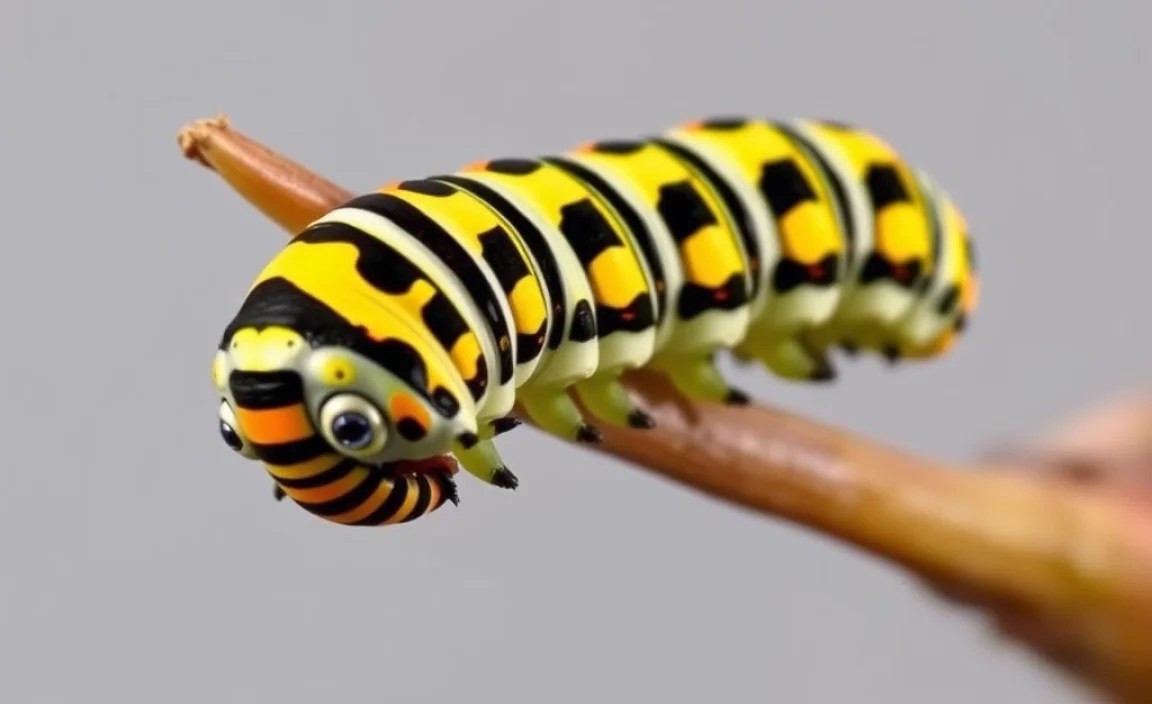
Taking care of the chrysalis is important. The chrysalis is fragile. Handle it with care. Do not touch it unless necessary. Keep it in a safe place. Avoid direct sunlight and extreme temperatures. The chrysalis needs consistent humidity. You can mist it lightly with water. Do this every day or two. Watch for signs of hatching. The chrysalis will become clear. You will see the butterfly inside. This means it is almost ready to emerge. Be patient and wait. Soon, a beautiful butterfly will appear. It is a rewarding experience to witness.
- Handle the chrysalis with care.
- Keep it in a safe place away from direct sunlight.
- Maintain consistent humidity by misting lightly.
- Watch for signs of hatching, such as the chrysalis becoming clear.
- Be patient and wait for the butterfly to emerge.
Sometimes, the chrysalis can fall. This is normal. You can reattach it. Use a small piece of tape. Gently tape it to a safe spot. Make sure the butterfly has room to emerge. Check on the chrysalis every day. Look for any signs of problems. If it turns black or mushy, it may be dead. Remove it from the habitat. Otherwise, let it be. Soon, you will have a beautiful butterfly. It is a magical transformation.
Fun Fact or Stat: The chrysalis stage can last from a few days to two weeks, depending on the butterfly species!
What Do I Do if It Falls?
What if the chrysalis falls? Don’t panic! This can happen sometimes. The important thing is to reattach it. Gently pick up the chrysalis. Be very careful not to damage it. Find a safe place to reattach it. You can use a small piece of tape. Fold the tape into a loop. Stick one side of the loop to the chrysalis. Stick the other side to the habitat. Make sure the chrysalis is hanging upright. The butterfly needs room to emerge. Check on it regularly. If it falls again, reattach it. Soon, a beautiful butterfly will emerge. It is a rewarding sight.
How Long Does the Chrysalis Stage Last?
How long does the chrysalis stage last? It varies. For painted lady butterflies, it lasts about one to two weeks. During this time, the caterpillar transforms. It becomes a butterfly inside the chrysalis. The length of the stage depends on the temperature. Warmer temperatures can speed it up. Cooler temperatures can slow it down. Be patient and wait. Do not disturb the chrysalis. Let nature take its course. Soon, a butterfly will emerge. It is a magical moment.
How Do I Know It’s About to Hatch?
How do you know it’s about to hatch? There are a few signs to look for. The chrysalis will become clear. You will see the butterfly inside. You can see its wings and colors. The chrysalis may also darken. It may become more transparent. These are signs that the butterfly is ready. Be patient and watch closely. The butterfly will emerge soon. It is an exciting time. Get ready to witness a miracle of nature.
Releasing Your Painted Lady Butterflies
Releasing your butterflies is the final step. It is a special moment. Choose a warm, sunny day. Butterflies need warmth to fly. Find a safe place to release them. A garden or park is ideal. Avoid areas with heavy traffic. Gently take the container outside. Open the lid and let them fly. You can also place your hand inside. Let the butterfly crawl onto your finger. Then, slowly lift your hand. The butterfly will fly away. Watch them flutter into the sky. It is a beautiful sight. You have helped them on their journey.
- Release butterflies on a warm, sunny day.
- Choose a safe place like a garden or park.
- Open the container and let them fly freely.
- You can let them crawl onto your finger first.
- Watch them flutter into the sky.
Before releasing, give them a treat. Place a small dish of sugar water nearby. Mix one part sugar with four parts water. The butterflies will drink the sugar water. This gives them energy for their flight. Observe the butterflies after releasing them. See where they go. They may visit flowers in your garden. They may fly off to find new adventures. You have made a difference in their lives. Enjoy the beauty of the butterflies.
| Butterfly Type | Release Time | Weather | Location |
|---|---|---|---|
| Painted Lady | Morning | Sunny, Warm | Garden, Park |
| Monarch | Midday | Sunny, Mild | Near Milkweed |
| Swallowtail | Afternoon | Warm, Calm | Open Field |
| Blue Morpho | Morning | Humid, Warm | Tropical Garden |
Fun Fact or Stat: Releasing butterflies can help increase the local butterfly population and support pollination!
What Is the Best Time of Day to Release?
What is the best time to release butterflies? Mornings are usually best. The air is warm and still. Butterflies need warmth to fly. Avoid releasing them in the evening. It can get too cold. They may not be able to fly properly. Check the weather forecast. Make sure it will be a sunny day. Butterflies are more active in the sun. A gentle breeze is okay. But avoid releasing them on windy days. They might get blown off course. Choose a good time and place. Your butterflies will thank you for it.
What If They Don’t Fly Right Away?
What if they don’t fly right away? Don’t worry! Sometimes butterflies need a little time. They might be tired or scared. Give them a few minutes to adjust. Gently encourage them to fly. You can place your finger near them. They might crawl onto your finger. Then, slowly lift your hand. They might fly away. If they still don’t fly, don’t force them. They might need more time. Place them on a flower. They can rest and drink nectar. Check on them later. They will fly when they are ready. Be patient and kind.
Can I Release Them in My Backyard?
Can you release them in your backyard? Yes, you can! Your backyard is a great place. Make sure it is safe for butterflies. Avoid areas with pesticides. These can harm butterflies. Plant flowers that attract butterflies. They will love the nectar. Choose a sunny spot in your yard. Butterflies need warmth to fly. Make sure there is shelter from the wind. Trees and shrubs provide shelter. Release them near the flowers. They will have a food source. Your backyard can become a butterfly haven. Enjoy watching them flutter around.
Summary
Raising painted lady caterpillars is a fun and educational experience. You can learn about life cycles. You will watch caterpillars grow and change. You will see them transform into butterflies. This process is called metamorphosis. It is a miracle of nature. First, you need to get your caterpillars. Then, set up a habitat for them. Provide them with fresh food and water. Keep their habitat clean. Watch them closely as they grow. They will molt several times. Then, they will form a chrysalis. Inside the chrysalis, they transform. Finally, a butterfly will emerge. Releasing your butterflies is the final step. It is a rewarding experience.
Conclusion
Now you know how to raise painted lady caterpillars. It is an amazing journey. You get to witness nature up close. You learn about life cycles and transformation. Raising caterpillars is a rewarding hobby. It teaches you patience and responsibility. You can share your knowledge with others. Encourage them to raise butterflies too. Together, we can help the butterfly population. Enjoy the beauty of these amazing creatures. They bring joy and wonder to our world.
Frequently Asked Questions
Question No 1: What do painted lady caterpillars eat?
Answer: Painted lady caterpillars primarily eat thistle. Thistle is their natural food source and provides essential nutrients for their growth and development. If you cannot find thistle, you can use a commercial caterpillar food. Make sure the food is fresh and free from mold. Avoid feeding them lettuce or other greens. These foods do not provide the right nutrients. Always provide a constant supply of fresh, appropriate food to ensure healthy growth. They need a lot of food to grow into beautiful butterflies. Proper nutrition is key to their survival and transformation.
Question No 2: How often should I clean the caterpillar habitat?
Answer: You should clean the caterpillar habitat every day. This prevents the buildup of mold and bacteria. Remove any old food or droppings. Replace the paper towels on the bottom. Use warm water and mild soap to clean the container. Rinse it thoroughly to remove soap residue. Dry the container completely before returning the caterpillars. A clean habitat is essential for the health of your caterpillars. It helps prevent diseases and ensures they have a comfortable environment. Regular cleaning is a crucial part of how to raise painted lady caterpillars successfully.
Question No 3: How do I know if my caterpillar is sick?
Answer: There are several signs that your caterpillar might be sick. Look for changes in their behavior. If they stop eating, they might be ill. Check for unusual colors or spots on their bodies. If they are sluggish or unresponsive, it could be a sign of sickness. Mold or fungus in the habitat can also make them sick. If you suspect your caterpillar is sick, isolate it from the others. Clean the habitat thoroughly. Provide fresh food and water. Monitor them closely. If their condition doesn’t improve, consult a butterfly expert or veterinarian.
Question No 4: What should I do if the chrysalis falls off?
Answer: If the chrysalis falls off, don’t panic. This can happen sometimes. The important thing is to reattach it. Use a small piece of tape. Fold the tape into a loop. Stick one side of the loop to the chrysalis. Stick the other side to the habitat. Make sure the chrysalis is hanging upright. The butterfly needs room to emerge. Check on it regularly. If it falls again, reattach it. Be gentle and patient. The butterfly will still be able to develop properly. This is a common issue when learning how to raise painted lady caterpillars.
Question No 5: How long does it take for a butterfly to emerge from the chrysalis?
Answer: It typically takes one to two weeks for a butterfly to emerge from the chrysalis. The exact time can vary depending on the temperature. Warmer temperatures can speed up the process. Cooler temperatures can slow it down. The chrysalis will become clear. You will see the butterfly inside. This means it is almost ready to emerge. Be patient and watch closely. Do not disturb the chrysalis. Let nature take its course. Soon, a beautiful butterfly will appear. It is a magical moment to witness when learning how to raise painted lady caterpillars.
Question No 6: Can I keep the butterflies as pets after they emerge?
Answer: It is best to release the butterflies after they emerge. Butterflies need to fly and explore. They need to find food and mates. Keeping them in captivity can limit their natural behaviors. Releasing them allows them to live a full and healthy life. Before releasing them, give them a treat. Place a small dish of sugar water nearby. This gives them energy for their flight. Releasing butterflies supports the local butterfly population. It also helps with pollination. It is a responsible and rewarding way to end your butterfly-raising journey.


