How to Identify the Green Hairstreak: Easy Guide

Do you like butterflies? Have you ever seen a tiny green one? It might have been a green hairstreak! These little butterflies are special. Knowing how to identify the green hairstreak can be fun. Let’s learn about these amazing insects. They are more common than you think.
They live in many places. You can find them in your backyard. You might see them in a park. Keep your eyes open for a flash of green. What makes these butterflies so unique?
This guide will show you how to identify the green hairstreak. We will talk about their color. We will look at their size and shape. You will also learn where they live. Get ready to become a butterfly expert. You’ll know just what to look for!
Key Takeaways
- Green hairstreak butterflies are small and have bright green undersides.
- Check for a thin white line on their wings to help identify them.
- Look for them near scrubland, heathland, and woodland areas.
- Identifying a green hairstreak involves observing its flight and behavior.
- These butterflies often perch with their wings closed, showing off their green color.
How to Identify the Green Hairstreak Butterfly

Learning how to identify the green hairstreak butterfly is exciting. These small, vibrant butterflies are a joy to spot. They are not always easy to find. They often stay close to the ground. Knowing what to look for makes it easier. Their bright green color is the most obvious clue. They also have a small size and unique markings. They live in specific habitats. Understanding these things will help you find them. Let’s explore the key features of the green hairstreak. This will make you a better butterfly spotter. Remember to be patient and observant. Happy butterfly hunting!
- Look for a small butterfly, about 1 inch wide.
- The underside of the wings is a vibrant green color.
- A thin white line runs along the edge of the hindwings.
- They often perch with their wings closed.
- They prefer heathland and scrubland habitats.
Green hairstreaks are special because of their color. Most butterflies have bright colors on the top of their wings. These butterflies have green on the bottom. This helps them hide in plants. The green hairstreak is a master of disguise. It blends in with leaves and stems. This makes it hard for predators to see them. The white line on their wings also helps. It breaks up their outline. This makes them even harder to spot. Keep an eye out for this tiny green gem. It is a treat to see in nature. They are a beautiful part of our world. You might even find one in your garden. Make sure you have the right plants for them!
Fun Fact or Stat: Green hairstreak butterflies can be found across Europe and Asia. They are the only British butterfly with green on the outside of their wings.
What is the Green Hairstreak’s Size and Shape?
Have you ever seen a really tiny butterfly? It might have been a green hairstreak. These butterflies are quite small. They usually only grow to about one inch. That is about the size of your thumb! Their wings are a bit rounded. This shape helps them fly quickly. They can dodge predators easily. Their small size also helps them hide. They can tuck themselves into small spaces. This makes them hard to see. When you are looking for green hairstreaks, think small. Look for something about the size of a coin. This will help you spot them in the wild.
How Does Their Flight Pattern Help?
Imagine a tiny green dart flitting through the air. That could be a green hairstreak! Their flight pattern is quick and erratic. They don’t fly in a straight line. They zip and zag around. This makes them hard to catch. Predators have trouble tracking them. Their flight is also quite low to the ground. They usually stay close to plants. This helps them stay hidden. If you see a small green butterfly flying like this, it might be a green hairstreak. Watch carefully and see if you can spot the green color.
Where Do They Typically Live?
Do you know where green hairstreaks like to live? They are picky about their homes. They like places with lots of shrubs and bushes. These are called heathlands and scrublands. They also like woodland edges. These places provide them with food and shelter. The butterflies lay their eggs on certain plants. These plants include gorse and broom. If you want to find a green hairstreak, look in these areas. Visit a local nature reserve. You might get lucky and spot one. Remember to be quiet and respectful of their home.
Understanding the Green Coloration

The green hairstreak butterfly gets its name from its amazing green color. This color is not like the green you see on leaves. It’s a shimmering, metallic green. This comes from tiny scales on their wings. These scales reflect light in a special way. This creates the vibrant green color. The green color helps them hide. It blends in with the leaves and plants around them. This camouflage protects them from predators. It also helps them sneak up on nectar sources. The green color is a key part of how to identify the green hairstreak. Look closely for this unique shade of green.
- The green color is due to tiny scales on the wings.
- These scales reflect light to create the green shimmer.
- The color helps them camouflage in their habitat.
- The green is more vibrant on fresh, new butterflies.
- Older butterflies may have a duller, faded green.
Imagine painting a butterfly with the perfect green paint. That’s what nature has done with the green hairstreak! This green color is not just pretty. It is important for their survival. It helps them hide from birds and other predators. The green also helps them attract mates. The bright color can be seen by other green hairstreaks. This helps them find each other to reproduce. The green color is a signal. It says, “I am a green hairstreak, and I am here!” So, when you are looking for these butterflies, focus on the green. It is the key to finding these amazing insects.
Fun Fact or Stat: The green color of the green hairstreak is created by structural coloration, not pigments. This means the color comes from the way light interacts with the scales on their wings.
What Shades of Green Can They Be?
Did you know that green hairstreaks can have different shades of green? Some are a bright, emerald green. Others are a more muted, olive green. The shade can depend on a few things. The age of the butterfly can affect it. Freshly emerged butterflies have brighter colors. Older butterflies might have faded colors. The location where they live can also make a difference. Butterflies in some areas might have different shades. No matter the shade, the green is always a key feature. It helps you identify them. Keep an eye out for the different shades of green!
How Does the Green Color Help Them?
Why is the green hairstreak green? It’s all about camouflage! The green color helps them hide. They live in green places. These include bushes and trees. The green helps them blend in. This makes it harder for predators to see them. Birds and other animals hunt butterflies. The green hairstreak uses its color to survive. It’s like wearing an invisible cloak. The green color is a superpower. It helps them live longer and have more babies. So, thank you, green color, for helping these butterflies!
Do They Change Color Over Time?
Do green hairstreaks stay the same color their whole lives? Not exactly. Their color can change a little over time. When they first emerge from their chrysalis, they are very bright. Their green is vibrant and fresh. As they get older, their color can fade. The green might become duller. The scales on their wings can wear down. This can make the color less intense. So, an older green hairstreak might not be as green as a young one. But they are still beautiful. And they are still easy to identify.
Distinctive Markings on the Wings
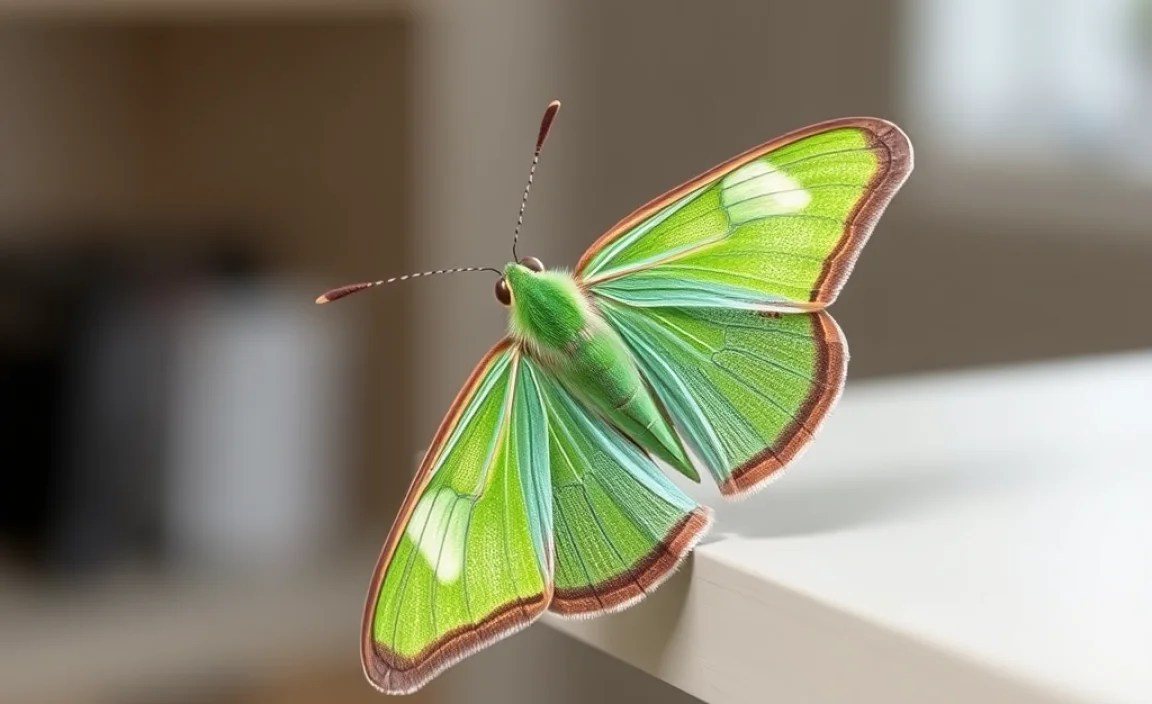
Besides their green color, green hairstreaks have other markings. These markings help you identify them. Look closely at their wings. You will see a thin white line. This line runs along the edge of their hindwings. It is a delicate, crisp white. This line stands out against the green. It is like a tiny white stripe. Some green hairstreaks also have small black dots. These dots are near the edge of their wings. These markings are subtle but important. They add to the butterfly’s unique look. Learning to spot these markings helps you know how to identify the green hairstreak.
- A thin white line runs along the edge of the hindwings.
- Small black dots may be present near the wing edges.
- These markings are more visible on the underside of the wings.
- The white line can vary in thickness and clarity.
- Some individuals may have more pronounced markings than others.
Imagine drawing a tiny white line on a green canvas. That is what the white line on a green hairstreak’s wing looks like. This line is not just a random mark. It serves a purpose. It helps break up the butterfly’s outline. This makes it harder for predators to see them. The white line also helps them recognize each other. It is like a secret code. Only green hairstreaks know what it means. These markings are a reminder that even small details can be important. Pay attention to the little things. They can tell you a lot about an animal. This is especially true when trying to figure out how to identify the green hairstreak.
Fun Fact or Stat: The white line on the green hairstreak’s wing is actually made up of tiny white scales. These scales are different from the green scales that make up the rest of the wing.
How Consistent Are These Markings?
Are the markings on green hairstreaks always the same? Not exactly. The white line can vary a bit. Some butterflies have a very clear, crisp line. Others have a fainter, less defined line. The black dots can also vary. Some have lots of dots, others have few. These differences are natural. They make each butterfly unique. But the basic pattern is always there. There is always a white line and maybe some dots. So, don’t worry if you see a slight difference. It is still a green hairstreak!
What Purpose Do These Markings Serve?
Why do green hairstreaks have these markings? Scientists think they help with camouflage. The white line might break up their outline. This makes them harder to see against leaves. The black dots might mimic shadows. This also helps them blend in. The markings might also help them recognize each other. It is like a secret code. They can tell other green hairstreaks apart. These markings are not just decorations. They help them survive.
Are the Markings Visible From All Angles?
Can you always see the markings on a green hairstreak? It depends on the angle. The markings are most visible from below. This is because the green color is on the underside of their wings. When they are perched with their wings closed, you can see the markings clearly. If they are flying, it might be harder to see. You might only see a flash of green. But if you get a good look, you will see the white line. So, try to get a good view from below. That is the best way to see the markings.
Preferred Habitats of Green Hairstreaks

Green hairstreaks are picky about where they live. They like certain habitats. These habitats provide them with food and shelter. They prefer heathlands and scrublands. These are areas with lots of small shrubs and bushes. They also like woodland edges. These are the areas where forests meet open fields. These habitats offer a mix of sun and shade. They also have the plants that green hairstreaks need. If you want to find one, look in these places. Knowing their preferred habitats is key to how to identify the green hairstreak.
| Habitat Type | Description | Key Features | Example Plants |
|---|---|---|---|
| Heathland | Open, grassy areas with low shrubs. | Well-drained soil, acidic conditions. | Heather, gorse, broom. |
| Scrubland | Areas with dense shrubs and bushes. | Often found on disturbed or marginal land. | Blackthorn, hawthorn, bramble. |
| Woodland Edge | Transition zone between forest and open area. | Mix of sun and shade, diverse plant life. | Bramble, honeysuckle, various wildflowers. |
| Grassland | Areas dominated by grass | Open area, diverse wildflowers | Clover, Daisies, Buttercups |
Imagine a green hairstreak flying over a field of heather. That is its perfect home! Heathlands are ideal because they have lots of food. The butterflies feed on nectar from the flowers. They also lay their eggs on the plants. Scrublands are good because they provide shelter. The dense bushes protect them from wind and rain. Woodland edges are great because they have both. They have sun for warmth and shade for coolness. They also have lots of different plants. These habitats are essential for the green hairstreak’s survival. Without them, they would not be able to live. So, protect these habitats. Help the green hairstreaks thrive.
Fun Fact or Stat: Green hairstreak butterflies are often found in areas with gorse, a prickly shrub with bright yellow flowers. The caterpillars feed on the gorse leaves.
Why Do They Prefer These Habitats?
Why do green hairstreaks like these habitats so much? It is all about the food and shelter. Heathlands and scrublands have lots of flowers. These flowers provide nectar for the butterflies. The plants also provide food for their caterpillars. The bushes provide shelter from predators. They also protect them from the weather. These habitats have everything they need to survive. So, they are drawn to these places. It is like a perfect home for a butterfly.
What Plants Do They Rely On?
What plants are important to green hairstreaks? They rely on certain plants for food and shelter. Gorse and broom are key plants. The caterpillars eat the leaves of these plants. The adult butterflies drink nectar from the flowers. Heather is also important. It provides nectar and shelter. These plants are essential for their survival. Without them, they could not live in these habitats. So, protect these plants. Help the green hairstreaks thrive.
How Can Habitat Loss Affect Them?
What happens if their habitats are destroyed? Habitat loss is a big threat to green hairstreaks. If heathlands and scrublands are cleared, they lose their homes. They lose their food and shelter. This can cause their populations to decline. They might even disappear from some areas. It is important to protect these habitats. We need to conserve these areas. This will help the green hairstreaks survive. We can make a difference by protecting their homes.
Observing Their Behavior
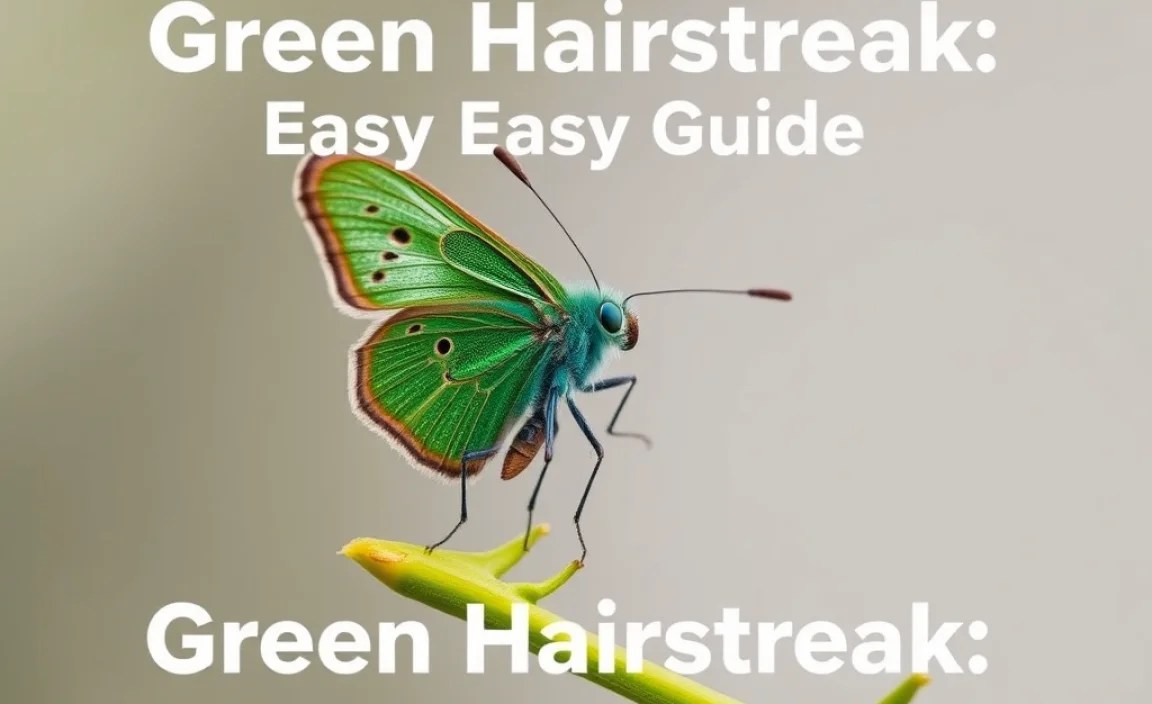
Watching green hairstreaks is fascinating. They have unique behaviors. These behaviors can help you identify them. They often perch with their wings closed. This shows off their green color. They also bask in the sun. They open their wings to warm up. Their flight is quick and erratic. They dart around in a zigzag pattern. They are active during the day. They feed on nectar from flowers. Paying attention to these behaviors can help you learn how to identify the green hairstreak.
- They often perch with their wings closed.
- They bask in the sun to warm up.
- Their flight is quick and erratic.
- They are active during the daytime.
- They feed on nectar from various flowers.
- They can be seen flying in pairs during mating season.
Imagine a tiny green jewel resting on a leaf. That is a green hairstreak perching. They often sit with their wings closed. This shows off their bright green color. This is different from many other butterflies. Most butterflies open their wings to show their colors. But green hairstreaks keep them closed. This helps them blend in with the leaves. It also helps them stay warm. When they need to warm up, they bask in the sun. They open their wings to soak up the heat. This is a common behavior. It helps them stay active. Watching their behavior is a great way to learn about these butterflies.
Fun Fact or Stat: Green hairstreak butterflies often perch on twigs and small branches, making them difficult to spot against the foliage.
How Do They Interact With Other Insects?
Do green hairstreaks get along with other insects? They mostly keep to themselves. They focus on finding food and mates. They don’t usually fight with other insects. They might share flowers with other butterflies. But they don’t interact much. They are more interested in their own kind. They communicate with each other. They use signals to attract mates. They are busy with their own lives. They don’t have time for drama.
What Is Their Mating Behavior Like?
How do green hairstreaks find a partner? They have a special mating ritual. The males fly around looking for females. They use their eyesight to spot them. When a male finds a female, he flies close to her. He might perform a little dance. He shows off his green color. If the female is interested, she will let him approach. They will then mate. This usually happens in the spring. It is a beautiful sight to see.
How Do They Protect Themselves?
How do green hairstreaks stay safe from predators? They use camouflage. Their green color helps them blend in. They also perch with their wings closed. This makes them even harder to see. Their erratic flight also helps. They can quickly dodge predators. They are also very small. This makes them less appealing to some predators. They have many ways to protect themselves. They are survivors.
Life Cycle Stages of the Butterfly
The green hairstreak goes through several stages in its life. These stages are called the life cycle. It starts as an egg. The egg is laid on a plant. The egg hatches into a caterpillar. The caterpillar eats and grows. It then turns into a pupa. The pupa is also called a chrysalis. Inside the pupa, the butterfly develops. Finally, the butterfly emerges. It flies off to find a mate. Understanding these stages can help you appreciate how to identify the green hairstreak.
- The life cycle includes egg, caterpillar, pupa, and adult stages.
- Eggs are laid on specific host plants like gorse and broom.
- Caterpillars feed on the leaves of these host plants.
- The pupa stage is spent inside a chrysalis.
- Adult butterflies emerge from the chrysalis.
- Each stage has different needs and behaviors.
Imagine a tiny egg on a leaf. That is the beginning of a green hairstreak’s life. The egg is small and hard to see. It is carefully placed on a plant. The caterpillar hatches from the egg. It is a tiny, green worm. It eats and eats and eats. It grows bigger and bigger. It molts its skin several times. Then, it turns into a pupa. The pupa is a hard, protective shell. Inside, the caterpillar transforms into a butterfly. Finally, the butterfly emerges. It is a beautiful, green creature. It flies off to start its own life cycle. It is an amazing process.
Fun Fact or Stat: The caterpillar of the green hairstreak is also green, helping it to camouflage on its host plant.
What Do the Caterpillars Eat?
What do green hairstreak caterpillars eat? They are picky eaters. They only eat certain plants. Gorse and broom are their favorites. These plants have tough, prickly leaves. But the caterpillars can handle them. They munch away happily. They need these plants to grow. Without them, they would not survive. So, protect these plants. Help the caterpillars thrive.
How Long Does Each Stage Last?
How long does each stage of the life cycle take? It varies. The egg stage lasts about a week. The caterpillar stage lasts several weeks. The pupa stage lasts a few weeks. The adult butterfly stage lasts only a few weeks. The whole life cycle takes several months. It depends on the weather. Warmer weather speeds things up. Colder weather slows things down. It is a complex process.
Where Do They Lay Their Eggs?
Where do green hairstreaks lay their eggs? They are very careful about where they lay their eggs. They choose specific plants. Gorse and broom are their favorites. They lay their eggs on the leaves or stems. They want to make sure the caterpillars have food. They also want to protect the eggs from predators. They are good mothers.
Summary
How to identify the green hairstreak involves looking for several key features. These butterflies are small and have a bright green underside. A thin white line runs along the edge of their hindwings. They prefer heathland, scrubland, and woodland edge habitats. They often perch with their wings closed. They have a quick, erratic flight pattern. These characteristics will help you spot them. The green color is the most obvious clue. But the other features are also important. With practice, you will become an expert. You will be able to identify these butterflies easily. Enjoy your butterfly watching!
Conclusion
Green hairstreak butterflies are special. They are small and beautiful. They have a unique green color. They live in specific habitats. They have interesting behaviors. Learning how to identify the green hairstreak is fun. It helps you appreciate nature. Keep an eye out for these amazing insects. You might see one in your backyard. Every sighting is a treat. Protecting their habitats is important. We can all help them survive.
Frequently Asked Questions
Question No 1: What is the most reliable way to identify a green hairstreak?
Answer: The most reliable way to identify a green hairstreak is by looking at the underside of its wings. They have a vibrant green color. This green is unlike any other butterfly in the UK. Also, check for the thin white line on the edge of their hindwings. This combination of color and marking is a sure sign. Remember to observe its size and habitat. They are small and prefer heathlands and scrublands. These clues together make identification easier.
Question No 2: Are there any butterflies that look similar to the green hairstreak?
Answer: Yes, there are a few butterflies that might be confused with the green hairstreak. The most common is the brimstone butterfly. This is because it has a greenish-yellow color. However, the brimstone is much larger. It also lacks the white line. Some faded or worn butterflies might also appear greenish. But their overall shape and markings will be different. Always look for the specific green color and white line to be sure.
Question No 3: Where is the best place to find green hairstreak butterflies?
Answer: The best places to find green hairstreak butterflies are heathlands and scrublands. These habitats provide them with the food and shelter they need. Look for areas with gorse and broom. These are the plants their caterpillars eat. Woodland edges are also good places to check. Visit local nature reserves or areas with these habitats. Be patient and observant. You might just spot one of these beautiful butterflies.
Question No 4: What time of year is best for spotting green hairstreaks?
Answer: The best time of year to spot green hairstreaks is in the spring and early summer. They are usually on the wing from April to June. This is their breeding season. They are more active during this time. The weather is also warmer. This makes them more likely to be out and about. Check local butterfly reports. This will tell you when they are most active in your area. Knowing how to identify the green hairstreak and timing your search correctly will improve your chances.
Question No 5: How can I attract green hairstreaks to my garden?
Answer: You can attract green hairstreaks to your garden by planting their favorite food plants. Gorse and broom are great choices. They provide food for their caterpillars. Plant nectar-rich flowers for the adult butterflies. Heather and other wildflowers are good options. Avoid using pesticides. These can harm the butterflies and their caterpillars. Create a natural habitat with plenty of shrubs and bushes. This will provide them with shelter. With a little effort, you can create a butterfly-friendly garden.
Question No 6: Are green hairstreak butterflies rare or endangered?
Answer: Green hairstreak butterflies are not currently considered rare or endangered. However, their populations can be affected by habitat loss. They need specific habitats to survive. Protecting heathlands and scrublands is important. This will help ensure their survival. Monitor local butterfly populations. This will help you understand their status in your area. Supporting conservation efforts is also important. You can learn more about how to identify the green hairstreak and contribute to their protection.