
Monarch Butterfly in Tropical Climates: A Smart Guide

Quick Summary: Monarch butterflies primarily inhabit North America, but small populations exist in some tropical regions. These populations, often non-migratory, thrive where milkweed is available year-round. To support monarchs in tropical climates, plant local milkweed species, provide nectar sources, and protect them from habitat loss and pesticide use.
Have you ever wondered if the majestic monarch butterfly, famous for its long migrations, can also be found fluttering in tropical climates? It’s a question many nature enthusiasts ask, especially those living in warmer regions. While monarchs are best known for their incredible journeys across North America, small, non-migratory populations do exist in certain tropical areas. Understanding where they live and how to support them can make a big difference. This article will guide you through everything you need to know about monarch butterflies in tropical climates, from their unique adaptations to practical tips for creating a monarch-friendly habitat. Let’s dive in and discover the secrets of these beautiful butterflies in the tropics!
Frequently Asked Questions About Monarch Butterflies in Tropical Climates
Here are some common questions about monarch butterflies and their presence in tropical climates:
- Are monarch butterflies found in tropical climates?Yes, small, non-migratory populations of monarch butterflies exist in some tropical regions where milkweed is available year-round.
- Do tropical monarchs migrate?No, unlike their North American counterparts, tropical monarch populations are typically non-migratory.
- What do tropical monarchs eat?Like all monarch caterpillars, they feed exclusively on milkweed. Adult monarchs feed on nectar from various flowering plants.
- How can I help monarch butterflies in tropical areas?Plant local milkweed species, provide nectar sources, protect their habitat, and avoid using pesticides.
- Are tropical monarchs different from North American monarchs?While they are the same species (Danaus plexippus), tropical monarchs often have slightly different behaviors and may look slightly different in size or color.
- Where in the tropics can I find monarch butterflies?They can be found in parts of South Florida, Hawaii, and some Caribbean islands, among other tropical locations.
- Why are monarch populations declining?Habitat loss, pesticide use, climate change, and the decline of milkweed are major factors contributing to the decline of monarch populations globally.
Monarch Butterfly Basics

Before we explore the presence of monarch butterflies in tropical climates, let’s cover some fundamental information about these iconic insects.
What is a Monarch Butterfly?
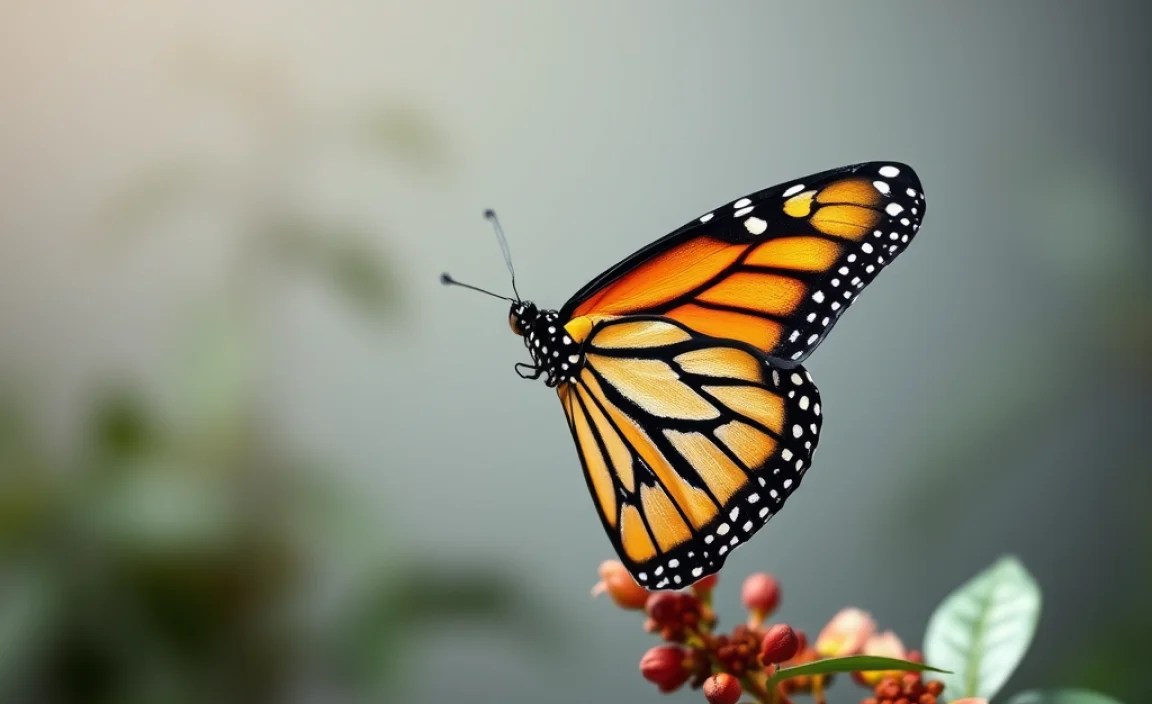
The monarch butterfly (Danaus plexippus) is one of the most recognizable and well-studied butterflies in the world. Known for its striking orange and black wings, the monarch is famous for its long-distance migrations.
- Appearance: Bright orange wings with black veins and borders, and white spots along the edges.
- Size: Wingspan ranges from 3.5 to 4 inches (8.9 to 10.2 cm).
- Life Cycle: Consists of four stages: egg, larva (caterpillar), pupa (chrysalis), and adult butterfly.
- Diet: Caterpillars feed exclusively on milkweed; adult butterflies feed on nectar from flowers.
The Amazing Monarch Migration
One of the most remarkable aspects of monarch butterflies is their multi-generational migration across North America. Each year, monarchs east of the Rocky Mountains migrate thousands of miles to overwintering sites in Mexico, while those west of the Rockies migrate to California. This phenomenon is driven by seasonal changes and the availability of milkweed.
- Eastern Population: Migrates to the oyamel fir forests in the mountains of central Mexico.
- Western Population: Migrates to the California coast.
- Migration Triggers: Shorter days, cooler temperatures, and declining milkweed availability.
- Generational Migration: It takes multiple generations to complete the entire migratory cycle.
Monarchs in Tropical Climates: An Overview

While monarch butterflies are primarily associated with North America, they can also be found in some tropical regions. These populations exhibit unique behaviors and adaptations compared to their migratory counterparts.
Where are Monarchs Found in Tropical Climates?
Monarchs have established non-migratory populations in various tropical locations around the world. Some of the notable regions include:
- South Florida: A well-known area in the United States where monarchs can be found year-round.
- Hawaii: Monarchs were introduced to Hawaii in the 19th century and have since established stable populations.
- Caribbean Islands: Several islands in the Caribbean, such as Puerto Rico and Jamaica, host monarch populations.
- Other Tropical Regions: Small populations can also be found in parts of Central and South America, Australia, and some Pacific Islands.
Key Differences: Migratory vs. Non-Migratory Monarchs
The most significant difference between monarch populations in North America and those in tropical climates is migration. Here’s a comparison:
| Feature | Migratory Monarchs (North America) | Non-Migratory Monarchs (Tropical) |
|---|---|---|
| Migration | Migrate thousands of miles each year. | Do not migrate; remain in the same area year-round. |
| Breeding | Breed during the spring and summer months. | Breed continuously throughout the year. |
| Milkweed Availability | Milkweed availability is seasonal. | Milkweed is available year-round. |
| Overwintering | Gather in large colonies in Mexico and California. | Do not form overwintering colonies. |
| Physical Adaptations | Adapted for long-distance flight and cold tolerance. | Adapted for warmer climates and continuous breeding. |
Why Don’t Tropical Monarchs Migrate?
The primary reason tropical monarchs don’t migrate is the year-round availability of milkweed. In tropical climates, temperatures remain relatively stable, and milkweed plants can grow continuously, providing a constant food source for monarch caterpillars. This eliminates the need for monarchs to undertake long migrations in search of food and suitable breeding conditions.
Creating a Monarch-Friendly Habitat in Tropical Climates
If you live in a tropical region and want to support monarch butterflies, creating a suitable habitat is essential. Here are the key steps to follow:
1. Plant Local Milkweed Species
Milkweed is the only food source for monarch caterpillars, so planting it is crucial. However, it’s important to choose milkweed species that are native to your specific tropical region. Non-native milkweed can sometimes disrupt local ecosystems or have other negative impacts.
- Research Local Species: Contact your local agricultural extension office or native plant society to find out which milkweed species are best suited for your area.
- Common Tropical Milkweed: Asclepias curassavica (Tropical Milkweed) is widely available, but use it cautiously and cut it back regularly to prevent continuous breeding, which can increase parasite loads.
- Other Native Options: Explore other native milkweed species that may be better suited for your local ecosystem.
2. Provide Nectar Sources for Adult Butterflies
Adult monarch butterflies need nectar for energy, so planting a variety of flowering plants that provide nectar is essential. Choose plants that bloom at different times of the year to ensure a continuous food source.
- Native Flowering Plants: Select native flowering plants that are attractive to butterflies in your region.
- Variety of Colors and Shapes: Plant flowers with different colors and shapes to attract a wider range of butterfly species.
- Continuous Bloom: Choose plants that bloom at different times of the year to provide nectar throughout the seasons.
3. Avoid Using Pesticides
Pesticides can be harmful to monarch butterflies and other beneficial insects. Avoid using pesticides in your garden, especially insecticides that can kill caterpillars and adult butterflies.
- Organic Gardening Practices: Use organic gardening methods to control pests and diseases.
- Hand-Picking Pests: Remove pests by hand instead of using chemical sprays.
- Beneficial Insects: Encourage beneficial insects, such as ladybugs and lacewings, to control pests naturally.
4. Provide a Water Source
Butterflies need water to stay hydrated. Provide a shallow dish of water with pebbles or marbles for them to land on while drinking.
- Shallow Dish: Use a shallow dish or saucer to prevent butterflies from drowning.
- Pebbles or Marbles: Add pebbles or marbles to the dish to provide a safe landing spot for butterflies.
- Clean Water: Change the water regularly to keep it clean and fresh.
5. Protect from Habitat Loss
Habitat loss is a major threat to monarch butterflies. Protect natural areas in your community and advocate for policies that conserve butterfly habitats.
- Support Conservation Organizations: Donate to or volunteer with organizations that work to protect butterfly habitats.
- Educate Others: Share information about the importance of conserving monarch butterflies and their habitats with friends, family, and neighbors.
- Advocate for Conservation Policies: Contact your elected officials and advocate for policies that protect natural areas and promote sustainable land use practices.
Specific Considerations for Different Tropical Regions

The specific needs of monarch butterflies can vary depending on the particular tropical region you live in. Here are some additional considerations for different areas:
South Florida
- Tropical Milkweed (Asclepias curassavica): Widely available but can cause issues if not managed properly. Cut it back regularly to encourage fresh growth and reduce the buildup of parasites like OE (Ophryocystis elektroscirrha).
- Native Milkweed Options: Consider planting native milkweed species such as Asclepias humistrata (Sandhill Milkweed) or Asclepias incarnata (Swamp Milkweed) if available.
- Nectar Plants: Plant a variety of native flowering plants that bloom throughout the year, such as lantana, salvia, and pentas.
Hawaii
- Introduced Species: Monarchs were introduced to Hawaii, so it’s important to be mindful of the impact on the local ecosystem.
- Milkweed Availability: Ensure a consistent supply of milkweed, but also consider the overall balance of the local flora and fauna.
- Nectar Plants: Plant native Hawaiian flowering plants that provide nectar for adult butterflies.
Caribbean Islands
- Island Ecosystems: Be aware of the unique ecological challenges of island ecosystems.
- Native Milkweed: Research and plant native milkweed species that are adapted to the local climate and soil conditions.
- Nectar Plants: Choose native flowering plants that support a variety of butterfly species, not just monarchs.
The Importance of Citizen Science
Citizen science projects play a crucial role in monitoring monarch butterfly populations and understanding their behavior in different regions. By participating in these projects, you can contribute valuable data that helps scientists and conservationists make informed decisions.
How to Get Involved
- Monarch Watch: Participate in Monarch Watch’s tagging program to track monarch migrations and gather data on their movements.
- Journey North: Report your monarch sightings to Journey North to help track their distribution and migration patterns.
- Local Butterfly Counts: Join local butterfly counts and surveys to monitor butterfly populations in your area.
- iNaturalist: Use the iNaturalist app to record your observations of monarch butterflies and other species, contributing to a global database of biodiversity information.
Addressing Common Concerns
There are some common concerns and misconceptions about monarch butterflies in tropical climates. Let’s address a few of them:
Tropical Milkweed and OE Parasites
One of the main concerns about tropical milkweed (Asclepias curassavica) is its potential to increase the prevalence of OE (Ophryocystis elektroscirrha) parasites in monarch populations. OE is a protozoan parasite that infects monarch butterflies and can weaken them, reduce their lifespan, and impair their ability to migrate.
Because tropical milkweed can grow year-round in warm climates, monarchs may breed continuously on it, leading to a buildup of OE spores on the plants. When caterpillars consume these spores, they become infected. Migratory monarchs typically avoid this issue because milkweed dies back in the winter, killing off the OE spores.
Mitigation Strategies
- Cut Back Tropical Milkweed: Regularly cut back tropical milkweed to the ground every few months, especially during the fall and winter. This removes the OE spores and encourages fresh, healthy growth.
- Plant Native Milkweed: Prioritize planting native milkweed species that die back naturally in the winter. This helps to break the OE cycle.
- Monitor Monarchs for OE: If you see monarchs with deformed wings or other signs of OE infection, consider removing the affected individuals to prevent the spread of the parasite.
Impact on Migratory Populations
Some people worry that non-migratory monarch populations in tropical climates may negatively impact migratory populations by drawing monarchs away from their natural migration routes. However, there is no strong evidence to support this concern.
Migratory behavior is primarily driven by genetics and environmental cues, such as day length and temperature. Monarchs that are genetically programmed to migrate will still do so, regardless of the presence of non-migratory populations in other areas.
The Role of Climate Change
Climate change poses a significant threat to monarch butterflies, both in North America and in tropical regions. Changes in temperature and precipitation patterns can disrupt milkweed growth, alter nectar availability, and increase the frequency of extreme weather events that can harm monarch populations.
Climate Change Adaptation Strategies
- Plant a Diversity of Milkweed and Nectar Plants: Planting a variety of milkweed and nectar plants can help to ensure that monarchs have access to food sources even if some plants are affected by climate change.
- Provide Shelter: Plant trees and shrubs to provide shelter for monarchs from extreme weather events, such as heat waves and storms.
- Reduce Carbon Footprint: Take steps to reduce your carbon footprint, such as using public transportation, conserving energy, and supporting sustainable agriculture practices.
Conclusion
While monarch butterflies are best known for their incredible migrations in North America, they also thrive in various tropical climates around the world. These non-migratory populations offer a unique opportunity to study and appreciate these beautiful creatures in a different context. By planting local milkweed species, providing nectar sources, avoiding pesticides, and participating in citizen science projects, you can play a vital role in supporting monarch butterflies in tropical regions. Remember, every small action contributes to the conservation of these iconic insects and the preservation of our planet’s biodiversity. So, let’s embrace our role as stewards of nature and work together to ensure that monarch butterflies continue to flutter in tropical paradises for generations to come.


