
Monarch Butterfly Local Names: Discover Cool Nicknames!

Monarch butterflies have captivating local names around the world! These names often reflect their beauty, migration, or cultural significance. For example, in Mexico, they’re called “mariposa monarca,” meaning monarch butterfly. Understanding these names helps us appreciate the diverse ways different cultures connect with these iconic insects. Let’s explore the fascinating local names of monarch butterflies together!
Have you ever wondered if the monarch butterfly has different names in other countries? It’s a question I get asked all the time! These beautiful creatures travel thousands of miles, and as they cross borders, they pick up new monikers. It’s fascinating to learn how different cultures perceive and name this incredible butterfly.
Discovering these local names isn’t just about knowing a fun fact. It’s about understanding the cultural significance and the deep connection people around the world have with the monarch. Ready to uncover the secret names of the monarch butterfly? Let’s dive in!
The Allure of Monarch Butterflies

Monarch butterflies are more than just pretty insects; they are symbols of transformation, resilience, and natural beauty. Their striking orange and black wings make them easily recognizable, and their incredible migration journey captivates people of all ages. This migration, spanning thousands of miles, is one of the most remarkable feats in the natural world. Each year, monarchs travel from Canada and the United States to overwintering sites in Mexico and California.
But the monarch’s story is also one of concern. Habitat loss, climate change, and pesticide use have significantly impacted their populations. Conservation efforts are crucial to ensure that future generations can witness the magic of the monarch migration. Understanding the cultural significance and local names of monarchs can help raise awareness and inspire action to protect these amazing creatures.
Monarch Butterfly Local Names Around the World

The monarch butterfly’s journey across borders and cultures has resulted in a variety of local names, each reflecting the unique perspectives and languages of different regions. Let’s explore some of these fascinating names.
North America
In North America, the name “monarch” is widely used, but there are also some regional variations and historical names.
- Monarch: The most common name in English-speaking North America. It was given in honor of King William III of England.
- Milkweed Butterfly: A descriptive name referring to the monarch caterpillar’s exclusive diet of milkweed plants.
Mexico
Mexico is the overwintering home for many monarch butterflies, and the local names reflect the reverence and cultural significance of these insects.
- Mariposa Monarca: The Spanish translation of “monarch butterfly,” widely used throughout Mexico.
- Mariposa de los Muertos (Butterfly of the Dead): This name is associated with the monarch’s arrival in Mexico around the time of Día de los Muertos (Day of the Dead). It is believed that the butterflies carry the spirits of ancestors.
Other Regions
While monarchs are primarily found in North America, they have been observed in other parts of the world. Here are some local names from these regions.
- Danaus plexippus (Scientific Name): While not a local name, it’s important to recognize the scientific nomenclature used globally to identify the monarch butterfly.
The Cultural Significance of Monarch Butterflies

Monarch butterflies hold deep cultural significance in many societies, especially in Mexico, where they are seen as sacred creatures. Their arrival coincides with the Day of the Dead celebrations, adding to their mystique and symbolism.
Day of the Dead (Día de los Muertos)
In Mexican tradition, the monarch butterfly is believed to carry the souls of deceased loved ones back to visit their families during the Day of the Dead. This belief has created a strong connection between the monarch and the spiritual world.
Symbolism
Monarch butterflies symbolize transformation, change, and the cyclical nature of life. Their metamorphosis from caterpillar to butterfly represents personal growth and renewal. The monarch’s long migration also symbolizes perseverance, determination, and the ability to overcome challenges.
Why Local Names Matter
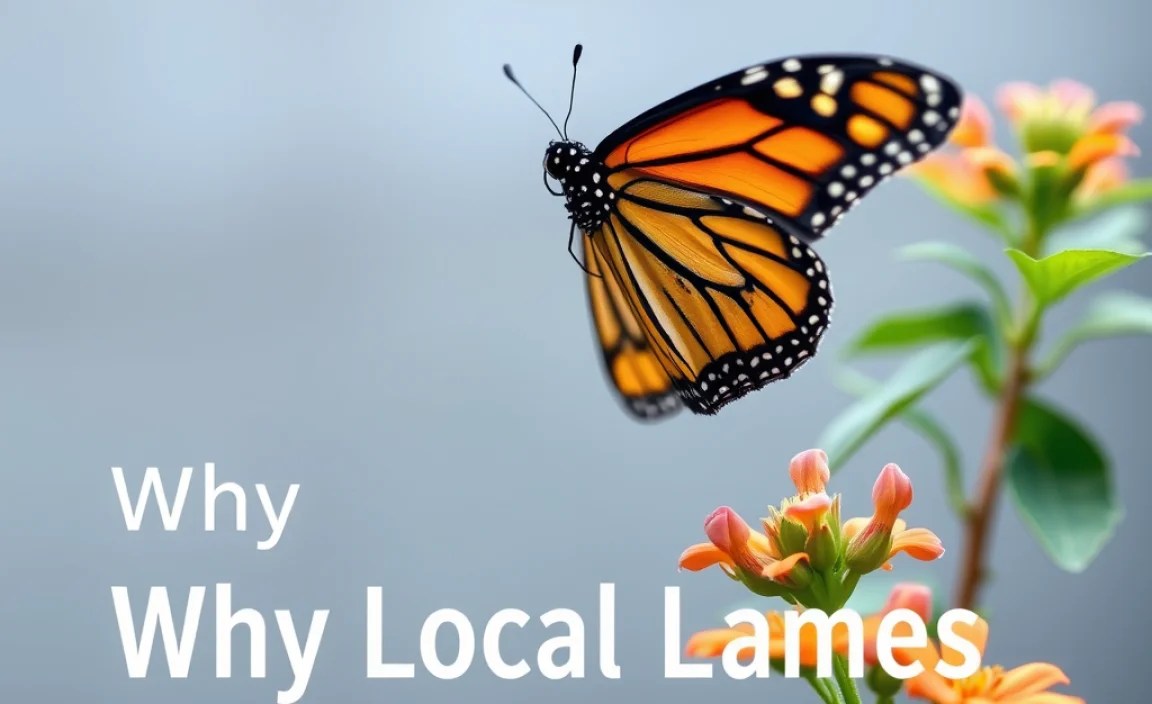
Understanding the local names of monarch butterflies is more than just an exercise in linguistics. It provides insights into how different cultures perceive and interact with these insects. It also helps to:
- Promote Cultural Understanding: Learning local names allows us to appreciate the cultural values and beliefs associated with monarchs.
- Raise Awareness: By using local names, we can connect with communities and engage them in conservation efforts.
- Support Conservation: Recognizing the cultural importance of monarchs can motivate people to protect their habitats and migration routes.
How to Identify a Monarch Butterfly
Identifying a monarch butterfly is relatively easy due to its distinctive appearance. Here are some key features to look for:
- Color and Pattern: Monarchs have bright orange wings with black veins and a black border. The border is marked with white spots.
- Size: Monarchs are relatively large butterflies, with a wingspan of 3.5 to 4 inches (9 to 10 cm).
- Flight: Monarchs have a distinctive, graceful flight pattern. They often glide and soar, making them easy to spot in open areas.
- Caterpillars: Monarch caterpillars are also distinctive, with black, white, and yellow stripes. They feed exclusively on milkweed plants.
Attracting Monarch Butterflies to Your Garden
Creating a butterfly-friendly garden is a great way to support monarch populations. Here are some tips to attract monarchs to your garden:
- Plant Milkweed: Milkweed is the only food source for monarch caterpillars. Planting milkweed is essential for monarch survival.
- Provide Nectar Sources: Plant a variety of nectar-rich flowers that bloom throughout the butterfly season. Some good choices include zinnias, butterfly bush, and coneflowers.
- Avoid Pesticides: Pesticides can harm or kill butterflies and other beneficial insects. Use natural pest control methods instead.
- Provide Water: Butterflies need water to stay hydrated. Provide a shallow dish of water with pebbles or stones for them to land on.
- Offer Shelter: Plant shrubs and trees to provide shelter from wind and predators.
The Monarch Butterfly Life Cycle
Understanding the monarch butterfly life cycle is crucial for appreciating their journey and the challenges they face. The life cycle consists of four stages:
- Egg: Monarch eggs are laid on milkweed plants. They are small, cream-colored, and oval-shaped.
- Larva (Caterpillar): The caterpillar hatches from the egg and feeds on milkweed leaves. It molts several times as it grows.
- Pupa (Chrysalis): The caterpillar forms a green chrysalis. Inside the chrysalis, the caterpillar transforms into a butterfly.
- Adult: The adult butterfly emerges from the chrysalis. It feeds on nectar, mates, and lays eggs, starting the cycle anew.
Threats to Monarch Butterflies
Monarch butterflies face numerous threats that have led to a decline in their populations. Understanding these threats is essential for developing effective conservation strategies.
- Habitat Loss: The destruction of milkweed habitat due to agriculture, development, and herbicide use is a major threat to monarchs.
- Climate Change: Changes in temperature and precipitation patterns can disrupt monarch migration and breeding cycles.
- Pesticide Use: Pesticides can kill monarch caterpillars and butterflies directly or indirectly by reducing their food sources.
- Deforestation: Deforestation in the overwintering sites in Mexico reduces the protective canopy that shields monarchs from extreme weather.
Conservation Efforts
Numerous organizations and individuals are working to protect monarch butterflies and their habitats. Here are some ways you can get involved:
- Plant Milkweed: Plant milkweed in your garden or community to provide food for monarch caterpillars.
- Create Butterfly Gardens: Create butterfly gardens with nectar-rich flowers to provide food for adult butterflies.
- Support Conservation Organizations: Donate to or volunteer with organizations that are working to protect monarch butterflies and their habitats, such as the Xerces Society https://xerces.org/monarchs and Monarch Watch https://monarchwatch.org/.
- Advocate for Conservation Policies: Support policies that protect monarch habitats and reduce pesticide use.
- Educate Others: Share your knowledge about monarch butterflies with friends, family, and community members.
Monarch Butterfly Migration
The monarch butterfly migration is one of the most fascinating natural phenomena in the world. Each year, millions of monarchs travel thousands of miles from Canada and the United States to overwintering sites in Mexico and California. This migration is a multi-generational journey, with different generations of monarchs completing different parts of the journey.
The eastern population of monarchs migrates to the oyamel fir forests in the mountains of central Mexico. The western population migrates to the California coast. These overwintering sites provide a stable climate and protection from predators.
The journey back north in the spring is completed by subsequent generations. Monarchs lay their eggs on milkweed plants along the way, and the new generations continue the migration northward.
Monarch Butterfly Look-Alikes
While monarch butterflies are distinctive, they can sometimes be confused with other butterflies. Here are some common look-alikes and how to tell them apart:
Viceroy Butterfly
Viceroy butterflies are similar in color and pattern to monarchs, but they are slightly smaller and have a black line across their hindwings. Viceroys are also found in similar habitats as monarchs.
Queen Butterfly
Queen butterflies are also orange and black, but they lack the black veins on their wings that are characteristic of monarchs. Queen butterflies are more common in the southern United States and tropical regions.
Soldier Butterfly
Soldier butterflies are similar to queen butterflies, but they have a more reddish-orange color. Soldier butterflies are also found in the southern United States and tropical regions.
Monarch Butterfly Habitats
Monarch butterflies can be found in a variety of habitats, including:
- Meadows and Fields: Open areas with plenty of milkweed and nectar-rich flowers.
- Gardens: Butterfly gardens with milkweed and nectar sources.
- Roadsides and Rights-of-Way: Areas along roadsides and rights-of-way where milkweed grows.
- Forest Edges: The edges of forests where there is a mix of sun and shade.
- Overwintering Sites: Oyamel fir forests in Mexico and coastal areas in California.
Table of Monarch Butterfly Local Names
This table summarizes the local names of monarch butterflies discussed in this article.
| Region | Local Name | Meaning/Significance |
|---|---|---|
| North America (English) | Monarch | Named in honor of King William III of England. |
| North America (English) | Milkweed Butterfly | Refers to the monarch caterpillar’s diet of milkweed plants. |
| Mexico (Spanish) | Mariposa Monarca | Spanish translation of “monarch butterfly.” |
| Mexico (Spanish) | Mariposa de los Muertos | “Butterfly of the Dead,” associated with Día de los Muertos. |
| Global (Scientific) | Danaus plexippus | The scientific name used globally to identify the monarch butterfly. |
Table of Key Monarch Butterfly Facts
Here’s a quick overview of essential facts about monarch butterflies:
| Fact | Description |
|---|---|
| Scientific Name | Danaus plexippus |
| Wingspan | 3.5 to 4 inches (9 to 10 cm) |
| Diet (Caterpillar) | Milkweed leaves |
| Diet (Adult) | Nectar from flowers |
| Migration | Thousands of miles between Canada/US and Mexico/California |
| Lifespan | 2 to 6 weeks (except for the overwintering generation, which can live up to 9 months) |
| Conservation Status | Threatened |
FAQ About Monarch Butterfly Local Names
What is the most common local name for monarch butterflies?
The most common local name is “Mariposa Monarca,” which is the Spanish translation of “monarch butterfly.”
Why are monarch butterflies called “Butterfly of the Dead” in Mexico?
In Mexico, monarch butterflies are believed to carry the souls of deceased loved ones back to visit their families during the Day of the Dead.
How does knowing local names help with monarch conservation?
Knowing local names helps promote cultural understanding, raise awareness, and support conservation efforts by connecting with communities.
What should I do if I see a monarch butterfly in my garden?
If you see a monarch butterfly in your garden, observe it and enjoy its beauty. If you have milkweed, check for eggs or caterpillars. You can also report your sighting to a citizen science project like Journey North https://journeynorth.org/.
Are monarch butterflies endangered?
Monarch butterflies are not currently listed as endangered, but they are considered threatened due to declining populations. Conservation efforts are crucial to ensure their survival.
What is the scientific name of the monarch butterfly?
The scientific name of the monarch butterfly is Danaus plexippus. This name is used globally to identify the species.
What can I plant in my garden to attract monarch butterflies?
To attract monarch butterflies, plant milkweed (the host plant for caterpillars) and nectar-rich flowers like zinnias, butterfly bush, and coneflowers.
Conclusion
Exploring the local names of monarch butterflies offers a fascinating glimpse into the cultural significance and ecological importance of these incredible insects. From “Mariposa Monarca” in Mexico to the simple yet descriptive “Milkweed Butterfly,” each name tells a story about how different cultures perceive and interact with monarchs.
By understanding these local names and the cultural connections they represent, we can deepen our appreciation for monarch butterflies and strengthen our commitment to their conservation. Whether you’re planting milkweed in your garden, supporting conservation organizations, or simply sharing your knowledge with others, every effort counts in protecting these iconic creatures for future generations. Let’s continue to celebrate and safeguard the monarch butterfly, no matter what name we call it!


