
Monarch Butterfly Lifecycle Timeline: The Ultimate Guide

The monarch butterfly lifecycle timeline spans about a month, transforming from a tiny egg to a magnificent butterfly. It includes four stages: egg, larva (caterpillar), pupa (chrysalis), and adult butterfly. Each phase is critical for the monarch’s survival and migration, making it essential to protect their habitats and food sources.
Have you ever wondered how a tiny egg turns into a beautiful monarch butterfly? It’s a magical transformation, but understanding the monarch butterfly lifecycle can seem a bit overwhelming. Don’t worry! It’s simpler than you think.
In this guide, we’ll break down each stage of the monarch’s journey, from egg to butterfly. You’ll learn what happens during each phase, how long it lasts, and what you can do to help these amazing creatures along the way. Get ready to discover the wonder of the monarch butterfly lifecycle!
Unveiling the Monarch Butterfly Lifecycle Timeline
The monarch butterfly’s lifecycle is a fascinating journey of metamorphosis, involving four distinct stages. Each stage plays a crucial role in the survival and continuation of the species. Let’s explore each stage in detail.
Stage 1: The Egg
The monarch butterfly lifecycle begins with the egg. Female monarchs lay their eggs, usually one at a time, on milkweed plants. Milkweed is the sole food source for monarch caterpillars, making it essential for their survival.
- Appearance: Monarch eggs are tiny, cream-colored, and oval-shaped. They are about the size of a pinhead.
- Location: Eggs are typically laid on the underside of milkweed leaves, providing protection from predators and the elements.
- Duration: The egg stage lasts approximately 3 to 5 days, depending on the temperature and environmental conditions.
During this stage, the embryo inside the egg develops rapidly, preparing to hatch into a larva.
Stage 2: The Larva (Caterpillar)
Once the egg hatches, the larva, or caterpillar, emerges. This is the feeding and growing stage of the monarch’s lifecycle. The caterpillar’s primary task is to eat as much milkweed as possible to fuel its growth.
- Appearance: Monarch caterpillars are brightly colored with black, yellow, and white stripes. They have three pairs of true legs and five pairs of prolegs, which help them grip onto leaves.
- Feeding: Caterpillars feed voraciously on milkweed leaves. They can consume an entire leaf in a single day.
- Molting: As the caterpillar grows, it sheds its skin several times in a process called molting. There are typically five instars, or stages, between molts.
- Duration: The larval stage lasts about 10 to 14 days.
During each instar, the caterpillar increases in size and develops new features. The bright colors serve as a warning to predators, indicating that the caterpillar is toxic due to the chemicals it ingests from the milkweed.
Stage 3: The Pupa (Chrysalis)
After reaching its full size, the caterpillar enters the pupa stage. It finds a safe place, usually on a milkweed stem or leaf, and transforms into a chrysalis.
- Appearance: The chrysalis is a translucent green color with small gold dots. It hangs upside down in a J-shape.
- Transformation: Inside the chrysalis, the caterpillar undergoes a complete metamorphosis, reorganizing its tissues and cells to form the adult butterfly.
- Duration: The pupa stage lasts about 8 to 12 days.
Although the chrysalis appears inactive, it is a period of intense transformation. The caterpillar’s body is broken down and rebuilt into the form of a butterfly. You can observe the changes as the chrysalis becomes more transparent, revealing the butterfly’s wings inside.
Stage 4: The Adult Butterfly
The final stage of the monarch butterfly lifecycle is the adult butterfly. Once the transformation inside the chrysalis is complete, the butterfly emerges.
- Appearance: Adult monarchs have bright orange wings with black veins and borders. They have two pairs of wings and six legs. Males have two black spots on their hind wings, which are not present on females.
- Reproduction: Adult butterflies reproduce, laying eggs to start the lifecycle anew.
- Migration: Monarch butterflies are known for their incredible migration. Eastern monarchs migrate thousands of miles from Canada and the United States to overwinter in Mexico. Western monarchs migrate to overwintering sites along the California coast.
- Lifespan: The lifespan of an adult monarch butterfly varies depending on the generation. Non-migratory monarchs live for about 2 to 6 weeks, while migratory monarchs can live for up to 8 or 9 months.
Adult monarchs feed on nectar from flowers, providing them with the energy they need to fly and reproduce. They play an essential role in pollination, helping to spread pollen from flower to flower.
Monarch Butterfly Lifecycle Timeline: A Detailed Look

To better understand the timing of each stage in the monarch butterfly lifecycle, here’s a detailed timeline:
| Stage | Duration | Description |
|---|---|---|
| Egg | 3-5 days | Tiny, cream-colored eggs laid on milkweed leaves. |
| Larva (Caterpillar) | 10-14 days | Black, yellow, and white striped caterpillar that feeds on milkweed. |
| Pupa (Chrysalis) | 8-12 days | Translucent green chrysalis where the caterpillar transforms into a butterfly. |
| Adult Butterfly | 2-9 months | Orange and black butterfly that migrates, reproduces, and pollinates flowers. |
This timeline can vary slightly depending on environmental conditions, such as temperature and availability of food. However, it provides a general overview of the duration of each stage.
Factors Affecting the Monarch Butterfly Lifecycle

Several factors can influence the monarch butterfly lifecycle, including:
- Temperature: Warmer temperatures can speed up development, while cooler temperatures can slow it down.
- Food Availability: The availability of milkweed is crucial for the survival of monarch caterpillars. A lack of milkweed can lead to starvation and death.
- Habitat: The availability of suitable habitats, including nectar sources for adult butterflies and overwintering sites, is essential for the monarch’s survival.
- Predators: Monarchs are preyed upon by birds, insects, and other animals. Predation can reduce the survival rate of monarchs at all stages of the lifecycle.
- Pesticides: Exposure to pesticides can be harmful or fatal to monarchs. Pesticides can contaminate milkweed and nectar sources, posing a threat to monarchs.
- Climate Change: Changes in climate patterns can disrupt the monarch’s migration and breeding cycles, affecting their survival.
Understanding these factors can help you take steps to protect monarchs and their habitats.
How to Support Monarch Butterflies

You can take several actions to support monarch butterflies and help ensure their survival:
- Plant Milkweed: Milkweed is the only food source for monarch caterpillars. Plant native milkweed species in your garden or community to provide food for monarch larvae. You can find native milkweed species through the Xerces Society here.
- Provide Nectar Sources: Plant nectar-rich flowers that bloom throughout the growing season to provide food for adult butterflies. Choose native flowers that are adapted to your local climate.
- Avoid Pesticides: Avoid using pesticides in your garden, as they can harm or kill monarchs and other beneficial insects.
- Create a Butterfly Garden: Create a butterfly garden with host plants (like milkweed) and nectar plants to provide a habitat for monarchs and other butterflies.
- Protect Overwintering Sites: Support efforts to protect monarch overwintering sites in Mexico and California. These sites are essential for the survival of migratory monarchs.
- Educate Others: Share your knowledge about monarchs with others and encourage them to take action to protect these amazing creatures.
By taking these steps, you can help create a more sustainable future for monarch butterflies.
Monarch Butterfly Migration: A Multi-Generational Journey
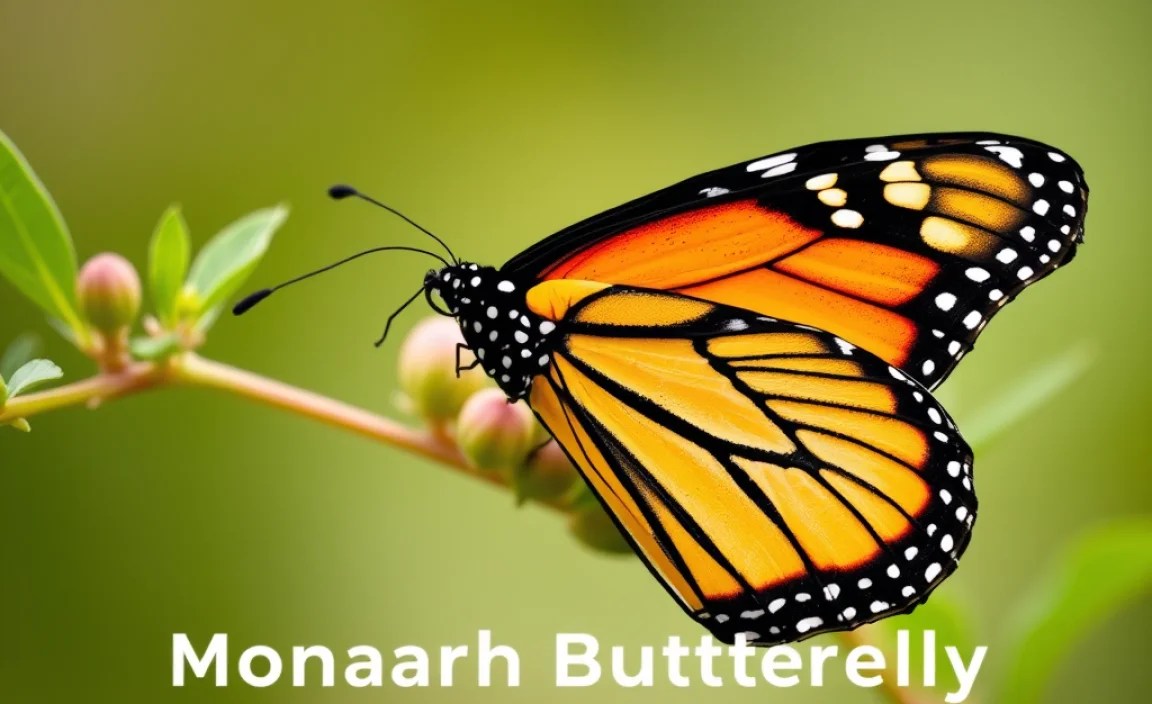
Monarch butterfly migration is one of the most spectacular natural phenomena in the world. It involves multiple generations of monarchs and spans thousands of miles.
Eastern monarch butterflies migrate from Canada and the United States to overwintering sites in the oyamel fir forests of central Mexico. Western monarchs migrate to overwintering sites along the California coast.
The migration is a multi-generational journey, meaning that it takes several generations of monarchs to complete the round trip. The monarchs that make the journey to the overwintering sites are different from the ones that return north in the spring.
The Migration Process:
- Fall Migration: The generation of monarchs that emerges in late summer and early fall undertakes the long journey south. These monarchs are longer-lived than the summer generations, living for up to 8 or 9 months.
- Overwintering: The monarchs spend the winter in large colonies at the overwintering sites. They conserve energy by clustering together on trees.
- Spring Migration: In the spring, the monarchs leave the overwintering sites and begin their journey north. They lay eggs on milkweed plants as they travel.
- Subsequent Generations: The offspring of the monarchs that migrated north continue the journey, each generation moving further north and laying eggs. It takes several generations to reach the northern breeding grounds.
- Summer Breeding: During the summer, monarchs breed and lay eggs throughout their range in North America.
The monarch butterfly migration is a complex and fascinating phenomenon that depends on the availability of milkweed, nectar sources, and suitable overwintering habitats. Protecting these resources is essential for the survival of the monarch butterfly.
Threats to Monarch Butterflies
Monarch butterflies face numerous threats that have led to a decline in their populations. Understanding these threats is crucial for developing effective conservation strategies.
- Habitat Loss: The loss of milkweed and nectar sources due to agriculture, development, and herbicide use is a major threat to monarchs.
- Climate Change: Changes in climate patterns can disrupt the monarch’s migration and breeding cycles, affecting their survival.
- Pesticide Use: Exposure to pesticides, particularly neonicotinoids, can be harmful or fatal to monarchs.
- Illegal Logging: Illegal logging in the oyamel fir forests of central Mexico, where eastern monarchs overwinter, destroys their habitat.
- Extreme Weather: Extreme weather events, such as droughts, floods, and severe storms, can impact monarch populations.
- Disease and Parasites: Monarchs are susceptible to diseases and parasites, such as Ophryocystis elektroscirrha (OE), which can weaken or kill them.
Addressing these threats requires a multi-faceted approach, including habitat restoration, pesticide reduction, climate change mitigation, and international cooperation.
Fun Facts About Monarch Butterflies
Here are some fun and interesting facts about monarch butterflies:
- Monarch butterflies are the only butterfly species known to make a two-way migration like birds.
- The bright orange and black coloration of monarch butterflies serves as a warning to predators that they are toxic.
- Monarch caterpillars can consume an entire milkweed leaf in a single day.
- The gold dots on a monarch chrysalis are thought to be a symbol of transformation and new beginnings.
- Monarch butterflies can fly up to 25 miles per hour.
- Monarch butterflies use the earth’s magnetic field to help them navigate during their migration.
These facts highlight the unique and remarkable characteristics of monarch butterflies.
Frequently Asked Questions (FAQs)
1. How long does it take for a monarch butterfly to complete its lifecycle?
The monarch butterfly lifecycle takes about a month, from egg to adult butterfly.
2. What do monarch caterpillars eat?
Monarch caterpillars exclusively eat milkweed leaves. Milkweed is essential for their growth and development.
3. How can I attract monarch butterflies to my garden?
Plant milkweed and nectar-rich flowers in your garden to provide food and habitat for monarch butterflies.
4. Where do monarch butterflies migrate to in the winter?
Eastern monarch butterflies migrate to the oyamel fir forests of central Mexico, while western monarchs migrate to overwintering sites along the California coast.
5. Are monarch butterflies endangered?
Monarch butterflies are not currently listed as endangered, but their populations have declined significantly in recent years, and they are considered a species of concern. Several organizations are working to conserve their habitats and protect them from extinction.
6. How can I tell the difference between a male and female monarch butterfly?
Male monarch butterflies have two black spots on their hind wings, which are not present on females.
7. What is a chrysalis?
A chrysalis is the pupa stage of a butterfly, where the caterpillar undergoes a complete metamorphosis to transform into an adult butterfly.
Conclusion
The monarch butterfly lifecycle is a testament to the wonders of nature. From the tiny egg to the majestic butterfly, each stage is a crucial part of their journey. By understanding the monarch butterfly lifecycle timeline and the challenges these creatures face, we can all play a part in protecting them. Planting milkweed, providing nectar sources, and avoiding pesticides are just a few ways we can support monarch butterflies and ensure their survival for generations to come. Let’s continue to admire and protect these incredible creatures.


