Monarch Butterfly Facts: Ultimate Guide to Their Life

Monarch butterflies are famous for their incredible multi-generational migration, traveling thousands of miles each year. These iconic orange and black butterflies are vital pollinators and face threats from habitat loss and climate change. Monarchs undergo complete metamorphosis, transforming from tiny eggs to larvae (caterpillars), pupae (chrysalises), and finally, beautiful adult butterflies.
Have you ever been captivated by the sight of a monarch butterfly fluttering through your garden? These beautiful creatures are more than just pretty insects; they’re vital to our ecosystem. But many of us don’t know much about them beyond their striking colors. It’s frustrating to miss out on understanding the incredible life cycle and journey of these butterflies.
In this article, we’ll explore fascinating monarch butterfly facts, from their epic migrations to their important role in the environment. Get ready to discover the amazing secrets of the monarch!
Monarch Butterfly Basics
Let’s start with the fundamentals. What exactly *is* a monarch butterfly? Knowing the basics gives a solid foundation for appreciating their remarkable lives.
Appearance
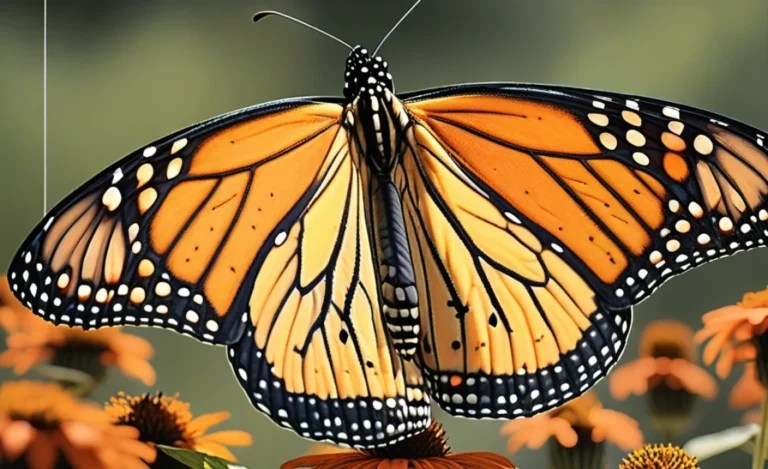
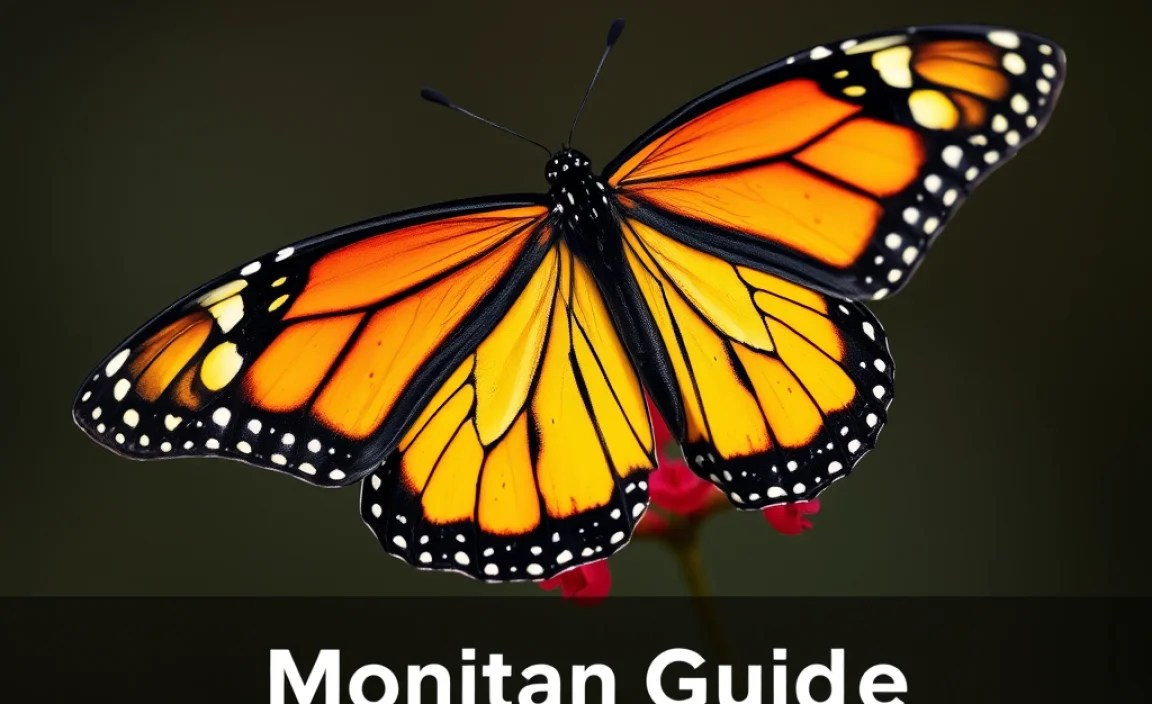
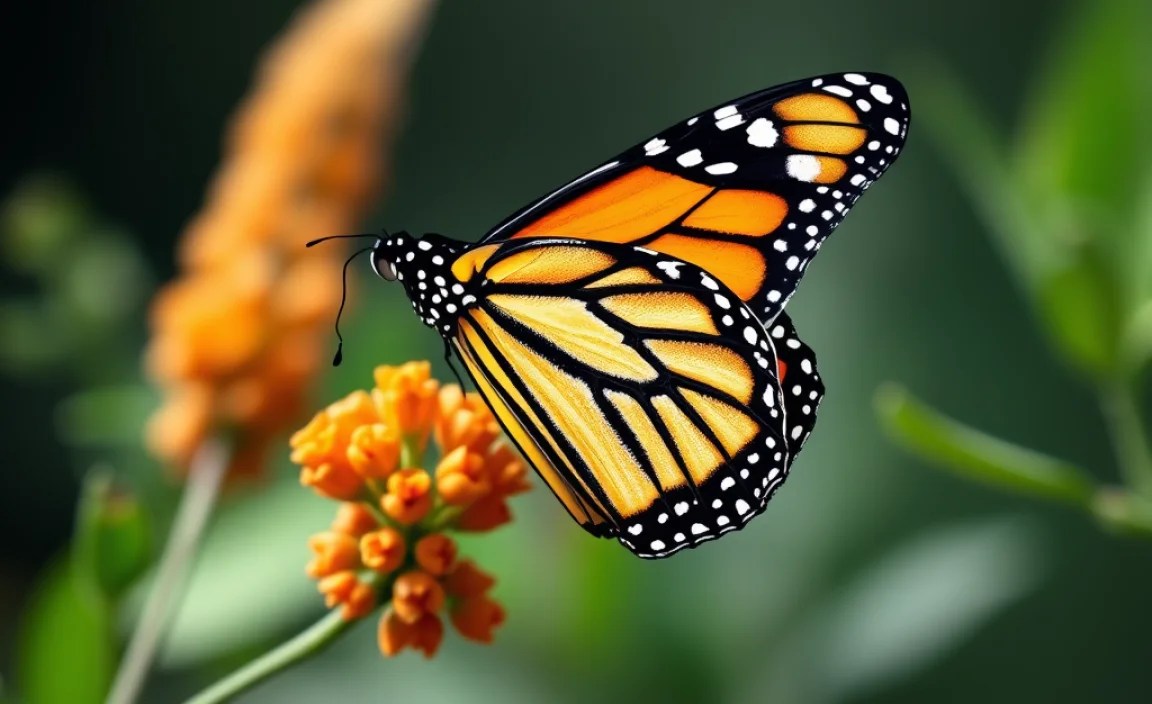
Monarchs are famous for their bright orange wings, laced with black veins and bordered with black. White spots dot the black borders. This vibrant coloration isn’t just for show; it’s a warning to predators. Monarch caterpillars feed on milkweed, which makes them toxic and distasteful. The butterflies retain this toxicity, protecting them from being eaten.
- Wingspan: Typically 3.5 to 4 inches (8.9 to 10.2 cm).
- Color: Bright orange with black veins and borders, and white spots.
- Sexual Dimorphism: Males have thinner veins on their wings and a black spot on each hindwing, which females lack.
Habitat and Distribution
Monarchs are found across North America, from southern Canada to Mexico. They inhabit fields, meadows, roadsides, and gardens where milkweed grows. During migration, they gather in specific overwintering sites in Mexico and California.
Life Cycle
Monarchs undergo complete metamorphosis, with four distinct life stages:
- Egg: Laid on milkweed plants.
- Larva (Caterpillar): Eats milkweed and grows through several molts.
- Pupa (Chrysalis): A jade green, jewel-like case where the caterpillar transforms.
- Adult Butterfly: Emerges from the chrysalis, ready to reproduce and continue the cycle.
The Incredible Monarch Migration

One of the most amazing monarch butterfly facts is their multi-generational migration. This journey is a true marvel of nature.
The Journey South
Each fall, monarchs east of the Rocky Mountains migrate thousands of miles to overwintering sites in the oyamel fir forests of central Mexico. Monarchs west of the Rockies migrate to the California coast. These butterflies are several generations removed from the ones that made the journey north in the spring. How do they know where to go? Scientists believe they use a combination of the Earth’s magnetic field and the position of the sun for navigation.
Overwintering
In Mexico and California, monarchs gather in huge numbers, clustering on trees to stay warm. This communal behavior helps them conserve energy during the winter months. The oyamel fir forests provide a critical microclimate, protecting the butterflies from freezing temperatures.
The Return Trip
In the spring, the overwintering monarchs begin their journey north. They lay eggs on milkweed plants along the way, and then they die. Their offspring continue the migration, generation after generation, until they reach their northern breeding grounds. It takes multiple generations to complete the entire migration cycle.
Why Migrate?
Monarchs migrate to escape the cold winters of North America. They cannot survive freezing temperatures. The overwintering sites in Mexico and California provide a more stable climate where they can conserve energy and survive until spring.
Monarch Butterfly Diet
What do monarchs eat? Their diet is crucial for their survival and plays a vital role in their toxicity.
Caterpillar Diet: Milkweed
Monarch caterpillars are obligate feeders, meaning they *only* eat milkweed. Milkweed contains toxic compounds called cardiac glycosides. The caterpillars sequester these toxins in their bodies, making them poisonous to predators. Different species of milkweed exist, so be sure to research native milkweed in your region to support monarchs effectively.
Adult Butterfly Diet: Nectar
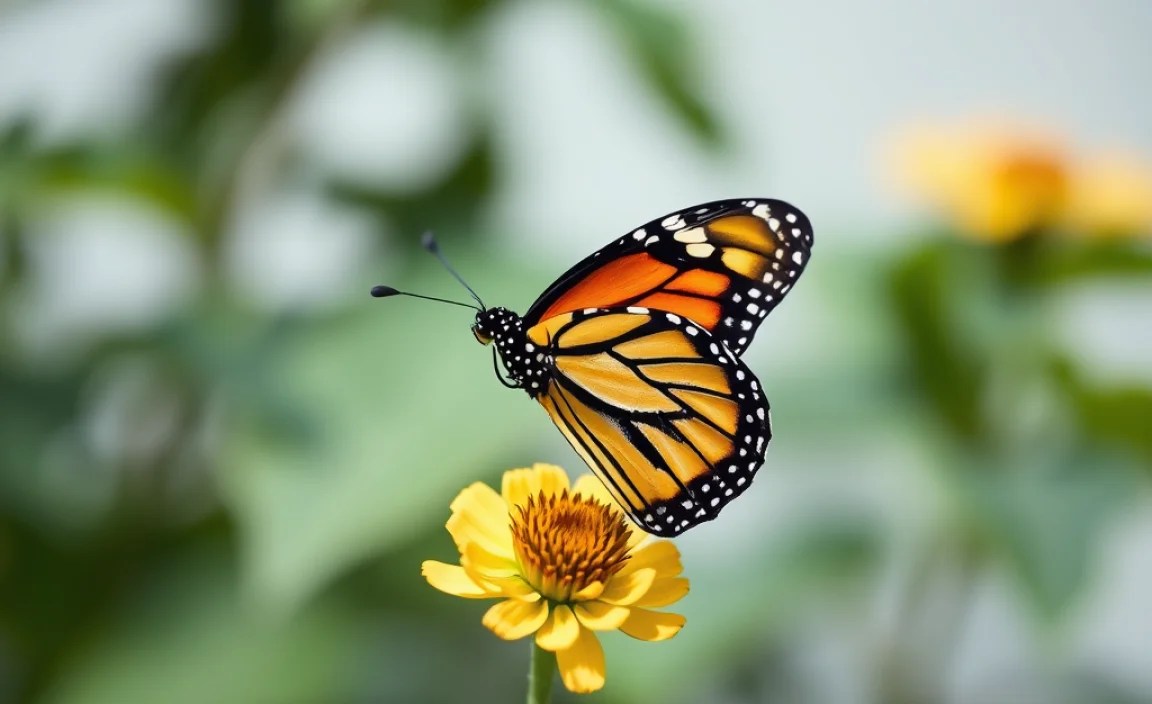
Adult monarchs feed on nectar from a variety of flowers. Nectar provides them with the energy they need to fly, reproduce, and migrate. Some of their favorite nectar sources include:
- Milkweed flowers
- Asters
- Goldenrod
- Coneflowers
- Zinnias
Planting a variety of nectar-rich flowers in your garden can help support monarchs and other pollinators.
Monarch Butterfly Conservation
Monarch populations have declined dramatically in recent decades. Several factors contribute to this decline, including habitat loss, climate change, and pesticide use. Protecting monarchs requires a multi-faceted approach.
Threats to Monarchs
- Habitat Loss: The loss of milkweed and nectar sources due to development, agriculture, and herbicide use is a major threat.
- Climate Change: Extreme weather events, such as droughts and severe storms, can disrupt monarch migration and breeding.
- Pesticide Use: Insecticides can directly kill monarchs or reduce their food sources.
- Illegal Logging: Deforestation in the overwintering sites in Mexico destroys the monarch’s habitat.
How to Help Monarchs
There are many things you can do to help protect monarch butterflies:
- Plant Milkweed: Plant native milkweed species in your garden or community. This provides essential food for monarch caterpillars.
- Plant Nectar Flowers: Provide a variety of nectar-rich flowers that bloom throughout the growing season.
- Avoid Pesticides: Use organic gardening practices and avoid using pesticides that can harm monarchs and other pollinators.
- Support Conservation Organizations: Donate to or volunteer with organizations that are working to protect monarch habitat.
- Educate Others: Share information about monarch conservation with your friends, family, and community.
The Role of Citizen Science
Citizen science projects play a vital role in monitoring monarch populations and migration patterns. By participating in these projects, you can contribute valuable data to scientists and help inform conservation efforts. Some popular citizen science projects include:
- Monarch Watch: A program that tags monarchs to track their migration.
- Journey North: A program that tracks the migration of monarchs and other species.
- iNaturalist: A platform for recording and sharing observations of nature.
Monarch Butterfly Predators
Even though monarchs are toxic, they still have predators. Predators that have adapted to tolerate the toxins can eat monarchs without harm.
Caterpillar Predators
- Birds
- Spiders
- Ants
- Wasps
Butterfly Predators
- Birds (especially orioles and grosbeaks at overwintering sites)
- Lizards
- Spiders
- Praying Mantises
Defense Mechanisms
Monarchs rely on their toxicity to deter many predators. Their bright coloration also serves as a warning signal. Additionally, monarchs can fly quickly and erratically to avoid capture.
Monarch Butterfly Symbolism and Cultural Significance
Monarch butterflies hold special meaning in many cultures. Their beauty and transformation have made them symbols of hope, change, and resilience.
Symbolism
- Transformation: The monarch’s metamorphosis from caterpillar to butterfly symbolizes personal growth and transformation.
- Resurrection: In some cultures, the monarch represents resurrection and the afterlife.
- Endurance: The monarch’s long migration symbolizes perseverance and endurance.
- Hope: The monarch’s beauty and grace inspire hope and joy.
Cultural Significance
In Mexico, the arrival of the monarchs is associated with the Day of the Dead. It is believed that the butterflies are the spirits of ancestors returning to visit their families. The monarch butterfly is also the state insect of several U.S. states, including Illinois, Texas, and Vermont.
Monarch Butterfly Facts: Fun Facts
Here are some extra fun facts about monarch butterflies to impress your friends!
- Monarchs can fly up to 25 miles per hour.
- They can travel up to 80 miles in a single day during migration.
- Monarchs use their antennae to smell and taste.
- A group of monarch butterflies is called a “flutter.”
- The overwintering sites in Mexico were only discovered in 1975.
Monarch Butterfly Identification
Distinguishing monarchs from other butterflies is usually straightforward, but some similar species can cause confusion. Here’s how to tell them apart.
Monarch vs. Viceroy
Viceroy butterflies are often mistaken for monarchs because they have a similar orange and black pattern. However, viceroys have a black line across their hindwings that monarchs lack. Viceroys are also slightly smaller than monarchs.
Monarch vs. Queen
Queen butterflies are another species that looks similar to monarchs. Queens are a darker orange-brown color and have white spots on their forewings that monarchs lack. Queens are also found in different habitats than monarchs, primarily in the southern United States and tropical regions.
Key Identification Features
Here’s a quick guide to identifying monarchs:
| Feature | Monarch | Viceroy | Queen |
|---|---|---|---|
| Color | Bright orange | Orange, similar to monarch | Darker orange-brown |
| Hindwing Stripe | Absent | Present | Absent |
| White Spots on Forewing | Absent | Absent | Present |
| Size | Larger | Smaller | Similar to Monarch |
Attracting Monarchs to Your Garden
Want to see more monarchs in your yard? Creating a butterfly-friendly habitat is easier than you think!
Plant Native Milkweed
This is the most important step! Monarch caterpillars *require* milkweed to survive. Choose milkweed species that are native to your region. Some popular options include common milkweed (Asclepias syriaca), swamp milkweed (Asclepias incarnata), and butterfly weed (Asclepias tuberosa).
Provide Nectar Sources
Plant a variety of nectar-rich flowers that bloom throughout the growing season. Choose flowers with different shapes and colors to attract a wide range of pollinators. Some good choices include:
- Asters
- Goldenrod
- Coneflowers
- Zinnias
- Salvia
- Butterfly Bush (Buddleja davidii)
Provide a Water Source
Butterflies need water, just like any other animal. You can provide a shallow dish of water with pebbles or marbles for them to land on. Make sure to keep the water clean and fresh.
Avoid Pesticides
Pesticides can harm or kill butterflies and other beneficial insects. Use organic gardening practices and avoid using pesticides whenever possible. If you must use pesticides, choose options that are less harmful to butterflies and apply them carefully.
Provide Shelter
Butterflies need shelter from wind and rain. Plant trees and shrubs to provide them with a place to rest and hide from predators.
Monarch Butterfly Facts: FAQ
What is the lifespan of a monarch butterfly?
The lifespan of a monarch butterfly depends on the generation. Summer generations live for about 2-6 weeks, while the migratory generation can live for up to 8-9 months.
Are monarch butterflies endangered?
Monarch butterflies are not currently listed as endangered under the U.S. Endangered Species Act, but their populations have declined significantly in recent decades. They are considered a species of concern and are being closely monitored.
What is the difference between a male and female monarch butterfly?
Male monarchs have thinner veins on their wings and a black spot on each hindwing. Females lack these black spots and have thicker veins.
What do monarch caterpillars eat?
Monarch caterpillars exclusively eat milkweed leaves. Milkweed is essential for their survival and provides them with the toxins that make them poisonous to predators.
How far do monarch butterflies migrate?
Monarch butterflies can migrate up to 3,000 miles each year, traveling from Canada and the United States to overwintering sites in Mexico and California.
When do monarch butterflies migrate?
Monarch butterflies migrate in the fall, typically starting in late August or early September. They arrive at their overwintering sites in Mexico and California in November.
How can I tell if a caterpillar is a monarch?
Monarch caterpillars are easily identifiable by their distinctive black, white, and yellow stripes. They also have two pairs of black filaments (antennae-like structures) on their body.
Conclusion
Monarch butterflies are truly amazing creatures. From their incredible migration to their vital role in the ecosystem, they inspire awe and wonder. By learning about monarch butterfly facts and taking action to protect them, we can help ensure that these beautiful butterflies continue to grace our world for generations to come. Plant some milkweed, spread the word, and let’s work together to save the monarchs!