
Monarch Butterfly in Local Languages: A Free Guide

The monarch butterfly, known for its striking orange and black wings and incredible migration, has different names around the world. These names often reflect local cultures and languages, offering unique insights into how different communities perceive this iconic insect. Discovering these local names can deepen your appreciation for the monarch’s global significance and cultural importance.
Have you ever wondered what the monarch butterfly is called in different languages? It’s a fascinating question! The monarch isn’t just a beautiful insect; it’s a symbol of transformation, resilience, and natural beauty. But trying to find all those names yourself can be a bit overwhelming. Don’t worry, I’m here to help. In this article, we’ll explore the various names for the monarch butterfly in different languages, uncover some interesting cultural facts, and see how these names reflect the unique relationships people have with this amazing creature. Ready to take flight on this linguistic adventure?
Why Learn Local Names for the Monarch Butterfly?

Understanding the local names for the monarch butterfly is more than just a fun fact; it’s a window into different cultures and their connection to nature. Here’s why it matters:
- Cultural Significance: Local names often reflect traditional knowledge and stories about the monarch butterfly.
- Conservation Efforts: Knowing local names can help engage local communities in conservation efforts.
- Educational Value: It enhances learning and appreciation for biodiversity and linguistic diversity.
- Global Awareness: It promotes a broader understanding of the monarch’s importance worldwide.
Monarch Butterfly in Different Languages
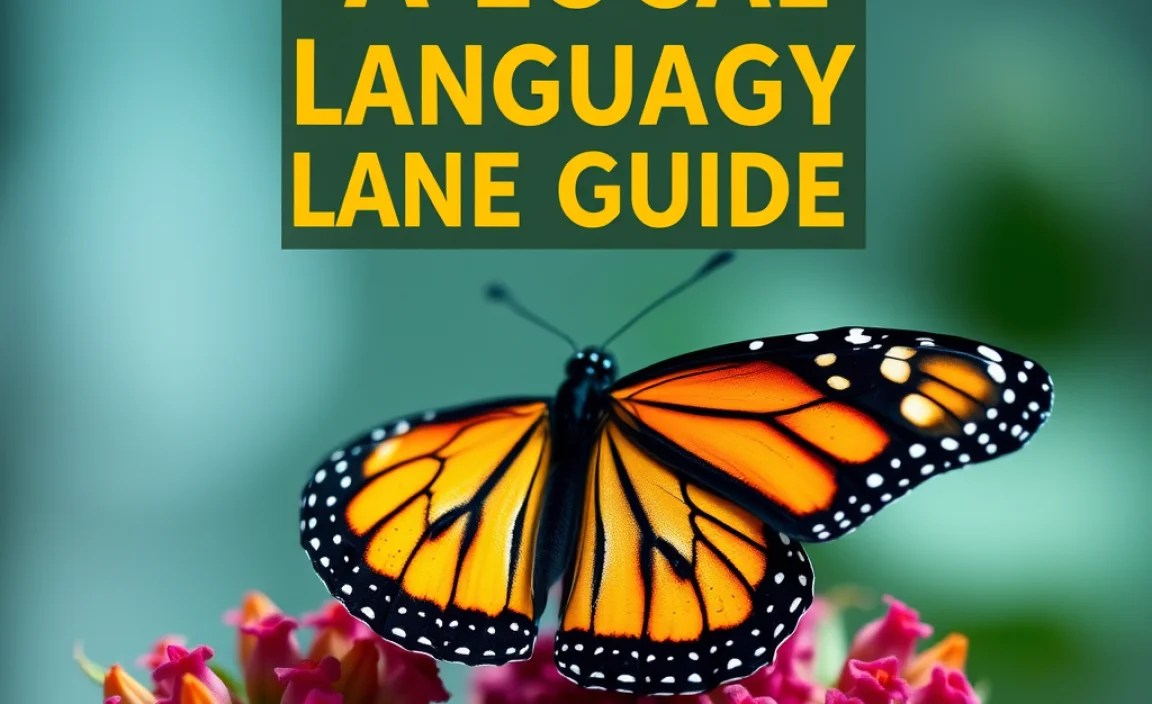
Let’s explore how the monarch butterfly is known in various languages around the world. This list includes the local name, the language, and any interesting notes about the name’s origin or cultural significance.
| Language | Local Name | Notes |
|---|---|---|
| Spanish | Mariposa Monarca | “Mariposa” means butterfly. The name reflects respect for the butterfly’s regal appearance. |
| French | Monarque | Directly translates to “Monarch,” similar to the English name. |
| German | Monarchfalter | “Falter” is the German word for butterfly. The name is a direct translation of “Monarch Butterfly.” |
| Italian | Farfalla Monarca | “Farfalla” means butterfly in Italian. |
| Portuguese | Borboleta Monarca | “Borboleta” means butterfly in Portuguese. |
| Dutch | Monarchvlinder | “Vlinder” means butterfly in Dutch. |
| Swedish | Monarkfjäril | “Fjäril” means butterfly in Swedish. |
| Japanese | オオカバマダラ (Ōkabamada) | This name refers to the large size and distinctive pattern of the butterfly. |
| Chinese (Mandarin) | 帝王蝶 (Dìwáng dié) | “帝王” means emperor or monarch, and “蝶” means butterfly. |
| Russian | Бабочка Монарх (Babochka Monarkh) | “Бабочка” means butterfly. |
| Arabic | فراشة الملك (Farasha al-Malik) | “فراشة” means butterfly, and “الملك” means the king. |
| Hindi | मोनार्क तितली (Monark Titalee) | “Titalee” means butterfly. |
| Swahili | Kipepeo Mfalme | “Kipepeo” means butterfly, and “Mfalme” means king. |
| Ojibwe | Memegwesi mitigwanzh | The Ojibwe people have a deep respect for nature, and this name reflects their connection to the monarch. |
Exploring the Names in Detail
Let’s dive a little deeper into some of these names and uncover their unique stories.
Spanish: Mariposa Monarca
In Spanish, the monarch butterfly is known as “Mariposa Monarca.” “Mariposa” simply means butterfly, but the addition of “Monarca” (Monarch) signifies the butterfly’s majestic and regal appearance. Spanish-speaking cultures, especially in Mexico, hold the monarch in high regard due to its overwintering migration to the oyamel fir forests.
French: Monarque
The French name for the monarch butterfly is simply “Monarque,” which is a direct translation of “Monarch.” This reflects the widespread recognition of the butterfly’s distinct status and appearance, without needing to add the word for butterfly separately.
Japanese: オオカバマダラ (Ōkabamada)
In Japanese, the monarch butterfly is called “オオカバマダラ” (Ōkabamada). This name describes the butterfly’s large size and its distinctive spotted or mottled (まだら, madara) pattern. Japanese appreciation for nature is reflected in this descriptive and precise naming.
Chinese (Mandarin): 帝王蝶 (Dìwáng dié)
The Chinese name for the monarch butterfly is “帝王蝶” (Dìwáng dié). “帝王” (Dìwáng) means emperor or monarch, and “蝶” (dié) means butterfly. This name emphasizes the butterfly’s regal status, similar to the English name. Chinese culture often associates butterflies with beauty, transformation, and joy.
Cultural Significance of Monarch Butterflies

Monarch butterflies hold significant cultural value in various societies. Their annual migration, vibrant colors, and transformative life cycle make them symbols of hope, change, and spiritual connection.
- Mexico: In Mexico, where monarchs overwinter, they are associated with the souls of ancestors returning during Día de los Muertos (Day of the Dead). The arrival of monarchs is celebrated as a sacred event.
- North America: Many Native American tribes view butterflies as symbols of transformation and messengers from the spirit world. The monarch’s journey is seen as a representation of life’s journey.
- General Symbolism: Across cultures, butterflies often symbolize transformation, rebirth, and the beauty of nature. The monarch, with its striking appearance and incredible migration, embodies these themes powerfully.
The Monarch’s Migration: A Natural Wonder

One of the most fascinating aspects of the monarch butterfly is its multigenerational migration. Each year, monarchs travel thousands of miles, from Canada and the United States to their overwintering sites in Mexico and California. This journey is not completed by a single butterfly; instead, it takes several generations.
Key Facts About Monarch Migration
- Distance: Monarchs can travel up to 3,000 miles during their migration.
- Generations: It takes 3-4 generations of monarchs to complete the round trip.
- Overwintering Sites: Monarchs overwinter in specific locations in Mexico and California, where they cluster together for warmth and protection.
- Threats: Habitat loss, climate change, and pesticide use threaten the monarch’s migration.
How to Support Monarch Butterfly Conservation
Monarch butterfly populations have declined in recent years due to habitat loss, climate change, and pesticide use. Here are some ways you can help support monarch conservation:
Create a Monarch-Friendly Garden
- Plant Milkweed: Milkweed is the only food source for monarch caterpillars. Plant native milkweed species in your garden. You can find native milkweed through the Xerces Society (https://xerces.org/).
- Provide Nectar Sources: Plant a variety of nectar-rich flowers that bloom throughout the growing season to provide food for adult monarchs.
- Avoid Pesticides: Pesticides can harm or kill monarch butterflies and other beneficial insects. Use organic gardening methods instead.
- Provide Water: Offer a shallow dish of water with pebbles or marbles for butterflies to land on and drink.
Support Conservation Organizations
- Donate: Support organizations that work to protect monarch habitats and promote conservation.
- Volunteer: Participate in citizen science projects, such as monitoring monarch populations or tagging butterflies.
- Educate Others: Share information about monarch butterflies and the importance of conservation with friends, family, and your community.
Advocate for Monarch Protection
- Contact Your Representatives: Urge your elected officials to support policies that protect monarch habitats and reduce pesticide use.
- Raise Awareness: Use social media and other platforms to raise awareness about the threats facing monarch butterflies and the importance of conservation.
Resources for Further Learning
Want to learn more about monarch butterflies and how to protect them? Here are some valuable resources:
- The Xerces Society: A non-profit organization that protects wildlife through the conservation of invertebrates and their habitats (https://xerces.org/).
- Monarch Watch: A research and education program focused on monarch butterflies (https://monarchwatch.org/).
- Journey North: A citizen science project that tracks monarch migration and other seasonal changes (https://journeynorth.org/).
- U.S. Fish and Wildlife Service: Provides information on monarch conservation efforts and regulations (https://www.fws.gov/).
FAQ About Monarch Butterflies
What is the scientific name for the monarch butterfly?
The scientific name for the monarch butterfly is Danaus plexippus.
Where do monarch butterflies migrate?
Monarch butterflies migrate from Canada and the United States to overwintering sites in Mexico and California.
Why is milkweed important for monarchs?
Milkweed is the only food source for monarch caterpillars. Monarch butterflies lay their eggs on milkweed plants, and the caterpillars feed on the leaves.
What are the main threats to monarch butterflies?
The main threats to monarch butterflies include habitat loss, climate change, and pesticide use.
How can I attract monarch butterflies to my garden?
You can attract monarch butterflies to your garden by planting milkweed and nectar-rich flowers, avoiding pesticides, and providing a water source.
What is the cultural significance of monarch butterflies in Mexico?
In Mexico, monarch butterflies are associated with the souls of ancestors returning during Día de los Muertos (Day of the Dead). Their arrival is celebrated as a sacred event.
How long does it take for a monarch caterpillar to transform into a butterfly?
It takes about two weeks for a monarch caterpillar to transform into a butterfly inside its chrysalis.
Conclusion
Exploring the different names for the monarch butterfly in various languages enriches our understanding and appreciation of this incredible insect. From “Mariposa Monarca” in Spanish to “帝王蝶” (Dìwáng dié) in Chinese, each name reflects a unique cultural perspective and connection to nature. By understanding these names and the stories behind them, we can better engage in conservation efforts and promote global awareness about the importance of protecting monarch butterflies and their habitats. Let’s continue to celebrate and support these majestic creatures, ensuring their survival for generations to come.


