
Captive Monarch Release: The Powerful Secret!

Releasing a monarch butterfly you’ve raised is a beautiful and rewarding experience. To do it safely and responsibly, make sure the butterfly’s wings are fully formed and dry. Release it in a safe location, away from predators and traffic, on a warm, sunny day when nectar flowers are available.
Raising monarch butterflies from caterpillars is a wonderful way to connect with nature. It’s so exciting to watch them transform inside their chrysalises and emerge as beautiful butterflies! But when it’s time to say goodbye and release them into the wild, you might feel a little unsure. How do you make sure they’re ready? Where’s the best place to let them go? Don’t worry, it’s easier than you think. This guide will walk you through each step, so your monarchs can start their new lives with the best possible chance.
We’ll cover everything from checking their wings to choosing the perfect release spot. Plus, we’ll answer some common questions about monarch health and migration. Get ready to send your monarchs off in style!
Is Your Monarch Ready for Release?
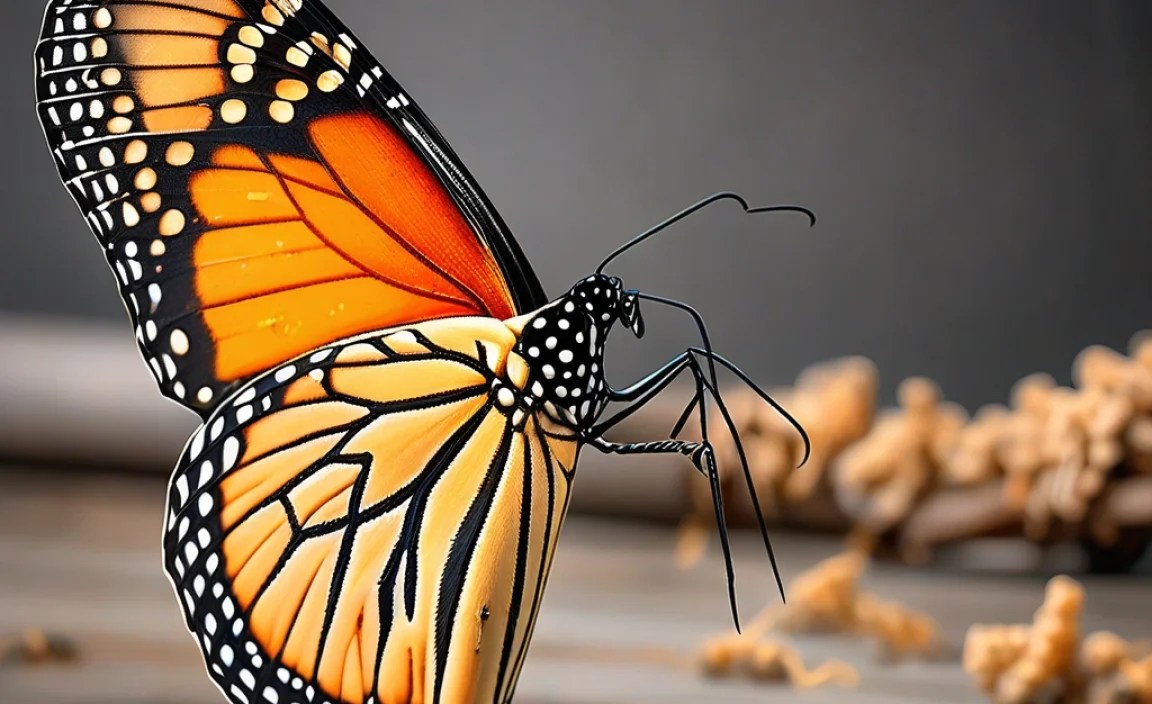
Before you open that enclosure, let’s make absolutely sure your monarch is ready to take flight. It’s a big moment for both of you!
Checking the Wings
This is the most important step. A monarch with damaged or deformed wings won’t be able to fly properly, which makes it very vulnerable.
- Fully Formed: The wings should be fully expanded and symmetrical. They shouldn’t look crumpled or shrunken.
- Dry: After emerging from the chrysalis, a monarch needs time to pump fluid (hemolymph) into its wings. This process usually takes a few hours. Don’t release it until the wings are completely dry and firm.
- No Damage: Look closely for any tears, holes, or missing scales. Small imperfections are usually okay, but significant damage can impair flight.
If you notice any problems with the wings, don’t release the butterfly. Contact a local butterfly expert or nature center for advice. They may be able to provide guidance on caring for a butterfly with disabilities.
Observing Behavior
A healthy monarch will be active and alert. It should be able to cling to surfaces and move around its enclosure.
- Clinging Ability: Can the butterfly hold onto the sides of the enclosure or your finger? This shows it has good leg strength.
- Movement: Is it moving around the enclosure, exploring its surroundings? A sluggish or unresponsive butterfly may not be ready.
- Nectar Sipping: Offer the butterfly a small dish of sugar water (1 part sugar to 4 parts water). If it extends its proboscis (feeding tube) and drinks, that’s a great sign!
Choosing the Perfect Release Spot
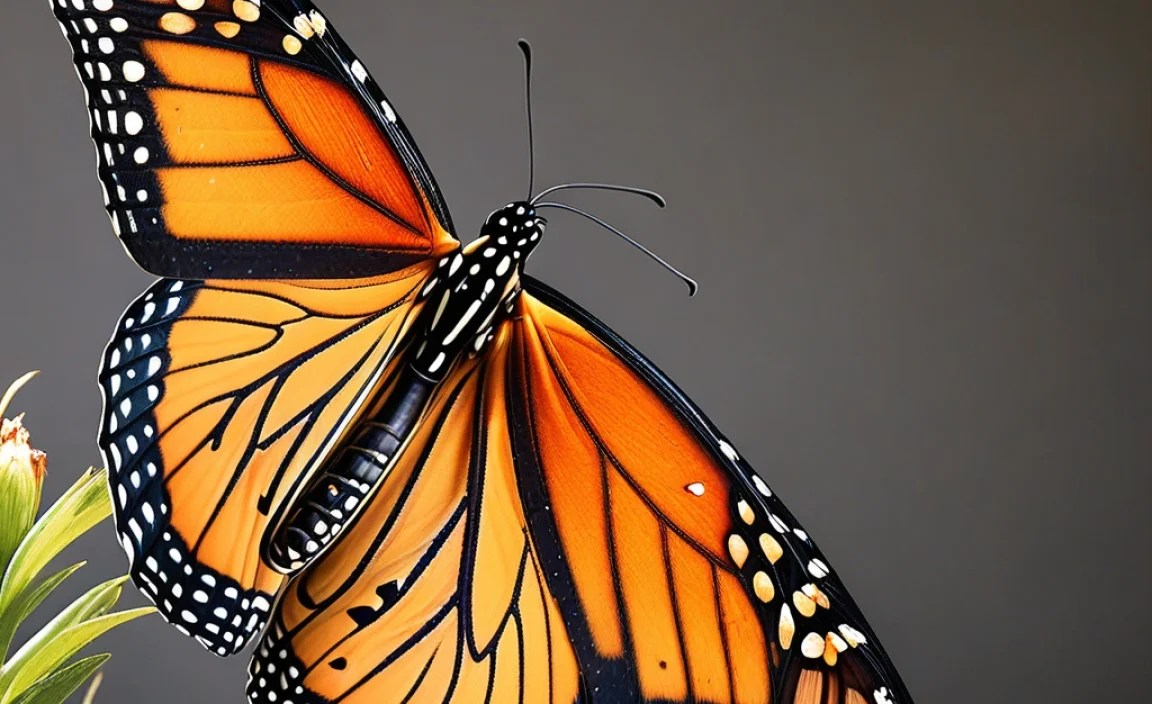
The location of your release is almost as important as the butterfly’s health. You want to give it the best possible start in its new life.
Ideal Conditions
Monarchs are solar-powered creatures! They need warmth and sunlight to fly.
- Sunny Day: Choose a day with plenty of sunshine. Overcast or rainy weather can make it difficult for monarchs to fly and find food.
- Warm Temperature: The ideal temperature for release is above 60°F (15°C).
- Calm Winds: Strong winds can exhaust a newly released monarch. Try to find a sheltered spot.
Safe Environment
Protect your monarch from potential dangers.
- Away From Traffic: Release the butterfly in a garden, park, or other natural area away from busy roads.
- Predator-Free Zone: Avoid areas with lots of birds or other predators.
- No Pesticides: Make sure the area hasn’t been treated with pesticides or herbicides. These chemicals can be harmful to butterflies.
Nectar Source
Monarchs need nectar to fuel their flight. Releasing them near a good nectar source will give them an immediate energy boost.
- Native Flowers: Plant native nectar flowers in your garden, such as asters, coneflowers, and zinnias.
- Butterfly Gardens: Look for local butterfly gardens or parks with butterfly-friendly plants.
- Avoid Overcrowding: Don’t release too many monarchs in one small area. They need enough nectar to go around.
The Gentle Release: Step-by-Step

Okay, the big moment is here! Let’s release your monarch with care and respect.
- Prepare the Area: Gently clear any obstacles from the release area, such as twigs or leaves.
- Handle with Care: Gently cup the monarch in your hands, allowing it to rest on your fingers. Avoid squeezing or pinching its wings.
- Offer a Nectar Snack (Optional): You can offer the butterfly a drop of sugar water on your finger before releasing it. This will give it a quick energy boost.
- Release Gently: Open your hands and allow the butterfly to fly away on its own. Don’t throw it or force it to fly.
- Observe and Enjoy: Watch as your monarch takes flight and explores its new surroundings. It’s a truly magical moment!
What to Do if a Monarch Can’t Fly

Sometimes, despite our best efforts, a monarch may emerge with damaged wings or be unable to fly. Here’s how to help:
Assisted Living
If the butterfly has a minor wing problem, you can still provide a good quality of life.
- Provide Food and Water: Offer sugar water daily using a small dish or cotton ball.
- Safe Enclosure: Keep the butterfly in a mesh enclosure to protect it from predators.
- Assist with Movement: Gently move the butterfly to nectar sources or sunny spots throughout the day.
Euthanasia (If Necessary)
If the butterfly has severe deformities or is suffering, euthanasia may be the most humane option. This is never an easy decision, but it can prevent prolonged suffering.
- Freezing: Place the butterfly in a sealed container in the freezer for 24 hours. This is a painless and humane method.
Consult with a butterfly expert or veterinarian if you’re unsure about the best course of action.
Understanding Monarch Migration
Monarch migration is one of the most incredible natural phenomena on Earth. Understanding it can help you make informed decisions about raising and releasing monarchs.
The Multi-Generational Journey
It takes multiple generations of monarchs to complete the entire migration cycle.
- Eastern Monarchs: These monarchs migrate from eastern Canada and the United States to overwintering sites in the oyamel fir forests of central Mexico.
- Western Monarchs: These monarchs migrate from western Canada and the United States to overwintering sites along the California coast.
- The “Super Generation”: The generation that makes the long migration south is called the “super generation.” These monarchs live much longer than the other generations (up to 8 months) and are responsible for finding the overwintering sites.
The Importance of Milkweed
Milkweed is the only food source for monarch caterpillars. Without milkweed, monarchs cannot survive.
- Plant Native Milkweed: Plant native milkweed species in your garden to support monarch populations.
- Avoid Tropical Milkweed in Certain Areas: In some areas, tropical milkweed can disrupt monarch migration and increase the risk of disease. Check with your local experts for recommendations.
Tagging and Tracking
Scientists use tagging to track monarch migration patterns and learn more about their behavior.
- Monarch Watch: Monarch Watch is a citizen science program that allows volunteers to tag monarchs and contribute to research efforts. You can learn more at Monarch Watch.
- Journey North: Journey North is another citizen science program that tracks monarch migration in real-time. You can report your monarch sightings and learn about migration patterns at Journey North.
Common Mistakes to Avoid
Even with the best intentions, it’s easy to make mistakes when raising and releasing monarchs. Here are some common pitfalls to avoid:
- Releasing Too Early: Don’t release a monarch until its wings are fully formed and dry.
- Releasing in Bad Weather: Avoid releasing monarchs on cold, rainy, or windy days.
- Releasing in Unsafe Areas: Choose a release site that is away from traffic, predators, and pesticides.
- Overcrowding Enclosures: Give caterpillars and butterflies plenty of space in their enclosures to prevent disease and stress.
- Using Non-Native Milkweed: In some areas, non-native milkweed can harm monarch populations. Stick to native species.
Captive Monarch Release: Dos and Don’ts
Follow these simple do’s and don’ts for successful monarch release.
| Do’s | Don’ts |
|---|---|
| Release on a sunny, warm day. | Release in cold, rainy, or windy weather. |
| Check wings for full formation and dryness. | Release if wings are crumpled, damaged, or wet. |
| Choose a safe location away from traffic and predators. | Release near busy roads or areas with many predators. |
| Provide a nectar source nearby. | Release without ensuring access to nectar. |
| Handle gently and with care. | Squeeze or pinch the butterfly’s wings. |
| Plant native milkweed to support the monarch population. | Use pesticides or herbicides near release sites. |
| Observe and enjoy the release. | Force the butterfly to fly; let it go on its own. |
Ethical Considerations
Raising and releasing monarchs is a rewarding experience, but it’s important to do it ethically and responsibly. Here are some key considerations:
Potential Risks
While captive rearing can help boost monarch populations, it’s not without risks.
- Disease Transmission: Captive rearing can increase the risk of disease transmission among monarchs.
- Genetic Diversity: Captive breeding can reduce genetic diversity, making monarchs more vulnerable to disease and environmental changes.
- Disrupted Migration: Releasing monarchs at the wrong time or in the wrong location can disrupt their natural migration patterns.
Best Practices
To minimize these risks, follow these best practices:
- Source Locally: Obtain caterpillars or eggs from local sources to maintain genetic diversity.
- Maintain Hygiene: Keep enclosures clean to prevent the spread of disease.
- Release Responsibly: Follow the guidelines outlined in this article for safe and responsible release.
Resources and Further Reading
Want to learn more about monarch butterflies and how to protect them? Check out these resources:
- The Xerces Society: The Xerces Society is a non-profit organization dedicated to protecting invertebrates and their habitats. They offer a wealth of information about monarch butterflies and conservation efforts. Visit their website at Xerces Society.
- U.S. Fish and Wildlife Service: The U.S. Fish and Wildlife Service is working to protect monarch butterflies and their habitat. You can learn more about their efforts at U.S. Fish and Wildlife Service.
- Local Nature Centers and Butterfly Gardens: Contact your local nature centers and butterfly gardens for information about monarch butterflies in your area. They may also offer workshops and events.
FAQ About Captive Monarch Release
Here are some frequently asked questions about releasing your captive-raised monarch butterflies:
What is the best time of day to release a monarch butterfly?
The best time to release a monarch butterfly is in the late morning or early afternoon. The temperature is usually warmer then, and the sun is out, providing the butterfly with the energy it needs to fly and find nectar.
How long does it take for a monarch butterfly to be ready for release after emerging from its chrysalis?
A monarch butterfly typically needs about 2-4 hours after emerging from its chrysalis before it’s ready to be released. This allows enough time for its wings to fully expand and dry.
What should I do if a monarch butterfly emerges with damaged wings?
If a monarch butterfly emerges with damaged wings, it’s unlikely to survive in the wild on its own. You can provide it with a safe enclosure, food, and water, or consider humane euthanasia.
Can I release a monarch butterfly in any location?
No, it’s important to release a monarch butterfly in a safe and suitable location. Choose an area away from traffic, predators, and pesticides, with access to nectar sources. Native milkweed is also ideal.
Is it okay to release multiple monarch butterflies at once?
Yes, it’s generally okay to release multiple monarch butterflies at once, as long as there are enough nectar sources available in the area to support them. Avoid overcrowding small areas.
How can I tell if a monarch butterfly is healthy enough to be released?
A healthy monarch butterfly will have fully formed, dry wings with no damage, and will be able to cling to surfaces and move around its enclosure. It should also be able to extend its proboscis and drink sugar water.
Should I clean the enclosure before releasing the butterfly?
Yes, it’s a good idea to clean the enclosure before releasing the butterfly to remove any frass or debris. This helps prevent the spread of disease.
Conclusion
Releasing a monarch butterfly is a special moment. By following these simple steps, you can ensure your monarch has the best possible start in its new life. Remember to check its wings, choose a safe location, and release it gently on a warm, sunny day. Your efforts contribute to monarch conservation and help these amazing creatures continue their incredible journey. Enjoy the magic of witnessing a monarch take flight and knowing you played a part in its story! Every small act makes a difference in protecting these beautiful butterflies for generations to come. Happy releasing!


