
Monarch Butterfly in India: A Powerful Secret?

The monarch butterfly isn’t native to India, but it has been spotted there! While not common, these beautiful butterflies sometimes make their way to the Indian subcontinent. Keep an eye out for their distinctive orange and black wings, and report any sightings to help track their spread.
Have you ever dreamed of seeing a monarch butterfly? These iconic insects are famous for their long migrations and stunning colors. While they’re well-known in North America, you might be surprised to learn they’ve also been spotted in India. It’s not always easy to know where to look, or how to identify them. But don’t worry! I’ll guide you through everything you need to know about monarch butterflies in India, from their appearance to where you might find them. Let’s discover these beautiful visitors together!
Monarch Butterfly in India: A Naturalist’s Guide

As a lifelong butterfly enthusiast, I’m excited to share some insights about monarch butterflies in India. Although they are not native to the region, there have been documented sightings, making it a fascinating topic for nature lovers and conservationists alike. In this guide, we’ll explore the monarch’s characteristics, its presence in India, and how you can contribute to tracking and protecting these beautiful creatures.
What is a Monarch Butterfly?
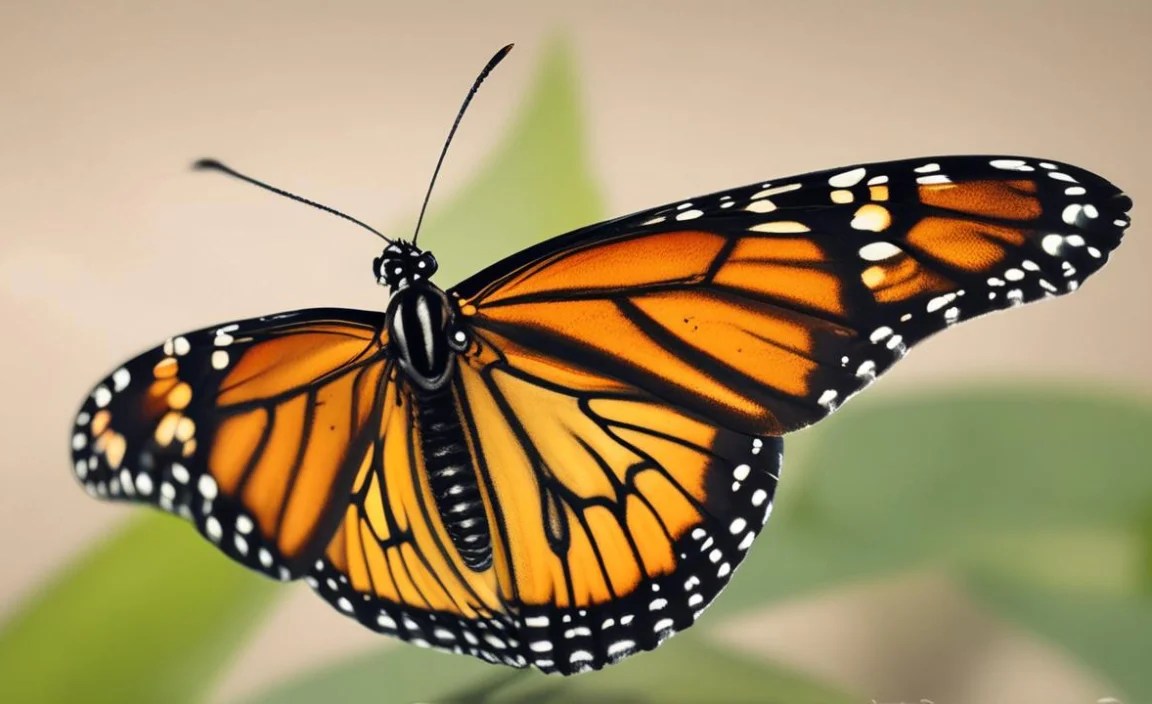
The monarch butterfly (Danaus plexippus) is one of the most recognizable and well-studied butterflies in the world. Known for its striking orange and black wings and remarkable migratory behavior, the monarch is a symbol of natural beauty and resilience.
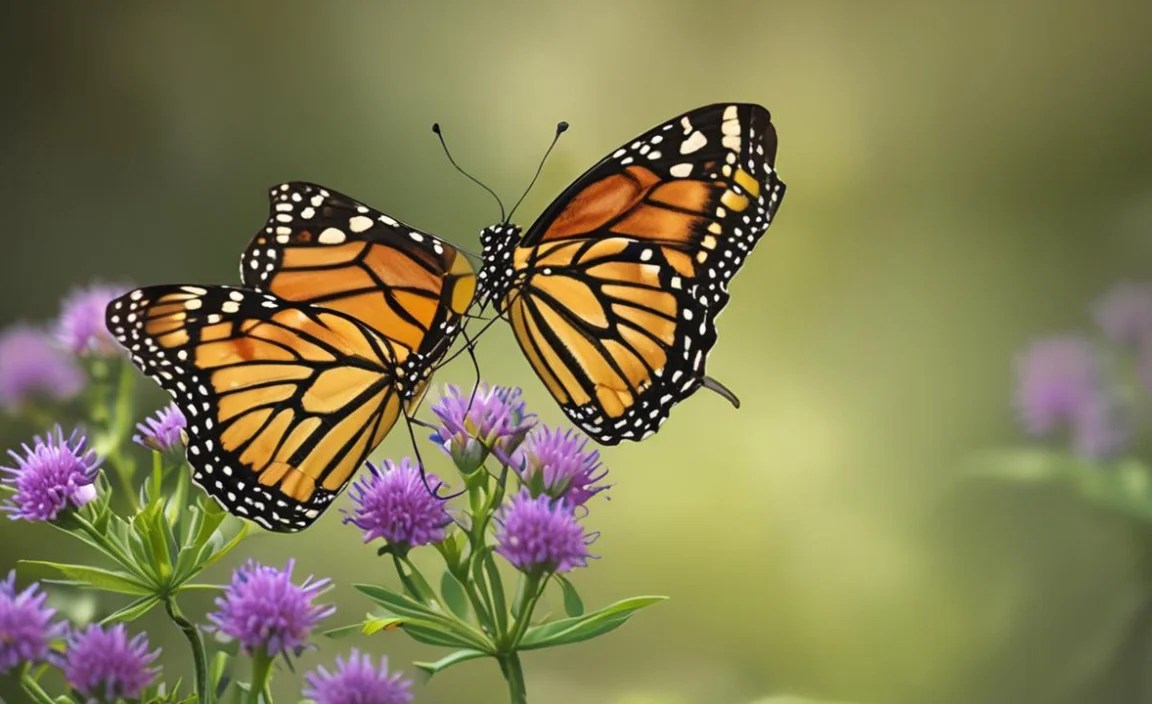
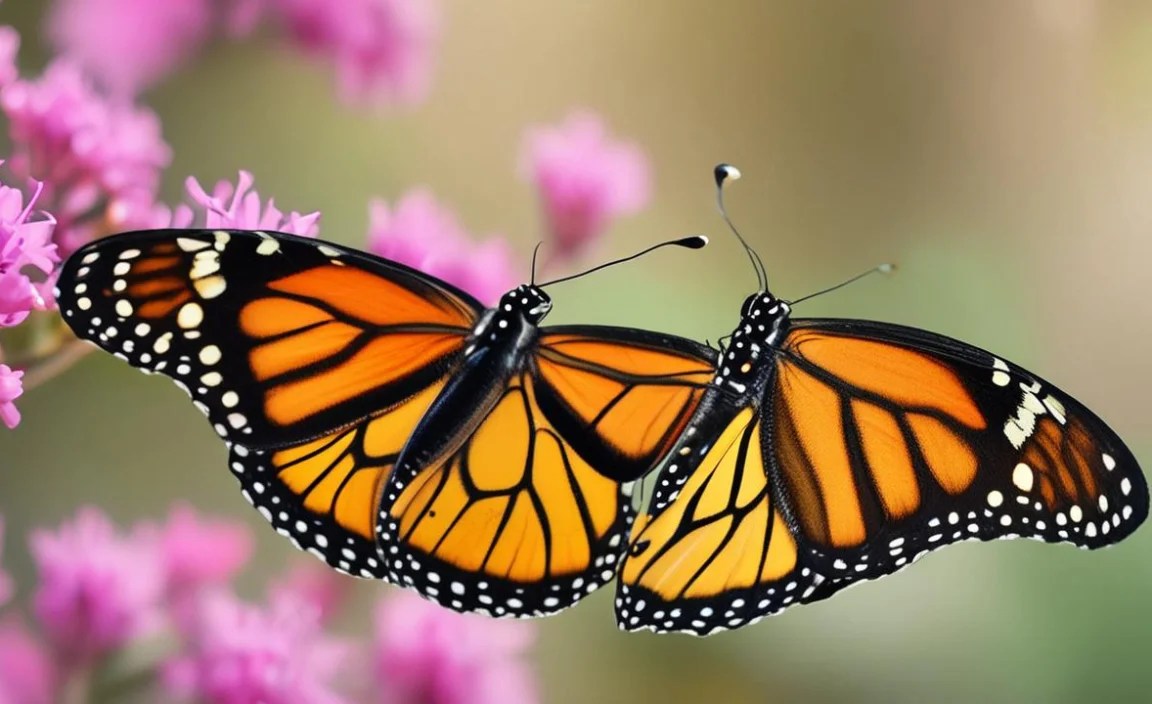
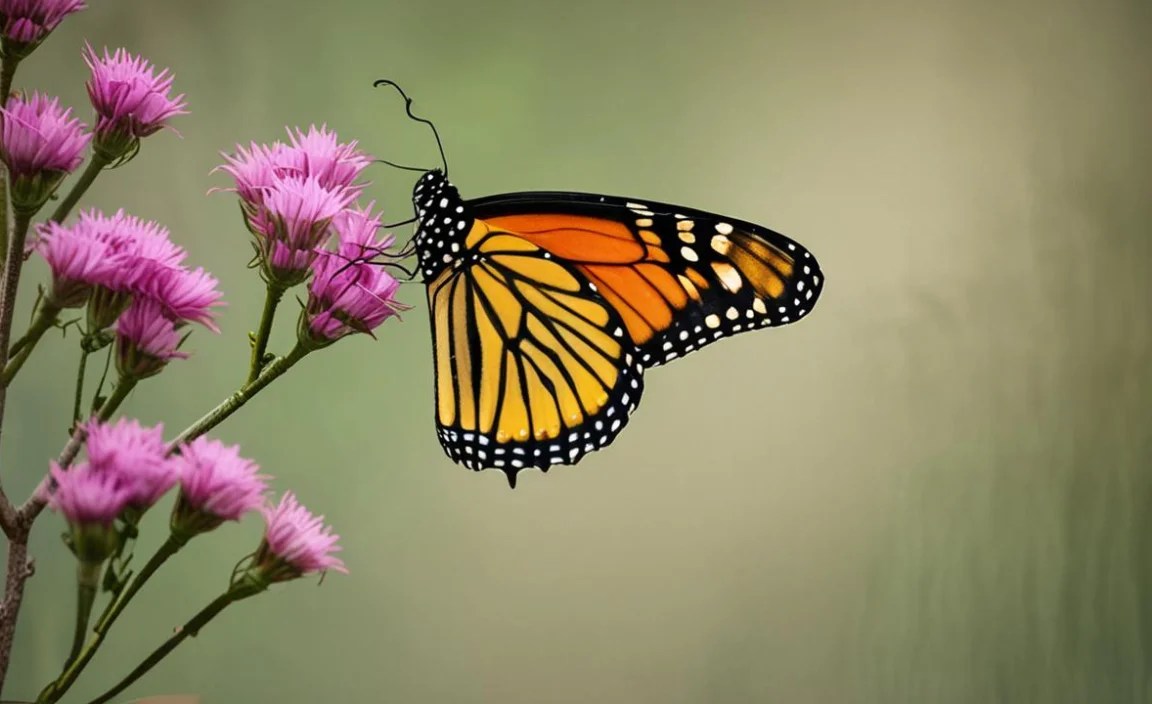
- Appearance: Monarchs have bright orange wings with black veins and borders, and white spots along the edges.
- Size: Their wingspan typically ranges from 3.5 to 4 inches (9 to 10 cm).
- Life Cycle: Monarchs undergo complete metamorphosis, with four distinct stages: egg, larva (caterpillar), pupa (chrysalis), and adult butterfly.
- Migration: The eastern North American monarch population is famous for its multigenerational migration, traveling thousands of miles between breeding grounds in Canada and the United States and overwintering sites in Mexico.
Are Monarch Butterflies Found in India?

While the monarch butterfly is primarily native to North and South America, it has been observed in various parts of the world, including India. These sightings are relatively rare but significant.
- Occasional Sightings: Monarchs have been spotted in different regions of India, although they are not considered established residents.
- Possible Explanations: These appearances could be due to accidental introductions, such as butterflies being carried by ships or strong winds, or intentional releases.
- Limited Breeding: There is little evidence to suggest that monarchs are breeding successfully in India, as they require specific host plants (milkweed) that may not be widely available or suitable.
Identifying a Monarch Butterfly
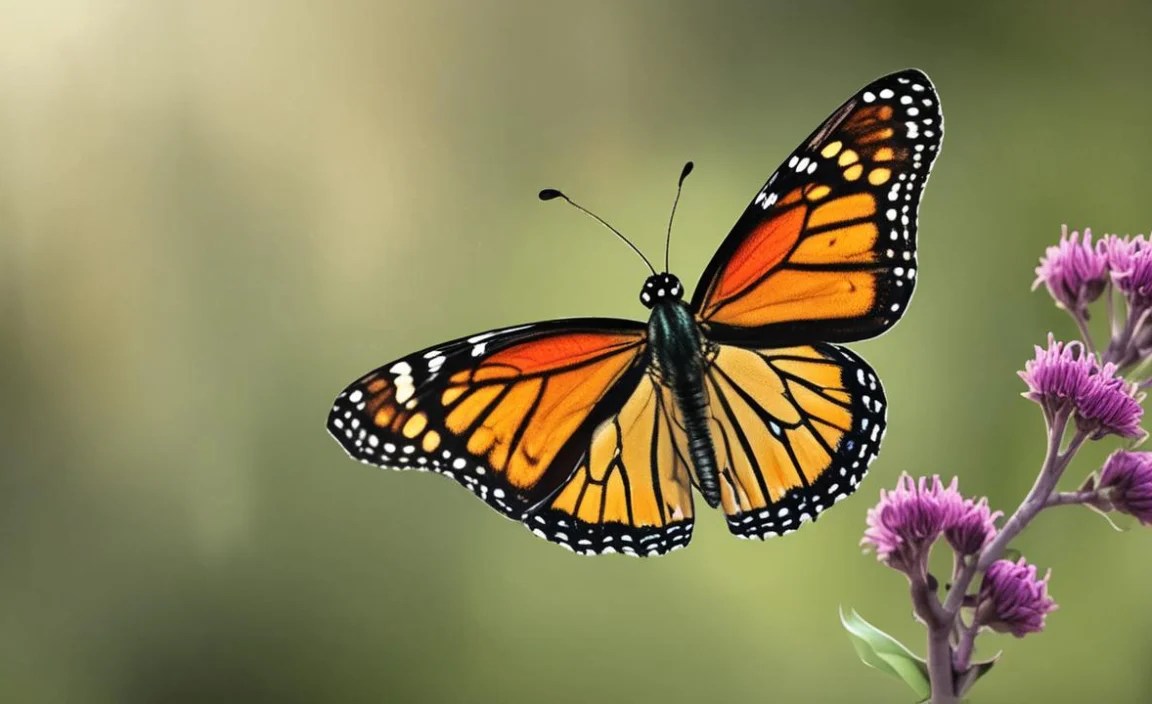
Distinguishing a monarch butterfly from other similar species is crucial for accurate reporting and monitoring. Here are key features to look for:
- Wing Pattern: The monarch’s orange wings with black veins and borders are distinctive. The white spots along the edges are also a key identifier.
- Size: Monarchs are relatively large butterflies, with a wingspan of 3.5 to 4 inches.
- Flight Behavior: Monarchs have a strong, gliding flight pattern, especially during migration.
Similar Species in India

Several butterfly species in India may resemble the monarch. Knowing how to differentiate them is essential. Here’s a comparison table:
| Species | Appearance | Distinguishing Features |
|---|---|---|
| Monarch (Danaus plexippus) | Bright orange with black veins and borders, white spots | Larger size, more distinct white spots |
| Plain Tiger (Danaus chrysippus) | Orange with black borders, white spots | Smaller size, less distinct white spots, more common |
| Striped Tiger (Danaus genutia) | Orange with black stripes and borders, white spots | Striped pattern on wings, less common |
Why Are Monarch Butterflies Important?
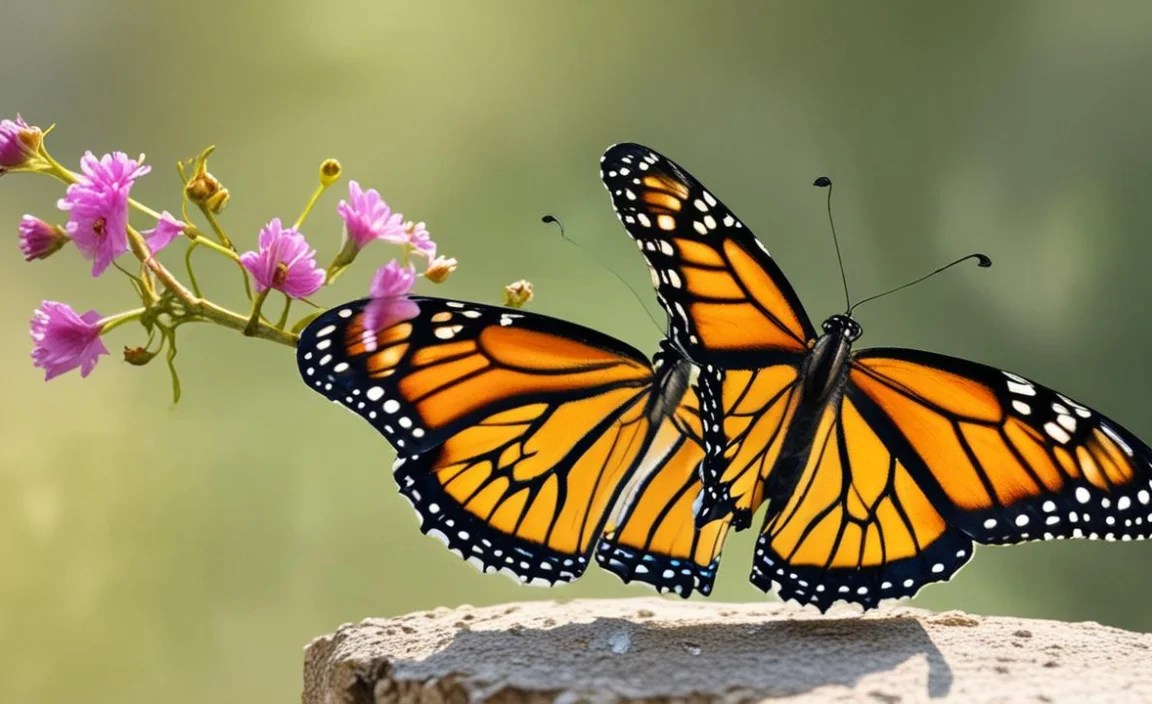
Monarch butterflies play several important roles in the ecosystem. Understanding their significance can help us appreciate and protect them.
- Pollination: As they feed on nectar, monarchs pollinate various plants, contributing to plant reproduction and biodiversity.
- Food Source: Monarch caterpillars are a food source for birds and other insects, while the adult butterflies are prey for larger animals.
- Indicator Species: Monarch populations can indicate the health of ecosystems, as they are sensitive to habitat loss, pesticide use, and climate change.
- Educational Value: Monarchs are often used in educational programs to teach about life cycles, migration, and conservation.
Threats to Monarch Butterflies

Monarch butterflies face numerous threats that have led to population declines in their native ranges. Understanding these threats is crucial for conservation efforts.
- Habitat Loss: The destruction of milkweed habitats due to agriculture, urbanization, and deforestation reduces the availability of food for monarch caterpillars.
- Pesticide Use: Insecticides, particularly neonicotinoids, can harm or kill monarch caterpillars and adult butterflies.
- Climate Change: Changes in temperature and precipitation patterns can disrupt monarch migration and breeding cycles.
- Illegal Logging: Deforestation in overwintering sites in Mexico reduces the protective forest cover that monarchs need to survive cold temperatures.
How to Attract Butterflies to Your Garden

Even if monarch butterflies are not common in your area, creating a butterfly-friendly garden can attract other beautiful species and support local biodiversity. Here are some tips:
- Plant Host Plants: Include plants that serve as food for butterfly larvae. For monarchs, this means planting milkweed (Asclepias species).
- Provide Nectar Sources: Plant a variety of flowering plants that provide nectar for adult butterflies. Choose native species that bloom at different times of the year.
- Offer Water: Provide a shallow dish of water with pebbles or stones for butterflies to land on and drink.
- Avoid Pesticides: Use natural pest control methods to protect butterflies and other beneficial insects.
- Provide Shelter: Plant shrubs and trees to provide shelter from wind and predators.
Step-by-Step: Creating a Butterfly Garden
Let’s walk through the steps to create a butterfly garden that supports these amazing creatures.
- Choose a Sunny Location: Butterflies need sunlight to warm their bodies and nectar-rich flowers thrive in sunny spots.
- Select Native Plants: Native plants are best suited to your local climate and provide the most nutritious food for butterflies.
- Plant Milkweed: If you want to attract monarchs, plant milkweed. Ensure it’s a variety native to your region.
- Add Nectar Plants: Include a variety of flowering plants with different colors and bloom times to attract a wide range of butterflies.
- Provide Water: Place a shallow dish of water with pebbles for butterflies to land on.
- Avoid Pesticides: Use organic gardening practices to protect butterflies and other beneficial insects.
- Maintain Your Garden: Regularly water and weed your garden to keep it healthy and attractive to butterflies.
Reporting Monarch Sightings in India
If you spot a monarch butterfly in India, reporting your sighting can contribute valuable data to scientists and conservationists. Here’s how:
- Take Photos: Capture clear photos of the butterfly, including its wings and any distinguishing features.
- Note the Location: Record the date, time, and exact location of the sighting, including GPS coordinates if possible.
- Report to Conservation Organizations: Contact local or international butterfly conservation organizations to report your sighting. The Xerces Society is an excellent resource.
- Share on Citizen Science Platforms: Use online platforms like iNaturalist to share your observations and contribute to citizen science projects.
Conservation Efforts for Monarch Butterflies
Numerous organizations are working to protect monarch butterflies and their habitats. Here are some ways you can get involved:
- Support Conservation Organizations: Donate to or volunteer with organizations that work to protect monarch butterflies and their habitats.
- Create Butterfly Gardens: Plant milkweed and nectar-rich flowers in your garden or community to provide food and habitat for butterflies.
- Advocate for Change: Support policies that protect monarch habitats and reduce pesticide use.
- Educate Others: Share information about monarch butterflies and their conservation needs with friends, family, and community members.
The Role of Milkweed in Monarch Conservation

Milkweed is the sole food source for monarch caterpillars, making it essential for their survival. Planting milkweed is one of the most effective ways to support monarch populations.
- Host Plant: Monarch caterpillars feed exclusively on milkweed leaves.
- Toxicity: Milkweed contains toxins that make monarch caterpillars and butterflies unpalatable to predators.
- Habitat Restoration: Planting milkweed in gardens, parks, and along roadsides can help restore monarch habitats.
- Native Varieties: Choose milkweed varieties that are native to your region to ensure they are well-suited to the local climate and ecosystem.
Table: Native Milkweed Species by Region (Example)
| Region | Native Milkweed Species |
|---|---|
| North America (Eastern) | Common Milkweed (Asclepias syriaca), Swamp Milkweed (Asclepias incarnata) |
| North America (Western) | Showy Milkweed (Asclepias speciosa), Narrowleaf Milkweed (Asclepias fascicularis) |
| India (Suitable Alternatives) | While native milkweed is not present, consider Asclepias curassavica (Tropical Milkweed) with caution due to potential impacts on migration patterns. Consult local experts. |
Frequently Asked Questions (FAQ)
1. Are monarch butterflies native to India?

No, monarch butterflies are not native to India. They are primarily found in North and South America.
2. Why have monarch butterflies been spotted in India?

Occasional sightings in India are likely due to accidental introductions via ships or strong winds. There’s also a possibility of intentional releases.
3. How can I identify a monarch butterfly?
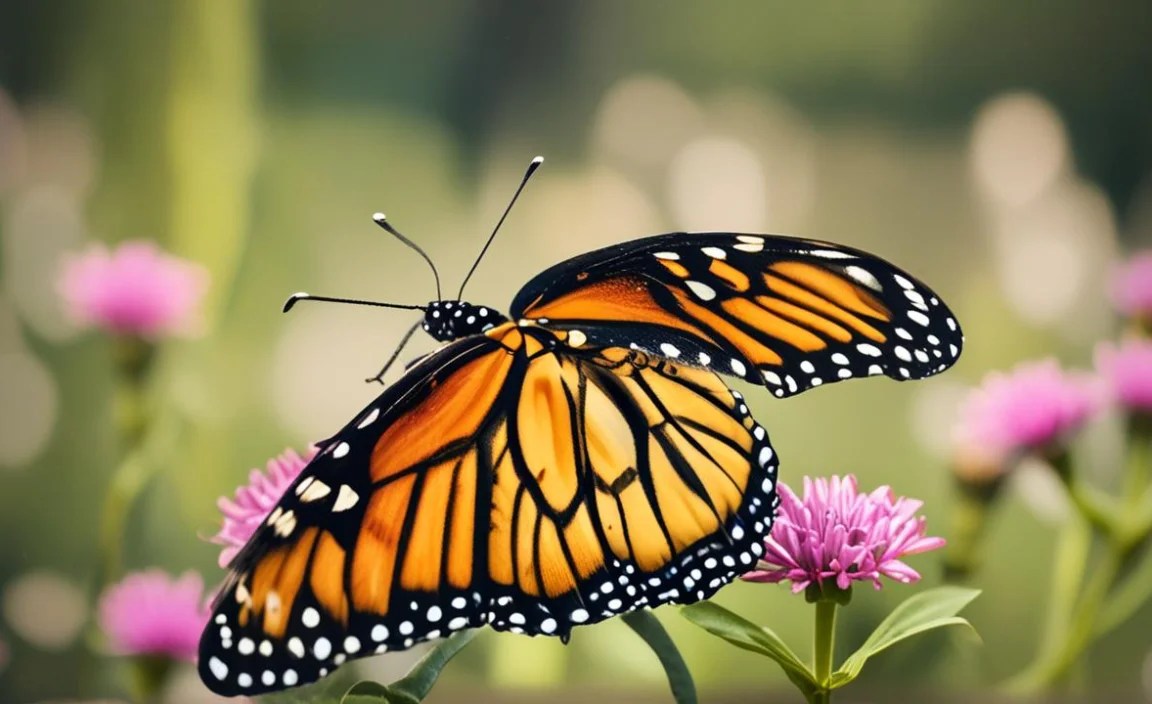
Monarchs have bright orange wings with black veins and borders, and distinctive white spots along the edges. They are relatively large, with a wingspan of 3.5 to 4 inches.
4. What should I do if I see a monarch butterfly in India?

Take photos, note the location, and report your sighting to local or international butterfly conservation organizations, or use citizen science platforms like iNaturalist.
5. What is the role of milkweed in monarch conservation?

Milkweed is the sole food source for monarch caterpillars. Planting milkweed is crucial for their survival and helps restore their habitats.
6. Can I attract monarch butterflies to my garden in India?

While native milkweed is absent, you can plant nectar-rich flowers to attract other butterfly species. Use Asclepias curassavica (Tropical Milkweed) cautiously and consult local experts.
7. What are the main threats to monarch butterflies?
Habitat loss, pesticide use, climate change, and illegal logging are the primary threats to monarch butterflies.
Conclusion: Protecting Monarchs and Their Habitats
The presence of monarch butterflies in India, though infrequent, highlights the interconnectedness of ecosystems and the importance of conservation efforts. By understanding the monarch’s characteristics, threats, and habitat needs, we can all play a role in protecting these iconic butterflies. Whether it’s creating a butterfly-friendly garden, reporting sightings, or supporting conservation organizations, every action counts. Let’s work together to ensure that future generations can marvel at the beauty and resilience of monarch butterflies, both in their native lands and beyond.


