
Field Guide: Glasswing Butterfly— See-Through Secret!

The Glasswing butterfly (Greta oto) is famous for its unique, transparent wings! Native to Central and South America, this fascinating insect uses its see-through wings as camouflage to avoid predators. This guide will help you identify the Glasswing, understand its habitat, and learn about its crucial role in the ecosystem.
Have you ever dreamed of seeing a butterfly with wings of glass? The Glasswing butterfly is a real-life marvel, and spotting one in its natural habitat is an unforgettable experience. Many people are curious about this incredible insect, but information can be scattered and hard to understand. Don’t worry, I’m here to help!
In this field guide, we’ll explore the Glasswing’s unique features, where to find it, and how it survives in the rainforest. Get ready to uncover the secrets of this transparent wonder and become a Glasswing butterfly expert!
Identifying the Glasswing Butterfly
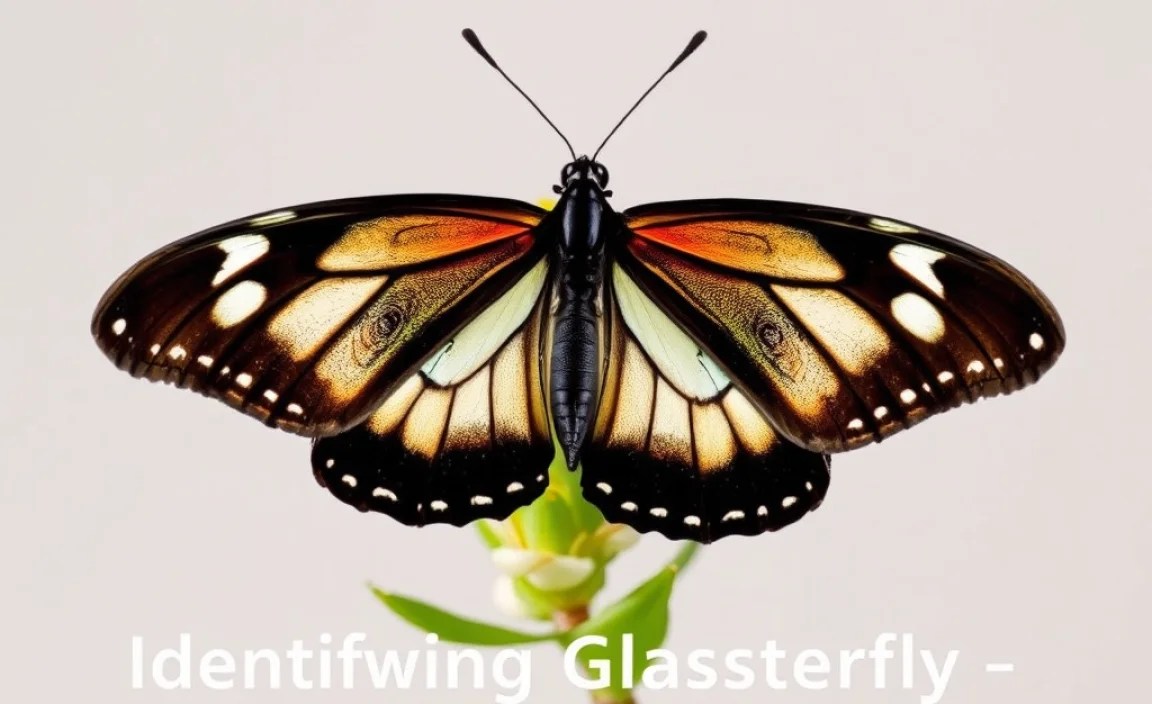
The Glasswing butterfly, scientifically known as Greta oto, is truly one-of-a-kind. Its most distinguishing feature is, of course, its transparent wings. But there’s more to this butterfly than just clear wings! Let’s dive into the details:
Key Features to Look For
- Transparent Wings: The most obvious characteristic! The tissue between the veins of the wings lacks the colored scales found in most butterflies, creating a see-through effect.
- Opaque Border: The wings typically have a dark brown or black border, often with reddish or orange markings. This border provides contrast and may help with camouflage and structural support.
- Size: Glasswing butterflies have a wingspan of about 5.6 to 6.1 cm (2.2 to 2.4 inches).
- Body: The body is usually dark brown.
Distinguishing Glasswings from Similar Species
While the transparent wings make the Glasswing fairly easy to identify, here are a few other butterflies it could be confused with:
- Other Clearwing Butterflies: Several other butterfly species have transparent or partially transparent wings. Pay close attention to the size, wing shape, and the pattern of the opaque borders.
- Moths: Some moths also have transparent wings. Butterflies typically hold their wings upright when at rest, while moths usually hold them flat. Also, butterfly antennae are club-shaped, while moth antennae are feathery or thread-like.
A Closer Look at the Wings
The transparency of the Glasswing’s wings is a marvel of nature. This effect is achieved because the wing scales are structured in a way that minimizes light reflection and scattering. This adaptation serves multiple purposes:
- Camouflage: The transparent wings allow the butterfly to blend in with its surroundings, making it harder for predators to spot.
- Predator Avoidance: The lack of color may also make the butterfly less attractive to predators that rely on visual cues.
Habitat and Distribution
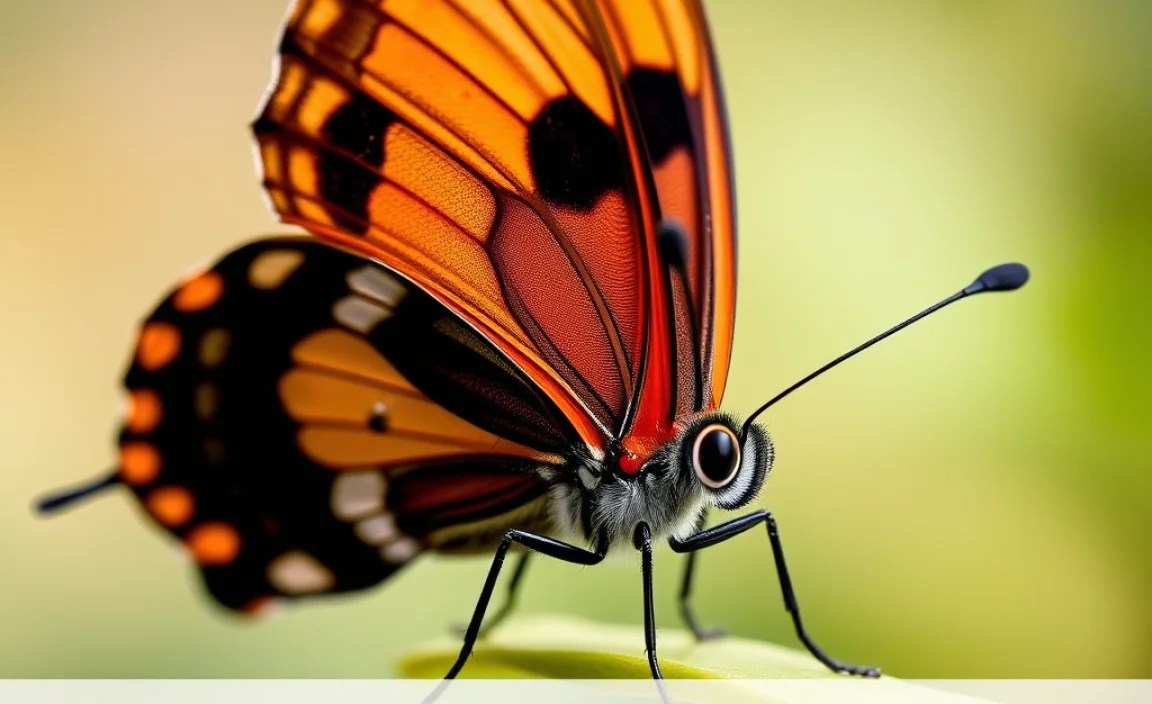
The Glasswing butterfly is primarily found in the rainforests of Central and South America. Understanding its habitat helps to appreciate its unique adaptations.
Geographical Range
- Central America: From Mexico to Panama.
- South America: Extends down to parts of Brazil and other countries in the Amazon basin.
Preferred Habitats
- Tropical Rainforests: They thrive in humid, shaded areas with plenty of flowering plants and host plants for their caterpillars.
- Cloud Forests: Higher-altitude forests with persistent cloud cover also provide suitable conditions.
- Undisturbed Areas: Glasswing butterflies are more common in areas with minimal human disturbance, as they are sensitive to habitat loss and degradation.
Finding Glasswings in the Wild
If you’re hoping to spot a Glasswing butterfly, here are a few tips:
- Visit Protected Areas: National parks and reserves in Central and South America are your best bet.
- Look in Shady Areas: They prefer the understory of the rainforest, where it’s cooler and more humid.
- Search Near Host Plants: Female Glasswings lay their eggs on specific host plants. Knowing these plants can increase your chances of finding them.
Life Cycle and Behavior
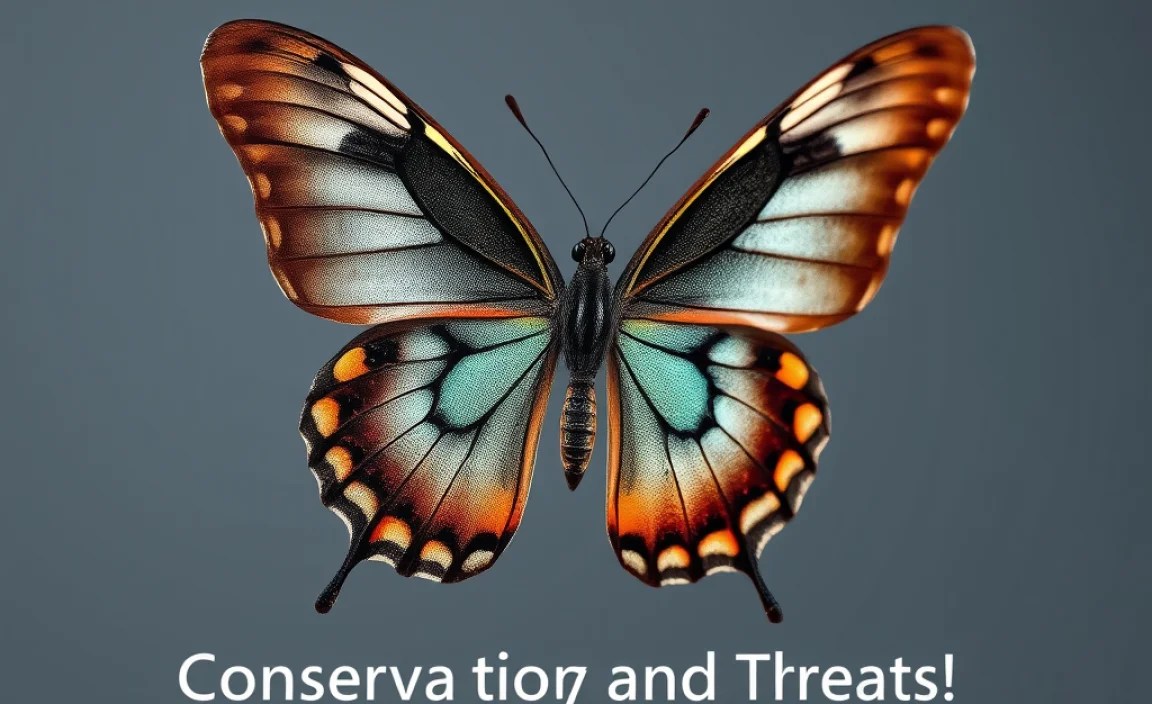
The life cycle of the Glasswing butterfly is fascinating, with each stage playing a crucial role in its survival and the ecosystem.
Egg Stage
- Appearance: The eggs are small, greenish, and laid singly on the host plant.
- Host Plants: Specific plants in the Solanum genus (nightshades) are commonly used.
Larval (Caterpillar) Stage
- Appearance: The caterpillars are often brightly colored with long, spiky projections. These spines contain toxins that make them unpalatable to predators.
- Feeding: Caterpillars feed voraciously on the leaves of their host plants, accumulating toxins that protect them in both the larval and adult stages.
Pupal (Chrysalis) Stage
- Appearance: The chrysalis is a shimmering, metallic silver or gold color. It hangs upside down from a branch or leaf.
- Duration: The pupal stage lasts for about two weeks.
Adult Stage
- Feeding: Adult Glasswings feed on nectar from a variety of flowering plants. They also obtain minerals from the droppings of birds.
- Behavior: They are relatively slow fliers and often found in shaded areas. Males may gather in leks (聚集) to attract females.
- Lifespan: Adult Glasswings typically live for about a month.
Defensive Mechanisms
Glasswing butterflies have several adaptations to protect themselves from predators:
- Camouflage: The transparent wings provide excellent camouflage.
- Toxicity: The caterpillars ingest toxins from their host plants, making both the larvae and adults unpalatable to many predators.
- Warning Coloration: The bright colors of the caterpillars serve as a warning to potential predators about their toxicity.
Ecological Role
Glasswing butterflies play an important role in their ecosystem, contributing to pollination and serving as a food source for other animals.
Pollination
As they feed on nectar, Glasswing butterflies transfer pollen from flower to flower, helping to pollinate various plant species. While they are not as efficient pollinators as bees, they still contribute to the reproductive success of many plants.
Food Source
Glasswing butterflies and their larvae serve as a food source for various predators, including birds, lizards, and spiders. Their presence helps to support the food web in their habitat.
Indicator Species
Glasswing butterflies are sensitive to habitat changes and pollution. Their presence or absence can indicate the health of the ecosystem. Declining populations may signal environmental problems that need to be addressed.
Conservation Status and Threats
While the Glasswing butterfly is not currently listed as endangered, it faces several threats that could impact its populations in the future.
Habitat Loss
Deforestation for agriculture, logging, and mining is a major threat to Glasswing butterflies. The destruction of their rainforest habitat reduces their food sources and breeding sites.
Pesticide Use
Pesticides used in agriculture can harm or kill Glasswing butterflies and their larvae. Even pesticides used outside of their immediate habitat can drift and contaminate their food sources.
Climate Change
Changes in temperature and rainfall patterns can disrupt the Glasswing butterfly’s life cycle and alter the availability of their host plants and nectar sources. Extreme weather events, such as hurricanes and droughts, can also damage their habitat.
Conservation Efforts
Several organizations and initiatives are working to protect Glasswing butterflies and their habitat:
- Protected Areas: Establishing and maintaining national parks and reserves helps to protect critical habitat.
- Sustainable Agriculture: Promoting sustainable farming practices that reduce pesticide use and minimize habitat destruction.
- Reforestation: Planting trees to restore degraded rainforest areas.
- Education and Awareness: Raising awareness about the importance of Glasswing butterflies and their conservation needs.
Attracting Glasswing Butterflies to Your Garden
While Glasswing butterflies are primarily found in rainforests, you can create a butterfly-friendly garden that attracts other butterfly species and supports local biodiversity.
Planting Nectar-Rich Flowers
Choose a variety of flowering plants that provide nectar throughout the growing season. Native plants are often the best choice, as they are adapted to the local climate and provide the most suitable food for native butterflies.
Providing Host Plants
If you live in an area where Glasswing butterflies are found, consider planting host plants such as those in the Solanum genus. Even if you don’t attract Glasswings, you’ll be providing food for other butterfly caterpillars.
Creating a Butterfly-Friendly Habitat
- Provide a Water Source: Butterflies need water to drink. A shallow dish of water with pebbles or marbles for them to land on can be a great addition to your garden.
- Offer Shelter: Plant shrubs and trees to provide shelter from wind and rain.
- Avoid Pesticides: Pesticides can harm or kill butterflies and other beneficial insects. Choose organic gardening methods instead.
Best Plants for Attracting Butterflies
Here’s a table showcasing some fantastic plants for attracting butterflies to your garden. Remember, native plants are always the best choice, but these are some popular and widely available options:
| Plant Name | Type | Why Butterflies Love It |
|---|---|---|
| Butterfly Bush (Buddleja davidii) | Shrub | Abundant nectar, attracts many butterfly species |
| Milkweed (Asclepias) | Perennial | Host plant for Monarch butterflies, nectar source |
| Zinnia (Zinnia elegans) | Annual | Bright colors, easy to grow, attracts butterflies |
| Lantana (Lantana camara) | Perennial (in warm climates) | Long bloom time, attracts butterflies and hummingbirds |
| Purple Coneflower (Echinacea purpurea) | Perennial | Attracts butterflies and other pollinators |
Glasswing Butterfly in Culture and Symbolism
Butterflies, in general, are powerful symbols across many cultures, and the Glasswing is no exception. The Glasswing’s unique transparency adds another layer of meaning.
Symbolism of Transparency
The transparent wings can symbolize:
- Clarity: Seeing things clearly, both literally and figuratively.
- Honesty: Openness and truthfulness.
- Adaptability: The ability to blend in and adapt to changing circumstances.
- Fragility: The delicate nature of life and the importance of protecting it.
Cultural Significance
In some cultures, butterflies are seen as symbols of:
- Transformation: Representing change, growth, and new beginnings.
- Hope: A reminder that even after difficult times, there is always the possibility of a brighter future.
- The Soul: In some traditions, butterflies are believed to represent the human soul.
Art and Literature
The Glasswing butterfly’s unique beauty has inspired artists and writers around the world. Its image can be found in paintings, sculptures, and literary works, often used to convey themes of transformation, transparency, and the beauty of nature.
Frequently Asked Questions (FAQ)
Let’s address some common questions about the Glasswing butterfly:
What do Glasswing butterflies eat?
Glasswing butterflies primarily feed on nectar from flowers. They also supplement their diet with minerals obtained from bird droppings.
Are Glasswing butterflies endangered?
No, Glasswing butterflies are not currently listed as endangered. However, their populations are threatened by habitat loss, pesticide use, and climate change.
Where can I find Glasswing butterflies?
Glasswing butterflies are native to Central and South America. They are typically found in tropical rainforests and cloud forests.
How do Glasswing butterflies get their transparent wings?
The wings of Glasswing butterflies lack the dense scales that give other butterflies their color. This allows light to pass through the wings, creating a transparent effect.
What is the lifespan of a Glasswing butterfly?
The adult Glasswing butterfly typically lives for about one month.
What is the purpose of the dark borders on the wings?
The dark borders provide structural support and may also enhance camouflage by breaking up the outline of the wings.
What can I do to help protect Glasswing butterflies?
You can support conservation organizations that are working to protect their habitat, reduce your use of pesticides, and promote sustainable agriculture.
Conclusion
The Glasswing butterfly is a true marvel of nature, showcasing the incredible diversity and beauty of the rainforest ecosystem. Its transparent wings, fascinating life cycle, and important ecological role make it a species worth protecting. By understanding the threats it faces and supporting conservation efforts, we can help ensure that future generations have the opportunity to witness the magic of the Glasswing butterfly in its natural habitat.


