
Glasswing Butterfly Migration Map: Find Yours!

Quick Summary: While glasswing butterflies (Greta oto) don’t undertake long migrations like monarchs, understanding their movements involves looking at local population shifts and habitat connectivity. There isn’t a single “glasswing butterfly migration map” in the same way as for monarchs. Instead, scientists track their presence in specific regions, focusing on habitat preservation and the availability of their host plants. This helps to conserve these beautiful, transparent-winged creatures.
Have you ever been captivated by the sight of a butterfly with wings so clear they seem to disappear? That’s the magic of the glasswing butterfly! These delicate insects are masters of camouflage, blending seamlessly into their rainforest homes. But understanding where they live and how their populations move isn’t always easy. It’s not quite as simple as following a migration map like you would for monarch butterflies. Don’t worry! We’ll explore how scientists track these amazing creatures and what you can do to help protect them. Get ready to discover the secrets of the glasswing butterfly and its fascinating life.
Understanding Glasswing Butterfly Movement
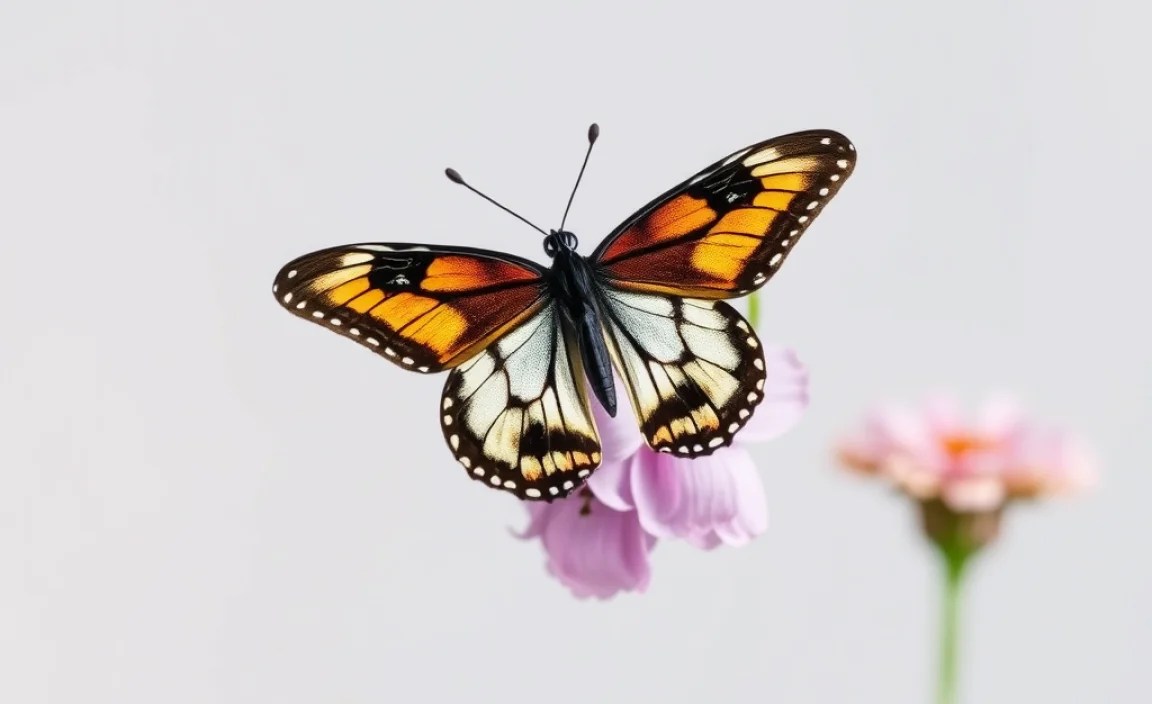
Glasswing butterflies, scientifically known as Greta oto, are famous for their transparent wings, which allow them to perfectly camouflage in the rainforest environment. Native to Central and South America, these butterflies don’t engage in long-distance migrations like the well-known monarch butterfly. Instead, their movements are more about local population shifts and finding suitable habitats.
Why No “Migration Map” Exists
The concept of a “glasswing butterfly migration map” is a bit of a misnomer. Unlike monarch butterflies, which travel thousands of miles across generations, glasswing butterflies typically stay within relatively small geographic areas. Their movements are more influenced by factors like:
- Availability of host plants: Glasswing butterfly caterpillars primarily feed on plants in the Cestrum genus (Jasmine family). The presence of these plants is crucial for their survival and dictates where they can live and breed.
- Climate conditions: Glasswing butterflies thrive in warm, humid environments. Changes in temperature and rainfall can affect their distribution and local movements.
- Habitat connectivity: The ability of glasswing butterflies to move between different patches of suitable habitat is important for maintaining healthy populations. Fragmentation of forests can isolate populations and limit their ability to find mates and resources.
Tracking Glasswing Butterfly Populations

So, if there’s no specific migration map, how do scientists keep track of glasswing butterflies and understand their movements? Here are some common methods:
- Citizen Science Initiatives: Programs where volunteers record butterfly sightings in their local areas. This data helps scientists understand the distribution of glasswing butterflies and identify important habitats.
- Habitat Surveys: Researchers conduct surveys in potential glasswing butterfly habitats to assess the presence of the butterflies and their host plants.
- Mark-Recapture Studies: Butterflies are captured, marked with a unique identifier, and then released. By recapturing marked butterflies, scientists can estimate population size, movement patterns, and survival rates.
- Genetic Analysis: Analyzing the genetic makeup of different glasswing butterfly populations can reveal information about their relationships and how they have moved and mixed over time.
Factors Influencing Glasswing Butterfly Distribution

Several environmental and ecological factors play a significant role in determining where glasswing butterflies can be found.
Host Plant Availability
As mentioned earlier, the presence of Cestrum plants is the most critical factor. These plants provide food for the caterpillars, and without them, glasswing butterflies cannot survive in a particular area.
Habitat Quality
Glasswing butterflies prefer undisturbed rainforest habitats with plenty of shade and humidity. Deforestation and habitat degradation can negatively impact their populations.
Climate Change
Changes in temperature and rainfall patterns can alter the distribution of both glasswing butterflies and their host plants. This can lead to shifts in their range and potential declines in populations.
Conservation Efforts for Glasswing Butterflies

While glasswing butterflies are not currently considered endangered, they face several threats that could impact their populations in the future. Conservation efforts are essential to ensure their long-term survival.
Habitat Preservation
Protecting and restoring rainforest habitats is crucial for glasswing butterflies. This includes establishing protected areas, promoting sustainable forestry practices, and reducing deforestation.
Host Plant Conservation
Conserving Cestrum plants is just as important as protecting the butterflies themselves. This can involve planting these species in gardens and parks, as well as protecting them in their natural habitats.
Raising Awareness
Educating the public about the importance of glasswing butterflies and their habitats can help to generate support for conservation efforts. This can include outreach programs, educational materials, and ecotourism initiatives.
Creating a Butterfly-Friendly Garden
Even if you don’t live in Central or South America, you can still help butterflies by creating a butterfly-friendly garden. While you might not attract glasswing butterflies specifically, you can provide habitat and food for other butterfly species.
Planting Nectar-Rich Flowers
Butterflies need nectar to fuel their flight and reproduction. Choose a variety of flowers that bloom at different times of the year to provide a continuous source of nectar.
Providing Host Plants
If you want to attract specific butterfly species, you need to provide their host plants. Research which butterfly species are native to your area and plant the host plants that their caterpillars need.
Avoiding Pesticides
Pesticides can be harmful to butterflies and other beneficial insects. Avoid using pesticides in your garden, or choose organic options that are less harmful.
Providing Water
Butterflies need water to stay hydrated. Provide a shallow dish of water with some pebbles or stones for them to land on.
Glasswing Butterfly Facts and Identification
Learning to identify glasswing butterflies and understanding their unique characteristics can deepen your appreciation for these remarkable creatures.
Physical Characteristics
The most distinctive feature of the glasswing butterfly is, of course, its transparent wings. The tissue between the veins is clear, allowing light to pass through. The wings typically have a dark brown or black border. The body is also dark, often with reddish markings.
Habitat
Glasswing butterflies are found in rainforests and other humid forests from Mexico to Argentina. They prefer habitats with plenty of shade and access to their host plants.
Behavior
Glasswing butterflies are relatively slow fliers and often found resting on leaves. Their transparent wings provide excellent camouflage, making them difficult to spot. They are most active during the day.
Life Cycle
Like all butterflies, glasswing butterflies undergo a complete metamorphosis. The life cycle includes four stages: egg, larva (caterpillar), pupa (chrysalis), and adult. The caterpillars feed on Cestrum plants, and the adults feed on nectar from various flowers.
Table: Glasswing Butterfly Facts
| Fact | Description |
|---|---|
| Scientific Name | Greta oto |
| Wings | Transparent with dark borders |
| Habitat | Rainforests of Central and South America |
| Host Plant | Cestrum species |
| Diet | Nectar (adults), Cestrum leaves (caterpillars) |
The Beauty and Symbolism of Glasswing Butterflies
Beyond their scientific interest, glasswing butterflies hold a certain mystique and have symbolic meaning in some cultures.
Camouflage and Adaptation
The transparent wings of the glasswing butterfly are a remarkable adaptation that allows them to blend in with their surroundings. This camouflage helps them to avoid predators and increases their chances of survival.
Symbolism
In some cultures, butterflies are seen as symbols of transformation, hope, and new beginnings. The glasswing butterfly, with its ethereal appearance, may also be associated with clarity, transparency, and the ability to see beyond the surface.
Resources for Further Learning
Want to learn more about glasswing butterflies and butterfly conservation? Here are some helpful resources:
- National Geographic: Offers articles and videos on various butterfly species and their habitats.
- The Xerces Society: A non-profit organization dedicated to protecting invertebrates and their habitats.
- U.S. Forest Service: Provides information on forest conservation and the importance of biodiversity.
FAQ About Glasswing Butterflies
Here are some frequently asked questions about glasswing butterflies:
Are glasswing butterflies endangered?
No, glasswing butterflies are not currently listed as endangered. However, they face threats from habitat loss and climate change.
Where do glasswing butterflies live?
Glasswing butterflies are native to Central and South America, from Mexico to Argentina.
What do glasswing butterfly caterpillars eat?
Glasswing butterfly caterpillars primarily feed on plants in the Cestrum genus.
How do glasswing butterflies get their transparent wings?
The transparency of their wings is due to the unique structure of the wing scales, which minimize light reflection.
Can I attract glasswing butterflies to my garden?
If you live in Central or South America, you can plant Cestrum species to attract glasswing butterflies. Otherwise, you can create a butterfly-friendly garden to attract other butterfly species.
Do glasswing butterflies migrate?
No, glasswing butterflies do not undertake long-distance migrations like monarch butterflies. Their movements are more localized.
What is the scientific name of the glasswing butterfly?
The scientific name of the glasswing butterfly is Greta oto.
Conclusion
While you won’t find a traditional “glasswing butterfly migration map,” understanding the factors that influence their distribution and movements is essential for their conservation. By protecting their rainforest habitats, conserving their host plants, and raising awareness about these fascinating creatures, we can help ensure that glasswing butterflies continue to grace our world with their beauty for generations to come. Remember, every small action, from planting a butterfly garden to supporting conservation organizations, can make a difference in the lives of these delicate insects. Let’s work together to safeguard the future of the glasswing butterfly and the rich biodiversity of our planet.


