
European Butterflies Subfamilies: Discover the Secrets!

Quick Summary: European butterflies are categorized into several subfamilies, each with unique characteristics. These include the Brush-footed butterflies (Nymphalinae), Swallowtails (Papilioninae), Whites and Yellows (Pierinae), Blues and Coppers (Polyommatinae), and Skippers (Hesperiinae). Understanding these classifications helps in identifying and appreciating the diverse butterfly species found across Europe.
Have you ever wondered how butterflies are organized into different groups? It can seem overwhelming with so many beautiful species flitting around! Understanding the subfamilies of European butterflies makes it much easier to identify them and appreciate their unique characteristics. It’s like learning the different houses in a neighborhood – suddenly, everything makes a lot more sense!
In this guide, we’ll explore the main subfamilies of European butterflies, highlighting their key features and some common examples. By the end, you’ll be able to confidently identify butterflies and impress your friends with your newfound knowledge. Let’s dive in and uncover the fascinating world of butterfly classification!
Understanding Butterfly Subfamilies

Butterflies, like all living things, are classified into a hierarchical system. This system helps scientists organize and understand the relationships between different species. The main levels of classification are: Kingdom, Phylum, Class, Order, Family, Genus, and Species. In this article, we’ll focus on the “subfamily” level, which is a rank below family.
A subfamily groups together genera (plural of genus) that share similar characteristics. These characteristics can include physical traits, behaviors, and genetic similarities. Think of it as a more specific grouping within a larger family. For example, the family Nymphalidae (Brush-footed butterflies) is divided into several subfamilies, each with its own distinct features.
Why are Subfamilies Important?
- Identification: Knowing the subfamilies helps you narrow down the possibilities when trying to identify a butterfly.
- Understanding Relationships: Subfamilies show how different groups of butterflies are related to each other.
- Conservation: By understanding the diversity within subfamilies, we can better protect these amazing creatures.
Now, let’s explore the major butterfly subfamilies found in Europe!
Nymphalinae: The Brush-footed Butterflies

The Nymphalinae subfamily belongs to the larger Nymphalidae family, known as the Brush-footed butterflies. These butterflies are called “brush-footed” because their front legs are reduced and brush-like, used for sensing rather than walking. They are one of the most diverse and widespread butterfly groups.
Key Characteristics:
- Reduced Front Legs: This is the defining characteristic.
- Bright Colors: Many species have vibrant colors and patterns.
- Medium to Large Size: They tend to be larger than some other butterfly subfamilies.
Common European Genera and Species:
| Genus | Species | Description | Image |
|---|---|---|---|
| Aglais | Aglais urticae (Small Tortoiseshell) | Bright orange wings with black and yellow markings, and a row of blue spots along the edge. | |
| Nymphalis | Nymphalis antiopa (Camberwell Beauty) | Dark brown wings with a cream-colored border. | |
| Vanessa | Vanessa atalanta (Red Admiral) | Black wings with red bands and white spots. | |
| Polygonia | Polygonia c-album (Comma) | Orange-brown wings with jagged edges and a distinctive white “comma” mark on the underside. |
Habitat and Behavior:
Brush-footed butterflies are found in a variety of habitats, including gardens, meadows, and woodlands. They are often seen basking in the sun to warm up. Many species are migratory, like the Red Admiral, which can travel long distances.
Fun Fact:
The Small Tortoiseshell (Aglais urticae) is one of the most common and recognizable butterflies in Europe. It is often seen in gardens and is an important pollinator.
Learn more about the Nymphalidae family from the National Geographic website.
Papilioninae: The Swallowtails
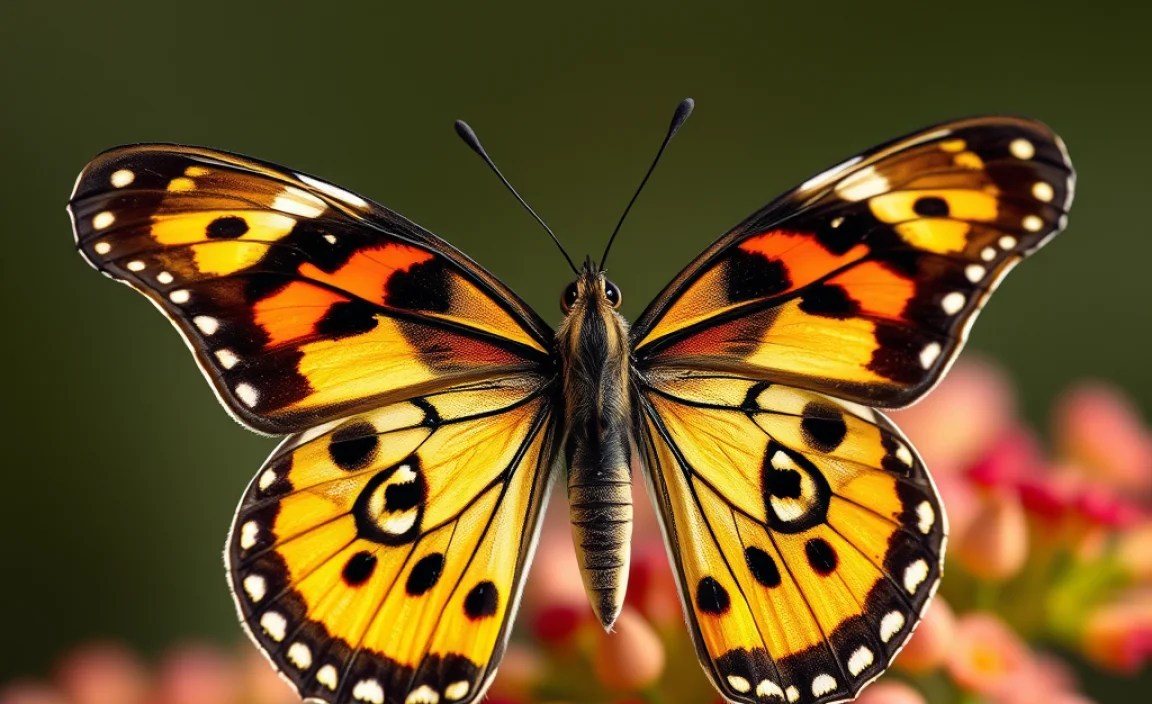
The Papilioninae subfamily belongs to the Papilionidae family, commonly known as Swallowtails. These butterflies are famous for their elegant tails on their hindwings, which resemble the tails of swallows. They are among the largest and most striking butterflies.
Key Characteristics:
- Tails on Hindwings: This is the most distinctive feature.
- Large Size: Swallowtails are generally large butterflies.
- Bright Colors: Many species have vibrant colors and patterns, often including black, yellow, and blue.
Common European Genera and Species:
| Genus | Species | Description | Image |
|---|---|---|---|
| Papilio | Papilio machaon (Old World Swallowtail) | Yellow wings with black veins and a blue and red eyespot on the hindwing. | |
| Iphiclides | Iphiclides podalirius (Scarce Swallowtail) | Pale yellow wings with black stripes and a long tail. |
Habitat and Behavior:
Swallowtails are found in a variety of habitats, including meadows, gardens, and open woodlands. They are strong fliers and can often be seen soaring high in the sky. The Old World Swallowtail (Papilio machaon) is known for its preference for open, sunny areas.
Fun Fact:
The Old World Swallowtail (Papilio machaon) caterpillars feed on plants in the carrot family, such as fennel and dill. These plants provide essential oils that make the caterpillars unpalatable to predators.
Pierinae: The Whites and Yellows

The Pierinae subfamily belongs to the Pieridae family, known as the Whites and Yellows. These butterflies are typically white or yellow, with black markings. They are often seen in gardens and agricultural areas.
Key Characteristics:
- White or Yellow Wings: This is the most common characteristic.
- Black Markings: Many species have black spots or wingtips.
- Medium Size: They are generally medium-sized butterflies.
Common European Genera and Species:
| Genus | Species | Description | Image |
|---|---|---|---|
| Pieris | Pieris brassicae (Large White) | White wings with black tips. | |
| Pieris | Pieris rapae (Small White) | White wings with small black spots. | |
| Gonepteryx | Gonepteryx rhamni (Brimstone) | Yellow wings with pointed tips. | |
| Anthocharis | Anthocharis cardamines (Orange Tip) | White wings with orange tips (males only). |
Habitat and Behavior:
Whites and Yellows are found in a wide range of habitats, including gardens, meadows, and agricultural fields. They are often seen flying in large numbers, especially during migration. The Large White (Pieris brassicae) is a common garden pest, as its caterpillars can defoliate cabbage and other brassica crops.
Fun Fact:
The Brimstone (Gonepteryx rhamni) is one of the longest-lived butterflies in Europe, with adults often living for up to a year. They hibernate through the winter and emerge in the spring to breed.
Polyommatinae: The Blues and Coppers

The Polyommatinae subfamily belongs to the Lycaenidae family, known as the Blues, Coppers, and Hairstreaks. These butterflies are typically small and brightly colored, often with metallic hues. The Blues are particularly diverse and can be challenging to identify.
Key Characteristics:
- Small Size: They are generally small butterflies.
- Bright Colors: Many species have blue, copper, or iridescent wings.
- Delicate Appearance: They have a delicate and fragile appearance.
Common European Genera and Species:
| Genus | Species | Description | Image |
|---|---|---|---|
| Polyommatus | Polyommatus icarus (Common Blue) | Males have bright blue wings; females are brown with blue scaling. | |
| Lycaena | Lycaena phlaeas (Small Copper) | Bright copper-colored wings with black spots. | |
| Celastrina | Celastrina argiolus (Holly Blue) | Pale blue wings with black borders. |
Habitat and Behavior:
Blues and Coppers are found in a variety of habitats, including grasslands, heaths, and woodlands. Many species have a close relationship with specific plants, which their caterpillars feed on. The Common Blue (Polyommatus icarus) is one of the most widespread and adaptable butterflies in Europe.
Fun Fact:
Many Blue butterfly caterpillars secrete a sugary substance that attracts ants. The ants protect the caterpillars from predators in exchange for the sweet treat.
Read more about butterfly conservation at the Xerces Society for Invertebrate Conservation website.
Hesperiinae: The Skippers
The Hesperiinae subfamily belongs to the Hesperiidae family, known as the Skippers. These butterflies are named for their rapid, skipping flight. They are often overlooked due to their small size and drab colors, but they are a fascinating group.
Key Characteristics:
- Rapid Flight: This is the most distinctive feature.
- Hooked Antennae: Their antennae have a distinctive hooked shape.
- Small to Medium Size: They are generally small to medium-sized butterflies.
Common European Genera and Species:
| Genus | Species | Description | Image |
|---|---|---|---|
| Thymelicus | Thymelicus sylvestris (Small Skipper) | Orange-brown wings with dark borders. | |
| Ochlodes | Ochlodes sylvanus (Large Skipper) | Orange-brown wings with a checkered pattern. |
Habitat and Behavior:
Skippers are found in grasslands, meadows, and woodland edges. They are often seen basking in the sun and feeding on nectar from flowers. The Small Skipper (Thymelicus sylvestris) is a common sight in many European gardens.
Fun Fact:
Skippers hold their wings in a distinctive way when resting, with the hindwings spread open and the forewings held partially closed. This helps them to camouflage themselves among grasses and foliage.
Other Notable Subfamilies
While the subfamilies above represent the most common groups you’ll encounter in Europe, there are other subfamilies and tribes within the larger families that are worth noting. These often have more specific distributions or unique characteristics.
Danainae
The Danainae subfamily includes the Monarch butterfly (Danaus plexippus), which is not native to Europe but occasionally appears as a migrant. This subfamily is known for its toxic caterpillars, which feed on milkweed plants. The toxins make the butterflies unpalatable to predators.
Satyrinae
The Satyrinae subfamily, also within the Nymphalidae family, includes the Browns and Ringlets. These butterflies are often found in grassy areas and woodlands. They are typically brown or gray, with distinctive eyespots on their wings.
Libytheinae
The Libytheinae subfamily includes the Nettle-tree Butterfly (Libythea celtis). This butterfly is named for its caterpillars, which feed on nettle-tree leaves. It is a relatively rare butterfly in Europe, found mainly in the Mediterranean region.
Tips for Identifying Butterflies by Subfamily
Identifying butterflies can be a rewarding but sometimes challenging task. Here are some tips to help you identify butterflies by subfamily:
- Observe the Size and Shape: Note the overall size and shape of the butterfly. Are they large and elegant like a Swallowtail, or small and delicate like a Blue?
- Check the Wing Color and Pattern: Pay attention to the colors and patterns on the wings. Are they predominantly white or yellow, like a White or Yellow? Are they brightly colored with metallic hues, like a Blue or Copper?
- Look for Distinctive Features: Check for distinctive features such as tails on the hindwings (Swallowtails), reduced front legs (Brush-footed butterflies), or hooked antennae (Skippers).
- Consider the Habitat: Note the habitat where you found the butterfly. Different subfamilies tend to prefer different habitats.
- Use a Field Guide: A good field guide can be an invaluable tool for identifying butterflies. Look for one that includes detailed descriptions and illustrations of different species.
- Take a Photo: If you’re unsure of the identification, take a photo and compare it to images in a field guide or online. There are also many butterfly identification apps available for smartphones.
The Importance of Butterfly Conservation
Butterflies are not only beautiful, but they also play an important role in the ecosystem. They are important pollinators, helping to fertilize plants and maintain biodiversity. Unfortunately, many butterfly species are threatened by habitat loss, climate change, and pesticide use.
How You Can Help:
- Plant Butterfly-Friendly Flowers: Choose native plants that provide nectar for adult butterflies and food for caterpillars.
- Avoid Pesticides: Pesticides can harm or kill butterflies and other beneficial insects.
- Create a Butterfly Garden: Provide a sheltered spot with plenty of sunshine and water.
- Support Conservation Organizations: Donate to or volunteer with organizations that work to protect butterflies and their habitats.
- Educate Others: Share your knowledge and passion for butterflies with others to raise awareness about their importance and the threats they face.
Learn about creating butterfly gardens from the Smithsonian Magazine website.
FAQ About European Butterfly Subfamilies
What is a butterfly subfamily?
A butterfly subfamily is a classification group below the family level, grouping together genera (plural of genus) with shared characteristics. It helps organize and understand relationships between different butterfly species.
Why is it useful to know butterfly subfamilies?
Knowing butterfly subfamilies aids in identification, understanding evolutionary relationships, and supporting conservation efforts by recognizing unique characteristics within these groups.
What are the main subfamilies of butterflies in Europe?
The main subfamilies include Nymphalinae (Brush-footed butterflies), Papilioninae (Swallowtails), Pierinae (Whites and Yellows), Polyommatinae (Blues and Coppers), and Hesperiinae (Skippers).
How can I identify a butterfly’s subfamily?
Observe size, wing color and patterns, and unique features like tails (Swallowtails) or hooked antennae (Skippers). Habitat and field guides can also help.
Are all butterflies in the same subfamily closely related?
Yes, butterflies within the same subfamily share common ancestry and similar characteristics, though there can still be significant diversity within each subfamily.
What is the Brush-footed butterfly known for?
Brush-footed butterflies (Nymphalinae) are known for their reduced front legs, which they use for sensing rather than walking, and often have vibrant colors.
Why are butterflies important for the environment?
Butterflies are important pollinators and indicators of a healthy ecosystem. Their presence supports plant reproduction and biodiversity, and their decline can signal environmental problems.
Conclusion
Exploring the subfamilies of European butterflies opens up a fascinating world of diversity and beauty. By understanding the key characteristics of each group, you can confidently identify butterflies and appreciate their unique adaptations. Whether you’re a seasoned naturalist or a beginner, learning about butterfly classification enhances your connection to nature and inspires you to protect these amazing creatures.
So, next time you see a butterfly flitting through your garden, take a closer look. Can you identify its subfamily? With a little practice, you’ll be amazed at how much you can learn about these delicate and important insects. Happy butterfly watching!


