
Ultimate European Fritillary Butterflies List

European fritillary butterflies are a diverse group known for their striking orange and brown checkered patterns. This list covers common species like the Meadow Fritillary and rarer ones like the Cranberry Fritillary, detailing their habitats, identifying features, and conservation status. Learn how to spot these beautiful butterflies and help protect them!
Have you ever strolled through a wildflower meadow and been captivated by a flash of orange fluttering past? Chances are, you’ve encountered a European fritillary butterfly! These beautiful insects, with their intricate wing patterns, are a joy to observe. But with so many different types, it can be tricky to tell them apart. Don’t worry, I’m here to help! Together, we’ll explore a comprehensive list of European fritillaries, learning how to identify them and discover where they live. Get ready to unlock the secrets of these enchanting butterflies!
A Guide to European Fritillary Butterflies

Fritillary butterflies belong to the family Nymphalidae and are found throughout Europe. They are characterized by their orange or brown wings adorned with black spots and lines, creating a checkered or net-like pattern. These butterflies are often seen in meadows, woodlands, and grasslands, where their host plants thrive. Let’s dive into some of the most fascinating species!
Common European Fritillary Species

Here’s a list of some of the most commonly observed fritillary butterflies in Europe, along with their key characteristics:
- Meadow Fritillary (Boloria bellona): Small and widespread, found in damp meadows and grasslands. Wings are bright orange with distinct black markings.
- Small Pearl-bordered Fritillary (Boloria selene): Prefers damp woodlands and marshes. Easily identified by the pearly spots on the underside of its wings.
- Pearl-bordered Fritillary (Boloria euphrosyne): Found in woodland clearings and sunny glades. Similar to the Small Pearl-bordered Fritillary but slightly larger.
- Dark Green Fritillary (Argynnis aglaja): A larger species, often seen in meadows and open woodlands. The underside of the wings has distinctive silver streaks.
- High Brown Fritillary (Argynnis adippe): Inhabits woodland areas and meadows. Known for its rich orange color and bold black markings.
- Silver-washed Fritillary (Argynnis paphia): One of the largest European fritillaries, found in woodlands. Males have distinctive black streaks on their forewings.
Identifying Features of Fritillary Butterflies

Identifying fritillary butterflies can be a rewarding challenge. Here are some key features to look for:
- Wing Pattern: The arrangement and shape of black spots and lines on the wings are crucial for identification.
- Size: Fritillaries range in size from small to large, which can help narrow down the possibilities.
- Habitat: Knowing the preferred habitat of a species can provide valuable clues.
- Underside Markings: The patterns and colors on the underside of the wings often differ significantly from the upper side and are essential for accurate identification.
Detailed Species Profiles
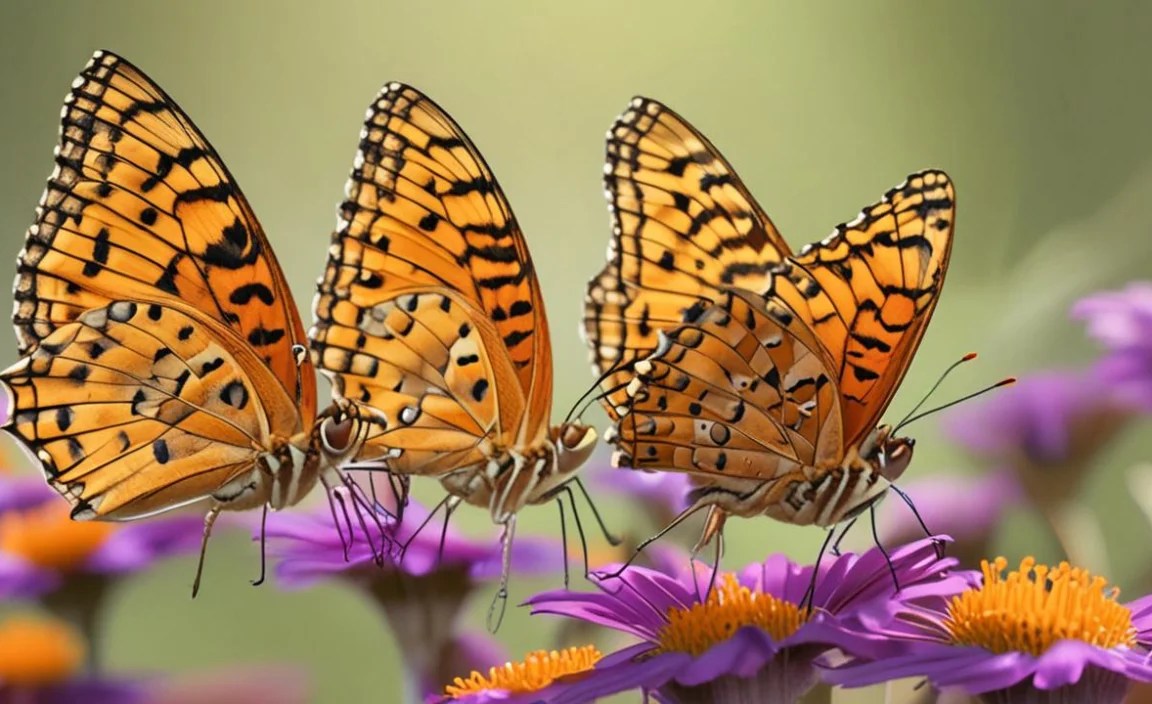
Let’s delve deeper into some specific fritillary species, exploring their unique traits and habitats:
Meadow Fritillary (Boloria bellona)

The Meadow Fritillary is a small, vibrant butterfly commonly found in damp meadows and grasslands across Europe. Its bright orange wings, adorned with distinct black markings, make it a delightful sight. This species has a relatively fast life cycle, with multiple broods per year.
- Habitat: Damp meadows, grasslands, and bogs
- Size: Small (wingspan of 30-40mm)
- Key Features: Bright orange wings with clear black markings; multiple broods per year
Small Pearl-bordered Fritillary (Boloria selene)

The Small Pearl-bordered Fritillary is a charming butterfly that thrives in damp woodlands and marshes. Its name comes from the distinctive pearly spots on the underside of its wings, which are a key identifying feature. This species is often found near its larval host plants, such as violets.
- Habitat: Damp woodlands, marshes, and wet meadows
- Size: Small to medium (wingspan of 35-45mm)
- Key Features: Pearly spots on the underside of wings; associated with violet host plants
Pearl-bordered Fritillary (Boloria euphrosyne)

The Pearl-bordered Fritillary is closely related to the Small Pearl-bordered Fritillary but is slightly larger. It prefers woodland clearings and sunny glades, where it can bask in the sunlight. This species is known for its rapid flight and agility.
- Habitat: Woodland clearings, sunny glades, and open woodlands
- Size: Medium (wingspan of 40-50mm)
- Key Features: Similar to Small Pearl-bordered Fritillary but larger; fast and agile flight
Dark Green Fritillary (Argynnis aglaja)

The Dark Green Fritillary is a larger, more robust species that frequents meadows and open woodlands. The underside of its wings is particularly striking, featuring distinctive silver streaks against a dark green background. This butterfly is a strong flyer and can cover considerable distances.
- Habitat: Meadows, open woodlands, and grasslands
- Size: Large (wingspan of 55-65mm)
- Key Features: Silver streaks on the underside of wings; strong flyer
High Brown Fritillary (Argynnis adippe)

The High Brown Fritillary is a regal butterfly known for its rich orange color and bold black markings. It inhabits woodland areas and meadows, where it lays its eggs on or near violet plants. This species has experienced significant declines in some areas due to habitat loss.
- Habitat: Woodland areas and meadows
- Size: Large (wingspan of 55-65mm)
- Key Features: Rich orange color with bold black markings; declining populations in some areas
Silver-washed Fritillary (Argynnis paphia)

The Silver-washed Fritillary is one of the largest and most impressive European fritillaries. It is commonly found in woodlands, where it glides gracefully among the trees. Males have distinctive black streaks on their forewings, while females often have a greenish tint. The undersides of the wings are adorned with shimmering silver streaks.
- Habitat: Woodlands and forests
- Size: Very large (wingspan of 60-75mm)
- Key Features: Males have black streaks on forewings; shimmering silver streaks on the underside
Less Common Fritillary Species
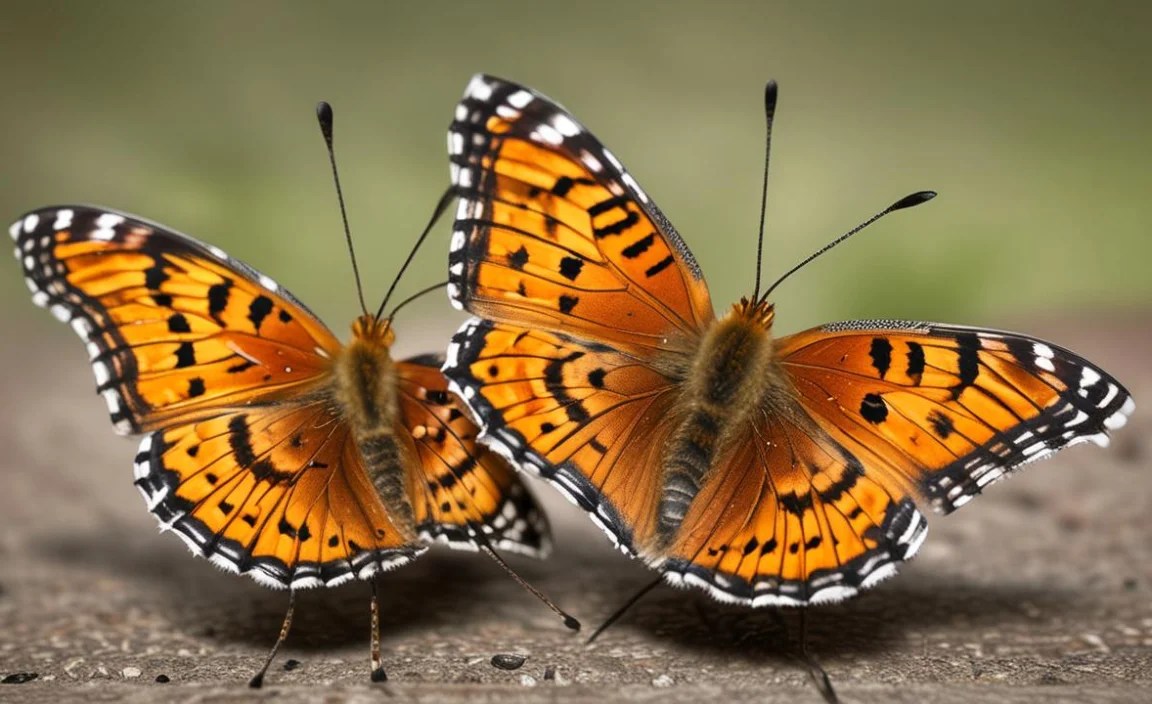
While the above species are relatively common, several other fritillary butterflies are less frequently encountered. These species often have more restricted habitats or are rarer due to conservation concerns.
- Cranberry Fritillary (Boloria aquilonaris): A specialist of boggy habitats, feeding on cranberry plants.
- Mountain Fritillary (Boloria napaea): Found in high-altitude meadows and alpine regions.
- Shepherd’s Fritillary (Boloria hecate): Inhabits dry grasslands and rocky slopes.
- Twin-spot Fritillary (Brenthis hecate): Prefers warm, dry grasslands and scrubland.
Table of European Fritillary Butterflies

Here is a summary table that offers a quick reference guide to the European Fritillary Butterflies:
| Species | Habitat | Size (Wingspan) | Key Features |
|---|---|---|---|
| Meadow Fritillary (Boloria bellona) | Damp meadows, grasslands | 30-40mm | Bright orange wings, distinct black markings |
| Small Pearl-bordered Fritillary (Boloria selene) | Damp woodlands, marshes | 35-45mm | Pearly spots on underside of wings |
| Pearl-bordered Fritillary (Boloria euphrosyne) | Woodland clearings, sunny glades | 40-50mm | Similar to Small Pearl-bordered, larger |
| Dark Green Fritillary (Argynnis aglaja) | Meadows, open woodlands | 55-65mm | Silver streaks on underside of wings |
| High Brown Fritillary (Argynnis adippe) | Woodland areas, meadows | 55-65mm | Rich orange, bold black markings |
| Silver-washed Fritillary (Argynnis paphia) | Woodlands, forests | 60-75mm | Males: black streaks on forewings; silver streaks underneath |
| Cranberry Fritillary (Boloria aquilonaris) | Boggy habitats | 32-38mm | Specialist of boggy areas, feeds on cranberry |
| Mountain Fritillary (Boloria napaea) | High-altitude meadows | 30-36mm | Alpine regions |
| Shepherd’s Fritillary (Boloria hecate) | Dry grasslands, rocky slopes | 40-46mm | Restricted to specific locations |
| Twin-spot Fritillary (Brenthis hecate) | Warm, dry grasslands, scrubland | 42-48mm | Distinctive twin spots |
Attracting Fritillary Butterflies to Your Garden

Want to see more fritillary butterflies in your backyard? Here’s how to create a butterfly-friendly habitat:
- Plant Host Plants: Fritillary caterpillars feed on specific plants, so providing these is essential. Violets are a common choice for many species.
- Provide Nectar Sources: Plant nectar-rich flowers that adult butterflies can feed on. Good choices include knapweed, thistles, and clover.
- Avoid Pesticides: Pesticides can harm or kill butterflies and other beneficial insects. Opt for natural pest control methods.
- Create a Sunny Spot: Butterflies need sunlight to warm their bodies. Provide a sunny area with rocks or flat stones where they can bask.
- Offer a Water Source: Butterflies need water to stay hydrated. A shallow dish of water with pebbles for them to land on can be very helpful.
Conservation Status and Threats
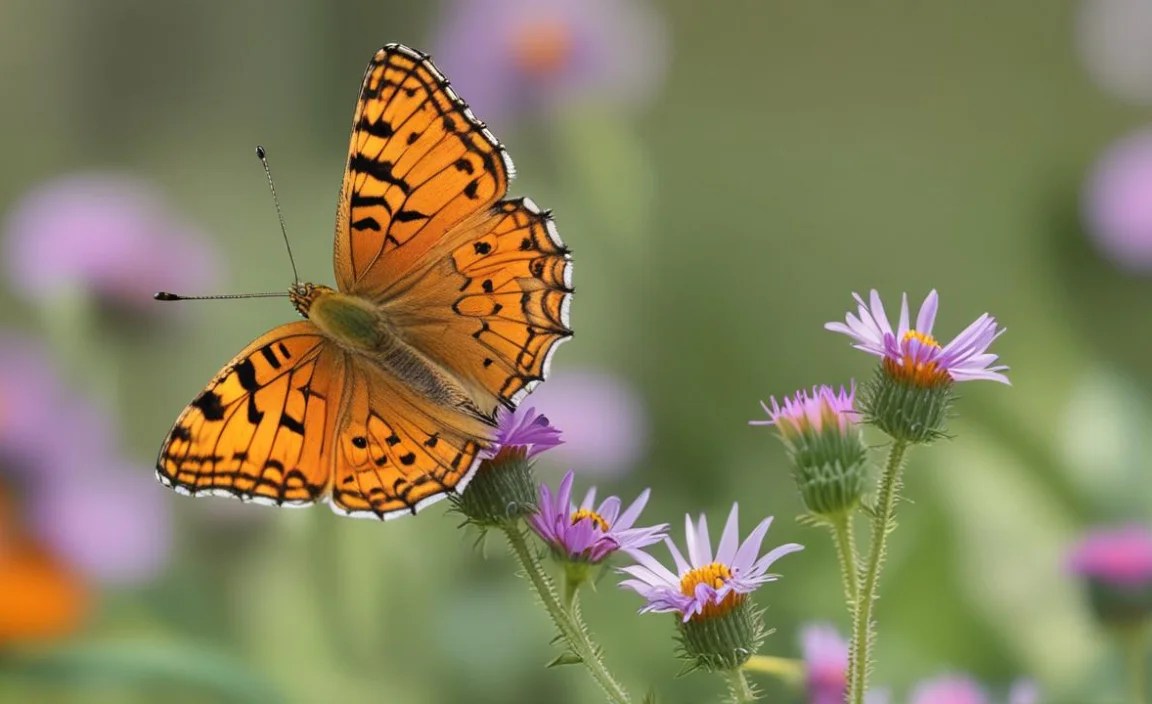
Many fritillary butterfly species are facing threats due to habitat loss, climate change, and pesticide use. Conservation efforts are crucial to protect these beautiful insects and their habitats. Organizations like Butterfly Conservation Europe are working to monitor populations, restore habitats, and raise awareness about the importance of butterfly conservation. You can learn more about butterfly conservation at Butterfly Conservation.
How to Contribute to Fritillary Conservation

Here are some ways you can help protect fritillary butterflies:
- Support Conservation Organizations: Donate to or volunteer with organizations that are working to conserve butterflies and their habitats.
- Create Butterfly-Friendly Habitats: Plant native wildflowers and avoid using pesticides in your garden.
- Report Sightings: Participate in citizen science projects by reporting butterfly sightings to local conservation groups.
- Raise Awareness: Educate others about the importance of butterfly conservation and the threats they face.
Photographing Fritillary Butterflies

Capturing stunning photos of fritillary butterflies can be a rewarding experience. Here are some tips to help you get the best shots:
- Use a Macro Lens: A macro lens will allow you to capture close-up details of the butterfly’s wings and body.
- Shoot in Natural Light: Natural light is best for capturing the true colors and textures of the butterfly.
- Be Patient: Butterflies can be skittish, so be patient and wait for the perfect moment.
- Focus Carefully: Ensure that your focus is sharp on the butterfly’s eyes or wings.
- Respect Their Space: Avoid disturbing the butterfly or its habitat while taking photos.
Resources for Further Learning
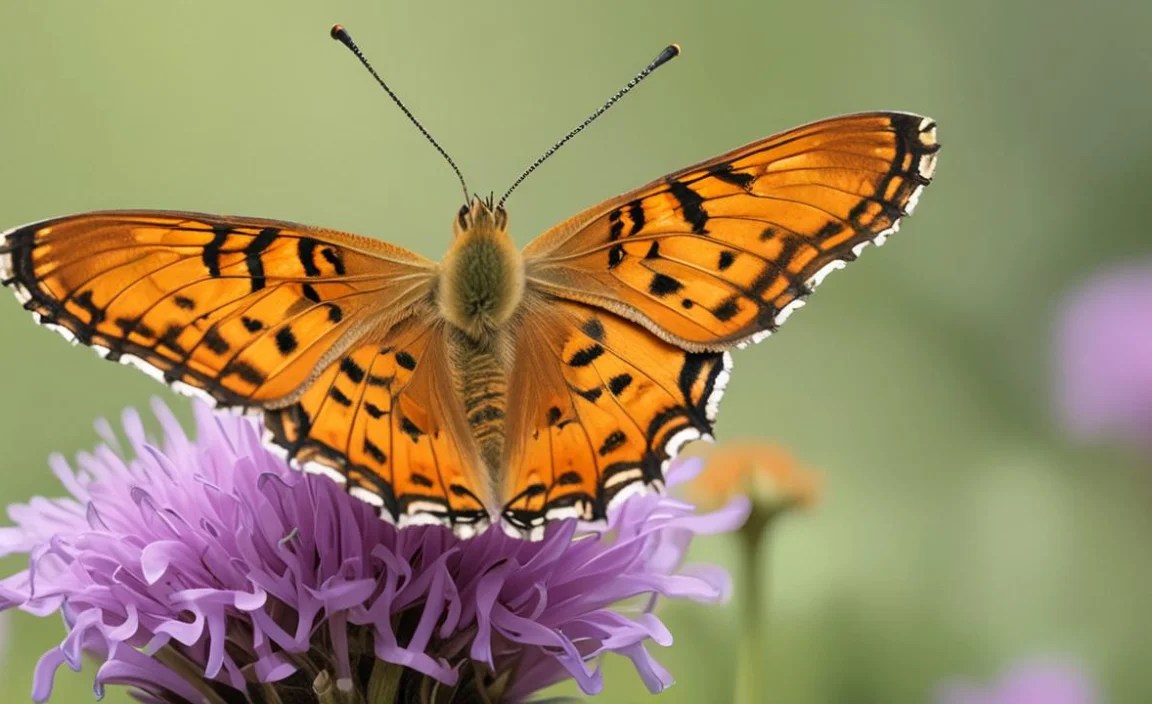
To deepen your knowledge of European fritillary butterflies, consider exploring these resources:
- Books: Field guides to European butterflies are invaluable for identification.
- Websites: Websites like Butterfly Conservation Europe and local butterfly organizations offer a wealth of information.
- Museums: Natural history museums often have butterfly collections and exhibits.
- Local Experts: Join a local butterfly watching group or connect with experienced naturalists in your area.
FAQ About European Fritillary Butterflies
Here are some frequently asked questions about European fritillary butterflies:
What is a fritillary butterfly?
A fritillary butterfly is any butterfly from the family Nymphalidae, known for their orange or brown wings with black checkered patterns. They are commonly found in meadows, woodlands, and grasslands.
How can I identify a fritillary butterfly?
Look for the characteristic orange or brown wings with black spots and lines. Key features include wing patterns, size, habitat, and underside markings. Field guides and online resources can also help.
What do fritillary caterpillars eat?
Fritillary caterpillars primarily feed on violets (Viola species). Some species may also feed on other plants, such as cranberry for the Cranberry Fritillary.
Where can I find fritillary butterflies in Europe?
Fritillary butterflies can be found throughout Europe in a variety of habitats, including meadows, woodlands, grasslands, and bogs. Specific locations depend on the species.
Are fritillary butterflies endangered?
Some fritillary species are facing threats due to habitat loss, climate change, and pesticide use. Conservation efforts are underway to protect these butterflies and their habitats. The High Brown Fritillary is of particular conservation concern.
How can I attract fritillary butterflies to my garden?
Plant host plants like violets, provide nectar sources like knapweed and thistles, avoid pesticides, create a sunny spot, and offer a shallow water source with pebbles.
What is the largest fritillary butterfly in Europe?
The Silver-washed Fritillary (Argynnis paphia) is one of the largest European fritillaries, with a wingspan of 60-75mm.
Conclusion
Exploring the world of European fritillary butterflies is a journey filled with beauty and discovery. From the common Meadow Fritillary to the rarer Cranberry Fritillary, each species has its own unique charm and ecological role. By learning to identify these butterflies, creating butterfly-friendly habitats, and supporting conservation efforts, we can help ensure that these enchanting creatures continue to grace our meadows and woodlands for generations to come. So, grab your field guide, head out into nature, and prepare to be amazed by the captivating world of fritillary butterflies!


