
European Butterflies vs Local Insects: Find the Difference

European butterflies and local insects, while both insects, have key differences. Butterflies are known for their colorful wings and nectar-based diet. They undergo complete metamorphosis (egg, larva, pupa, adult). Many local insects include beetles, flies, and bees, which have diverse diets and life cycles. Understanding these differences helps appreciate the variety in our ecosystem.
Have you ever wondered how to tell a European butterfly apart from other insects buzzing around your garden? It’s a question many nature lovers ask. With so many different kinds of insects, it can be tricky to spot the unique features of these beautiful butterflies. Don’t worry, I’m here to guide you. We’ll explore the key differences, from their vibrant wings to their fascinating life cycles. Get ready to become a butterfly expert!
Understanding Butterflies
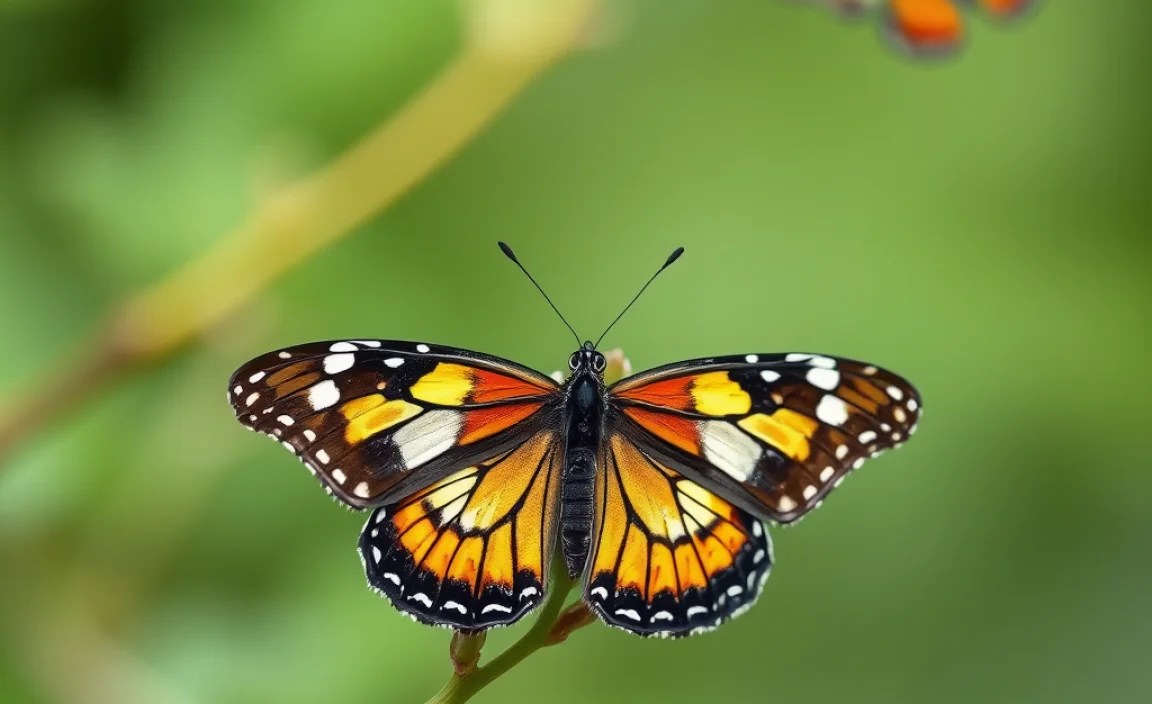
Butterflies are insects in the order Lepidoptera. They are famous for their bright wings and gentle flight. But what else makes them special?
Key Characteristics of Butterflies
- Wings: Butterflies have two pairs of large, colorful wings covered in tiny scales. These scales create the patterns and colors we admire.
- Antennae: They have club-shaped antennae. This is a key feature that helps distinguish them from moths, which have feathery or comb-like antennae.
- Body: Butterflies have a slender body divided into three parts: head, thorax, and abdomen.
- Life Cycle: They undergo complete metamorphosis, which includes four stages: egg, larva (caterpillar), pupa (chrysalis), and adult.
European Butterfly Species
Europe is home to a diverse range of butterfly species. Here are some of the most common and well-known ones:
- Peacock Butterfly (Aglais io): Known for its distinctive eyespots on its wings.
- Small Tortoiseshell (Aglais urticae): A common sight in gardens, with bright orange and black patterns.
- Red Admiral (Vanessa atalanta): A migratory butterfly with striking red bands on its dark wings.
- Common Blue (Polyommatus icarus): A small, delicate butterfly with blue wings in males and brownish wings with blue scales in females.
- Brimstone (Gonepteryx rhamni): A bright yellow butterfly, often one of the first to be seen in spring.
Exploring Local Insects
“Local insects” refers to the wide variety of insects that are native to a specific region. Unlike butterflies, this group includes many different orders, each with its own characteristics and behaviors.
Common Types of Local Insects
- Beetles (Order Coleoptera): The largest order of insects, characterized by their hard, protective wing cases (elytra).
- Flies (Order Diptera): Known for having only one pair of wings, with the second pair reduced to small balancing organs called halteres.
- Bees, Wasps, and Ants (Order Hymenoptera): Often social insects with complex behaviors, known for their role in pollination and pest control.
- Grasshoppers, Crickets, and Katydids (Order Orthoptera): Recognized by their jumping legs and ability to produce sounds.
- True Bugs (Order Hemiptera): Characterized by their piercing-sucking mouthparts, used to feed on plant sap or animal blood.
Characteristics of Local Insects
Local insects display a vast range of traits. Here are some general features that distinguish them from butterflies:
- Diversity: Local insects are incredibly diverse, with variations in size, shape, color, and behavior.
- Life Cycles: Many local insects undergo complete metamorphosis, similar to butterflies. Others undergo incomplete metamorphosis, with nymphs that resemble smaller versions of the adults.
- Diet: Their diets vary widely, including herbivores, carnivores, detritivores, and omnivores.
- Habitat: They occupy diverse habitats, from soil and leaf litter to plants, water, and even inside other animals.
Key Differences: European Butterflies vs. Local Insects

To clearly distinguish between European butterflies and local insects, let’s look at a detailed comparison across several key characteristics.
Physical Appearance
The most obvious difference is appearance. Butterflies are known for their colorful wings. Local insects, on the other hand, show a much wider variety of shapes and colors.
| Feature | European Butterflies | Local Insects |
|---|---|---|
| Wings | Large, colorful, covered in scales | Highly variable; may be transparent, dull, or brightly colored; some have wing covers (beetles) |
| Antennae | Club-shaped | Diverse; can be thread-like, feathery, elbowed, or clubbed |
| Body Shape | Slender, distinct head, thorax, and abdomen | Highly variable; can be elongated, compact, or flattened |
| Legs | Six legs, typically long and thin | Six legs; may be adapted for walking, jumping, swimming, or grasping |
| Mouthparts | Siphoning proboscis for nectar feeding | Diverse; may be chewing, piercing-sucking, or sponging |
Life Cycle and Development
Both butterflies and many local insects undergo metamorphosis, but there are differences in their specific developmental stages.
| Feature | European Butterflies | Local Insects |
|---|---|---|
| Metamorphosis | Complete (egg, larva, pupa, adult) | Can be complete or incomplete (egg, nymph, adult) |
| Larva (Caterpillar) | Cylindrical body; feeds on plant leaves | Highly variable; can be worm-like, grub-like, or nymph-like; feeds on diverse materials |
| Pupa (Chrysalis) | Enclosed in a protective shell or chrysalis | May be enclosed in a pupal case or remain exposed |
| Adult Stage | Focus on reproduction and nectar feeding | Diverse; can be focused on reproduction, feeding, or dispersal |
Habitat and Diet
Butterflies and local insects also differ in their habitat preferences and food sources.
| Feature | European Butterflies | Local Insects |
|---|---|---|
| Habitat | Gardens, meadows, woodlands, and other areas with flowering plants | Highly variable; found in virtually all terrestrial and aquatic habitats |
| Diet (Larva) | Primarily plant leaves; specific host plants often required | Diverse; can include plant leaves, wood, fungi, carrion, or other insects |
| Diet (Adult) | Nectar from flowers; some may also feed on sap or pollen | Diverse; can include plant sap, blood, nectar, other insects, or decaying matter |
Behavior and Activity
Butterflies and local insects exhibit different behaviors and activity patterns.
| Feature | European Butterflies | Local Insects |
|---|---|---|
| Activity Pattern | Primarily diurnal (active during the day) | Can be diurnal, nocturnal, or crepuscular |
| Flight Pattern | Graceful, fluttering flight | Highly variable; can be swift, direct, or erratic |
| Social Behavior | Generally solitary, except during mating or migration | Can be solitary or social (e.g., bees, ants) |
| Defense Mechanisms | Camouflage, mimicry, or bright colors to deter predators | Diverse; can include camouflage, mimicry, venom, or defensive secretions |
Specific Examples
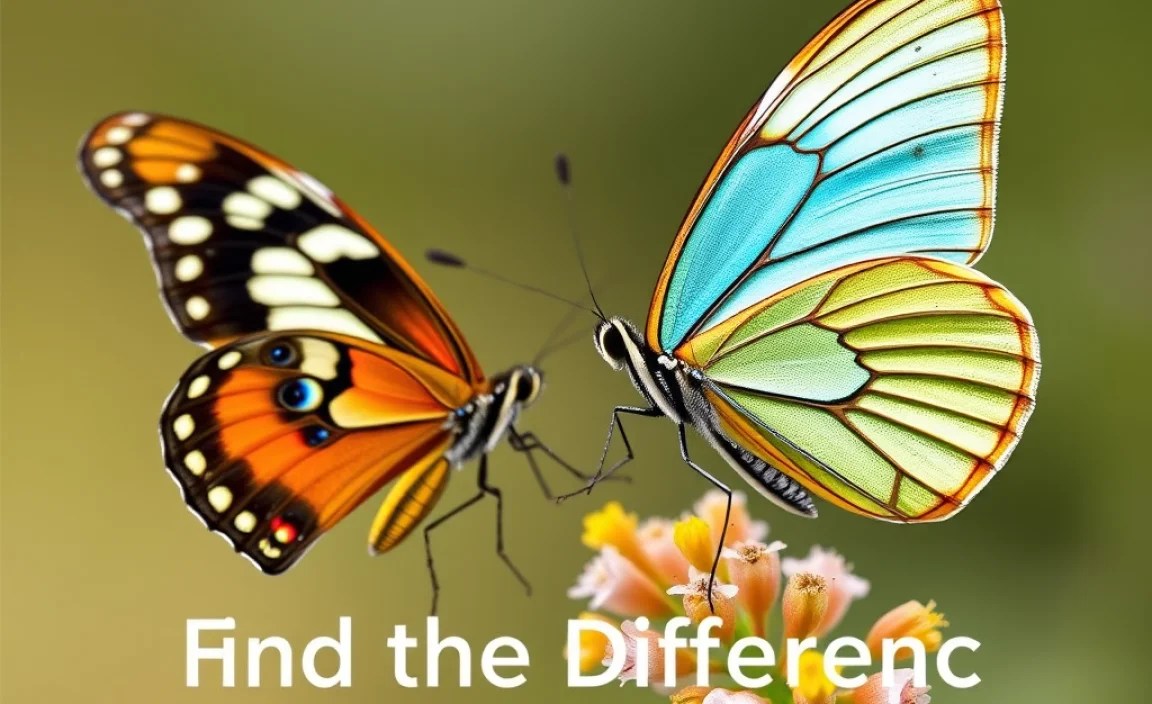
Let’s look at some examples to illustrate these differences more clearly.
Peacock Butterfly vs. Ladybug
- Peacock Butterfly: This butterfly is easily identified by its large eyespots on its wings. It feeds on nectar and is active during the day.
- Ladybug: A type of beetle, ladybugs have a rounded body and bright red or orange coloration with black spots. They feed on aphids and are important for pest control.
Small Tortoiseshell vs. Honeybee
- Small Tortoiseshell: This butterfly has orange and black wings and is commonly found in gardens. Its caterpillars feed on nettles.
- Honeybee: A social insect with a fuzzy body, honeybees collect pollen and nectar to produce honey. They play a crucial role in pollination.
Red Admiral vs. Grasshopper
- Red Admiral: This migratory butterfly has distinctive red bands on its dark wings. It feeds on nectar and is often seen in late summer.
- Grasshopper: Known for its jumping ability, grasshoppers have long hind legs and feed on plants. They can sometimes be pests in agricultural areas.
Attracting Butterflies and Supporting Local Insects

Creating a garden that supports both butterflies and local insects is a great way to promote biodiversity. Here’s how you can do it:
Planting Native Flowers
Native flowers provide nectar for butterflies and food for many local insects. Some great options include:
- Butterfly Bush (Buddleja davidii): Attracts many butterfly species.
- Lavender (Lavandula): Provides nectar for butterflies and bees.
- Coneflowers (Echinacea): Attracts butterflies and other pollinators.
- Milkweed (Asclepias): Essential for Monarch butterflies.
Providing Host Plants
Butterflies need specific host plants for their caterpillars to feed on. Some examples include:
- Nettles: Host plant for Small Tortoiseshell and Peacock butterflies.
- Cabbage family plants: Host plants for Cabbage White butterflies.
- Milkweed: Host plant for Monarch butterflies.
Creating Habitat
Provide shelter and nesting sites for local insects. This can include:
- Leaving leaf litter: Provides habitat for beetles and other insects.
- Building a bee hotel: Offers nesting sites for solitary bees.
- Providing a water source: A shallow dish of water with stones can help insects stay hydrated.
Avoiding Pesticides
Pesticides can harm both butterflies and local insects. Opt for natural pest control methods, such as:
- Handpicking pests: Removing pests manually from plants.
- Using beneficial insects: Introducing ladybugs or lacewings to control aphids.
- Applying insecticidal soap: A natural way to control soft-bodied insects.
The Importance of Biodiversity
Understanding and appreciating the differences between European butterflies and local insects is vital for maintaining biodiversity. Each species plays a role in the ecosystem, from pollination to pest control. By creating a butterfly-friendly and insect-friendly environment, you can help support a healthy and thriving ecosystem.
According to the Xerces Society, insect populations are declining worldwide due to habitat loss, pesticide use, and climate change. By taking action to protect these vital creatures, we can help ensure a sustainable future for our planet.
Did you know that butterflies are also indicators of a healthy environment? Their presence signals that the ecosystem is in good condition. So, the more butterflies you see, the better the health of your local environment!
Resources for Further Learning
Want to learn more about butterflies and local insects? Here are some helpful resources:
- The Xerces Society: Offers information on insect conservation and habitat restoration.
- National Geographic: Provides articles and videos on butterflies and other insects.
- Smithsonian Institution: Features exhibits and research on insects and their role in the ecosystem.
- Local nature centers: Offer educational programs and guided walks to learn about local flora and fauna.
Frequently Asked Questions (FAQ)
What is the main difference between butterflies and other insects?
Butterflies have large, colorful wings covered in scales and club-shaped antennae. Other insects have diverse wing structures and antennae shapes.
Do all insects go through the same life cycle?
No, some insects undergo complete metamorphosis (like butterflies), while others undergo incomplete metamorphosis.
Why are butterflies important?
Butterflies are important pollinators and indicators of a healthy environment. They also serve as a food source for birds and other animals.
How can I attract butterflies to my garden?
Plant native flowers, provide host plants for caterpillars, and avoid using pesticides.
What are some common types of local insects?
Beetles, flies, bees, grasshoppers, and true bugs are common types of local insects.
Are all insects pests?
No, many insects are beneficial. They help with pollination, pest control, and decomposition.
Where can I learn more about local insects?
Check out resources like the Xerces Society, National Geographic, and your local nature center.
Conclusion
Understanding the differences between European butterflies and local insects enriches our appreciation for the natural world. Butterflies, with their vibrant wings and unique life cycles, captivate us. Local insects, equally diverse and essential, play countless roles in our ecosystems. By recognizing their distinct features, habitats, and behaviors, we can better protect these fascinating creatures and the environments they inhabit. Let’s continue to explore, learn, and conserve, ensuring future generations can marvel at the beauty and importance of butterflies and all insects.


