
Butterfly Mutualists Endangered: Powerful Rescue Tips

Yes, many butterfly mutualisms face threats. Habitat loss, pesticide use, and climate change endanger both butterflies and the plants they depend on. This disruption of vital relationships harms entire ecosystems. Conservation efforts are crucial to protect these delicate partnerships.
Butterflies are more than just beautiful creatures flitting through our gardens. They play a vital role in our ecosystems, especially through mutualistic relationships. These partnerships, where both the butterfly and another species benefit, are essential for a healthy environment. But what happens when these relationships are threatened? Many butterfly mutualisms are indeed endangered, and understanding why is the first step in protecting them.
This article will explore the fascinating world of butterfly mutualisms, the dangers they face, and what we can do to help. We’ll cover:
- What mutualism means in the butterfly world.
- The specific threats endangering these relationships.
- Practical steps you can take to support butterfly conservation.
Let’s dive in and discover how we can make a difference!
What are Butterfly Mutualisms?
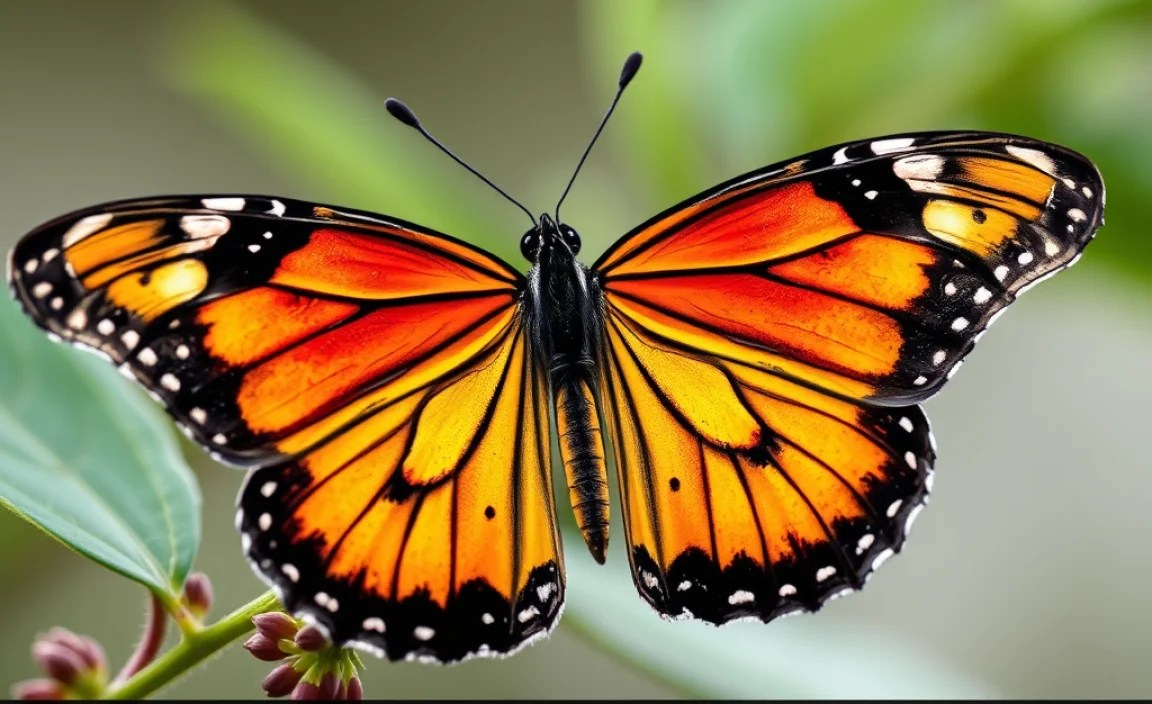
Mutualism is a type of symbiotic relationship where both organisms involved benefit. In the context of butterflies, this often involves plants, but can also include other insects or even fungi. The most well-known example is the relationship between butterflies and flowering plants.
Pollination
Butterflies visit flowers to feed on nectar, a sugary liquid that provides them with energy. As they move from flower to flower, they carry pollen on their bodies. This pollen is then transferred to other flowers, fertilizing them and enabling them to produce seeds and fruits. This is a classic example of mutualism: the butterfly gets food, and the plant gets pollinated.
Specific Examples of Butterfly Pollination
- Swallowtail butterflies and Milkweed: Swallowtails are attracted to the vibrant colors and sweet nectar of milkweed flowers. As they feed, they pollinate the milkweed, which is also the host plant for Monarch butterflies.
- Blues and Mint Family Plants: Many species of blue butterflies are drawn to the flowers of mint family plants like lavender and oregano. Their pollination contributes to the health and propagation of these plants.
- Skippers and various wildflowers: Skippers, with their unique rapid flight, are important pollinators for a wide range of wildflowers, contributing to the biodiversity of these ecosystems.
Myrmecophily: Butterfly-Ant Mutualisms
Another fascinating type of butterfly mutualism is myrmecophily, which means “ant-loving.” In this relationship, butterfly larvae (caterpillars) secrete sugary substances that ants feed on. In return, the ants protect the caterpillars from predators like wasps and parasitic flies. This is a complex and often highly specific relationship.
How Myrmecophily Works
- Caterpillar Secretions: Certain butterfly caterpillars have specialized organs that secrete sugary honeydew or amino acid-rich fluids.
- Ant Attraction: The ants are attracted to these secretions and actively seek them out.
- Protection: The ants fiercely defend the caterpillars from predators and parasites, ensuring their survival.
Examples of Myrmecophilous Butterflies
- Lycaenid Butterflies: Many species in the Lycaenidae family (including blues, coppers, and hairstreaks) engage in myrmecophily.
- Acacia Ants and Azanus jesous: The caterpillars of Azanus jesous rely on acacia ants for protection. They live on acacia trees and are constantly guarded by the ants.
- Large Blue Butterfly (Phengaris arion): This butterfly has an incredibly complex lifecycle involving both ant mutualism and parasitism. The caterpillars initially feed on specific plants, then trick ants into carrying them back to their nests, where they feed on ant larvae.
Other Less Common Mutualisms
While pollination and myrmecophily are the most well-known, butterflies also engage in other, less common mutualistic relationships. These can include interactions with fungi or even other insects.
Why are These Mutualisms Endangered?

Butterfly mutualisms are facing numerous threats, primarily driven by human activities. These threats disrupt the delicate balance of these relationships and can have cascading effects on entire ecosystems.
Habitat Loss
One of the most significant threats is habitat loss. As natural areas are converted into agricultural land, urban developments, and industrial zones, butterflies and the plants they depend on lose their homes. This loss of habitat reduces the availability of food sources, breeding sites, and shelter.
Impact on Pollination
When habitats are destroyed, the flowering plants that butterflies rely on for nectar disappear. This leads to a decline in butterfly populations, which in turn reduces pollination rates. The plants that depend on butterfly pollination may also decline, creating a negative feedback loop. According to the Xerces Society, habitat loss is the primary driver of insect decline, including butterflies.
Impact on Myrmecophily
Habitat loss also affects ant populations and the specific plants that host myrmecophilous butterfly larvae. For example, if the acacia trees that host *Azanus jesous* caterpillars are destroyed, both the caterpillars and the acacia ants that protect them will suffer.
Pesticide Use
Pesticides, especially neonicotinoids, pose a significant threat to butterflies and other pollinators. These chemicals are designed to kill insects, but they can also harm non-target species like butterflies. Pesticides can directly kill butterflies or indirectly affect them by reducing the availability of their food sources.
Direct Effects of Pesticides
Butterflies can be directly poisoned by pesticides when they come into contact with sprayed plants or consume contaminated nectar. Even low doses of pesticides can impair their navigation, feeding, and reproduction.
Indirect Effects of Pesticides
Pesticides can also kill the plants that butterflies rely on for food and the ants that protect myrmecophilous caterpillars. This reduces the availability of essential resources and disrupts the mutualistic relationships.
Climate Change
Climate change is another major threat to butterfly mutualisms. Changes in temperature and precipitation patterns can disrupt the timing of butterfly life cycles and the flowering of plants. This can lead to a mismatch between when butterflies are active and when their food sources are available.
Phenological Mismatches
Phenology is the study of the timing of biological events, such as flowering and insect emergence. Climate change can cause these events to shift, leading to phenological mismatches. For example, if plants flower earlier in the spring due to warmer temperatures, butterflies that emerge later may miss the peak nectar flow.
Range Shifts
As temperatures change, butterflies and plants may shift their ranges to find suitable habitats. However, these shifts may not occur at the same rate or in the same direction, leading to a breakdown in mutualistic relationships. Some species may not be able to adapt quickly enough to survive.
Invasive Species
Invasive species can outcompete native plants and disrupt ecosystems, impacting butterfly mutualisms. Invasive plants may not provide the same quality or quantity of nectar as native plants, and they can alter habitat structure, making it less suitable for butterflies and their mutualistic partners.
Examples of Invasive Species Impacts
- Garlic Mustard: This invasive plant can outcompete native wildflowers, reducing the availability of nectar for butterflies.
- Purple Loosestrife: This invasive wetland plant can displace native plants and alter wetland habitats, impacting butterfly populations.
Habitat Fragmentation
Even if habitat is not completely lost, it can be fragmented into smaller, isolated patches. This fragmentation can make it difficult for butterflies to move between habitats, reducing gene flow and increasing the risk of local extinctions. It can also disrupt mutualistic relationships by isolating butterflies from their host plants or ant partners.
Examples of Endangered Butterfly Mutualisms
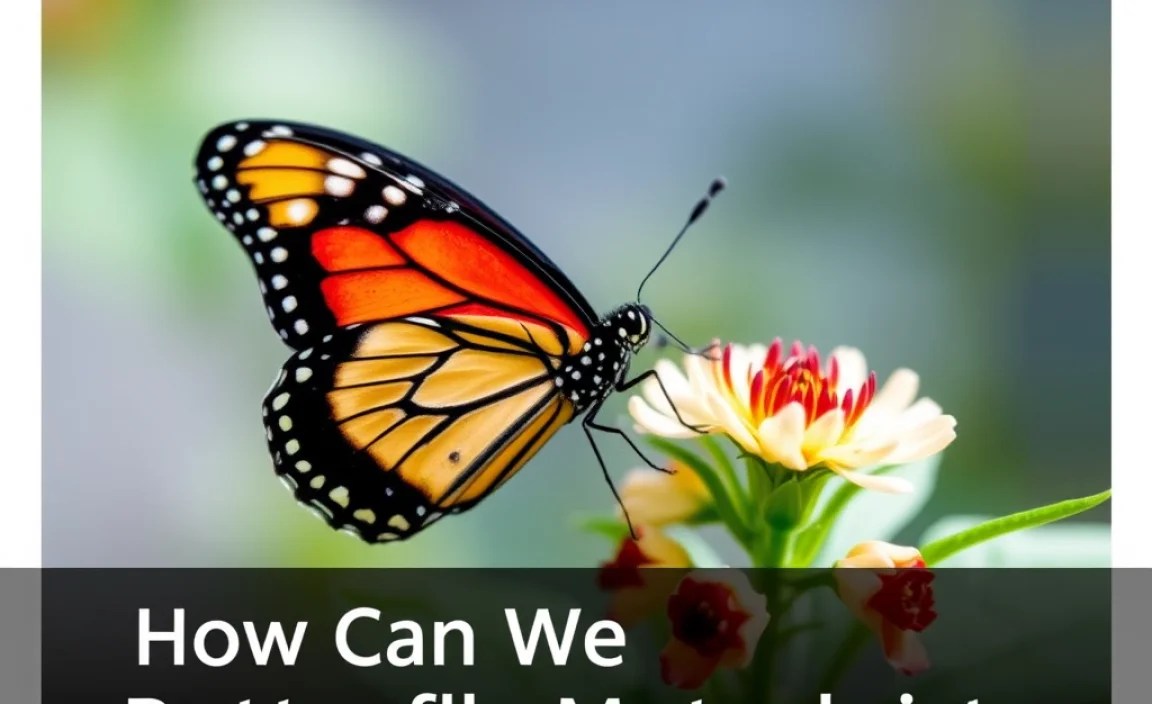
Several butterfly mutualisms are particularly threatened. Here are a few examples:
Monarch Butterflies and Milkweed
The iconic Monarch butterfly relies exclusively on milkweed plants as a food source for its larvae. Milkweed populations have declined due to habitat loss, herbicide use, and development. This decline has had a devastating impact on Monarch butterfly populations, which have plummeted in recent years. According to the U.S. Fish & Wildlife Service, Monarch butterfly populations have declined by as much as 90% in the past two decades.
| Threat | Impact on Monarch-Milkweed Mutualism |
|---|---|
| Habitat Loss | Reduces milkweed availability, limiting Monarch breeding sites. |
| Herbicide Use | Directly kills milkweed plants in agricultural areas. |
| Climate Change | Disrupts the timing of milkweed emergence and Monarch migration. |
Karner Blue Butterfly and Wild Lupine
The Karner Blue butterfly is a federally endangered species that depends on wild lupine plants as a food source for its larvae. Habitat loss and fire suppression have reduced wild lupine populations, threatening the survival of the Karner Blue. The U.S. Fish & Wildlife Service has implemented recovery plans that include habitat restoration and prescribed burns to promote wild lupine growth.
Miami Blue Butterfly and Host Plants
The Miami Blue butterfly is one of the rarest butterflies in the world, found only in a few locations in South Florida. It relies on specific host plants, including nickerbean and gray nickerbean, for its larvae. Habitat loss and pesticide use have pushed this butterfly to the brink of extinction. Conservation efforts include habitat restoration and captive breeding programs.
Large Blue Butterfly and Ants
As mentioned earlier, the Large Blue butterfly has a complex lifecycle involving ant mutualism. The caterpillars initially feed on specific plants, then trick ants into carrying them back to their nests, where they feed on ant larvae. Changes in land management practices have reduced the availability of both the host plants and the specific ant species that the Large Blue relies on, leading to its decline in many areas.
How Can We Protect Butterfly Mutualisms?
Protecting butterfly mutualisms requires a multifaceted approach that addresses the various threats they face. Here are some actions we can take:
Habitat Conservation and Restoration
One of the most effective ways to protect butterfly mutualisms is to conserve and restore habitats. This can involve protecting existing natural areas, creating new habitats, and restoring degraded habitats.
Creating Butterfly Gardens
You can create a butterfly garden in your own backyard by planting native flowering plants that provide nectar for butterflies and host plants for their larvae. Choose plants that are appropriate for your local climate and soil conditions. Avoid using pesticides, as they can harm butterflies and other beneficial insects.
Supporting Local Conservation Organizations
Support local conservation organizations that are working to protect and restore butterfly habitats. These organizations often conduct habitat restoration projects, advocate for conservation policies, and educate the public about the importance of butterfly conservation.
You can find a local conservation organization through groups such as The Nature Conservancy or The Xerces Society.
Reducing Pesticide Use
Reducing pesticide use is crucial for protecting butterflies and other pollinators. This can involve using alternative pest control methods, such as biological control and integrated pest management, and advocating for policies that restrict the use of harmful pesticides.
Using Organic Gardening Practices
Use organic gardening practices in your own garden to avoid harming butterflies and other beneficial insects. This can involve using natural fertilizers, hand-picking pests, and using insecticidal soap or horticultural oil when necessary.
Supporting Sustainable Agriculture
Support sustainable agriculture practices that minimize pesticide use and protect biodiversity. This can involve buying organic produce, supporting local farmers who use sustainable practices, and advocating for policies that promote sustainable agriculture.
Addressing Climate Change
Addressing climate change is essential for protecting butterfly mutualisms in the long term. This can involve reducing greenhouse gas emissions, conserving energy, and advocating for policies that promote climate action.
Reducing Your Carbon Footprint
Reduce your carbon footprint by making sustainable choices in your daily life. This can involve using public transportation, biking or walking instead of driving, conserving energy at home, and eating a plant-based diet.
Supporting Climate Action Policies
Support policies that promote climate action, such as carbon pricing, renewable energy standards, and energy efficiency programs. Advocate for these policies with your elected officials and support organizations that are working to address climate change.
Controlling Invasive Species
Controlling invasive species is important for protecting native plants and habitats. This can involve removing invasive plants, preventing the spread of invasive species, and supporting research on invasive species control.
Removing Invasive Plants
Remove invasive plants from your property and surrounding areas. Be sure to properly identify the invasive species and use appropriate removal methods. Contact your local extension office or conservation organization for guidance.
Preventing the Spread of Invasive Species
Prevent the spread of invasive species by cleaning your shoes and gear after hiking or working in natural areas. Avoid planting invasive species in your garden and report any new infestations to your local authorities.
Supporting Research and Monitoring
Supporting research and monitoring is essential for understanding butterfly populations and the threats they face. This can involve participating in citizen science projects, donating to research organizations, and advocating for increased funding for butterfly research.
Participating in Citizen Science Projects
Participate in citizen science projects that monitor butterfly populations and habitats. These projects provide valuable data for researchers and conservation managers. Examples include the North American Butterfly Association (NABA) butterfly counts and the Monarch Watch program.
Donating to Research Organizations
Donate to research organizations that are studying butterflies and their mutualistic relationships. These organizations often conduct research on butterfly ecology, conservation, and the impacts of climate change and other threats.
FAQ: Butterfly Mutualisms
What is mutualism?
Mutualism is when two different living things work together and both get something good out of it. Think of it like a win-win situation in nature!
Why are butterfly mutualisms important?
These partnerships help keep ecosystems healthy. Butterflies help plants make seeds, and other insects like ants protect butterfly babies. It’s all connected!
What threatens butterfly mutualisms?
Things like losing natural spaces, using bug-killing sprays, and changes in the weather can hurt these relationships. When one partner suffers, the other does too.
How does habitat loss affect butterflies?
When forests and fields disappear, butterflies lose their homes and food. This makes it hard for them to survive and help plants.
What can I do to help butterflies?
You can plant flowers that butterflies love, avoid using harmful sprays in your garden, and support groups that protect nature. Every little bit helps!
What are host plants?
These are special plants that butterfly caterpillars need to eat to grow. Monarch caterpillars, for example, only eat milkweed.
What is a butterfly garden?
A butterfly garden is a garden specifically designed to attract butterflies. It includes nectar-rich flowers for adult butterflies and host plants for caterpillars. It’s a great way to support these beautiful creatures!
Conclusion
Butterfly mutualisms are vital for healthy ecosystems, but they are facing unprecedented threats. Habitat loss, pesticide use, climate change, and invasive species are all taking a toll on these delicate relationships. By understanding these threats and taking action to address them, we can help protect butterflies and the many other species that depend on them.
Whether it’s planting a butterfly garden, reducing pesticide use, supporting climate action, or participating in citizen science projects, every effort makes a difference. Let’s work together to ensure that future generations can enjoy the beauty and ecological benefits of butterfly mutualisms. As passionate nature lovers, it is our responsibility to advocate for these amazing creatures and their unique relationships within the natural world. By working together, we can create a world where butterflies thrive and continue to play their vital role in our ecosystems.


