Butterfly Thermoregulation Endangered: The Powerful Secret

Butterfly thermoregulation is how butterflies control their body temperature. Because they’re cold-blooded, butterflies rely on external sources like the sun to warm up and behaviors like wing positioning to cool down. Climate change and habitat loss threaten butterflies’ ability to thermoregulate, endangering many species. Protecting their habitats and reducing climate impact are crucial for their survival.
Have you ever wondered how butterflies manage to fly on cool mornings or scorching afternoons? These delicate creatures don’t have the luxury of internal thermostats like we do. As a lifelong butterfly enthusiast, I’ve always been fascinated by their ingenious strategies for regulating body temperature. It’s a crucial skill, but sadly, it’s becoming increasingly challenging for many species due to habitat loss and climate change.
It can be frustrating to see these beautiful insects struggle, but the good news is that understanding how butterflies thermoregulate and the threats they face empowers us to take action. I’ll walk you through the fascinating world of butterfly thermoregulation, explore why it’s essential for their survival, and discuss the dangers posed by environmental changes. Plus, I’ll share practical ways you can help protect these vital pollinators.
Frequently Asked Questions (FAQs)
Let’s tackle some common questions about butterfly thermoregulation and the challenges they face:
1. What does “thermoregulation” mean?
Thermoregulation is simply the ability of an organism to maintain its body temperature within a certain range, even when the surrounding temperature changes. For butterflies, this is essential for flight, feeding, and reproduction.
2. Are butterflies warm-blooded or cold-blooded?
Butterflies are cold-blooded, also known as ectothermic. This means they rely on external sources of heat to raise their body temperature. They can’t generate their own heat internally like mammals do.
3. How do butterflies warm up?
Butterflies primarily warm up by basking in the sun. They’ll often spread their wings wide to absorb as much solar radiation as possible. Some species also shiver their flight muscles to generate a small amount of heat.
4. How do butterflies cool down?
Butterflies cool down by seeking shade, orienting their bodies away from the sun, or fluttering their wings to increase air circulation. They might also perch on cooler surfaces like damp soil or vegetation.
5. Why is thermoregulation important for butterflies?
Butterflies need a certain body temperature to be active. If they’re too cold, they can’t fly, feed, or mate. If they’re too hot, they risk overheating and dehydration. Thermoregulation allows them to function optimally.
6. How does climate change affect butterfly thermoregulation?
Climate change is altering temperature patterns and increasing the frequency of extreme weather events. This makes it harder for butterflies to find suitable microclimates for thermoregulation, putting them at risk.
7. What can I do to help butterflies cope with climate change?
You can help by creating butterfly-friendly habitats with plenty of nectar plants and shelter, reducing your carbon footprint, and supporting conservation organizations that work to protect butterflies and their habitats.
Understanding Butterfly Thermoregulation
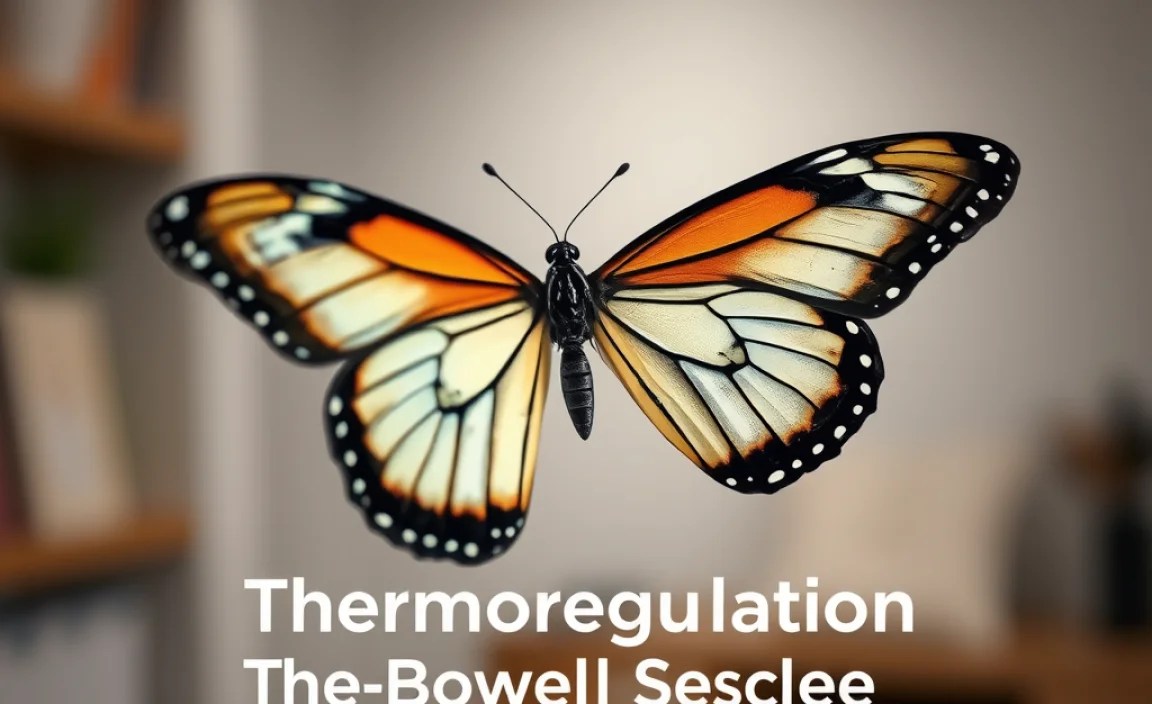
Let’s dive deeper into the fascinating science behind how butterflies manage their body temperature.
What is Thermoregulation?
As we discussed, thermoregulation is the process by which an organism maintains a stable internal temperature, regardless of external conditions. For butterflies, this is a constant balancing act. They need to be warm enough to fly and function, but not so hot that they overheat. Think of it like Goldilocks trying to find the perfect temperature – not too hot, not too cold, but just right!
Ectothermy: The Butterfly Way
Butterflies are ectothermic, meaning their body temperature is primarily determined by their environment. This is a key difference from endothermic animals like mammals and birds, who generate their own body heat. Because butterflies rely on external heat sources, they are highly sensitive to changes in temperature.
The Ideal Butterfly Temperature
The ideal body temperature for most butterflies is around 82-100°F (28-38°C). Within this range, they can fly efficiently, forage for nectar, and reproduce successfully. When their body temperature drops below this range, their muscles become sluggish, and they struggle to take flight. Above this range, they risk overheating and dehydration.
How Butterflies Regulate Their Temperature: A Step-by-Step Guide
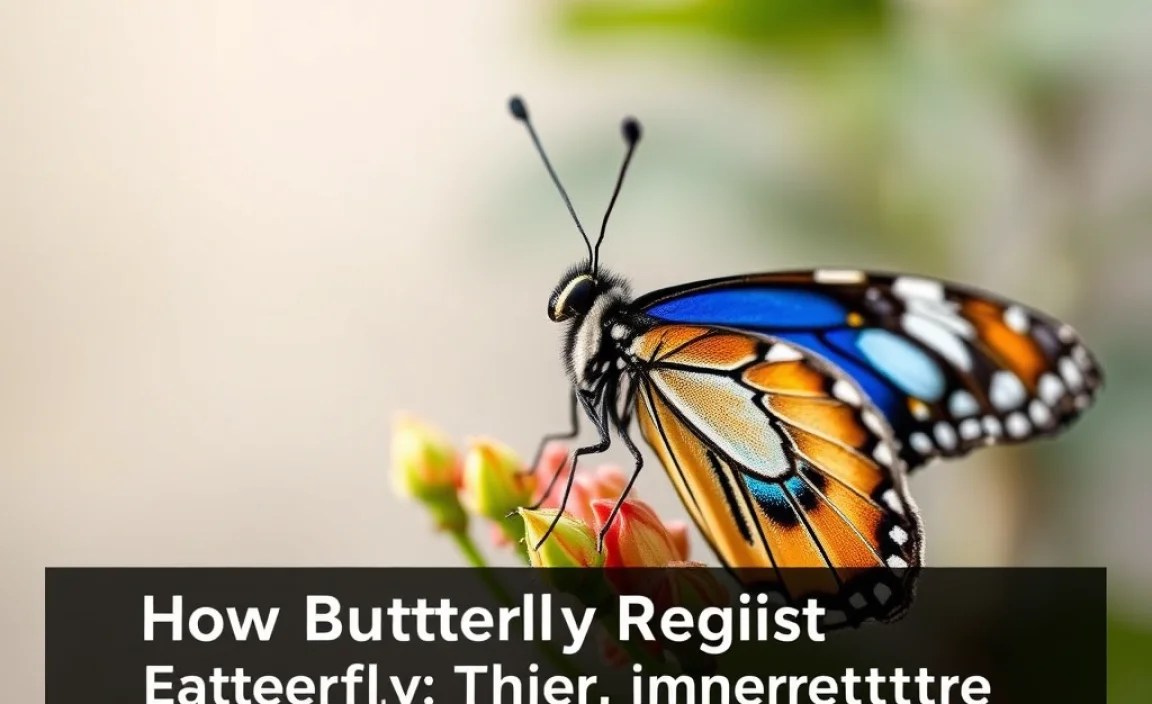
Butterflies use a variety of behavioral and physical adaptations to regulate their temperature. Let’s explore some of their clever strategies:
1. Basking in the Sun: Soaking Up the Rays
Basking is the most common way for butterflies to warm up. They’ll typically perch in a sunny spot, spreading their wings wide to maximize their exposure to solar radiation. Some species will even angle their wings to catch the sun’s rays more effectively. It’s like they’re using their wings as solar panels!
- Wing Posture: Butterflies often adjust their wing posture to optimize heat absorption. They might hold their wings flat against their body to minimize exposure or spread them open to maximize it.
- Dark Pigmentation: Darker colored butterflies absorb heat more quickly than lighter colored ones. This is why you often see dark butterflies basking in the sun on cool mornings.
2. Shivering: A Little Butterfly Exercise
Some butterflies can generate a small amount of heat by shivering their flight muscles. This is similar to how we shiver when we’re cold, but butterflies do it internally. It’s not as effective as basking, but it can help them warm up on cloudy days or in cooler temperatures.
3. Seeking Shade: Escaping the Heat
When butterflies get too hot, they’ll seek shade to cool down. They might perch under leaves, in bushes, or in other sheltered areas. This helps them avoid direct sunlight and reduce their body temperature.
- Wing Position: Butterflies often hold their wings vertically above their bodies to minimize the amount of surface area exposed to the sun.
- Evaporative Cooling: Some butterflies can also cool down by evaporating moisture from their bodies, similar to how humans sweat.
4. Orienting to the Sun: Finding the Perfect Angle
Butterflies can also regulate their temperature by orienting their bodies in relation to the sun. They might turn their bodies towards the sun to warm up or away from it to cool down. It’s like they’re using their bodies as tiny thermometers.
5. Microclimate Selection: Choosing the Right Spot
Butterflies are very selective about where they perch. They’ll often choose spots that offer the ideal combination of sunlight, shade, and wind protection. This is known as microclimate selection, and it’s a crucial part of their thermoregulation strategy.
The Threat to Butterfly Thermoregulation: Endangered Species

Unfortunately, many butterfly species are facing increasing challenges due to habitat loss, climate change, and other environmental stressors. These threats are making it harder for them to thermoregulate effectively, putting their survival at risk.
Habitat Loss: No Place to Warm Up
Habitat loss is one of the biggest threats to butterflies. As forests, meadows, and wetlands are converted into farmland, urban areas, and industrial sites, butterflies lose the places they need to bask, find shelter, and lay their eggs. Without suitable habitats, they struggle to thermoregulate and survive.
- Fragmentation: Habitat fragmentation, where large areas of habitat are broken up into smaller, isolated patches, also makes it harder for butterflies to move between suitable areas and find the resources they need.
- Pesticide Use: The use of pesticides in agriculture and urban areas can also harm butterflies directly or indirectly by killing their host plants.
Climate Change: Shifting Temperatures
Climate change is another major threat to butterflies. As temperatures rise and weather patterns become more erratic, butterflies struggle to adapt. They may experience more frequent heat waves, droughts, and other extreme weather events that make it difficult to thermoregulate.
- Range Shifts: Some butterfly species are shifting their ranges northward or to higher elevations in response to climate change. However, they may not be able to move quickly enough to keep up with the changing climate.
- Phenological Mismatches: Climate change can also disrupt the timing of butterfly life cycles, leading to mismatches between when butterflies emerge and when their host plants are available.
Endangered Butterfly Species: A Call to Action
Many butterfly species are now listed as threatened or endangered due to these and other factors. Here are a few examples:
| Species | Conservation Status | Threats |
|---|---|---|
| Monarch Butterfly (Danaus plexippus) | Endangered (IUCN) | Habitat loss, climate change, pesticide use |
| Karner Blue Butterfly (Lycaeides melissa samuelis) | Endangered (USFWS) | Habitat loss, fire suppression |
| Oregon Silverspot Butterfly (Speyeria zerene hippolyta) | Threatened (USFWS) | Habitat loss, invasive species |
These are just a few examples, and many other butterfly species are also at risk. We need to take action to protect these beautiful and important creatures.
How You Can Help: Protecting Butterflies and Their Habitats

The good news is that there are many things you can do to help butterflies cope with climate change and other threats. Here are a few ideas:
1. Create Butterfly-Friendly Habitats: A Butterfly Oasis
One of the best things you can do is create butterfly-friendly habitats in your own backyard or community. This means planting a variety of nectar plants that provide food for adult butterflies and host plants that provide food for their caterpillars. It’s like building a butterfly restaurant and nursery!
- Native Plants: Choose native plants whenever possible, as these are best adapted to your local climate and provide the most nutritious food for butterflies. The National Wildlife Federation’s Native Plant Finder is a great resource for finding native plants in your area.
- Shelter: Provide shelter for butterflies by planting trees, shrubs, and other vegetation. This will give them a place to escape from the sun, wind, and predators.
- Water Source: Provide a shallow dish of water with pebbles or marbles for butterflies to drink from. This will help them stay hydrated, especially during hot weather.
2. Reduce Your Carbon Footprint: Small Changes, Big Impact
Climate change is a global problem, but we can all do our part to reduce our carbon footprint. This means making small changes in our daily lives, such as driving less, using less energy, and eating more plant-based foods. Every little bit helps!
- Conserve Energy: Turn off lights when you leave a room, unplug electronics when you’re not using them, and use energy-efficient appliances.
- Reduce, Reuse, Recycle: Reduce your consumption, reuse items whenever possible, and recycle materials like paper, plastic, and glass.
- Support Sustainable Businesses: Support businesses that are committed to sustainability and reducing their environmental impact.
3. Support Conservation Organizations: Team Up for Butterflies
Many organizations are working to protect butterflies and their habitats. You can support their efforts by donating, volunteering, or simply spreading the word about their work. Working together, we can make a real difference for butterflies.
- The Xerces Society: The Xerces Society is a non-profit organization that works to protect invertebrates and their habitats. They offer a variety of resources for butterfly conservation, including habitat guides, citizen science programs, and advocacy initiatives. Visit the Xerces Society website to learn more.
- The North American Butterfly Association (NABA): NABA is a membership-based organization that promotes butterfly conservation through education, research, and advocacy. They offer butterfly garden certification programs, butterfly counts, and other citizen science opportunities.
4. Advocate for Policy Changes: Be a Voice for Butterflies
You can also advocate for policy changes that will protect butterflies and their habitats. This means contacting your elected officials and urging them to support legislation that promotes conservation, reduces pollution, and addresses climate change. Your voice matters!
- Contact Your Representatives: Write letters, send emails, or make phone calls to your elected officials to let them know that you care about butterfly conservation.
- Support Conservation Legislation: Support legislation that protects butterfly habitats, reduces pesticide use, and addresses climate change.
- Vote for Pro-Environment Candidates: Vote for candidates who are committed to protecting the environment and supporting conservation efforts.
5. Educate Others: Share the Butterfly Love
Finally, you can help butterflies by educating others about their importance and the threats they face. Share your love of butterflies with your friends, family, and community. The more people who care about butterflies, the more likely we are to protect them.
- Share Information: Share information about butterfly conservation on social media, in your community, and with your friends and family.
- Lead Butterfly Walks: Organize butterfly walks in your local area to introduce people to the beauty and diversity of butterflies.
- Give Presentations: Give presentations about butterfly conservation to schools, community groups, and other organizations.
Conclusion: A Future for Butterflies
Butterfly thermoregulation is a fascinating and essential process that allows these delicate creatures to thrive. However, habitat loss and climate change are making it increasingly difficult for butterflies to regulate their temperature, putting many species at risk. By understanding the challenges they face and taking action to protect their habitats, reduce our carbon footprint, and support conservation efforts, we can help ensure a future where butterflies continue to flutter and delight us for generations to come. Let’s all do our part to create a world where butterflies can thrive!