
Buffer Zones for Butterflies: A Powerful Guide

Creating buffer zones for butterflies means establishing pesticide-free areas around butterfly habitats to protect them from harmful chemicals. These zones provide safe spaces for butterflies to feed, breed, and thrive, ensuring their populations are not negatively impacted by pesticides used in nearby areas. By implementing these simple buffer zones, you can actively contribute to butterfly conservation.
Butterflies are beautiful and essential pollinators. Unfortunately, their populations are declining due to habitat loss and pesticide use. Many gardeners and nature enthusiasts want to help butterflies thrive but aren’t sure how to protect them from harmful chemicals used in neighboring areas. Don’t worry! Creating buffer zones is a simple and effective way to safeguard these delicate creatures. In this guide, I’ll walk you through the steps to establish buffer zones and create a safe haven for butterflies in your backyard or community.
What are Buffer Zones for Butterflies?
Buffer zones are designated areas around butterfly habitats designed to minimize the impact of pesticides and other harmful substances. Think of them as protective barriers that shield butterflies and their food sources from potential harm. These zones are crucial for maintaining healthy butterfly populations, especially in areas where pesticides are commonly used.
Why are Buffer Zones Important?
Buffer zones play a vital role in butterfly conservation for several reasons:
- Protection from Pesticides: Pesticides can be lethal to butterflies, directly killing them or harming their caterpillars. Buffer zones reduce the risk of exposure.
- Habitat Preservation: These zones help maintain the quality of butterfly habitats by preventing contamination of food sources and breeding grounds.
- Supporting Biodiversity: By protecting butterflies, buffer zones also support other beneficial insects and wildlife that depend on a healthy ecosystem.
- Promoting Pollination: Butterflies are essential pollinators. Protecting them ensures the continuation of this vital ecological process.
Creating Effective Buffer Zones: A Step-by-Step Guide
Creating buffer zones doesn’t have to be complicated. Here’s how to get started:
Step 1: Assess Your Area
Before creating a buffer zone, assess your property and surrounding areas. Consider the following:
- Identify Potential Pesticide Sources: Determine if neighboring properties, agricultural fields, or public areas use pesticides.
- Map Butterfly Habitats: Locate areas where butterflies frequently visit, such as gardens, meadows, or wooded areas.
- Evaluate Existing Vegetation: Note the types of plants present, especially those that serve as food sources for butterflies (host plants) and nectar sources for adults.
Step 2: Design Your Buffer Zone
The size and composition of your buffer zone will depend on the specific conditions of your area. Here are some general guidelines:
- Determine the Width: A buffer zone of at least 25-50 feet is generally recommended to provide adequate protection. Increase the width if pesticide use is heavy or if the area is prone to drift.
- Choose the Right Vegetation: Select plants that are native to your region and beneficial to butterflies. Include a mix of host plants for caterpillars and nectar-rich plants for adult butterflies.
- Consider Natural Barriers: Utilize natural features such as trees, shrubs, and hedgerows to create a physical barrier against pesticide drift.
Step 3: Plant Native Vegetation
Planting native vegetation is crucial for creating a thriving buffer zone. Here’s how to do it:
- Select Native Plants: Research native plants that are known to attract butterflies in your area. Local nurseries and native plant societies can provide valuable information.
- Prepare the Soil: Ensure the soil is well-drained and amended with organic matter. Remove any weeds or invasive plants.
- Plant Carefully: Follow the recommended spacing and planting instructions for each species. Water thoroughly after planting.
Step 4: Maintain Your Buffer Zone
Regular maintenance is essential for keeping your buffer zone healthy and effective:
- Weed Regularly: Remove weeds that compete with your butterfly-friendly plants. Avoid using herbicides within the buffer zone.
- Water as Needed: Provide supplemental water during dry periods, especially for newly planted vegetation.
- Prune and Mulch: Prune plants to encourage healthy growth and flowering. Apply a layer of mulch to retain moisture and suppress weeds.
Step 5: Communicate with Neighbors
Open communication with your neighbors can significantly enhance the effectiveness of your buffer zone:
- Inform Your Neighbors: Explain the purpose of your buffer zone and the importance of protecting butterflies.
- Encourage Collaboration: Invite your neighbors to join your efforts by creating their own buffer zones or adopting pesticide-free practices.
- Share Resources: Provide information on butterfly-friendly plants, organic gardening techniques, and alternative pest control methods.
Choosing the Right Plants for Your Buffer Zone
Selecting the right plants is crucial for attracting butterflies and providing them with the resources they need to thrive. Here are some popular choices for both host plants and nectar plants:
Host Plants
Host plants are essential for butterfly reproduction, as they provide food for caterpillars. Some popular host plants include:
- Milkweed (Asclepias spp.): The primary host plant for Monarch butterflies.
- Spicebush (Lindera benzoin): Host plant for Spicebush Swallowtail butterflies.
- Black Cherry (Prunus serotina): Host plant for Eastern Tiger Swallowtail butterflies.
- Violets (Viola spp.): Host plant for Great Spangled Fritillary butterflies.
- Parsley, Dill, Fennel (Apiaceae family): Host plants for Black Swallowtail butterflies.
Nectar Plants
Nectar plants provide adult butterflies with the energy they need to fly, reproduce, and migrate. Some popular nectar plants include:
- Butterfly Bush (Buddleja davidii): A popular choice for attracting a wide variety of butterflies.
- Zinnia (Zinnia elegans): Easy to grow and provides abundant nectar.
- Lantana (Lantana camara): Produces clusters of colorful flowers that attract butterflies.
- Salvia (Salvia spp.): Offers a long blooming season and attracts hummingbirds as well.
- Asters (Symphyotrichum spp.): Late-blooming flowers that provide nectar for migrating butterflies.
Tools and Materials You’ll Need
To create and maintain your butterfly buffer zone, you’ll need a few basic tools and materials:
- Gardening Gloves: To protect your hands while working in the garden.
- Shovel and Trowel: For planting and digging.
- Watering Can or Hose: For watering plants.
- Pruning Shears: For pruning and trimming plants.
- Mulch: To retain moisture and suppress weeds.
- Native Plants: A variety of host plants and nectar plants suitable for your region.
- Soil Amendments: Compost or other organic matter to improve soil quality.
Addressing Common Challenges
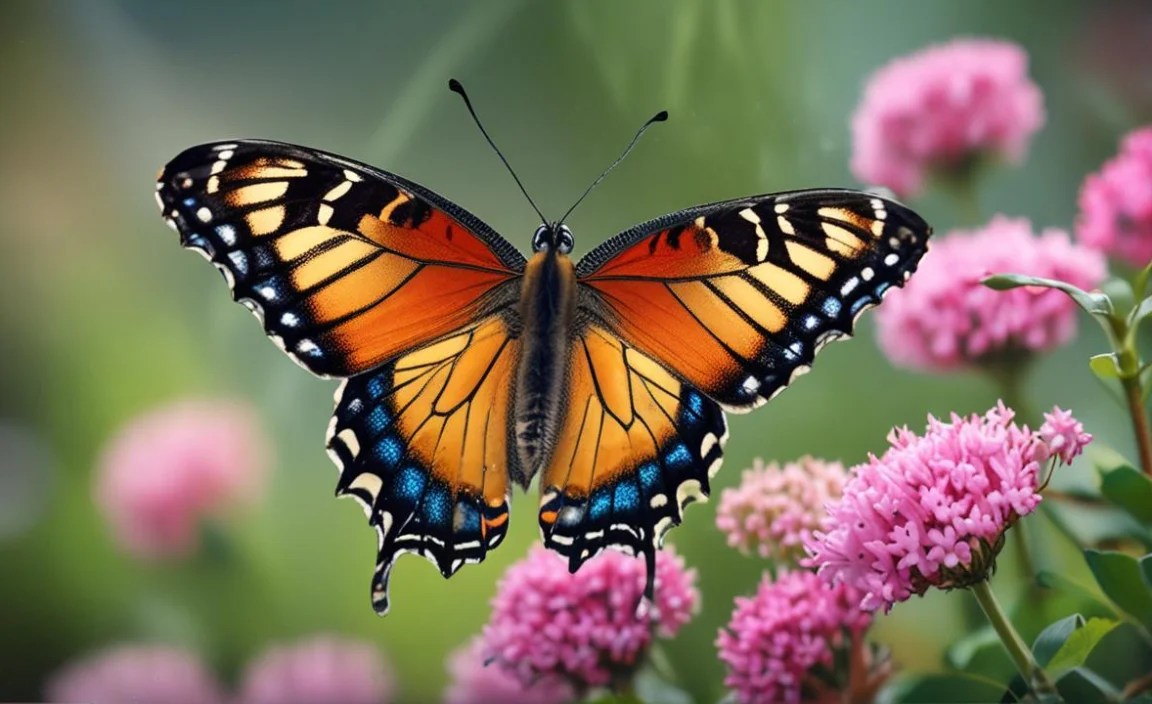
Creating buffer zones can sometimes present challenges. Here are some common issues and how to address them:
| Challenge | Solution |
|---|---|
| Pesticide Drift | Increase the width of the buffer zone, plant dense vegetation, and communicate with neighbors about pesticide use. |
| Limited Space | Utilize vertical gardening techniques, such as planting climbing vines on trellises or walls. |
| Weed Infestation | Regularly weed the buffer zone, use mulch to suppress weeds, and consider using organic herbicides. |
| Lack of Native Plants | Contact local nurseries or native plant societies to source native plants. |
| Neighbor Resistance | Educate your neighbors about the benefits of butterfly conservation and offer to help them create their own butterfly-friendly gardens. |
The Benefits of Buffer Zones: Beyond Butterfly Conservation

While the primary goal of buffer zones is to protect butterflies, these areas offer numerous additional benefits:
- Improved Soil Health: Native plants help improve soil structure and fertility.
- Enhanced Water Quality: Buffer zones can filter pollutants and reduce runoff.
- Increased Biodiversity: These areas provide habitat for a variety of beneficial insects, birds, and other wildlife.
- Aesthetic Appeal: Butterfly gardens add beauty and color to your landscape.
- Educational Opportunities: Buffer zones can serve as outdoor classrooms for learning about nature and conservation.
Inspiring Examples of Butterfly Buffer Zones
Many communities and organizations have successfully implemented butterfly buffer zones. Here are a few inspiring examples:
- Schools: Schools can create butterfly gardens as educational projects, teaching students about ecology and conservation.
- Parks and Gardens: Public parks and gardens can establish buffer zones to protect butterfly habitats and promote biodiversity.
- Farms: Farmers can create buffer zones along field edges to reduce pesticide drift and support pollinator populations.
- Residential Areas: Homeowners can create butterfly-friendly gardens and encourage their neighbors to do the same, forming a network of buffer zones throughout the community.
Resources for Further Learning
To learn more about creating buffer zones and supporting butterfly conservation, check out these resources:
- The Xerces Society: Offers extensive information on pollinator conservation, including habitat creation and pesticide reduction. Xerces Society Website
- The North American Butterfly Association (NABA): Provides resources on butterfly identification, gardening, and conservation.
- Local Native Plant Societies: Offer guidance on selecting and growing native plants for your region.
- Your Local Cooperative Extension Office: Can provide information on soil testing, pest management, and gardening practices.
Frequently Asked Questions (FAQs)
What is a buffer zone for butterflies?
A buffer zone is a designated area around a butterfly habitat that is free from pesticides and other harmful chemicals. It protects butterflies and their food sources from contamination.
How wide should a butterfly buffer zone be?
A buffer zone should ideally be 25-50 feet wide. However, the exact width may vary depending on the intensity of pesticide use in the surrounding area.
What plants should I include in a butterfly buffer zone?
Include a mix of native host plants for caterpillars and nectar-rich plants for adult butterflies. Some examples include milkweed, spicebush, zinnia, and salvia.
How do I maintain a butterfly buffer zone?
Regularly weed the area, water as needed, prune plants to encourage healthy growth, and apply mulch to retain moisture and suppress weeds.
How can I encourage my neighbors to create buffer zones?
Inform your neighbors about the benefits of butterfly conservation, share resources on butterfly-friendly gardening, and offer to help them create their own buffer zones.
What if I have limited space for a buffer zone?
Utilize vertical gardening techniques, such as planting climbing vines on trellises or walls, to maximize the use of available space.
Are buffer zones only for butterflies?
No, buffer zones benefit a wide range of wildlife, including other pollinators, birds, and beneficial insects. They also improve soil health and water quality.
Conclusion
Creating buffer zones for butterflies is a simple yet powerful way to protect these vital pollinators and enhance the health of our ecosystems. By following the steps outlined in this guide, you can create a safe haven for butterflies in your backyard or community. Remember, even small actions can make a big difference. Let’s work together to ensure that future generations can enjoy the beauty and ecological benefits of butterflies. Happy gardening!


