
Butterflies of Cuba: A Colorful Guide!

Discover the stunning butterflies of Cuba! This Caribbean island boasts a rich variety of butterfly species, from the vibrant Cuban Crescent to the elusive Dingy Purplewing. This guide helps you identify these beautiful insects, understand their habitats, and learn how to support their conservation. Get ready to explore the fascinating world of Cuban butterflies!
Have you ever dreamed of exploring a tropical island filled with colorful butterflies? Cuba, with its diverse landscapes and warm climate, is a butterfly paradise! It can be a little tricky knowing where to start when trying to identify these fluttering jewels. Don’t worry, I’m here to help.
Together, we’ll explore the most common and unique butterfly species found in Cuba. We’ll discuss their habitats, behaviors, and how you can help protect them. Get ready for a fascinating journey into the world of Cuban butterflies!
Exploring the Butterflies of Cuba: A Naturalist’s Guide

Cuba, the largest island in the Caribbean, is a biodiversity hotspot. Its unique ecosystems are home to a remarkable array of plants and animals, including a stunning variety of butterflies. Let’s dive into the colorful world of Cuban butterflies and discover some of its most fascinating inhabitants.
Why Cuban Butterflies are Special
Cuban butterflies are special for several reasons:
- Endemic Species: Cuba has several butterfly species that are found nowhere else in the world. These endemic butterflies have evolved in isolation, making them particularly unique and valuable to conservation efforts.
- Diverse Habitats: From lush rainforests to dry coastal areas, Cuba’s varied habitats support a wide range of butterfly species.
- Ecological Importance: Butterflies play a crucial role in Cuba’s ecosystems as pollinators. They help to maintain plant diversity and support the food chain.
Identifying Common Cuban Butterflies
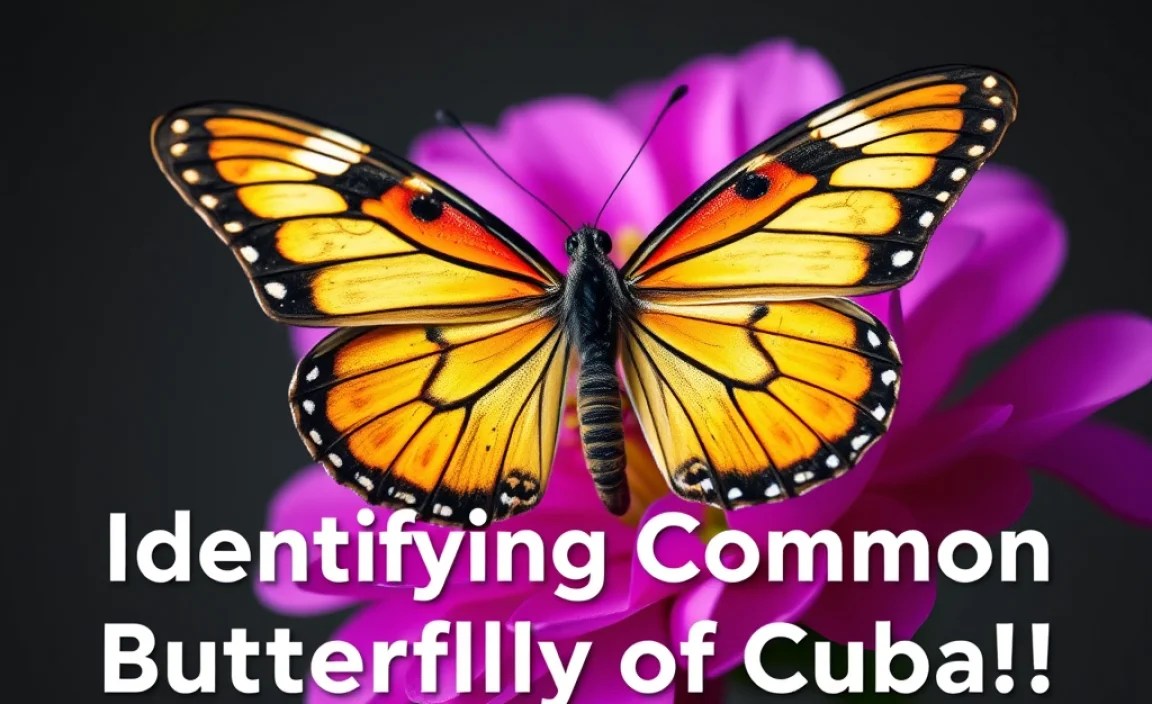
Let’s explore some of the most commonly seen butterfly species in Cuba. Knowing how to identify these butterflies is the first step in appreciating and protecting them.
1. Cuban Crescent (Anthanassa frisia numisma)
The Cuban Crescent is a small, vibrant butterfly with orange and black markings. It is one of the most common butterflies in Cuba, often seen flitting through gardens and meadows.
- Appearance: Bright orange wings with black borders and spots.
- Habitat: Open fields, gardens, and roadsides.
- Host Plants: Various plants in the Acanthaceae family.
2. Dingy Purplewing (Eunica monima)
The Dingy Purplewing is a medium-sized butterfly with a distinctive purple sheen on its wings. It prefers shaded habitats and is often found in forests and woodlands.
- Appearance: Dark brown wings with a purple iridescence, especially in males.
- Habitat: Forests, woodlands, and shaded areas.
- Host Plants: Plants in the Euphorbiaceae family.
3. Schaus’ Swallowtail (Heraclides aristodemus ponceanus)
While primarily found in Florida, the Schaus’ Swallowtail has been spotted in Cuba. This large, striking butterfly is considered endangered, making its presence in Cuba particularly significant.
- Appearance: Black wings with yellow bands and a long “tail” on each hindwing.
- Habitat: Tropical hardwood forests.
- Host Plants: Torchwood and wild lime trees.
4. Gulf Fritillary (Agraulis vanillae)
The Gulf Fritillary is a bright orange butterfly with elongated wings. It is a common sight in gardens and open areas throughout Cuba.
- Appearance: Bright orange wings with black spots and silver markings on the underside.
- Habitat: Gardens, open fields, and disturbed areas.
- Host Plants: Passionflower vines (Passiflora species).
5. Mimosa Yellow (Eurema nise)
The Mimosa Yellow is a small, delicate butterfly with bright yellow wings. It’s often seen near its host plants, various species of Mimosa.
- Appearance: Bright yellow wings, sometimes with a faint dark border.
- Habitat: Open woodlands, fields, and gardens.
- Host Plants: Mimosa species.
Butterfly Habitats in Cuba

Cuba’s diverse ecosystems provide a variety of habitats for butterflies. Understanding these habitats is key to finding and observing different species.
Forests and Woodlands
Cuba’s forests and woodlands are home to many butterfly species, including the Dingy Purplewing and various swallowtails. These habitats provide shade, shelter, and a variety of host plants.
Open Fields and Meadows
Open fields and meadows are ideal habitats for butterflies like the Cuban Crescent and Gulf Fritillary. These areas offer plenty of sunlight and nectar sources.
Gardens and Urban Areas
Even in urban areas, butterflies can thrive in gardens and parks. Planting butterfly-friendly flowers and host plants can attract a variety of species to your backyard.
Attracting Butterflies to Your Garden in Cuba
Want to create a butterfly haven in your own backyard? Here are some tips for attracting butterflies to your garden in Cuba:
1. Plant Nectar-Rich Flowers
Butterflies need nectar for energy. Choose a variety of flowering plants that bloom at different times of the year to provide a continuous food source. Some great options include:
- Lantana
- Pentas
- Zinnia
- Butterfly Bush (Buddleja davidii)
2. Provide Host Plants
Butterflies lay their eggs on specific host plants, which their caterpillars will then feed on. Research which butterflies are common in your area and plant their host plants. For example:
- Passionflower vines for Gulf Fritillaries
- Citrus trees for Swallowtails
- Mimosa species for Mimosa Yellows
3. Create a Water Source
Butterflies need water, but they can’t drink from open pools. Provide a shallow dish of water with pebbles or sand for them to land on.
4. Avoid Pesticides
Pesticides can harm or kill butterflies and caterpillars. Choose organic gardening methods to protect these delicate creatures.
5. Offer Shelter
Butterflies need shelter from wind and rain. Plant shrubs and trees to provide a safe haven for them.
Conservation Efforts for Cuban Butterflies
Many butterfly species in Cuba face threats from habitat loss, climate change, and pesticide use. Conservation efforts are crucial to protect these beautiful insects and their ecosystems.
Habitat Preservation
Protecting and restoring natural habitats is essential for butterfly conservation. This includes preserving forests, wetlands, and other ecosystems that support butterfly populations.
Sustainable Agriculture
Promoting sustainable agricultural practices can reduce the negative impacts of farming on butterflies and other wildlife. This includes using organic farming methods and avoiding the use of harmful pesticides.
Education and Awareness
Raising awareness about the importance of butterflies and their conservation is crucial. Education programs can help people understand the threats facing butterflies and how they can help protect them.
Citizen Science
Participating in citizen science projects can help researchers monitor butterfly populations and track their movements. This information is valuable for conservation planning.
The Cultural Significance of Butterflies in Cuba
Butterflies hold cultural significance in many societies, and Cuba is no exception. They are often seen as symbols of transformation, beauty, and freedom.
- Symbolism: In Cuban culture, butterflies are often associated with good luck and positive change.
- Art and Literature: Butterflies frequently appear in Cuban art and literature, representing the beauty and fragility of nature.
- Folklore: Some Cuban folklore traditions associate butterflies with spirits or ancestors.
Tools for Butterfly Identification
Identifying butterflies can be a fun and rewarding experience. Here are some tools that can help you get started:
- Field Guides: A good field guide is essential for identifying butterflies. Look for guides that include detailed descriptions and illustrations of Cuban butterfly species.
- Online Resources: Websites like Butterflies and Moths of North America and iNaturalist offer valuable information and photos to help you identify butterflies.
- Butterfly Identification Apps: There are several smartphone apps that can help you identify butterflies based on photos or descriptions.
- Binoculars: A good pair of binoculars can help you get a closer look at butterflies without disturbing them.
Butterfly Watching Tips for Cuba
Ready to go butterfly watching in Cuba? Here are some tips to make your experience more enjoyable:
- Best Time to Go: The best time to see butterflies in Cuba is during the rainy season (May to October), when plants are flowering and butterflies are most active.
- What to Wear: Wear light-colored clothing to avoid attracting mosquitoes and other insects.
- What to Bring: Bring a field guide, binoculars, sunscreen, insect repellent, and plenty of water.
- Where to Go: Explore national parks, botanical gardens, and other natural areas to find a variety of butterfly species.
Conservation Organizations Working in Cuba
Several organizations are working to protect butterflies and their habitats in Cuba. Here are a few:
- The Xerces Society: This organization works to protect invertebrates and their habitats through conservation, education, and advocacy.
- The National Butterfly Center: This center promotes butterfly conservation through education and research.
- Local Conservation Groups: Support local conservation groups in Cuba that are working to protect butterflies and their ecosystems.
Cuban Butterflies: A Summary Table
Here’s a quick reference table summarizing some of the butterflies we’ve discussed:
| Butterfly Species | Appearance | Habitat | Host Plants |
|---|---|---|---|
| Cuban Crescent (Anthanassa frisia numisma) | Orange wings with black markings | Open fields, gardens | Acanthaceae family |
| Dingy Purplewing (Eunica monima) | Dark brown wings with purple iridescence | Forests, woodlands | Euphorbiaceae family |
| Schaus’ Swallowtail (Heraclides aristodemus ponceanus) | Black wings with yellow bands | Tropical hardwood forests | Torchwood, wild lime |
| Gulf Fritillary (Agraulis vanillae) | Bright orange wings with black spots | Gardens, open fields | Passionflower vines |
| Mimosa Yellow (Eurema nise) | Bright yellow wings | Open woodlands, gardens | Mimosa species |
Life Cycle of Cuban Butterflies
Understanding the life cycle of butterflies is key to appreciating their complexity and vulnerability. Butterflies undergo complete metamorphosis, which includes four distinct stages:
- Egg: Butterflies lay their eggs on specific host plants. The eggs can vary in shape, size, and color depending on the species.
- Larva (Caterpillar): The larva, or caterpillar, is the feeding stage. Caterpillars eat voraciously and grow rapidly, molting their skin several times as they increase in size.
- Pupa (Chrysalis): Once the caterpillar is fully grown, it enters the pupa stage. The pupa, or chrysalis, is a protective shell in which the caterpillar undergoes metamorphosis.
- Adult Butterfly: After a period of time, the adult butterfly emerges from the chrysalis. The butterfly’s wings are initially crumpled, but they expand as the butterfly pumps hemolymph (insect blood) through its veins.
Threats to Cuban Butterflies
Cuban butterflies face a number of threats that can impact their populations. Understanding these threats is crucial for developing effective conservation strategies.
- Habitat Loss: Deforestation, urbanization, and agricultural expansion can destroy butterfly habitats, leaving them without food and shelter.
- Pesticide Use: Pesticides can directly kill butterflies and caterpillars, and they can also harm host plants.
- Climate Change: Changes in temperature and precipitation patterns can disrupt butterfly life cycles and alter the distribution of host plants.
- Invasive Species: Invasive plants and animals can compete with native butterflies for resources or prey on them directly.
Fun Facts About Cuban Butterflies
Here are some fun facts about Cuban butterflies that you might not know:
- Cuba is home to over 150 species of butterflies.
- Some Cuban butterflies are migratory, traveling long distances to find food or suitable breeding grounds.
- Butterflies taste with their feet! They have taste receptors on their feet that allow them to identify host plants for laying eggs.
- The wings of butterflies are covered in tiny scales that give them their color and pattern.
- Butterflies play an important role in pollination, helping to ensure the survival of many plant species.
FAQ About Cuban Butterflies
Here are some frequently asked questions about Cuban butterflies:
1. What is the best time of year to see butterflies in Cuba?
The best time to see butterflies in Cuba is during the rainy season (May to October), when plants are flowering and butterflies are most active.
2. Are there any endangered butterfly species in Cuba?
Yes, the Schaus’ Swallowtail, while primarily found in Florida, has been spotted in Cuba and is considered endangered. Its presence in Cuba highlights the importance of habitat preservation.
3. What can I plant in my garden to attract butterflies in Cuba?
Plant nectar-rich flowers like lantana, pentas, and zinnias, as well as host plants for specific butterfly species, such as passionflower vines for Gulf Fritillaries and citrus trees for Swallowtails.
4. How can I help protect butterflies in Cuba?
You can help protect butterflies by supporting habitat preservation, using sustainable gardening practices, avoiding pesticides, and raising awareness about the importance of butterfly conservation.
5. What are some common butterfly species in Cuba?
Some common butterfly species in Cuba include the Cuban Crescent, Dingy Purplewing, Gulf Fritillary, and Mimosa Yellow.
6. What do caterpillars eat?
Caterpillars eat the leaves of specific host plants. Different butterfly species have different host plant preferences.
7. How long do butterflies live?
The lifespan of a butterfly varies depending on the species. Some butterflies live only a few weeks, while others can live for several months.
Conclusion
Exploring the butterflies of Cuba is a journey into a world of vibrant colors, intricate patterns, and ecological importance. From the common Cuban Crescent to the elusive Dingy Purplewing, each species contributes to the island’s rich biodiversity. By understanding their habitats, behaviors, and the threats they face, we can all play a role in protecting these delicate creatures. Whether you’re a seasoned naturalist or a curious beginner, I hope this guide inspires you to appreciate the beauty and wonder of Cuban butterflies and to support their conservation for generations to come. Happy butterfly watching!


