
Butterflies of Central Africa: A Powerful Guide

The butterflies of Central Africa are a vibrant and diverse group of insects, with hundreds of species flitting through the rainforests, savannas, and mountains of the region. Spotting these butterflies involves exploring their natural habitats, learning key identification features, and appreciating their ecological roles.
Have you ever dreamt of wandering through lush African landscapes, surrounded by the fluttering wings of colorful butterflies? Central Africa is home to some of the most stunning butterfly species on Earth. But with so many different kinds, identifying them can feel overwhelming. Don’t worry! This guide will walk you through everything you need to know, from where to find them to how to tell them apart. Get ready to discover the enchanting world of Central African butterflies!
Exploring the Butterfly Wonders of Central Africa

Central Africa is a treasure trove of biodiversity, and its butterflies are a shining example. From the dense rainforests of the Congo Basin to the open savannas of countries like Zambia and Angola, the region offers a wide array of habitats that support a rich variety of butterfly species. These butterflies are not only beautiful but also play crucial roles in their ecosystems as pollinators and indicators of environmental health.
Why Central Africa is a Butterfly Hotspot
Several factors contribute to the incredible butterfly diversity in Central Africa:
- Diverse Habitats: The region encompasses rainforests, woodlands, grasslands, and mountains, each supporting unique butterfly communities.
- Climate: The warm, humid climate is ideal for butterfly development and activity year-round.
- Rich Flora: A wide variety of host plants provide food for butterfly larvae, ensuring the survival of many species.
- Geographic Location: Central Africa’s position allows for the mixing of species from different parts of the continent.
Famous Central African Butterflies
Here are some of the most well-known butterfly families and species found in Central Africa:
- Swallowtails (Papilionidae): Large, striking butterflies with elongated hindwings. The Giant African Swallowtail (Papilio antimachus) is one of the largest butterflies in the world.
- Whites and Yellows (Pieridae): Often brightly colored, these butterflies are common in open areas. The African Migrant (Catopsilia florella) is a widespread species known for its migratory behavior.
- Nymphalidae: A diverse family that includes admirals, emperors, and fritillaries. Many species have intricate patterns and bright colors.
- Blues (Lycaenidae): Small, often brightly colored butterflies with delicate wings. Many species have a symbiotic relationship with ants.
How to Identify Central African Butterflies

Identifying butterflies can be a rewarding challenge. Here’s a step-by-step guide to help you get started.
Step 1: Observe the Butterfly’s Appearance
Start by noting the butterfly’s key physical characteristics:
- Size: Is it small, medium, or large?
- Color: What are the dominant colors and patterns on its wings?
- Shape: Note the shape of the wings and any distinctive features, such as tails or elongated wings.
For example, the Mocker Swallowtail (Papilio dardanus) is known for its diverse forms, with females mimicking other unpalatable butterfly species for protection. The African Monarch (Danaus chrysippus) is a bright orange butterfly with black and white markings, similar to the Monarch butterfly of North America.
Step 2: Consider the Habitat and Location
Where did you find the butterfly? Different species are found in different habitats.
- Rainforest: Look for species that prefer shade and damp conditions.
- Savanna: Expect to see butterflies adapted to open grasslands.
- Mountains: Some species are found only at higher altitudes.
Knowing the location can help narrow down the possibilities. For instance, certain species are endemic to specific regions within Central Africa.
Step 3: Use Field Guides and Online Resources
Field guides and online resources are invaluable tools for butterfly identification. Some popular options include:
- Field Guides: Look for guides specific to African butterflies, such as “Butterflies of Southern Africa” by Ivor Migdoll.
- Websites: Websites like African Butterflies and iNaturalist provide images and information on various species.
- Apps: Butterfly identification apps can help you identify butterflies based on photos you take.
Step 4: Pay Attention to Behavior
Butterfly behavior can also provide clues to their identity.
- Flight Pattern: Is the flight fast and erratic or slow and graceful?
- Feeding Habits: What types of flowers does it visit?
- Resting Position: How does it hold its wings when at rest?
Some butterflies have distinctive behaviors, such as the way they bask in the sun or flutter around specific host plants.
Step 5: Compare with Similar Species
Once you have gathered information on the butterfly’s appearance, habitat, and behavior, compare it with similar species in your field guide or online resources. Pay close attention to subtle differences in patterns and colors.
For example, several species of Swallowtails can look similar at first glance. Compare the patterns on their wings, the shape of their tails, and their overall size to differentiate them.
Creating a Butterfly-Friendly Habitat in Central Africa

Attracting butterflies to your garden or local area is a great way to support these important pollinators. Here’s how to create a butterfly-friendly habitat.
Step 1: Plant Host Plants
Host plants are essential for butterfly larvae, as they provide the food source that caterpillars need to grow and develop. Some popular host plants for Central African butterflies include:
- Citrus Trees: Host plants for Citrus Swallowtail (Papilio demodocus).
- Milkweed (Asclepias): Host plant for the African Monarch (Danaus chrysippus).
- Cassia: Host plant for various Pieridae species.
By planting these host plants, you can attract butterflies to lay their eggs in your garden.
Step 2: Provide Nectar Sources
Nectar-rich flowers provide food for adult butterflies. Choose a variety of plants that bloom at different times of the year to ensure a continuous supply of nectar. Some good nectar sources for Central African butterflies include:
- Lantana: A popular choice that attracts many butterfly species.
- Hibiscus: Provides large, colorful flowers that butterflies love.
- Pentas: Offers clusters of small, nectar-rich flowers.
Planting a mix of colors and flower shapes will attract a wider variety of butterflies.
Step 3: Offer Water and Shelter
Butterflies need water and shelter to thrive. Provide a shallow dish of water with pebbles or sand for them to land on. Plant shrubs and trees to offer protection from wind and predators.
- Water Source: A shallow dish with wet sand or pebbles.
- Shelter: Trees and shrubs for protection from the elements and predators.
A butterfly garden should offer a safe and welcoming environment for these delicate creatures.
Step 4: Avoid Pesticides
Pesticides can be harmful to butterflies and other beneficial insects. Avoid using pesticides in your garden, or choose organic options that are less toxic. Encourage natural pest control by attracting birds and other beneficial insects.
- Organic Gardening: Use natural methods to control pests.
- Beneficial Insects: Attract predators like ladybugs and lacewings.
A healthy, pesticide-free garden is the best way to support butterfly populations.
Step 5: Observe and Enjoy
Take the time to observe the butterflies in your garden and learn about their behavior. Note which plants they prefer, how they interact with each other, and any interesting patterns you observe.
- Record Observations: Keep a journal of the butterflies you see and their behavior.
- Photograph Butterflies: Capture images of the butterflies in your garden for identification and enjoyment.
Enjoy the beauty and wonder of these amazing creatures!
Conservation Efforts for Central African Butterflies

Many butterfly species in Central Africa are threatened by habitat loss, climate change, and other factors. Conservation efforts are essential to protect these important pollinators.
Habitat Preservation
Protecting and restoring natural habitats is crucial for butterfly conservation. This includes preserving rainforests, savannas, and other ecosystems that support butterfly populations. Organizations like the World Wildlife Fund (WWF) and Conservation International work to protect habitats in Central Africa.
- Protected Areas: Establish and maintain national parks and reserves.
- Sustainable Land Use: Promote farming and forestry practices that minimize habitat destruction.
Community Involvement
Engaging local communities in conservation efforts is essential for long-term success. This includes educating people about the importance of butterflies and involving them in monitoring and protecting butterfly populations.
- Education Programs: Teach local communities about butterfly conservation.
- Ecotourism: Promote butterfly-watching tourism to generate income for local communities.
Research and Monitoring
Research and monitoring are needed to understand butterfly populations and identify threats to their survival. This includes studying their distribution, abundance, and habitat requirements.
- Butterfly Surveys: Conduct regular surveys to monitor butterfly populations.
- Habitat Assessments: Assess the quality and extent of butterfly habitats.
Sustainable Practices
Promoting sustainable practices in agriculture, forestry, and other industries can help reduce the impact on butterfly populations. This includes using organic farming methods, reducing pesticide use, and managing forests sustainably.
- Organic Farming: Encourage the use of organic farming methods.
- Sustainable Forestry: Promote responsible forest management practices.
Tools and Resources for Butterfly Enthusiasts
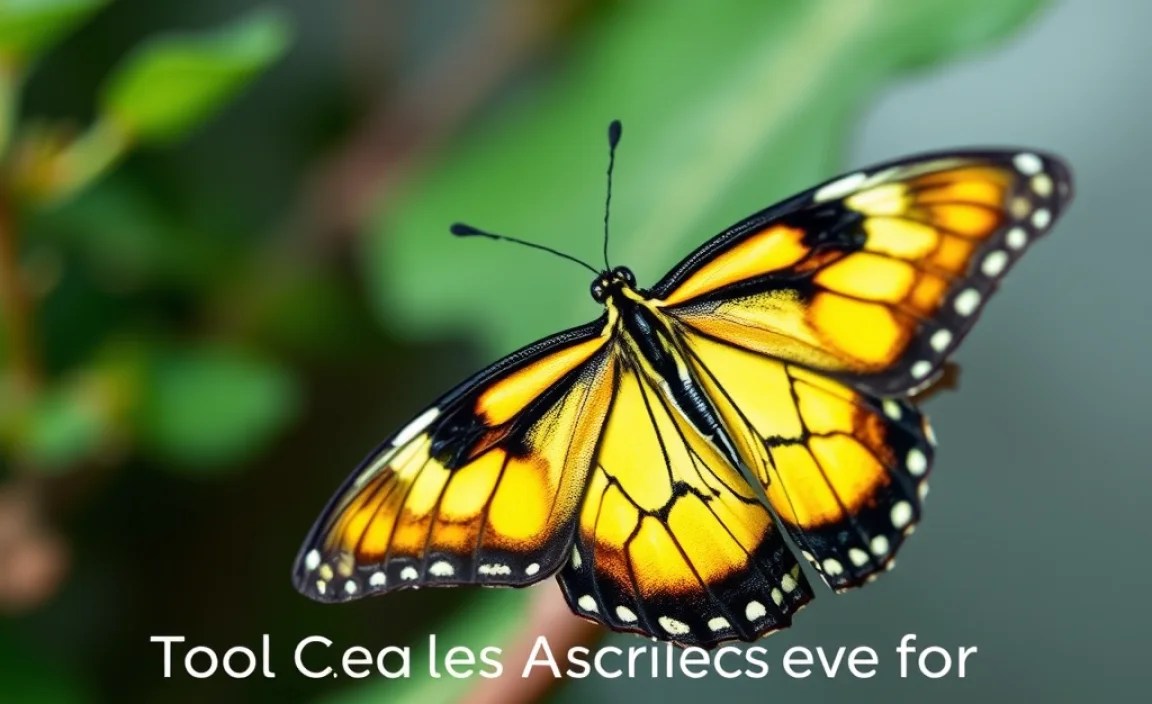
Here’s a list of essential tools and resources to help you explore the world of Central African butterflies:
| Tool/Resource | Description | Where to Find |
|---|---|---|
| Field Guides | Books with detailed descriptions and illustrations of butterfly species. | Bookstores, online retailers |
| Binoculars | Helpful for observing butterflies from a distance. | Sporting goods stores, online retailers |
| Camera | For capturing images of butterflies for identification and enjoyment. | Electronics stores, online retailers |
| Butterfly Net | For catching butterflies for closer examination (use responsibly and release unharmed). | Entomology supply stores, online retailers |
| Magnifying Glass | For examining small details on butterfly wings. | Hobby stores, online retailers |
| Online Databases | Websites with information and images of butterfly species. | Websites like African Butterflies, iNaturalist |
| Butterfly Gardens | Local gardens where you can observe butterflies in a controlled environment. | Botanical gardens, nature centers |
The Cultural Significance of Butterflies in Central Africa
Butterflies hold cultural significance in many Central African societies, often symbolizing transformation, beauty, and spiritual connection.
Symbolism
In some cultures, butterflies are seen as symbols of the soul or spirits of the deceased. They may represent the journey from life to the afterlife or the transformation from one state to another.
- Transformation: Butterflies symbolize change and renewal.
- Spiritual Connection: They may represent the souls of ancestors.
- Beauty: Their vibrant colors and delicate wings are often associated with beauty and grace.
Folklore and Mythology
Butterflies often appear in folklore and mythology, playing various roles in stories and legends. They may be portrayed as messengers from the gods or as symbols of good luck.
- Messengers: Butterflies may carry messages from the spiritual world.
- Good Luck: Seeing a butterfly may be considered a sign of good fortune.
Art and Design
Butterflies are frequently depicted in art and design, from traditional textiles to modern paintings. Their intricate patterns and vibrant colors make them a popular motif in many forms of artistic expression.
- Textiles: Butterfly patterns are used in traditional fabrics and clothing.
- Paintings: Butterflies are a common subject in paintings and other visual arts.
FAQ: Butterflies of Central Africa
Here are some frequently asked questions about the butterflies of Central Africa:
What is the largest butterfly in Central Africa?
The Giant African Swallowtail (Papilio antimachus) is one of the largest butterflies in Central Africa, with a wingspan that can reach up to 9 inches.
Are there any poisonous butterflies in Central Africa?
Yes, some butterflies in Central Africa are poisonous. For example, the African Monarch (Danaus chrysippus) is toxic to predators because its larvae feed on milkweed plants, which contain poisonous compounds.
How can I attract butterflies to my garden in Central Africa?
To attract butterflies, plant host plants for their larvae and nectar-rich flowers for the adults. Provide a water source and avoid using pesticides.
What is the best time of year to see butterflies in Central Africa?
The best time to see butterflies in Central Africa is during the wet season (November to April), when plants are flowering and butterflies are most active.
Are butterflies important for the environment in Central Africa?
Yes, butterflies are important pollinators and play a crucial role in maintaining healthy ecosystems. They also serve as indicators of environmental health.
What are some common threats to butterflies in Central Africa?
Common threats to butterflies include habitat loss, climate change, pesticide use, and over-collection.
Where can I see the most diverse butterfly populations in Central Africa?
Some of the best places to see diverse butterfly populations include the rainforests of the Congo Basin, national parks in Zambia and Tanzania, and mountainous regions like the Eastern Arc Mountains.
Conclusion: Embrace the Fluttering World
The butterflies of Central Africa are a testament to the region’s rich biodiversity and natural beauty. By learning to identify these fascinating creatures, creating butterfly-friendly habitats, and supporting conservation efforts, we can help protect them for future generations. So, grab your field guide, venture into the great outdoors, and immerse yourself in the enchanting world of Central African butterflies. Each sighting is a reminder of the delicate balance of nature and the importance of preserving it.


