
Butterflies of Bahamas: Your Ultimate Guide!

Quick Summary: The Bahamas are home to a diverse range of butterflies, from the vibrant Bahamian Swallowtail to the delicate Gulf Fritillary. These islands offer a unique habitat supporting both resident and migratory species. Discovering these beautiful insects involves understanding their preferred habitats, host plants, and seasonal appearances. This guide will help you identify and appreciate the butterflies of the Bahamas, contributing to their conservation.
Have you ever dreamed of wandering through a tropical paradise, surrounded by fluttering wings of vibrant colors? The Bahamas, with their stunning landscapes and warm climate, are a haven for butterflies. But identifying these delicate creatures can be a bit of a challenge. Don’t worry! This guide will walk you through the fascinating world of Bahamian butterflies. We’ll explore the most common species, their habitats, and what makes them so special. Get ready to discover the beauty and importance of these winged jewels.
Exploring the Butterflies of the Bahamas

The Bahamas, an archipelago of over 700 islands and cays, boasts a rich biodiversity, including a captivating array of butterflies. These islands, with their diverse habitats ranging from pine forests to coastal coppices, provide a home to both resident and migratory butterfly species. As a naturalist and butterfly enthusiast, I’ve always been drawn to the unique charm of Bahamian butterflies. Let’s dive into the world of these fascinating insects.
Why are Butterflies Important?
Butterflies are more than just pretty faces. They play a vital role in the ecosystem as pollinators. As they flit from flower to flower, they transfer pollen, aiding in the reproduction of plants. This pollination is crucial for maintaining plant diversity and supporting the food chain. Additionally, butterflies serve as an important food source for birds, lizards, and other animals. Their presence is an indicator of a healthy environment.
Key Butterfly Habitats in the Bahamas
The diverse habitats of the Bahamas support a wide variety of butterfly species. Understanding these habitats is crucial for spotting and identifying butterflies:
- Pine Forests: These areas are home to species that feed on pine trees and associated plants.
- Coastal Coppices: These shrubby areas along the coast provide food and shelter for many butterfly species.
- Gardens and Parks: Cultivated areas with flowering plants attract a variety of butterflies.
- Mangrove Swamps: While not as butterfly-rich as other habitats, mangroves can host specific species adapted to these environments.
Common Butterfly Species in the Bahamas

Let’s explore some of the most commonly seen butterfly species in the Bahamas. Each butterfly has unique characteristics that make it special.
1. Bahamian Swallowtail (Heraclides andraemon bonhotei)
The Bahamian Swallowtail is a striking butterfly endemic to the Bahamas. Its large size and vibrant colors make it a favorite among butterfly enthusiasts. Sadly, this beautiful butterfly is now endangered.
- Appearance: Black with yellow bands and a distinctive “swallowtail” shape on its hindwings.
- Habitat: Prefers citrus groves and wooded areas.
- Host Plant: Citrus trees (larvae feed on the leaves).
- Fun Fact: The Bahamian Swallowtail is a subspecies of the larger Andraemon Swallowtail found in other parts of the Caribbean.
2. Gulf Fritillary (Agraulis vanillae)
The Gulf Fritillary is a common sight throughout the Americas, including the Bahamas. Its bright orange wings and distinctive silver spots make it easy to identify.
- Appearance: Bright orange with elongated wings and silver spots on the underside.
- Habitat: Open, sunny areas with passionflower vines.
- Host Plant: Passionflower (Passiflora species).
- Fun Fact: The caterpillars are bright orange with black spines, warning predators of their toxicity.
3. Monarch Butterfly (Danaus plexippus)
The Monarch butterfly is famous for its long-distance migration. While not a resident species in the Bahamas, Monarchs often pass through during their migration routes.
- Appearance: Bright orange with black veins and a black border with white spots.
- Habitat: Open fields, meadows, and gardens with milkweed.
- Host Plant: Milkweed (Asclepias species).
- Fun Fact: Monarch butterflies undertake an incredible multi-generational migration from Canada and the United States to Mexico.
4. Cloudless Sulphur (Phoebis sennae)
The Cloudless Sulphur is a vibrant yellow butterfly commonly found in gardens and open areas. Its cheerful color adds a touch of sunshine to any landscape.
- Appearance: Bright yellow wings, sometimes with a pinkish hue.
- Habitat: Open fields, gardens, and roadsides.
- Host Plant: Various legumes, including sennas (Senna species).
- Fun Fact: The Cloudless Sulphur is a fast flier, making it a challenge to photograph.
5. Great Southern White (Ascia monuste)
The Great Southern White is a medium-sized white butterfly with delicate markings. It’s often seen fluttering around coastal areas.
- Appearance: White with faint gray markings, especially on the wingtips.
- Habitat: Coastal areas, gardens, and open fields.
- Host Plant: Various plants in the mustard family (Brassicaceae).
- Fun Fact: The caterpillars can tolerate a wide range of host plants, making this butterfly quite adaptable.
6. Cassius Blue (Leptotes cassius)
The Cassius Blue is a small, delicate butterfly with iridescent blue wings. It’s a common sight in gardens and disturbed areas.
- Appearance: Males are bright blue on the upper side, while females are bluish-gray. Both have distinctive black and white markings on the underside.
- Habitat: Gardens, fields, and disturbed areas.
- Host Plant: Various legumes, including leadwort (Plumbago species).
- Fun Fact: The caterpillars have a symbiotic relationship with ants, which protect them from predators.
7. Dainty Sulphur (Nathalis iole)
The Dainty Sulphur is one of the smallest butterflies you’ll encounter. Its yellow and black wings make it easily recognizable.
- Appearance: Yellow with black borders on the wings.
- Habitat: Open fields, gardens, and roadsides.
- Host Plant: Various plants in the aster family (Asteraceae).
- Fun Fact: The Dainty Sulphur is a very active butterfly, constantly flitting from flower to flower.
Table: Common Butterflies of the Bahamas
| Butterfly Species | Appearance | Habitat | Host Plant |
|---|---|---|---|
| Bahamian Swallowtail | Black with yellow bands | Citrus groves, wooded areas | Citrus trees |
| Gulf Fritillary | Bright orange with silver spots | Open, sunny areas | Passionflower |
| Monarch Butterfly | Orange with black veins | Open fields, gardens | Milkweed |
| Cloudless Sulphur | Bright yellow | Open fields, gardens | Legumes (Senna) |
| Great Southern White | White with gray markings | Coastal areas, gardens | Mustard family |
| Cassius Blue | Blue (male), bluish-gray (female) | Gardens, fields | Legumes (Leadwort) |
| Dainty Sulphur | Yellow with black borders | Open fields, gardens | Aster family |
How to Attract Butterflies to Your Garden

Creating a butterfly-friendly garden is a rewarding experience. By providing the right plants and conditions, you can attract these beautiful creatures to your backyard.
1. Plant Host Plants
Host plants are essential for butterfly reproduction. These are the plants that caterpillars feed on. Some popular host plants for Bahamian butterflies include:
- Passionflower: For Gulf Fritillaries.
- Milkweed: For Monarchs (even though they are migratory, providing milkweed helps support their population).
- Citrus Trees: For Bahamian Swallowtails.
- Legumes (Senna, Leadwort): For Cloudless Sulphurs and Cassius Blues.
2. Provide Nectar Plants
Nectar plants provide butterflies with the energy they need to fly and reproduce. Choose a variety of flowering plants that bloom at different times of the year to provide a continuous source of nectar. Some good choices include:
- Lantana: A colorful and popular nectar plant.
- Pentas: Attracts a wide variety of butterflies.
- Zinnia: Easy to grow and provides abundant nectar.
- Salvia: A favorite among many butterfly species.
3. Offer a Water Source
Butterflies need water to stay hydrated. Provide a shallow dish of water with pebbles or sand for them to land on. This prevents them from drowning.
4. Provide Shelter
Butterflies need shelter from wind and rain. Plant shrubs and trees to provide them with a safe place to rest.
5. Avoid Pesticides
Pesticides can harm or kill butterflies and their caterpillars. Avoid using pesticides in your garden. Instead, use natural methods to control pests.
Butterfly Conservation in the Bahamas

Butterfly populations are declining worldwide due to habitat loss, pesticide use, and climate change. Conservation efforts are essential to protect these beautiful creatures.
Threats to Butterflies in the Bahamas
- Habitat Loss: Development and deforestation are destroying butterfly habitats.
- Pesticide Use: Pesticides can kill butterflies and their caterpillars.
- Climate Change: Changes in temperature and rainfall patterns can disrupt butterfly life cycles.
How You Can Help
- Create a Butterfly Garden: Provide habitat and food for butterflies in your backyard.
- Support Conservation Organizations: Donate to organizations that work to protect butterfly habitats.
- Educate Others: Share your knowledge about butterflies with friends and family.
- Advocate for Change: Support policies that protect butterfly habitats and reduce pesticide use.
Organizations Involved in Butterfly Conservation
Several organizations are dedicated to butterfly conservation. Here are a few:
- The Xerces Society: A non-profit organization that protects invertebrates and their habitats.
- The North American Butterfly Association (NABA): An organization dedicated to butterfly conservation and education.
- Local Conservation Groups: Many local organizations in the Bahamas are working to protect the environment and its wildlife.
Identifying Butterflies: A Step-by-Step Guide
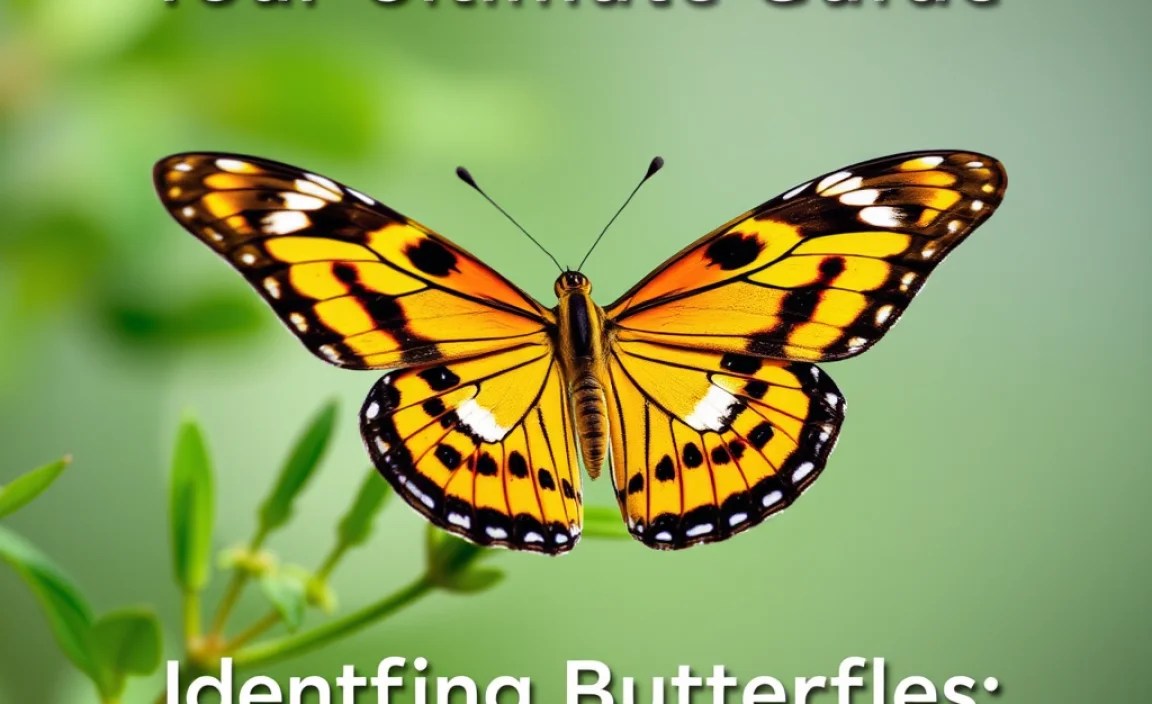
Identifying butterflies can seem daunting, but with a few simple steps, you can learn to recognize different species.
Step 1: Observe the Butterfly’s Size and Shape
Start by noting the butterfly’s size (small, medium, or large) and the shape of its wings. Are the wings elongated, rounded, or angular?
Step 2: Note the Colors and Patterns
Pay close attention to the colors and patterns on the wings. Are they bright and bold, or subtle and muted? Are there spots, stripes, or other markings?
Step 3: Observe the Butterfly’s Behavior
How does the butterfly fly? Does it flutter quickly or glide smoothly? What flowers does it visit? These behaviors can help you narrow down the possibilities.
Step 4: Consult a Field Guide
A good field guide is an essential tool for butterfly identification. Look for a guide that includes detailed descriptions and illustrations of butterflies found in the Bahamas.
Step 5: Use Online Resources
Many websites and apps can help you identify butterflies. These resources often include photos, descriptions, and range maps.
Table: Butterfly Identification Checklist
| Characteristic | Description | Example |
|---|---|---|
| Size | Small, medium, large | Small (Cassius Blue), Large (Bahamian Swallowtail) |
| Wing Shape | Elongated, rounded, angular | Elongated (Gulf Fritillary), Rounded (Monarch) |
| Color | Bright, muted, specific colors | Bright Yellow (Cloudless Sulphur), Orange (Monarch) |
| Patterns | Spots, stripes, bands | Silver Spots (Gulf Fritillary), Black Bands (Bahamian Swallowtail) |
| Behavior | Flight pattern, flower preference | Fast Flight (Cloudless Sulphur), Milkweed Preference (Monarch) |
The Cultural Significance of Butterflies
Butterflies have long held cultural significance in many societies. They are often seen as symbols of transformation, hope, and new beginnings.
Butterflies as Symbols of Transformation
The butterfly’s life cycle, from egg to caterpillar to pupa to butterfly, is a powerful metaphor for transformation. This transformation is often associated with personal growth, spiritual awakening, and overcoming challenges.
Butterflies as Symbols of Hope
The butterfly’s delicate beauty and ability to fly freely make it a symbol of hope. It represents the possibility of overcoming obstacles and achieving one’s dreams.
Butterflies in Art and Literature
Butterflies have been featured in art and literature for centuries. They are often used to represent beauty, freedom, and the fleeting nature of life.
FAQ: Butterflies of the Bahamas
Here are some frequently asked questions about butterflies in the Bahamas:
1. What is the most common butterfly in the Bahamas?
The Gulf Fritillary (Agraulis vanillae) is one of the most commonly seen butterflies in the Bahamas, thanks to its adaptability and widespread host plant, the passionflower.
2. Are there any endangered butterflies in the Bahamas?
Yes, the Bahamian Swallowtail (Heraclides andraemon bonhotei) is an endangered species. Conservation efforts are underway to protect this unique butterfly.
3. What plants attract butterflies in the Bahamas?
Butterflies are attracted to a variety of flowering plants. Some popular choices include lantana, pentas, zinnia, and salvia. Host plants like passionflower and milkweed are also essential.
4. When is the best time to see butterflies in the Bahamas?
Butterflies can be seen year-round in the Bahamas, but the best time to see them is during the warmer months, from spring to fall, when more flowers are in bloom.
5. How can I help protect butterflies in the Bahamas?
You can help by creating a butterfly garden, avoiding pesticides, supporting conservation organizations, and educating others about the importance of butterfly conservation.
6. Do Monarch butterflies migrate through the Bahamas?
Yes, Monarch butterflies often pass through the Bahamas during their migration routes. Providing milkweed in your garden can help support their population.
7. What should I do if I find an injured butterfly?
If you find an injured butterfly, gently move it to a safe place, such as a sheltered area with flowers. You can offer it a sugar-water solution (one part sugar to four parts water) on a cotton ball. However, avoid handling the butterfly too much.
Conclusion
The butterflies of the Bahamas are a true treasure, adding beauty and ecological value to these stunning islands. From the endangered Bahamian Swallowtail to the common Gulf Fritillary, each species plays a unique role in the ecosystem. By understanding their habitats, host plants, and the threats they face, we can all contribute to their conservation. Whether you’re a seasoned naturalist or a beginner gardener, there’s something magical about watching these delicate creatures flutter by. So, get outside, explore, and discover the wonderful world of Bahamian butterflies. Let’s work together to protect these winged jewels for future generations to enjoy.


